Breath-Based Yoga
What It Is
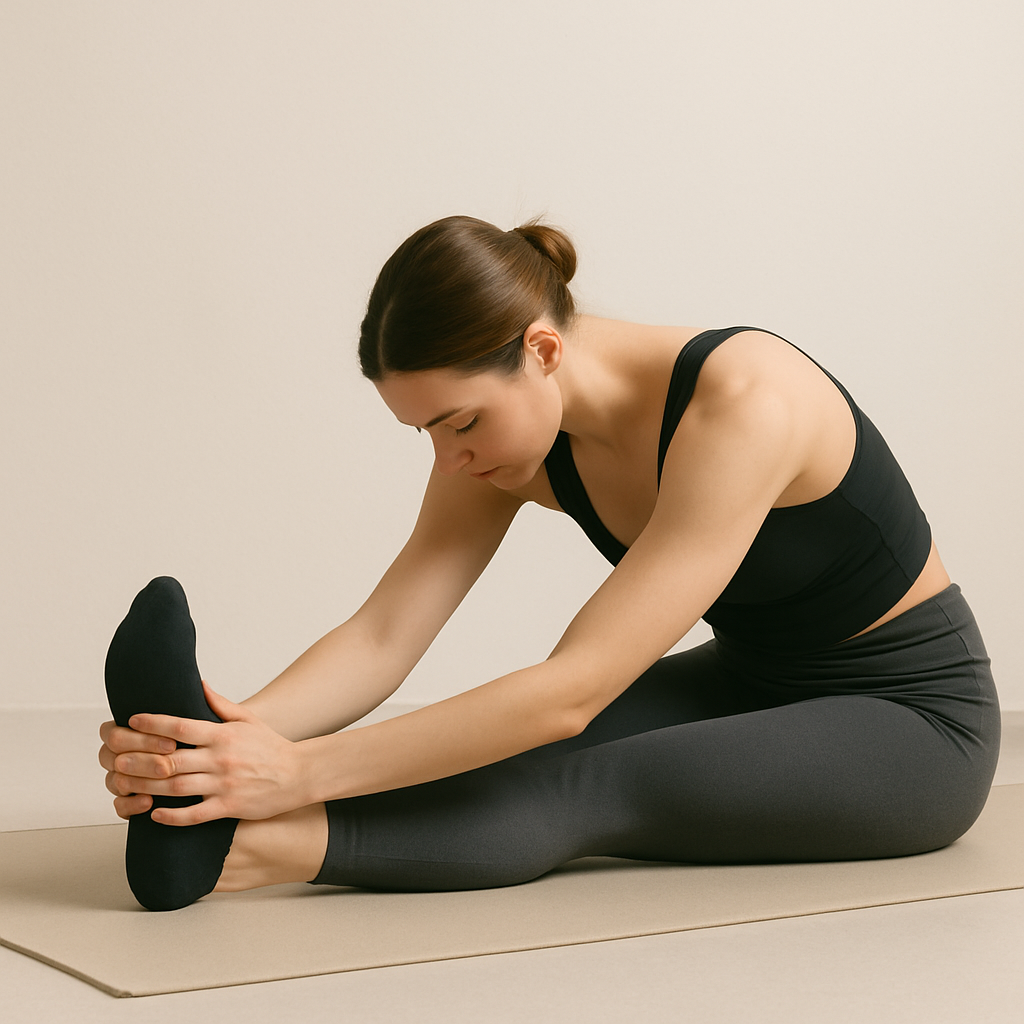
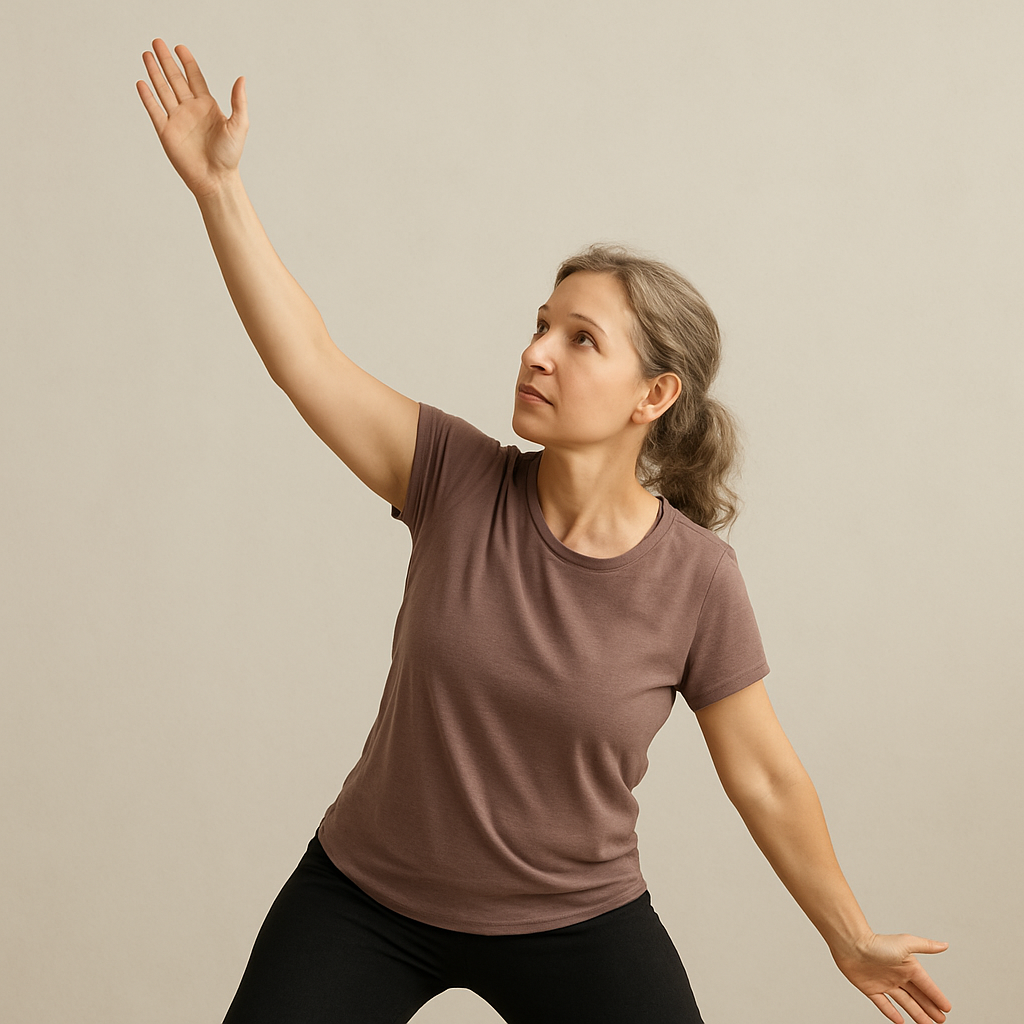
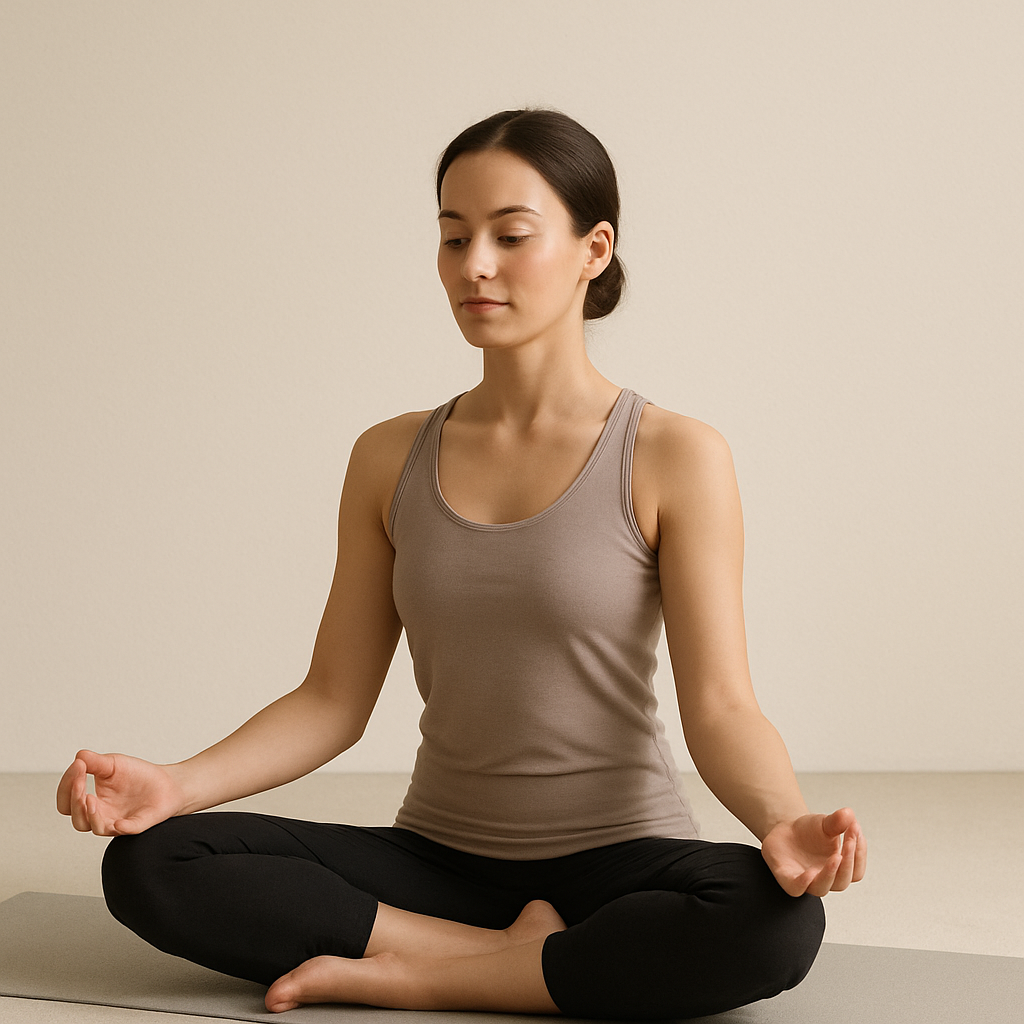
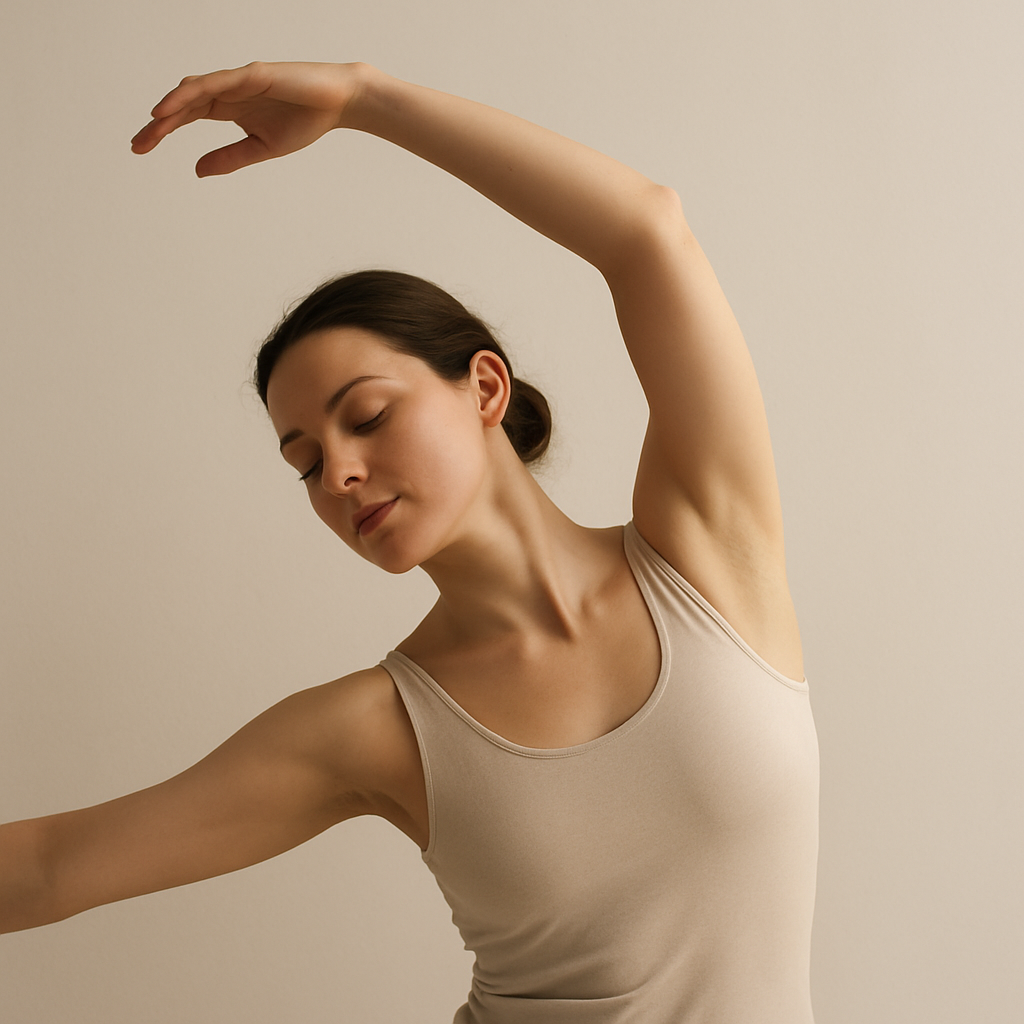
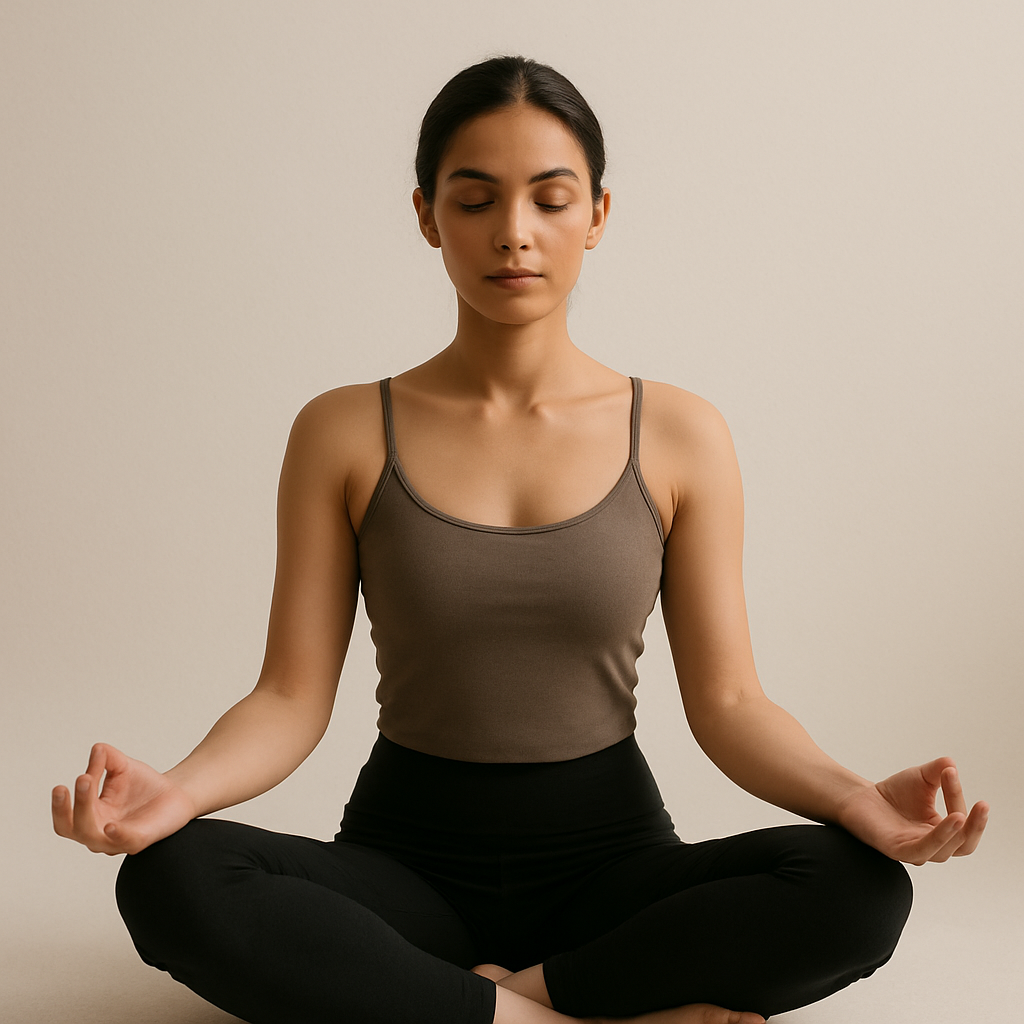
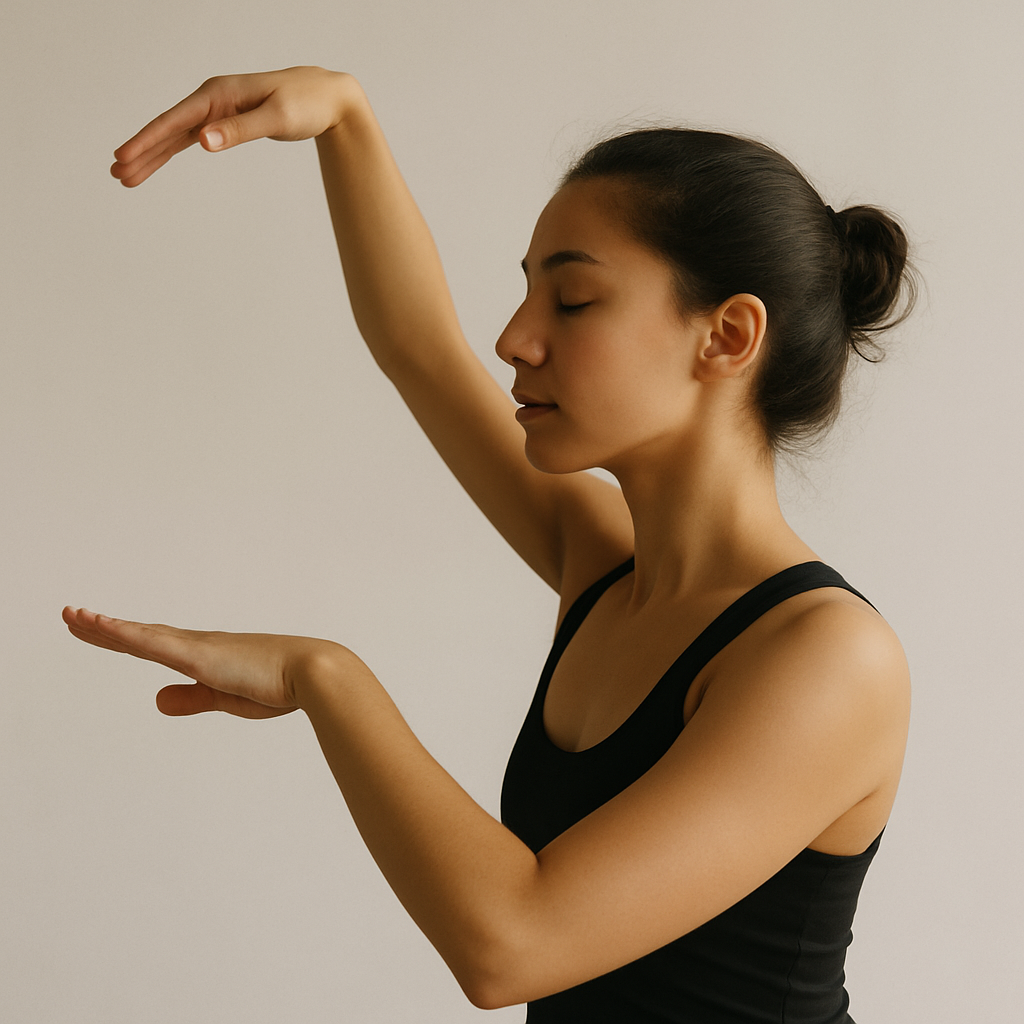
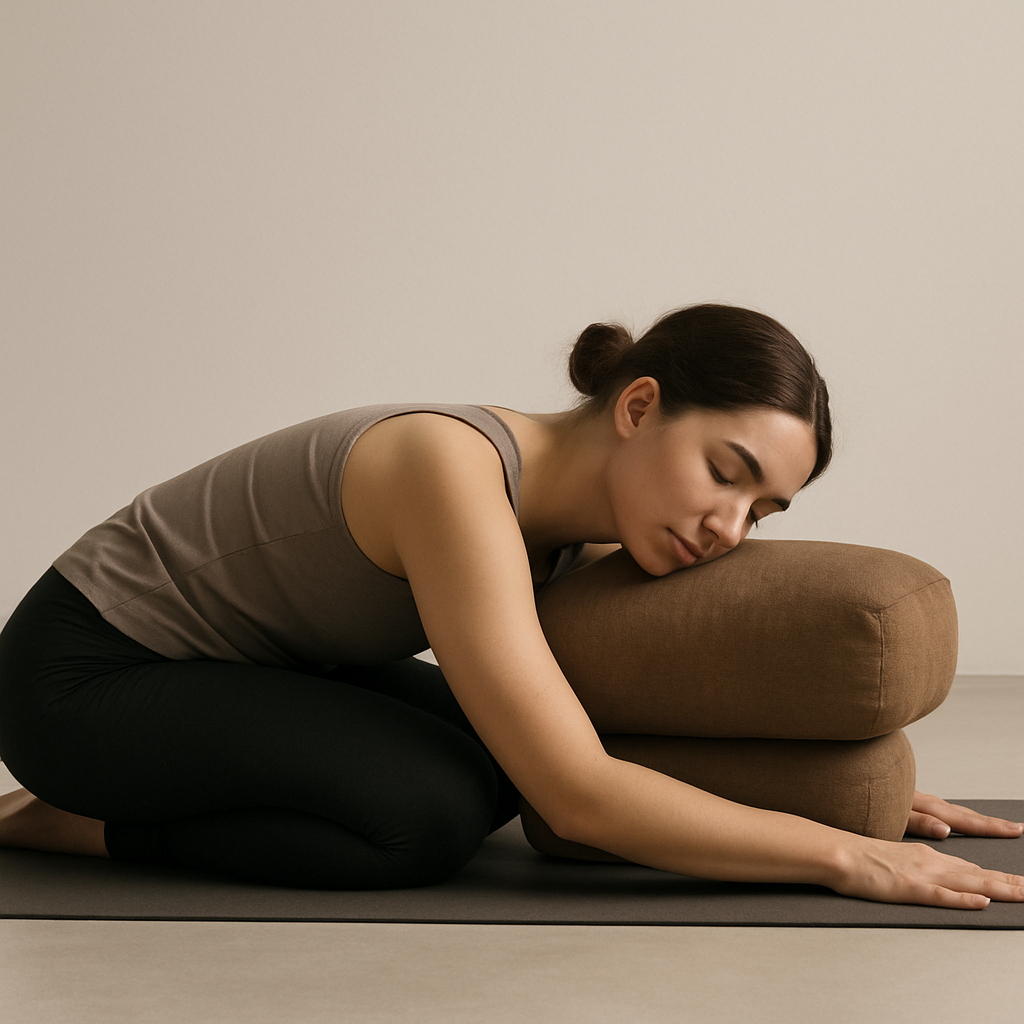
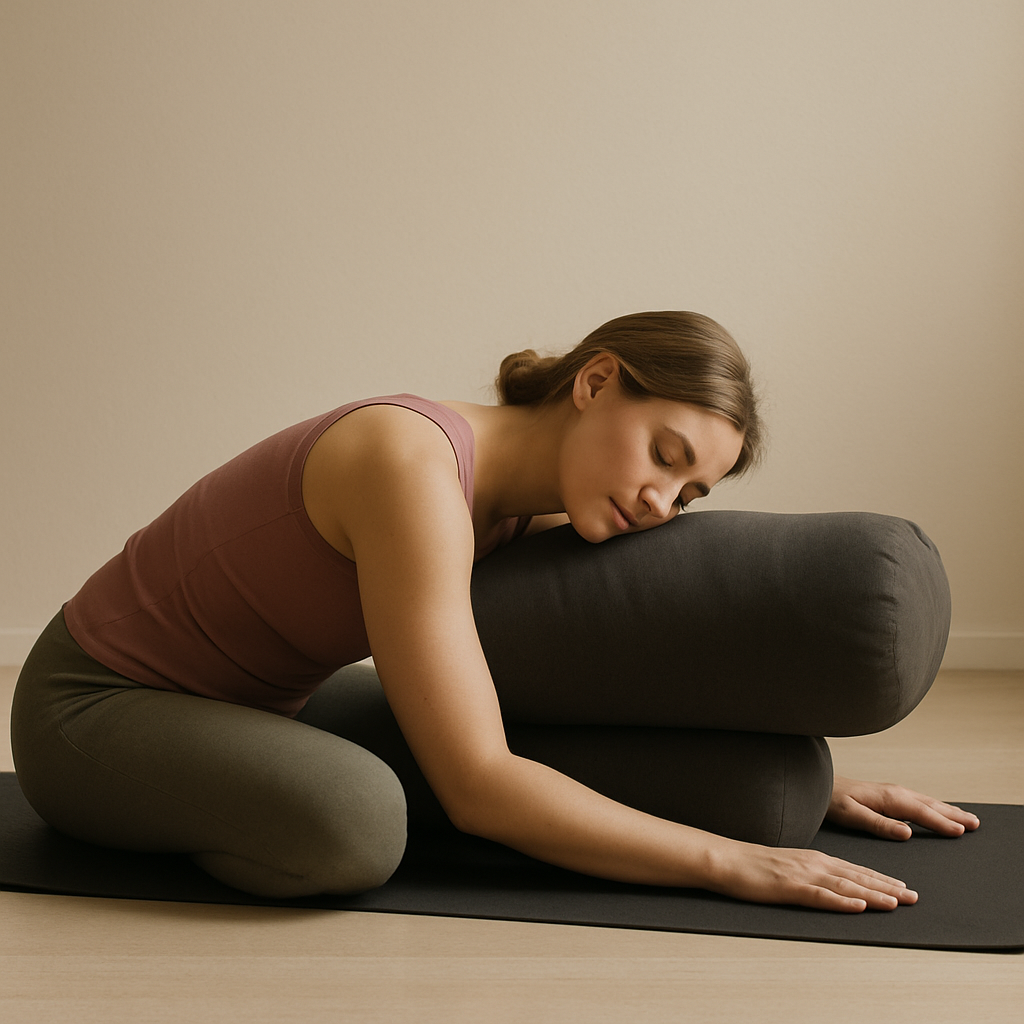
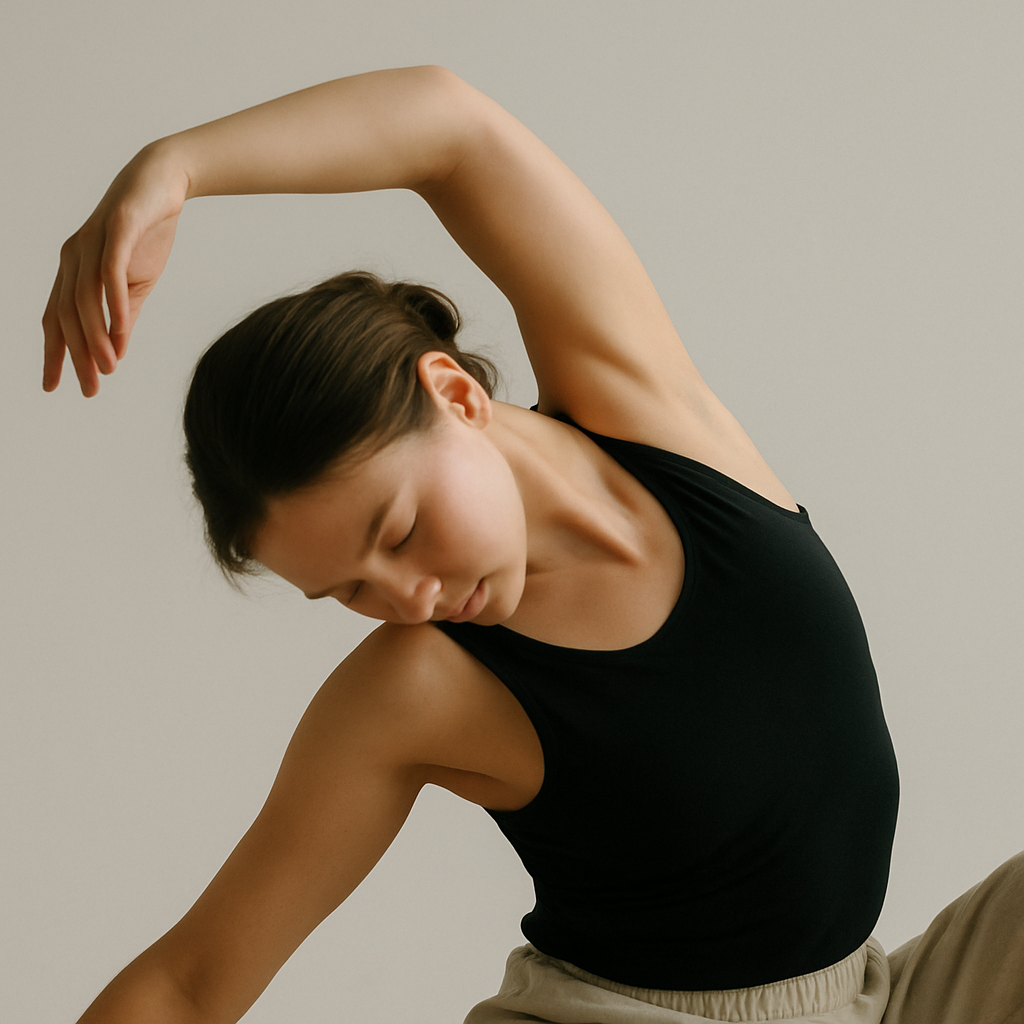
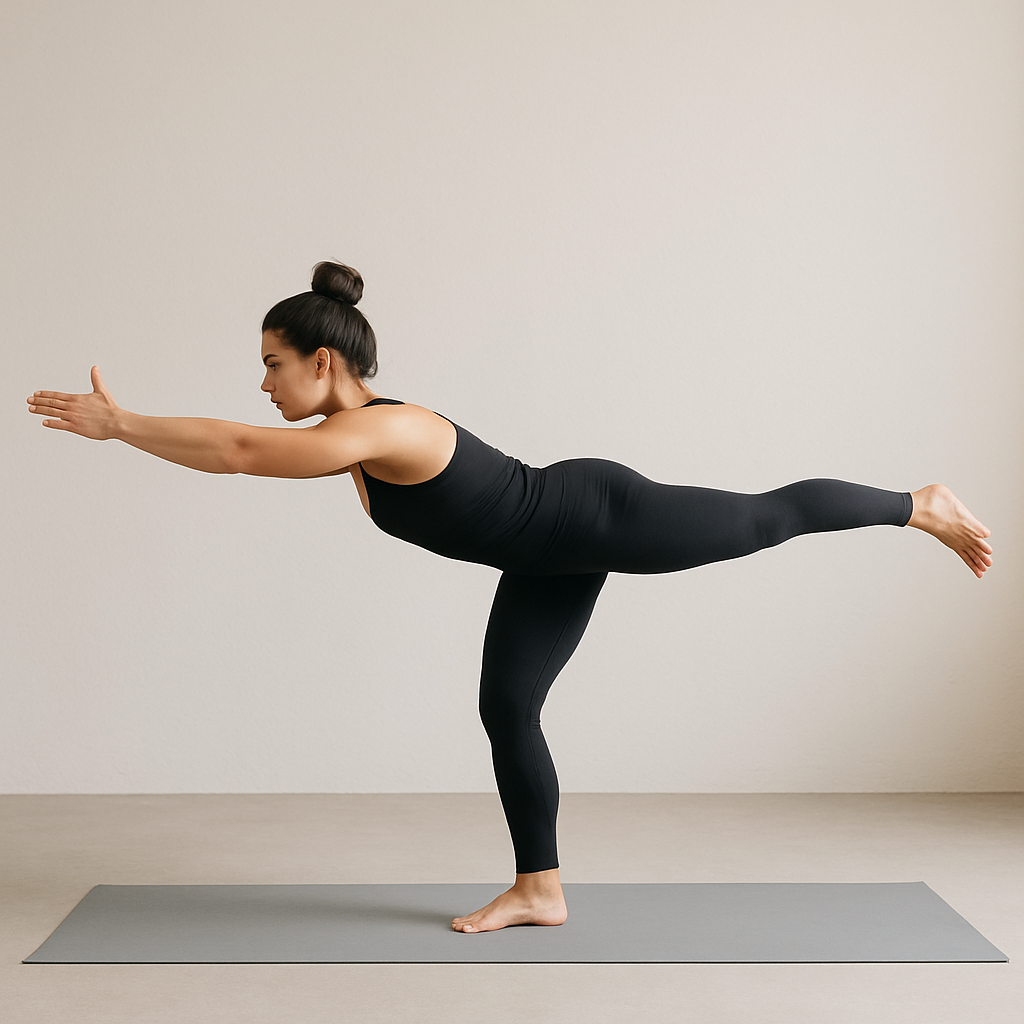
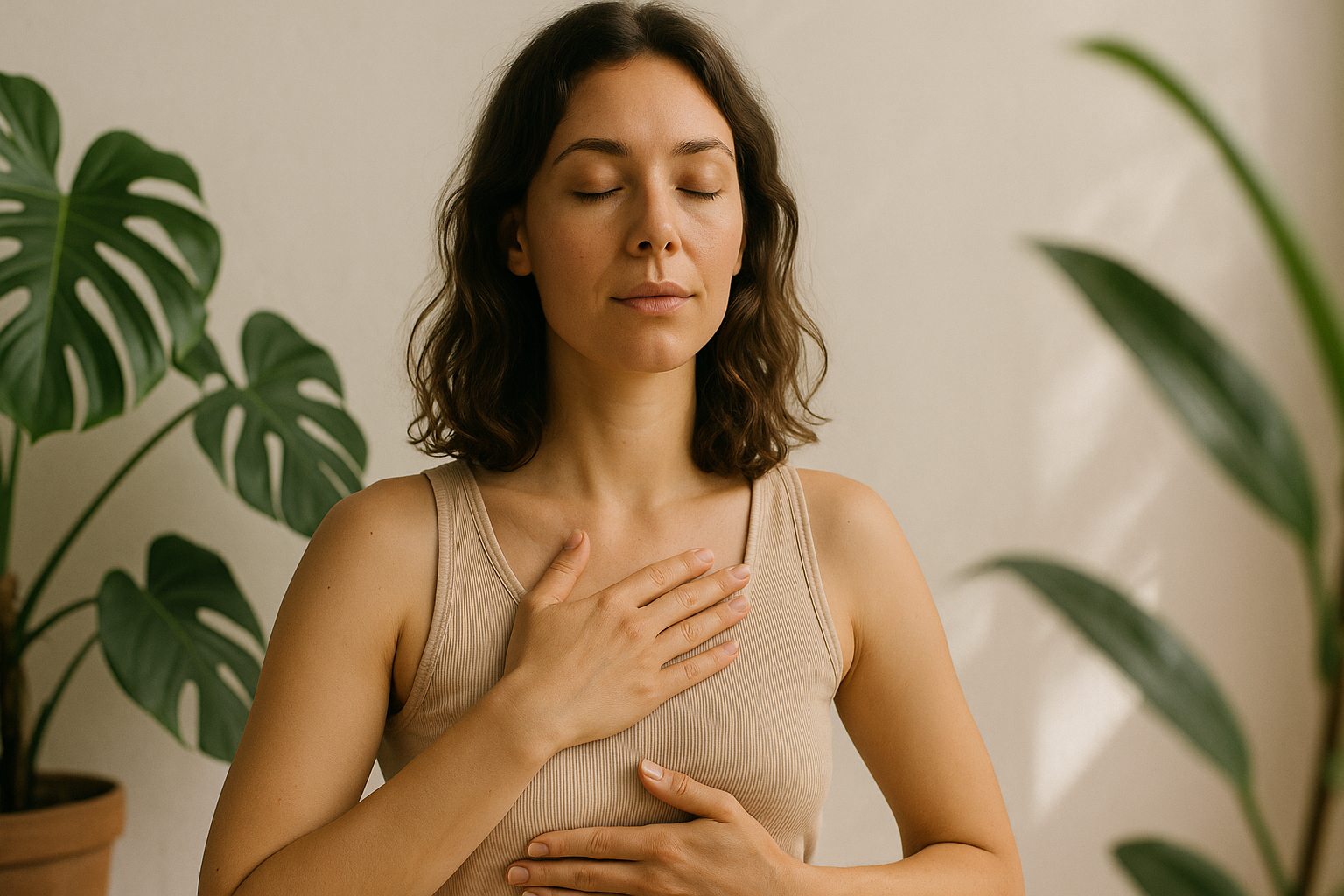
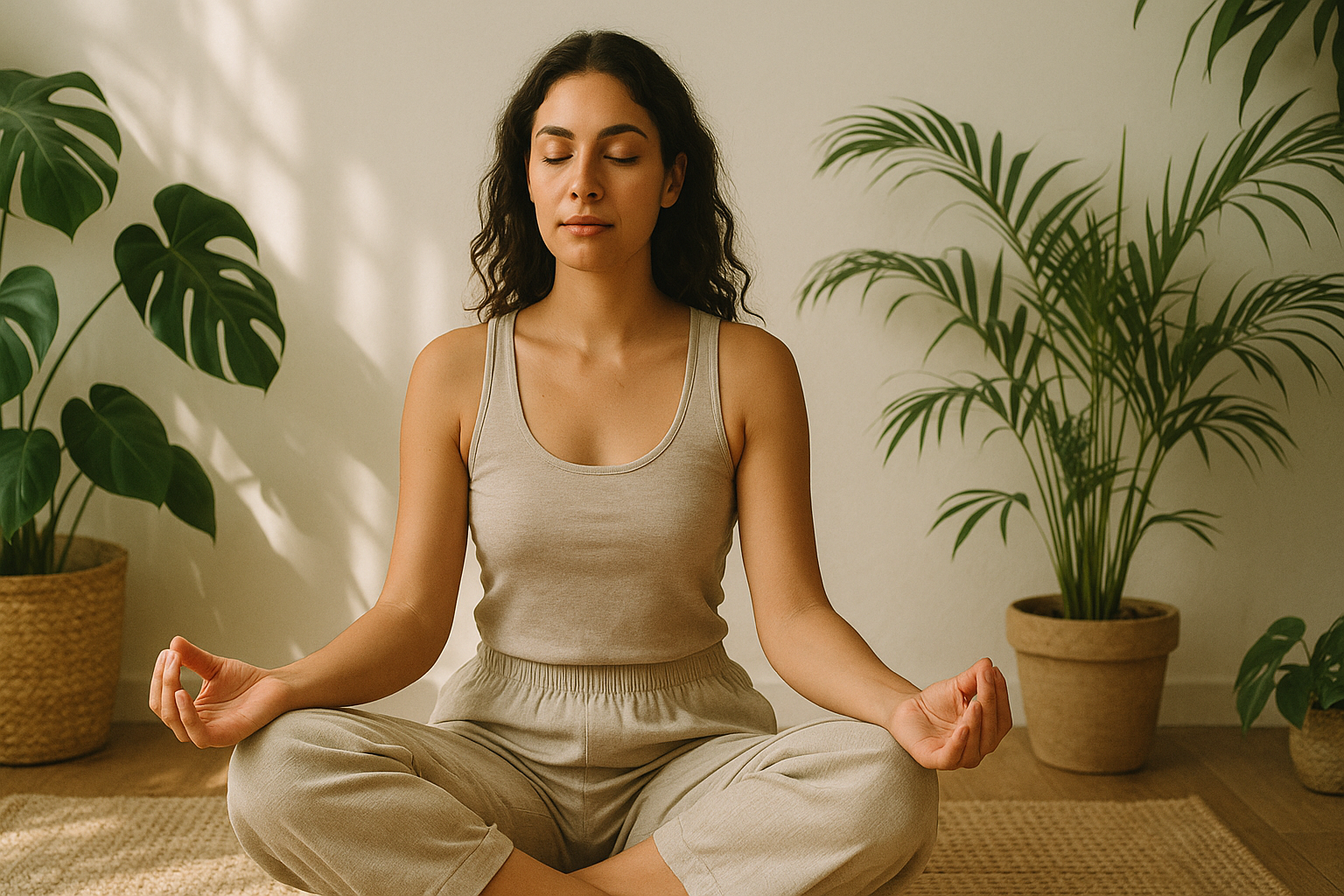
Breath-based yoga, often referred to as pranayama, is a practice that focuses on the regulation and control of breath. The term "pranayama" comes from the Sanskrit words "prana," meaning life force or breath, and "ayama," meaning control or extension. This practice is integral to various styles of yoga and emphasizes the connection between breath and movement, promoting mindfulness and relaxation.
Key Active Compounds & Mechanisms
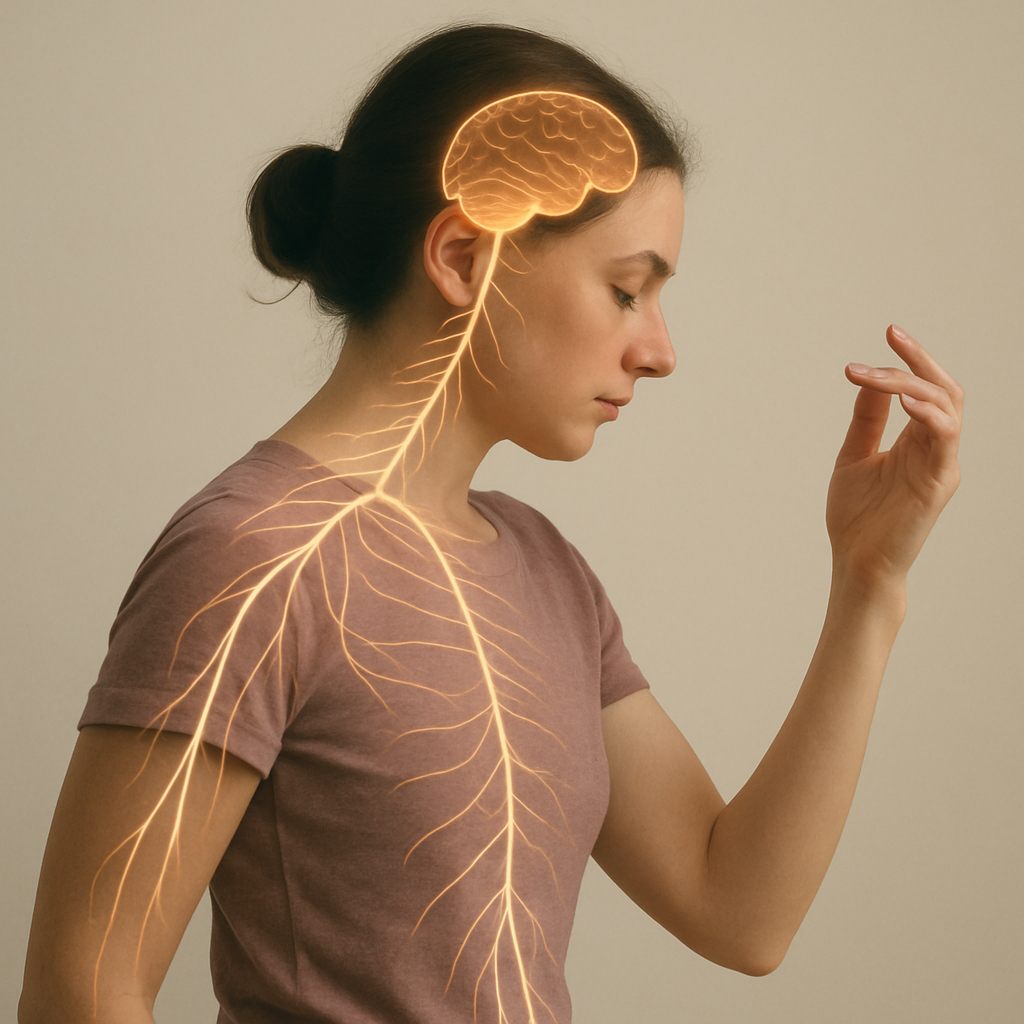
While breath-based yoga does not involve traditional active compounds, the practice itself engages the autonomic nervous system and stimulates the parasympathetic response. Through techniques such as deep breathing, alternate nostril breathing, and breath retention, practitioners can enhance oxygen flow, reduce stress, and improve overall well-being. The mechanisms at play include:
- Increased oxygenation: Enhances the delivery of oxygen to tissues.
- Reduction of cortisol: Lowers stress hormone levels.
- Activation of the vagus nerve: Promotes relaxation and emotional balance.
Traditional Uses
Breath-based yoga has deep roots in ancient Indian traditions, notably within the texts of the Yoga Sutras of Patanjali, which date back to around 400 CE. Historically, it has been used in various spiritual and physical practices to enhance meditation, increase vitality, and promote mental clarity. In Ayurveda, the ancient system of medicine from India, breath control is considered essential for maintaining health and balance within the body. The practice has also been embraced by many cultures worldwide, adapting to local traditions and beliefs.
What Modern Research Suggests
Recent studies have begun to explore the benefits of breath-based yoga on mental and physical health. Research indicates that regular practice may:
- Reduce symptoms of anxiety and depression.
- Improve lung function and respiratory health.
- Enhance cognitive function and focus.
- Support cardiovascular health.
While findings are promising, further rigorous research is needed to fully understand the extent of these benefits.
Functional Actions
Breath-based yoga functions through several key actions in the body, including:
- Relaxation response: Helps calm the mind and body, reducing stress.
- Enhanced lung capacity: Increases the efficiency of the respiratory system.
- Improved circulation: Promotes better blood flow and oxygenation.
- Mental clarity: Fosters focus and concentration through mindful breathing.
Body Systems Supported
This practice can support multiple body systems, including:
- Respiratory system: By enhancing lung function and promoting deeper breaths.
- Nervous system: By activating the parasympathetic nervous system to promote relaxation.
- Circulatory system: By improving blood flow and heart health.
- Musculoskeletal system: By promoting flexibility and relaxation in muscle tension.
Common Forms & Educational Dosing Ranges
Breath-based yoga can be practiced in various forms, including:
- Ujjayi breath: A technique that involves taking slow, deep breaths through the nose while constricting the throat slightly.
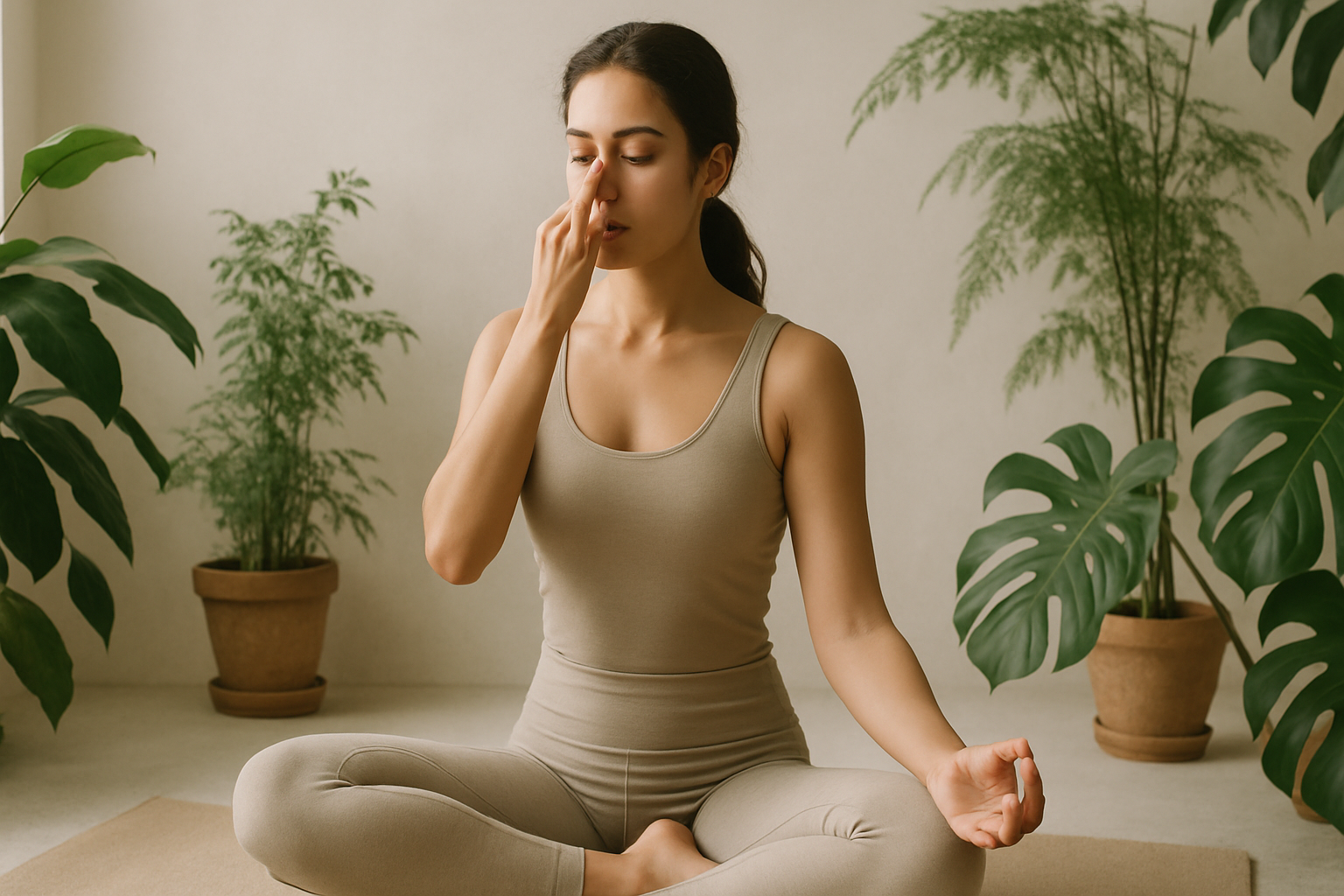
- Nadi Shodhana: Alternate nostril breathing that balances the body’s energy.
- Kapalabhati: A breathing technique that involves rapid, forceful exhalations.
- Bhramari: Humming breath that calms the mind.
For beginners, starting with 5-10 minutes of breath-focused practice daily can be beneficial, gradually increasing the duration as comfort and skill improve.
Safety, Contraindications & Interactions
Breath-based yoga is generally safe for most individuals; however, certain populations should approach with caution:
- Individuals with respiratory conditions (e.g., asthma, COPD) should consult a healthcare provider before starting.
- Those with cardiovascular issues should also seek guidance, especially if performing intense breath-holding techniques.
- Pregnant women should practice under the supervision of a qualified instructor.
Always consult with a healthcare professional before starting any new practice, especially if taking medications that affect the respiratory or cardiovascular system.
Pairs Well With
Breath-based yoga can be enhanced when paired with:
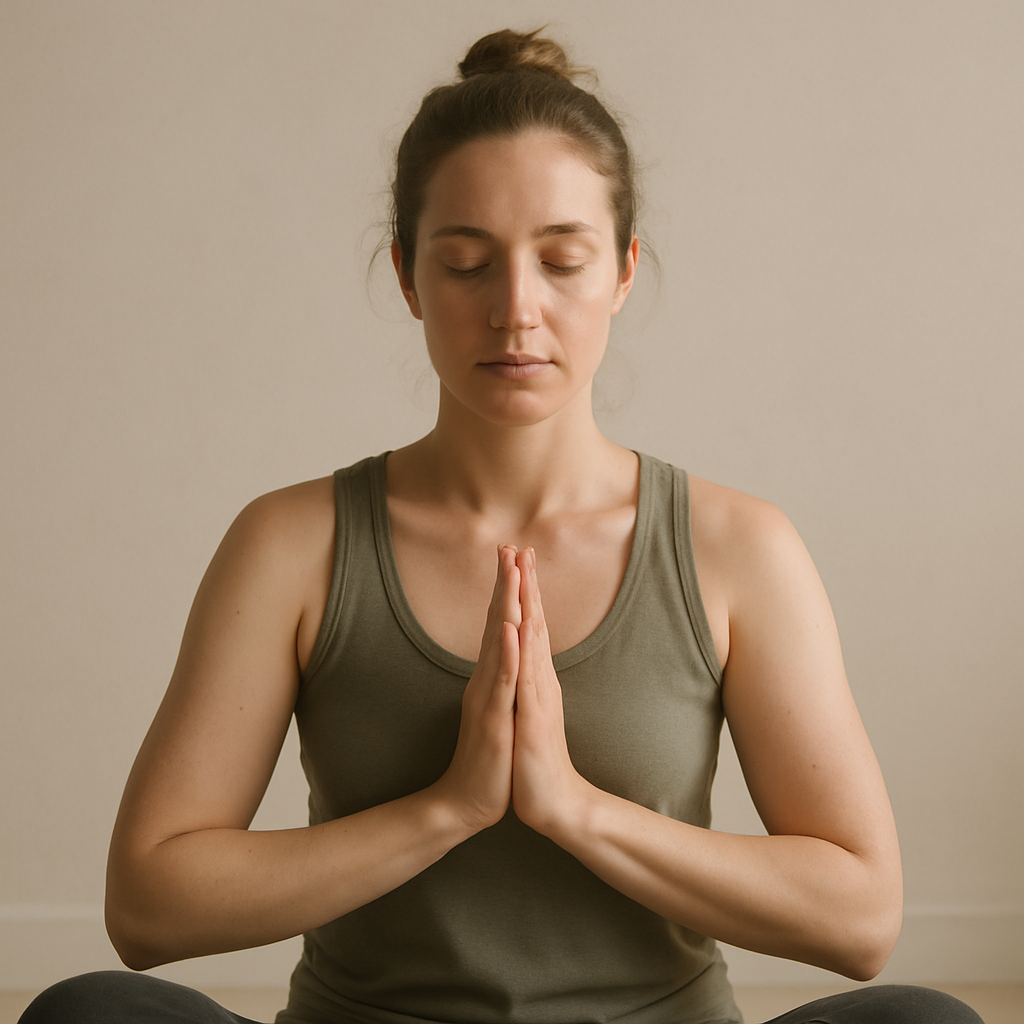
- Mindfulness meditation: To deepen the relaxation response.
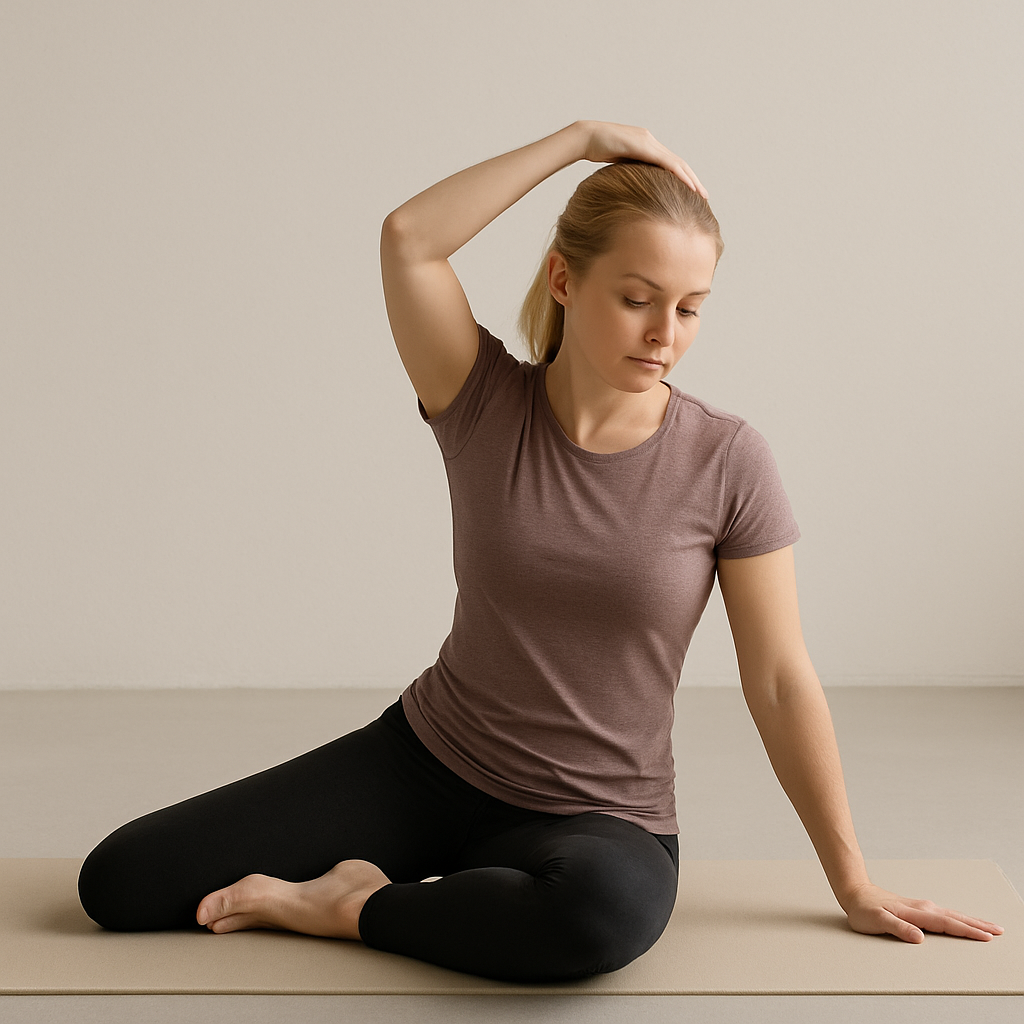
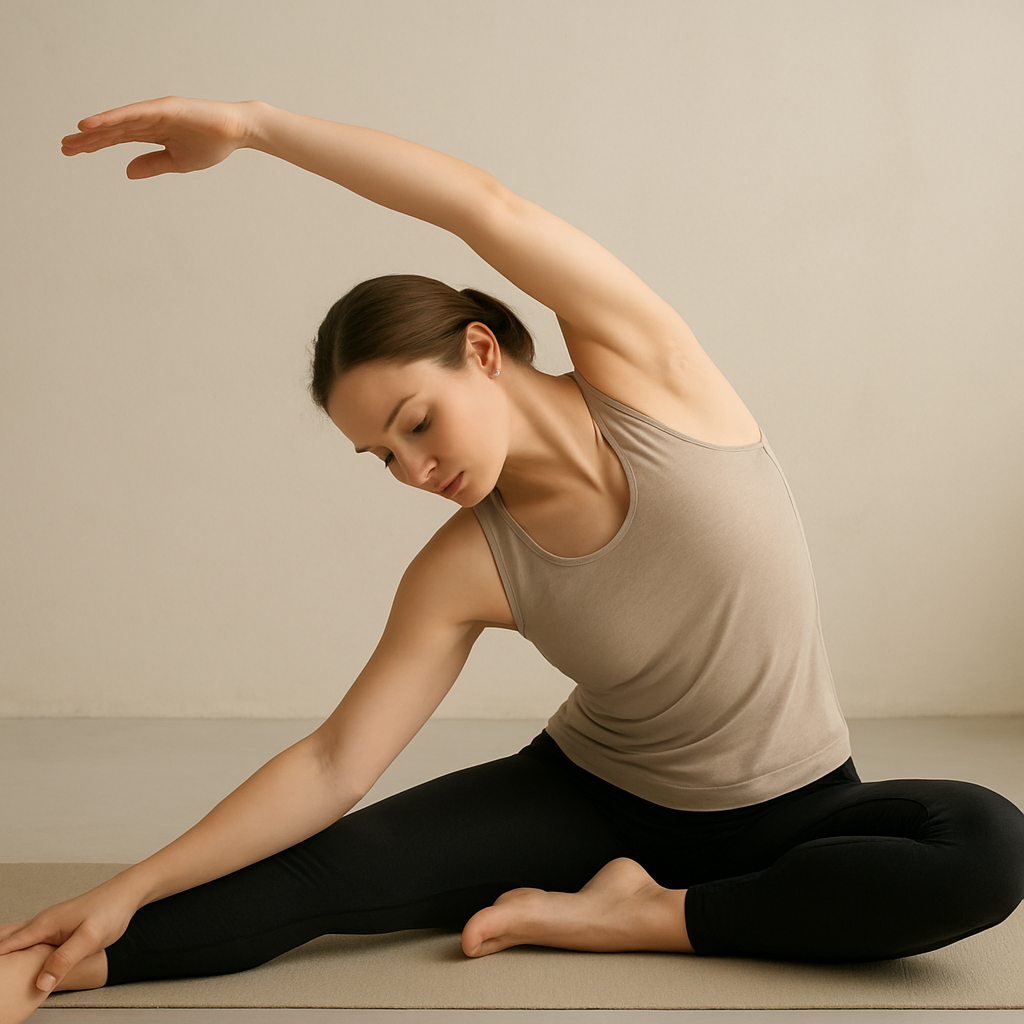
- Gentle yoga asanas: To prepare the body for breath work.
- Aromatherapy: Using essential oils like lavender or eucalyptus to enhance relaxation.
- Nature walks: To practice outdoor breathing and mindfulness.
FAQs (5)
- What is the best time to practice breath-based yoga? Ideally, practice in the morning or evening, but it can be done anytime you need to relax or refocus.
- Can beginners practice breath-based yoga? Yes, beginners can start with simple techniques and gradually progress.
- How long should I practice breath-based yoga? Start with 5-10 minutes daily, increasing as you become more comfortable.
- Is breath-based yoga good for anxiety? Yes, many studies suggest it can help reduce anxiety symptoms.
- Do I need special equipment for breath-based yoga? No special equipment is required, just a quiet space to practice.
Frequently asked
What is the best time to practice breath-based yoga?
Ideally, practice in the morning or evening, but it can be done anytime you need to relax or refocus.
Can beginners practice breath-based yoga?
Yes, beginners can start with simple techniques and gradually progress.
How long should I practice breath-based yoga?
Start with 5-10 minutes daily, increasing as you become more comfortable.
Is breath-based yoga good for anxiety?
Yes, many studies suggest it can help reduce anxiety symptoms.
Do I need special equipment for breath-based yoga?
No special equipment is required, just a quiet space to practice.