Hatha Yoga
Discover the principles and benefits of Hatha Yoga, a vital practice within yoga and movement therapy, emphasizing balance, strength, and mindfulness.
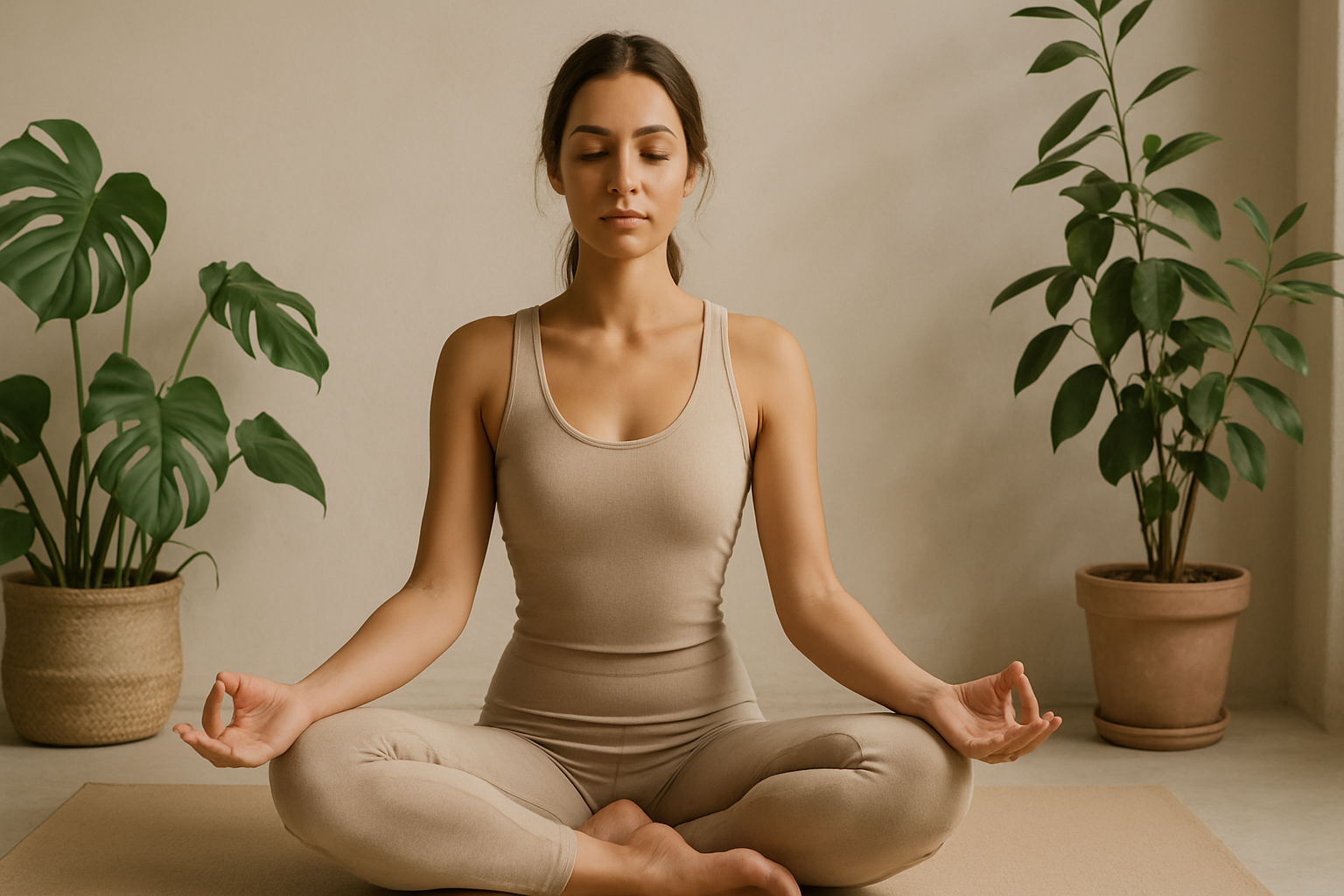
Explore Hatha Yoga, a foundational practice in yoga and movement therapy, known for its emphasis on physical postures and breath control. Understand its benefits, traditional uses, modern research, and safety considerations.
What It Is
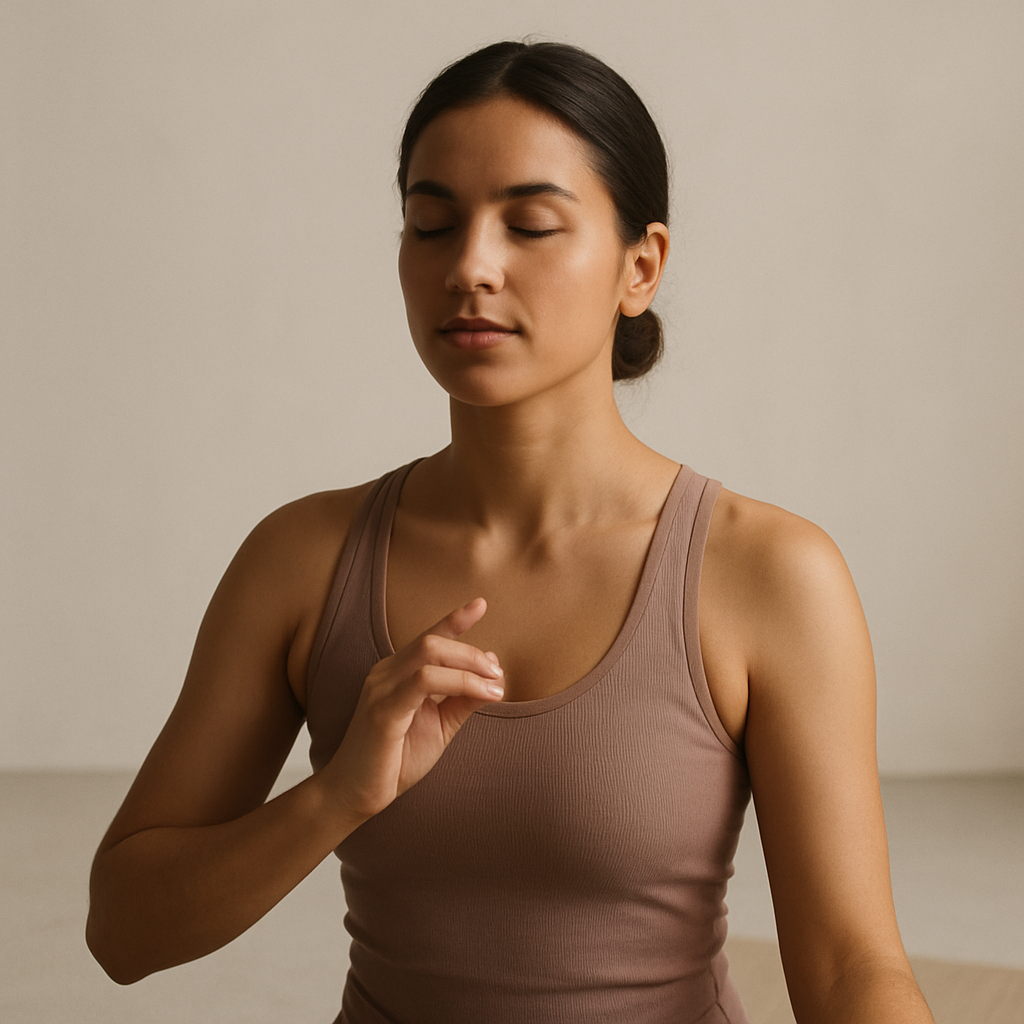
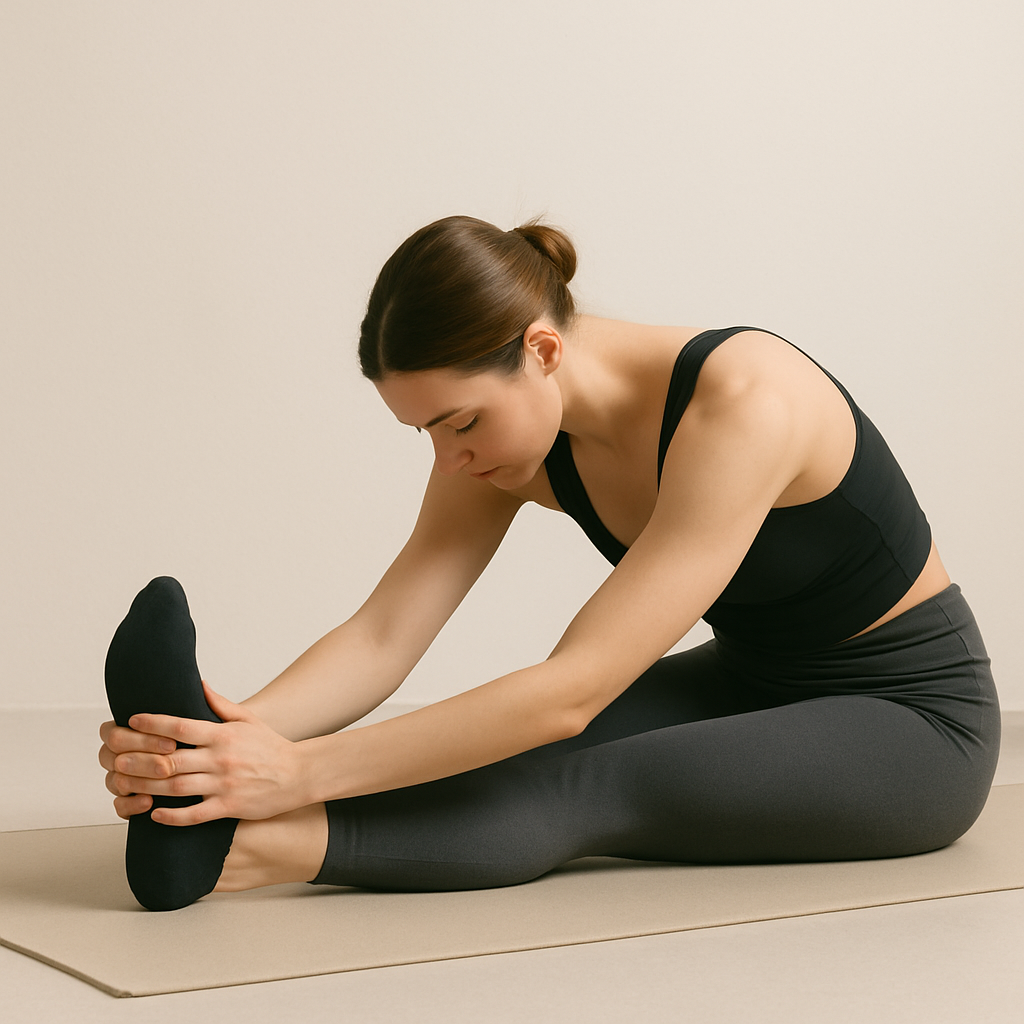
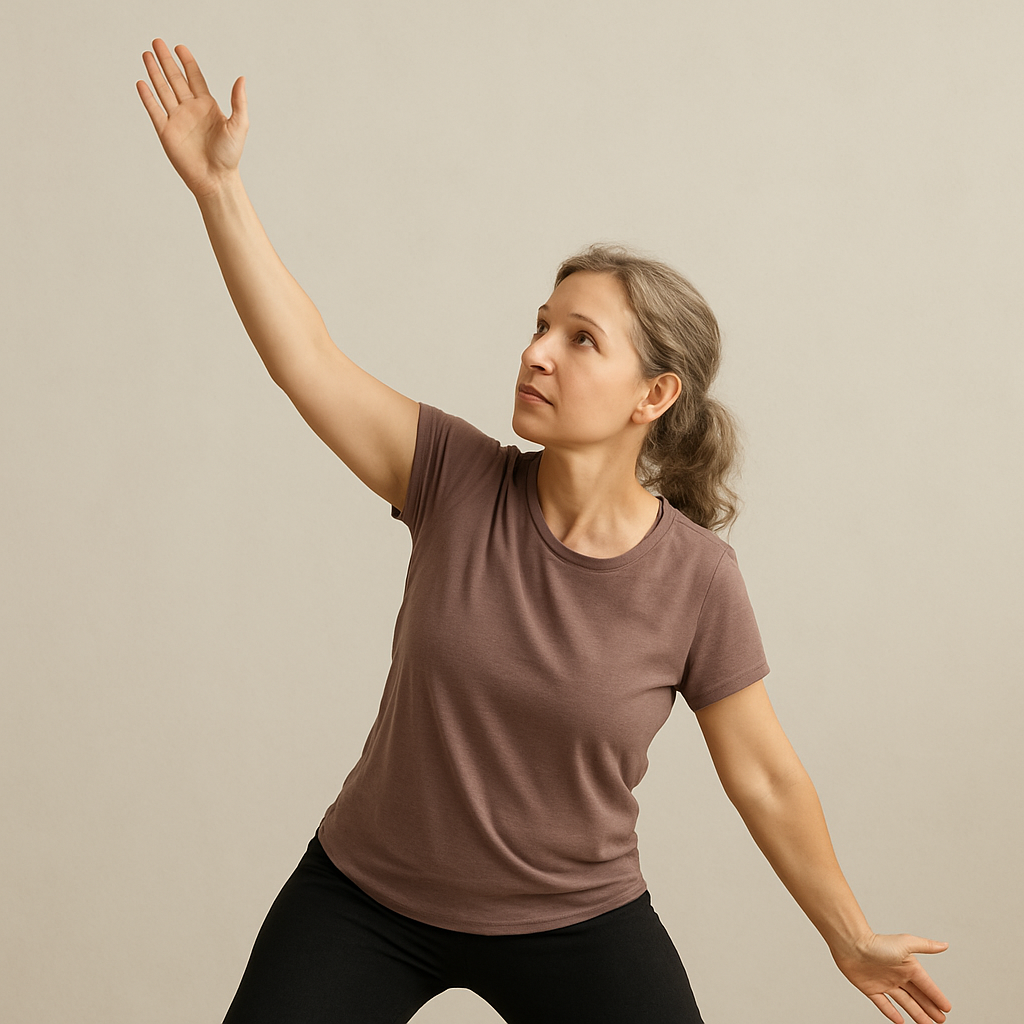
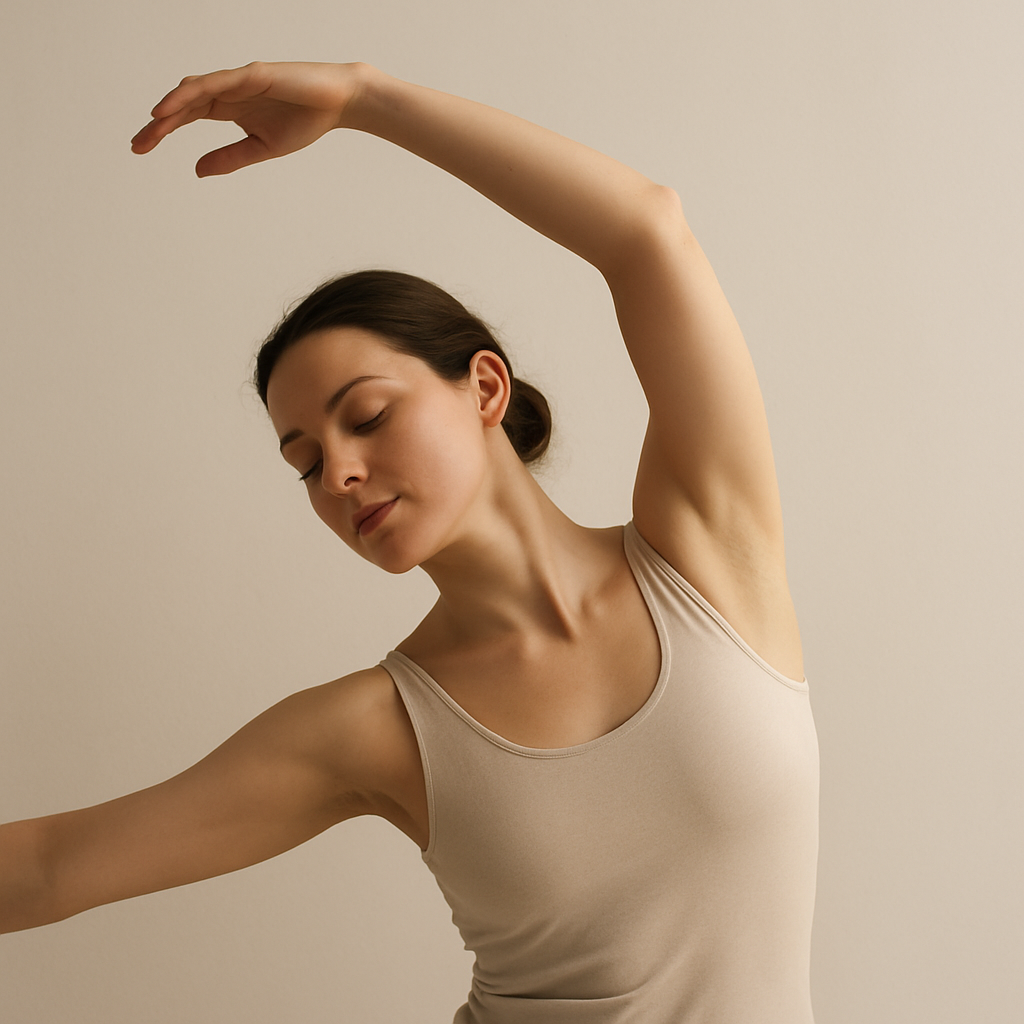
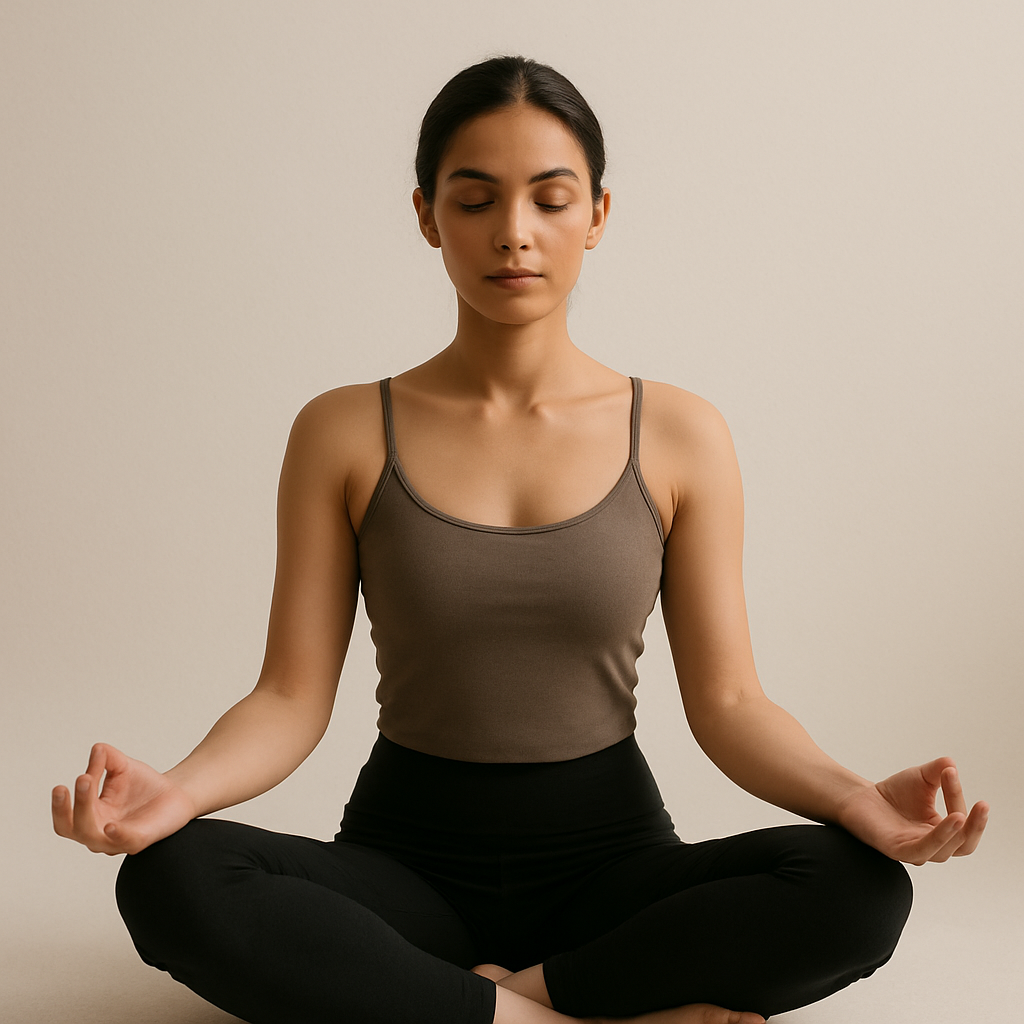
Hatha Yoga is a branch of yoga that focuses on the physical practice of postures, known as asanas, combined with breath control, or pranayama. The term "Hatha" comes from the Sanskrit words "ha" (sun) and "tha" (moon), symbolizing the balance of opposing forces within the body. This practice aims to harmonize the mind and body, promoting overall well-being and mindfulness.
Key Active Compounds & Mechanisms
While Hatha Yoga itself does not have active compounds like herbal remedies, its benefits are attributed to several mechanisms:
- Physical Activity: Engaging in postures increases strength, flexibility, and balance.
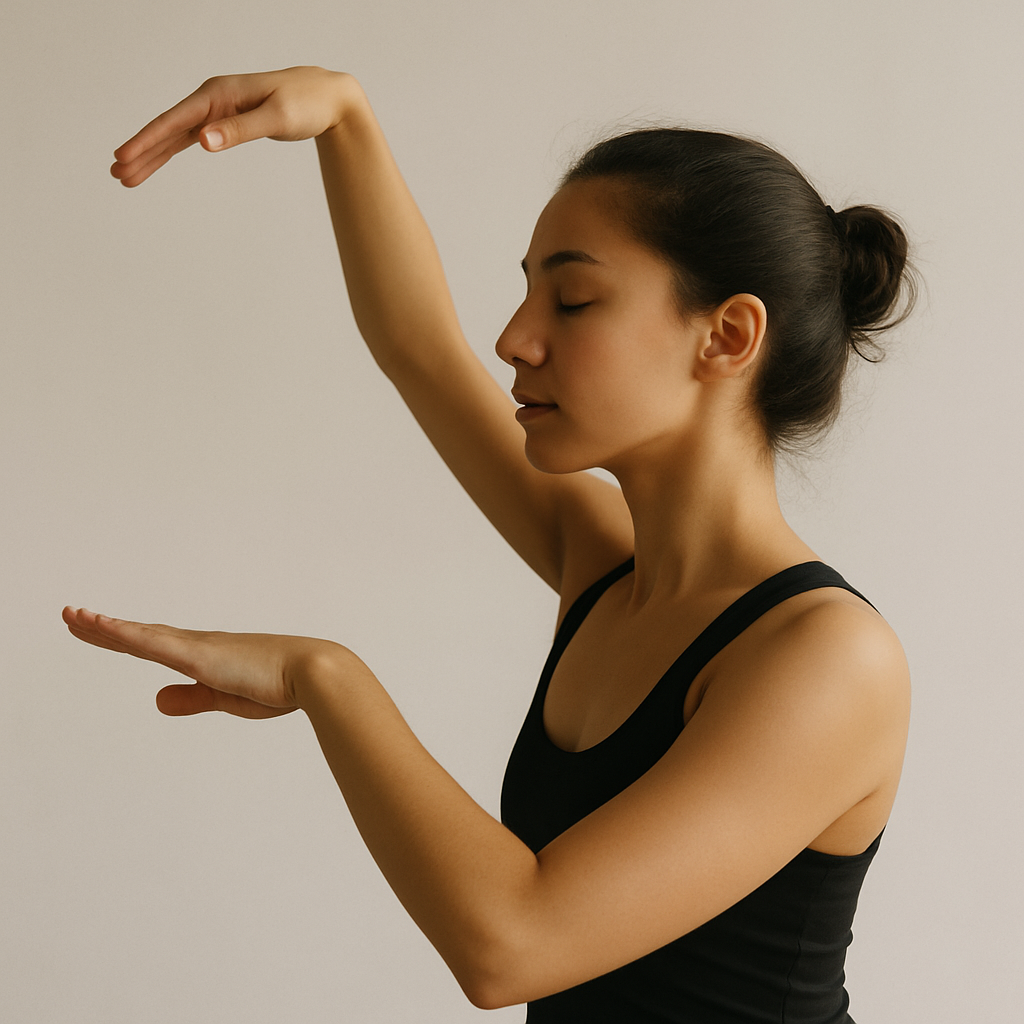
- Breath Control: Pranayama techniques enhance lung capacity and promote relaxation.
- Meditative Focus: Mindfulness during practice reduces stress and improves mental clarity.
Traditional Uses
Hatha Yoga has roots in ancient India, dating back over a thousand years. It has been practiced by yogis as a means to prepare the body for meditation and spiritual growth. Traditional texts, such as the "Hatha Yoga Pradipika," outline various postures and breathing techniques that aim to purify the body and mind.
Historically, Hatha Yoga was used not only for physical health but also for achieving enlightenment and deeper states of consciousness. It is often regarded as a means to balance the body’s energies and promote overall wellness.
What Modern Research Suggests
Recent studies have begun to explore the benefits of Hatha Yoga in various contexts:
- Research indicates that Hatha Yoga can help reduce symptoms of anxiety and depression.
- It has been shown to improve physical fitness, including flexibility, strength, and balance.
- Some studies suggest Hatha Yoga may aid in managing chronic pain conditions.
While more research is needed to establish definitive conclusions, preliminary findings support the use of Hatha Yoga as a complementary practice for enhancing physical and mental health.
Functional Actions
The functional actions of Hatha Yoga include:
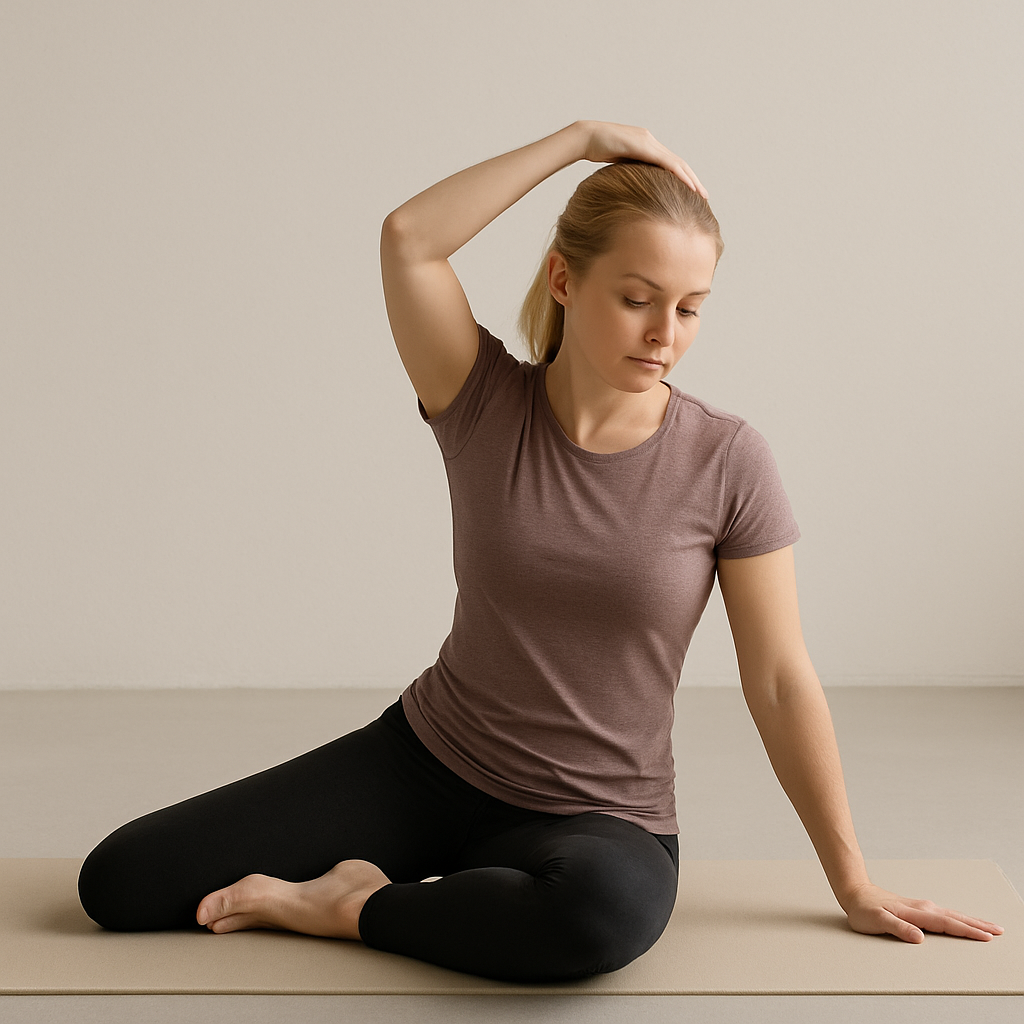
- Muscle Strengthening: Various asanas focus on different muscle groups, enhancing overall strength.
- Flexibility Improvement: Regular practice increases the range of motion in joints and muscles.
- Stress Reduction: Breath control and mindfulness practices promote relaxation and reduce stress levels.
- Enhanced Mental Clarity: The meditative aspects improve focus and cognitive function.
Body Systems Supported
Hatha Yoga supports multiple body systems, including:
- Musculoskeletal System: Strengthens muscles and improves flexibility.
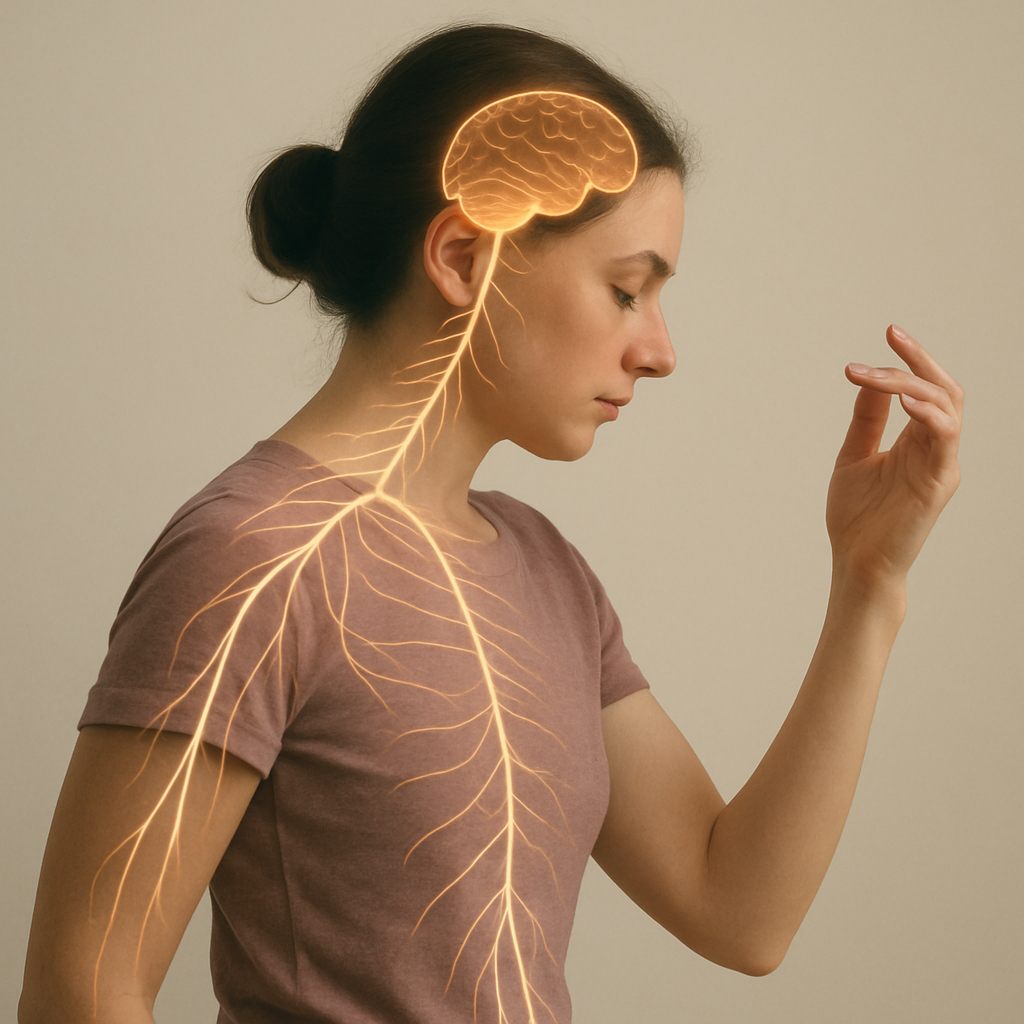
- Nervous System: Enhances relaxation response and reduces stress.
- Respiratory System: Improves lung capacity and breathing efficiency through pranayama.
- Circulatory System: Promotes better blood flow and heart health.
Common Forms & Educational Dosing Ranges
Hatha Yoga is typically practiced in various styles, including:
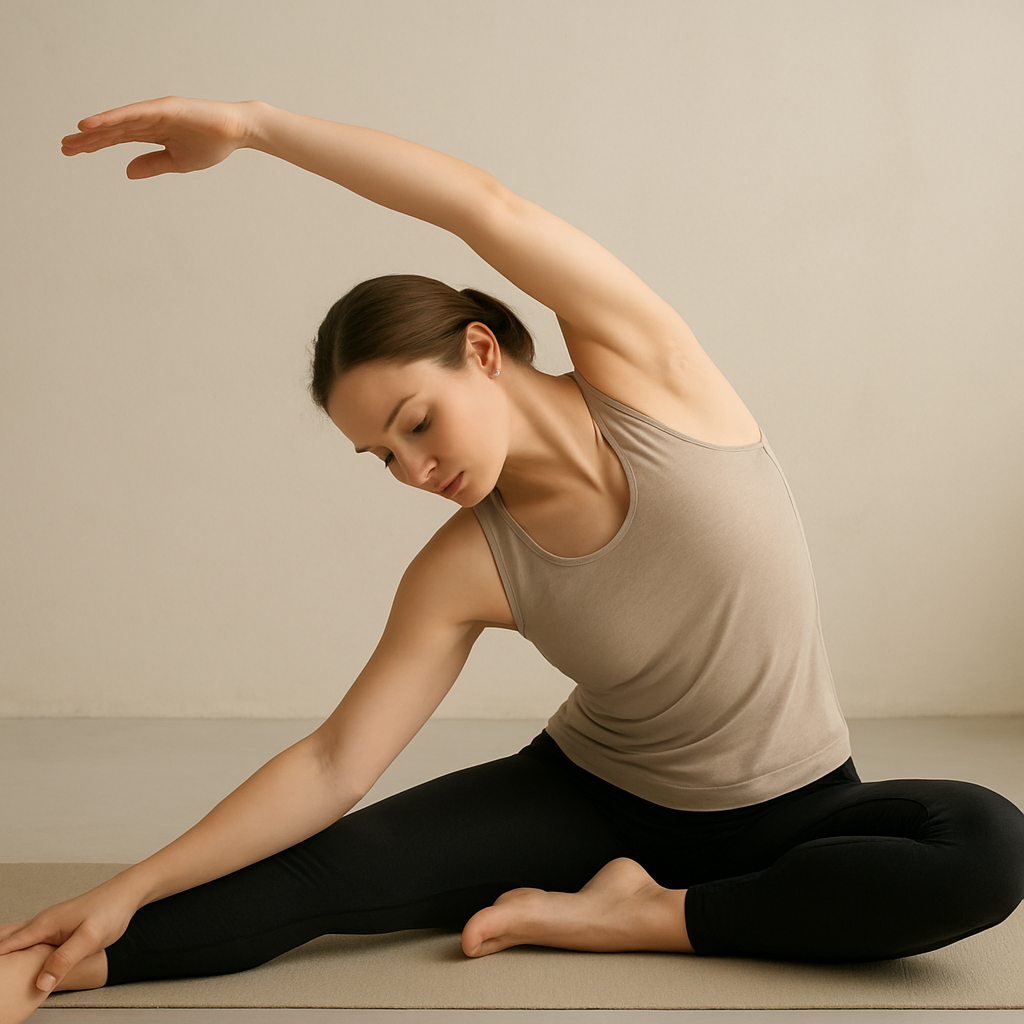
- Gentle Hatha: Focuses on basic postures and gentle movements.
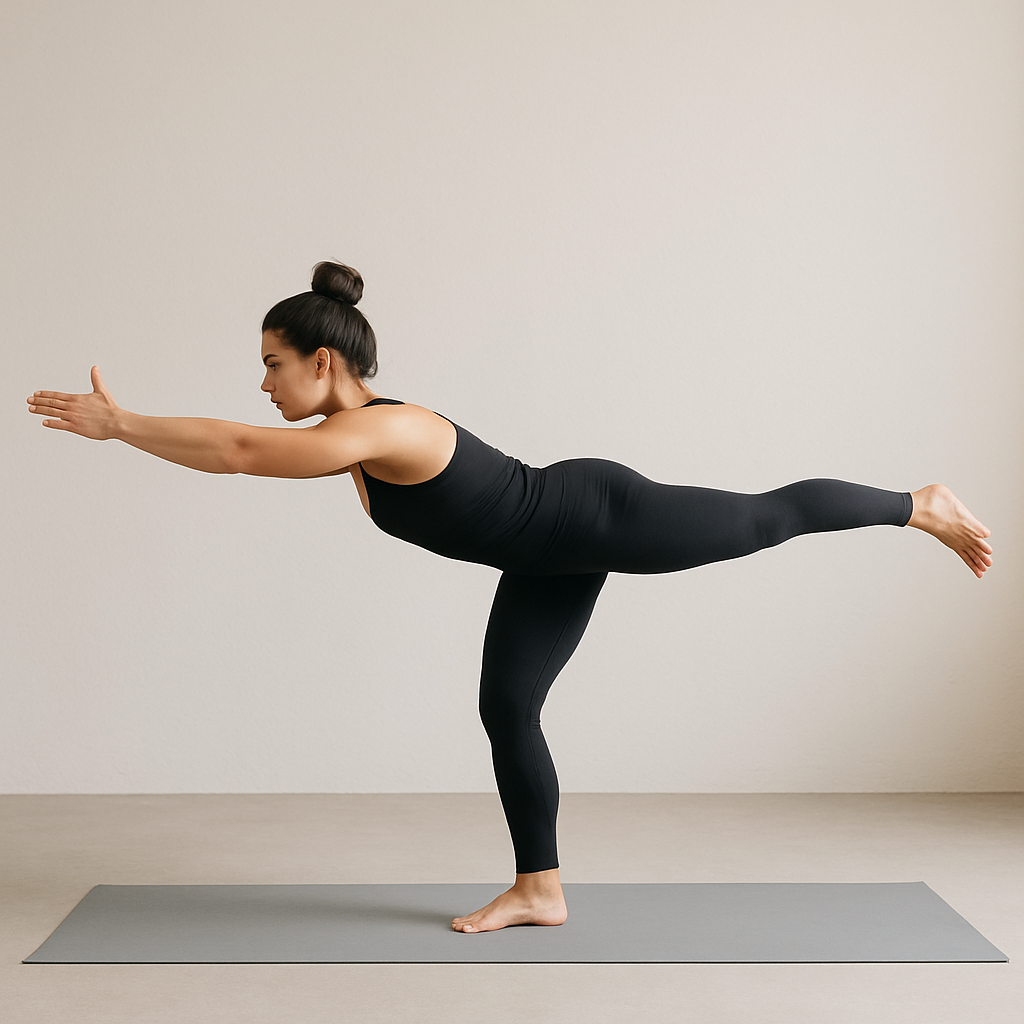
- Power Hatha: Incorporates a more vigorous approach to build strength and endurance.
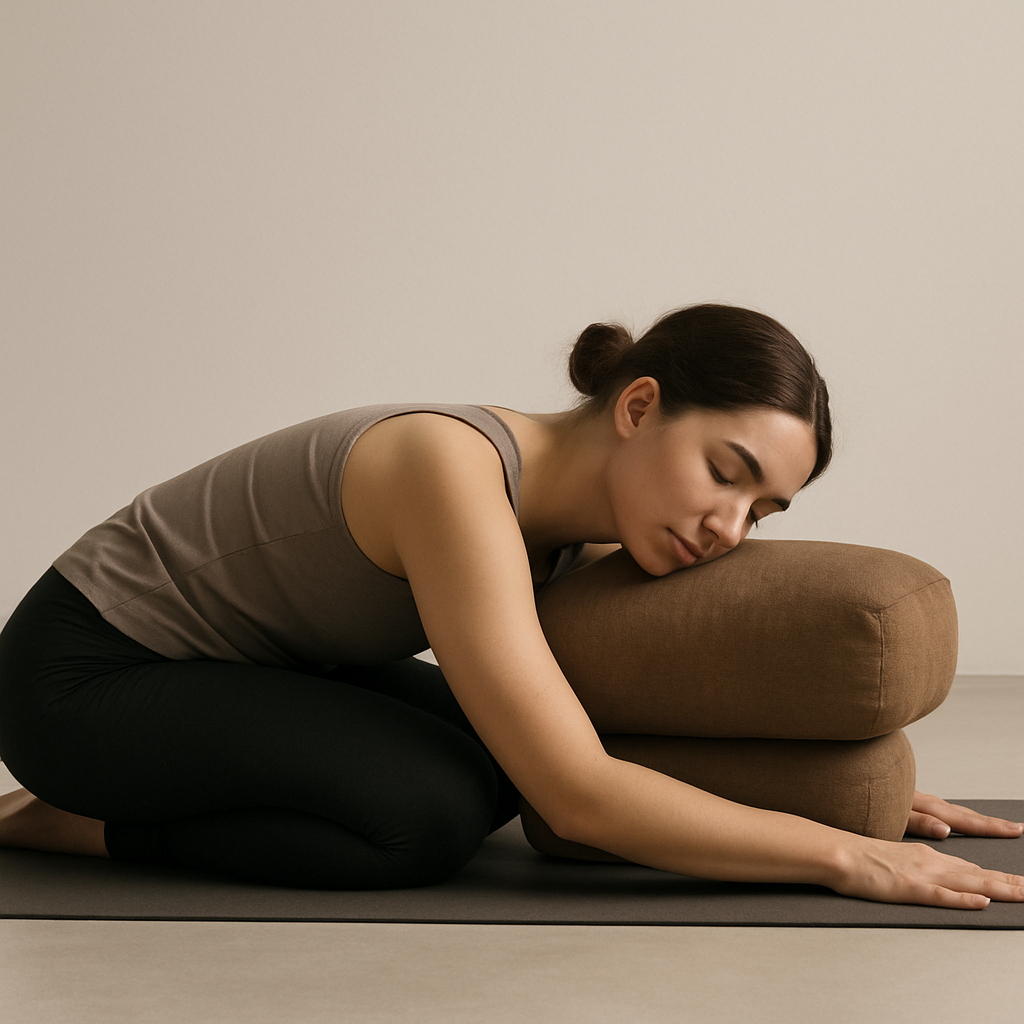
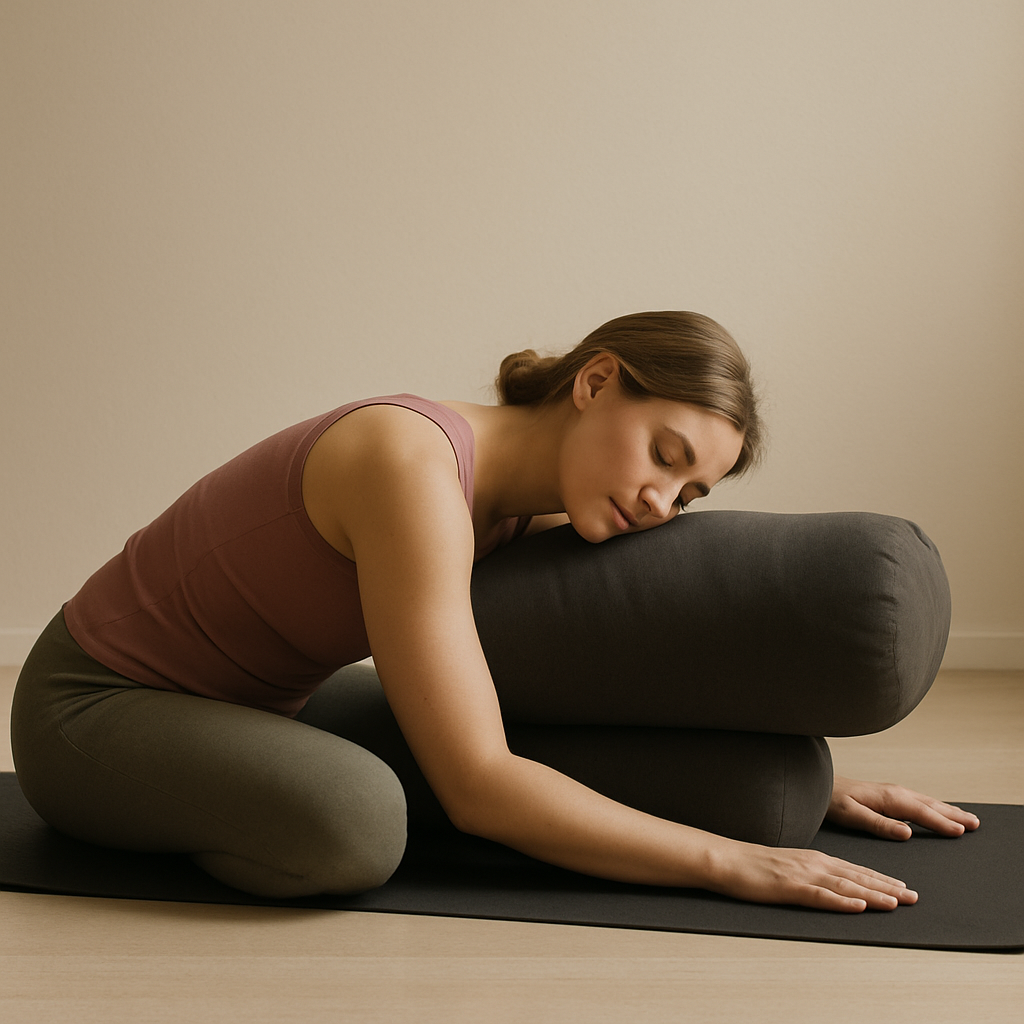
- Restorative Hatha: Emphasizes relaxation and recovery through supported postures.
For beginners, it is recommended to practice Hatha Yoga for 20-60 minutes, 2-3 times per week, gradually increasing frequency and duration as comfort and ability improve.
Safety, Contraindications & Interactions
Hatha Yoga is generally safe for most individuals, but certain precautions should be taken:
- Individuals with severe injuries or chronic health conditions should consult a healthcare professional before starting any yoga practice.
- Pregnant women should seek guidance from certified prenatal yoga instructors.
- Those with specific conditions, such as severe osteoporosis or recent surgeries, should avoid certain postures that may exacerbate their condition.
It is important to listen to your body and avoid pushing into pain during practice.
Pairs Well With
Hatha Yoga can be effectively paired with:
- Meditation: Enhances mental clarity and relaxation.
- Aromatherapy: Essential oils can complement the calming effects of yoga.
- Herbal Supplements: Adaptogens like Ashwagandha (Withania somnifera) may help manage stress when combined with yoga practices.
FAQs (5)
- What should I wear for Hatha Yoga? Comfortable, breathable clothing that allows for movement is recommended.
- Do I need any equipment? A yoga mat is helpful, and props like blocks or straps can aid in practice.
- Can beginners practice Hatha Yoga? Yes, Hatha Yoga is suitable for all levels, including beginners.
- How long does a typical Hatha Yoga session last? Sessions usually range from 20 to 60 minutes.
- Can Hatha Yoga help with stress management? Yes, the combination of physical movement and breath control is known to reduce stress levels.
Frequently asked
What should I wear for Hatha Yoga?
Comfortable, breathable clothing that allows for movement is recommended.
Do I need any equipment?
A yoga mat is helpful, and props like blocks or straps can aid in practice.
Can beginners practice Hatha Yoga?
Yes, Hatha Yoga is suitable for all levels, including beginners.
How long does a typical Hatha Yoga session last?
Sessions usually range from 20 to 60 minutes.
Can Hatha Yoga help with stress management?
Yes, the combination of physical movement and breath control is known to reduce stress levels.