Nervous System Movement
What It Is
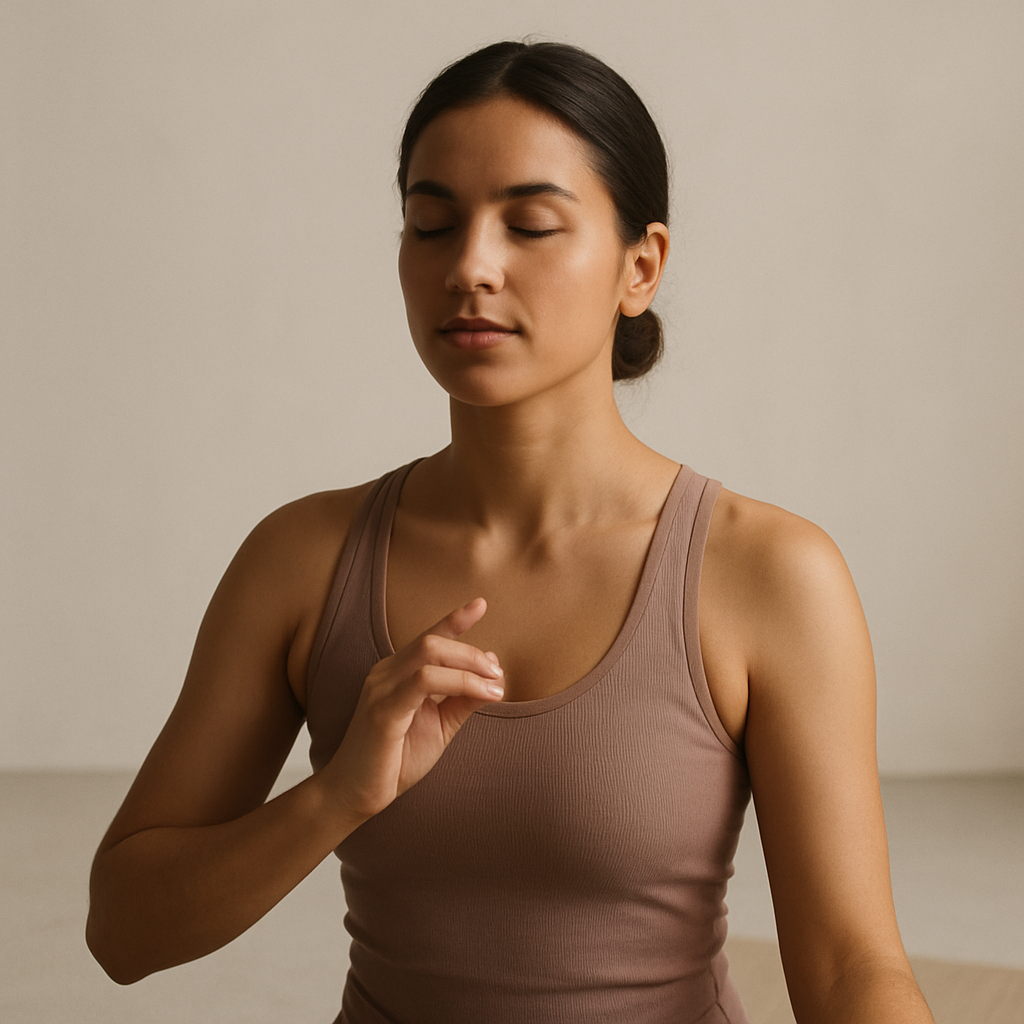
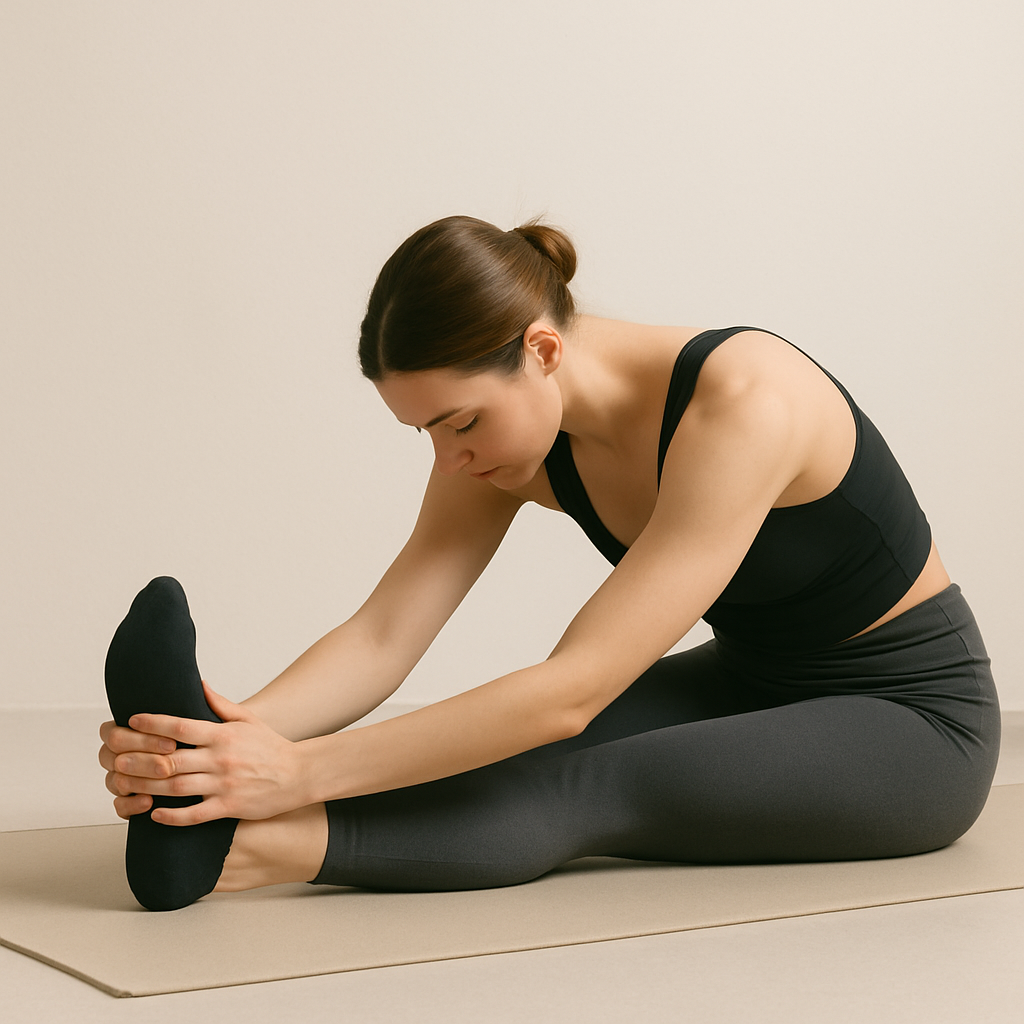
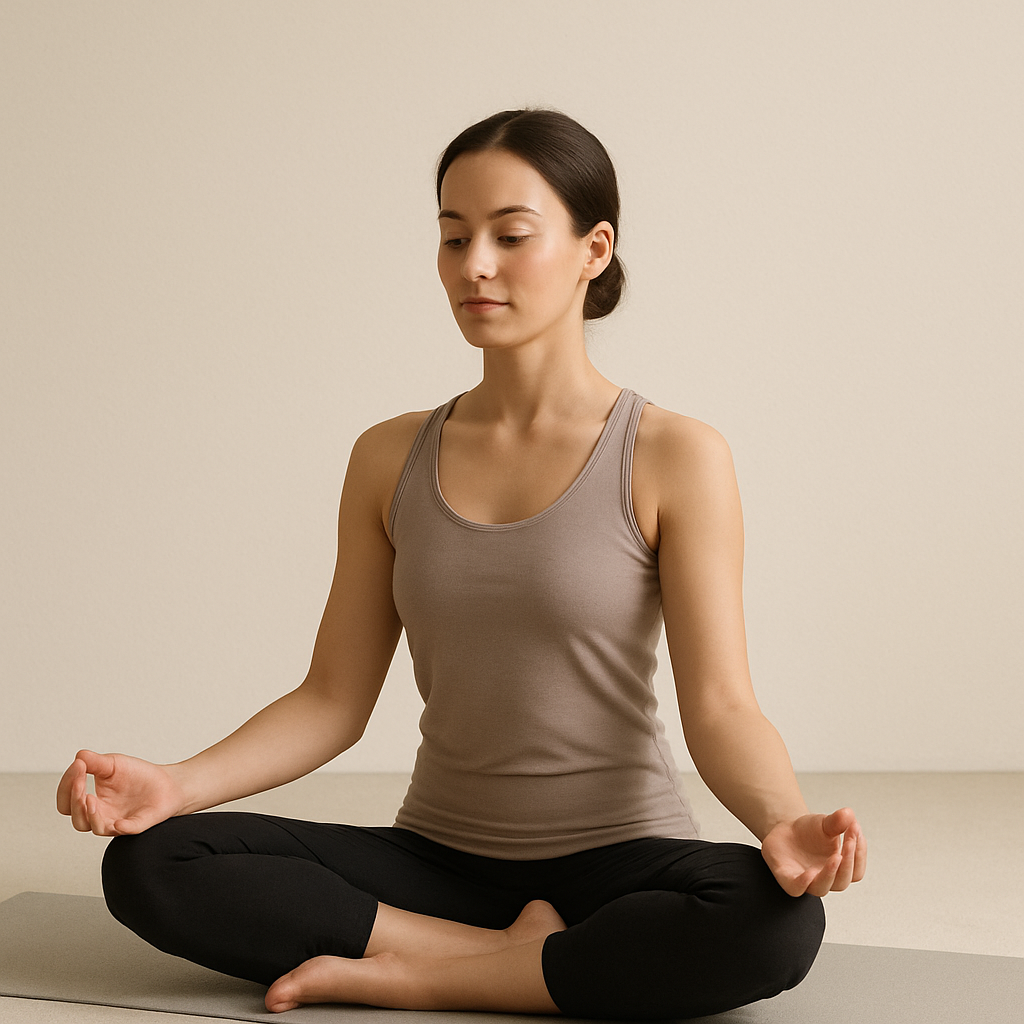
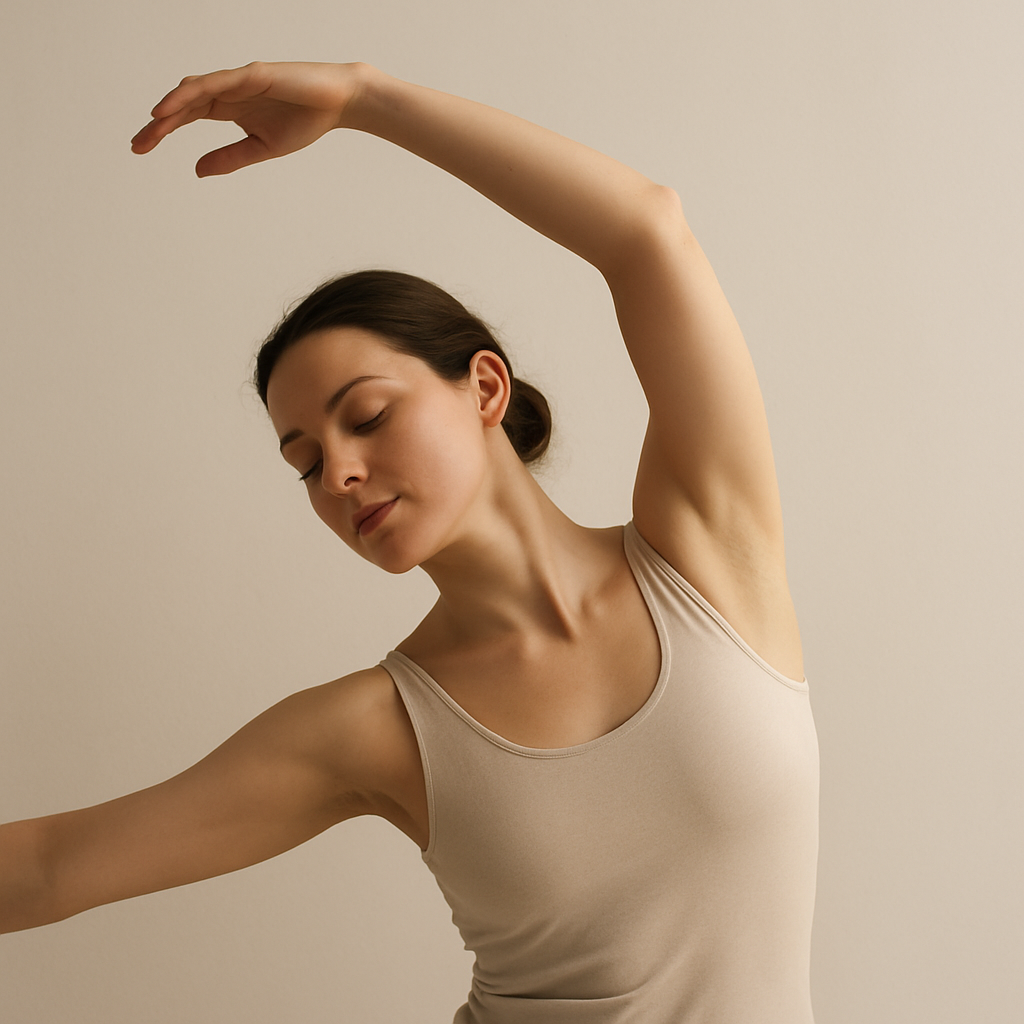
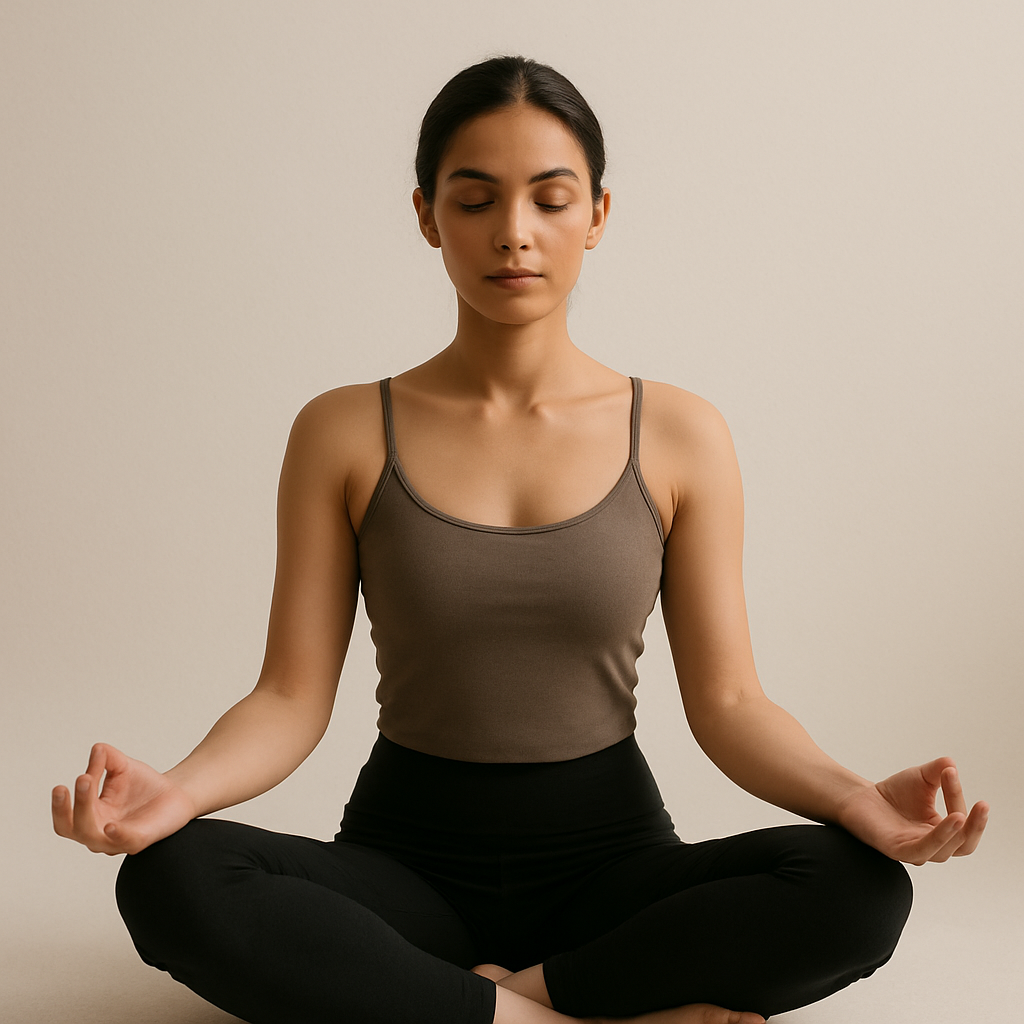
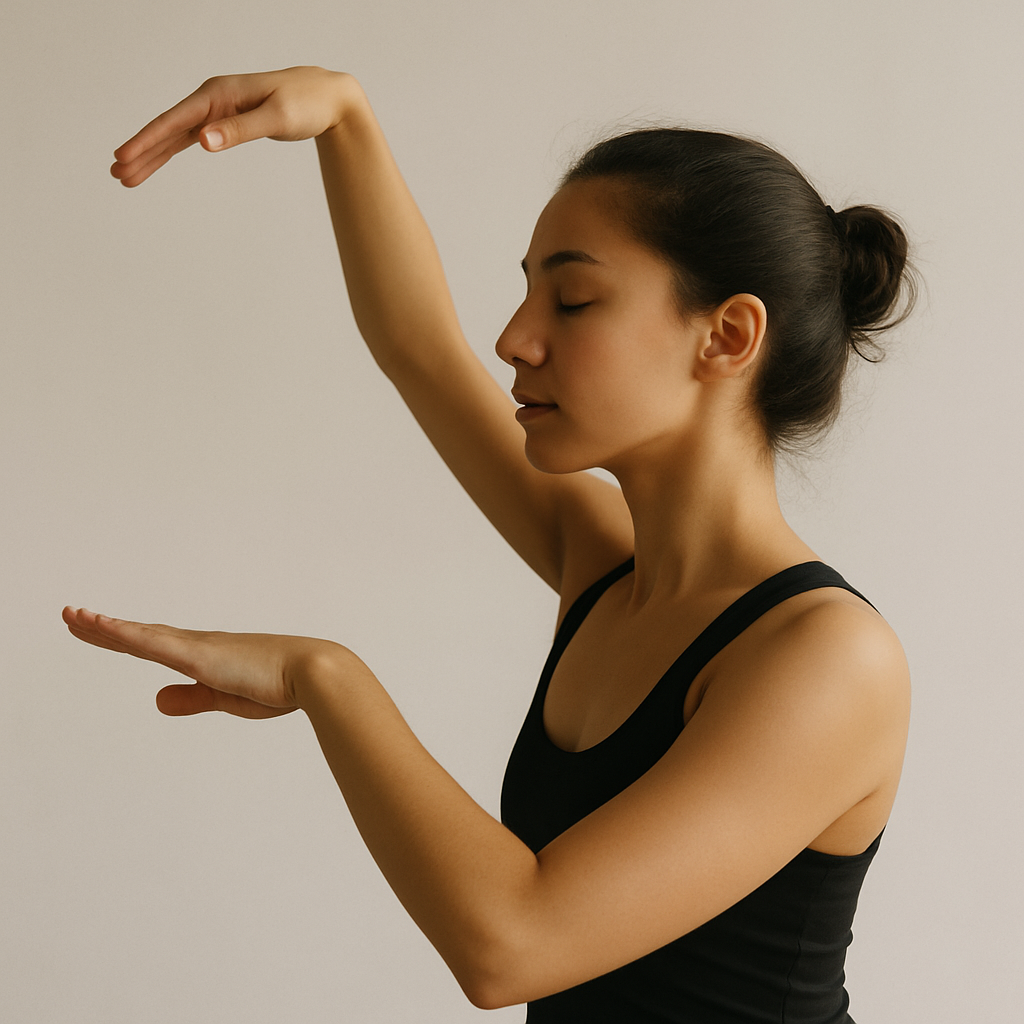
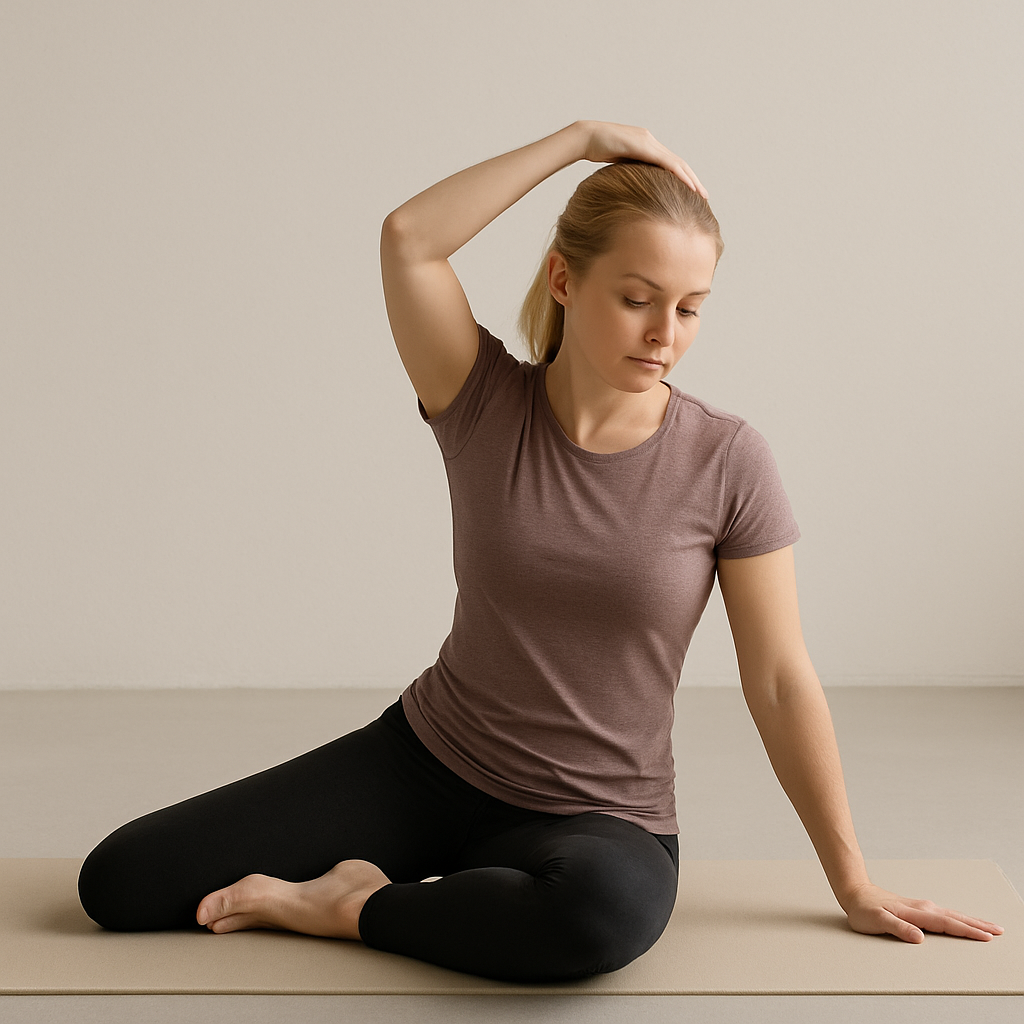
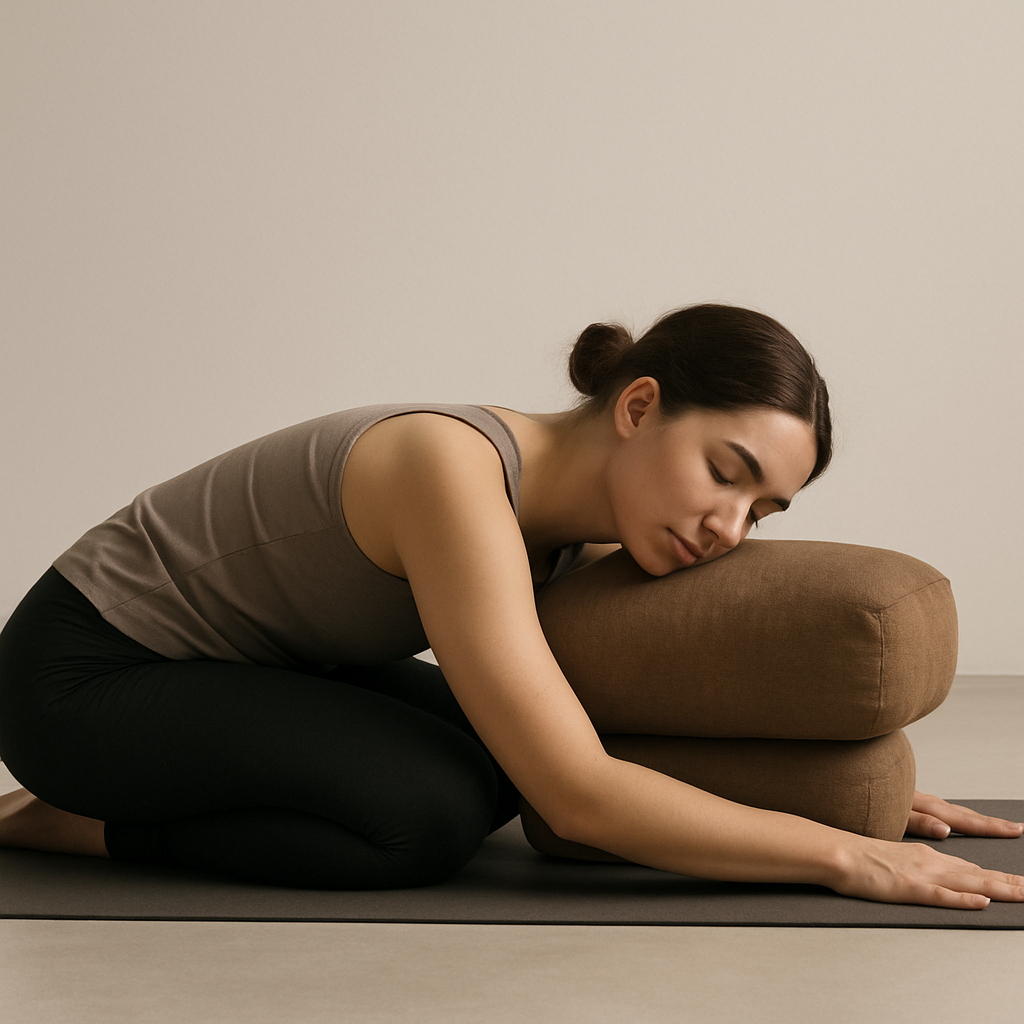
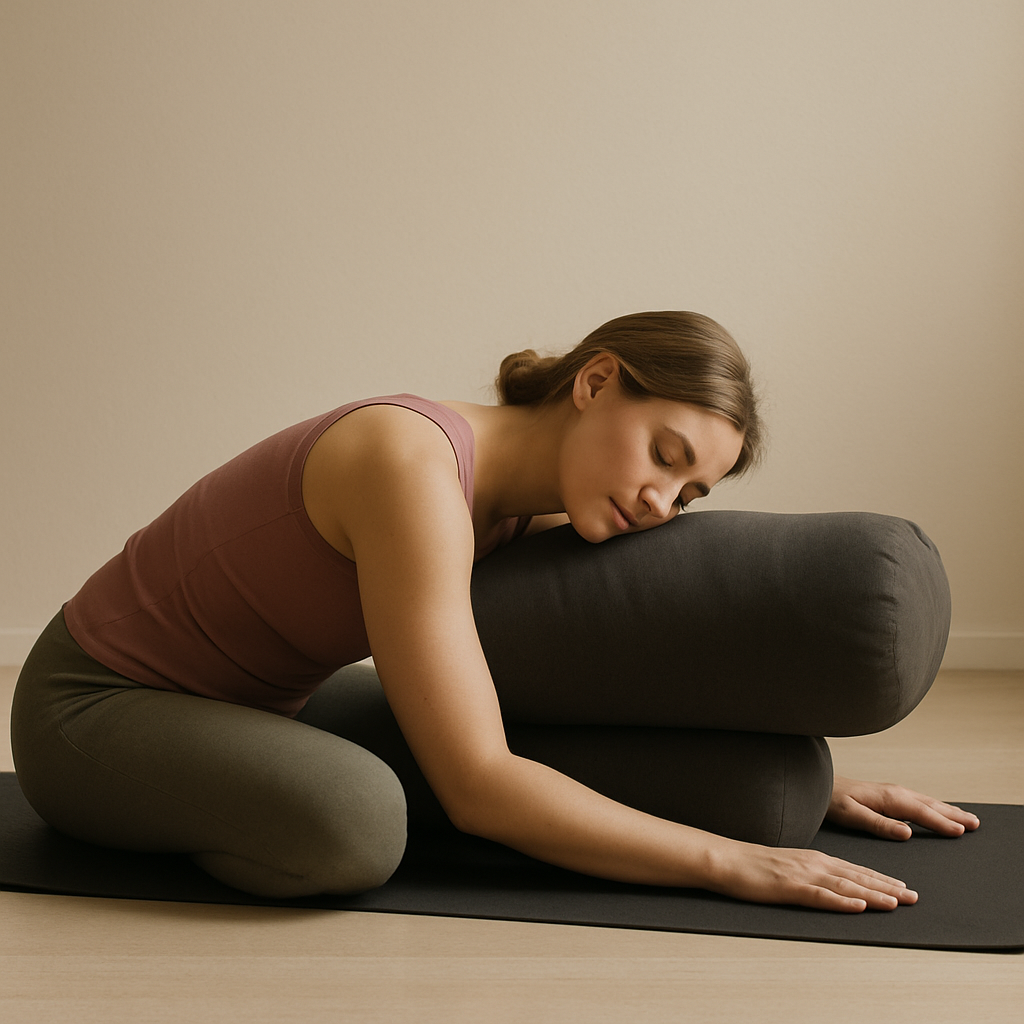
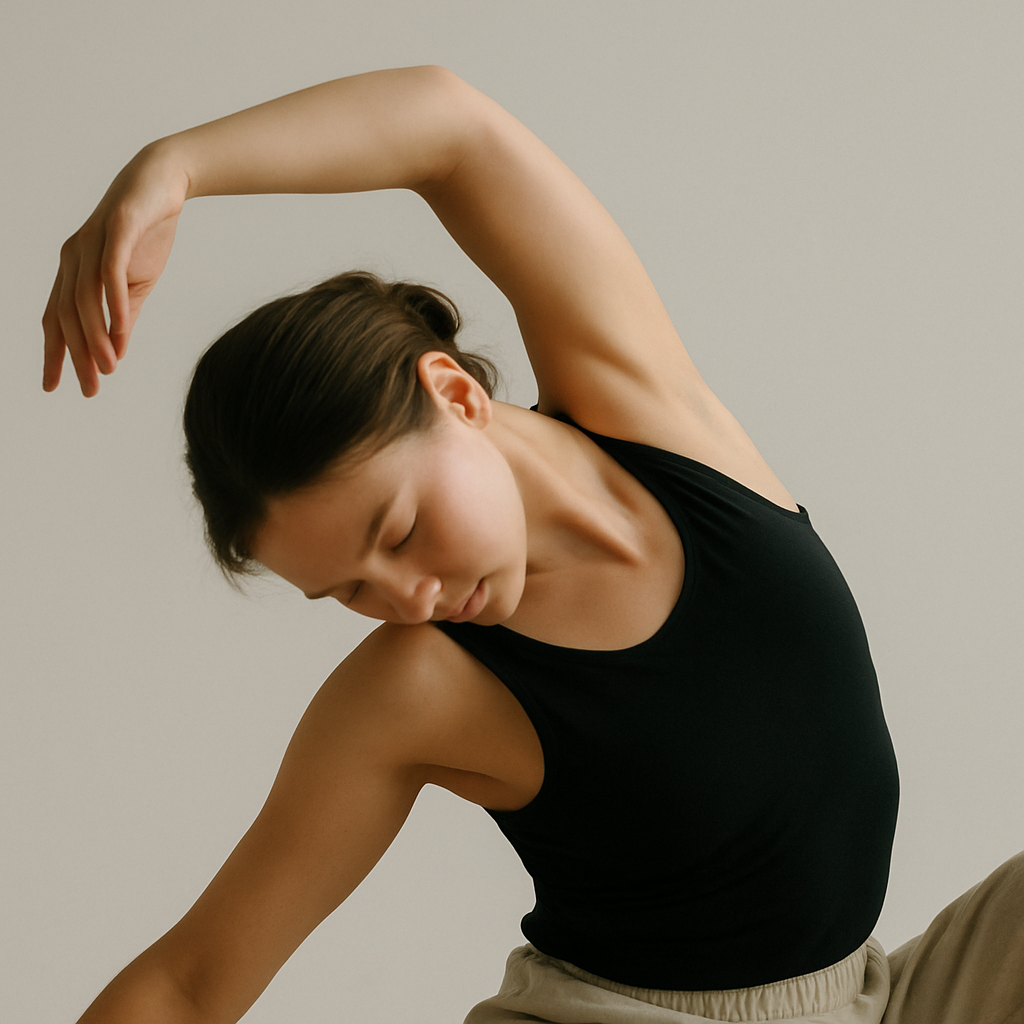
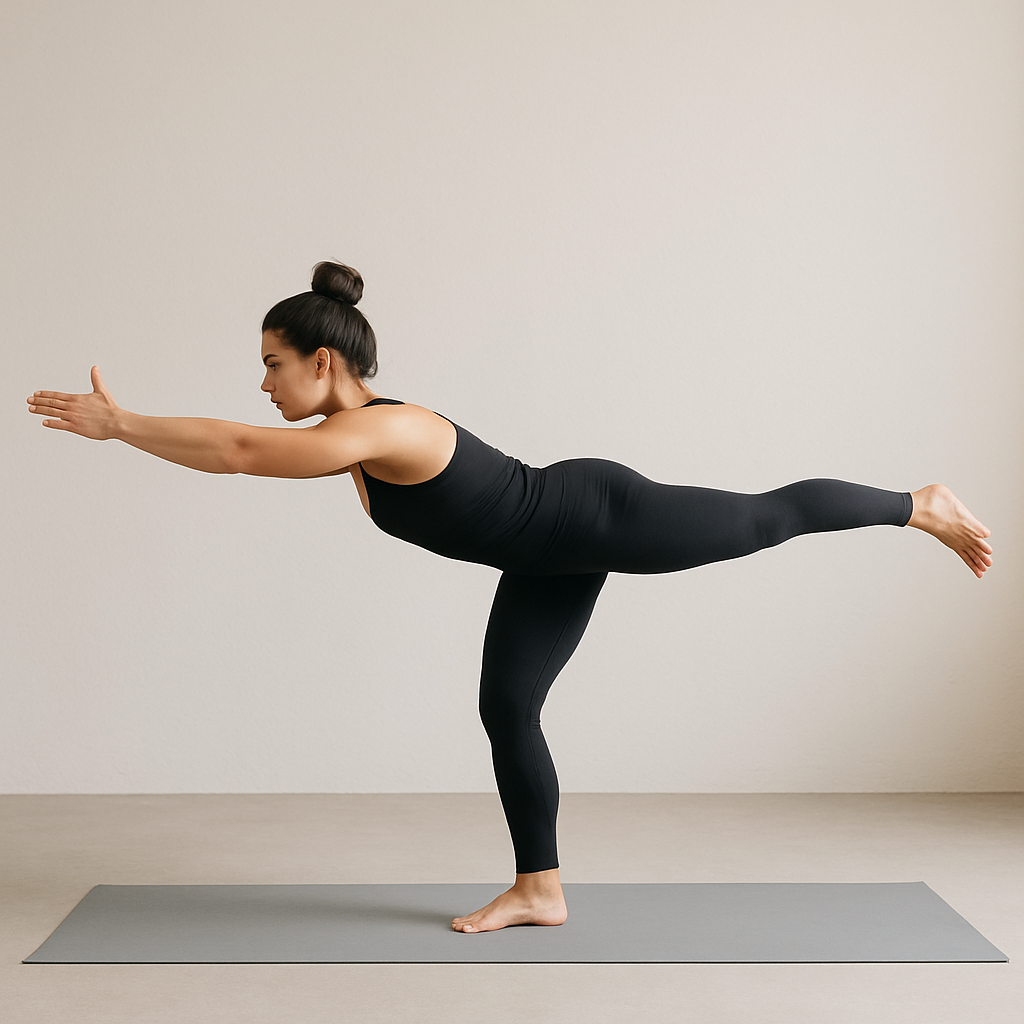
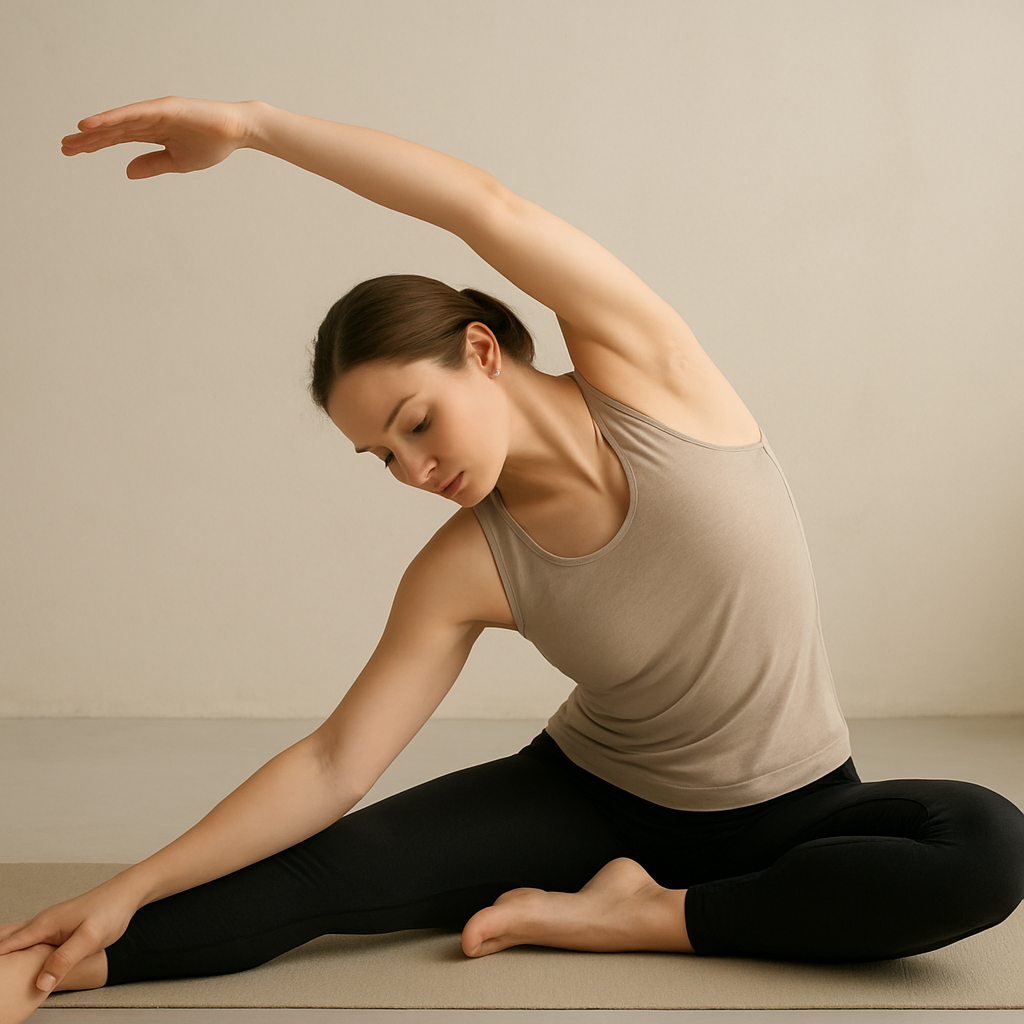
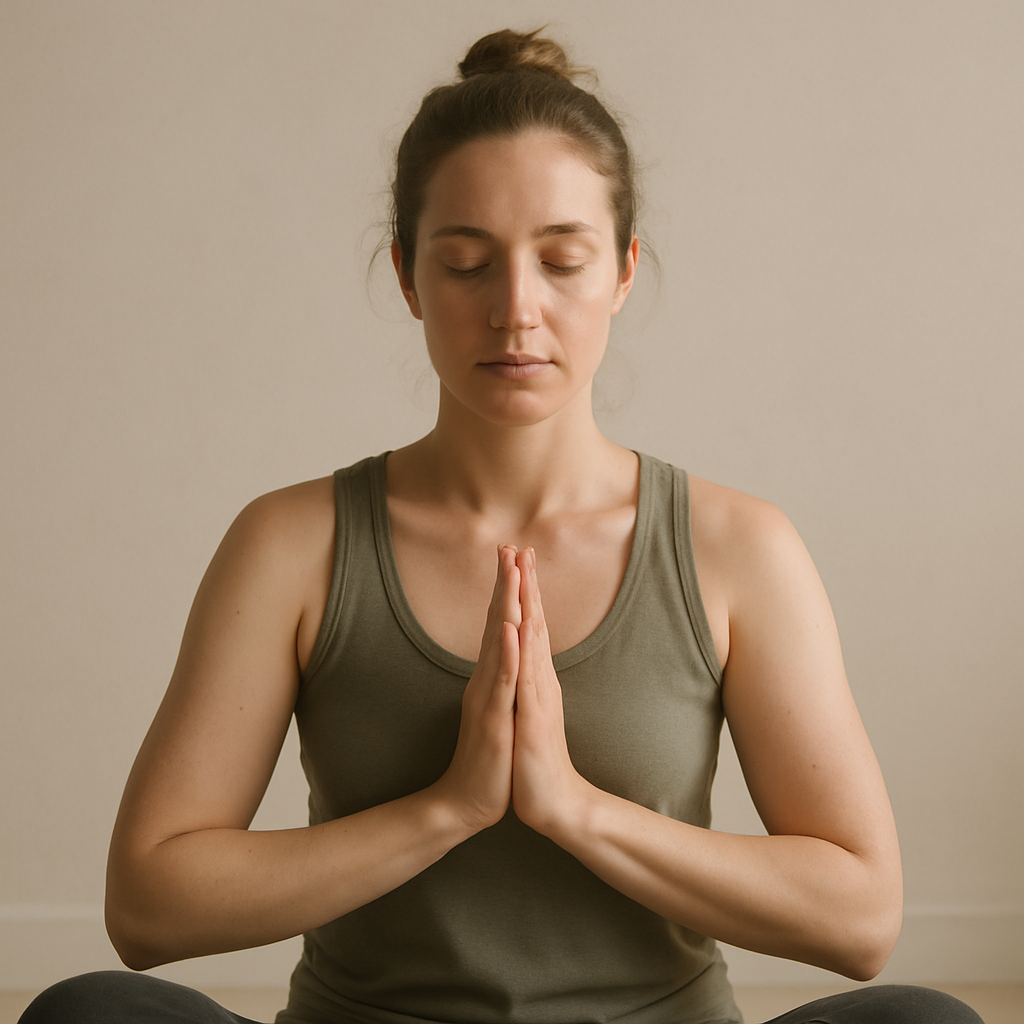
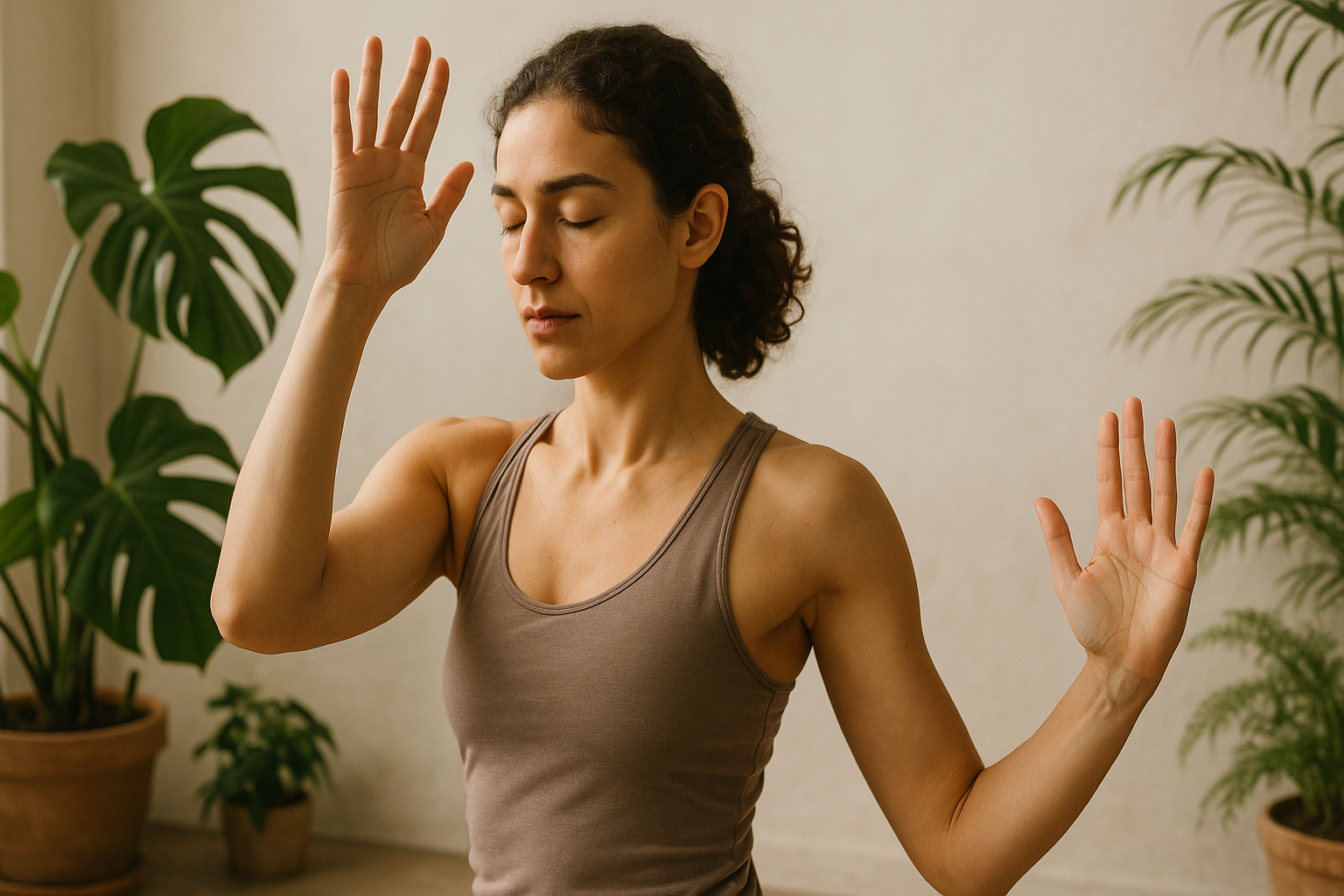
Nervous System Movement refers to a series of practices and techniques aimed at enhancing the functioning and health of the nervous system through movement therapies, particularly yoga. This approach integrates physical postures, breath control, and mindfulness to promote overall neurological well-being. The nervous system is a complex network responsible for coordinating voluntary and involuntary actions and transmitting signals between different parts of the body. By focusing on movement as a means to stimulate and nurture this system, individuals can achieve better balance and harmony within their body.
Key Active Compounds & Mechanisms
While Nervous System Movement does not directly involve plant compounds, various natural remedies can complement movement practices. For instance, adaptogens like Rhodiola rosea and Ashwagandha (Withania somnifera) are known for their capacity to support the nervous system. These compounds can help reduce stress and promote resilience against anxiety. They work through various mechanisms, such as modulating cortisol levels and enhancing neuronal function, thereby supporting the benefits derived from movement therapies.
Traditional Uses
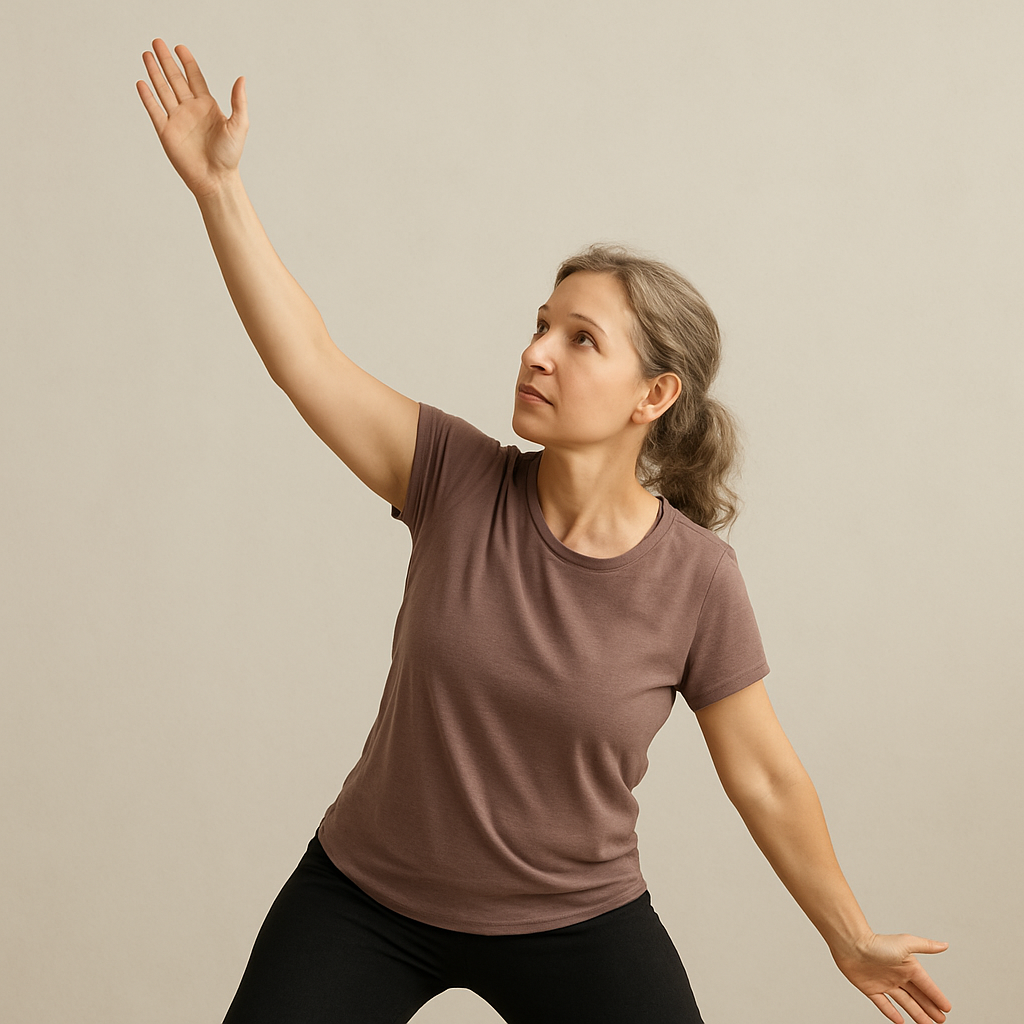
Historically, practices that emphasize movement for nervous system health can be traced back to ancient traditions such as yoga in India and Tai Chi in China. Yoga has been used for thousands of years to harmonize the body and mind, with specific asanas (postures) designed to stimulate the nervous system and promote relaxation. Tai Chi, likewise, incorporates slow, deliberate movements that enhance bodily awareness and reduce stress, serving as a holistic method for maintaining mental and physical health.
What Modern Research Suggests
Modern research has begun to validate the benefits of Nervous System Movement practices. Studies suggest that regular participation in yoga and movement therapies can lead to reductions in anxiety, depression, and stress levels. Some research indicates that these practices can enhance neuroplasticity, the brain's ability to reorganize itself by forming new neural connections. While the evidence is promising, further research is necessary to fully understand the long-term benefits and mechanisms involved.
Functional Actions
The functional actions of Nervous System Movement include:
- Enhancing relaxation and reducing stress through mindful movement.
- Improving coordination and balance, which can foster better neurological function.
- Stimulating blood flow to the brain, supporting cognitive health.
- Encouraging the release of endorphins, promoting a sense of well-being.
- Facilitating a deeper connection between mind and body, enhancing overall awareness.
Body Systems Supported
Nervous System Movement primarily supports the following body systems:
- Nervous System: Promotes optimal functioning and resilience.
- Musculoskeletal System: Enhances flexibility and strength.
- Endocrine System: Helps regulate stress hormones through mindful practices.
- Cardiovascular System: Improves circulation and heart rate variability.
Common Forms & Educational Dosing Ranges
Nervous System Movement can be practiced in various forms, including:
- Yoga: Various styles such as Hatha, Vinyasa, or Yin can be practiced regularly, typically 2-3 times per week, for optimal benefits.
- Tai Chi: Recommended practice of 30 minutes, several times a week.
- Qigong: Practiced daily for benefits in relaxation and energy flow.
While specific educational dosing may vary based on individual needs, consistency and mindful engagement are key components for achieving the desired outcomes.
Safety, Contraindications & Interactions
Nervous System Movement is generally safe for most individuals. However, those with specific medical conditions, such as severe neurological disorders or injuries, should consult with a healthcare professional before beginning any new movement therapy. Additionally, individuals on medications that affect the nervous system, such as antidepressants or anxiolytics, should be aware that movement practices may interact with their treatment, potentially enhancing or diminishing effects.
Pairs Well With
Nervous System Movement can be enhanced when paired with other natural remedies and practices, including:
- Herbal Supplements: Adaptogens like Ashwagandha and Rhodiola.
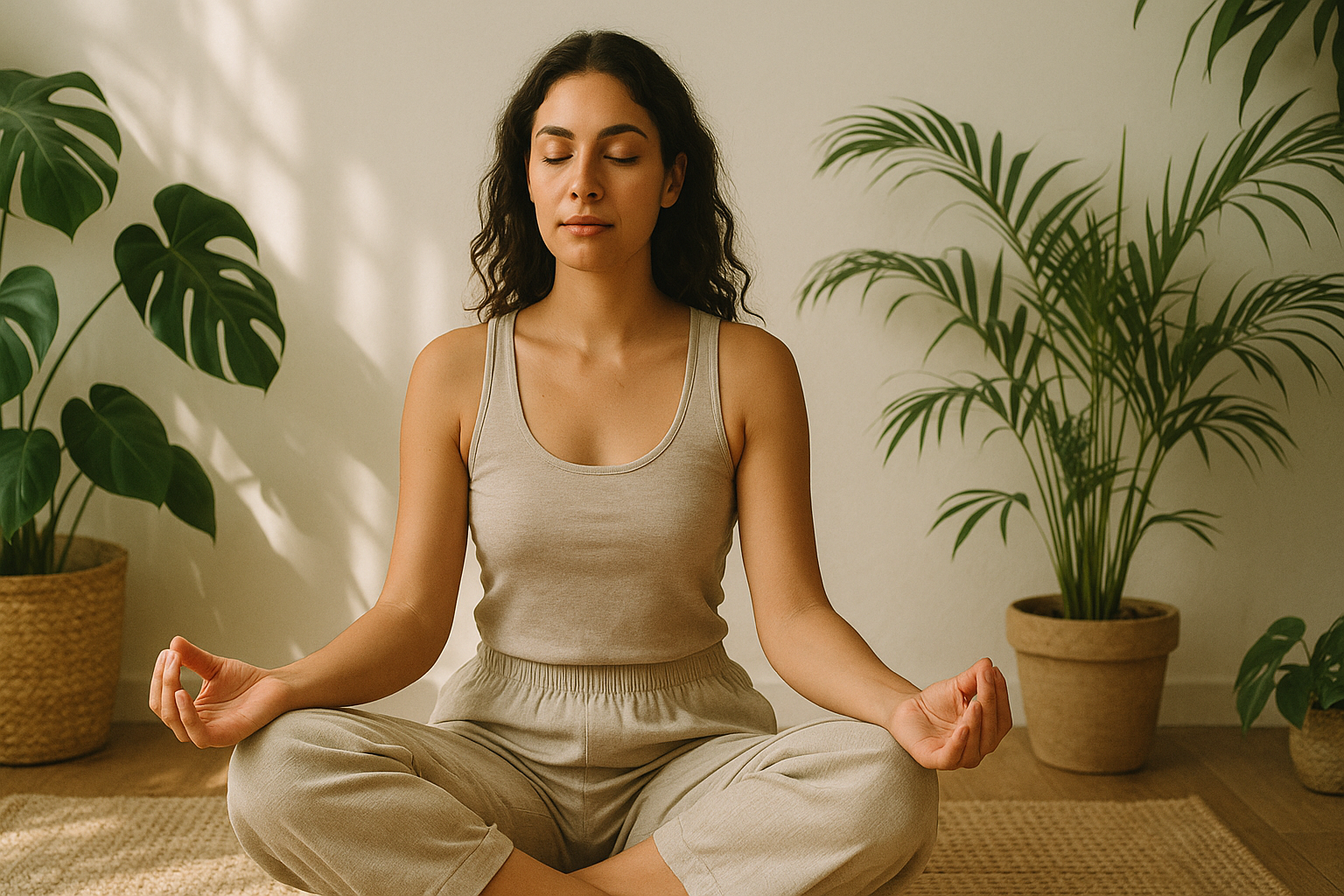
- Meditation: Deepens relaxation and mental clarity.
- Aromatherapy: Essential oils like lavender or chamomile can promote tranquility.
- Mindfulness Practices: Enhance the benefits of movement through increased awareness.
FAQs (5)
- What is Nervous System Movement? It is a series of practices designed to enhance the health and functioning of the nervous system through movement therapies like yoga.
- How often should I practice? For optimal benefits, it is recommended to engage in movement practices 2-3 times a week.
- Are there any risks involved? Generally safe for most, but those with serious conditions should consult a healthcare professional before starting.
- Can I do this if I am on medication? Yes, but it is advisable to discuss with your healthcare provider to avoid potential interactions.
- What natural supplements pair well with these practices? Adaptogens like Ashwagandha and Rhodiola are often recommended to support nervous system health.
Frequently asked
What is Nervous System Movement?
It is a series of practices designed to enhance the health and functioning of the nervous system through movement therapies like yoga.
How often should I practice?
For optimal benefits, it is recommended to engage in movement practices 2-3 times a week.
Are there any risks involved?
Generally safe for most, but those with serious conditions should consult a healthcare professional before starting.
Can I do this if I am on medication?
Yes, but it is advisable to discuss with your healthcare provider to avoid potential interactions.
What natural supplements pair well with these practices?
Adaptogens like Ashwagandha and Rhodiola are often recommended to support nervous system health.