Restorative Yoga
Restorative Yoga is a gentle practice focusing on relaxation and healing, utilizing props and mindfulness to support the body and mind.
Explore the calming world of Restorative Yoga, a practice designed to promote relaxation and healing through gentle poses and mindful breathing. Discover its history, benefits, and how to integrate it into your wellness routine.
What It Is
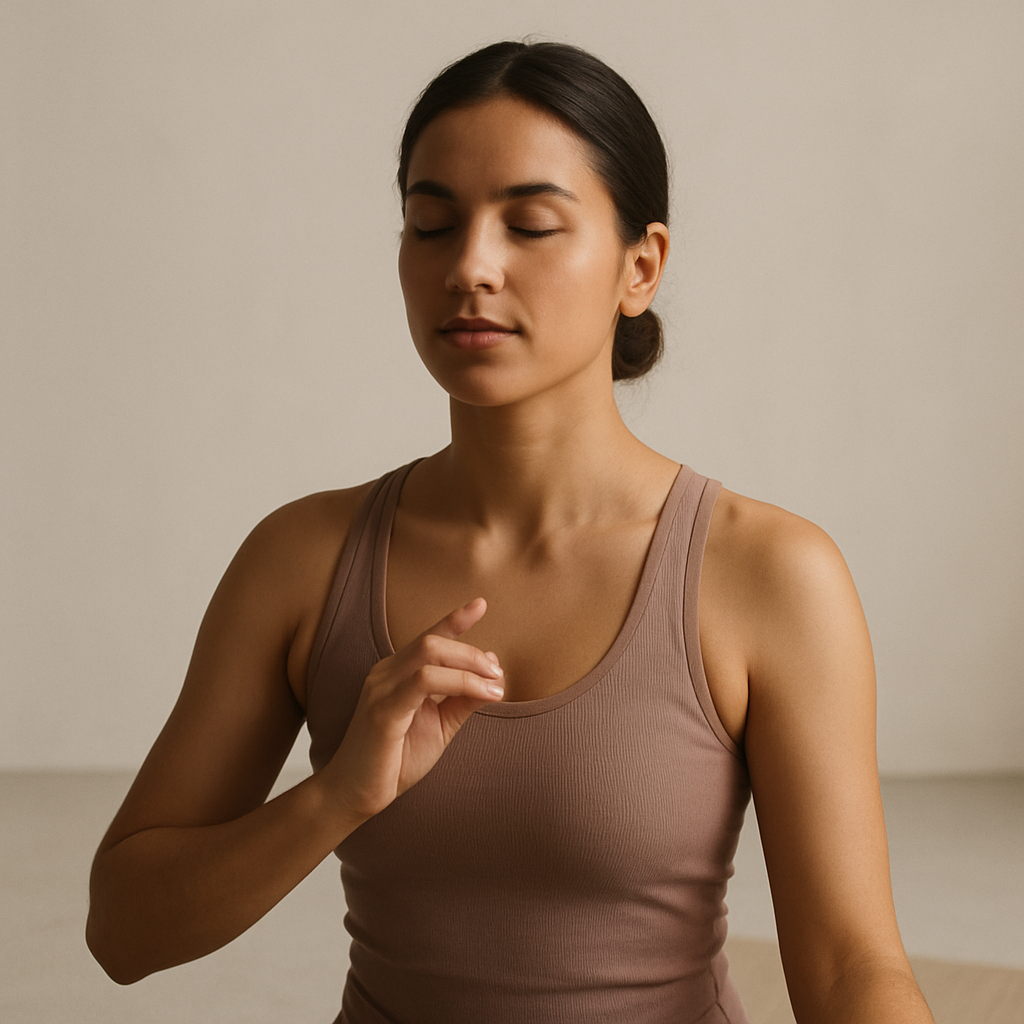
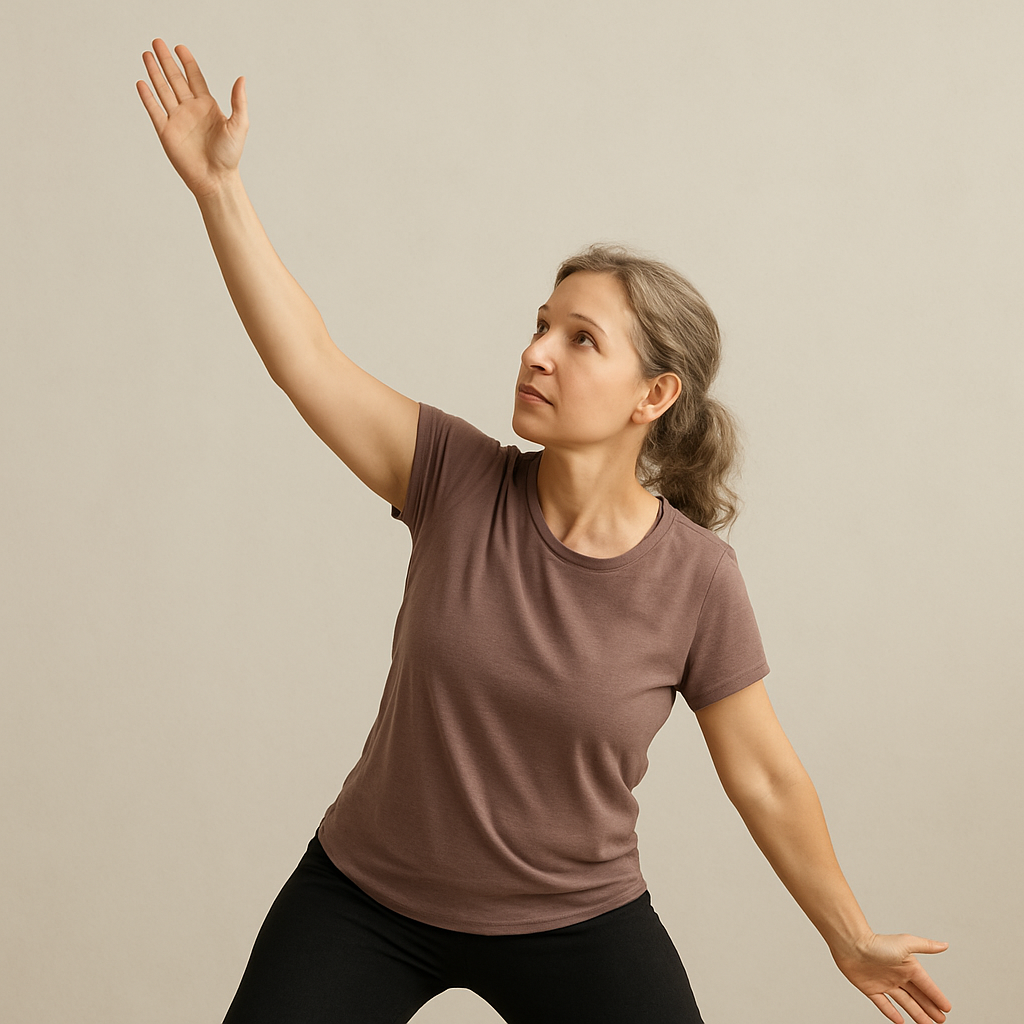
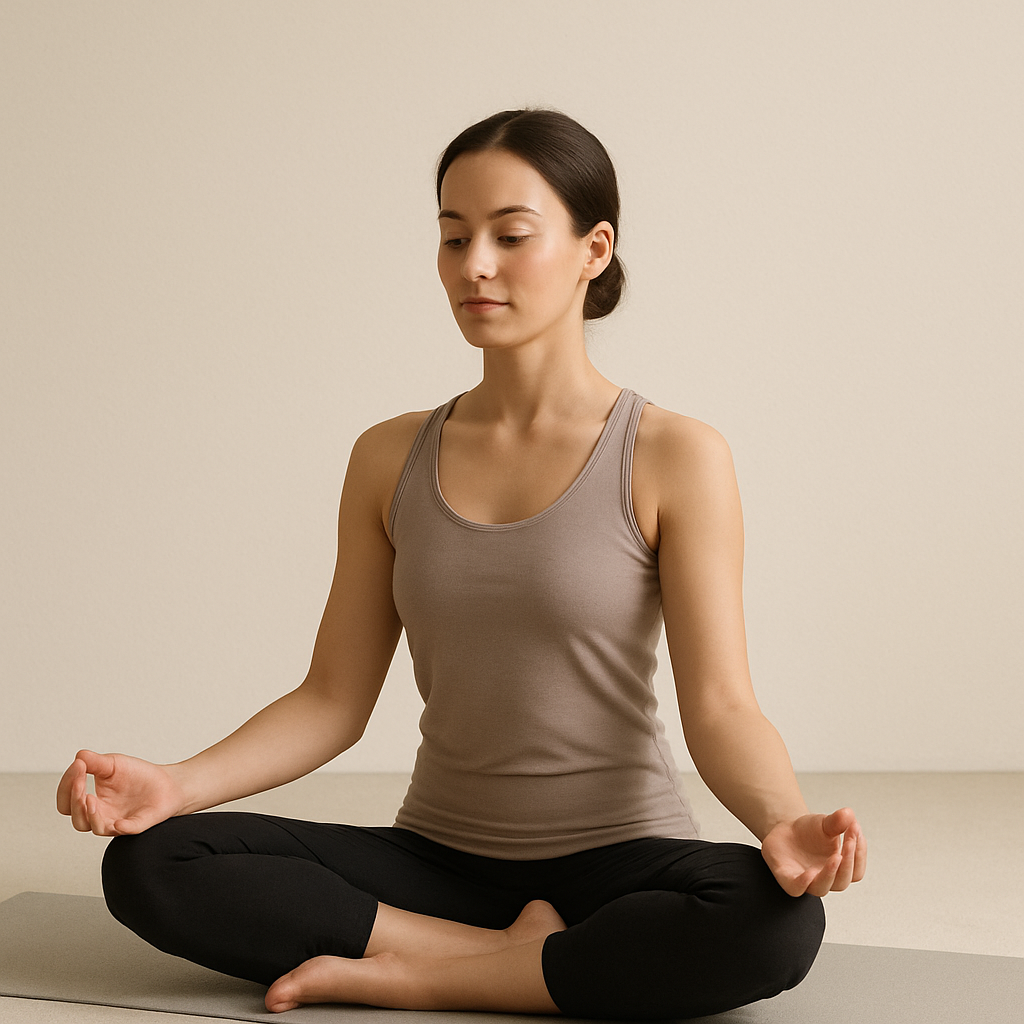
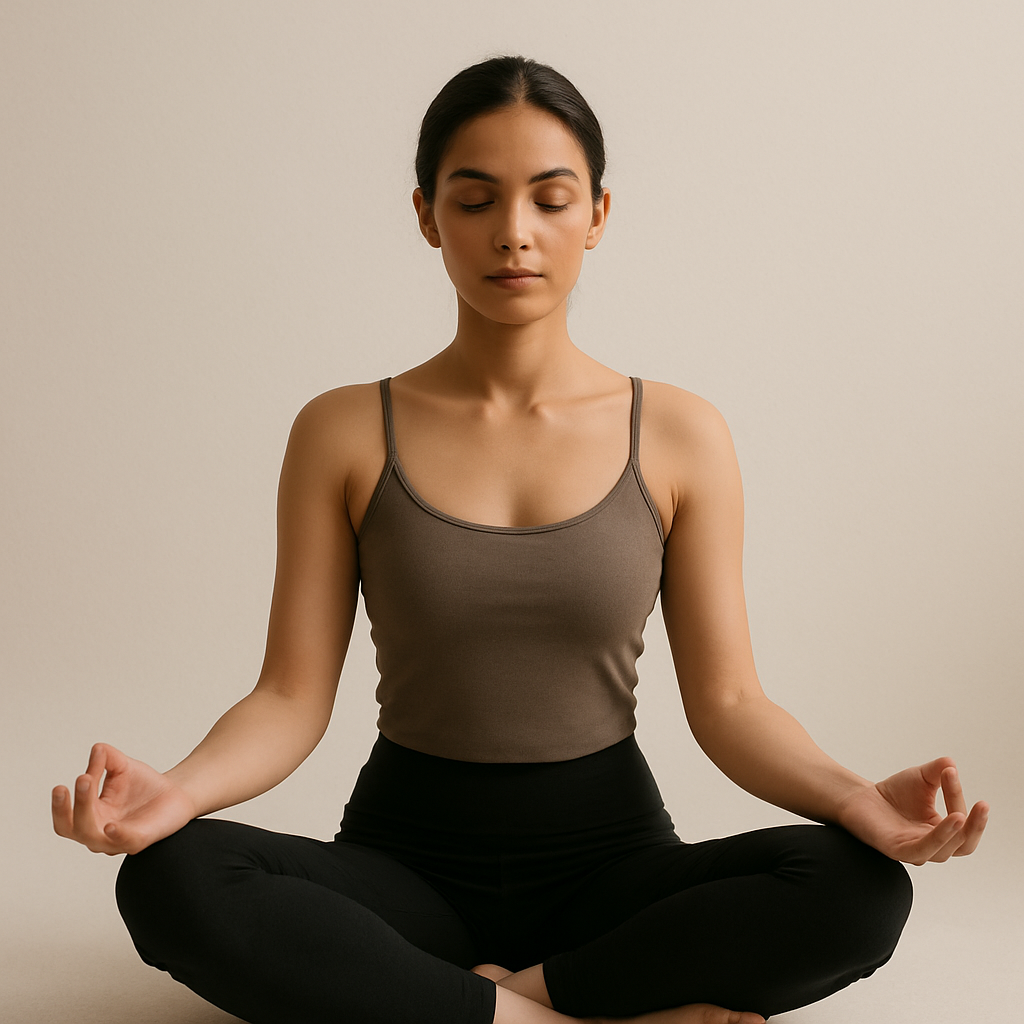
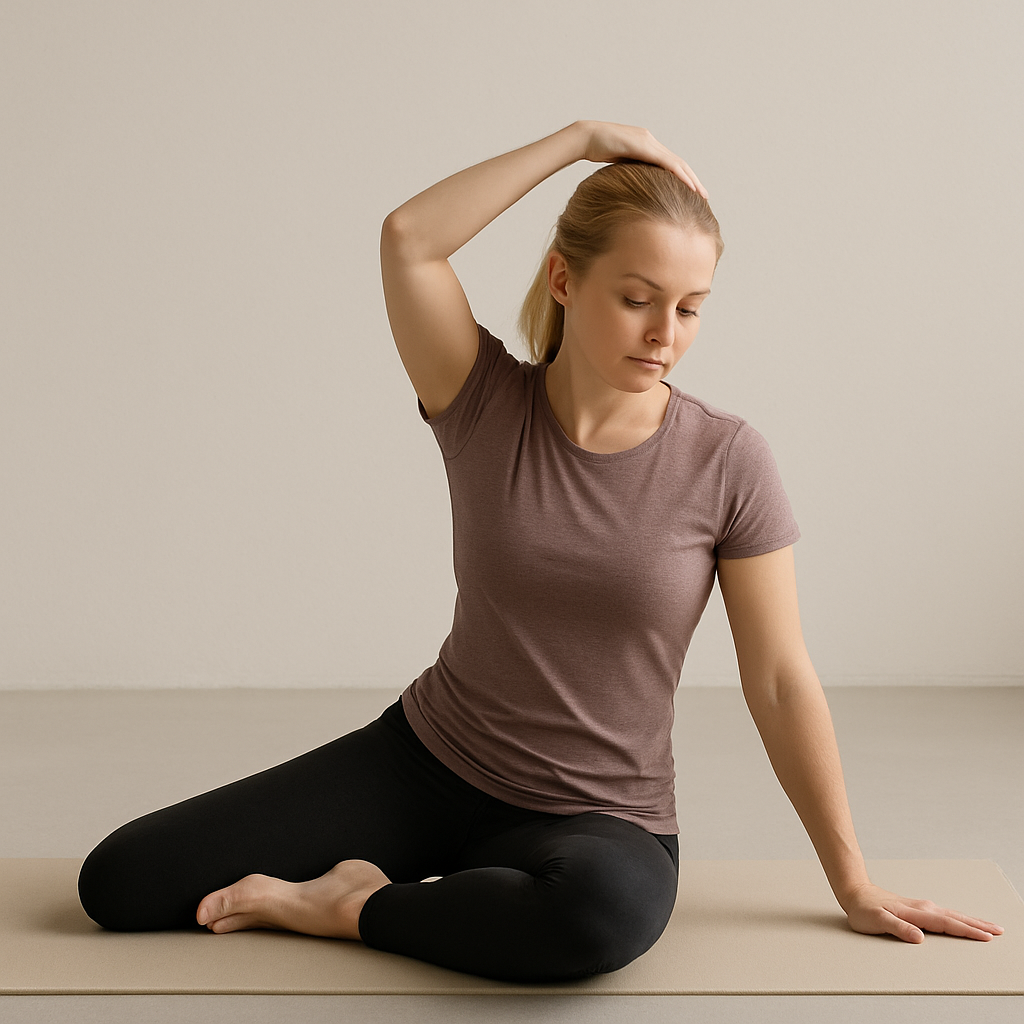
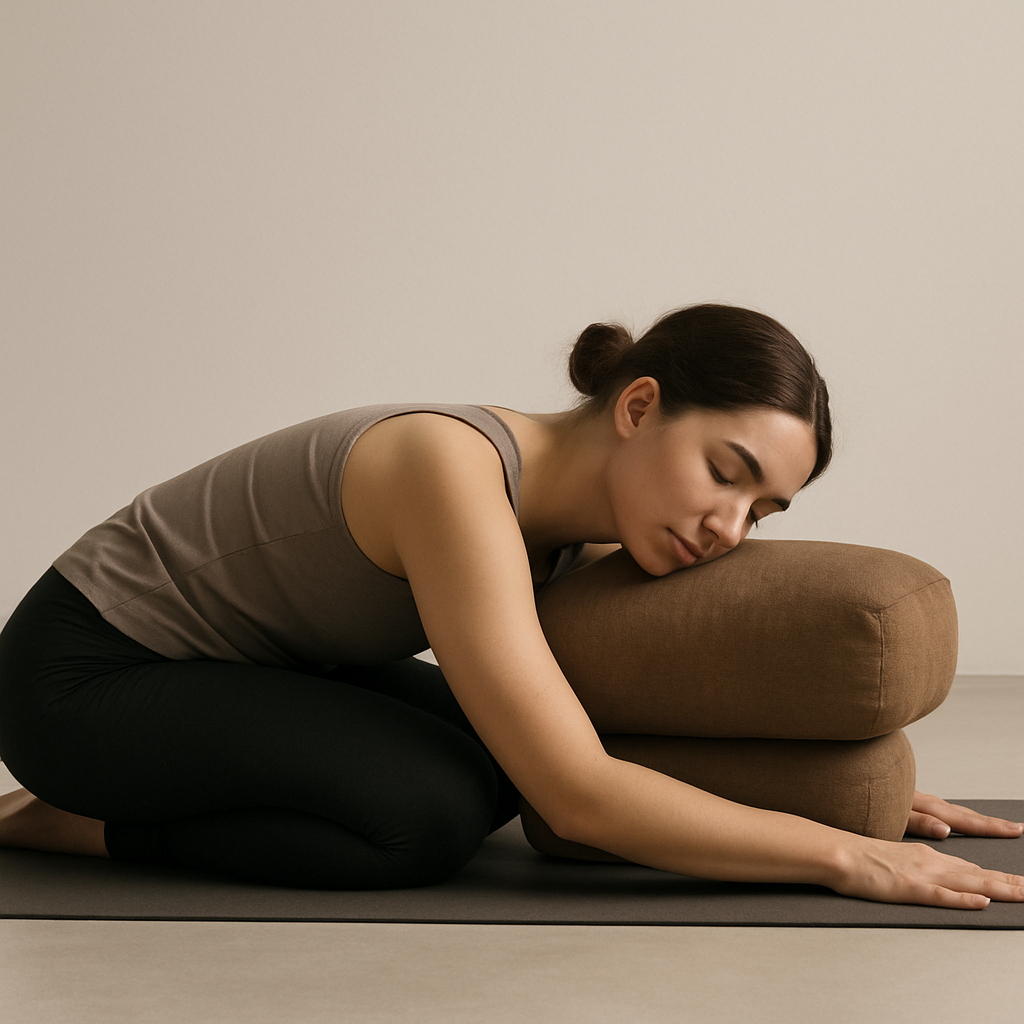
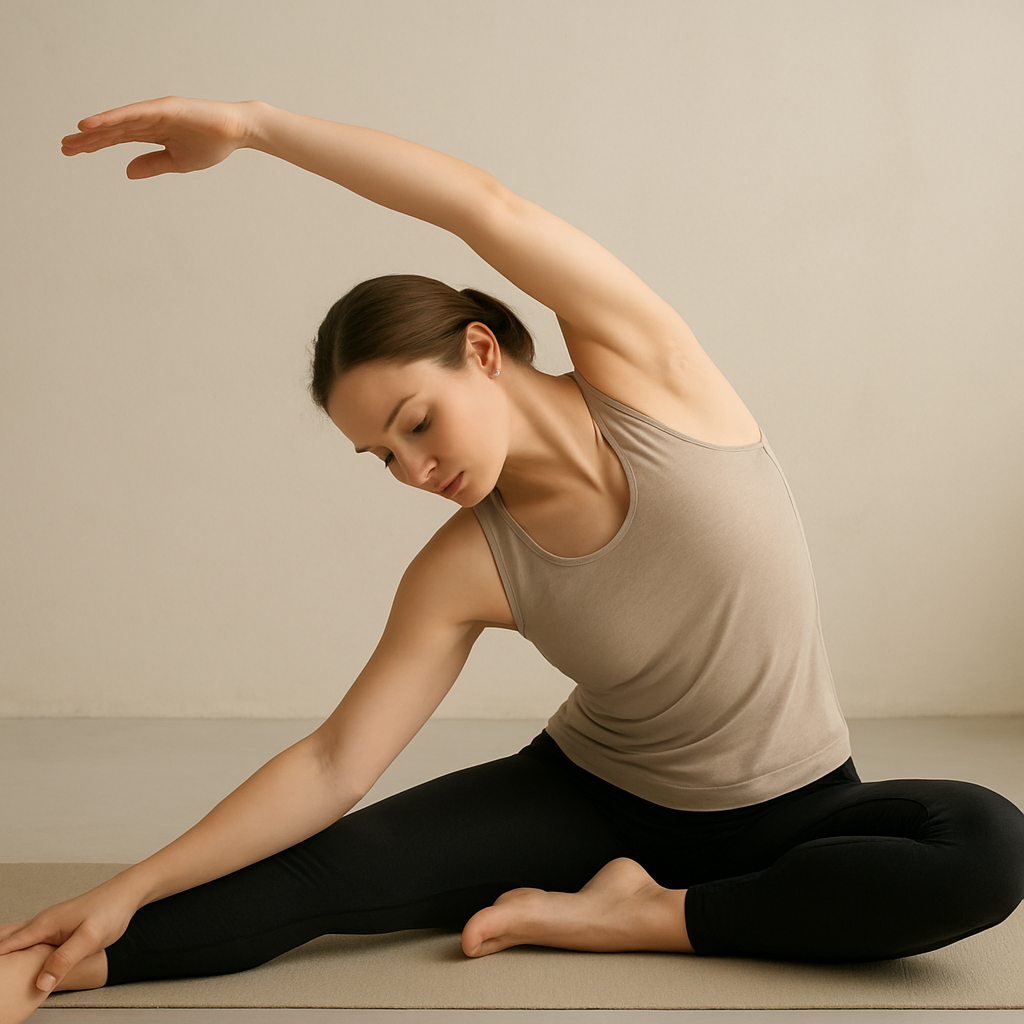
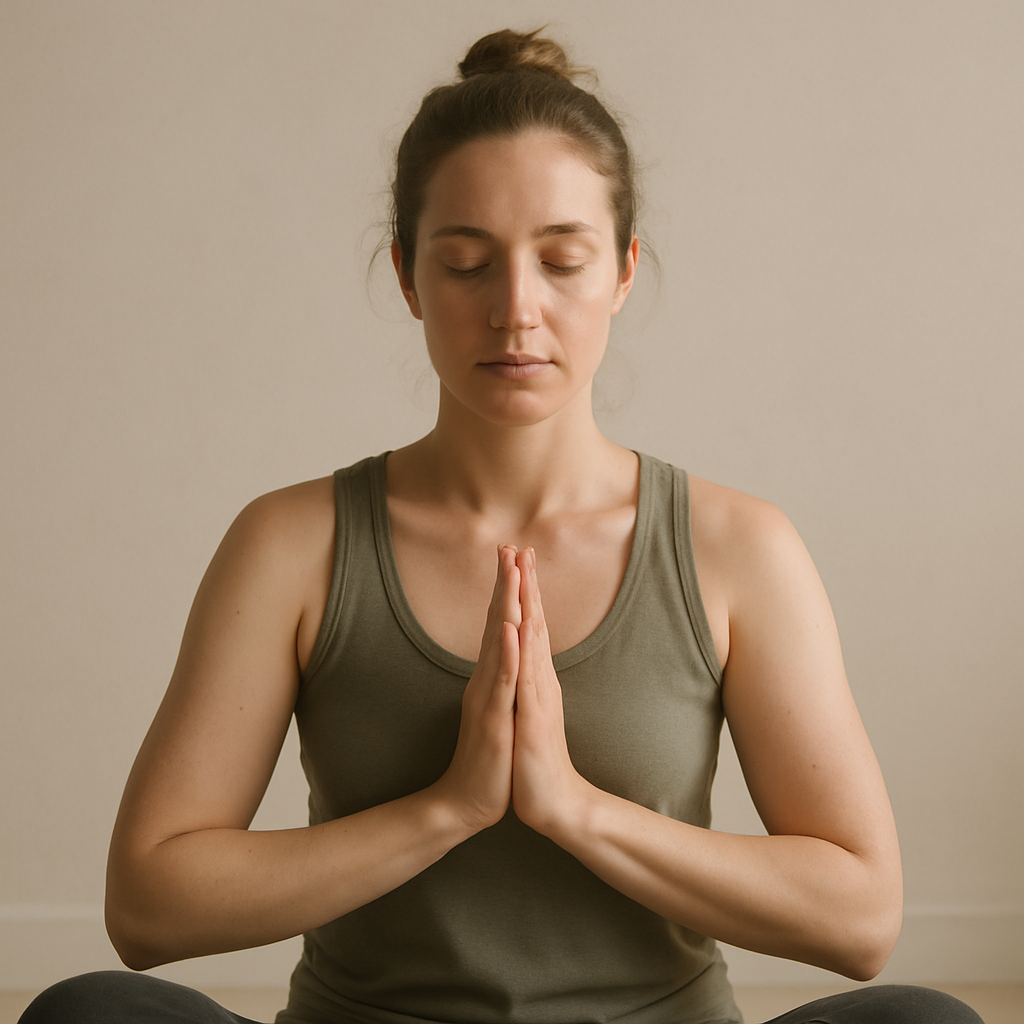
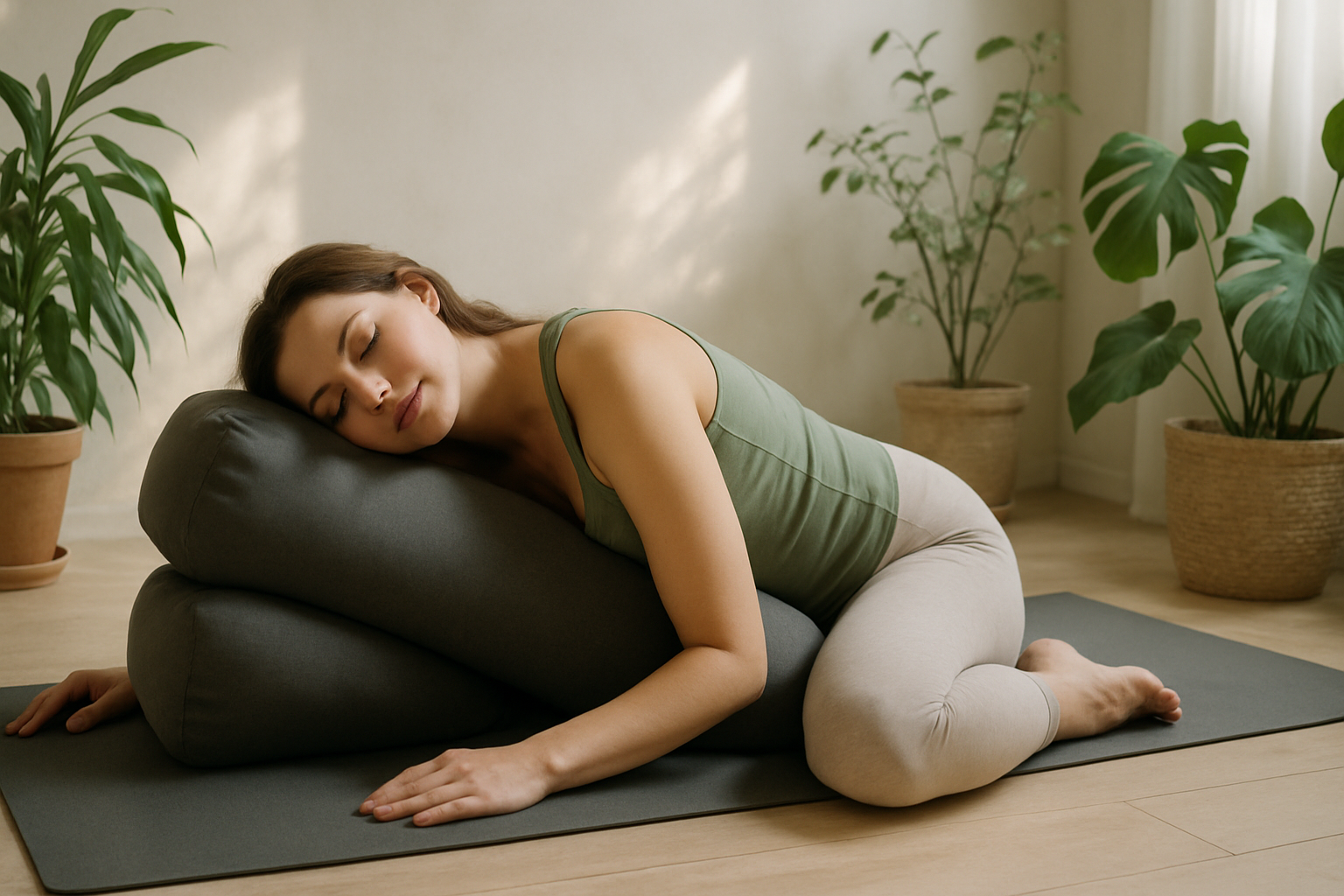
Restorative Yoga is a gentle and therapeutic style of yoga that emphasizes relaxation and stress relief through a series of supported poses. It involves the use of props such as blankets, bolsters, and straps to help practitioners hold poses for extended periods, allowing the body to fully relax and rejuvenate. Unlike more vigorous forms of yoga, Restorative Yoga encourages a meditative approach to movement, focusing on deep breathing and mindfulness.
Key Active Compounds & Mechanisms
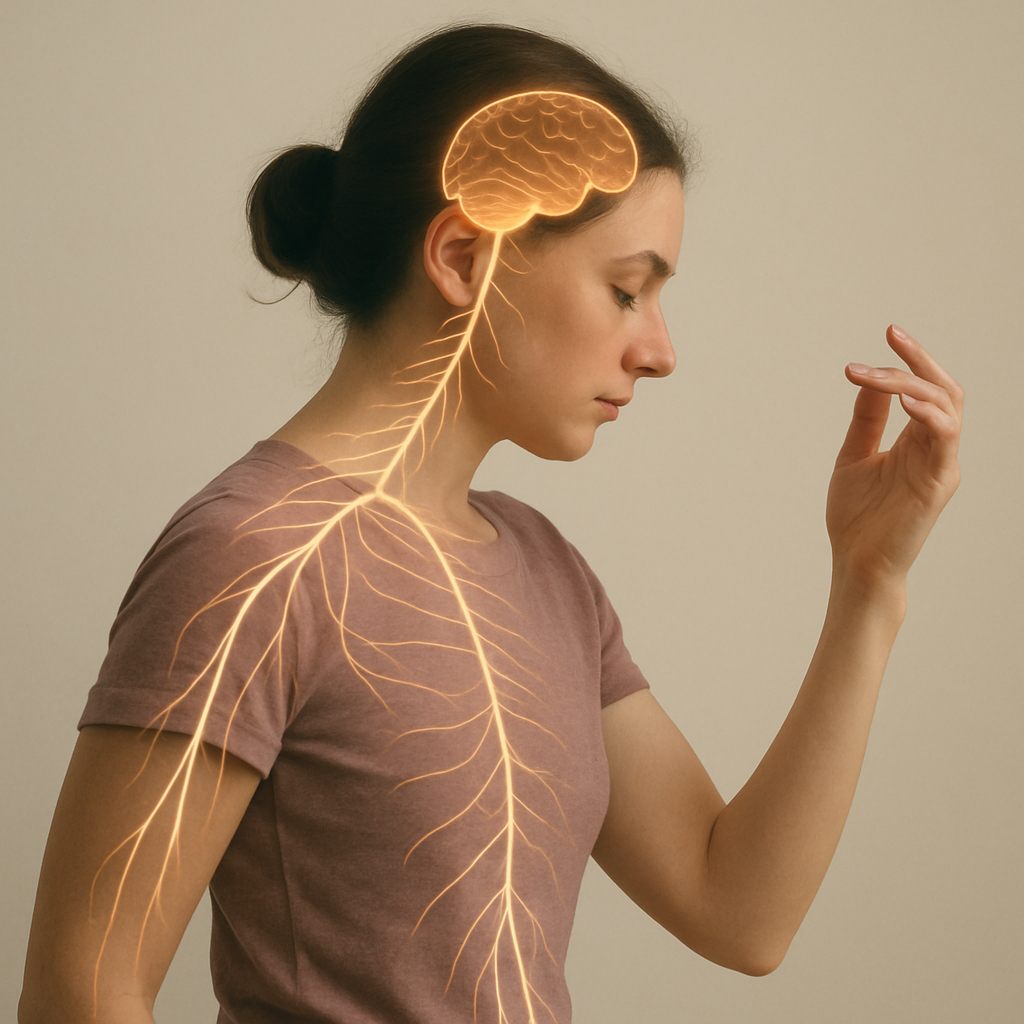
While Restorative Yoga does not involve specific compounds like herbal remedies, its mechanisms of action are rooted in the principles of relaxation and mindfulness. The practice activates the parasympathetic nervous system, which is responsible for the body’s rest and digest functions. This activation can lead to a decrease in stress hormones, promote relaxation, and enhance overall well-being.
Traditional Uses
Restorative Yoga has its roots in various ancient practices, including Hatha Yoga, which emphasizes physical postures and breath control. Traditionally, yoga was used as a means to achieve spiritual enlightenment and physical health. The restorative aspect of yoga has been recognized in many cultures as a way to support healing and mental clarity. Over centuries, yogic texts have highlighted the importance of relaxation and self-care, reflecting the holistic philosophy that underpins Restorative Yoga.
What Modern Research Suggests
Contemporary research has begun to validate the benefits of Restorative Yoga. Studies indicate that this practice may help reduce symptoms of anxiety, depression, and chronic pain. Some research also suggests improvements in sleep quality and overall life satisfaction among practitioners. While more rigorous clinical studies are needed, preliminary findings support the idea that Restorative Yoga can be a valuable tool in holistic health and wellness.
Functional Actions
The functional actions of Restorative Yoga include:
- Promoting Relaxation: Supports the body in reaching a state of deep relaxation.
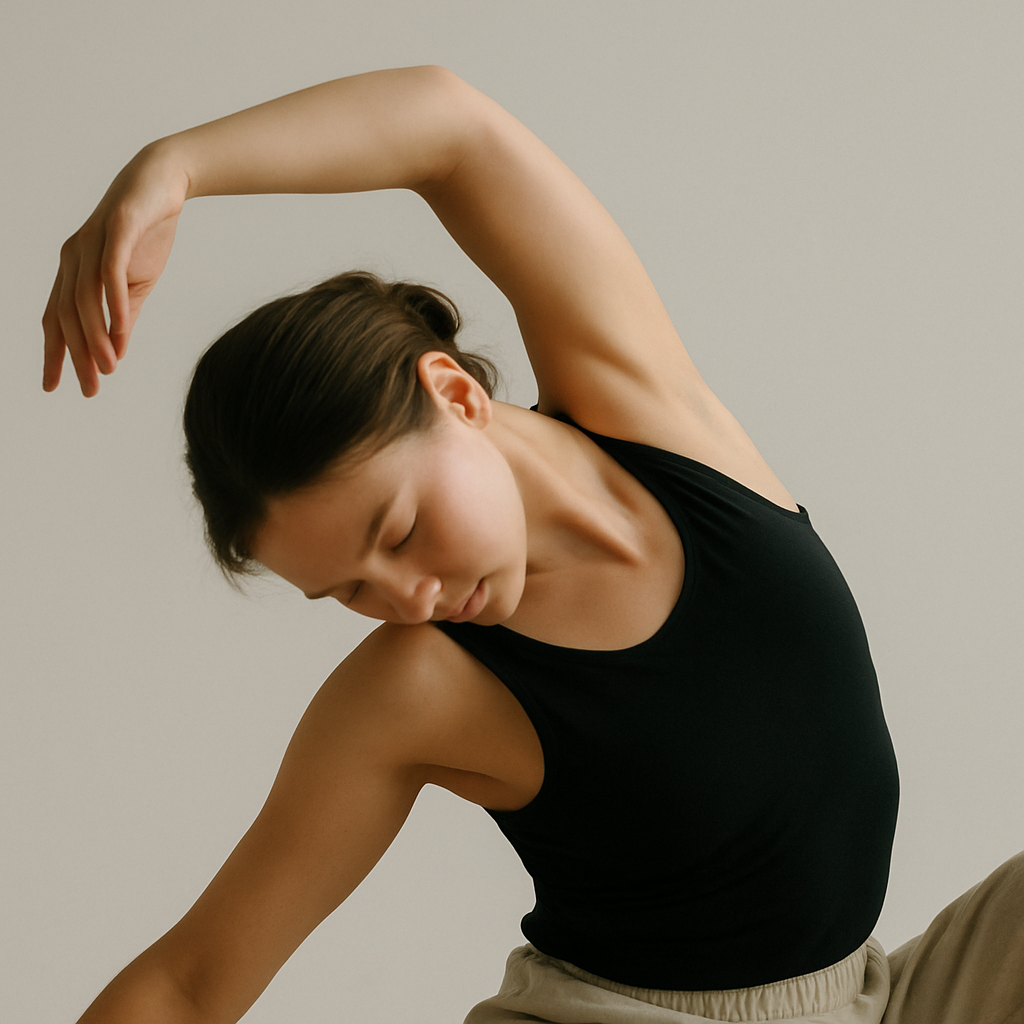
- Enhancing Flexibility: Gentle stretching can improve muscle elasticity and joint mobility.
- Reducing Stress: The calming techniques can help lower stress levels and promote emotional balance.
- Improving Sleep: Regular practice can lead to better sleep patterns and quality.
- Boosting Mindfulness: Encourages a mindful approach to movement and breathing.
Body Systems Supported
Restorative Yoga primarily supports the following body systems:
- Nervous System: Enhances relaxation and reduces anxiety.
- Musculoskeletal System: Promotes flexibility and reduces tension in muscles and joints.
- Endocrine System: May help regulate hormonal balance through stress reduction.
- Respiratory System: Encourages deep breathing techniques, improving lung function and oxygenation.
Common Forms & Educational Dosing Ranges
Common forms of Restorative Yoga include:
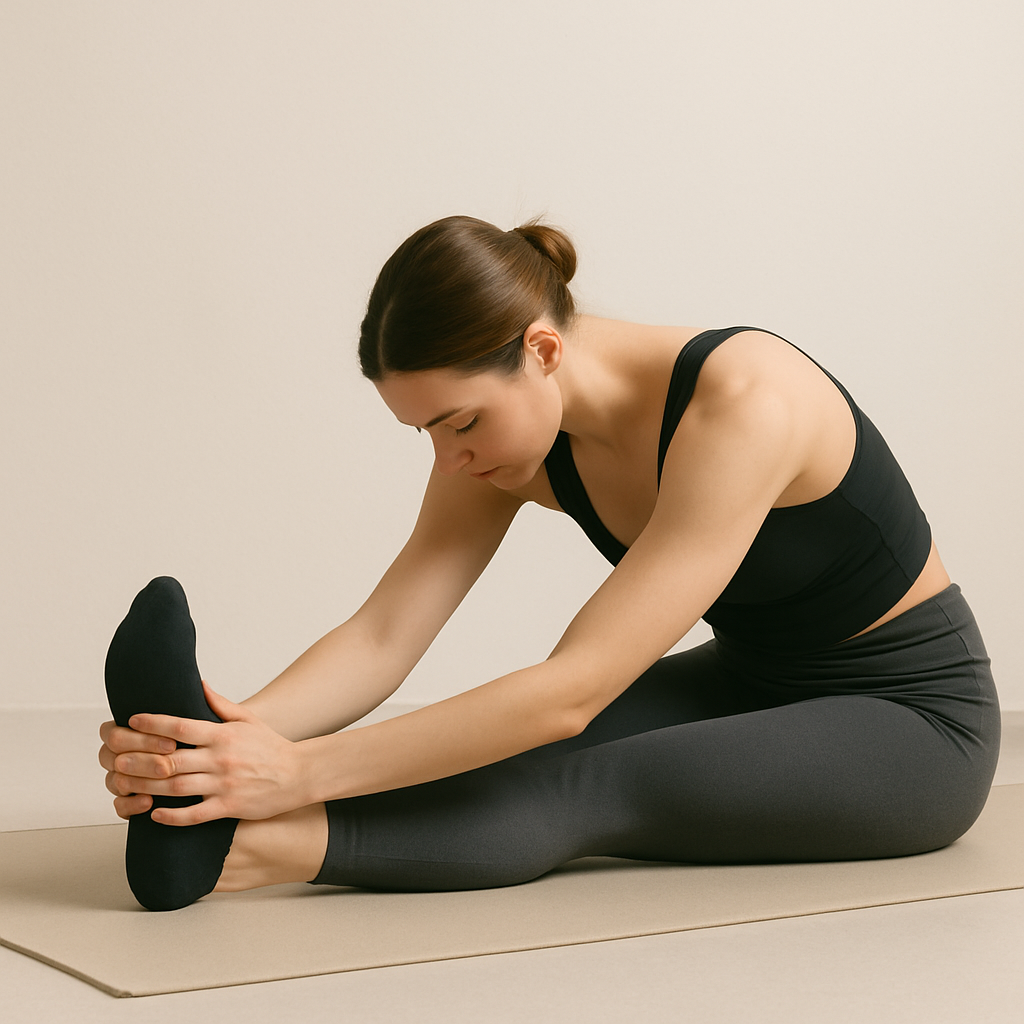
- Supported Forward Bend: A gentle pose that encourages relaxation of the back and hamstrings.
- Reclining Bound Angle Pose: Opens the hips and promotes relaxation.
- Legs Up the Wall: A restorative pose that aids circulation and relieves tension in the lower body.
- Child’s Pose: A calming posture that fosters a sense of security and relaxation.
For optimal benefits, practitioners are encouraged to engage in Restorative Yoga sessions at least once or twice a week, dedicating 30 minutes to 1 hour per session.
Safety, Contraindications & Interactions
Restorative Yoga is generally safe for most individuals. However, those with specific health conditions should consult with a healthcare provider before beginning practice. Precautions include:
- Pregnancy: Certain poses may need to be modified.
- Chronic Pain Conditions: Individuals should listen to their bodies and avoid poses that exacerbate pain.
- Recent Injuries: Consult with a healthcare provider to ensure safety in practice.
- Cardiovascular Issues: Those with heart conditions should consult a physician before starting.
Pairs Well With
Restorative Yoga pairs well with other wellness practices, including:
- Meditation: Enhances the mindfulness aspect of the practice.
- Mindfulness-Based Stress Reduction (MBSR): Complements the relaxation techniques.
- Aromatherapy: Essential oils can enhance the calming effects of the practice.
- Gentle Yoga Styles: Such as Yin Yoga or Hatha Yoga for a balanced approach.
FAQs (5)
How often should I practice Restorative Yoga?
It is recommended to practice Restorative Yoga at least once or twice a week for optimal benefits.
What should I wear for Restorative Yoga?
Comfortable, loose-fitting clothing is best to allow for ease of movement and relaxation.
Can beginners try Restorative Yoga?
Yes, Restorative Yoga is suitable for beginners and can be adapted to different skill levels.
How long should I hold poses in Restorative Yoga?
Poses are typically held for 5 to 20 minutes, allowing for deep relaxation.
Do I need any props for Restorative Yoga?
While props are beneficial, they are not mandatory. Common props include blankets, bolsters, and straps to support your practice.
Frequently asked
How often should I practice Restorative Yoga?
It is recommended to practice Restorative Yoga at least once or twice a week for optimal benefits.
What should I wear for Restorative Yoga?
Comfortable, loose-fitting clothing is best to allow for ease of movement and relaxation.
Can beginners try Restorative Yoga?
Yes, Restorative Yoga is suitable for beginners and can be adapted to different skill levels.
How long should I hold poses in Restorative Yoga?
Poses are typically held for 5 to 20 minutes, allowing for deep relaxation.
Do I need any props for Restorative Yoga?
While props are beneficial, they are not mandatory. Common props include blankets, bolsters, and straps to support your practice.