Somatic Movement
What It Is
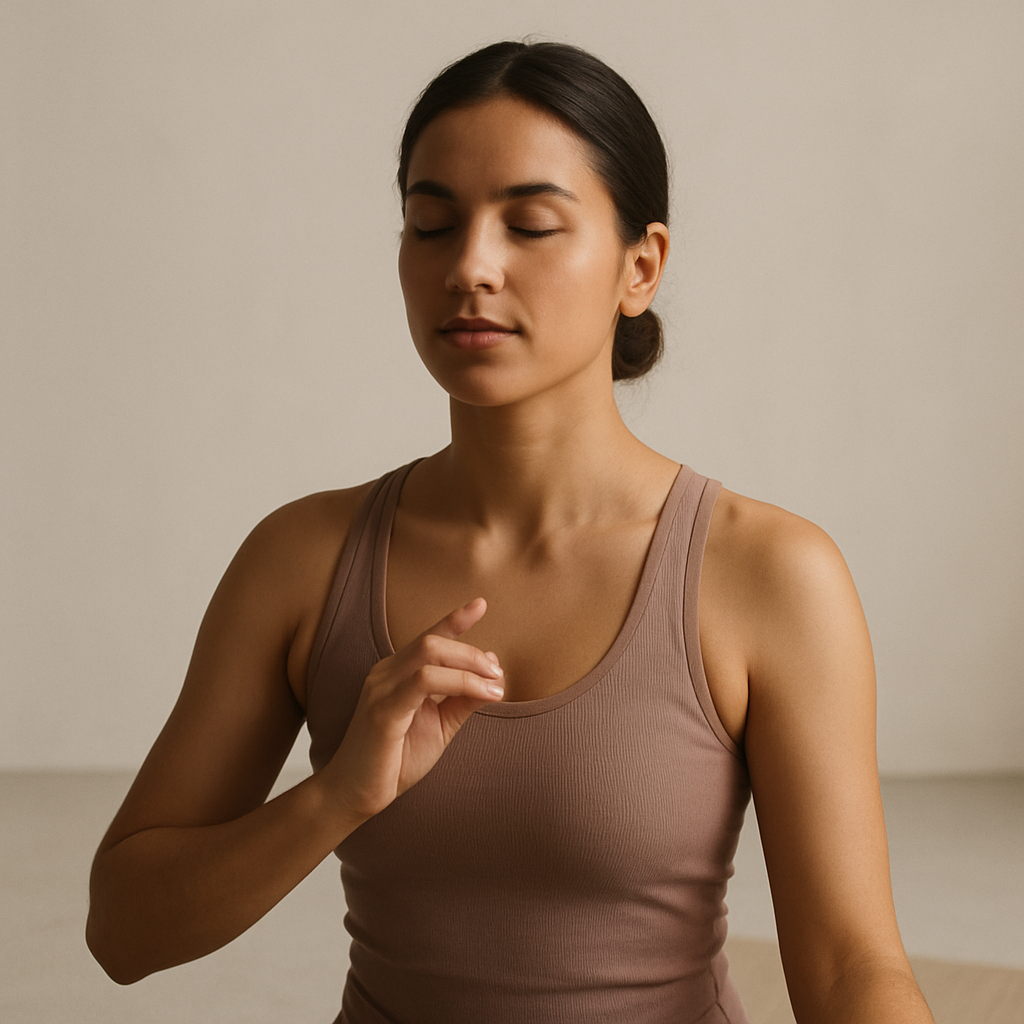
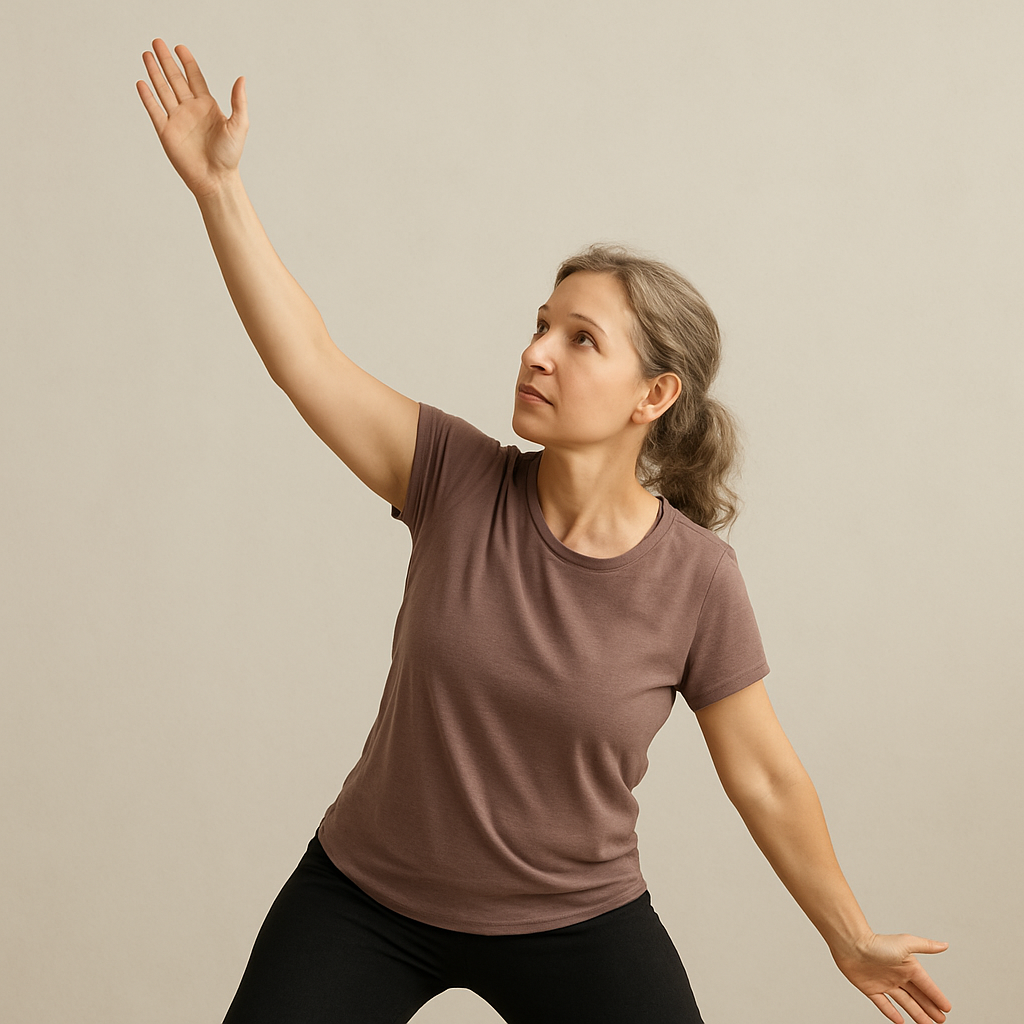
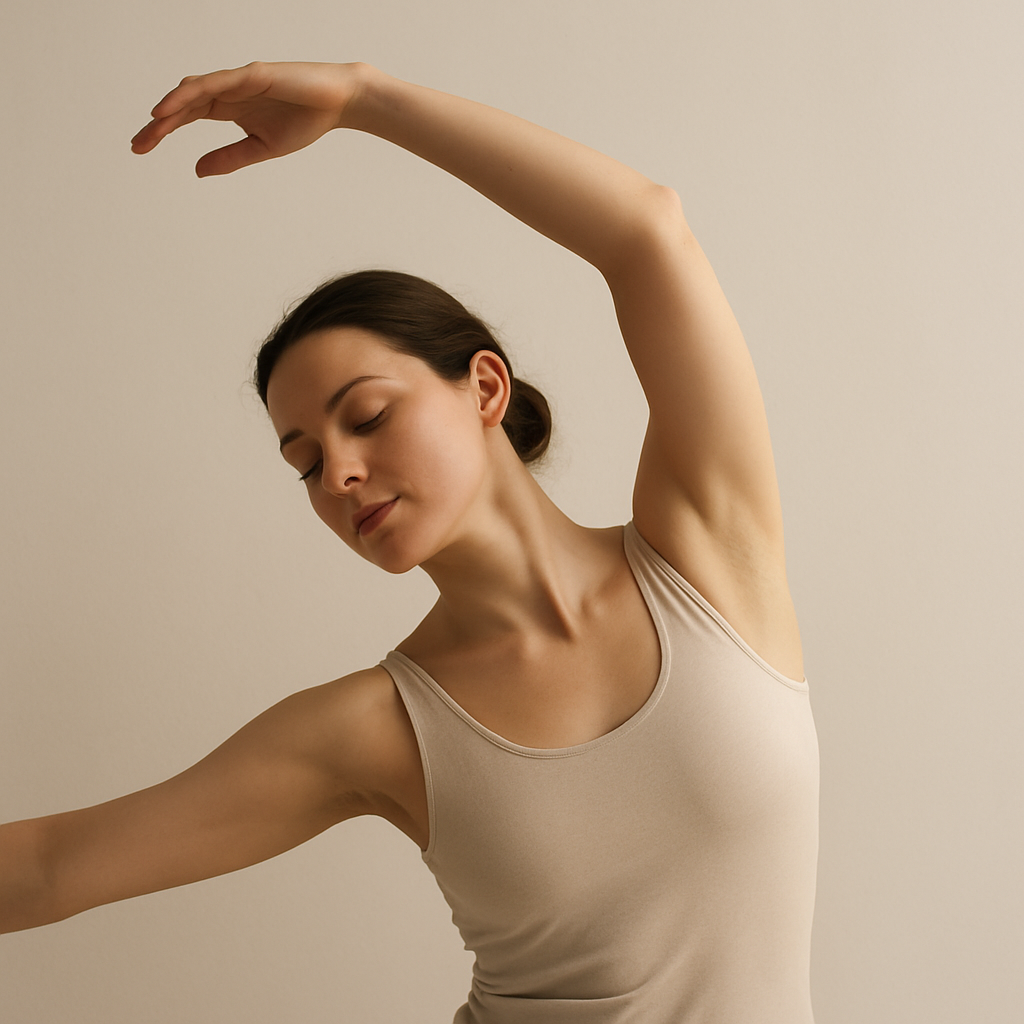
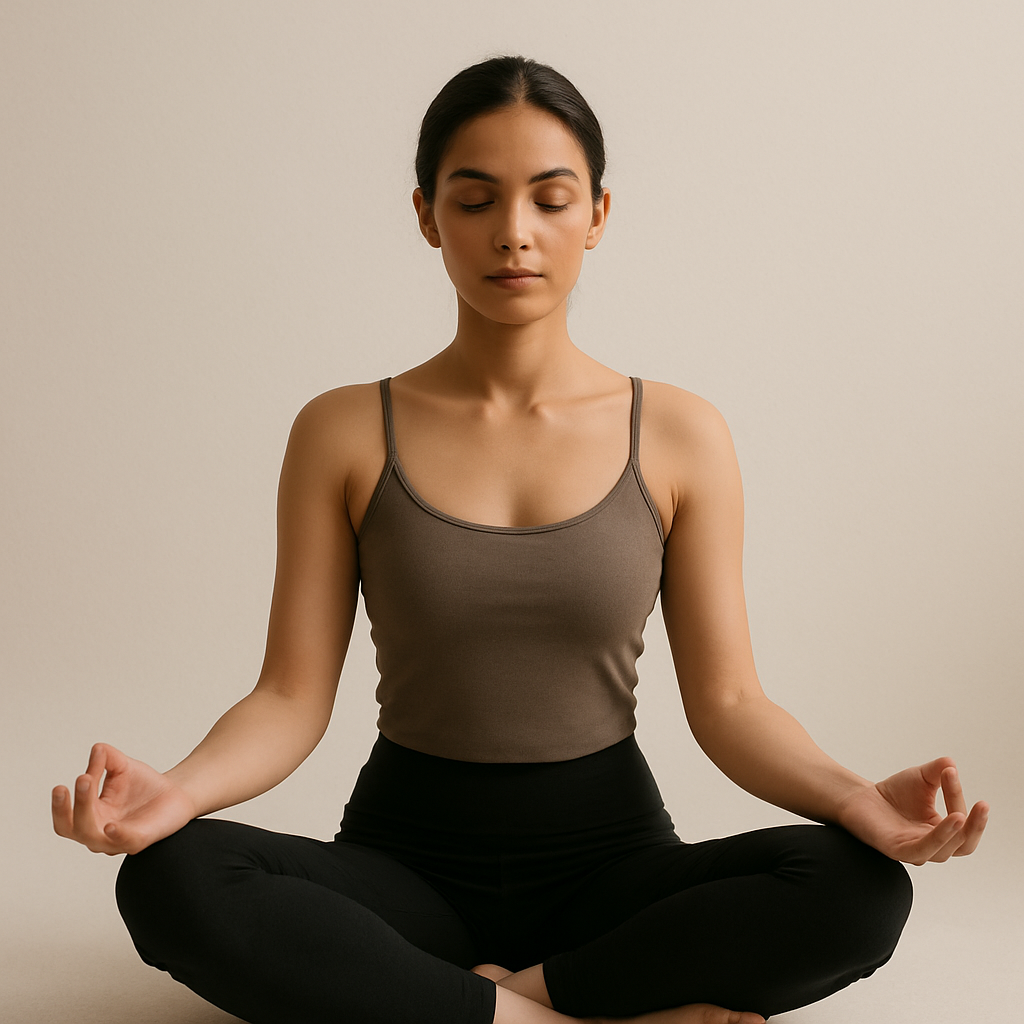
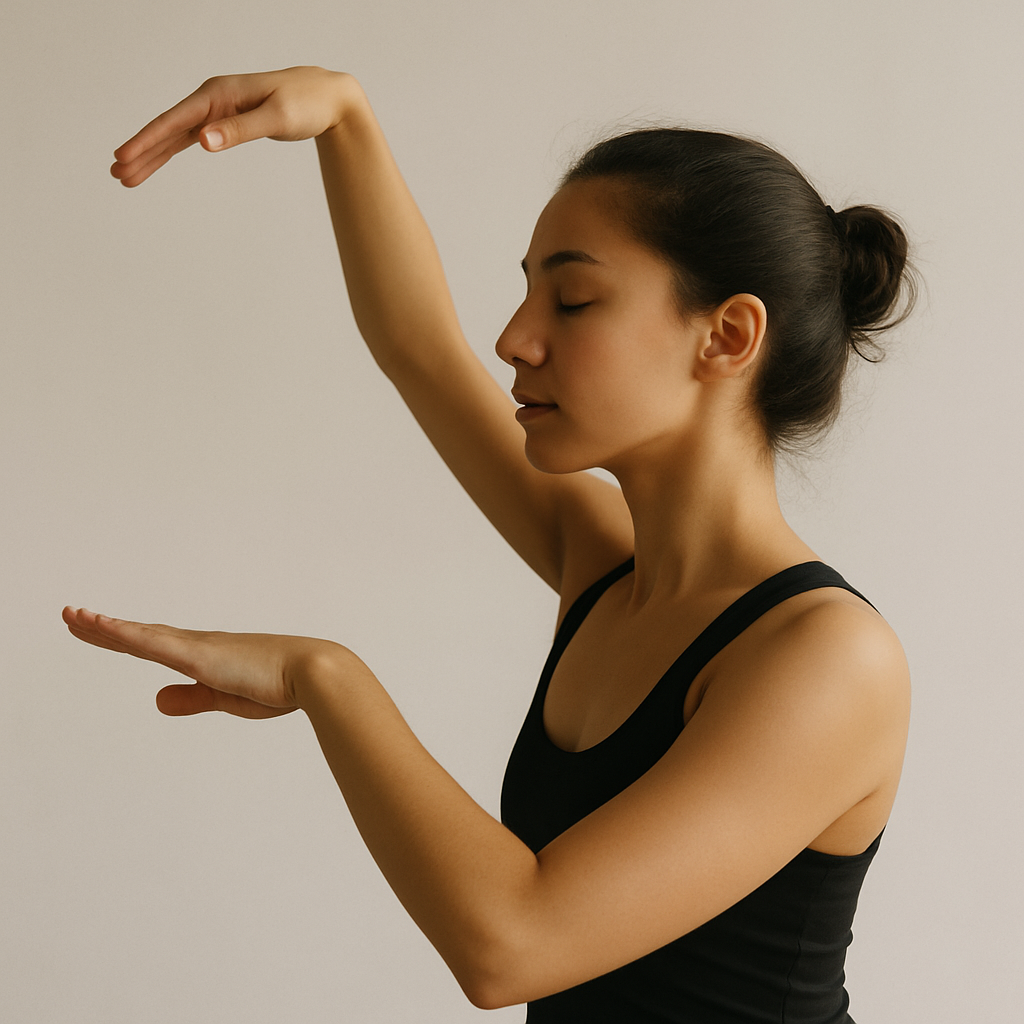
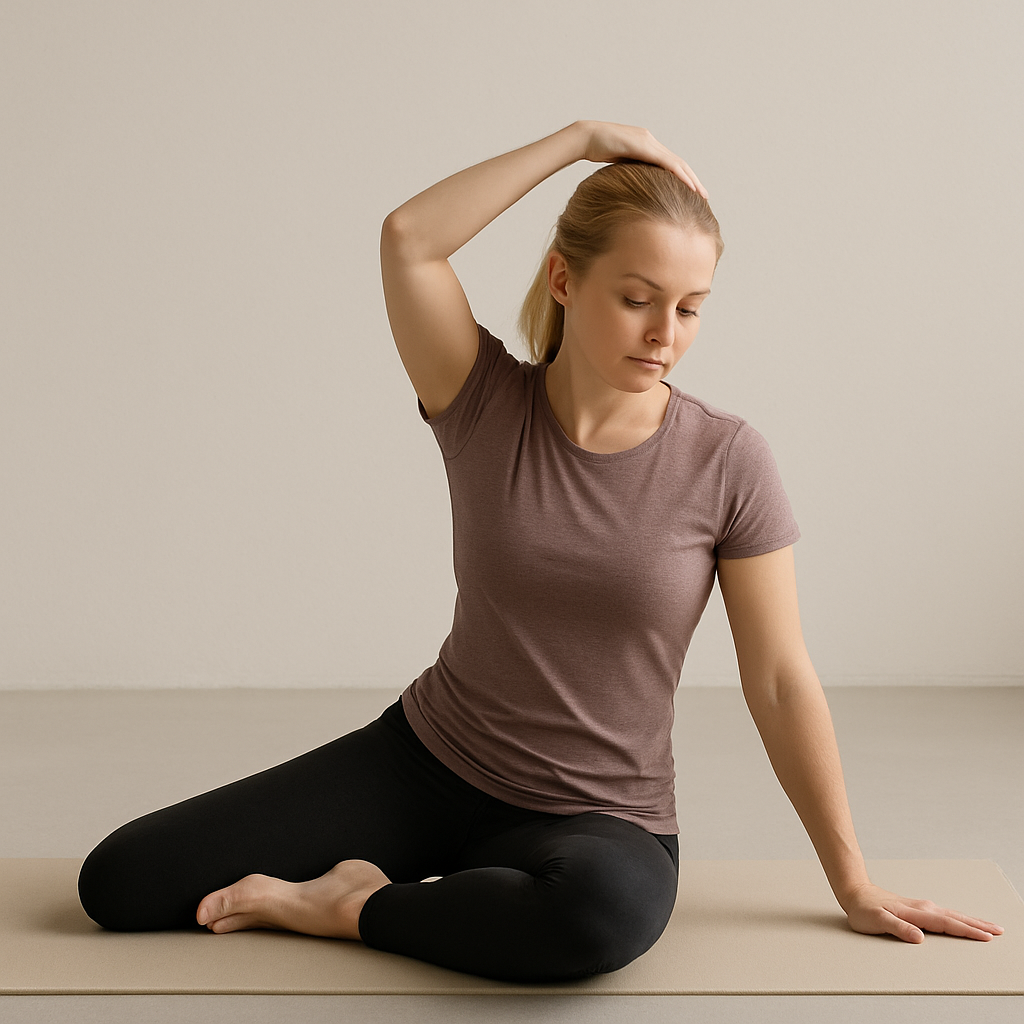
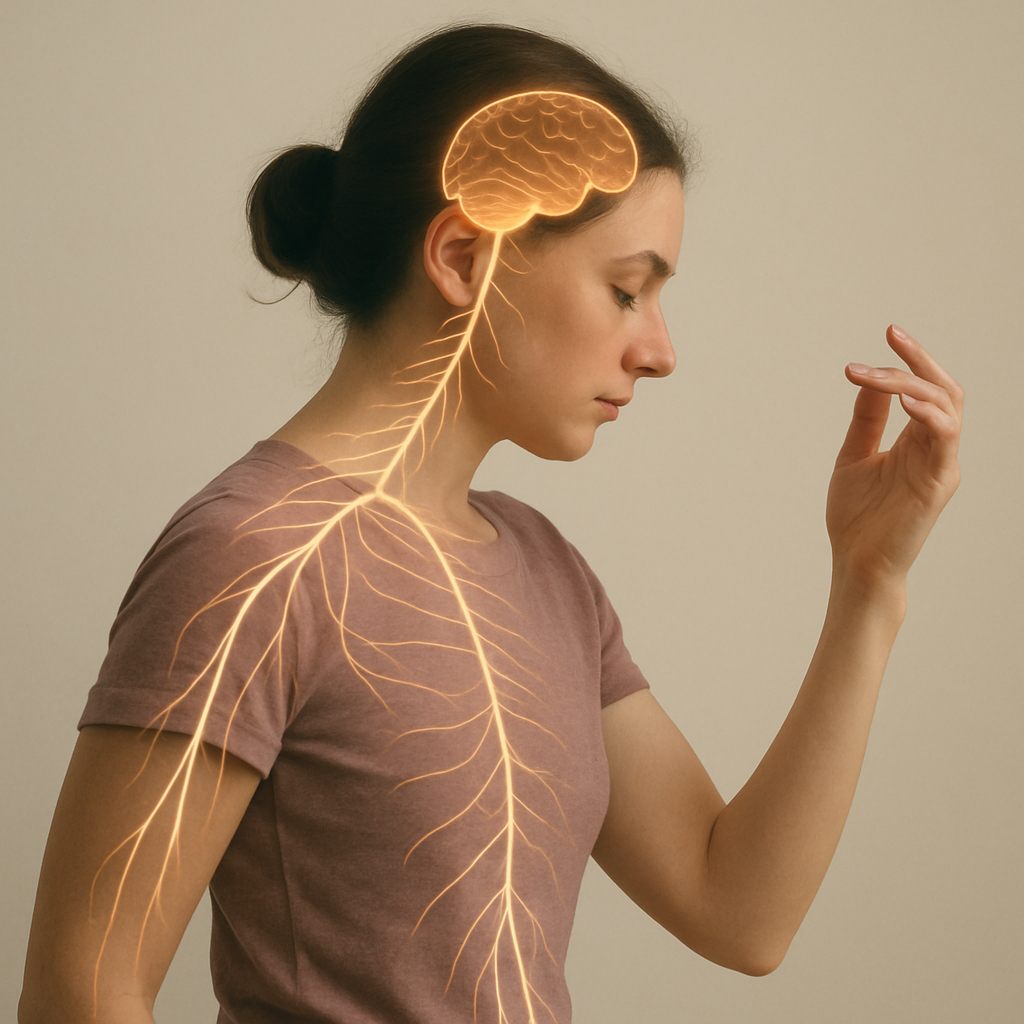
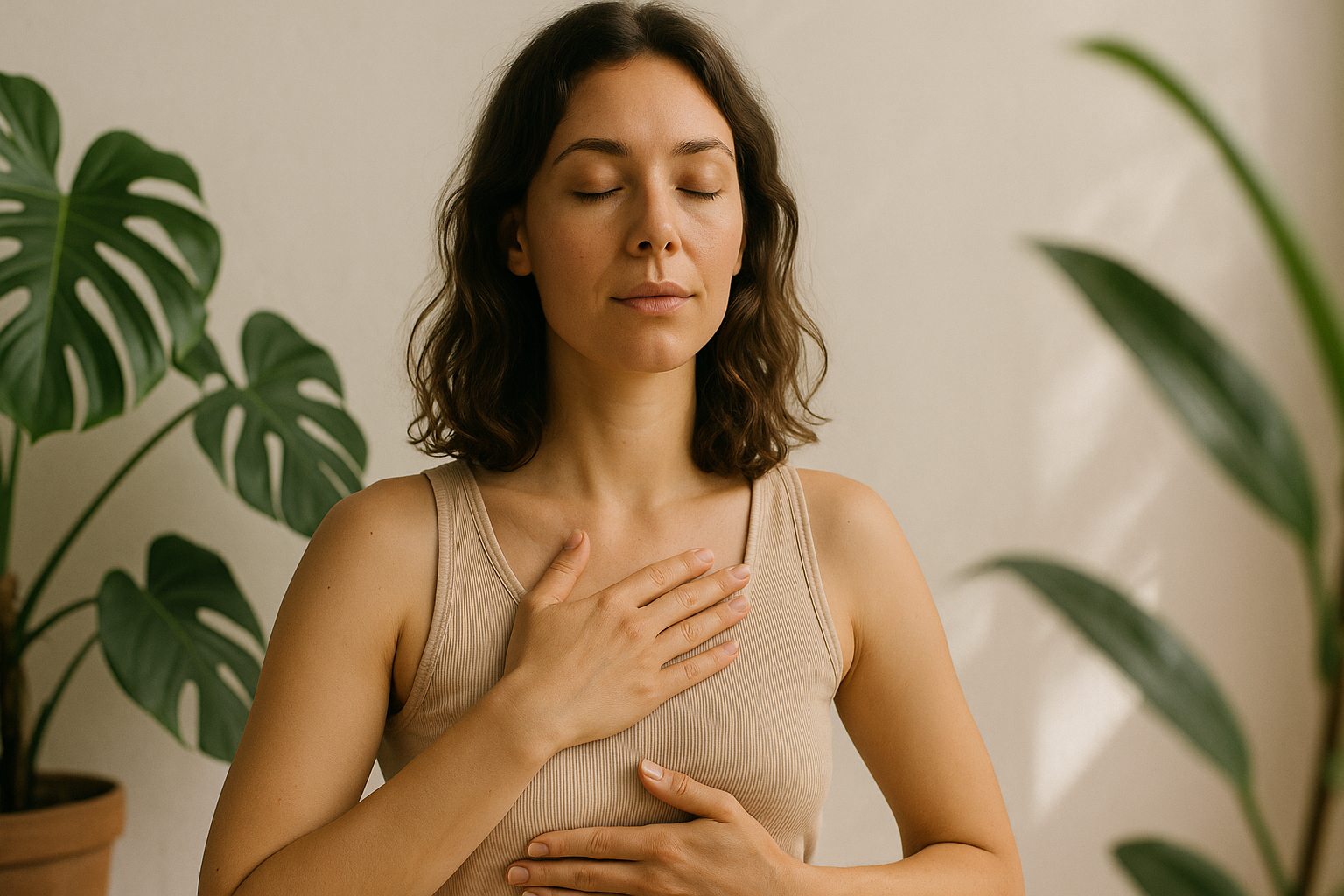
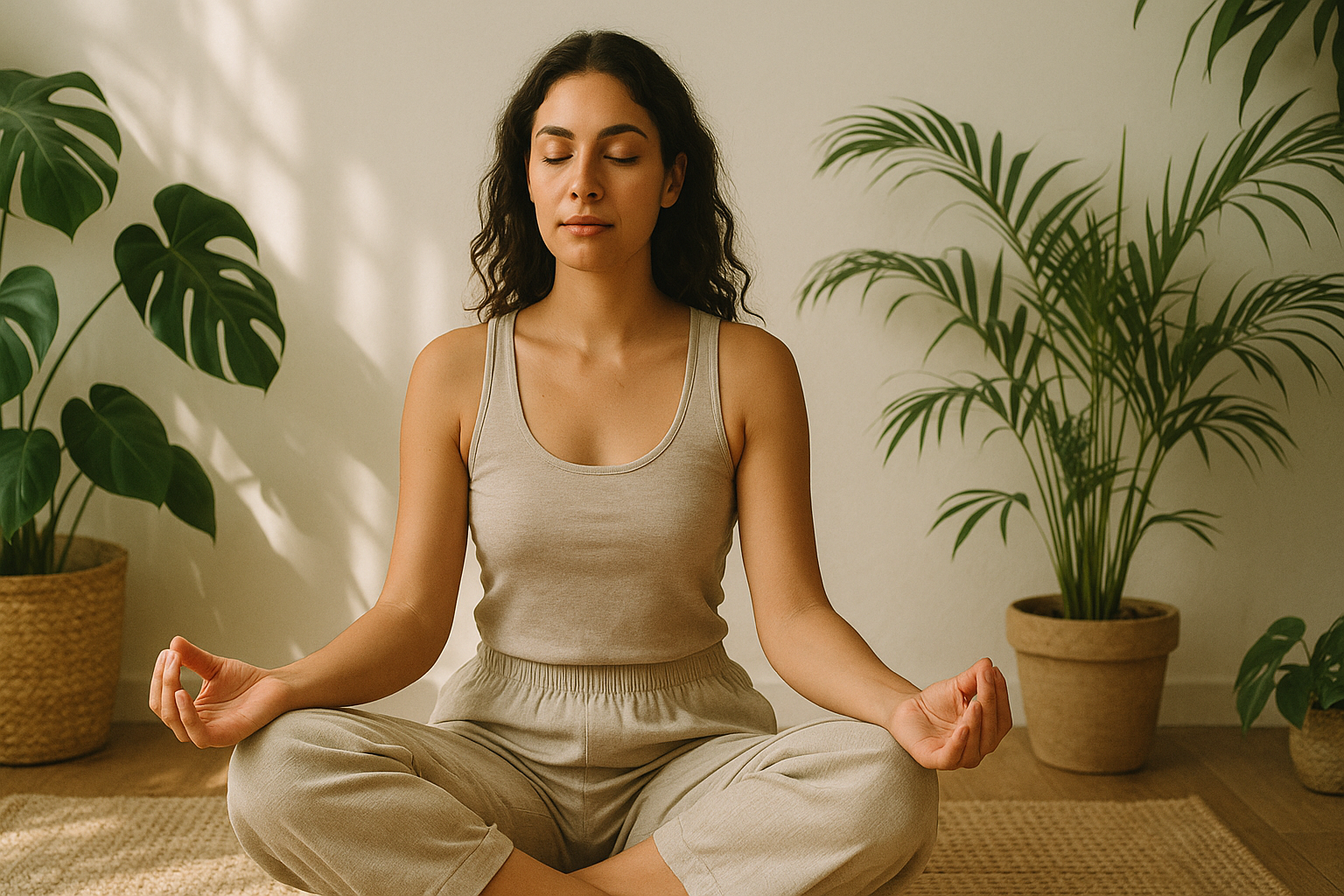
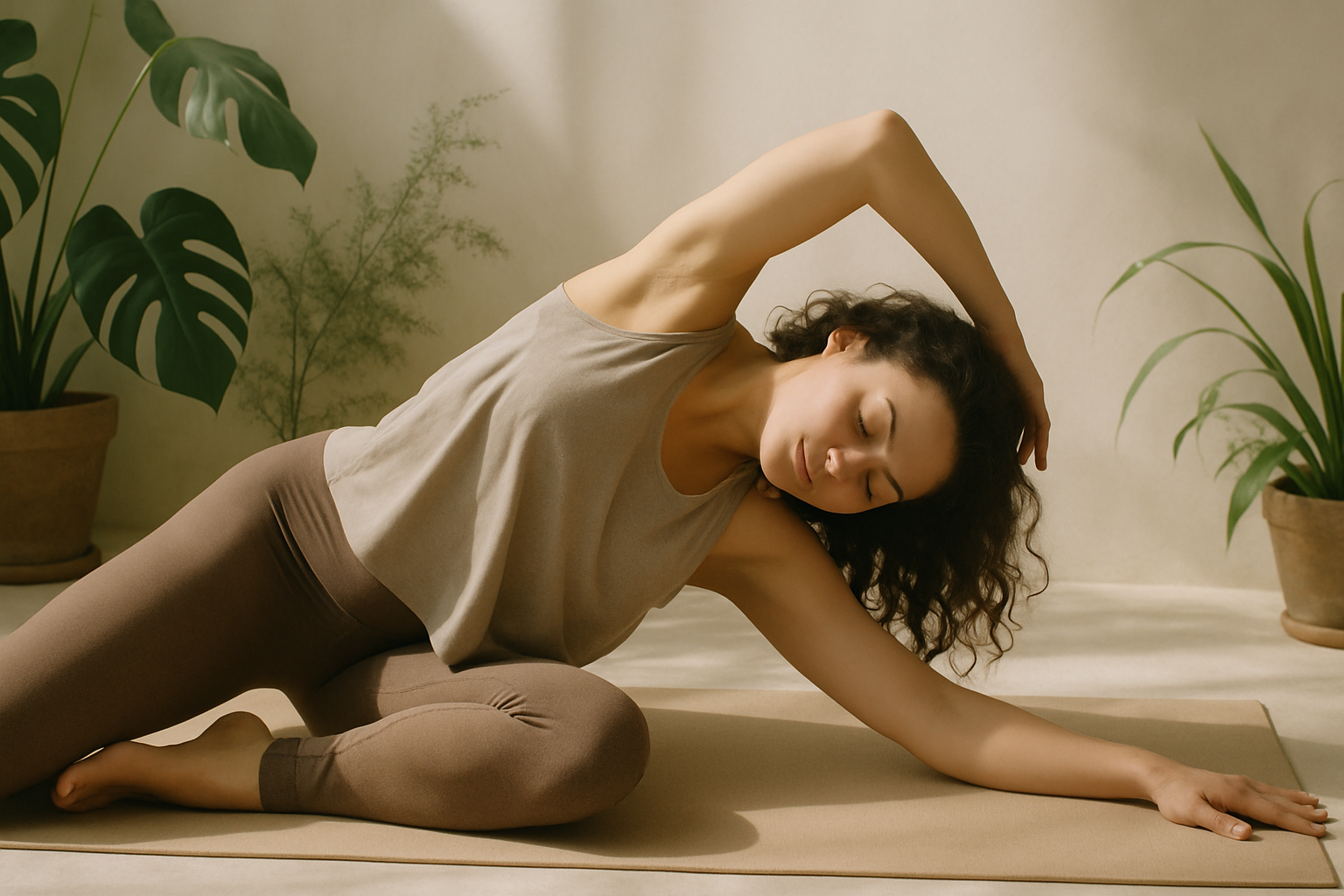
Somatic movement is a practice that emphasizes the connection between the mind and body through conscious movement. It is rooted in the principles of somatic education, which focuses on internal physical perception and the experience of movement. This method encourages individuals to become more aware of their bodies, fostering a deeper understanding of their physical sensations and movements. By engaging in somatic movement, practitioners can explore their bodily experiences, leading to improved physical and emotional well-being.
Key Active Compounds & Mechanisms
While somatic movement does not involve specific compounds like herbal remedies, its effectiveness is based on various physiological and psychological mechanisms. Key elements include:
- Mind-Body Connection: The practice enhances awareness of bodily sensations, promoting relaxation and reducing stress.
- Neuromuscular Re-education: Somatic movement retrains the brain's perception of bodily movements, which can alleviate pain and improve coordination.
- Emotional Release: By connecting movement with emotional expression, practitioners might experience a release of pent-up emotions.
Traditional Uses
Historically, somatic practices have roots in various cultures. Ancient traditions, such as those found in Eastern philosophies, emphasized the importance of body awareness and movement for health and healing. Techniques such as tai chi and yoga have long been used to align body and mind, promoting physical health and emotional balance. Somatic movement, as a formal practice, has evolved over the 20th century, influenced by pioneers like Moshe Feldenkrais and Thomas Hanna, who developed methods that integrate body awareness with cognitive processes.
What Modern Research Suggests
Modern research is beginning to explore the benefits of somatic movement in various contexts. Preliminary studies suggest that engaging in somatic practices can lead to:
- Enhanced body awareness and mindfulness.
- Reduction in chronic pain conditions.
- Improved emotional regulation and mental health.
While more rigorous clinical studies are needed, the initial evidence indicates that somatic movement can be a valuable addition to holistic health practices.
Functional Actions
Somatic movement offers a variety of functional actions that contribute to overall wellness:
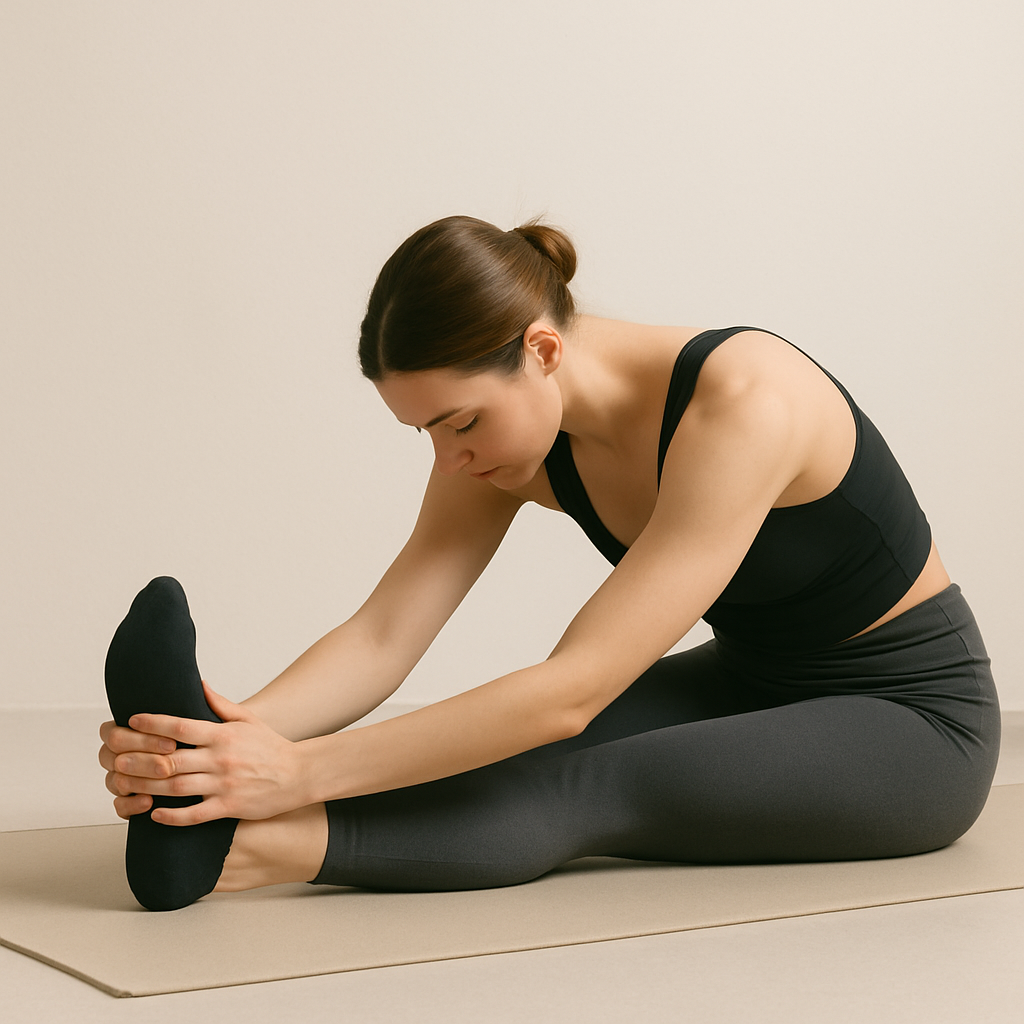
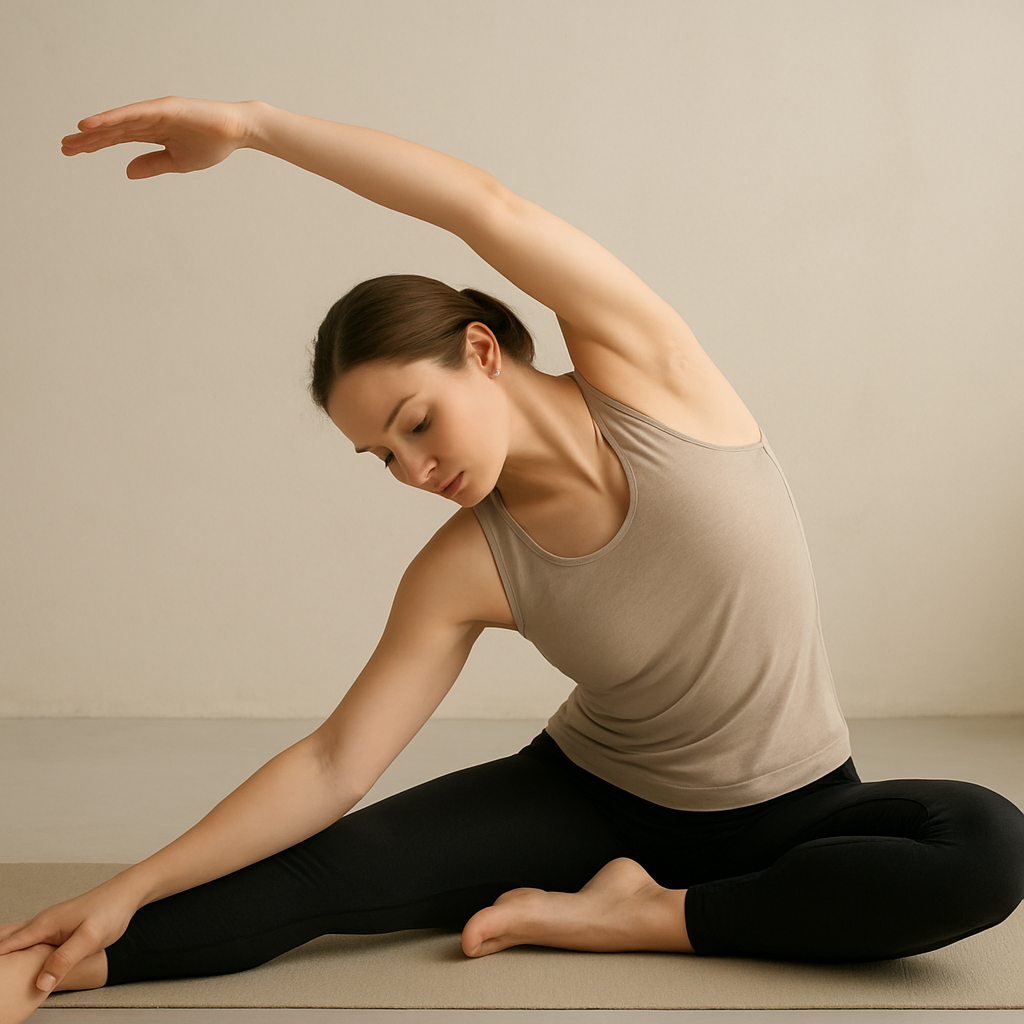
- Improved Flexibility: Gentle movements can increase range of motion in joints.
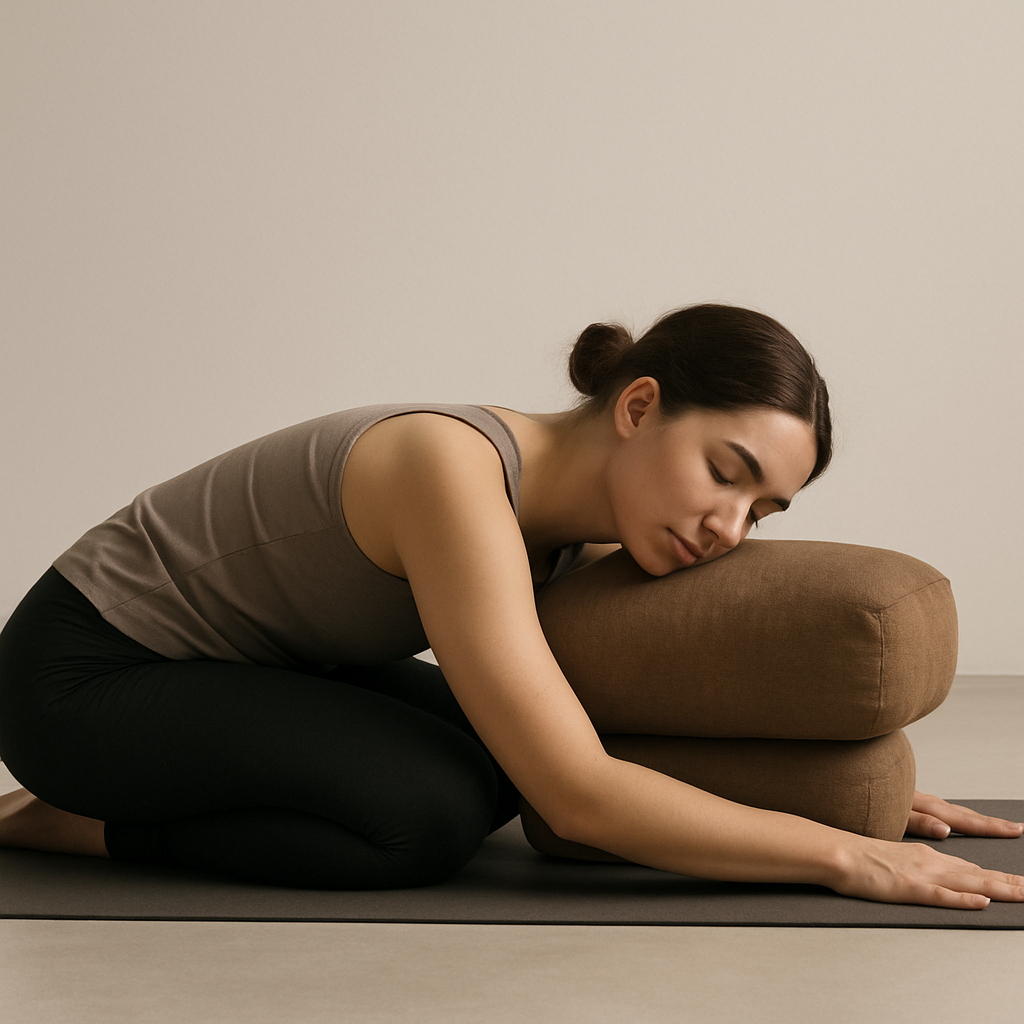
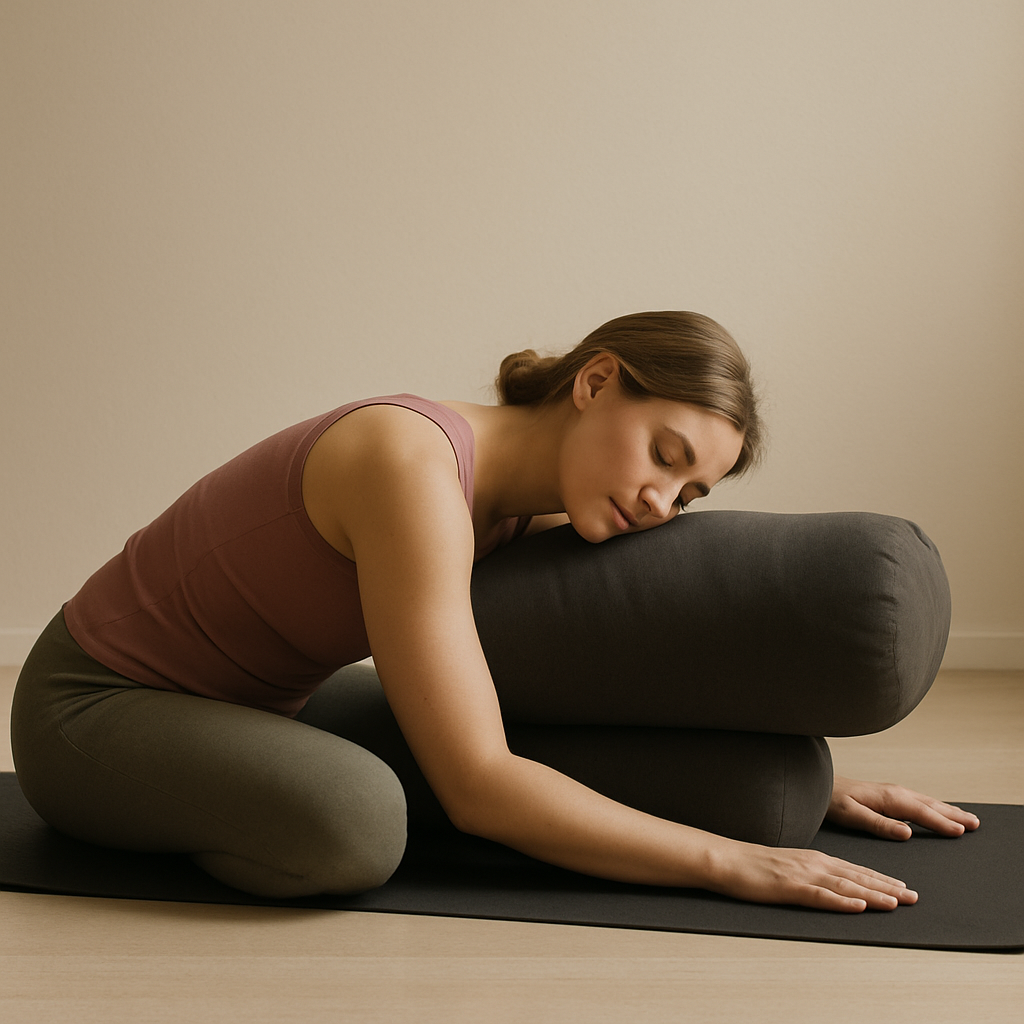
- Muscle Relaxation: Focused breathing and movement help release tension in muscles.
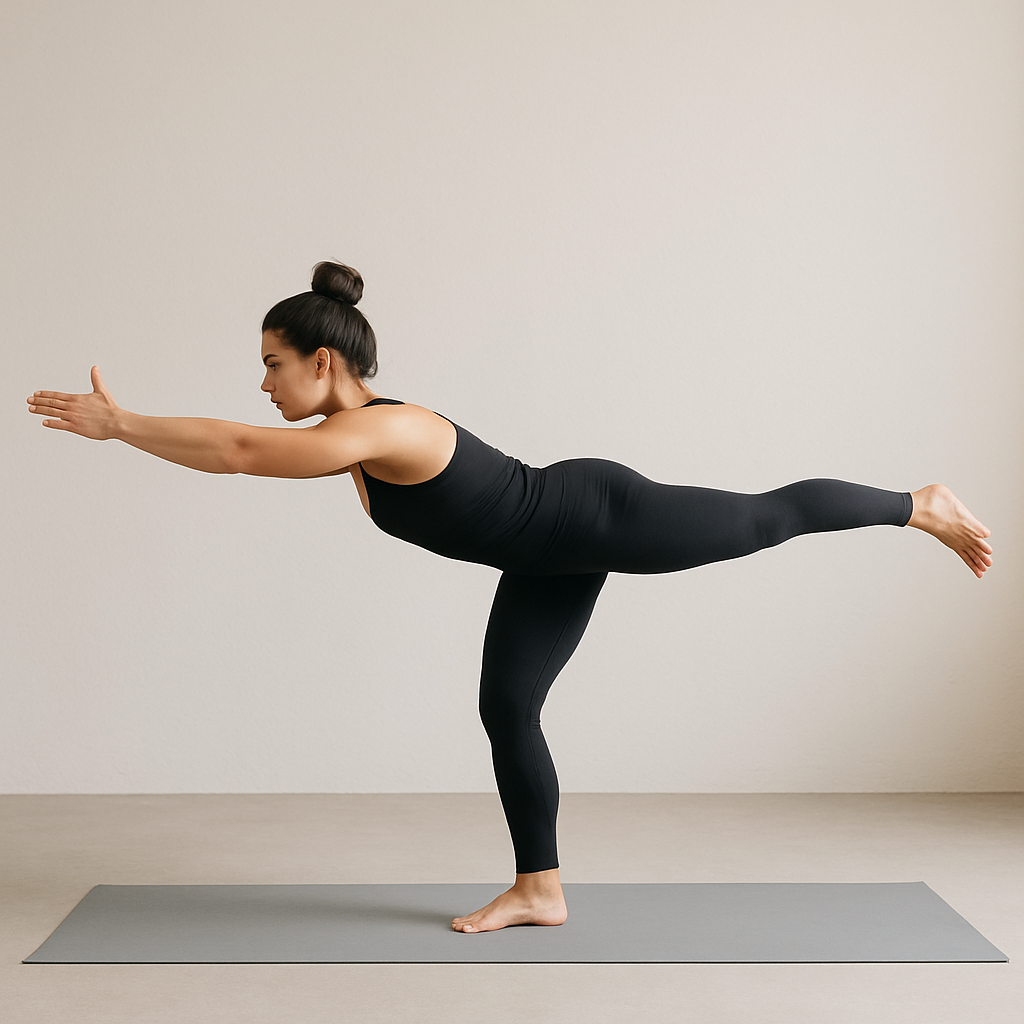
- Enhanced Posture: Conscious awareness of body alignment can improve posture over time.
- Stress Reduction: Mindful movement practices promote relaxation and reduce stress levels.
Body Systems Supported
Somatic movement supports multiple bodily systems, including:
- Nervous System: Enhances neural pathways and reduces stress response.
- Musculoskeletal System: Improves muscle tone, flexibility, and joint mobility.
- Circulatory System: Promotes blood flow and oxygen delivery to tissues.
- Digestive System: Encourages relaxation, which can aid digestion.
Common Forms & Educational Dosing Ranges
Somatic movement can be practiced in various forms, including:
- Feldenkrais Method: Focuses on awareness through movement and gentle exercises.
- Hanna Somatics: Emphasizes voluntary control of muscle movement to alleviate pain and tension.
- Body-Mind Centering: Integrates movement with body awareness, emphasizing sensory experience.
While there are no strict dosing guidelines for somatic movement, practitioners can benefit from engaging in sessions ranging from 30 minutes to an hour, several times a week, depending on individual needs and goals.
Safety, Contraindications & Interactions
Somatic movement is generally considered safe for most individuals. However, those with specific health conditions or injuries should approach it with caution. Contraindications may include:
- Severe musculoskeletal injuries.
- Acute pain conditions.
- Severe neurological disorders.
It is advisable for individuals taking medications that affect muscle function or the nervous system, such as muscle relaxants or sedatives, to consult with a healthcare provider before starting somatic movement practices.
Pairs Well With
Somatic movement can be effectively paired with other holistic practices to enhance overall well-being:
- Yoga: Both practices emphasize body awareness and mindfulness.
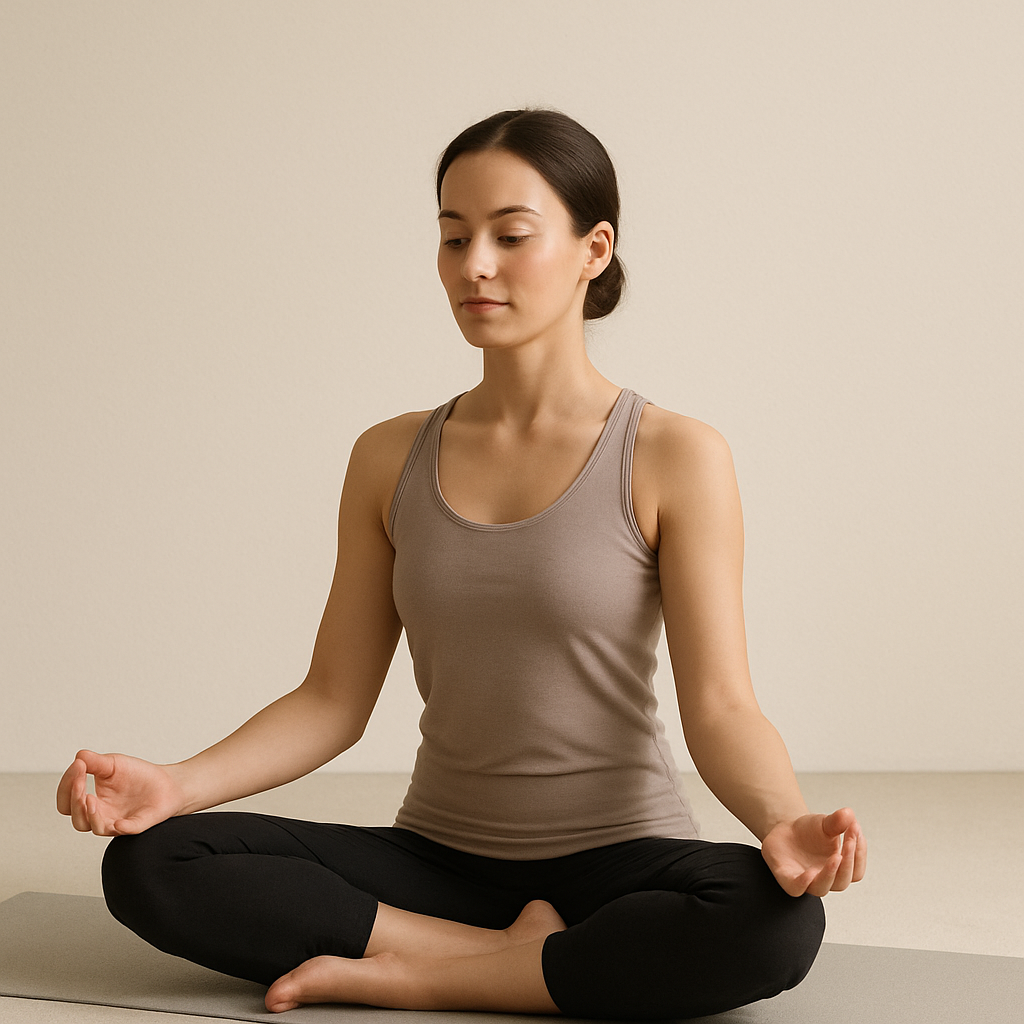
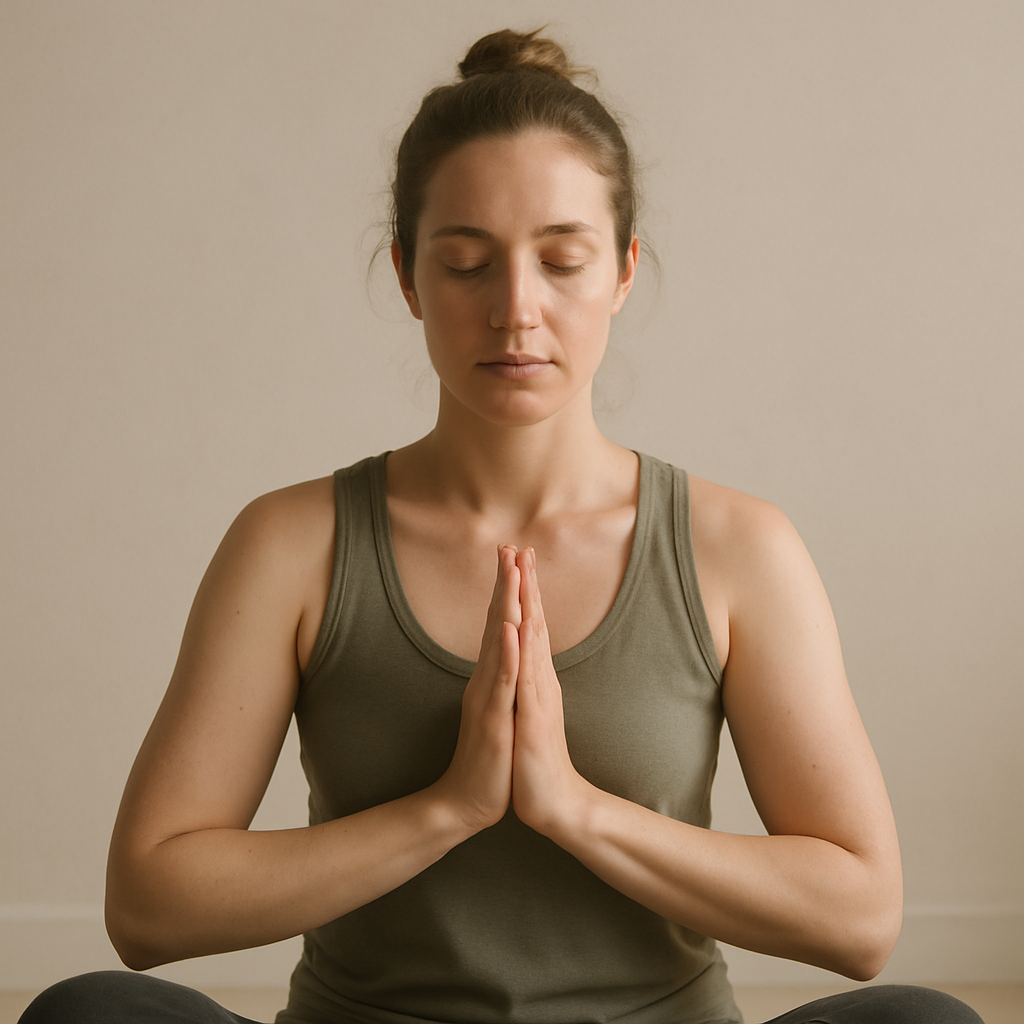
- Meditation: Can deepen the mind-body connection cultivated in somatic movement.
- Aromatherapy: The use of essential oils can enhance relaxation during somatic practices.
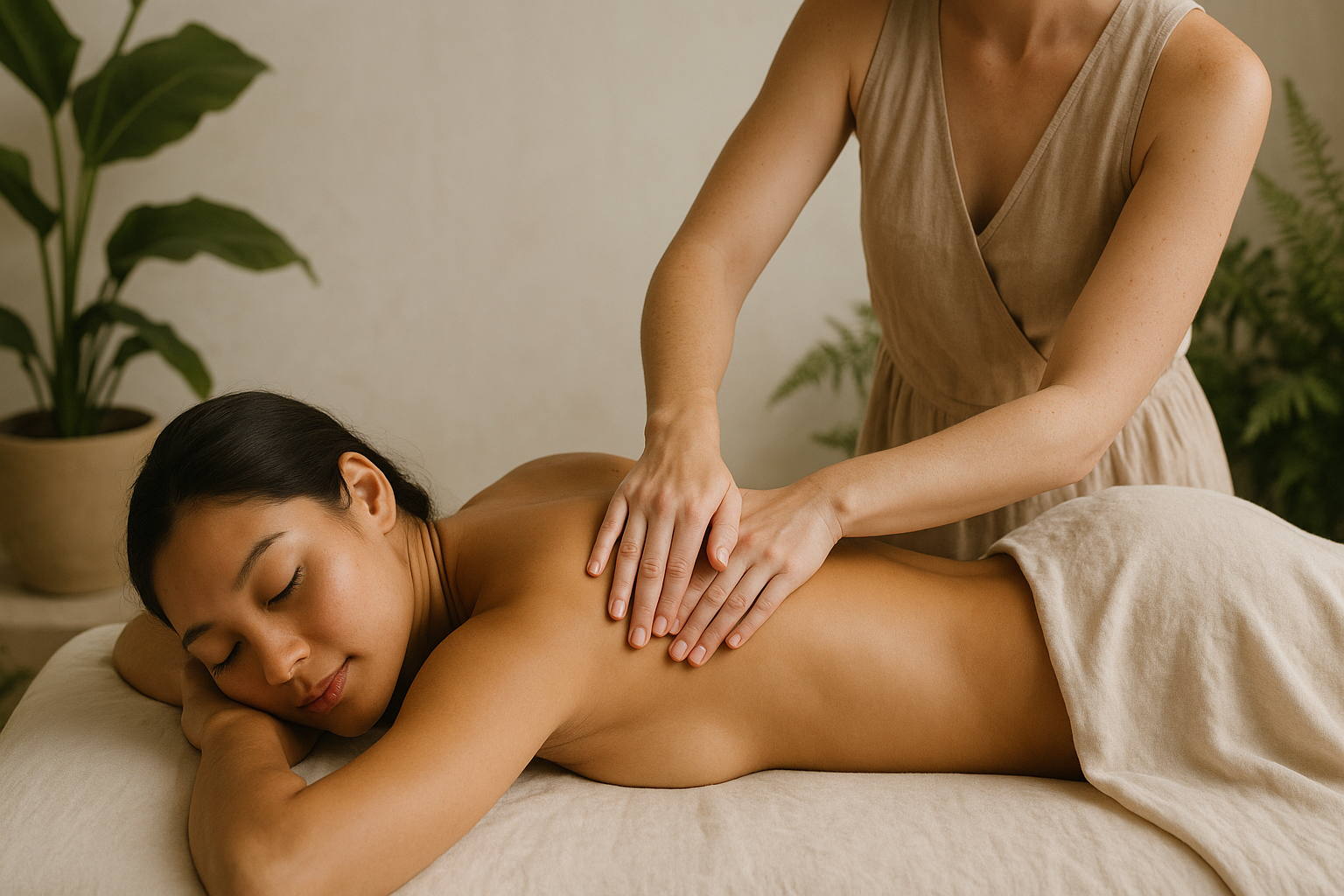
- Massage Therapy: Complementary techniques can further release muscle tension.
FAQs (5)
- What is somatic movement? Somatic movement is a practice that focuses on the mind-body connection through conscious movement, enhancing awareness of bodily sensations.
- How often should I practice somatic movement? Practicing several times a week for 30 minutes to an hour can be beneficial, depending on individual goals.
- Is somatic movement suitable for everyone? While generally safe, individuals with specific health conditions should consult a healthcare provider before starting.
- Can somatic movement help with pain? Some studies suggest that it may reduce chronic pain and improve overall physical comfort.
- What are the benefits of somatic movement? Benefits include improved flexibility, muscle relaxation, enhanced posture, and reduced stress levels.
Frequently asked
What is somatic movement?
Somatic movement is a practice that focuses on the mind-body connection through conscious movement, enhancing awareness of bodily sensations.
How often should I practice somatic movement?
Practicing several times a week for 30 minutes to an hour can be beneficial, depending on individual goals.
Is somatic movement suitable for everyone?
While generally safe, individuals with specific health conditions should consult a healthcare provider before starting.
Can somatic movement help with pain?
Some studies suggest that it may reduce chronic pain and improve overall physical comfort.
What are the benefits of somatic movement?
Benefits include improved flexibility, muscle relaxation, enhanced posture, and reduced stress levels.