Weight Management
Gain insights into weight management as a crucial aspect of metabolic health, including its workings, applications, and relevant biomarkers.

Explore the intricacies of weight management within metabolic health, focusing on its definition, mechanisms, evidence, practical applications, and more.
What It Is
Weight management refers to the process of adopting long-term lifestyle modifications to maintain a healthy body weight. This involves a combination of dietary changes, physical activity, and behavioral strategies aimed at achieving and sustaining a healthy weight. It is essential not only for aesthetic reasons but also for overall health and well-being.
Effective weight management is particularly important in the context of metabolic health. Metabolic health encompasses various physiological processes, including energy production, hormone regulation, and fat storage. Achieving a healthy weight can improve these functions and reduce the risk of metabolic disorders such as type 2 diabetes and cardiovascular diseases.
Mechanism / How It Works
The primary mechanism behind weight management involves balancing energy intake and energy expenditure. When an individual consumes more calories than the body uses, the excess energy is stored as fat, leading to weight gain. Conversely, creating a caloric deficit through dietary changes or increased physical activity encourages the body to use stored fat for energy, resulting in weight loss.
Several factors influence this balance, including metabolic rate, hormonal regulation, and lifestyle choices. Hormones such as insulin, leptin, and ghrelin play crucial roles in appetite regulation and fat storage. Additionally, genetics, environment, and psychological factors can also impact an individual's ability to manage weight effectively.
Evidence Summary
Research on weight management and its effects on metabolic health presents a mixed landscape. Numerous studies indicate that maintaining a healthy weight is associated with lower risks of metabolic diseases. For instance, weight loss in overweight individuals can lead to significant improvements in insulin sensitivity and blood lipid levels.
However, the evidence is not without its challenges. While many studies support the benefits of weight loss, conflicting results arise regarding the effectiveness of specific diets or weight loss programs. Some individuals may struggle to achieve and maintain weight loss due to metabolic adaptations, psychological barriers, or social influences. More research is needed to understand these complexities fully.
Practical Application
Weight management can be approached through various protocols, including balanced diets, regular physical activity, and behavioral modifications. Daily integration may involve setting realistic goals, tracking food intake, and incorporating exercise into daily routines.
Common pitfalls include restrictive dieting, which can lead to nutrient deficiencies and unsustainable weight loss. Additionally, focusing solely on weight rather than overall health can foster negative body image and unhealthy behaviors. Instead, a holistic approach that emphasizes health and well-being rather than just the number on the scale is recommended.
Relevant Biomarkers & Tracking
Monitoring specific biomarkers can provide valuable insights into metabolic health and weight management progress. Key biomarkers include:
- Body Mass Index (BMI)
- Waist circumference
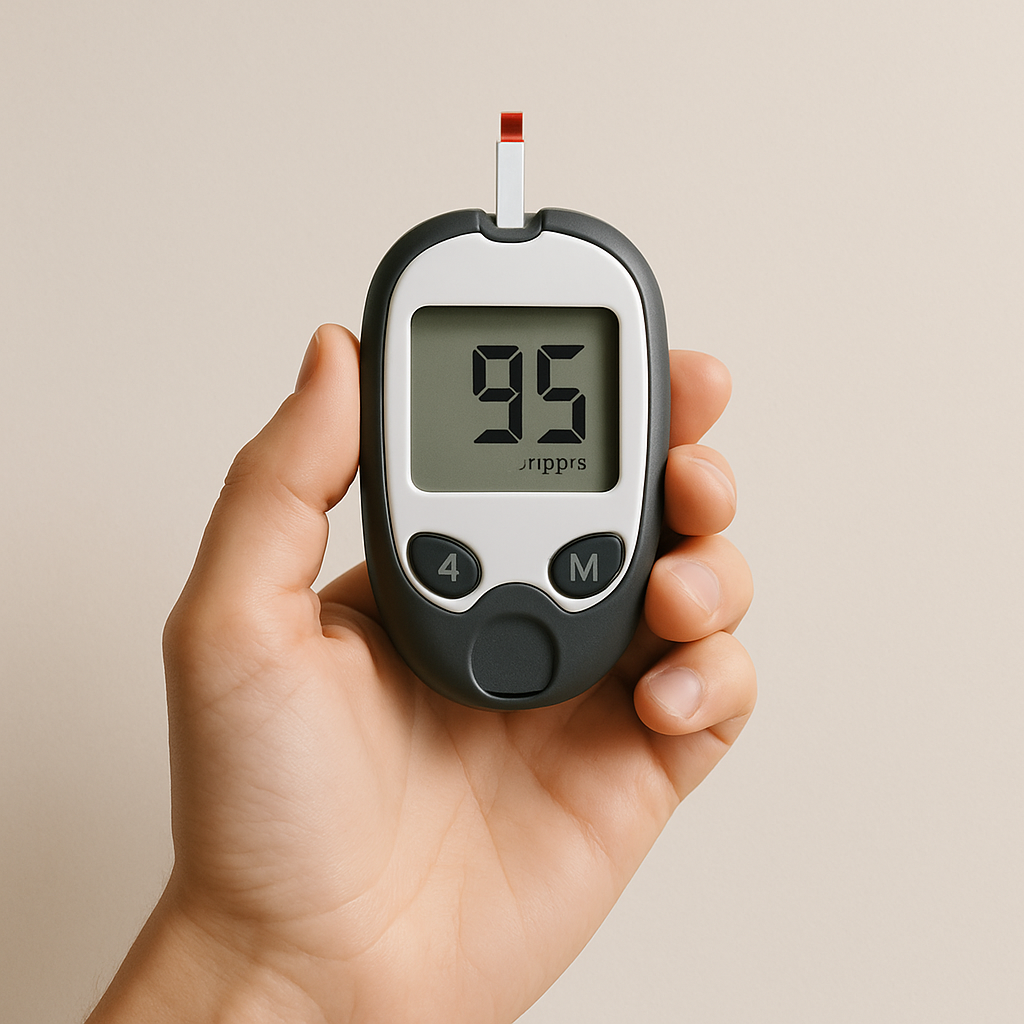
- Blood glucose levels
- Lipid profiles (cholesterol and triglycerides)
- Insulin sensitivity markers
Tracking these biomarkers over time can help individuals and healthcare providers assess progress and make informed decisions regarding weight management strategies.
Body Systems Supported
Weight management supports various body systems, including:
- Endocrine system: Regulates hormones influencing appetite and metabolism.
- Cardiovascular system: Reduces strain on the heart and improves blood circulation.
- Musculoskeletal system: Enhances mobility and reduces the risk of joint problems.
- Digestive system: Improves gut health through a balanced diet.
Common Goals
Individuals pursuing weight management often aim for:
- Achieving a healthy body weight
- Improving energy levels
- Enhancing physical fitness
- Reducing the risk of chronic diseases
- Promoting better mental health and body image
Safety, Contraindications & Edge Cases
While weight management can be beneficial, it is essential to consider safety and contraindications. Individuals with certain health conditions, such as eating disorders or severe metabolic disorders, should approach weight management under the guidance of healthcare professionals. Additionally, extreme dieting or weight loss methods can lead to adverse health effects, including nutrient deficiencies and hormonal imbalances.
Pairs Well With
Weight management strategies can be enhanced by integrating ancient or natural counterparts, such as:
- Meditation and mindfulness practices: Support mental well-being.
- Herbal supplements: Certain herbs like green tea extract may aid in metabolism.
- Traditional dietary practices: Incorporating plant-based diets has shown beneficial effects on weight management and metabolic health.
FAQs (5)
Q1: What is the best diet for weight management?
A1: There is no one-size-fits-all diet. It's essential to find a balanced approach that works for your individual needs and preferences.
Q2: How much exercise do I need for effective weight management?
A2: Aim for at least 150 minutes of moderate-intensity exercise per week, along with strength training exercises twice a week.
Q3: Is weight management only about dieting?
A3: No, it involves a combination of dietary changes, physical activity, and behavioral strategies.
Q4: Can stress affect my weight management efforts?
A4: Yes, stress can influence hunger and eating habits, potentially hindering weight management.
Q5: What should I do if I hit a weight loss plateau?
A5: Reassess your diet and exercise routine, and consider consulting a healthcare professional for personalized guidance.
Frequently asked
What is the best diet for weight management?
There is no one-size-fits-all diet. It's essential to find a balanced approach that works for your individual needs and preferences.
How much exercise do I need for effective weight management?
Aim for at least 150 minutes of moderate-intensity exercise per week, along with strength training exercises twice a week.
Is weight management only about dieting?
No, it involves a combination of dietary changes, physical activity, and behavioral strategies.
Can stress affect my weight management efforts?
Yes, stress can influence hunger and eating habits, potentially hindering weight management.
What should I do if I hit a weight loss plateau?
Reassess your diet and exercise routine, and consider consulting a healthcare professional for personalized guidance.