Insulin Sensitivity
Delve into insulin sensitivity, a key factor in metabolic health, its mechanisms, practical applications, and relevant biomarkers to track progress.

Explore the concept of insulin sensitivity and its critical role in metabolic health. Understand how it works, its evidence base, practical applications, and how to monitor and improve it for better overall wellness.
What It Is
Insulin sensitivity refers to how responsive the body's cells are to insulin, a hormone produced by the pancreas. Insulin plays a crucial role in regulating blood sugar levels by facilitating the uptake of glucose into cells for energy. High insulin sensitivity means that the body requires less insulin to lower blood sugar levels, while low insulin sensitivity, often referred to as insulin resistance, can lead to elevated blood sugar levels and various metabolic disorders.
Improving insulin sensitivity is essential for maintaining metabolic health and preventing conditions such as type 2 diabetes, heart disease, and obesity. Factors influencing insulin sensitivity include diet, physical activity, stress, sleep patterns, and genetics. Understanding and improving insulin sensitivity can lead to better overall health and well-being.
Mechanism / How It Works
The mechanism of insulin sensitivity revolves around the ability of insulin to bind to its receptors on cell surfaces, triggering a series of biochemical processes that facilitate glucose uptake. When insulin binds to its receptor, it activates a signaling pathway that allows glucose transporters to move to the cell membrane, enabling glucose to enter the cell.
In individuals with high insulin sensitivity, this process functions efficiently, resulting in effective glucose uptake and lowered blood sugar levels. Conversely, in those with low insulin sensitivity, the cells do not respond adequately to insulin, necessitating higher levels of insulin to achieve the same effect. Over time, this can lead to increased insulin production and potential damage to pancreatic beta cells, ultimately causing metabolic dysfunction.
Evidence Summary
Research on insulin sensitivity has provided valuable insights into its role in health and disease. Numerous studies indicate that lifestyle modifications, such as diet and exercise, can significantly improve insulin sensitivity. For example, a diet rich in whole foods, healthy fats, and fiber, combined with regular physical activity, has been shown to enhance insulin action.
However, the evidence is not without its complexities. Some studies suggest conflicting results regarding specific dietary interventions or exercise regimens. For instance, while some forms of high-intensity interval training (HIIT) have been linked to improved insulin sensitivity, other studies point to the benefits of moderate-intensity aerobic exercise. Additionally, individual responses can vary based on genetics, age, and existing health conditions, indicating that more research is needed to establish universally applicable guidelines.
Practical Application
To enhance insulin sensitivity, individuals can adopt several practical strategies:
- Diet: Focus on a balanced diet rich in whole, unprocessed foods, including plenty of vegetables, lean proteins, healthy fats, and whole grains.
- Physical Activity: Incorporate regular exercise, including both aerobic and strength training, into your routine.
- Weight Management: Achieving and maintaining a healthy weight can significantly improve insulin sensitivity.
- Sleep Hygiene: Prioritize quality sleep, as poor sleep can negatively impact insulin action.
- Stress Management: Employ stress-reducing techniques such as mindfulness, yoga, or meditation to help regulate cortisol levels, which can affect insulin sensitivity.
Common pitfalls include relying on processed foods marketed as “healthy,” neglecting regular exercise, and overlooking the importance of sleep and stress management. It is essential to approach lifestyle changes holistically for optimal results.
Relevant Biomarkers & Tracking
To monitor insulin sensitivity and overall metabolic health, several biomarkers can be tracked:
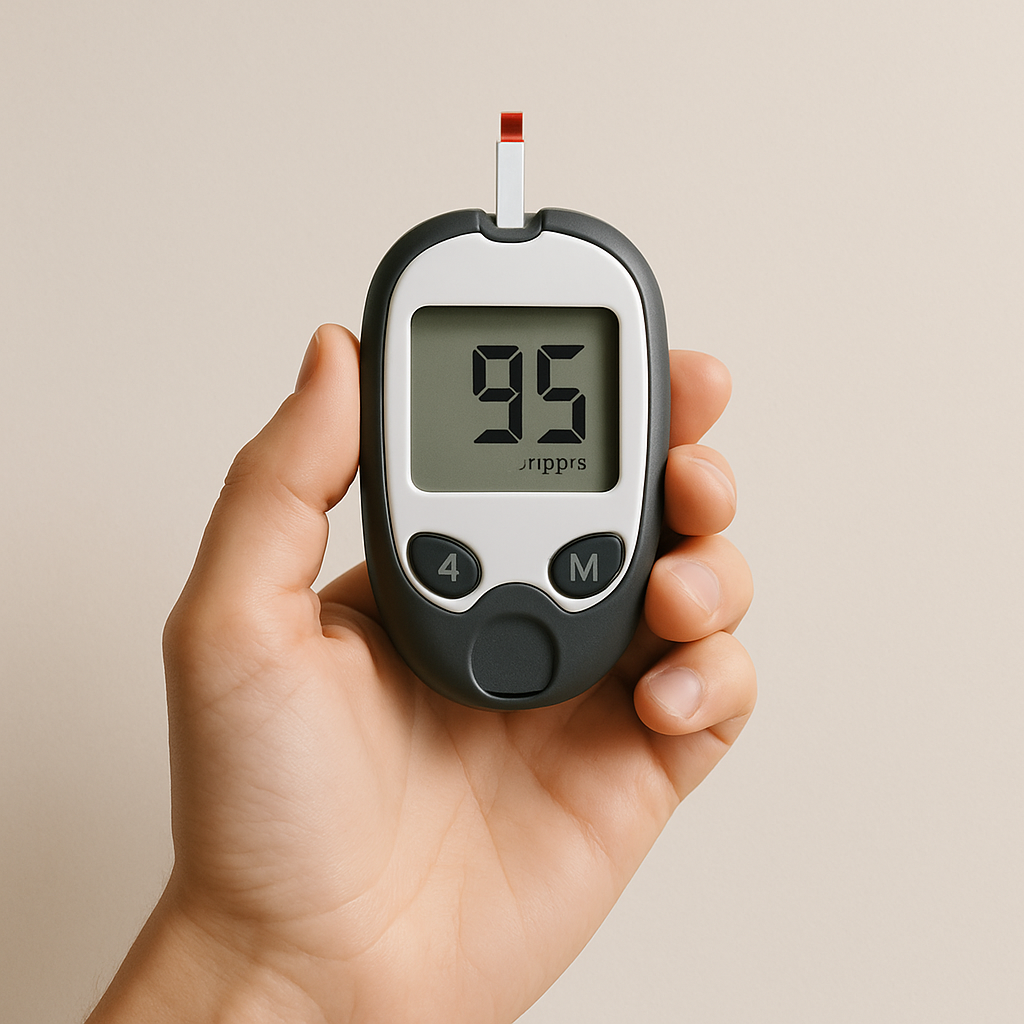
- Fasting Insulin Levels: Elevated levels can indicate impaired insulin sensitivity.
- Fasting Glucose Levels: Higher levels may suggest insulin resistance.
- Hemoglobin A1c: This test reflects average blood sugar levels over the past three months.
- Homeostasis Model Assessment of Insulin Resistance (HOMA-IR): A calculation based on fasting insulin and glucose levels to estimate insulin resistance.
Regular check-ups and lab tests can provide insight into how well the body is responding to insulin and overall metabolic function.
Body Systems Supported
Insulin sensitivity plays a vital role in several body systems, including:
- Endocrine System: Regulates hormones, including insulin.
- Cardiovascular System: Improved insulin sensitivity can reduce the risk of heart disease.
- Musculoskeletal System: Enhanced insulin sensitivity supports muscle glucose uptake and energy production.
- Nervous System: Proper insulin function is essential for brain health and cognitive function.
Common Goals
Individuals aiming to improve insulin sensitivity often have specific health goals, such as:
- Reducing body fat percentage
- Lowering fasting blood sugar and insulin levels
- Improving energy levels and reducing fatigue
- Enhancing overall metabolic health
- Preventing or managing type 2 diabetes
Safety, Contraindications & Edge Cases
While improving insulin sensitivity through lifestyle changes is generally safe for most individuals, certain populations may need to exercise caution:
- Those with existing health conditions, such as diabetes or hormonal disorders, should consult with a healthcare provider before making significant lifestyle changes.
- Individuals on medications that affect insulin levels must monitor their blood sugar closely and adjust their treatment plan as necessary.
- Pregnant or breastfeeding women should seek medical advice before implementing drastic dietary or exercise changes.
Understanding personal health status and seeking professional guidance can help mitigate risks associated with altering lifestyle habits.
Pairs Well With
Improving insulin sensitivity can be enhanced by integrating ancient or natural practices from other wellness pillars:
- Mindfulness and Meditation: These practices can help reduce stress and improve overall well-being.
- Herbs and Supplements: Certain natural supplements, such as berberine and cinnamon, have shown potential in supporting insulin sensitivity.
- Traditional Diets: Diets based on whole, unprocessed foods, such as the Mediterranean or Okinawan diets, align well with enhancing insulin sensitivity.
FAQs (5)
- What is insulin sensitivity?
Insulin sensitivity is the measure of how responsive cells are to insulin, which is crucial for effective blood sugar regulation. - How can I improve my insulin sensitivity?
Improve insulin sensitivity through a balanced diet, regular exercise, adequate sleep, and stress management. - What are the signs of low insulin sensitivity?
Signs may include fatigue, increased hunger, weight gain, and higher blood sugar levels. - Can insulin sensitivity be measured?
Yes, it can be assessed through biomarkers like fasting insulin and glucose levels, as well as HOMA-IR calculations. - Is improving insulin sensitivity beneficial for everyone?
Yes, enhancing insulin sensitivity can lead to better metabolic health and reduce the risk of chronic diseases for most individuals.
Frequently asked
What is insulin sensitivity?
Insulin sensitivity is the measure of how responsive cells are to insulin, which is crucial for effective blood sugar regulation.
How can I improve my insulin sensitivity?
Improve insulin sensitivity through a balanced diet, regular exercise, adequate sleep, and stress management.
What are the signs of low insulin sensitivity?
Signs may include fatigue, increased hunger, weight gain, and higher blood sugar levels.
Can insulin sensitivity be measured?
Yes, it can be assessed through biomarkers like fasting insulin and glucose levels, as well as HOMA-IR calculations.
Is improving insulin sensitivity beneficial for everyone?
Yes, enhancing insulin sensitivity can lead to better metabolic health and reduce the risk of chronic diseases for most individuals.