Ketogenic Wellness
Learn about ketogenic wellness, its mechanisms, practical applications, and the benefits it offers for metabolic health.

Explore the foundations and applications of ketogenic wellness, a dietary approach that aims to enhance metabolic health through low carbohydrate intake and high fat consumption. Discover its mechanisms, evidence, practical applications, and safety considerations.
What It Is
The ketogenic wellness approach is a dietary strategy that emphasizes high fat, moderate protein, and very low carbohydrate intake. This macronutrient distribution shifts the body’s primary fuel source from glucose to ketones, which are produced during fat metabolism. The goal of this dietary approach is to induce a metabolic state known as ketosis, where the body becomes highly efficient at burning fat for energy.
Originally developed to help manage epilepsy, particularly in children who do not respond to conventional treatments, the ketogenic diet has gained popularity for its potential benefits in weight loss, improved mental clarity, and enhanced metabolic health. It is characterized by a significant reduction in carbohydrate consumption, typically to less than 50 grams per day, while increasing healthy fat intake.
Mechanism / How It Works
The primary mechanism of the ketogenic diet involves the restriction of carbohydrates, which leads to decreased blood glucose levels. In response, the body begins to break down stored fat into fatty acids and glycerol, which are then converted into ketones by the liver. These ketones serve as an alternative energy source for various tissues, including the brain.
This metabolic shift not only enhances fat oxidation but also influences several hormonal pathways, including insulin sensitivity and glucagon levels. Reduced insulin levels can lead to decreased hunger and appetite, supporting weight management efforts. Additionally, ketones have been shown to have neuroprotective effects, potentially benefiting cognitive function and mood stability.
Evidence Summary
Research on ketogenic wellness has produced a mix of preliminary findings and clinical evidence. Some studies have shown that ketogenic diets can lead to significant weight loss and improvements in metabolic markers such as blood glucose, triglycerides, and HDL cholesterol. However, the long-term effects of sustained ketogenic eating remain less clear.
Conflicting evidence exists regarding the diet's impact on cardiovascular health. While some individuals experience improvements in lipid profiles, others may see increased LDL cholesterol levels. Additionally, research is ongoing to evaluate the diet's effects on conditions such as diabetes, Alzheimer's disease, and other neurological disorders. As with any dietary intervention, individual responses can vary, and further studies are necessary to solidify these findings.
Practical Application
Implementing a ketogenic diet involves careful meal planning and consideration of food choices. Common protocols include tracking macronutrient intake to ensure a proper ratio of fats, proteins, and carbohydrates. Many practitioners suggest starting with a gradual reduction in carbs to help the body adjust and avoid potential side effects, often referred to as "keto flu."
Daily integration may include meal prepping with ketogenic-friendly foods, such as avocados, nuts, seeds, low-carb vegetables, and healthy oils. Additionally, staying hydrated and maintaining electrolyte balance is crucial during the transition to ketosis.
Common pitfalls include inadequate nutrient intake, especially if individuals may help with entire food groups without proper substitutions. It is essential to focus on whole, nutrient-dense foods to support overall health while following this dietary approach.
Relevant Biomarkers & Tracking
Tracking certain biomarkers can provide insights into the effectiveness of a ketogenic diet. Key markers to consider include:
- Blood ketone levels (measured in mmol/L)
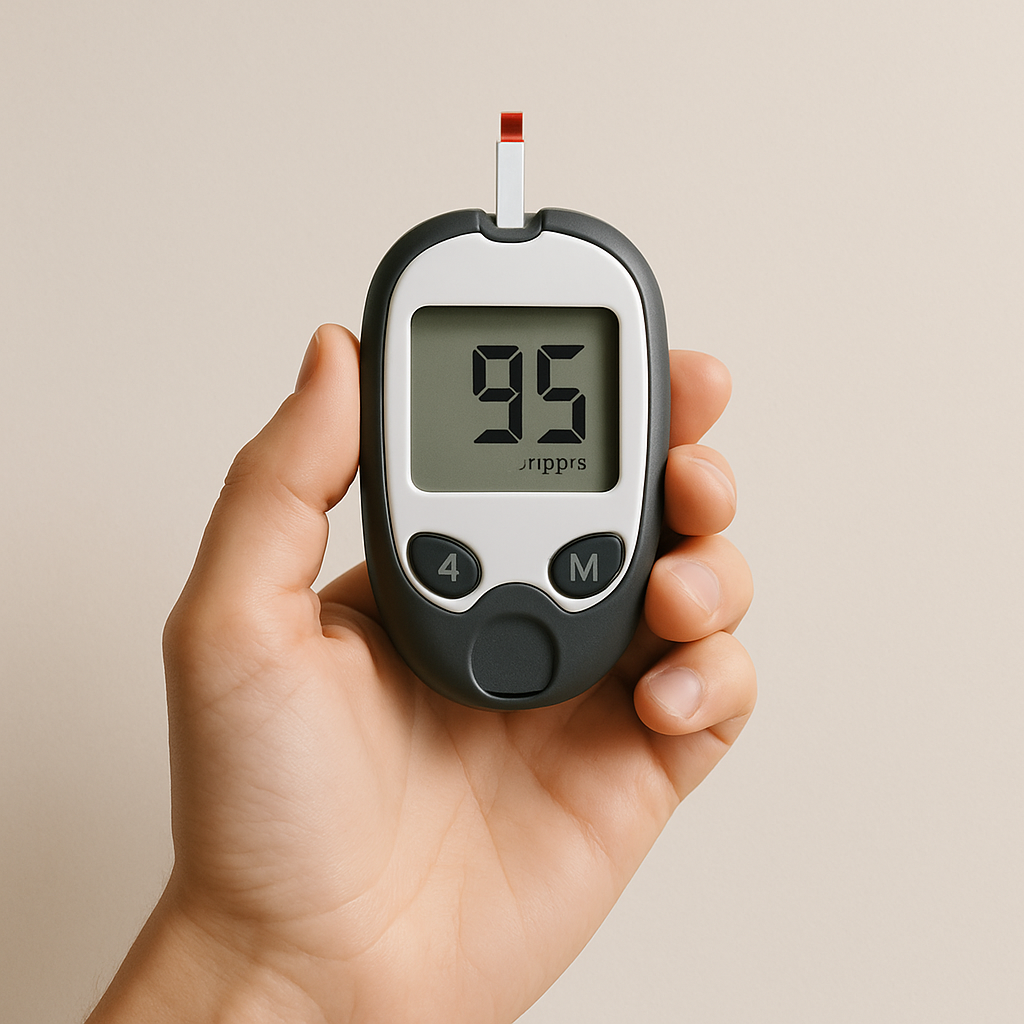
- Blood glucose levels
- Insulin sensitivity
- Lipid profile (including total cholesterol, LDL, HDL, and triglycerides)
- Body weight and composition
Regular monitoring of these biomarkers can help individuals assess their progress and make necessary adjustments to their dietary approach.
Body Systems Supported
The ketogenic diet may support various body systems, including:
- Metabolic system: Promoting fat oxidation and improving insulin sensitivity.
- Nervous system: Potential neuroprotective effects, particularly in neurological disorders.
- Cardiovascular system: Mixed effects on lipid profiles and blood pressure regulation.
- Digestive system: May influence gut microbiota through dietary changes.
Common Goals
Individuals may pursue ketogenic wellness for several common goals, such as:
- Weight loss and body composition improvement
- Enhanced energy levels and mental clarity
- Management of blood sugar levels and insulin sensitivity
- Support for specific medical conditions, such as epilepsy or type 2 diabetes
Safety, Contraindications & Edge Cases
While many individuals can safely adopt a ketogenic diet, certain populations should approach it with caution or under medical supervision. Contraindications may include:
- Individuals with pancreatic disease
- Those with liver conditions
- People with certain metabolic disorders
- Pregnant or breastfeeding women
Additionally, the diet may not be suitable for those with a history of eating disorders. It is always recommended to consult with a healthcare provider before making significant dietary changes.
Pairs Well With
The ketogenic diet can complement various ancient or natural health practices. Some effective cross-pillar links include:
- Intermittent fasting: Enhances the ketogenic state and may improve metabolic flexibility.
- Mindfulness practices: Support mental clarity and emotional well-being.
- Physical activity: Regular exercise can synergistically enhance the benefits of a ketogenic approach.
FAQs (5)
1. What foods can I eat on a ketogenic diet?
Foods typically include healthy fats (like olive oil and avocados), low-carb vegetables, nuts, seeds, and moderate amounts of protein (such as meat, fish, and eggs).
2. How long does it take to enter ketosis?
It usually takes 2 to 7 days of strict adherence to a ketogenic diet to enter ketosis, depending on individual factors.
3. Can I exercise while on a ketogenic diet?
Yes, many people continue to exercise while following a ketogenic diet, though some may experience a temporary decrease in performance during the initial transition.
4. Are there any side effects of a ketogenic diet?
Some individuals may experience symptoms like fatigue, headaches, or digestive issues during the transition phase, often referred to as "keto flu."
5. Is ketogenic wellness suitable for everyone?
Not everyone may benefit from a ketogenic diet; individuals with certain health conditions should consult a healthcare provider before starting.
Frequently asked
What foods can I eat on a ketogenic diet?
Foods typically include healthy fats (like olive oil and avocados), low-carb vegetables, nuts, seeds, and moderate amounts of protein (such as meat, fish, and eggs).
How long does it take to enter ketosis?
It usually takes 2 to 7 days of strict adherence to a ketogenic diet to enter ketosis, depending on individual factors.
Can I exercise while on a ketogenic diet?
Yes, many people continue to exercise while following a ketogenic diet, though some may experience a temporary decrease in performance during the initial transition.
Are there any side effects of a ketogenic diet?
Some individuals may experience symptoms like fatigue, headaches, or digestive issues during the transition phase, often referred to as "keto flu."
Is ketogenic wellness suitable for everyone?
Not everyone may benefit from a ketogenic diet; individuals with certain health conditions should consult a healthcare provider before starting.