Fasting Science
Delve into the science behind fasting and its impact on metabolic health, supported by evidence and practical guidance.

Explore the science of fasting within the realm of metabolic health, examining its mechanisms, evidence, practical applications, and safety considerations.
What It Is
Fasting refers to the voluntary abstention from food and sometimes drink for a specific period. It has been practiced for centuries for various reasons, including religious, spiritual, and health-related purposes. In modern wellness, fasting has gained popularity for its potential metabolic benefits, particularly in promoting weight loss, improving insulin sensitivity, and enhancing overall health.
There are different types of fasting protocols, including intermittent fasting, time-restricted eating, and prolonged fasting. Each approach varies in duration and frequency, allowing individuals to choose a method that aligns with their lifestyle and health goals.
Mechanism / How It Works
The underlying mechanisms of fasting involve complex physiological changes that occur in the body during periods without food. When fasting, the body shifts from using glucose as its primary energy source to utilizing stored fat. This metabolic switch can lead to enhanced fat oxidation and weight loss.
Additionally, fasting triggers the release of hormones such as glucagon and norepinephrine, which play a vital role in fat metabolism. It also promotes autophagy, a cellular repair process that removes damaged cells and regenerates new ones, contributing to improved cellular health and longevity.
Evidence Summary
The scientific evidence surrounding fasting and metabolic health is growing, though it remains an evolving field. Preliminary studies suggest that intermittent fasting may improve insulin sensitivity, reduce inflammation, and positively affect lipid profiles. Clinical trials have shown promising results in weight management and metabolic syndrome parameters.
However, conflicting data exist as well, with some studies indicating minimal benefits or challenges in adherence to fasting protocols. More long-term research is needed to fully understand the effects of various fasting methods and their implications for different populations.
Practical Application
Implementing fasting into daily life can be done through various protocols, such as the 16/8 method, where individuals fast for 16 hours and eat during an 8-hour window. Another popular approach is the 5:2 diet, where individuals consume a regular diet for five days and restrict calorie intake on two non-consecutive days.
Common pitfalls include overeating during eating periods, not staying hydrated, and neglecting nutrient-dense foods. To maximize benefits, it is crucial to focus on whole foods, manage portion sizes, and maintain a balanced diet during eating windows.
Relevant Biomarkers & Tracking
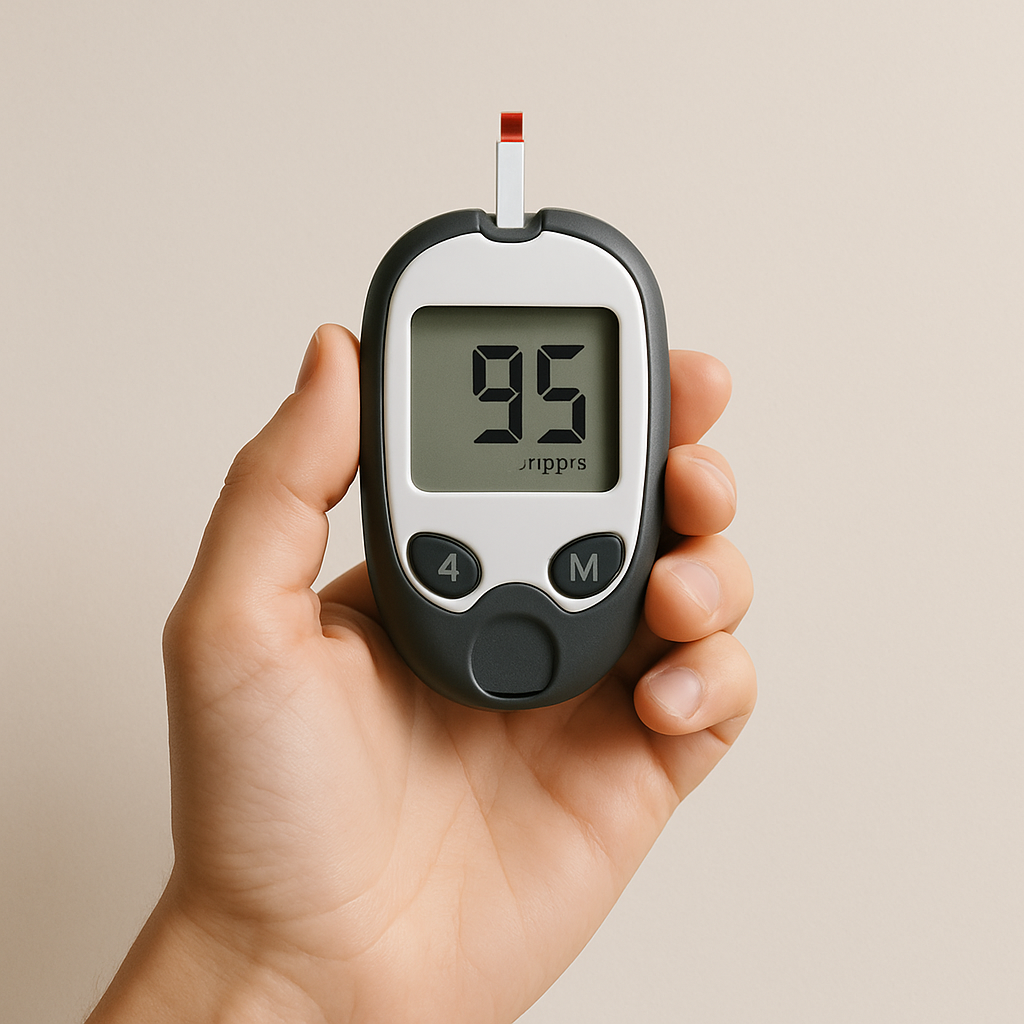
Several biomarkers can be tracked to assess the impact of fasting on metabolic health, including:
- Blood glucose levels
- Insulin sensitivity
- Lipid profiles (cholesterol and triglycerides)
- Body composition (fat mass vs. lean mass)
- Inflammatory markers (such as C-reactive protein)
Monitoring these biomarkers can help individuals gauge their progress and make informed adjustments to their fasting protocols.
Body Systems Supported
Fasting has been shown to support various body systems, including:
- Metabolic system: Enhances insulin sensitivity and promotes fat oxidation.
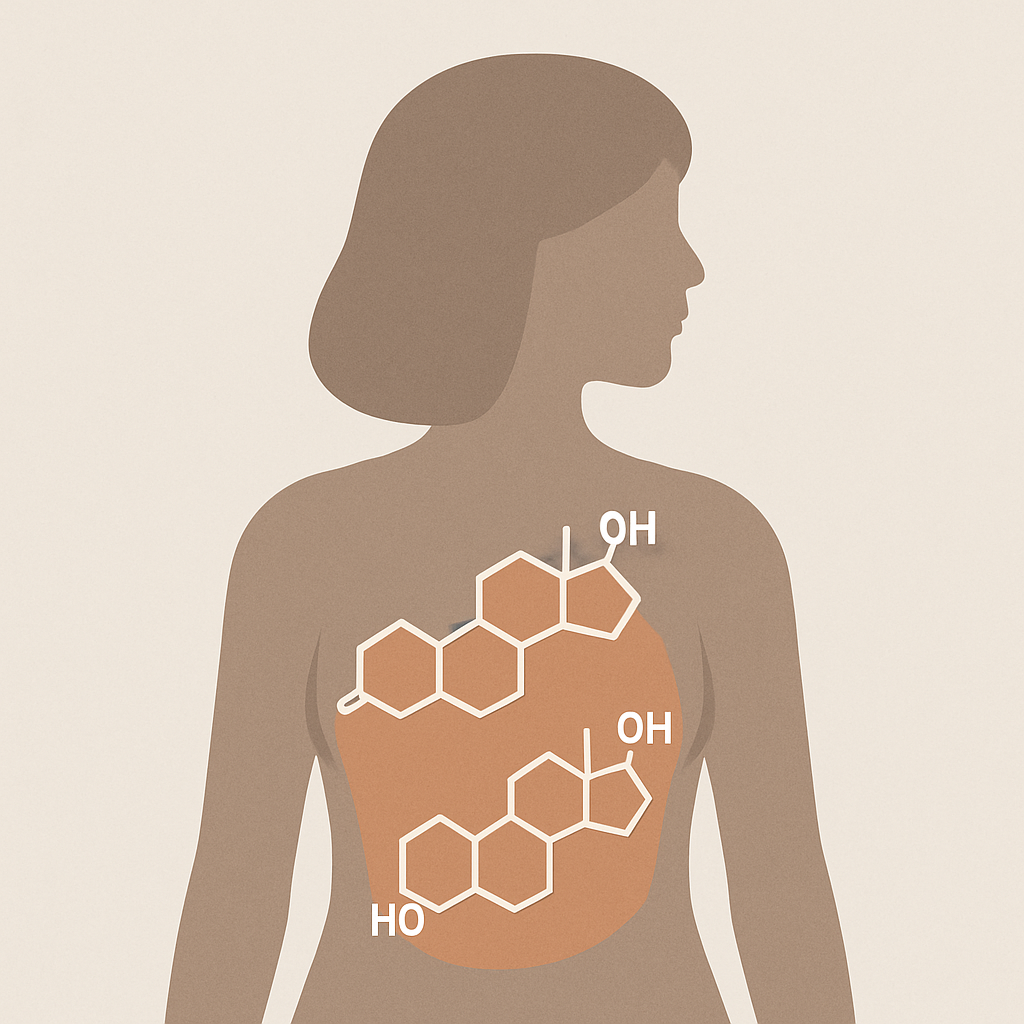
- Endocrine system: Influences hormone regulation, including insulin and glucagon.
- Digestive system: Provides rest to the gastrointestinal tract, potentially improving gut health.
- Immune system: May reduce inflammation and enhance immune response.
Common Goals
Individuals may pursue fasting for several common goals, including:
- Weight loss and management
- Improved metabolic health
- Enhanced mental clarity and focus
- Longevity and cellular health
- Reduction of inflammation
Safety, Contraindications & Edge Cases
While fasting is generally safe for many individuals, certain populations should approach it with caution or avoid it altogether. These include:
- Individuals with a history of eating disorders
- Pregnant or breastfeeding women
- Those with certain medical conditions, such as diabetes or heart disease, should consult a healthcare provider before starting any fasting regimen.
- Individuals taking medications that require food intake
It is essential to listen to one's body and seek medical advice if any adverse effects arise during fasting.
Pairs Well With
Fasting complements various ancient and natural wellness practices, such as:
- Meditation: Enhances mental clarity and emotional well-being.
- Yoga: Promotes physical health and mindfulness.
- Herbal supplements: Certain herbs may enhance the effects of fasting.
- Mindful eating: Encourages a deeper connection with food during eating periods.
FAQs (5)
1. What is intermittent fasting?
Intermittent fasting involves cycling between periods of eating and fasting, with various methods such as the 16/8 or 5:2 approaches.
2. Can fasting help with weight loss?
Yes, fasting can promote weight loss by reducing calorie intake and enhancing fat metabolism.
3. Is fasting safe for everyone?
Not everyone should fast; individuals with certain medical conditions or those who are pregnant should consult a healthcare provider.
4. How long should I fast for optimal results?
The duration of fasting can vary widely; common methods include 16 hours of fasting with an 8-hour eating window or 24-hour fasts a few times a week.
5. What should I eat during eating periods?
Focus on whole, nutrient-dense foods such as fruits, vegetables, lean proteins, and healthy fats to maximize benefits.
Frequently asked
What is intermittent fasting?
Intermittent fasting involves cycling between periods of eating and fasting, with various methods such as the 16/8 or 5:2 approaches.
Can fasting help with weight loss?
Yes, fasting can promote weight loss by reducing calorie intake and enhancing fat metabolism.
Is fasting safe for everyone?
Not everyone should fast; individuals with certain medical conditions or those who are pregnant should consult a healthcare provider.
How long should I fast for optimal results?
The duration of fasting can vary widely; common methods include 16 hours of fasting with an 8-hour eating window or 24-hour fasts a few times a week.
What should I eat during eating periods?
Focus on whole, nutrient-dense foods such as fruits, vegetables, lean proteins, and healthy fats to maximize benefits.