Energy Metabolism
Discover how energy metabolism influences metabolic health, including its mechanisms, practical applications, and relevant biomarkers.

Explore the intricacies of energy metabolism and its significant role in metabolic health. Understand its mechanisms, practical applications, and the body systems it supports, while addressing safety considerations and common goals.
What It Is
Energy metabolism refers to the biochemical processes through which the body converts food into energy. This complex system involves a series of metabolic pathways that facilitate the breakdown of macronutrients—carbohydrates, fats, and proteins—into usable energy forms, primarily adenosine triphosphate (ATP). ATP serves as the energy currency of the cell, powering various physiological functions and maintaining cellular integrity.
Understanding energy metabolism is essential for optimizing overall health and performance. It plays a critical role in regulating body weight, supporting physical activity, and maintaining metabolic balance. Disruptions in energy metabolism can lead to various health issues, including obesity, diabetes, and metabolic syndrome, underscoring the importance of this biological process.
Mechanism / How It Works
The mechanisms of energy metabolism can be broadly categorized into three stages: digestion, absorption, and cellular metabolism. First, during digestion, food is broken down into its constituent macronutrients. Following this, the absorbed nutrients enter the bloodstream and are transported to cells throughout the body.
At the cellular level, energy metabolism primarily occurs in the mitochondria, known as the powerhouse of the cell. Here, glucose undergoes glycolysis, a process that breaks it down into pyruvate, which can then enter the citric acid cycle (Krebs cycle) for further energy extraction. Similarly, fatty acids undergo beta-oxidation, converting them into acetyl-CoA, which is also utilized in the citric acid cycle. This interplay between glycolysis and fatty acid oxidation allows the body to adapt its energy production based on nutrient availability and energy demands.
Evidence Summary
The study of energy metabolism is vast and multi-faceted, with emerging research continually adding to our understanding. Currently, there are several key areas of evidence:
- Preliminary Studies: Initial studies suggest that metabolic flexibility—the ability to switch between burning carbohydrates and fats—plays a crucial role in maintaining metabolic health.
- Clinical Trials: Some clinical trials have shown that dietary interventions, such as low-carbohydrate or ketogenic diets, can enhance energy metabolism and improve markers of metabolic health.
- Conflicting Evidence: However, results can be conflicting, particularly regarding the long-term sustainability of specific diets and their effects on energy metabolism in diverse populations.
Overall, while significant progress has been made, further research is needed to unravel the complexities of energy metabolism and its implications for health.
Practical Application
To enhance energy metabolism, individuals can implement several practical strategies:
- Balanced Diet: Consume a well-balanced diet rich in whole foods, including lean proteins, healthy fats, and complex carbohydrates to support sustained energy levels.
- Regular Exercise: Engage in both aerobic and resistance training exercises to improve mitochondrial function and enhance metabolic flexibility.
- Hydration: Maintain adequate hydration to support metabolic processes and overall cellular function.
Common pitfalls include relying heavily on processed foods, neglecting physical activity, and failing to prioritize sleep, all of which can negatively impact energy metabolism.
Relevant Biomarkers & Tracking
Tracking specific biomarkers can provide insight into energy metabolism and overall metabolic health:
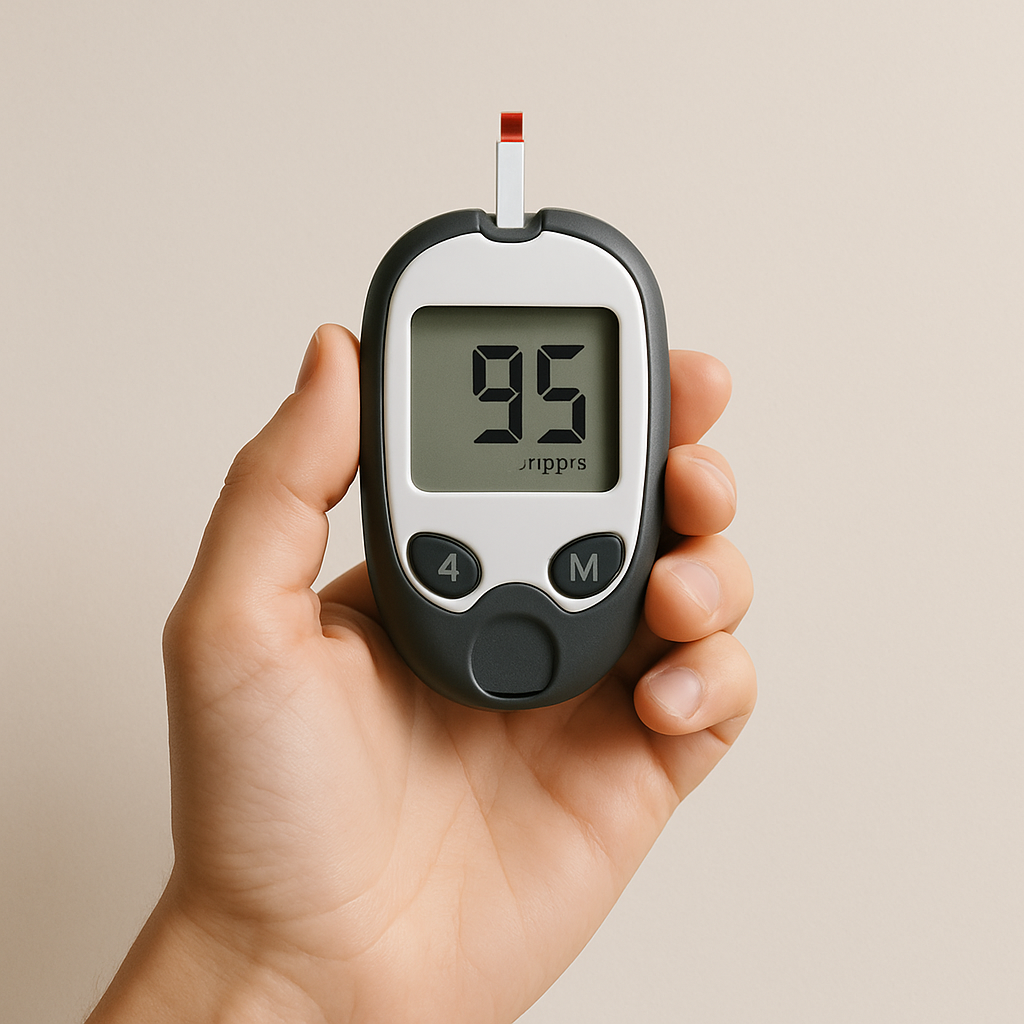
- Blood Glucose Levels: Monitoring fasting and postprandial blood glucose can help assess how efficiently the body is metabolizing carbohydrates.
- Lipid Profile: Analyzing lipid levels, including triglycerides and cholesterol, can indicate the body's ability to process fats.
- Insulin Sensitivity: Tests such as the Homeostasis Model Assessment of Insulin Resistance (HOMA-IR) can provide insights into insulin function and metabolic health.
Body Systems Supported
Energy metabolism supports several body systems, including:
- Endocrine System: Hormones regulate energy metabolism and overall metabolic rate.
- Muscular System: Adequate energy supply is crucial for muscle contraction and endurance.
- Nervous System: The brain relies heavily on glucose and oxygen for optimal function.
Common Goals
Individuals often pursue the following goals related to energy metabolism:
- Weight Management: Achieving a healthy weight through balanced energy intake and expenditure.
- Enhanced Athletic Performance: Improving energy efficiency and endurance during physical activities.
- Improved Metabolic Health: Reducing the risk of metabolic disorders through better energy management.
Safety, Contraindications & Edge Cases
While focusing on energy metabolism can be beneficial, there are safety considerations to keep in mind:
- Pre-existing Conditions: Individuals with diabetes or metabolic disorders should consult healthcare professionals before making significant dietary or lifestyle changes.
- Extreme Diets: Avoid overly restrictive diets that can lead to nutritional deficiencies and adversely affect metabolism.
- Medications: Certain medications may impact energy metabolism, so it's crucial to discuss any changes with a healthcare provider.
Pairs Well With
Energy metabolism can be complemented by practices from ancient or natural wellness traditions, such as:
- Ayurvedic Principles: Incorporating Ayurvedic dietary practices can enhance metabolic balance through food choices tailored to individual constitution.
- Traditional Chinese Medicine: Utilizing herbal remedies and dietary adjustments to support energy levels and overall vitality.
- Mindfulness and Stress Reduction: Techniques such as meditation can positively influence hormonal balance and energy metabolism.
FAQs (5)
What is energy metabolism?
Energy metabolism encompasses the biochemical processes that convert food into energy in the body.
How can I improve my energy metabolism?
Improving energy metabolism can involve maintaining a balanced diet, engaging in regular exercise, and ensuring adequate hydration.
What are the key biomarkers for energy metabolism?
Key biomarkers include blood glucose levels, lipid profiles, and insulin sensitivity measures.
Are there any risks associated with focusing on energy metabolism?
Yes, risks include potential nutritional deficiencies from extreme diets and complications for individuals with pre-existing conditions.
How does energy metabolism relate to weight management?
Energy metabolism is crucial for weight management as it regulates how efficiently the body burns calories and utilizes energy.
Frequently asked
What is energy metabolism?
Energy metabolism encompasses the biochemical processes that convert food into energy in the body.
How can I improve my energy metabolism?
Improving energy metabolism can involve maintaining a balanced diet, engaging in regular exercise, and ensuring adequate hydration.
What are the key biomarkers for energy metabolism?
Key biomarkers include blood glucose levels, lipid profiles, and insulin sensitivity measures.
Are there any risks associated with focusing on energy metabolism?
Yes, risks include potential nutritional deficiencies from extreme diets and complications for individuals with pre-existing conditions.
How does energy metabolism relate to weight management?
Energy metabolism is crucial for weight management as it regulates how efficiently the body burns calories and utilizes energy.