Recovery Metabolism
Dive into recovery metabolism, understanding its role in metabolic health, mechanisms, evidence, and practical applications for everyday wellness.
Explore the essential aspects of recovery metabolism within metabolic health, its mechanisms, evidence, practical applications, and more.
What It Is
Recovery metabolism refers to the body's ability to restore and rejuvenate itself after physical exertion or metabolic stress. This process is crucial for athletes and individuals engaging in regular physical activity, as it directly impacts performance, muscle recovery, and overall health. Recovery metabolism encompasses several physiological responses, including the replenishment of energy stores, repair of muscle tissue, and the regulation of various hormones and metabolites that influence recovery.
Essentially, recovery metabolism is the phase where the body shifts from a catabolic state, characterized by the breakdown of tissues and depletion of energy sources, to an anabolic state, where repair and growth occur. This transition is vital for maintaining optimal metabolic health, supporting muscle recovery, and enhancing overall physical resilience.
Mechanism / How It Works
The mechanisms underlying recovery metabolism involve a complex interplay of hormones, nutrients, and cellular processes. After exercise, the body experiences a surge in metabolic activity to restore glycogen levels, repair tissues, and produce energy. Key hormones like insulin play a significant role in facilitating the uptake of glucose and amino acids into cells, promoting glycogen synthesis and muscle protein synthesis.
Additionally, the availability of nutrients such as carbohydrates and proteins is critical during this recovery phase. Carbohydrates help replenish glycogen stores, while protein provides the necessary building blocks for muscle repair and growth. The timing and composition of post-exercise nutrition can significantly influence recovery metabolism, impacting performance in subsequent workouts or activities.
Evidence Summary
Research on recovery metabolism is still evolving, with several studies supporting its significance in various populations, particularly athletes. Preliminary evidence suggests that optimizing recovery metabolism can enhance physical performance, reduce muscle soreness, and improve overall recovery times. However, findings can be conflicting, as individual responses to recovery strategies can vary widely based on factors like genetics, diet, and training intensity.
Clinical research provides insights into specific recovery protocols, such as the timing of nutrient intake and the role of supplements like protein and branched-chain amino acids (BCAAs). Nevertheless, more extensive studies are needed to establish universally effective recovery strategies, as the diversity of individual needs and responses makes it challenging to draw definitive conclusions.
Practical Application
- Post-Exercise Nutrition: Consuming a balanced meal or snack containing carbohydrates and protein within 30-60 minutes after exercise can optimize recovery.
- Hydration: Maintaining proper hydration is essential for metabolic recovery, as dehydration can hinder performance and recovery processes.
- Rest and Sleep: Prioritizing adequate rest and quality sleep supports the body's natural recovery processes and hormonal balance.
- Active Recovery: Engaging in low-intensity activities on rest days can promote blood flow and facilitate recovery.
Common pitfalls include neglecting post-exercise nutrition and hydration, overtraining without adequate recovery time, and underestimating the importance of rest and sleep in the recovery process.
Relevant Biomarkers & Tracking
Monitoring specific biomarkers can provide valuable insights into recovery metabolism. Key biomarkers include:
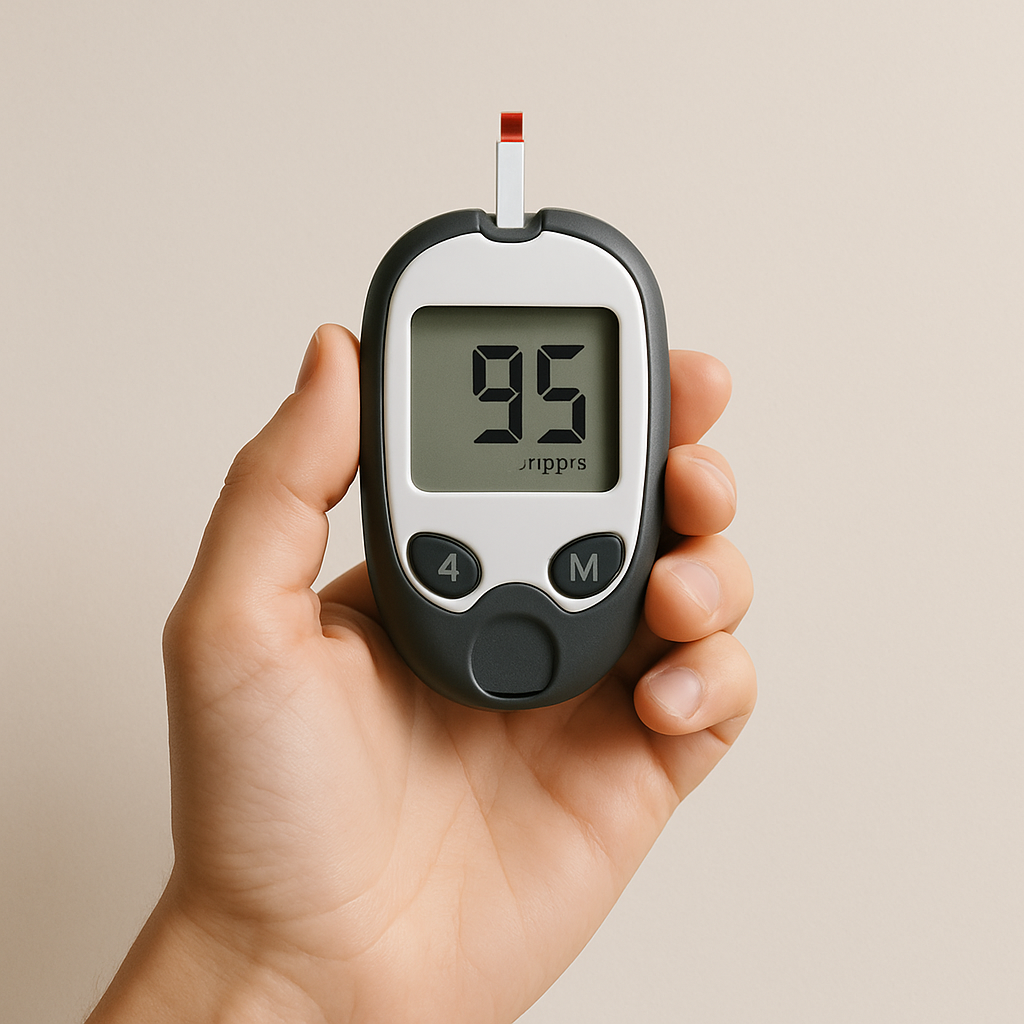
- Blood Glucose Levels: Tracking post-exercise glucose levels can indicate how effectively the body is replenishing glycogen stores.
- Muscle Soreness: Assessing levels of delayed onset muscle soreness (DOMS) can help gauge recovery progress.
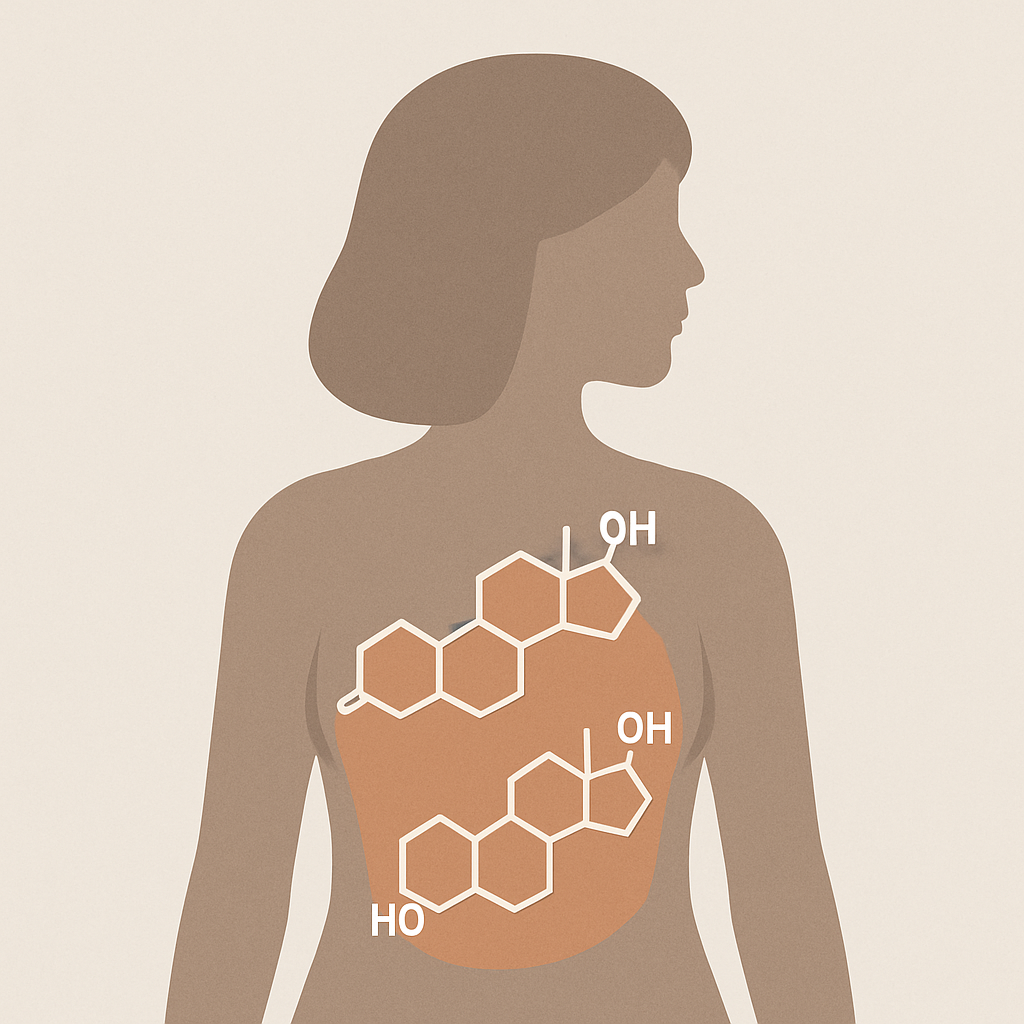
- Hormonal Levels: Monitoring hormones such as cortisol and testosterone can provide insights into the body's stress response and recovery status.
Utilizing fitness trackers and apps to monitor these metrics can help individuals fine-tune their recovery strategies and optimize performance.
Body Systems Supported
Recovery metabolism primarily supports the following body systems:
- Muscular System: Essential for muscle repair and growth after exercise.
- Endocrine System: Hormonal balance is critical for facilitating recovery processes.
- Circular System: Improved blood flow during recovery enhances nutrient delivery and waste removal.
Common Goals
Individuals engaging in recovery metabolism practices often aim for:
- Improved Athletic Performance: Enhancing recovery can lead to better performance in subsequent workouts.
- Reduced Muscle Soreness: Lowering the intensity and duration of post-exercise soreness.
- Increased Muscle Mass: Supporting muscle growth through effective recovery strategies.
- Enhanced Overall Well-Being: Promoting general health and resilience through optimized recovery.
Safety, Contraindications & Edge Cases
While recovery metabolism practices are generally safe, individuals with specific medical conditions should consult healthcare professionals before implementing new recovery strategies. Some contraindications may include:
- Diabetes: Individuals should monitor blood sugar levels closely when altering carbohydrate intake.
- Eating Disorders: Those with a history of disordered eating should approach recovery nutrition with caution.
- Chronic Fatigue: Individuals experiencing chronic fatigue syndrome may require tailored recovery strategies.
It's essential to listen to the body and adapt recovery practices to individual needs, ensuring a safe and effective approach.
Pairs Well With
Recovery metabolism can be complemented by various ancient and natural practices, enhancing overall wellness:
- Traditional Herbal Remedies: Herbs like turmeric and ginger may offer anti-inflammatory benefits that support recovery.
- Mindfulness and Meditation: Stress reduction techniques can enhance recovery by promoting relaxation and hormonal balance.
- Yoga: Incorporating yoga can improve flexibility and promote active recovery.
FAQs (5)
- What is the best time to eat after exercising? Ideally, consume a balanced meal or snack containing carbohydrates and protein within 30-60 minutes post-exercise.
- How does hydration impact recovery metabolism? Proper hydration is essential for metabolic processes, nutrient delivery, and overall recovery.
- Can I recover without supplements? Yes, whole foods can provide adequate nutrients for recovery without the need for supplements.
- What role does sleep play in recovery? Quality sleep is crucial for hormonal balance, muscle repair, and overall recovery processes.
- Is recovery metabolism only important for athletes? No, recovery metabolism is beneficial for anyone engaging in physical activity, as it supports overall health and well-being.
Frequently asked
What is the best time to eat after exercising?
Ideally, consume a balanced meal or snack containing carbohydrates and protein within 30-60 minutes post-exercise.
How does hydration impact recovery metabolism?
Proper hydration is essential for metabolic processes, nutrient delivery, and overall recovery.
Can I recover without supplements?
Yes, whole foods can provide adequate nutrients for recovery without the need for supplements.
What role does sleep play in recovery?
Quality sleep is crucial for hormonal balance, muscle repair, and overall recovery processes.
Is recovery metabolism only important for athletes?
No, recovery metabolism is beneficial for anyone engaging in physical activity, as it supports overall health and well-being.