Athletic Metabolism
Delve into athletic metabolism within the realm of metabolic health, exploring mechanisms, practical applications, and key biomarkers.

Explore the nuances of athletic metabolism, its mechanisms, evidence, practical applications, and the body systems it supports. This comprehensive guide will help athletes and fitness enthusiasts understand how to optimize their metabolic health for improved performance.
What It Is
Athletic metabolism refers to the unique metabolic processes that occur in athletes and physically active individuals, enabling them to efficiently convert food into energy during intense physical activities. This specialized metabolism includes the breakdown of carbohydrates, fats, and proteins to fuel performance, recovery, and overall health. It is influenced by factors such as training intensity, duration, and the athlete's specific sport.
Understanding athletic metabolism is crucial for optimizing performance and achieving fitness goals. Athletes often require higher caloric intake and specific nutrient timing to support their rigorous training regimens. These metabolic adaptations can occur through consistent training, leading to improved energy efficiency and performance outcomes.
Mechanism / How It Works
The mechanisms of athletic metabolism involve complex biochemical processes that cater to the energy demands of physical exertion. During exercise, the body primarily utilizes adenosine triphosphate (ATP) for immediate energy. This ATP can be generated through three primary pathways: the phosphagen system, anaerobic glycolysis, and aerobic metabolism.
- Phosphagen System: This system provides quick bursts of energy for short, high-intensity activities, utilizing creatine phosphate stored in muscles.
- Anaerobic Glycolysis: When activities extend beyond 10 seconds but are still high-intensity, the body breaks down glucose without oxygen, producing lactic acid.
- Aerobic Metabolism: For prolonged, moderate-intensity activities, the body relies on oxygen to burn carbohydrates and fats, providing sustained energy.
Additionally, hormonal regulation plays a significant role in athletic metabolism. Hormones such as insulin, glucagon, and cortisol adjust based on the body’s energy needs, influencing how nutrients are utilized and stored.
Evidence Summary
Research on athletic metabolism is multifaceted, with studies examining energy expenditure, nutrient timing, and the impact of various dietary strategies on performance. Evidence suggests that athletes with optimized metabolic health can enhance their performance outcomes, particularly in endurance and strength sports. However, findings can vary due to individual differences in genetics, training status, and environmental factors.
Preliminary studies indicate that a balanced intake of macronutrients tailored to an athlete's specific needs can significantly improve performance and recovery. However, conflicting evidence exists regarding the optimal macronutrient ratios, and more research is needed to establish standardized protocols for different types of athletes.
Practical Application
Integrating knowledge of athletic metabolism into daily routines can help athletes enhance performance and recovery. Here are some practical applications:
- Nutrient Timing: Consuming carbohydrates and proteins before and after workouts can optimize energy levels and recovery.
- Hydration: Maintaining adequate hydration is essential for metabolic functions and performance. Athletes should monitor fluid intake before, during, and after exercise.
- Regular Assessments: Tracking body weight, composition, and energy levels can help athletes adjust their nutrition and training plans accordingly.
Common pitfalls include neglecting the importance of micronutrients and failing to personalize dietary strategies based on individual needs and training demands.
Relevant Biomarkers & Tracking
Monitoring specific biomarkers can provide insights into an athlete's metabolic health:
- Resting Metabolic Rate (RMR): Measures the number of calories burned at rest, indicating energy expenditure.
- Body Composition: Tracking lean mass versus fat mass can help assess metabolic efficiency.
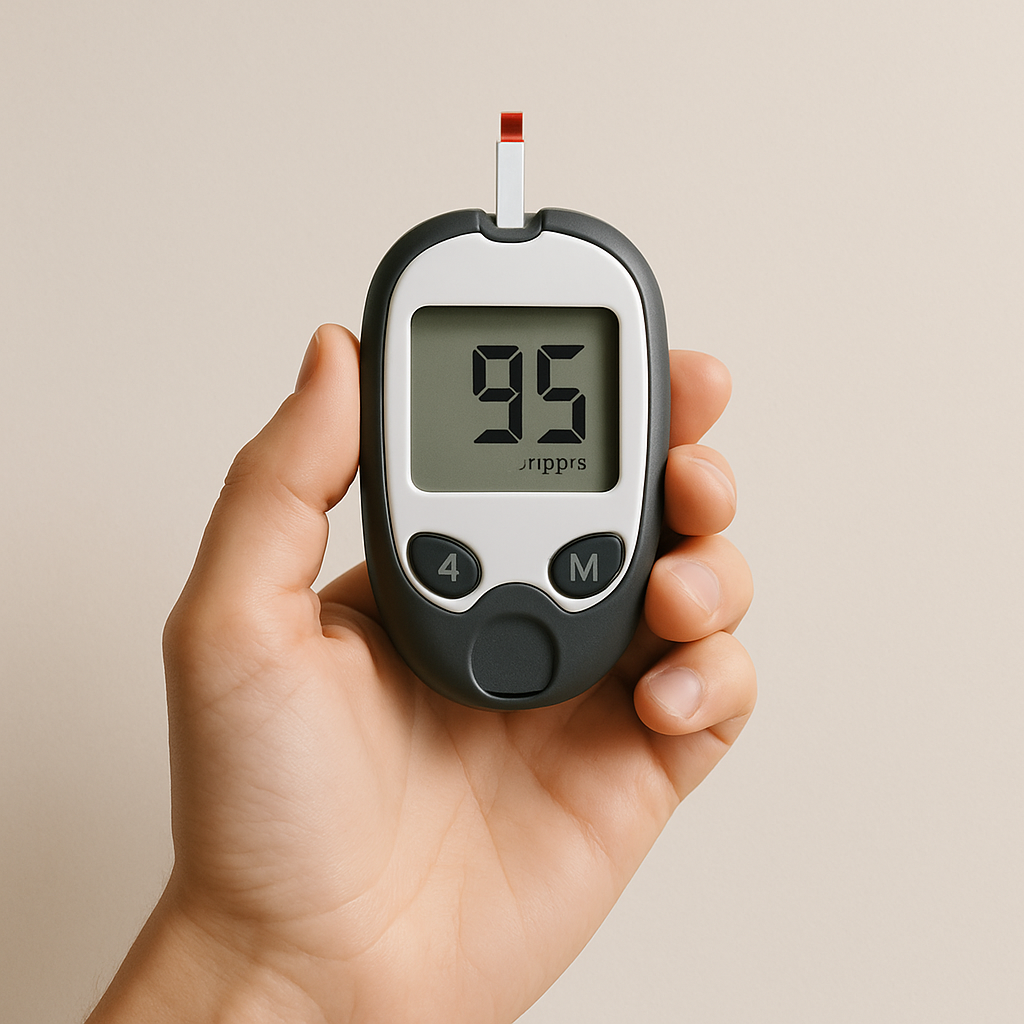
- Blood Glucose Levels: Monitoring glucose can indicate how well the body is managing carbohydrate intake and energy needs.
Utilizing wearable devices or periodic lab tests can help athletes keep track of these biomarkers effectively.
Body Systems Supported
Athletic metabolism supports various body systems, including:
- Musculoskeletal System: Efficient metabolism provides energy for muscle contraction and recovery.
- Endocrine System: Hormonal balance is essential for energy regulation and nutrient utilization.
- Cardiovascular System: Improved cardiovascular efficiency enhances oxygen delivery to muscles during exercise.
By optimizing metabolic health, athletes can improve their overall physical performance and well-being.
Common Goals
Athletes typically aim to achieve several key goals related to metabolic health:
- Increase energy levels for sustained performance.
- Enhance recovery processes post-exercise.
- Optimize body composition for peak performance.
- Improve overall health and reduce the risk of injuries.
Safety, Contraindications & Edge Cases
While optimizing athletic metabolism can enhance performance, certain safety considerations should be addressed:
- Individuals with specific medical conditions (e.g., diabetes, thyroid issues) should consult healthcare professionals before making significant dietary changes.
- Extreme caloric deficits or unmonitored supplementation can lead to adverse health effects.
- Overtraining without proper recovery can negatively impact metabolic health and performance.
It is essential for athletes to listen to their bodies and seek guidance when necessary to maintain a balanced approach to training and nutrition.
Pairs Well With
For a holistic approach to athletic metabolism, consider integrating the following practices:
- Mindfulness and Stress Management: Techniques such as meditation or yoga can support hormonal balance and recovery.
- Nutritional Supplements: Certain supplements, like omega-3 fatty acids and antioxidants, may support metabolic health.
- Active Recovery: Engaging in low-intensity activities on rest days can promote circulation and aid recovery.
FAQs (5)
- What is the role of carbohydrates in athletic metabolism?
Carbohydrates are a primary energy source for high-intensity exercise, and their timely intake can enhance performance and recovery. - How does hydration affect athletic metabolism?
Proper hydration is critical for maintaining metabolic functions and optimizing performance during exercise. - Can dietary changes improve my athletic performance?
Yes, tailored dietary strategies focusing on macronutrient balance can significantly enhance performance outcomes. - What are the signs of poor metabolic health in athletes?
Signs may include fatigue, impaired recovery, weight fluctuations, and decreased performance. - How often should I track my metabolic health?
Regular assessments, such as monthly or quarterly, can help you stay informed and adjust your nutrition and training plans accordingly.
Frequently asked
What is the role of carbohydrates in athletic metabolism?
Carbohydrates are a primary energy source for high-intensity exercise, and their timely intake can enhance performance and recovery.
How does hydration affect athletic metabolism?
Proper hydration is critical for maintaining metabolic functions and optimizing performance during exercise.
Can dietary changes improve my athletic performance?
Yes, tailored dietary strategies focusing on macronutrient balance can significantly enhance performance outcomes.
What are the signs of poor metabolic health in athletes?
Signs may include fatigue, impaired recovery, weight fluctuations, and decreased performance.
How often should I track my metabolic health?
Regular assessments, such as monthly or quarterly, can help you stay informed and adjust your nutrition and training plans accordingly.