Longevity Metabolism
Discover how longevity metabolism impacts overall health and wellness, along with practical tips for integration.
Explore the relationship between longevity and metabolism, including mechanisms, evidence, practical applications, and safety considerations.
What It Is
Longevity metabolism refers to the biological processes that influence the duration and quality of life through metabolic pathways. It encompasses the body's ability to maintain energy balance, repair cellular damage, and adapt to environmental changes—all of which are essential for promoting a longer, healthier life. Understanding longevity metabolism involves examining how various lifestyle factors, such as diet, exercise, and sleep, can enhance metabolic function and support overall health.
At its core, longevity metabolism focuses on optimizing cellular processes, including those related to energy production, nutrient utilization, and waste elimination. This holistic approach aims to mitigate age-related decline and promote resilience against diseases commonly associated with aging. In recent years, research has highlighted the intricate relationship between metabolism and longevity, emphasizing the importance of metabolic health in achieving a longer lifespan.
Mechanism / How It Works
The mechanisms underlying longevity metabolism are complex and multifaceted. A key component is the regulation of metabolic pathways that influence cellular aging and repair. For example, caloric restriction has been shown to activate certain genes involved in longevity, such as sirtuins, which play a role in DNA repair and inflammation reduction. Additionally, metabolic health is closely tied to the functioning of mitochondria, the powerhouses of cells, which generate energy and manage oxidative stress.
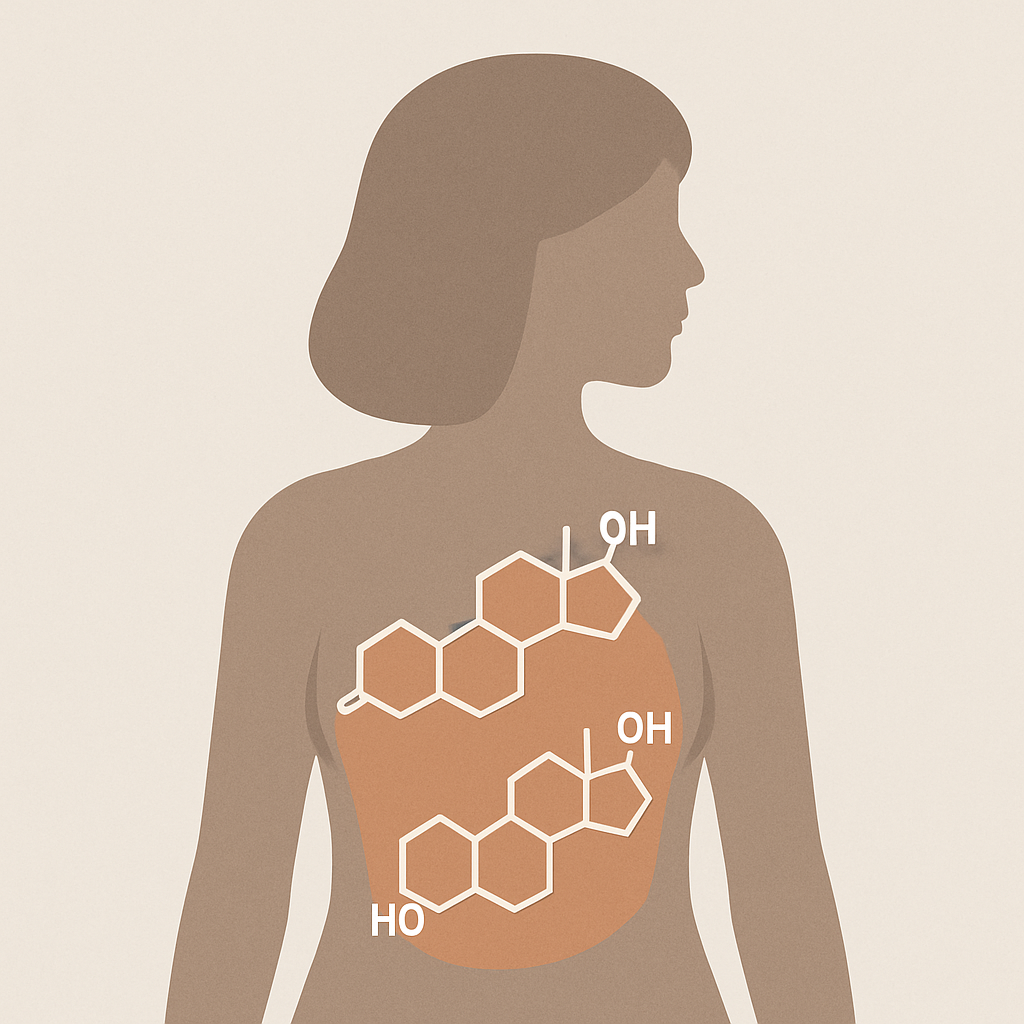
Another important aspect is the role of hormones, such as insulin and glucagon, in metabolic regulation. These hormones help manage blood sugar levels and fat storage, directly impacting energy availability and overall health. Furthermore, the gut microbiome has been identified as a significant player in longevity metabolism; a diverse and balanced microbiome can enhance nutrient absorption and support immune function, contributing to a healthier lifespan.
Evidence Summary
The evidence surrounding longevity metabolism is evolving, with a growing body of research supporting its significance in healthspan and lifespan. Preliminary studies suggest a strong link between metabolic health and reduced risk of chronic diseases, such as diabetes, cardiovascular disease, and certain cancers. Clinical trials have begun to explore interventions, such as intermittent fasting and dietary modifications, which have shown promise in enhancing metabolic function and promoting longevity.
However, the field is not without conflicting findings. Some studies report minimal effects of certain dietary patterns or supplements on longevity, highlighting the need for more rigorous research. It is essential to recognize that individual responses to metabolic interventions can vary widely, influenced by genetics, lifestyle, and environmental factors. While the potential for longevity metabolism is exciting, more extensive, long-term studies are necessary to establish definitive conclusions.
Practical Application
Integrating longevity metabolism principles into daily life can be achieved through various protocols and lifestyle changes. Here are some practical applications:
- Dietary Adjustments: Adopt a nutrient-dense diet rich in fruits, vegetables, whole grains, and lean proteins while reducing processed foods and sugars.
- Caloric Restriction: Consider intermittent fasting or caloric restriction strategies that align with personal health goals.
- Regular Exercise: Engage in both aerobic and strength-training exercises to enhance metabolic flexibility and improve cardiovascular health.
- Sufficient Sleep: Prioritize quality sleep to support metabolic function and hormone regulation.
- Stress Management: Incorporate mindfulness practices, such as meditation or yoga, to reduce stress and its negative impact on metabolism.
Common pitfalls include over-restriction of calories, neglecting physical activity, and failing to prioritize sleep. It is crucial to create a balanced approach that supports metabolic health without compromising overall well-being.
Relevant Biomarkers & Tracking
Monitoring specific biomarkers can provide insights into metabolic health and longevity potential. Key biomarkers include:
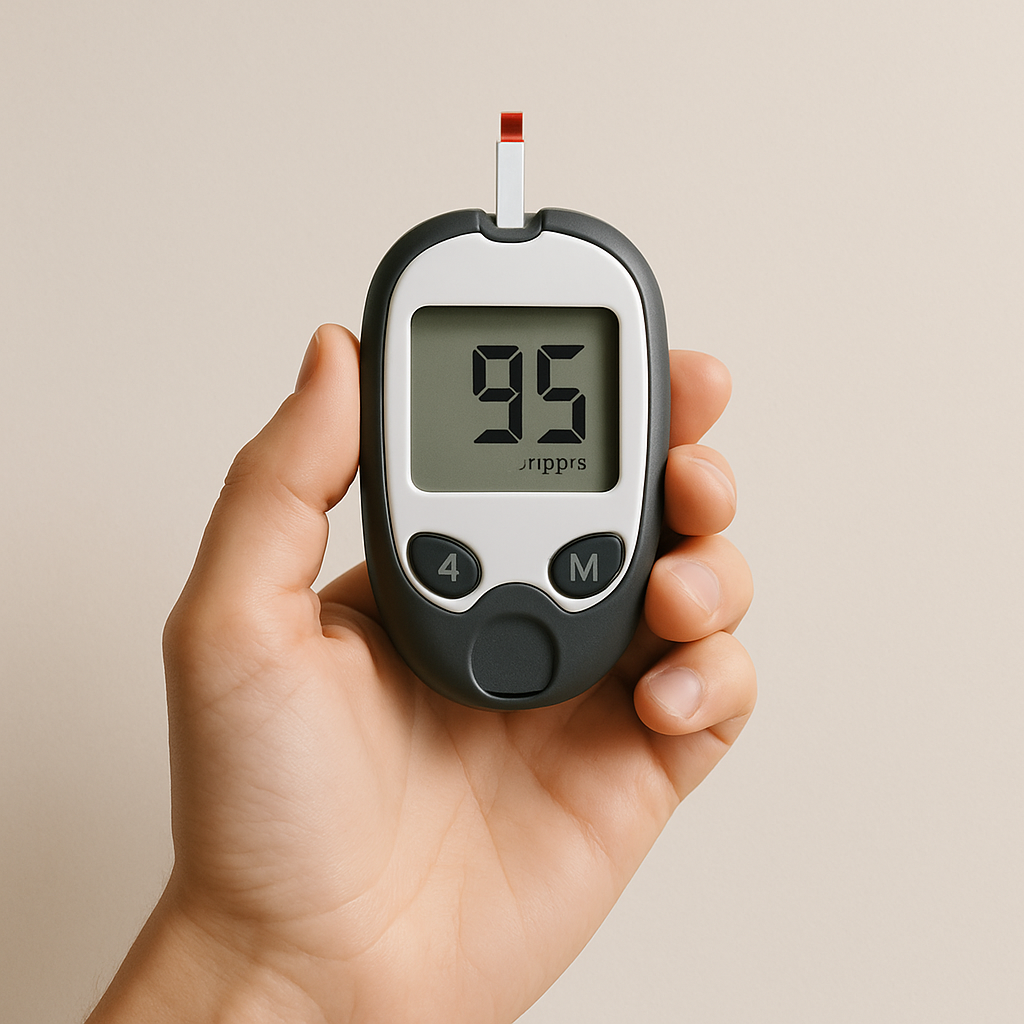
- Blood Glucose Levels: Tracking fasting glucose and HbA1c can indicate insulin sensitivity and metabolic risk.
- Lipid Profile: Cholesterol and triglyceride levels can reflect cardiovascular health and metabolic function.
- Inflammatory Markers: Assessing markers like C-reactive protein (CRP) can help evaluate systemic inflammation.
- Body Composition: Measuring body fat percentage and muscle mass can provide insights into metabolic health.
- Hormonal Levels: Monitoring insulin, cortisol, and thyroid hormones can help assess metabolic balance.
Tracking these biomarkers over time can assist in evaluating the effectiveness of lifestyle interventions aimed at enhancing longevity metabolism.
Body Systems Supported
Longevity metabolism supports multiple body systems, including:
- Endocrine System: Hormonal balance plays a critical role in metabolic regulation.
- Digestive System: A healthy gut microbiome enhances nutrient absorption and immune function.
- Cardiovascular System: Metabolic health is closely linked to heart health and blood circulation.
- Immune System: Improved metabolic function can enhance immune response and resilience against infections.
- Nervous System: Metabolism affects brain health, cognitive function, and mood regulation.
Common Goals
Individuals pursuing longevity metabolism often have common goals, including:
- Improving energy levels and physical performance.
- Enhancing metabolic flexibility and insulin sensitivity.
- Reducing body fat and preserving lean muscle mass.
- Lowering the risk of chronic diseases.
- Increasing overall healthspan and lifespan.
Safety, Contraindications & Edge Cases
While many lifestyle changes aimed at improving longevity metabolism are generally safe, certain precautions should be considered:
- Caloric Restriction: Those with a history of eating disorders or specific medical conditions should approach caloric restriction cautiously.
- Exercise: Individuals with chronic health issues should consult a healthcare provider before starting a new exercise regimen.
- Supplements: Not all supplements are suitable for everyone; it is essential to consider potential interactions with medications.
- Individual Variability: Personal genetics and health history can influence the effectiveness of metabolic interventions.
Safety and personalization are critical when integrating longevity metabolism strategies into daily life.
Pairs Well With
Longevity metabolism can complement various ancient and natural health practices, including:
- Traditional Chinese Medicine: Emphasis on balance and harmony in diet and lifestyle.
- Ayurveda: Focus on individualized nutrition and lifestyle choices based on body constitution.
- Herbal Remedies: Utilizing adaptogens and other herbs to support metabolic health and resilience.
- Mindfulness Practices: Techniques such as meditation and yoga to enhance mental and emotional well-being.
FAQs (5)
- What is longevity metabolism? Longevity metabolism refers to the metabolic processes that affect lifespan and healthspan through energy regulation, cellular repair, and adaptation.
- How can I improve my longevity metabolism? You can enhance longevity metabolism by adopting a balanced diet, engaging in regular exercise, managing stress, and ensuring adequate sleep.
- Are there specific diets that promote longevity metabolism? Diets rich in whole foods, such as the Mediterranean diet, have been associated with improved metabolic health and longevity.
- What are some biomarkers of metabolic health? Key biomarkers include blood glucose levels, lipid profiles, inflammatory markers, body composition, and hormonal levels.
- Is caloric restriction safe for everyone? Caloric restriction may not be suitable for everyone, especially those with certain health conditions or a history of eating disorders. It is essential to consult a healthcare provider.
Frequently asked
What is longevity metabolism?
Longevity metabolism refers to the metabolic processes that affect lifespan and healthspan through energy regulation, cellular repair, and adaptation.
How can I improve my longevity metabolism?
You can enhance longevity metabolism by adopting a balanced diet, engaging in regular exercise, managing stress, and ensuring adequate sleep.
Are there specific diets that promote longevity metabolism?
Diets rich in whole foods, such as the Mediterranean diet, have been associated with improved metabolic health and longevity.
What are some biomarkers of metabolic health?
Key biomarkers include blood glucose levels, lipid profiles, inflammatory markers, body composition, and hormonal levels.
Is caloric restriction safe for everyone?
Caloric restriction may not be suitable for everyone, especially those with certain health conditions or a history of eating disorders. It is essential to consult a healthcare provider.