Metabolic Biomarkers
Metabolic biomarkers are crucial indicators of metabolic health, providing insights into various bodily functions and potential health risks.
Explore the importance of metabolic biomarkers in modern wellness, their mechanisms, practical applications, and relevant tracking methods to support metabolic health.
What It Is
Metabolic biomarkers are measurable indicators that reflect the metabolic processes occurring within the body. These biomarkers can be found in bodily fluids such as blood, urine, and saliva, and they help assess the state of various metabolic functions, including energy production, nutrient utilization, and waste elimination. By analyzing these biomarkers, healthcare professionals can gain valuable insights into an individual’s metabolic health, which is essential for maintaining overall well-being.
Commonly measured metabolic biomarkers include glucose, lipids, insulin, and hormones that play a role in metabolism. The levels of these biomarkers can indicate how well the body is processing nutrients, managing energy levels, and responding to dietary changes or physical activity. Understanding these indicators is crucial for identifying potential health risks, guiding lifestyle modifications, and optimizing metabolic function.
Mechanism / How It Works
The functioning of metabolic biomarkers is rooted in the biochemical processes that regulate metabolism. Metabolism encompasses all the chemical reactions in the body that convert food into energy, support cellular functions, and maintain homeostasis. When food is consumed, it is broken down into macronutrients—carbohydrates, proteins, and fats—that undergo various metabolic pathways.
For instance, glucose levels are a critical metabolic biomarker that reflects how well the body manages sugar. Insulin, a hormone produced by the pancreas, plays a pivotal role in regulating glucose levels by facilitating its uptake by cells for energy or storage. By monitoring these biomarkers, healthcare providers can assess how effectively the body is processing nutrients and can identify imbalances that may lead to metabolic disorders.
Evidence Summary
The research surrounding metabolic biomarkers is extensive and continues to evolve. Preliminary studies have highlighted the correlation between specific biomarkers and the risk of metabolic diseases, such as type 2 diabetes and cardiovascular conditions. For example, elevated fasting glucose and insulin resistance are well-established indicators of metabolic syndrome.
However, clinical evidence is mixed for some biomarkers, particularly those related to lipid profiles and their direct impact on health outcomes. While high cholesterol levels have long been associated with heart disease, recent studies suggest a more nuanced relationship that also considers inflammation and other factors. Therefore, while metabolic biomarkers provide valuable insights, their interpretation must be contextualized within a broader clinical picture.
Practical Application
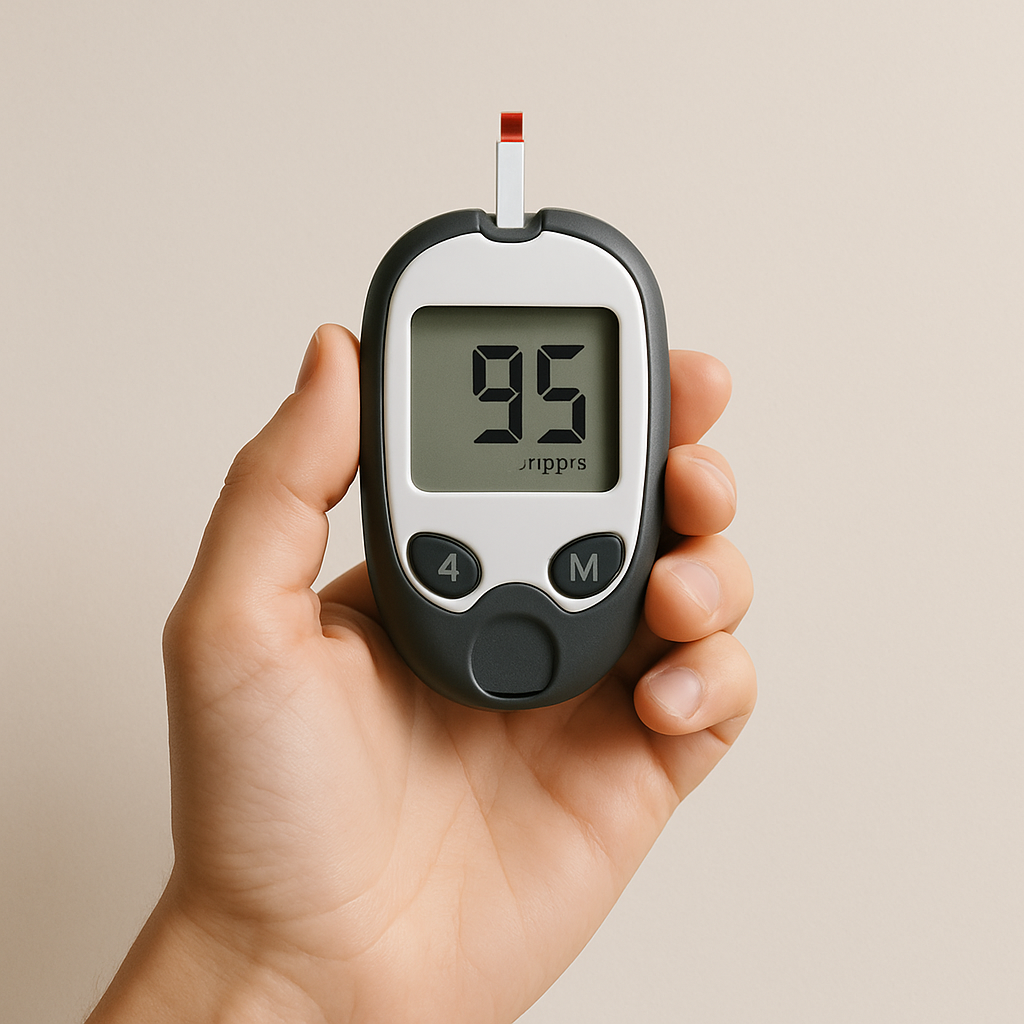
Integrating metabolic biomarkers into daily health practices involves regular monitoring and lifestyle adjustments based on the results. Individuals can track their biomarkers through routine blood tests conducted by healthcare providers or through at-home testing kits that measure glucose or ketones.
Daily integration of practices that support healthy metabolic function may include:
- Maintaining a balanced diet rich in whole foods, including fruits, vegetables, lean proteins, and healthy fats.
- Engaging in regular physical activity to enhance insulin sensitivity and metabolic rate.
- Monitoring stress levels and ensuring adequate sleep, both of which significantly impact metabolism.
Common pitfalls include over-reliance on single biomarkers without considering the overall metabolic profile and lifestyle factors. It is essential to work alongside healthcare professionals to interpret results accurately and make informed decisions.
Relevant Biomarkers & Tracking
Key metabolic biomarkers include:
- Glucose: A primary energy source that indicates how well the body manages sugar.
- Insulin: A hormone that regulates glucose levels and is crucial for energy metabolism.
- Lipid Profile: Includes measurements of cholesterol and triglycerides to assess cardiovascular risk.
- HbA1c: A measure of average blood glucose levels over time, indicating long-term glucose control.
- Ketones: Byproducts of fat metabolism, useful for those following ketogenic diets.
Tracking these biomarkers can provide insights into individual metabolic health and inform necessary lifestyle adjustments.
Body Systems Supported
Metabolic biomarkers support multiple body systems, including:
- Endocrine System: Hormones like insulin and cortisol play vital roles in metabolism.
- Cardiovascular System: Lipid profiles and glucose levels are crucial for heart health.
- Digestive System: Metabolism is closely linked to how well nutrients are absorbed and utilized.
- Nervous System: Glucose is a primary energy source for brain function.
Common Goals
Individuals monitoring their metabolic biomarkers often aim to:
- Maintain healthy blood sugar levels to prevent diabetes.
- Optimize body composition through balanced macronutrient intake.
- Reduce cardiovascular risk by managing lipid levels.
- Enhance overall metabolic function for improved energy and vitality.
Safety, Contraindications & Edge Cases
While tracking metabolic biomarkers is generally safe, it is essential to consider individual health conditions. Individuals with diabetes should closely monitor their glucose levels and insulin use to avoid hypoglycemia. Furthermore, those with existing heart conditions should consult healthcare providers before making significant dietary or lifestyle changes based on lipid profiles.
Edge cases may include rare metabolic disorders that require specialized testing and management. Consulting with healthcare professionals for personalized guidance based on specific health needs is crucial.
Pairs Well With
Metabolic biomarkers can be complemented by practices from various wellness traditions, including:
- Ayurveda: Emphasizes personalized nutrition and lifestyle practices based on individual constitution.
- Traditional Chinese Medicine: Focuses on balance through diet, herbs, and acupuncture to support metabolic functions.
- Intermittent Fasting: A modern approach that aligns with ancient practices for optimizing metabolic health.
FAQs (5)
- What are metabolic biomarkers? Metabolic biomarkers are indicators that reflect the metabolic processes in the body, often measured in blood, urine, or saliva.
- How can I track my metabolic biomarkers? You can track metabolic biomarkers through routine blood tests or at-home testing kits for glucose and ketones.
- Are there risks associated with monitoring metabolic biomarkers? Generally, monitoring is safe, but individuals with specific health conditions should consult healthcare professionals for guidance.
- What lifestyle changes can improve metabolic health? A balanced diet, regular exercise, stress management, and adequate sleep are key factors in improving metabolic health.
- Can metabolic biomarkers predict health outcomes? While they provide valuable insights, their predictive value can vary based on individual circumstances and should be interpreted in context.
Frequently asked
What are metabolic biomarkers?
Metabolic biomarkers are indicators that reflect the metabolic processes in the body, often measured in blood, urine, or saliva.
How can I track my metabolic biomarkers?
You can track metabolic biomarkers through routine blood tests or at-home testing kits for glucose and ketones.
Are there risks associated with monitoring metabolic biomarkers?
Generally, monitoring is safe, but individuals with specific health conditions should consult healthcare professionals for guidance.
What lifestyle changes can improve metabolic health?
A balanced diet, regular exercise, stress management, and adequate sleep are key factors in improving metabolic health.
Can metabolic biomarkers predict health outcomes?
While they provide valuable insights, their predictive value can vary based on individual circumstances and should be interpreted in context.