Fat Loss
Delve into fat loss strategies, mechanisms, and evidence-based practices to enhance metabolic health.
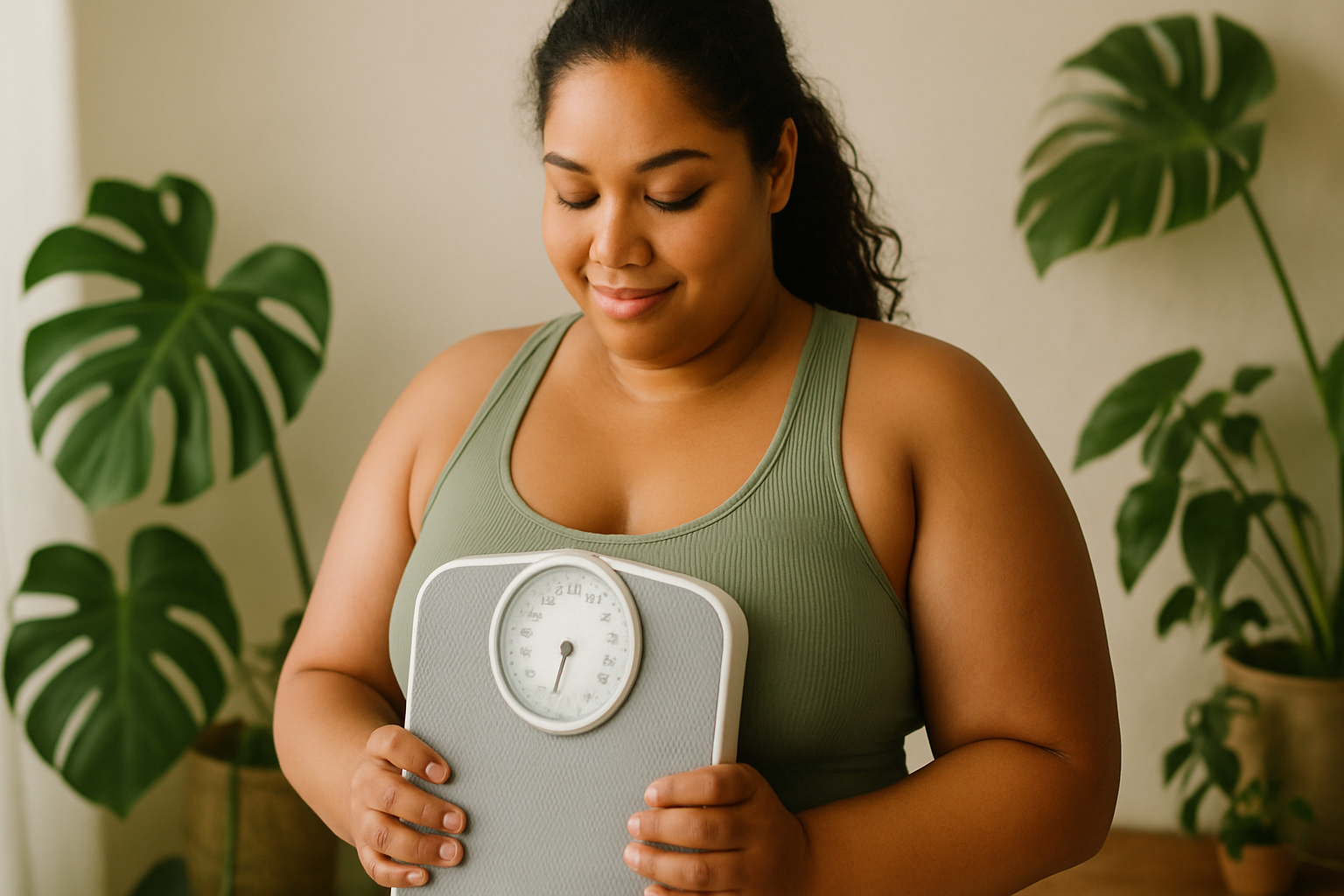
Explore the multifaceted approach to fat loss within the realm of metabolic health, focusing on evidence, practical strategies, and safety considerations.
What It Is
Fat loss refers to the process of reducing body fat percentage through a combination of dietary, exercise, and lifestyle interventions. It is an essential aspect of metabolic health, impacting overall well-being, energy levels, and disease risk. While the term often implies weight loss, fat loss specifically targets the reduction of adipose tissue while ideally preserving lean muscle mass.
In the context of modern wellness, fat loss is not merely about aesthetics; it is about achieving a healthier body composition that supports metabolic processes. This approach emphasizes sustainable practices that promote fat oxidation, enhance insulin sensitivity, and improve overall metabolic function.
Mechanism / How It Works
The mechanisms of fat loss involve a complex interplay of hormonal regulation, energy balance, and metabolic adaptations. Primarily, fat loss occurs when energy expenditure exceeds energy intake, creating a caloric deficit. This deficit prompts the body to utilize stored fat as a source of energy.
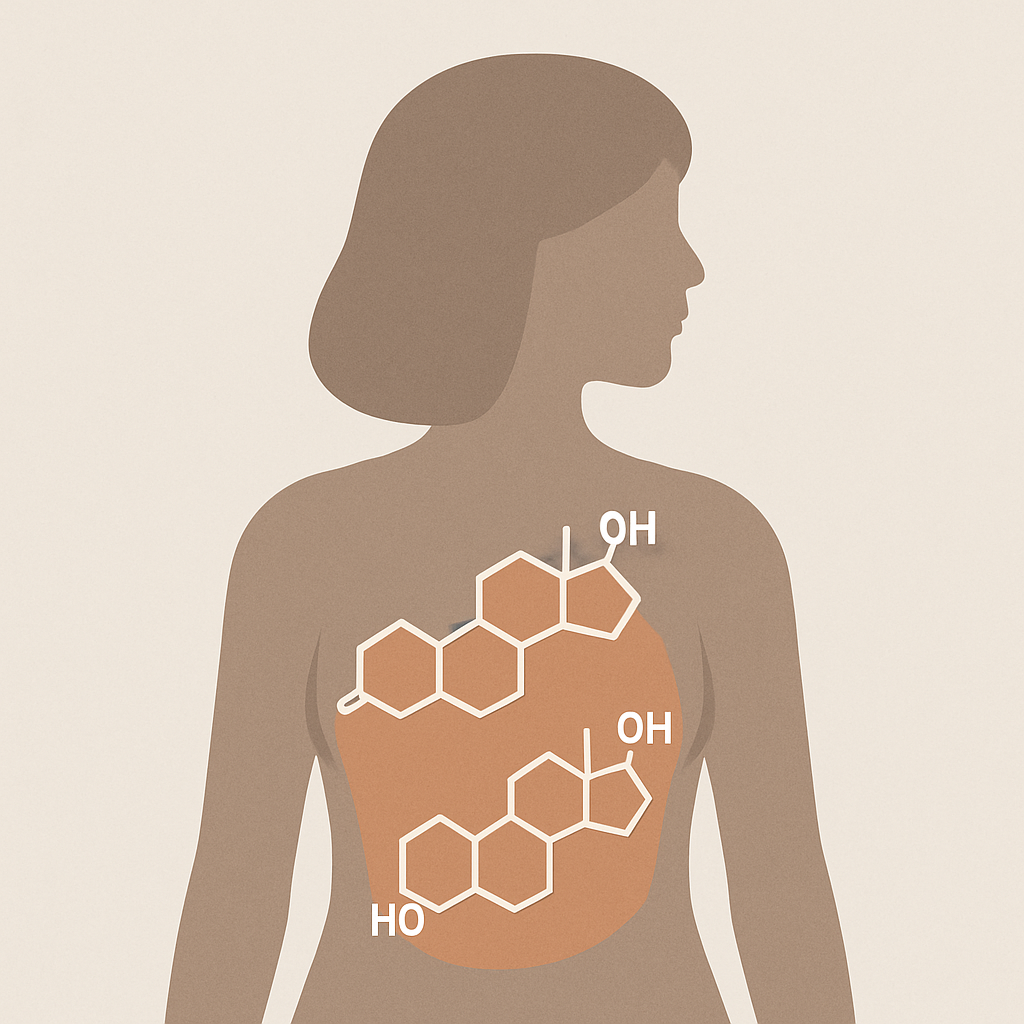
Key hormones such as insulin, glucagon, and cortisol also play significant roles in fat metabolism. Insulin, for example, promotes fat storage, while glucagon facilitates fat breakdown. Moreover, factors like physical activity, sleep, and stress levels can influence these hormonal responses, thereby affecting fat loss outcomes.
Evidence Summary
The body of evidence surrounding fat loss is extensive, encompassing various studies and clinical trials. Research indicates that caloric restriction, combined with physical activity, is effective for fat loss in both overweight and obese populations. However, results can vary widely based on individual factors such as genetics, age, and metabolic health.
While many dietary approaches, such as low-carb and intermittent fasting, have shown promise in promoting fat loss, the long-term sustainability of these methods remains a topic of discussion. Conflicting evidence exists regarding the effectiveness of specific diets, highlighting the need for personalized strategies rather than one-size-fits-all solutions.
Practical Application
For effective fat loss, individuals can implement several practical strategies:
- Caloric Deficit: Aim to consume fewer calories than expended through a balanced diet.
- Regular Physical Activity: Incorporate both aerobic and strength training exercises to enhance fat oxidation and preserve muscle mass.
- Mindful Eating: Focus on portion control and the quality of food choices to support metabolic health.
- Hydration: Maintain adequate water intake, as hydration plays a crucial role in metabolic processes.
Common pitfalls include relying solely on fad diets, neglecting physical activity, and setting unrealistic goals. Sustainable fat loss requires consistency and a holistic approach that considers lifestyle factors.
Relevant Biomarkers & Tracking
To monitor progress in fat loss, various biomarkers and tracking methods can be utilized:
- Body Composition Analysis: Techniques such as DEXA scans or bioelectrical impedance can assess fat mass versus lean mass.
- Waist Circumference: A practical measurement that indicates central obesity and metabolic risk.
- Blood Lipid Profiles: Tracking cholesterol and triglyceride levels can reflect changes in metabolic health.
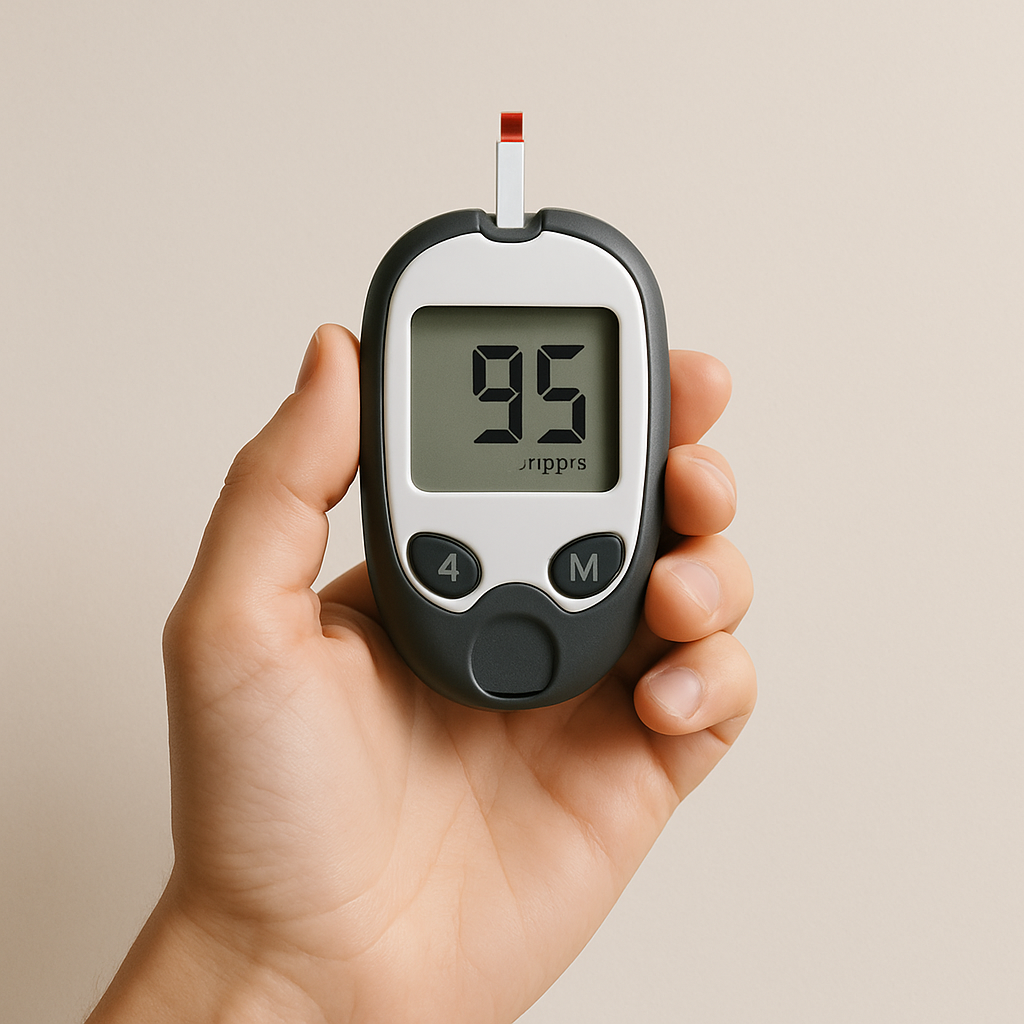
- Insulin Sensitivity Tests: Evaluating insulin response can provide insights into metabolic function.
Body Systems Supported
Fat loss positively influences several body systems, including:
- Endocrine System: Improved hormone regulation, particularly insulin and leptin.
- Cardiovascular System: Reduced risk of heart disease and improved blood pressure.
- Musculoskeletal System: Enhanced physical performance and reduced joint strain.
- Immune System: Better immune function through reduced inflammation associated with excess body fat.
Common Goals
Individuals pursuing fat loss often have various goals, such as:
- Improving body composition and aesthetics.
- Enhancing athletic performance.
- Reducing the risk of chronic diseases, such as diabetes and heart disease.
- Boosting energy levels and overall well-being.
Safety, Contraindications & Edge Cases
While fat loss can benefit many individuals, certain safety considerations and contraindications exist:
- Individuals with a history of eating disorders should approach fat loss with caution and seek professional guidance.
- Those with underlying health conditions, such as diabetes or hormonal imbalances, should consult healthcare providers before making significant dietary or lifestyle changes.
- Extreme caloric restrictions can lead to nutrient deficiencies and metabolic slowdown, highlighting the importance of balanced, sustainable approaches.
Pairs Well With
Fat loss strategies can be complemented by practices from both ancient and natural wellness traditions:
- Mindfulness and Meditation: These practices can improve stress management and emotional eating.
- Herbal Supplements: Certain herbs, like green tea extract and garcinia cambogia, may support fat metabolism.
- Traditional Physical Practices: Incorporating yoga or tai chi can enhance physical fitness and mental clarity.
FAQs (5)
Here are some frequently asked questions regarding fat loss:
- Q: What is the best diet for fat loss?
A: There is no one-size-fits-all diet; the best approach is one that is sustainable and fits individual needs. - Q: How quickly can I expect to lose fat?
A: Safe fat loss typically occurs at a rate of 1-2 pounds per week. - Q: Is strength training important for fat loss?
A: Yes, it helps preserve muscle mass while promoting fat loss. - Q: Can I lose fat without exercise?
A: While dietary changes can promote fat loss, combining them with physical activity enhances results. - Q: Are fat-burning supplements effective?
A: Many supplements lack strong evidence; focusing on diet and exercise is more effective for sustainable fat loss.
Frequently asked
What is the best diet for fat loss?
There is no one-size-fits-all diet; the best approach is one that is sustainable and fits individual needs.
How quickly can I expect to lose fat?
Safe fat loss typically occurs at a rate of 1-2 pounds per week.
Is strength training important for fat loss?
Yes, it helps preserve muscle mass while promoting fat loss.
Can I lose fat without exercise?
While dietary changes can promote fat loss, combining them with physical activity enhances results.
Are fat-burning supplements effective?
Many supplements lack strong evidence; focusing on diet and exercise is more effective for sustainable fat loss.