Metabolic Flexibility
Learn about metabolic flexibility, its mechanisms, evidence, practical applications, and how to support it for better metabolic health.

Explore the concept of metabolic flexibility, its mechanisms, evidence, practical applications, and how it supports overall metabolic health.
What It Is
Metabolic flexibility refers to the body's ability to adapt its metabolism based on the availability of different energy sources. In simpler terms, it is the capacity to switch between burning carbohydrates and fats for fuel, depending on dietary intake, physical activity, and energy demands. This adaptability is crucial for maintaining metabolic health and optimizing energy use.
Individuals with high metabolic flexibility can efficiently transition between these energy sources, thereby enhancing their performance during physical activities and improving overall health. Conversely, low metabolic flexibility is often associated with metabolic disorders, including obesity, insulin resistance, and type 2 diabetes.
Mechanism / How It Works
The mechanism behind metabolic flexibility involves various hormonal signals, enzymes, and cellular pathways that dictate how the body utilizes energy. When carbohydrates are abundant in the diet, insulin is released from the pancreas, promoting glucose uptake and storage. Conversely, during fasting or low-carbohydrate intake, glucagon levels rise, stimulating fat mobilization and oxidation.
Key factors influencing metabolic flexibility include mitochondrial function, the presence of certain enzymes, and the health of the insulin signaling pathways. Enhanced mitochondrial biogenesis and function allow cells to effectively burn both fats and carbohydrates, thereby improving metabolic flexibility.
Evidence Summary
The research surrounding metabolic flexibility is still evolving. Preliminary studies indicate a strong correlation between metabolic flexibility and overall metabolic health. Clinical studies show that individuals with good metabolic flexibility exhibit better insulin sensitivity and lower inflammation levels.
However, conflicting evidence exists regarding the best dietary approaches to enhance metabolic flexibility. Some studies promote low-carbohydrate, high-fat diets, while others emphasize the importance of carbohydrate intake. More research is needed to define optimal dietary patterns and their effects on metabolic flexibility across different populations.
Practical Application
To foster metabolic flexibility, individuals can adopt various protocols and daily practices. These include:
- Incorporating varied macronutrient sources in the diet, including healthy fats, lean proteins, and complex carbohydrates.
- Engaging in regular physical activity, particularly high-intensity interval training (HIIT) and resistance training, to enhance mitochondrial function.
- Practicing intermittent fasting or time-restricted eating to improve the body’s ability to switch between fuel sources.
Common pitfalls include overly restrictive diets that may limit the intake of necessary nutrients and not allowing the body adequate time to adapt to dietary changes. It is crucial to listen to one's body and make gradual adjustments to ensure sustainability.
Relevant Biomarkers & Tracking
Tracking metabolic flexibility can involve monitoring several biomarkers, including:
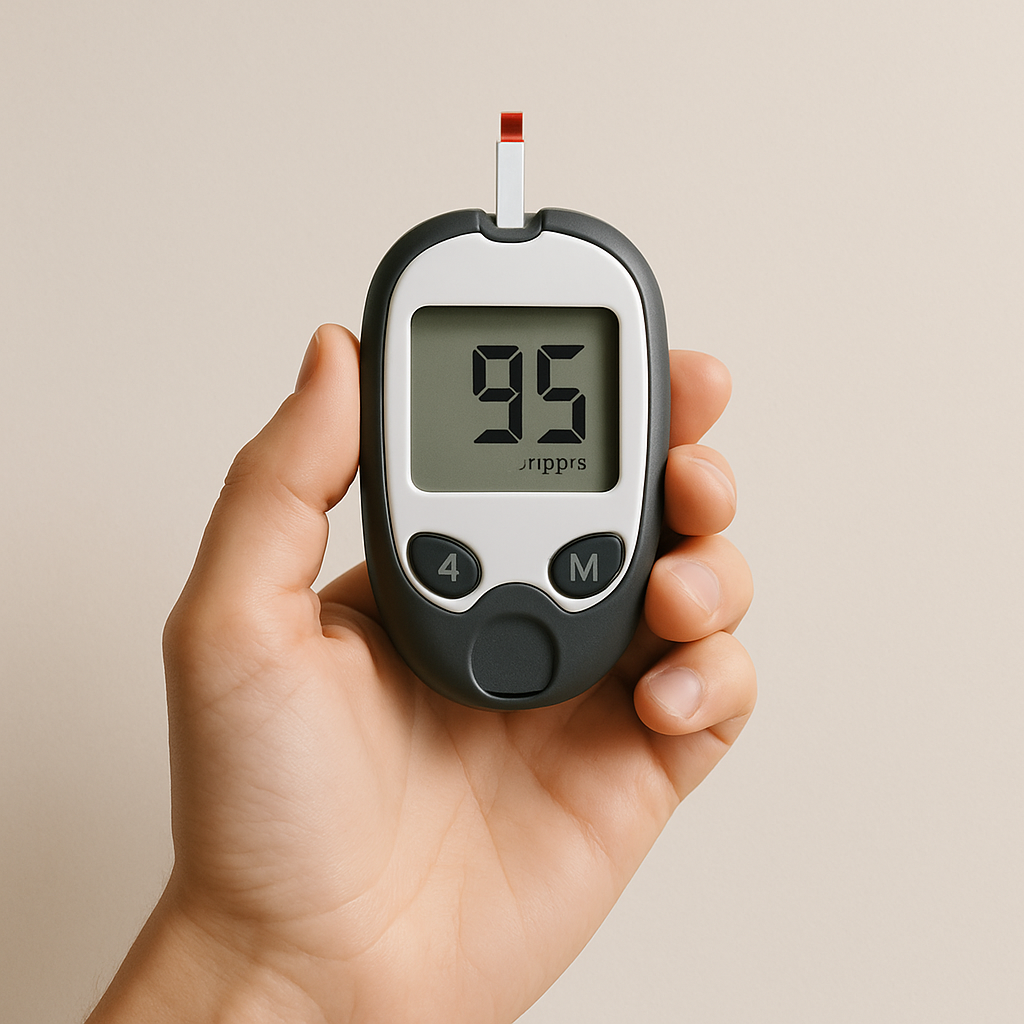
- Blood glucose levels, which can indicate how well the body responds to carbohydrate intake.
- Insulin sensitivity, often assessed through glucose tolerance tests.
- Ketone levels, which indicate fat metabolism during low-carbohydrate or fasting periods.
- Lipids and fatty acid profiles, providing insight into fat oxidation rates.
Body Systems Supported
Metabolic flexibility supports various body systems, including:
- The endocrine system, particularly the pancreas and its hormone regulation.
- The musculoskeletal system, as efficient energy utilization enhances performance and recovery.
- The cardiovascular system, through improved lipid profiles and reduced inflammation.
Common Goals
Individuals aiming to improve metabolic flexibility often pursue several key goals:
- Enhancing energy levels and performance during physical activities.
- Improving body composition by reducing fat mass while preserving lean muscle.
- Better managing blood sugar levels and reducing the risk of metabolic diseases.
- Boosting overall health and longevity through improved metabolic function.
Safety, Contraindications & Edge Cases
While enhancing metabolic flexibility is generally safe for most individuals, certain contraindications exist. People with specific medical conditions, such as diabetes or metabolic syndrome, should consult healthcare professionals before making significant dietary or lifestyle changes. Additionally, those with a history of eating disorders or nutritional deficiencies may need tailored approaches to avoid potential risks.
Pairs Well With
Metabolic flexibility pairs well with various ancient and natural practices, such as:
- Traditional fasting practices found in many cultures, which can help reset metabolic pathways.
- A diet rich in whole, unprocessed foods that align with ancestral eating patterns.
- Mindfulness practices like yoga and meditation, which can enhance overall metabolic health by reducing stress and promoting hormonal balance.
FAQs (5)
- What is the best diet to improve metabolic flexibility? A balanced diet that includes healthy fats, lean proteins, and complex carbohydrates, alongside regular physical activity, is typically recommended.
- How can I test my metabolic flexibility at home? Monitoring your blood glucose levels after meals can provide insights into your metabolic flexibility.
- Is metabolic flexibility the same as metabolic rate? No, metabolic flexibility refers to how well the body can switch between fuel sources, while metabolic rate refers to the speed at which the body burns calories.
- Can I improve metabolic flexibility with exercise alone? While exercise is crucial, dietary choices also play a significant role in enhancing metabolic flexibility.
- Are there any supplements that can help with metabolic flexibility? Some research suggests that certain supplements, like omega-3 fatty acids and magnesium, may support metabolic health but should be used in conjunction with a balanced diet.
Frequently asked
What is the best diet to improve metabolic flexibility?
A balanced diet that includes healthy fats, lean proteins, and complex carbohydrates, alongside regular physical activity, is typically recommended.
How can I test my metabolic flexibility at home?
Monitoring your blood glucose levels after meals can provide insights into your metabolic flexibility.
Is metabolic flexibility the same as metabolic rate?
No, metabolic flexibility refers to how well the body can switch between fuel sources, while metabolic rate refers to the speed at which the body burns calories.
Can I improve metabolic flexibility with exercise alone?
While exercise is crucial, dietary choices also play a significant role in enhancing metabolic flexibility.
Are there any supplements that can help with metabolic flexibility?
Some research suggests that certain supplements, like omega-3 fatty acids and magnesium, may support metabolic health but should be used in conjunction with a balanced diet.