Nutritional Metabolism
Delve into nutritional metabolism, its mechanisms, evidence, and how to effectively incorporate it into daily life for improved metabolic health.

Explore the intricate world of nutritional metabolism within metabolic health, emphasizing its significance, mechanisms, and practical applications.
What It Is
Nutritional metabolism refers to the biochemical processes that convert food into energy and building blocks for the body. This complex system involves the digestion, absorption, and utilization of nutrients from the food we consume. It encompasses various metabolic pathways that transform carbohydrates, proteins, fats, vitamins, and minerals into energy and essential compounds necessary for growth, repair, and maintenance of bodily functions.
The process of nutritional metabolism is crucial for maintaining overall health and wellness. It not only influences energy levels and physical performance but also impacts hormonal balance, immune function, and even mental health. A well-functioning metabolic system ensures that the body efficiently processes nutrients, avoiding excess fat accumulation and promoting optimal health outcomes.
Mechanism / How It Works
The mechanisms of nutritional metabolism involve a series of enzymatic reactions that occur in different organs, primarily the digestive system, liver, and muscle tissues. When food is ingested, it undergoes mechanical and chemical digestion, breaking down macronutrients into their simplest forms: sugars, amino acids, and fatty acids.
Once absorbed into the bloodstream, these nutrients are transported to various cells throughout the body. Here, they can be utilized immediately for energy through pathways like glycolysis and the citric acid cycle or stored for later use. For instance, excess glucose can be converted into glycogen in the liver and muscles or transformed into fat for long-term energy storage. Hormones such as insulin and glucagon play vital roles in regulating these metabolic pathways, ensuring that energy is available when needed and stored when in excess.
Evidence Summary
The field of nutritional metabolism is supported by a robust body of research, although there are areas where evidence remains preliminary or conflicting. Numerous studies demonstrate the importance of macronutrient composition in diet and its effects on metabolic health outcomes. For instance, research indicates that a balanced intake of carbohydrates, proteins, and fats is essential for maintaining energy homeostasis and preventing metabolic disorders.
However, some studies have shown conflicting results regarding specific diets, such as low-carb versus low-fat diets, making it difficult to establish a one-size-fits-all approach. Additionally, individual variations in metabolism due to genetics, age, and lifestyle factors complicate the interpretation of findings. Overall, while the foundational principles of nutritional metabolism are well established, ongoing research continues to explore the nuances and complexities of dietary impacts on metabolic health.
Practical Application
Incorporating nutritional metabolism principles into daily life involves understanding macronutrient needs and making informed dietary choices. A balanced diet rich in whole foods—such as fruits, vegetables, whole grains, lean proteins, and healthy fats—supports metabolic function. Meal timing and portion control can also play significant roles in optimizing metabolism.
Common pitfalls include relying heavily on processed foods, which can lead to imbalances in nutrient intake and negative metabolic outcomes. Additionally, skipping meals or following overly restrictive diets can disrupt metabolic processes. To effectively integrate nutritional metabolism practices, individuals should strive for a balanced approach, focusing on nutrient-dense foods and regular meal patterns.
Relevant Biomarkers & Tracking
Monitoring certain biomarkers can provide insights into nutritional metabolism and overall metabolic health. Key biomarkers include:
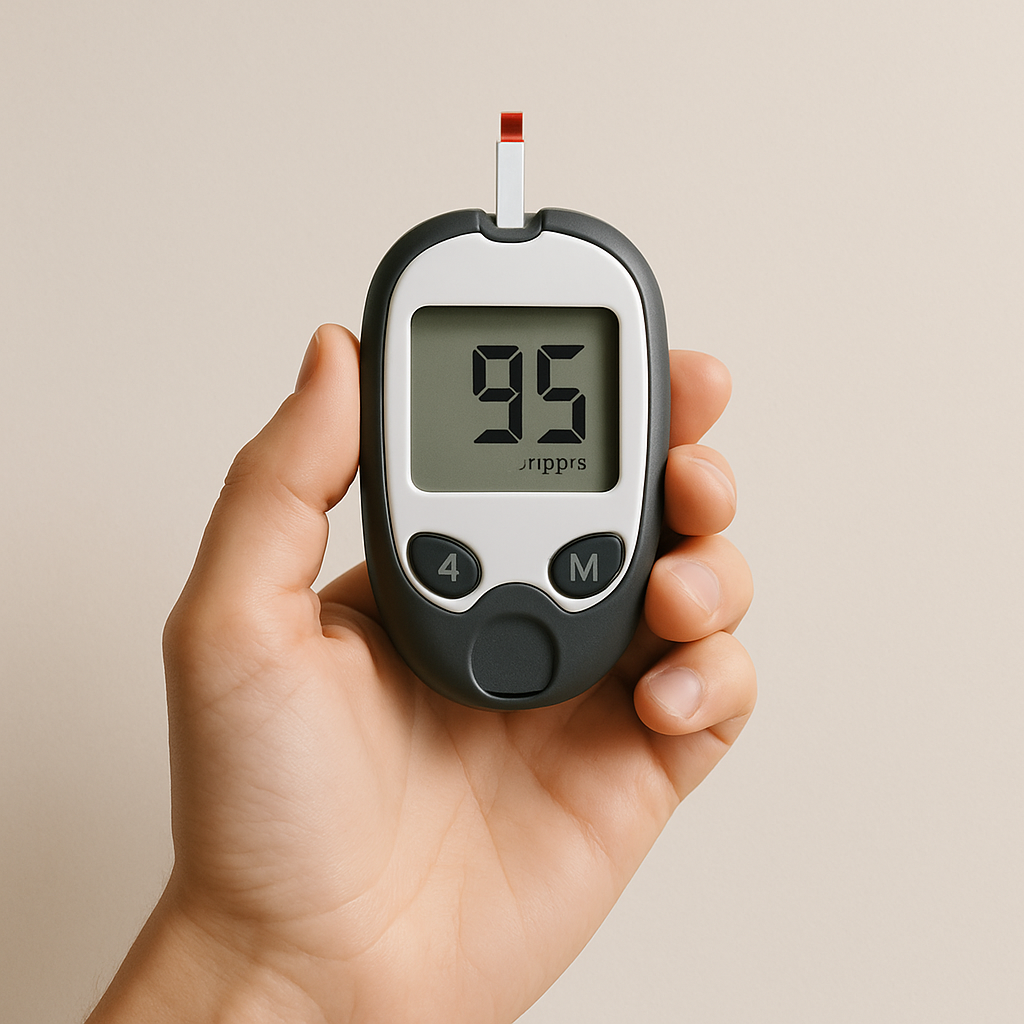
- Blood glucose levels: Indicates how well the body manages carbohydrate metabolism.
- Lipid profile: Assesses levels of cholesterol and triglycerides related to fat metabolism.
- Body mass index (BMI): Helps gauge weight relative to height and assess body composition.
- Hemoglobin A1c: Reflects average blood sugar levels over time, important for long-term metabolic health.
- Insulin sensitivity: Evaluates how effectively the body responds to insulin.
Tracking these markers can help individuals make informed dietary and lifestyle choices that support optimal metabolic function.
Body Systems Supported
Nutritional metabolism plays a vital role in supporting various body systems, including:
- Endocrine system: Regulates hormones that control metabolism and energy balance.
- Digestive system: Breaks down food and absorbs nutrients essential for metabolic processes.
- Muscular system: Utilizes energy derived from nutrients for muscle contraction and repair.
- Immune system: Relies on proper nutrition to support immune function and response.
Common Goals
Individuals focusing on nutritional metabolism may have several common health goals, such as:
- Improving energy levels and stamina.
- Achieving and maintaining a healthy weight.
- Enhancing athletic performance.
- Supporting overall metabolic health and preventing disorders such as diabetes.
- Balancing blood sugar levels and improving insulin sensitivity.
Safety, Contraindications & Edge Cases
While nutritional metabolism is generally safe when approached with a balanced diet, certain edge cases and contraindications exist. Individuals with specific metabolic disorders, such as phenylketonuria (PKU) or diabetes, may require tailored dietary plans to manage their conditions effectively. Additionally, those following certain restrictive diets should be cautious to avoid nutrient deficiencies.
It is essential to consult healthcare professionals or registered dietitians before making significant dietary changes, especially for individuals with existing health conditions or those taking medications that may interact with dietary components.
Pairs Well With
Nutritional metabolism can be complemented by various practices and principles from ancient or natural counterparts, including:
- Mindful eating: Encourages awareness of food choices and portion sizes, enhancing metabolic outcomes.
- Traditional dietary practices: Such as the Mediterranean diet, which emphasizes whole foods and balanced nutrient intake.
- Herbal remedies: Certain herbs like cinnamon and berberine may support metabolic health and insulin sensitivity.
FAQs (5)
What is the role of protein in nutritional metabolism? Protein is essential for building and repairing tissues, producing enzymes and hormones, and supporting metabolic processes.
How can I improve my metabolic rate? Increasing physical activity, eating enough protein, and ensuring adequate hydration can help boost metabolic rate.
Are there any specific foods that enhance metabolic function? Foods rich in fiber, protein, and healthy fats, such as nuts, seeds, legumes, and lean meats, can support metabolic function.
Can nutritional metabolism affect mental health? Yes, proper nutrition is linked to brain health, and imbalances can influence mood and cognitive function.
Should I take supplements to support my metabolism? While some supplements may help, it is best to prioritize a balanced diet and consult a healthcare professional before starting any supplementation.
Frequently asked
What is the role of protein in nutritional metabolism?
Protein is essential for building and repairing tissues, producing enzymes and hormones, and supporting metabolic processes.
How can I improve my metabolic rate?
Increasing physical activity, eating enough protein, and ensuring adequate hydration can help boost metabolic rate.
Are there any specific foods that enhance metabolic function?
Foods rich in fiber, protein, and healthy fats, such as nuts, seeds, legumes, and lean meats, can support metabolic function.
Can nutritional metabolism affect mental health?
Yes, proper nutrition is linked to brain health, and imbalances can influence mood and cognitive function.
Should I take supplements to support my metabolism?
While some supplements may help, it is best to prioritize a balanced diet and consult a healthcare professional before starting any supplementation.