Topical Oils
Learn about topical oils, their benefits, and safety considerations. Discover how to incorporate these oils into your health regimen.
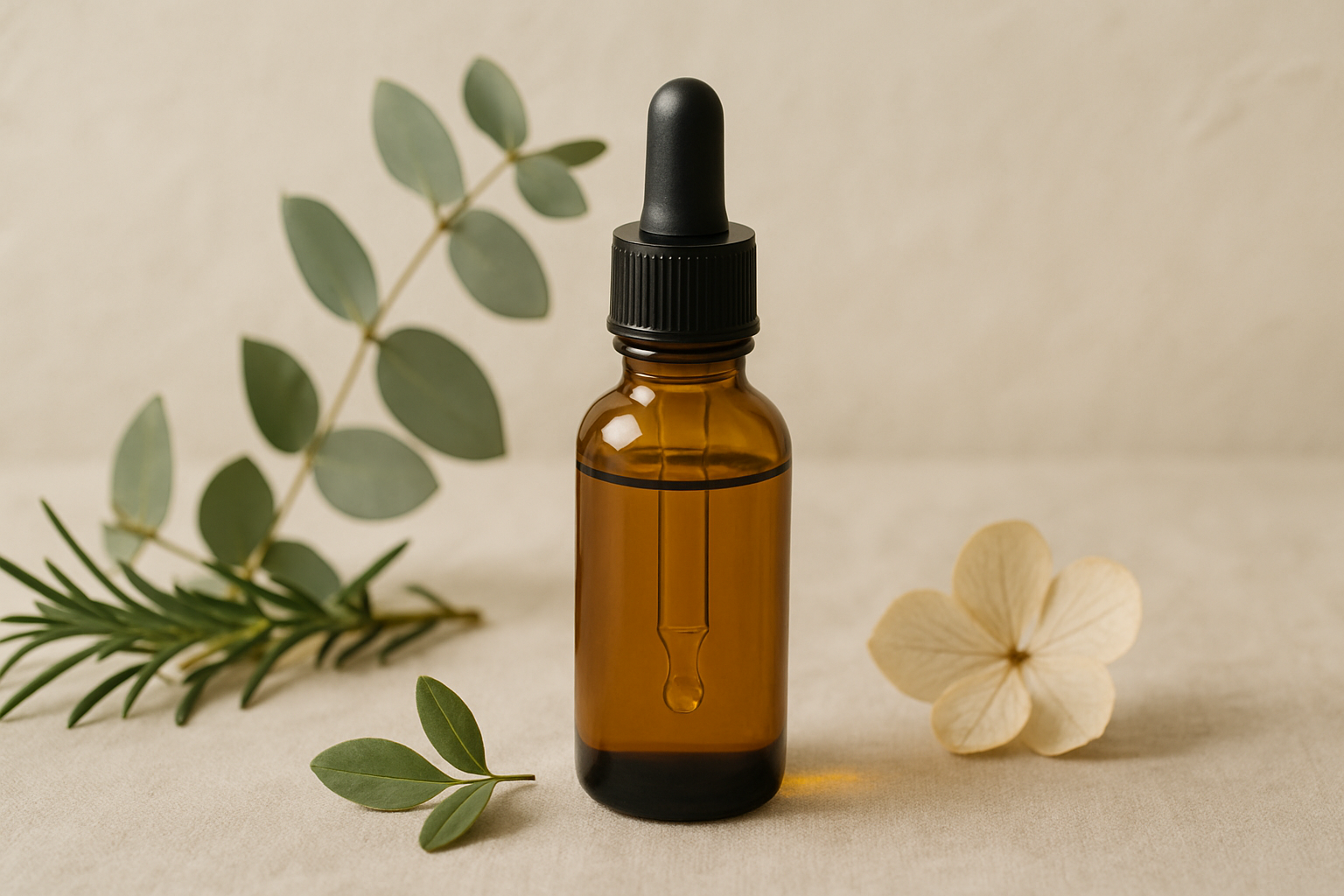
Explore the world of topical oils, their active compounds, traditional uses, modern research, and safety guidelines. Discover how these natural remedies can support various body systems and enhance your wellness routine.
What It Is
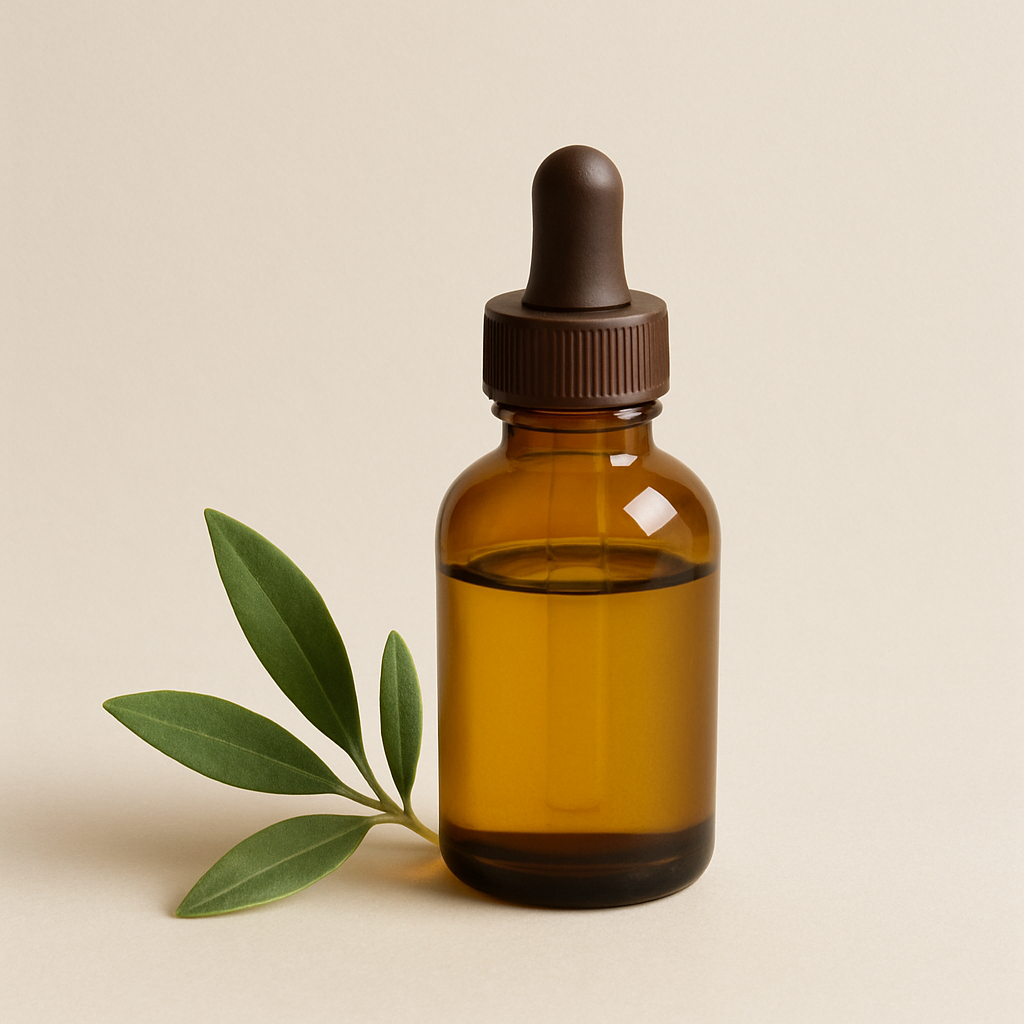
Topical oils are concentrated extracts from various plants, typically used for their aromatic and therapeutic properties. These oils are applied directly to the skin, where they can be absorbed for targeted relief or rejuvenation. Common examples include lavender oil (Lavandula angustifolia), tea tree oil (Melaleuca alternifolia), and peppermint oil (Mentha piperita). Each oil possesses unique properties that contribute to its efficacy in natural remedies.
Key Active Compounds & Mechanisms
Topical oils contain a variety of active compounds, including:
- Terpenes: These organic compounds contribute to the fragrance and therapeutic properties of the oils. For example, limonene in lemon oil is known for its uplifting effects.
- Esters: Found in oils like lavender, esters are responsible for calming and soothing effects.
- Phenols: Present in oils such as oregano, phenols have antiseptic properties.
- Alcohols: Compounds like linalool in lavender oil can promote relaxation.
The mechanisms by which these compounds work include anti-inflammatory, antimicrobial, and analgesic effects, making them valuable in managing various conditions.
Traditional Uses
Throughout history, topical oils have been utilized in various cultures for their healing properties. For instance:
- Egyptians: Used oils like myrrh (Commiphora myrrha) for embalming and as a fragrance, recognizing its antiseptic qualities.
- Chinese Medicine: Employed essential oils in acupuncture and healing practices, utilizing their therapeutic effects for balance and harmony.
- Aromatherapy: In Western practices, oils have been diffused or applied to the skin for relaxation and emotional well-being since the 20th century.
These historical applications highlight the long-standing relationship between humans and plant-based remedies.
What Modern Research Suggests
Recent studies have begun to explore the efficacy of topical oils, revealing promising results:
- Lavender oil has shown potential in reducing anxiety and improving sleep quality.
- Tea tree oil has demonstrated antimicrobial activity against various pathogens, supporting its use in skincare.
- Peppermint oil has been researched for its ability to relieve headaches and muscle pain.
While these findings are encouraging, more research is needed to fully understand the breadth of benefits and mechanisms involved.
Functional Actions
Topical oils can serve multiple functional roles, including:
- Anti-inflammatory: Many oils help reduce inflammation and swelling.
- Antimicrobial: Certain oils possess properties that help combat bacteria, fungi, and viruses.
- Pain relief: Oils like eucalyptus and peppermint can provide soothing sensations that alleviate discomfort.
- Relaxation: Aromatic oils, particularly those with calming scents, can promote a sense of peace and tranquility.
Body Systems Supported
Topical oils can benefit various body systems, including:
- Integumentary System: They can improve skin health and address conditions like acne and eczema.
- Nervous System: Certain oils can help reduce stress and improve mental clarity.
- Musculoskeletal System: Oils can assist in relieving muscle tension and joint pain.
Common Forms & Educational Dosing Ranges
Topical oils are available in several forms, including:
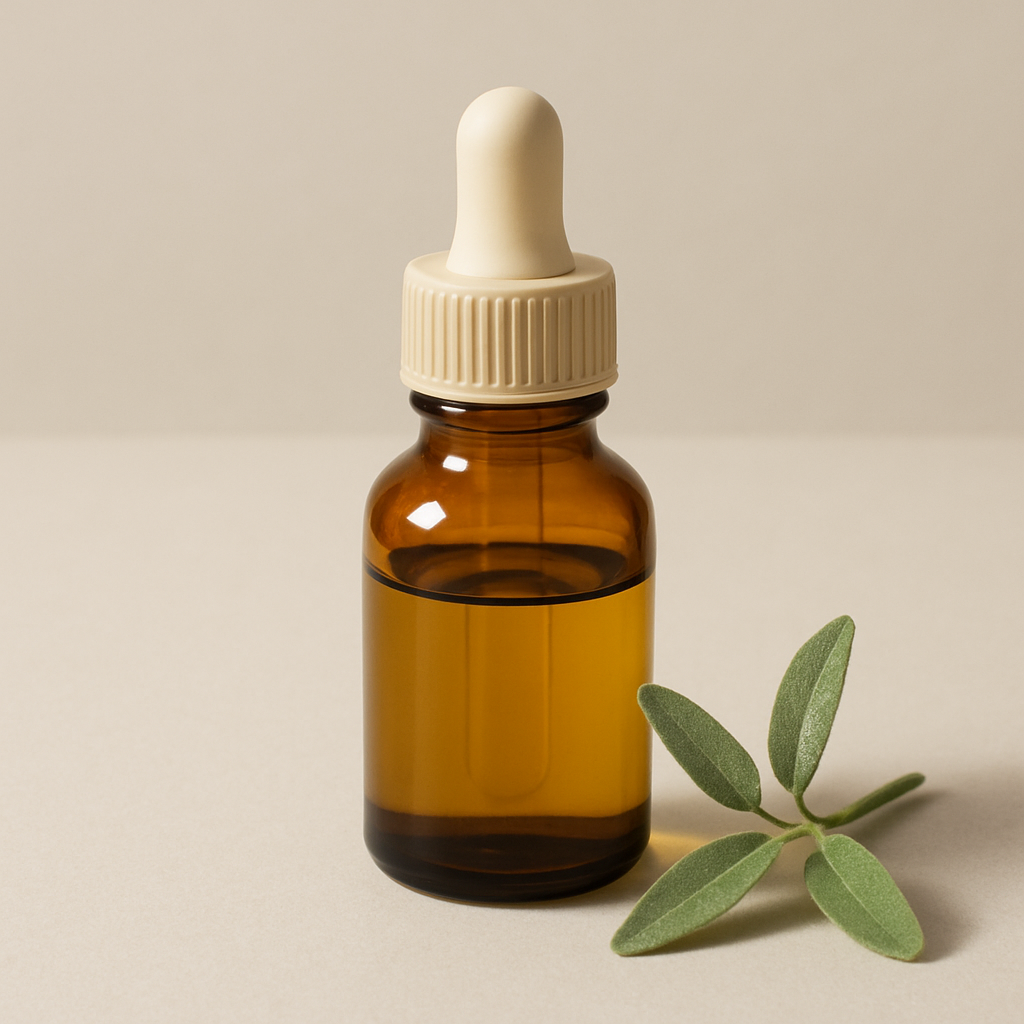
- Pure Essential Oils: Highly concentrated and should be diluted with a carrier oil (such as coconut or jojoba oil) before application. A common dilution is 2-5% essential oil in a carrier.
- Blended Oils: Pre-formulated mixtures designed for specific uses, often ready for topical application.
- Roll-ons: Convenient applicators pre-diluted for easy use.
It's essential to follow guidelines for dilution and application to ensure safety and effectiveness.
Safety, Contraindications & Interactions
While topical oils are generally safe, there are important considerations:
- Always perform a patch test to check for allergies before widespread use.
- Some oils can cause skin irritation if applied undiluted.
- Pregnant or breastfeeding individuals should consult a healthcare provider before use.
- Avoid oils that may interact with medications, such as anticoagulants (e.g., warfarin) and certain antidepressants.
Pairs Well With
Topical oils can enhance their effects when combined with:
- Carrier Oils: Such as sweet almond oil or olive oil, which help dilute the potency of essential oils.
- Other Essential Oils: Blending complementary oils can create synergistic effects, like combining lavender and chamomile for relaxation.
- Herbal Remedies: Integrating oils with herbal supplements can enhance overall wellness.
FAQs
- Can I use topical oils directly on my skin?
It is recommended to dilute essential oils with a carrier oil to avoid irritation. - How should I store topical oils?
Keep oils in a cool, dark place to maintain their potency. - Are topical oils safe for children?
Some oils can be used safely, but it is best to consult a healthcare provider for guidance. - How often can I apply topical oils?
Application frequency can vary based on the oil and individual needs; generally, a few times a day is acceptable. - Can I use topical oils during pregnancy?
Consult with a healthcare professional before using any essential oils during pregnancy.
Frequently asked
Can I use topical oils directly on my skin?
It is recommended to dilute essential oils with a carrier oil to avoid irritation.
How should I store topical oils?
Keep oils in a cool, dark place to maintain their potency.
Are topical oils safe for children?
Some oils can be used safely, but it is best to consult a healthcare provider for guidance.
How often can I apply topical oils?
Application frequency can vary based on the oil and individual needs; generally, a few times a day is acceptable.
Can I use topical oils during pregnancy?
Consult with a healthcare professional before using any essential oils during pregnancy.