Skin Support Oils
Discover the world of skin support oils, their historical significance, active compounds, and how they can enhance your skin care routine.
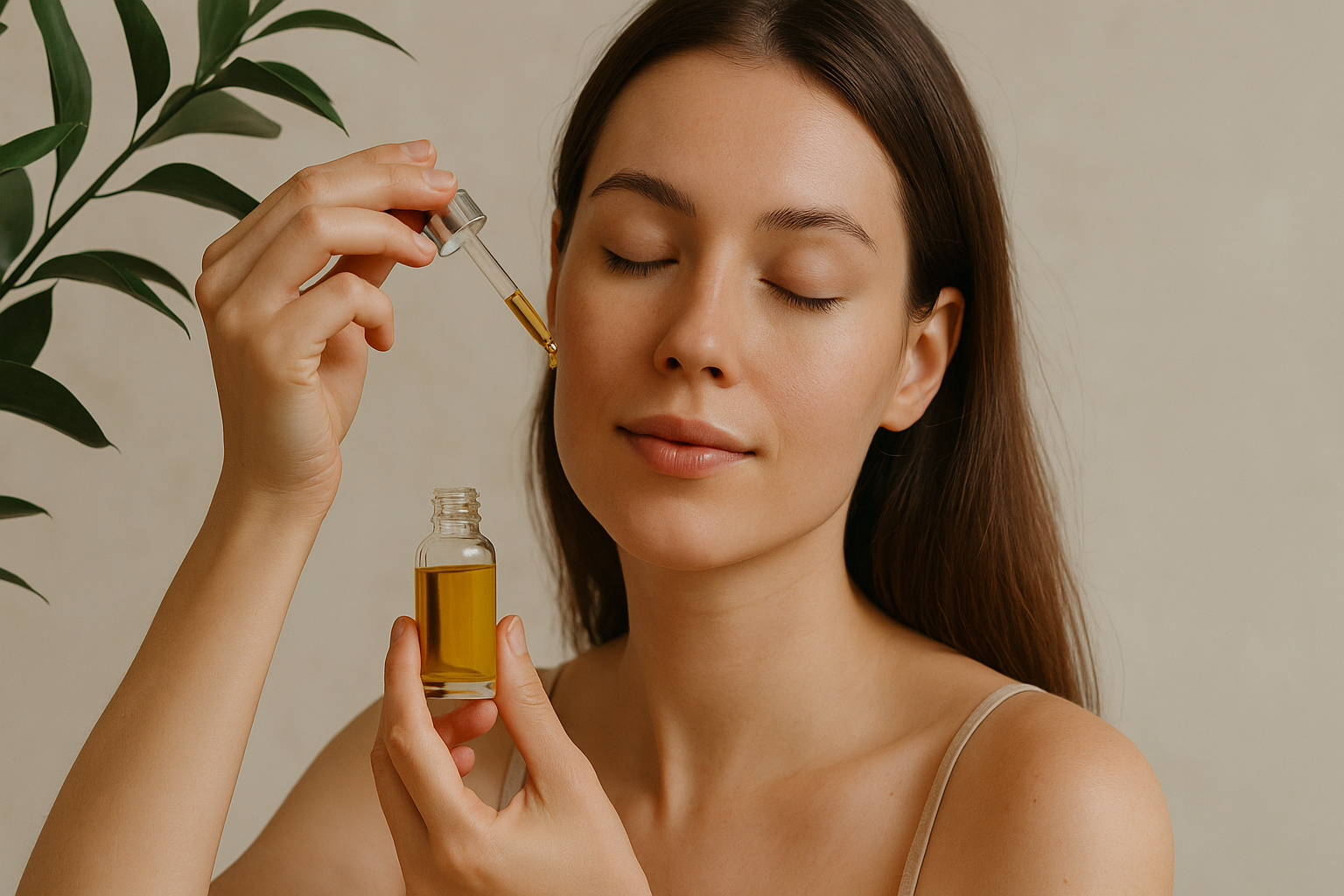
Explore the benefits of skin support oils, including their active compounds, traditional uses, and modern research insights, along with safety information and common pairings.
What It Is
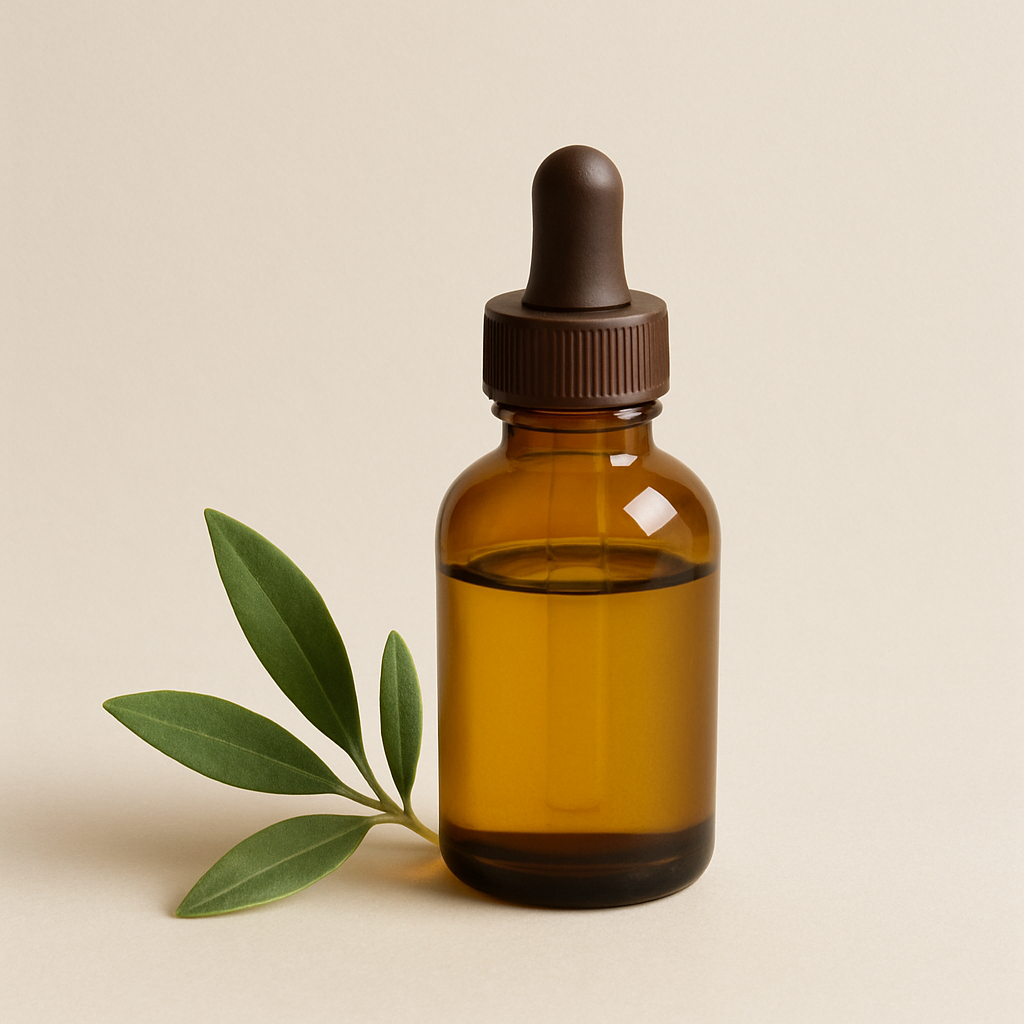
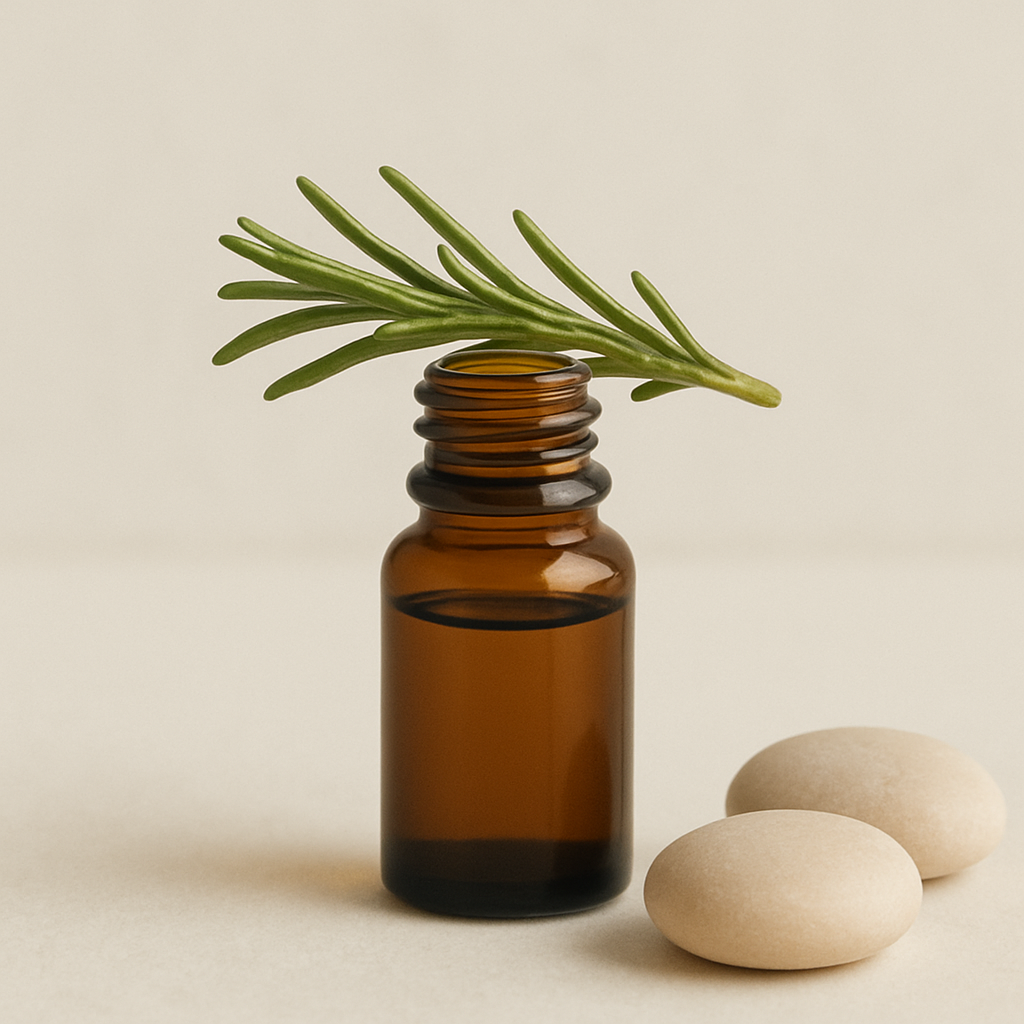
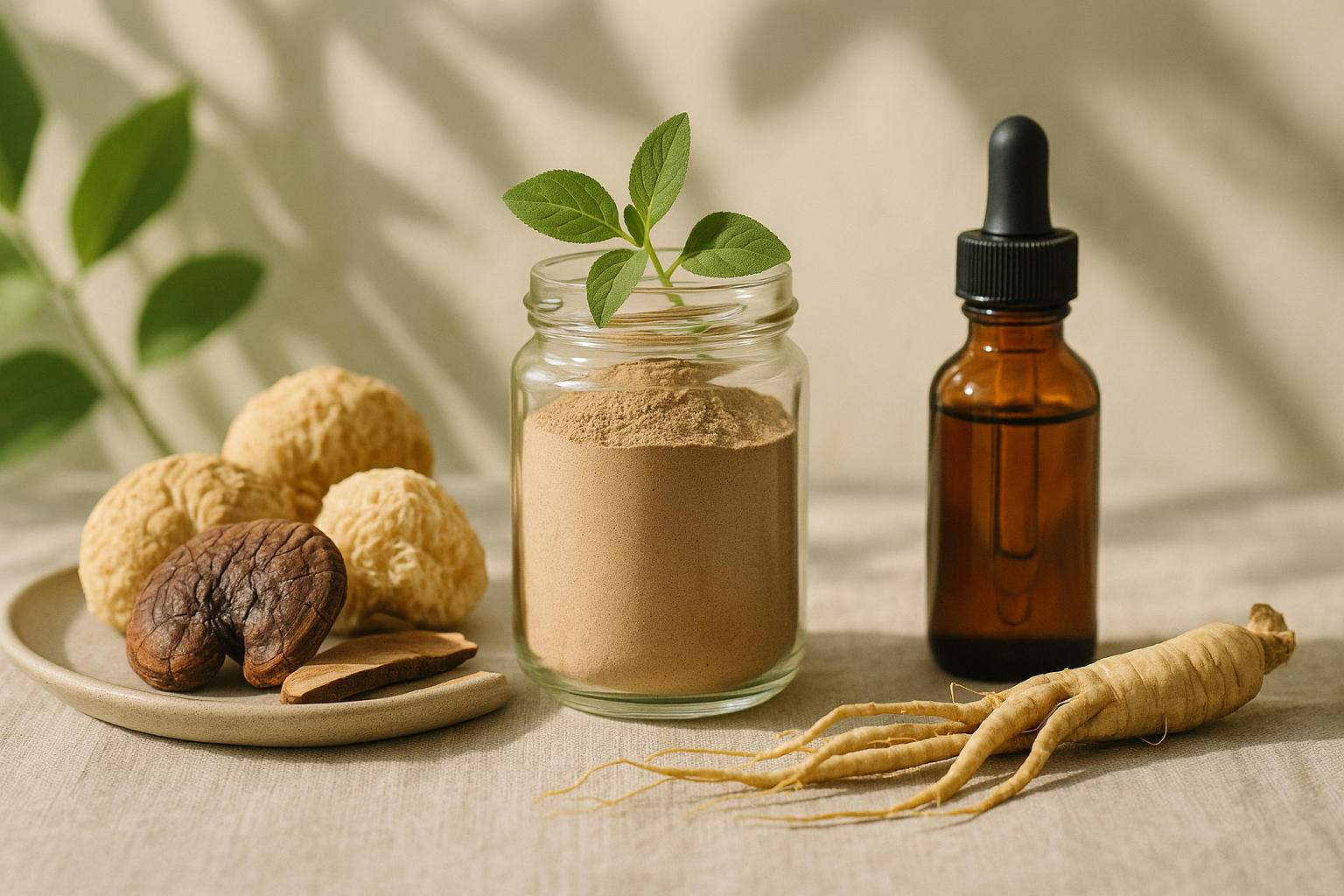
Skin support oils, commonly referred to as essential oils, are concentrated plant extracts known for their beneficial properties for skin health. These oils are derived from various parts of plants, including leaves, flowers, bark, and roots, and are typically extracted through methods such as steam distillation or cold pressing. Their complex chemical compositions contribute to their therapeutic effects, making them valuable in natural remedies for skin care.
Key Active Compounds & Mechanisms
Essential oils contain a variety of active compounds that contribute to their skin-supporting properties. Some of the key components include:
- Terpenes: These compounds provide anti-inflammatory and antimicrobial properties.
- Phenols: Known for their antioxidant abilities, phenols can help protect the skin from oxidative stress.
- Aldehydes: Often found in oils like lavender (Lavandula angustifolia), they are used for their calming and soothing effects on the skin.
- Esters: These compounds are known for their skin-regenerative properties and are often used in formulations for sensitive skin.
Together, these compounds work synergistically to promote skin health by reducing inflammation, combating bacteria, and supporting skin regeneration.
Traditional Uses
Throughout history, various cultures have utilized essential oils for skin care. In Ancient Egypt, oils such as myrrh (Commiphora myrrha) and frankincense (Boswellia spp.) were used in cosmetics and embalming processes, highlighting their significance in beauty and preservation. Traditional Chinese Medicine has also incorporated oils like tea tree (Melaleuca alternifolia) for its antiseptic properties. Native American herbalists have used oils derived from plants like juniper (Juniperus spp.) for skin ailments, showcasing a long-standing relationship between nature and skin health.
What Modern Research Suggests
Recent studies have begun to validate the historical uses of essential oils. For example, research has demonstrated that tea tree oil possesses potent antimicrobial properties, effectively combating acne-causing bacteria. Lavender oil has been shown to reduce inflammation and promote wound healing. However, while preliminary findings are promising, further clinical trials are necessary to fully understand the efficacy and safety of these oils for various skin conditions.
Functional Actions
Skin support oils offer a range of functional actions that contribute to overall skin health:
- Anti-inflammatory: They help reduce redness and swelling in the skin.
- Antimicrobial: Essential oils can inhibit the growth of bacteria and fungi.
- Antioxidant: They protect skin cells from damage caused by free radicals.
- Moisturizing: Certain oils help to hydrate and nourish the skin.
Body Systems Supported
Skin support oils primarily benefit the integumentary system, which includes the skin, hair, and nails. Additionally, their anti-inflammatory and antimicrobial properties can positively influence the immune system by helping to prevent infections and promote skin healing.
Common Forms & Educational Dosing Ranges
Skin support oils are available in various forms, including:
- Pure essential oils: Used in aromatherapy or diluted for topical application.
- Blended oils: Often formulated with carrier oils for safe skin application.
- Lotions and creams: Many commercial products incorporate essential oils for skin benefits.
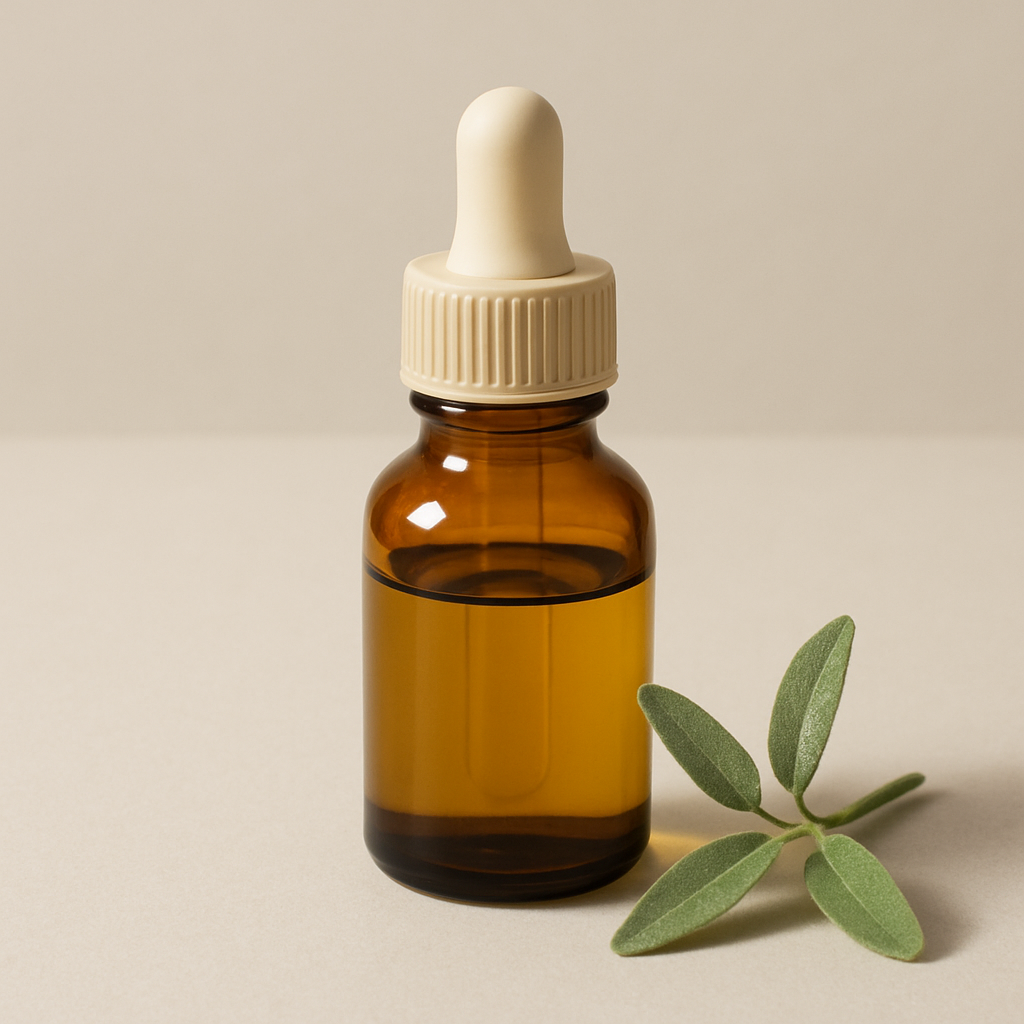
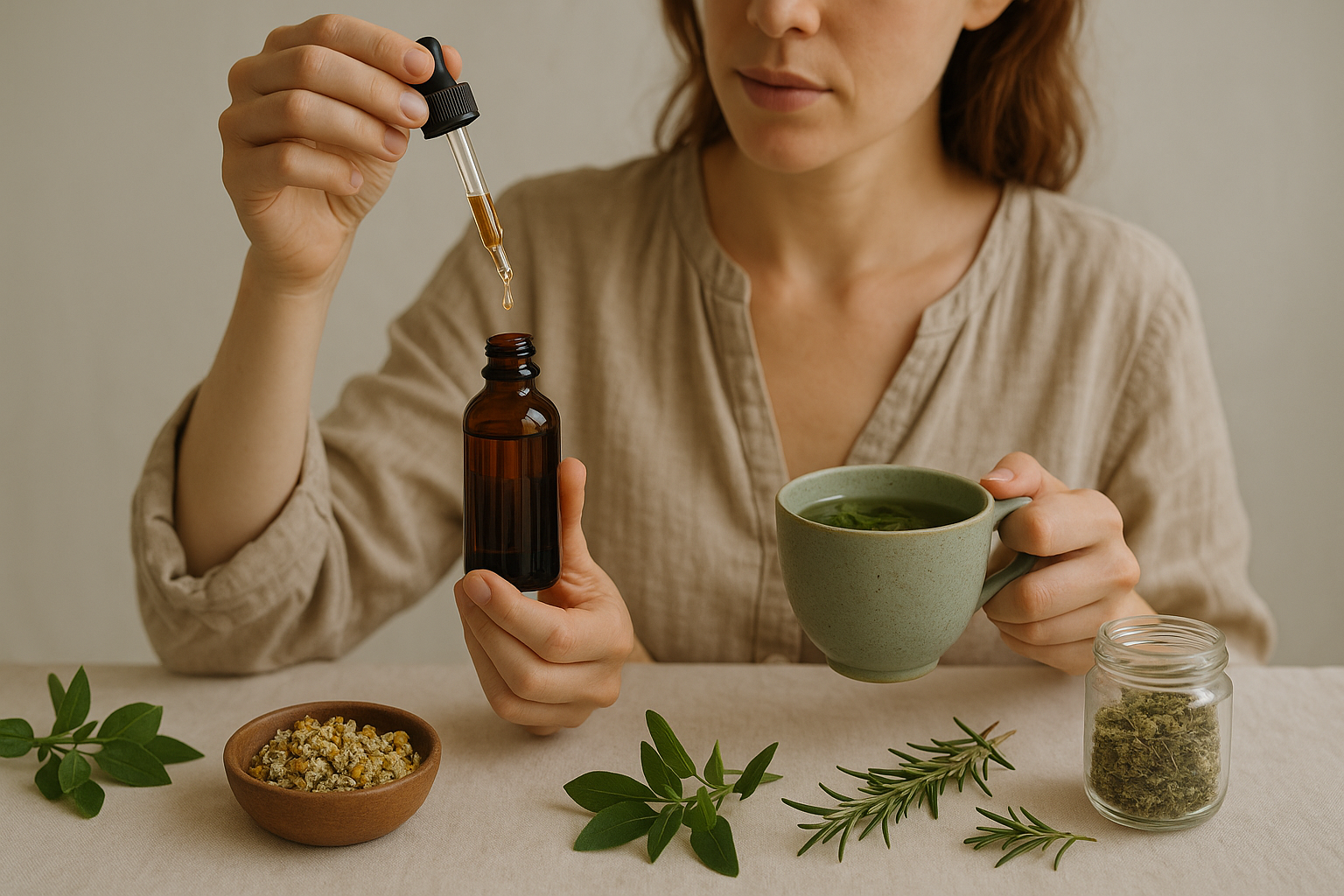
When using essential oils, it is essential to dilute them properly. A general guideline is to mix 1-2 drops of essential oil with a teaspoon of carrier oil for topical use.
Safety, Contraindications & Interactions
While essential oils are generally safe when used properly, there are important considerations:
- People with sensitive skin should conduct a patch test before using a new oil.
- Some oils may cause irritation or allergic reactions in certain individuals.
- Pregnant or nursing women should consult a healthcare provider before using essential oils.
- Specific medication classes, such as anticoagulants, may interact with certain essential oils.
Pairs Well With
To enhance the benefits of skin support oils, consider pairing them with:
- Carrier oils: Such as jojoba oil or coconut oil for safe application.
- Other essential oils: Like chamomile (Matricaria chamomilla) or geranium (Pelargonium graveolens) for synergistic effects.
- Natural extracts: Such as aloe vera for added soothing properties.
FAQs (5)
- What is the best essential oil for acne? Tea tree oil is widely recognized for its effectiveness against acne.
- Can essential oils be used directly on the skin? Essential oils should generally be diluted with a carrier oil before topical application.
- How do I choose the right essential oil for my skin type? Consider your skin type and concerns; for example, lavender oil is calming for sensitive skin, while tea tree oil is beneficial for oily skin.
- Are there any side effects of using essential oils? Some individuals may experience irritation or allergic reactions; it's advisable to perform a patch test first.
- Can essential oils help with dry skin? Yes, certain oils, like lavender and geranium, can help hydrate and restore dry skin.
Frequently asked
What is the best essential oil for acne?
Tea tree oil is widely recognized for its effectiveness against acne.
Can essential oils be used directly on the skin?
Essential oils should generally be diluted with a carrier oil before topical application.
How do I choose the right essential oil for my skin type?
Consider your skin type and concerns; for example, lavender oil is calming for sensitive skin, while tea tree oil is beneficial for oily skin.
Are there any side effects of using essential oils?
Some individuals may experience irritation or allergic reactions; it's advisable to perform a patch test first.
Can essential oils help with dry skin?
Yes, certain oils, like lavender and geranium, can help hydrate and restore dry skin.