Herbal Infusions
Discover herbal infusions, their benefits, and how they can support your health naturally.
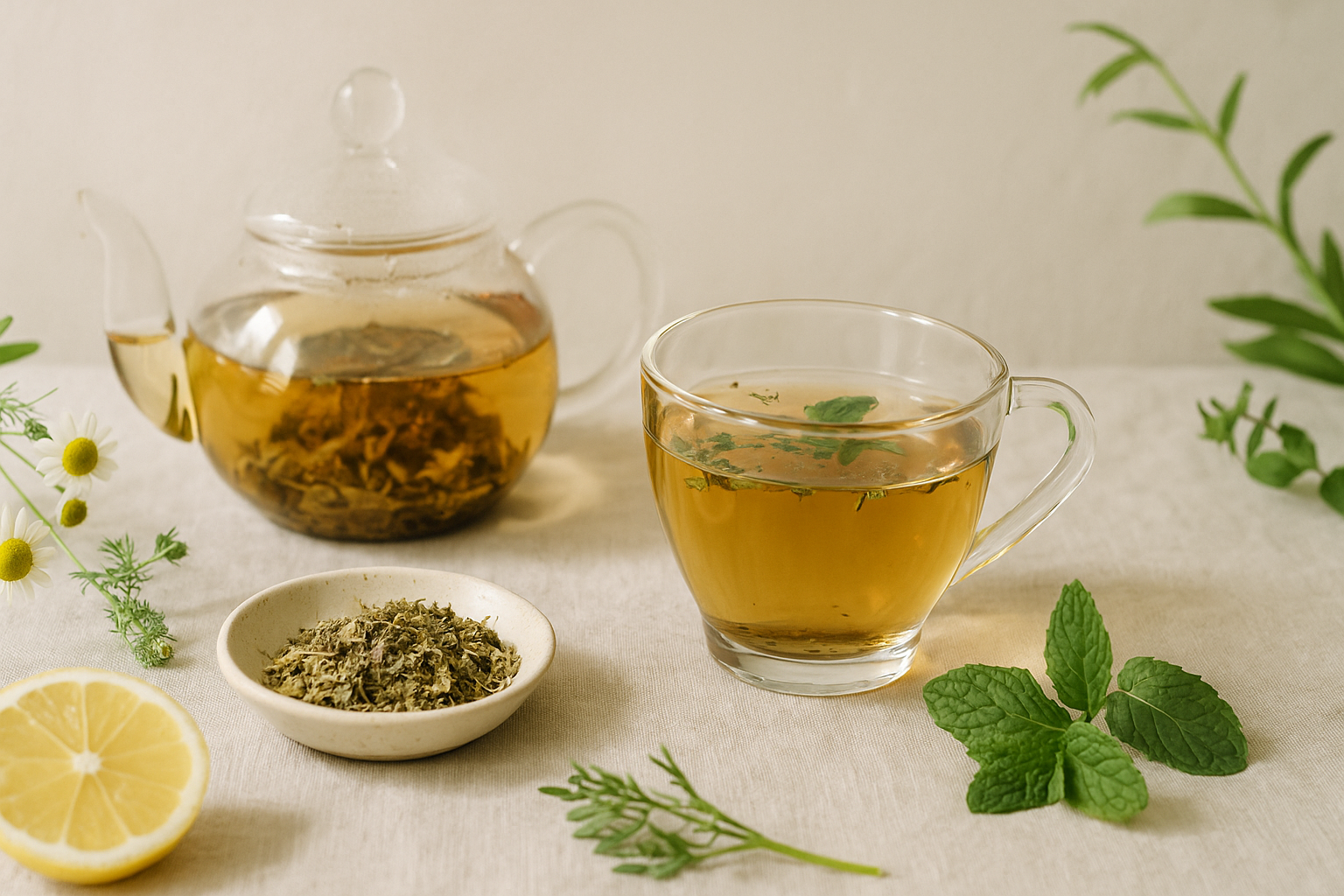
Explore the world of herbal infusions as a natural remedy, understanding their active compounds, traditional uses, and modern research findings.
What It Is
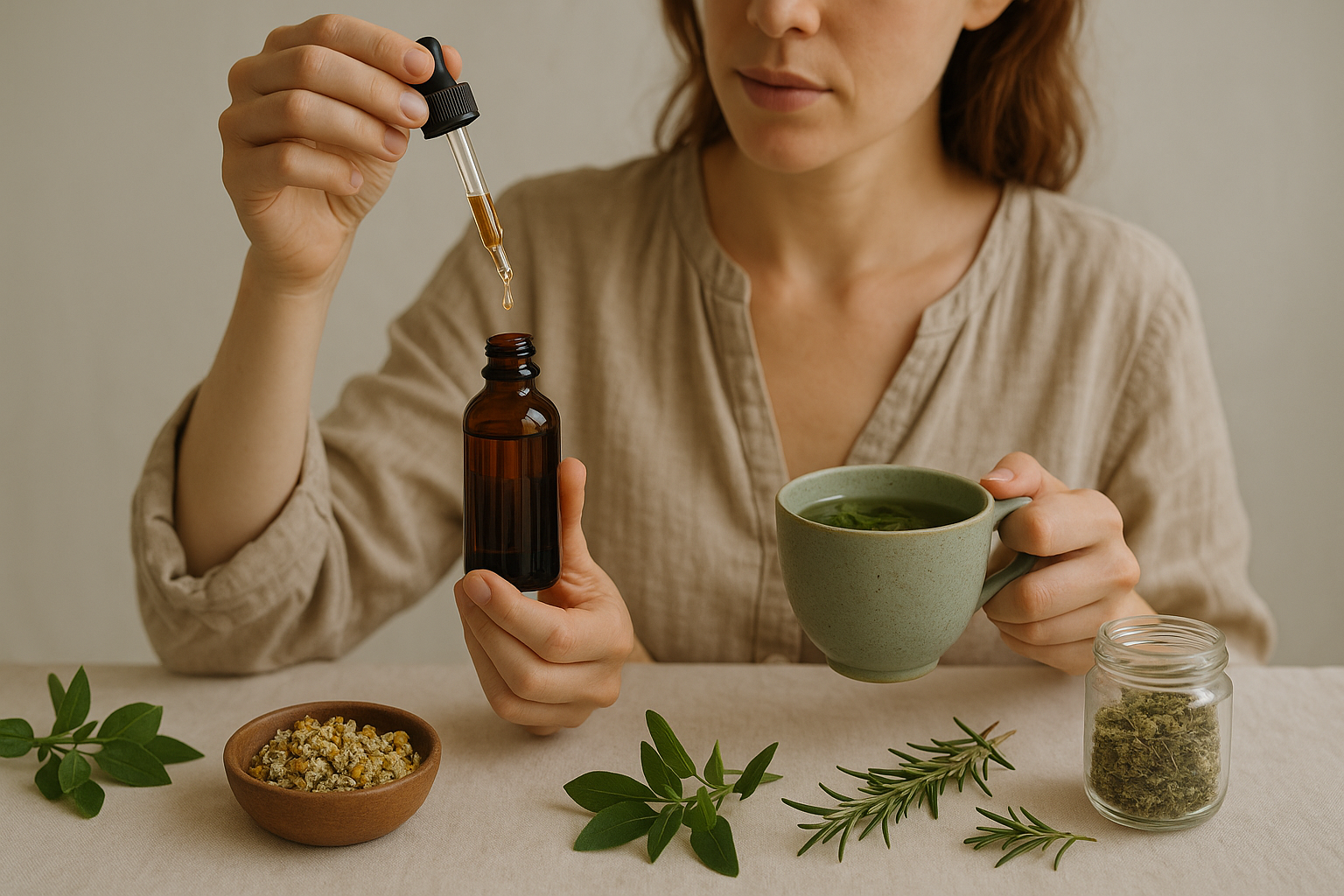
Herbal infusions are beverages made by steeping herbs, flowers, or other plant materials in hot water to extract their beneficial compounds. Unlike teas that primarily use the leaves of the Camellia sinensis (tea plant), herbal infusions can utilize a variety of plant parts, including roots, seeds, and flowers. Commonly prepared from dried or fresh herbs, herbal infusions are a popular method to harness the therapeutic properties of plants.
Key Active Compounds & Mechanisms
Herbal infusions can contain a wide array of bioactive compounds depending on the plants used. Some key active compounds include:
- Flavonoids: These are powerful antioxidants found in many herbs that may help reduce inflammation and support heart health.
- Alkaloids: Compounds that can have various effects on the nervous system, often providing calming or stimulating effects.
- Tannins: Found in many herbal infusions, these compounds may help with digestive health and possess astringent properties.
- Essential oils: Volatile compounds that provide aromatic qualities and may also contribute to the therapeutic effects of the infusion.
These compounds interact with the body's systems in various ways, contributing to the overall benefits of herbal infusions.
Traditional Uses
Herbal infusions have been utilized across cultures for centuries. Ancient Egyptians used chamomile (Matricaria chamomilla) for its calming effects, while traditional Chinese medicine has long incorporated ginseng (Panax ginseng) infusions to promote vitality and endurance. In Europe, herbal infusions made from nettle (Urtica dioica) were used for their nourishing properties. These historical practices emphasize the deep-rooted connection between herbal infusions and holistic health.
What Modern Research Suggests
While many traditional uses are anecdotal, modern research has begun to explore the potential benefits of herbal infusions. Studies have shown that certain herbs, like peppermint (Mentha piperita), may help with digestive issues, while others, such as lemon balm (Melissa officinalis), have been researched for their soothing effects on anxiety. However, it is essential to note that more rigorous scientific studies are needed to confirm these effects, and results can vary based on the plant source and preparation methods.
Functional Actions
Herbal infusions can offer a range of functional actions based on the herbs used. Common actions include:
- Calming and Sedative: Herbs like lavender (Lavandula angustifolia) and chamomile are known for their ability to promote relaxation.
- Digestive Support: Infusions made from ginger (Zingiber officinale) or peppermint can help alleviate digestive discomfort.
- Anti-inflammatory: Herbs such as turmeric (Curcuma longa) may help reduce inflammation in the body.
- Immune Support: Elderflower (Sambucus nigra) infusions are traditionally used to support the immune system.
Body Systems Supported
Herbal infusions can support various body systems, including:
- Nervous System: Calming herbs can help reduce stress and improve sleep quality.
- Digestive System: Many herbal infusions aid digestion and alleviate gastrointestinal discomfort.
- Immune System: Certain herbs can enhance immune function and provide protection against illness.
- Circulatory System: Infusions may support heart health and improve circulation.
Common Forms & Educational Dosing Ranges
Herbal infusions are typically consumed as teas, but they can also be made into concentrated extracts. Common dosing ranges for herbal infusions include:
- 1 to 3 teaspoons of dried herb per cup of boiling water, steeped for 5 to 15 minutes.
- For stronger effects, a double infusion (steeping twice) may be used.
- Fresh herbs can be used in larger quantities, such as 1 to 2 tablespoons per cup.
It is essential to tailor the dosage to individual tolerance and desired effects.
Safety, Contraindications & Interactions
While many herbal infusions are considered safe for general use, certain precautions should be taken:
- Some herbs may interact with medications such as anticoagulants or sedatives.
- Pregnant or breastfeeding individuals should consult healthcare providers before using certain herbs.
- Individuals with allergies should be cautious and perform a patch test with new herbs.
Common medication classes to be aware of include:
- Anticoagulants: Herbs like ginger and ginkgo may increase bleeding risk.
- Antidepressants: St. John's Wort (Hypericum perforatum) can interact with various antidepressant medications.
Pairs Well With
Herbal infusions can be enhanced by pairing them with complementary herbs or ingredients. Some popular combinations include:
- Chamomile and lavender for a calming infusion.
- Ginger and lemon for a refreshing digestive aid.
- Peppermint and fennel for soothing stomach discomfort.
- Elderflower and hibiscus for an immune-boosting drink.
FAQs (5)
- What is the difference between herbal infusions and herbal teas? Herbal infusions generally use a larger quantity of herbs and steep for longer than traditional herbal teas.
- Can I drink herbal infusions every day? Many herbal infusions can be consumed daily, but it is best to vary the herbs used and monitor for any adverse reactions.
- How should I store herbal infusions? Herbal infusions should be stored in a cool, dark place, preferably in an airtight container to maintain freshness.
- Are there any side effects of herbal infusions? Some individuals may experience allergic reactions or digestive upset, depending on the herbs used.
- Can I use fresh herbs for infusions? Yes, fresh herbs can be used and may provide a more potent flavor and aroma than dried herbs.
Frequently asked
What is the difference between herbal infusions and herbal teas?
Herbal infusions generally use a larger quantity of herbs and steep for longer than traditional herbal teas.
Can I drink herbal infusions every day?
Many herbal infusions can be consumed daily, but it is best to vary the herbs used and monitor for any adverse reactions.
How should I store herbal infusions?
Herbal infusions should be stored in a cool, dark place, preferably in an airtight container to maintain freshness.
Are there any side effects of herbal infusions?
Some individuals may experience allergic reactions or digestive upset, depending on the herbs used.
Can I use fresh herbs for infusions?
Yes, fresh herbs can be used and may provide a more potent flavor and aroma than dried herbs.