Relaxation Oils
Discover relaxation oils, their benefits, uses, and safety information in this comprehensive guide.
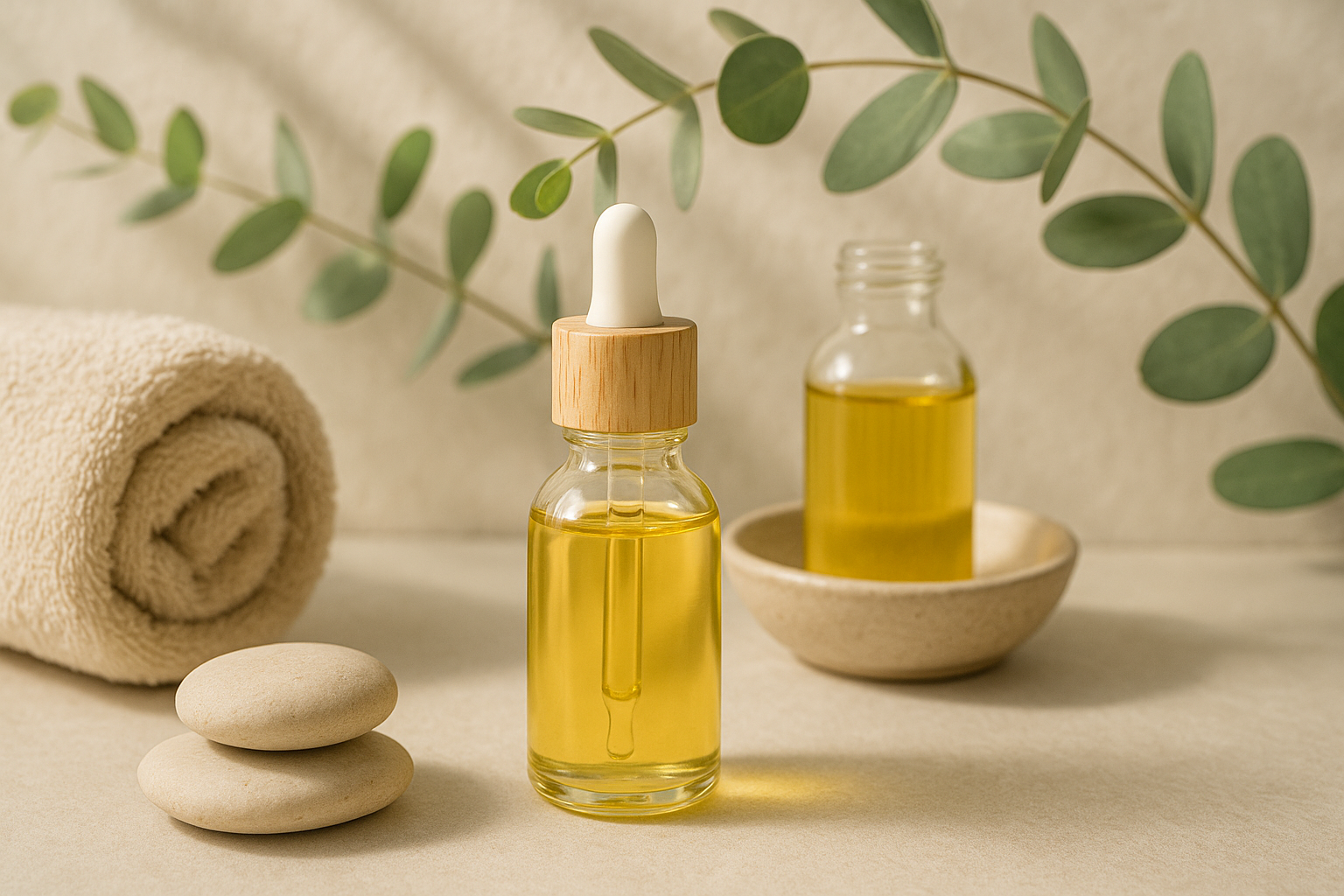
Explore the soothing world of relaxation oils, derived from essential oils known for their calming properties. Learn about their key compounds, traditional uses, modern research, and safety considerations.
What It Is
Relaxation oils are essential oils specifically chosen for their calming and soothing properties. These oils are derived from various plants and are believed to help reduce stress, anxiety, and promote a sense of tranquility. Common relaxation oils include lavender (Lavandula angustifolia), chamomile (Matricaria chamomilla), and bergamot (Citrus bergamia).
Key Active Compounds & Mechanisms
Relaxation oils contain various active compounds that contribute to their calming effects. Some key compounds include:
- Linalool: Found in lavender, linalool is known for its sedative effects and ability to reduce anxiety.
- Alpha-pinene: Present in many essential oils, this compound is believed to enhance mood and promote relaxation.
- Bisabolol: Commonly found in chamomile, bisabolol has anti-inflammatory and calming properties.
- Citral: Present in bergamot, citral can enhance mood and provide a sense of calm.
These compounds interact with the body's limbic system, influencing emotions and stress responses, which may lead to relaxation.
Traditional Uses
Historically, relaxation oils have been used in various cultures for their calming effects. Ancient Egyptians utilized essential oils in their rituals and for therapeutic purposes. In traditional Chinese medicine, oils like chamomile have been employed to promote relaxation and balance. Aromatherapy practices have incorporated these oils for centuries, highlighting their role in promoting mental and emotional well-being.
What Modern Research Suggests
Modern studies have begun to explore the effectiveness of relaxation oils. Research indicates that inhaling certain essential oils can reduce stress levels, lower heart rates, and improve mood. For example, a study found that lavender oil significantly decreased anxiety in participants before surgery. However, while preliminary evidence is promising, further research is needed to fully understand the mechanisms and efficacy of these oils.
Functional Actions
Relaxation oils are known for a variety of functional actions, including:
- Reducing stress and anxiety
- Promoting better sleep quality
- Enhancing mood and emotional balance
- Providing a sense of calm and relaxation
These actions are attributed to the oils' ability to influence the nervous system and hormonal balance.
Body Systems Supported
Relaxation oils primarily support the following body systems:
- Nervous System: By promoting relaxation and reducing stress.
- Endocrine System: By regulating stress hormones.
- Respiratory System: Many relaxation oils can promote deeper breathing and ease tension.
Common Forms & Educational Dosing Ranges
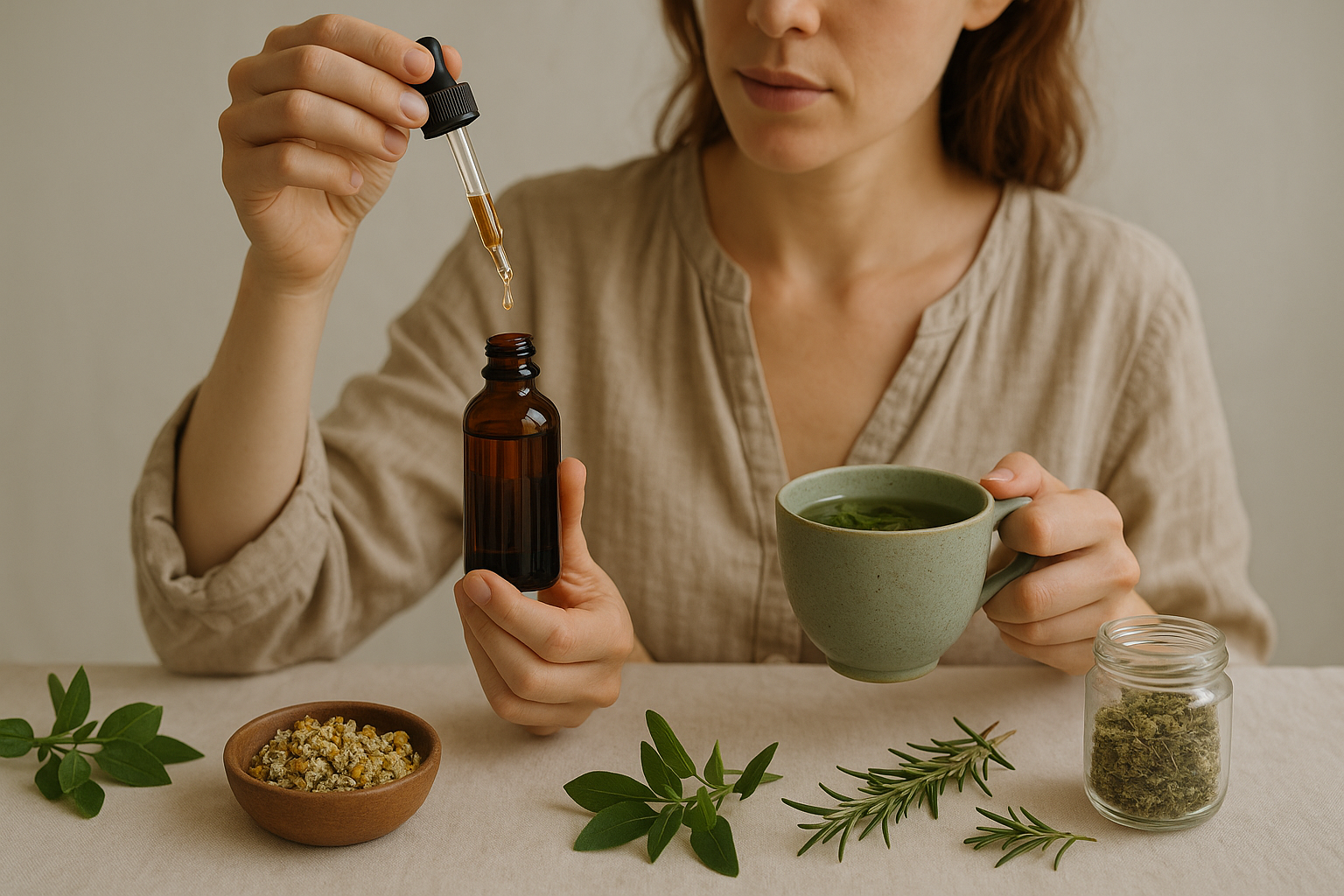
Relaxation oils can be found in various forms:
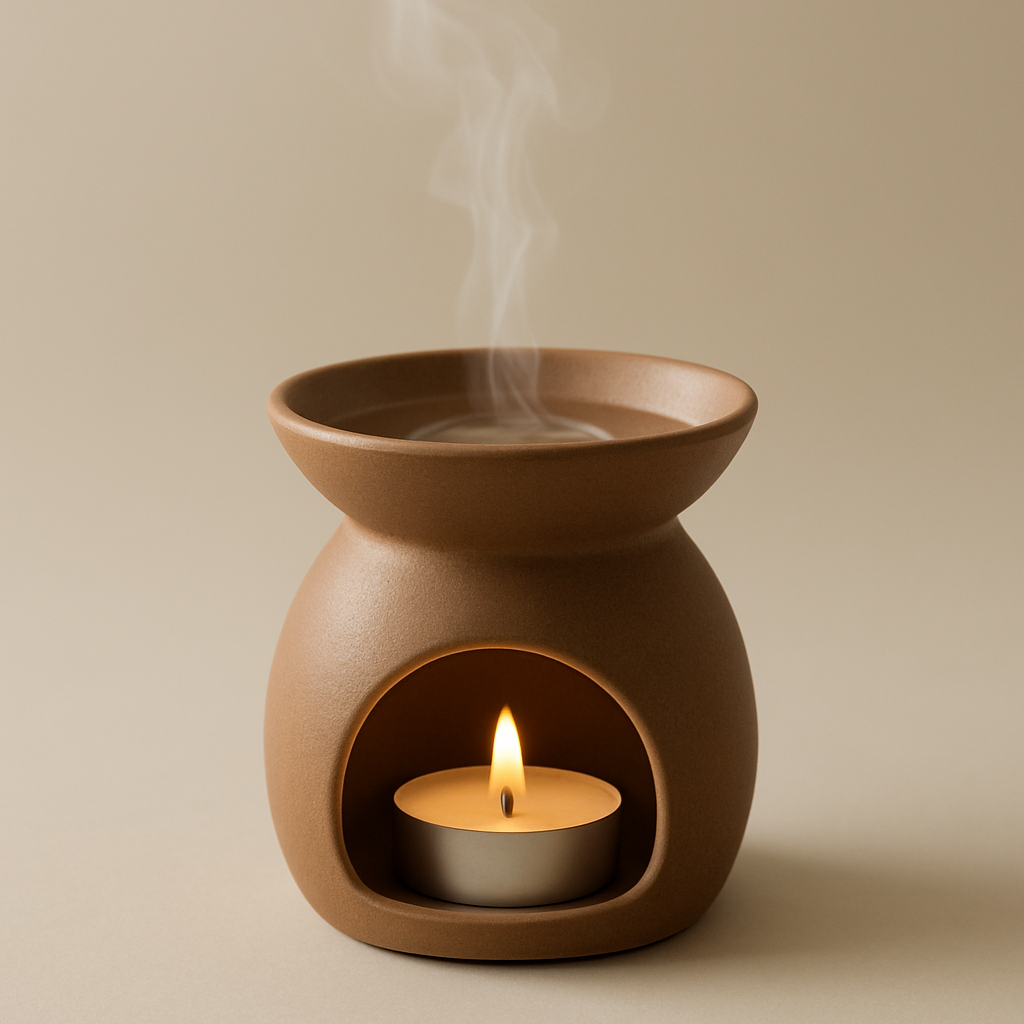
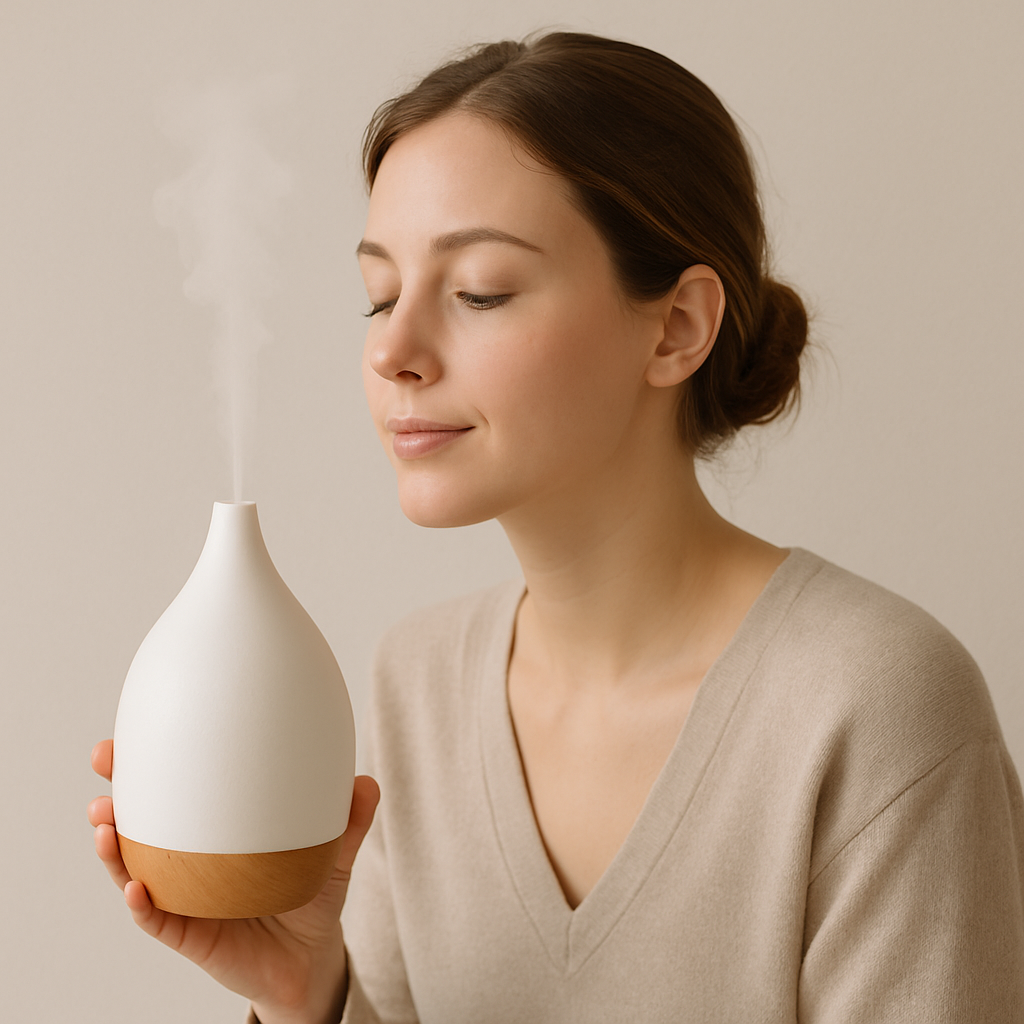
- Diffusers: Essential oils can be diffused in the air to create a calming environment.
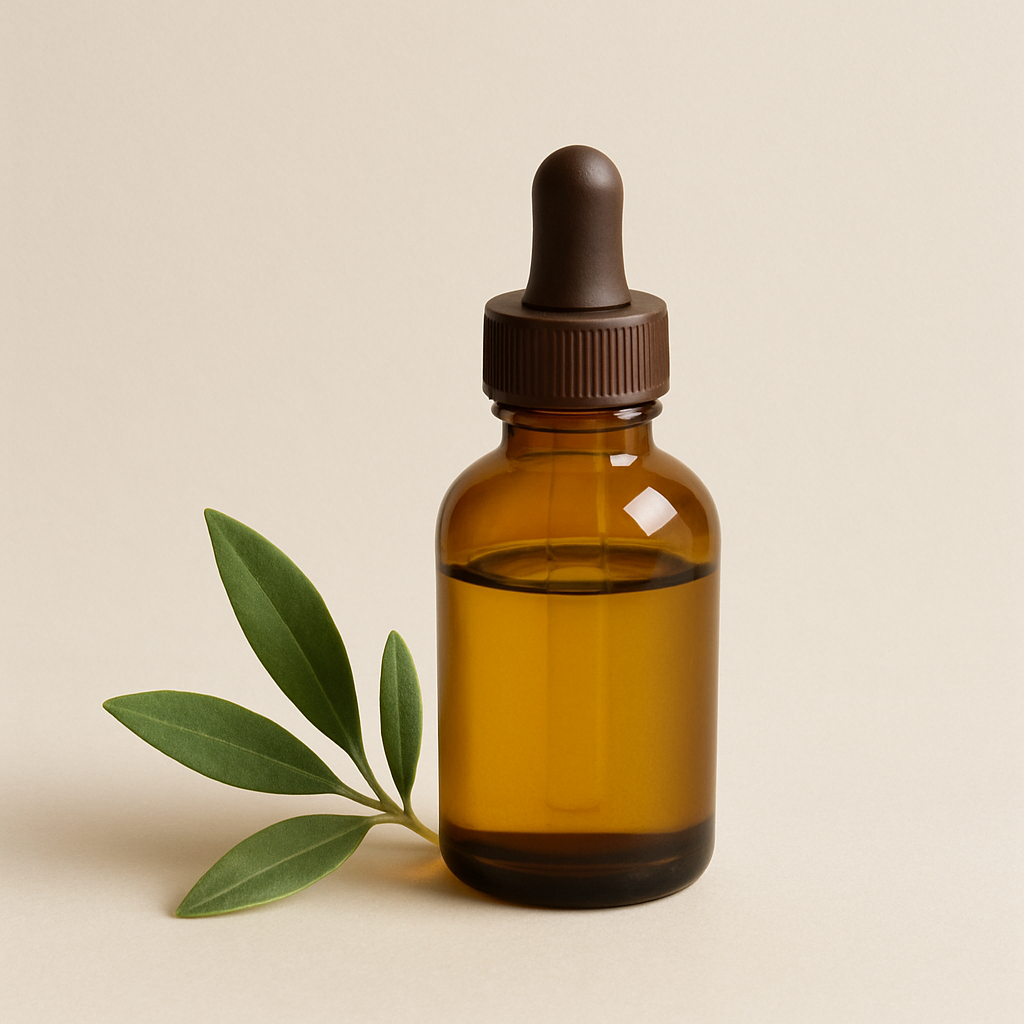
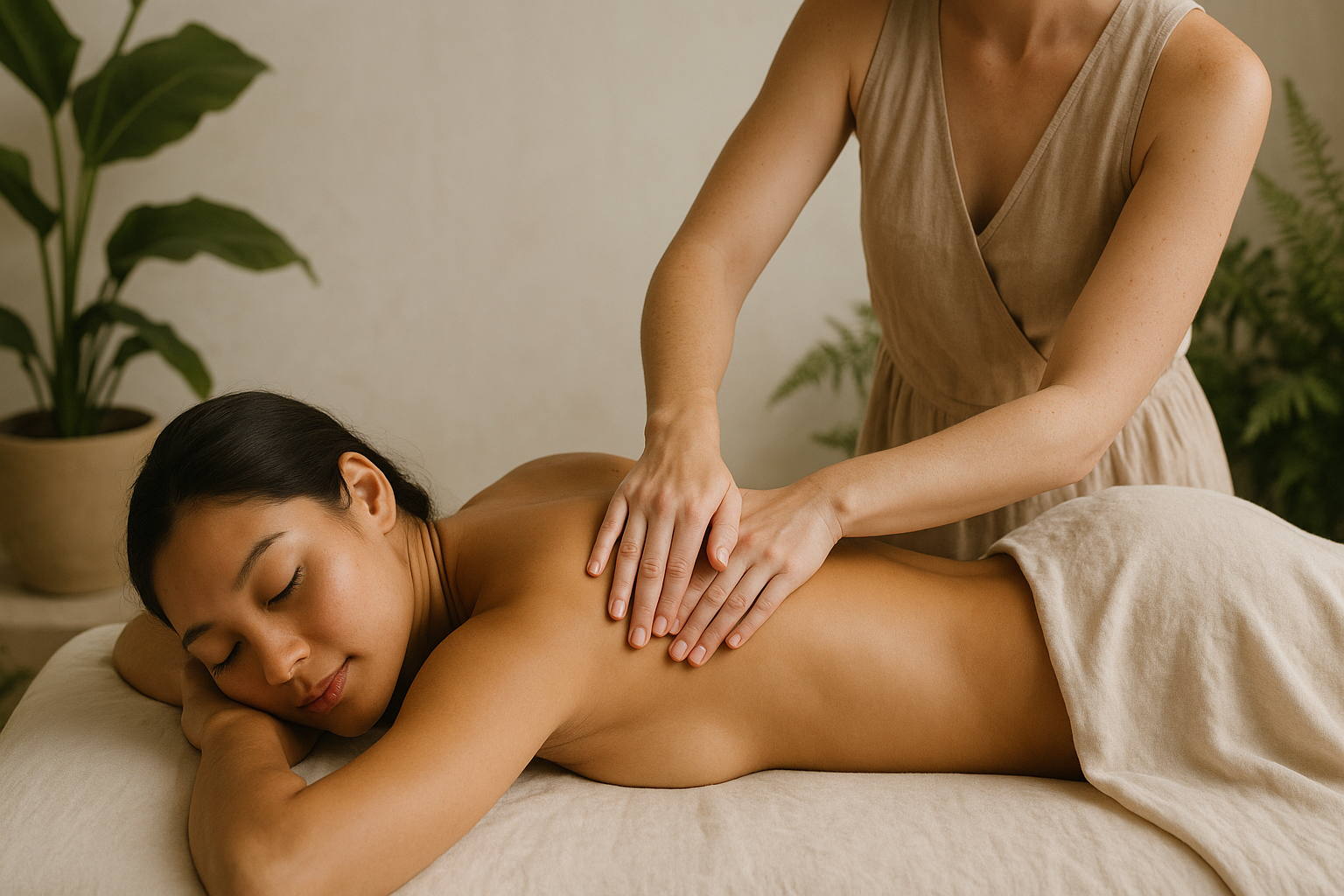
- Topical Applications: Diluted oils can be applied to the skin for localized effects. A common dilution is 2-3 drops of essential oil in a carrier oil.
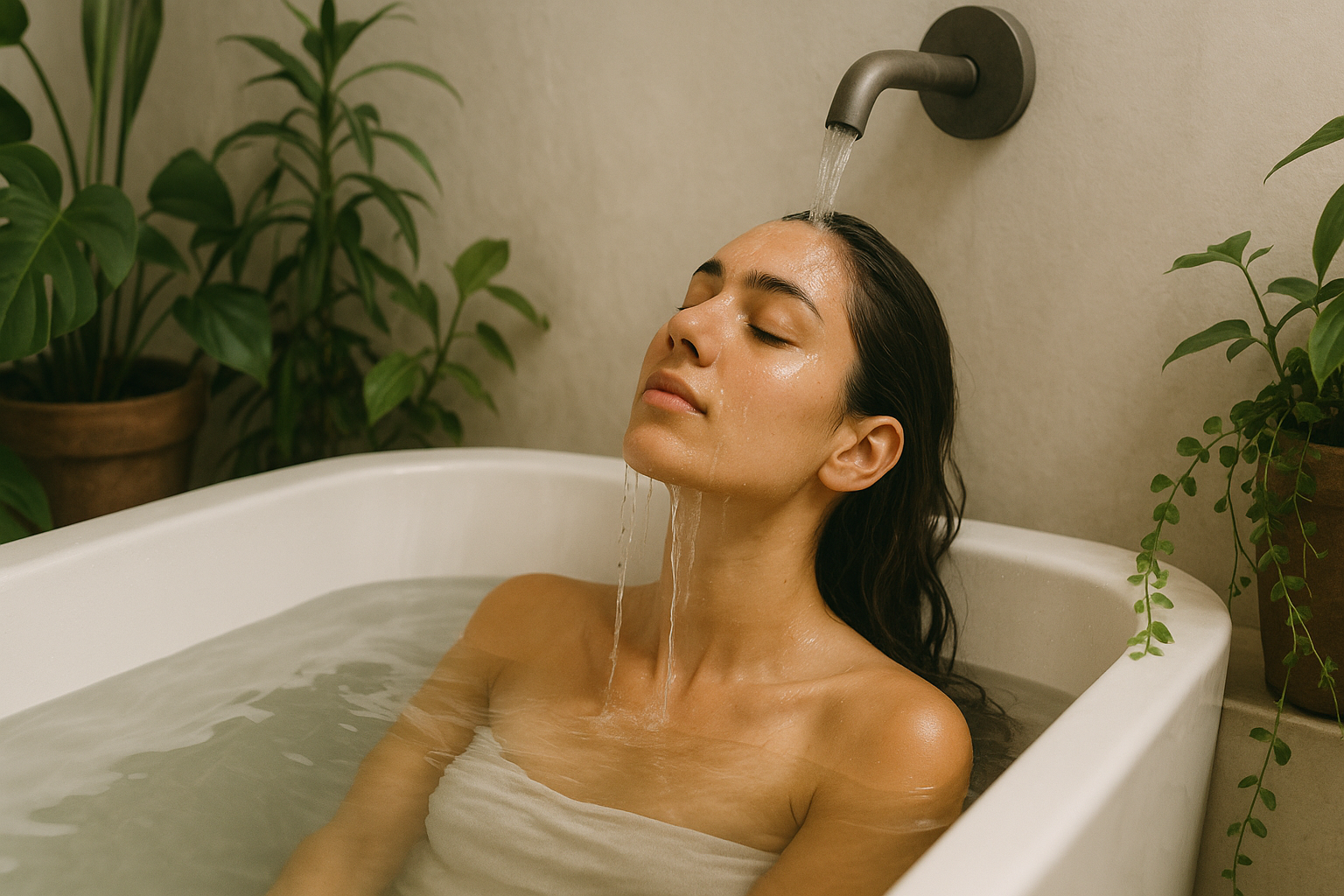
- Baths: Adding a few drops of essential oil to bath water can enhance relaxation.
For dosing, it is recommended to start with a small amount (1-2 drops) and adjust based on individual preference and sensitivity.
Safety, Contraindications & Interactions
While relaxation oils are generally safe when used correctly, there are some precautions to consider:
- Avoid using essential oils undiluted on the skin to prevent irritation.
- Pregnant or breastfeeding women should consult a healthcare provider before use.
- Individuals with allergies should perform a patch test.
- Some essential oils may interact with medications, including:
- Antidepressants
- Anticoagulants
- Hormonal medications
Pairs Well With
Relaxation oils can be effectively combined with other essential oils for enhanced benefits. Some complementary oils include:
- Frankincense: For deeper relaxation and meditation.
- Ylang Ylang (Cananga odorata): For emotional balance and stress relief.
- Geranium (Pelargonium graveolens): For mood enhancement and hormonal balance.
FAQs (5)
- What are the most popular relaxation oils? Lavender, chamomile, and bergamot are among the most popular relaxation oils.
- How do I use relaxation oils? You can use them in a diffuser, apply diluted oils topically, or add them to a warm bath.
- Are relaxation oils safe for children? Some relaxation oils can be safe for children when properly diluted, but it is best to consult a healthcare provider.
- Can relaxation oils help with sleep? Yes, many relaxation oils, like lavender, are known to promote better sleep quality.
- How long do the effects of relaxation oils last? The effects can vary, but typically they can last from a few minutes to a couple of hours depending on the method of use.
Frequently asked
What are the most popular relaxation oils?
Lavender, chamomile, and bergamot are among the most popular relaxation oils.
How do I use relaxation oils?
You can use them in a diffuser, apply diluted oils topically, or add them to a warm bath.
Are relaxation oils safe for children?
Some relaxation oils can be safe for children when properly diluted, but it is best to consult a healthcare provider.
Can relaxation oils help with sleep?
Yes, many relaxation oils, like lavender, are known to promote better sleep quality.
How long do the effects of relaxation oils last?
The effects can vary, but typically they can last from a few minutes to a couple of hours depending on the method of use.