Botanical Oils
Dive into the rich history and modern applications of botanical oils, their benefits, and safe usage guidelines.
Explore the world of botanical oils, their historical significance, modern applications, and safe usage guidelines. Discover how these natural remedies can support various body systems and enhance your well-being.
What It Is
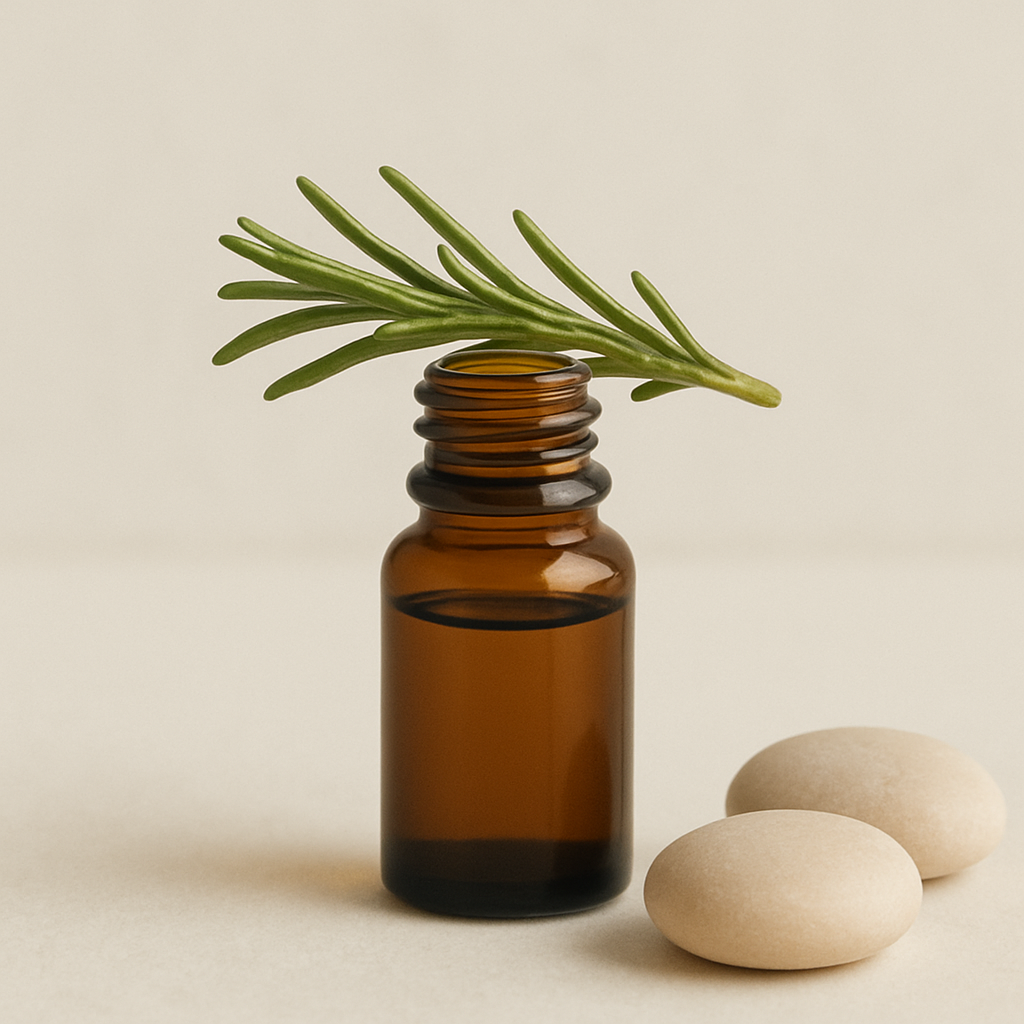
Botanical oils, often referred to as essential oils, are concentrated extracts obtained from various parts of plants, including leaves, flowers, stems, and roots. These oils are rich in unique aromatic compounds that contribute to their distinct fragrances and therapeutic properties. The scientific classification of these plants varies widely, with each oil derived from specific species. For instance, Lavender (Lavandula angustifolia) is well-known for its calming effects, while Peppermint (Mentha piperita) is celebrated for its invigorating scent.
Key Active Compounds & Mechanisms
Botanical oils contain numerous active compounds, each contributing to their therapeutic effects. The primary components often include:
- Terpenes: Hydrocarbons that provide fragrance and possess anti-inflammatory properties.
- Esters: Compounds that can have calming effects and are often found in oils like Lavender.
- Phenols: Known for their antioxidant properties, these compounds are abundant in oils like Oregano.
- Aldehydes: Present in oils such as Lemon, these compounds can have uplifting effects on mood.
The mechanisms through which these compounds operate can vary, affecting everything from inflammation to mood enhancement, demonstrating the intricate relationship between plant chemistry and human health.
Traditional Uses
Historically, botanical oils have been used across various cultures for their therapeutic and aromatic properties. Ancient Egyptians utilized oils for embalming and as offerings to the gods. In Traditional Chinese Medicine, essential oils were incorporated into practices to promote balance in the body. Similarly, Ayurveda, the ancient system of medicine from India, emphasizes the use of botanical oils for their healing properties, applying them in massage and meditation practices.
What Modern Research Suggests
While traditional uses have laid the groundwork for understanding botanical oils, modern research continues to investigate their efficacy. Preliminary studies suggest that certain oils may help reduce anxiety, improve sleep quality, and alleviate symptoms of chronic pain. However, more rigorous clinical trials are needed to establish definitive health claims. It is essential to approach these findings with cautious optimism, as individual responses to essential oils can vary widely.
Functional Actions
Botanical oils are renowned for their multifaceted functional actions, which can include:
- Anti-inflammatory: Many oils, such as Tea Tree (Melaleuca alternifolia), exhibit properties that can reduce inflammation.
- Antimicrobial: Oils like Eucalyptus (Eucalyptus globulus) are known to have antibacterial and antifungal properties.
- Calming: Lavender oil is frequently used for its ability to promote relaxation and reduce stress.
- Analgesic: Certain oils, such as Peppermint, may provide relief from headaches and muscle aches.
Body Systems Supported
Botanical oils can support various body systems, including:
- Nervous System: Oils like Chamomile (Matricaria chamomilla) may help alleviate anxiety and promote relaxation.
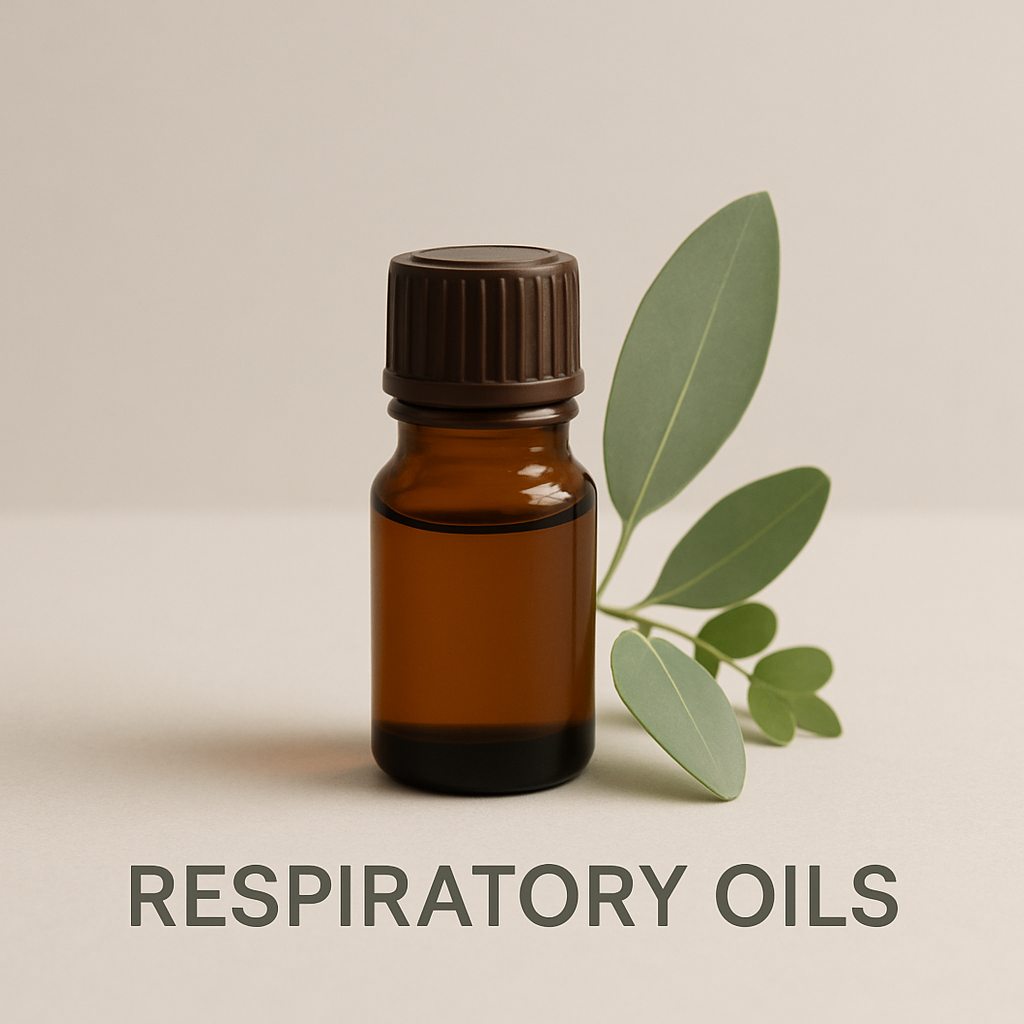
- Respiratory System: Eucalyptus and Peppermint oils are often used to clear airways and enhance breathing.
- Digestive System: Ginger (Zingiber officinale) oil can support digestive health and reduce nausea.
- Immune System: Oils such as Oregano may boost immune function due to their antimicrobial properties.
Common Forms & Educational Dosing Ranges
Botanical oils are available in various forms, including:
- Essential Oils: Highly concentrated and usually diluted with a carrier oil for topical use.
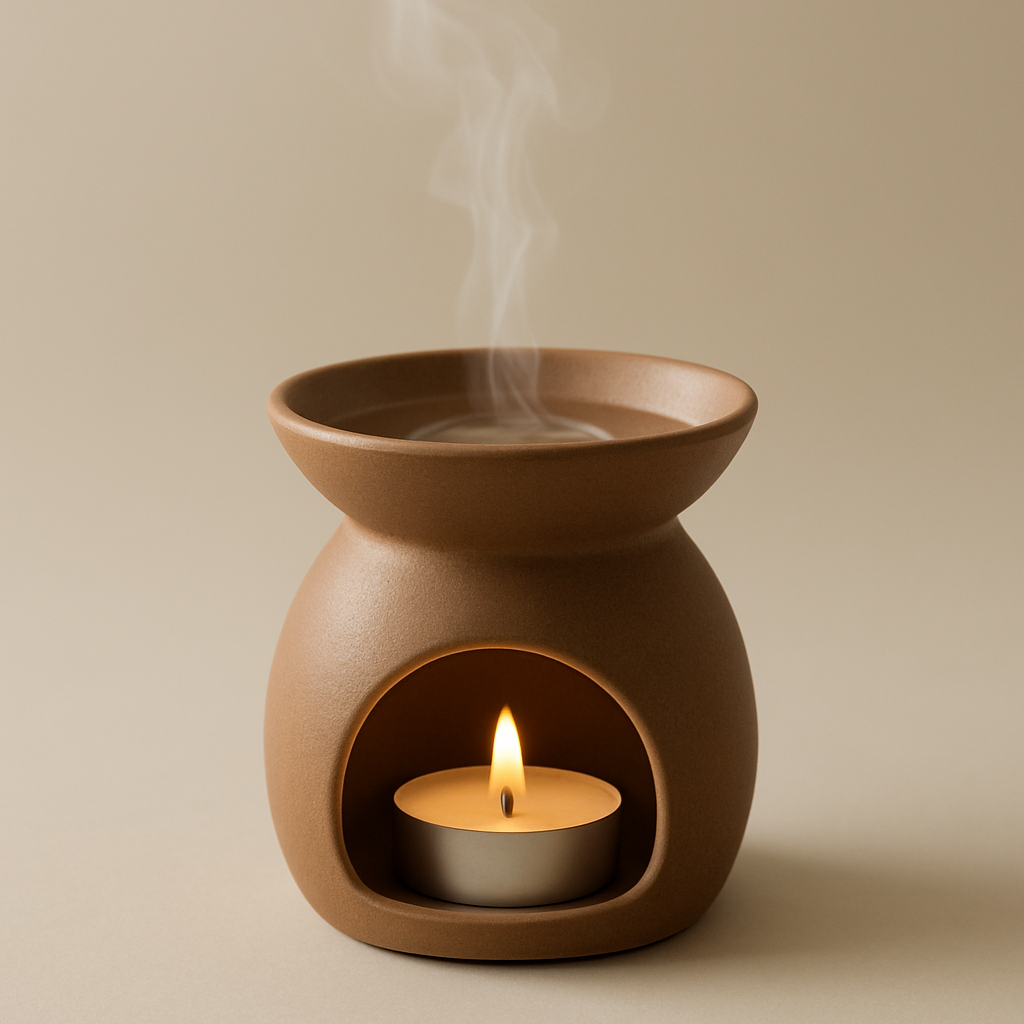
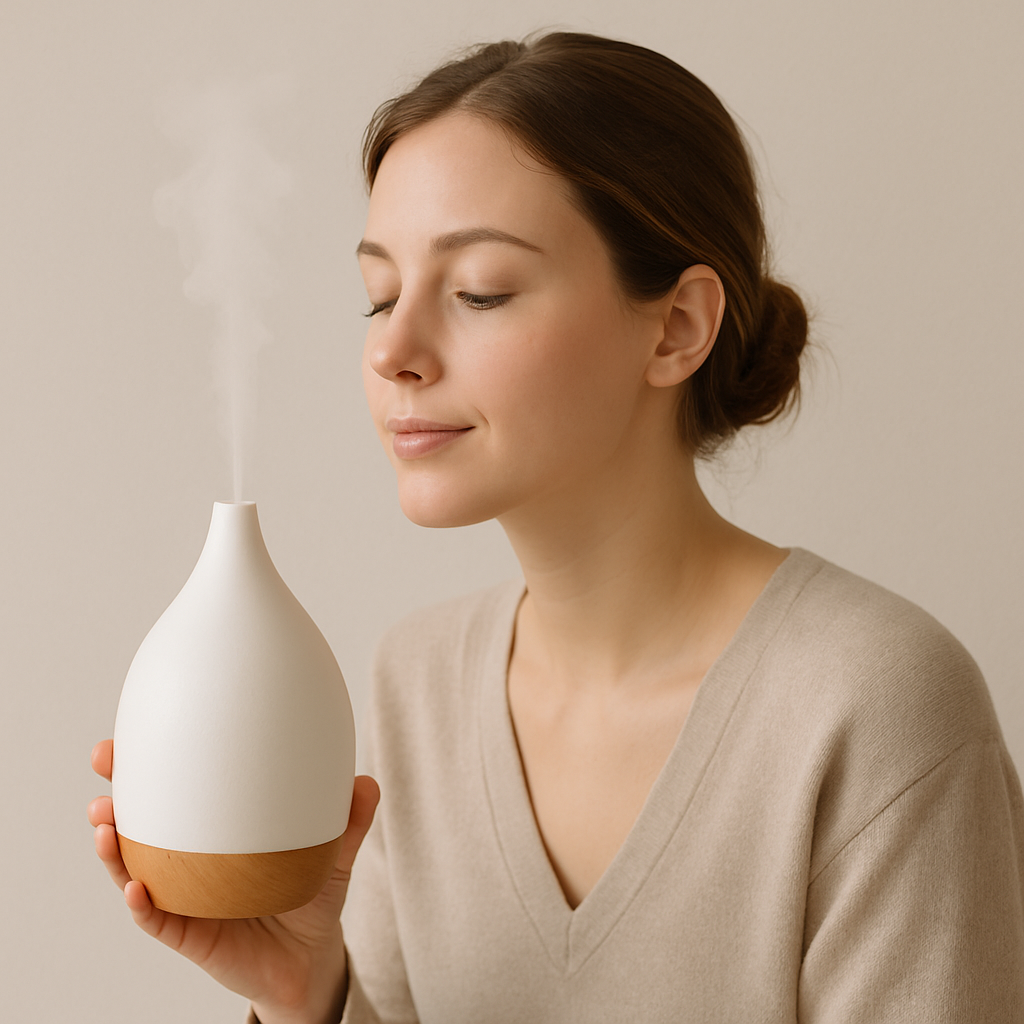
- Diffusers: Used to disperse oils into the air for inhalation.
- Inhalers: Portable devices designed for direct inhalation of essential oils.
- Capsules: Some oils can be taken orally in capsule form, but this should only be done under professional guidance.
As for dosing, a common guideline for topical application is to dilute essential oils to 1-5% in a carrier oil, depending on the oil's potency and the intended use. For inhalation, a few drops in a diffuser or inhaler are typical.
Safety, Contraindications & Interactions
While botanical oils are generally safe when used correctly, there are important safety considerations:
- Pregnancy: Some oils, such as Sage (Salvia officinalis) and Rosemary (Rosmarinus officinalis), should be avoided during pregnancy.
- Medication Interactions: Oils like Grapefruit (Citrus paradisi) may interact with certain medications, particularly those metabolized by the liver.
- Skin Sensitivity: Always conduct a patch test before applying oils topically, as some individuals may experience allergic reactions or irritation.
- Children and Pets: Many essential oils are not safe for use around children and pets; always consult a professional before use.
Pairs Well With
Botanical oils can be synergistic when combined with other oils or natural remedies. Some popular pairings include:
- Lavender and Chamomile: A calming blend for relaxation and sleep.
- Peppermint and Eucalyptus: A refreshing combination for respiratory support.
- Tea Tree and Lavender: A powerful mix for skin care and acne treatment.
- Ginger and Lemon: A zesty duo that supports digestion and boosts mood.
FAQs (5)
- What are botanical oils used for? Botanical oils are used for a variety of purposes, including aromatherapy, skin care, and natural remedies for various health concerns.
- Are botanical oils safe for everyone? While many people can safely use botanical oils, some may experience sensitivities or allergic reactions. Pregnant individuals and those with specific health conditions should consult a professional before use.
- How do you dilute essential oils for topical use? Essential oils should typically be diluted to 1-5% in a carrier oil for safe topical application.
- Can I ingest botanical oils? Some botanical oils are safe to ingest, but this should only be done under the guidance of a healthcare professional.
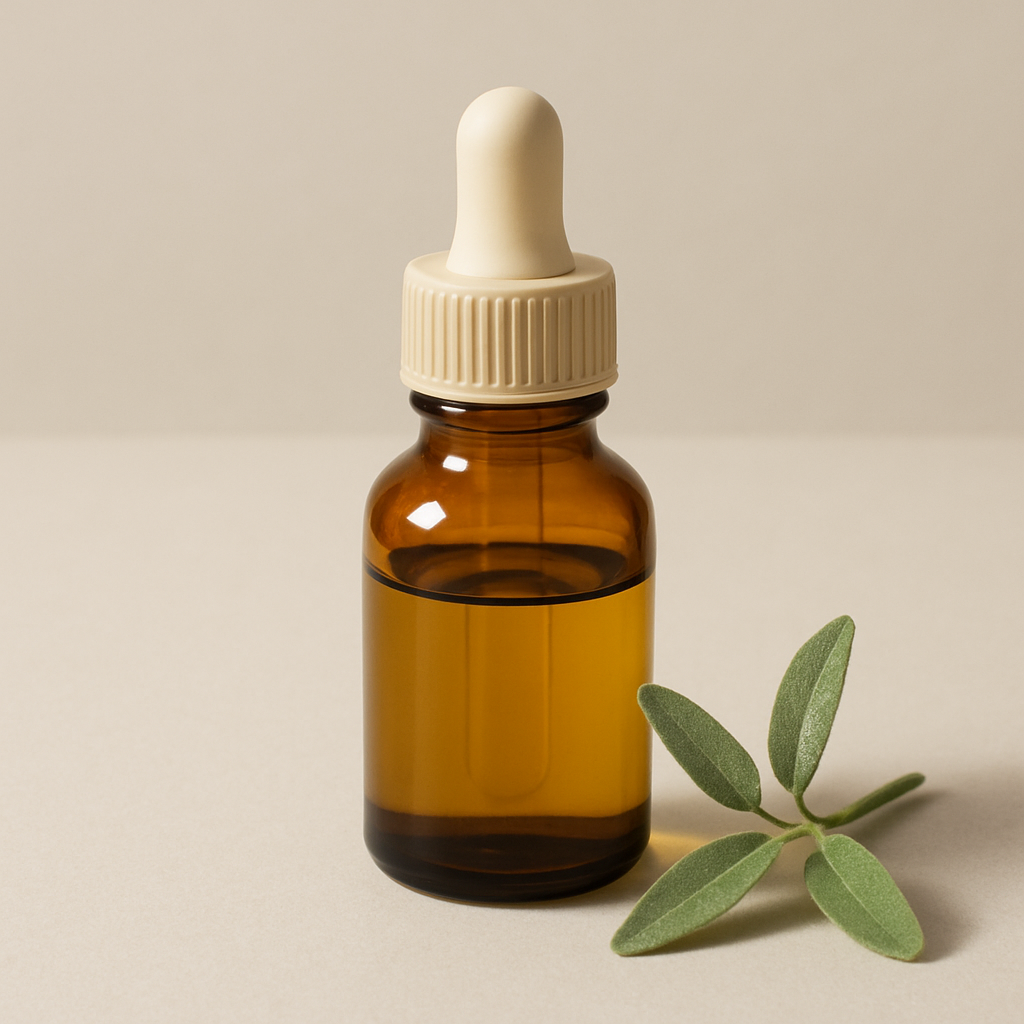
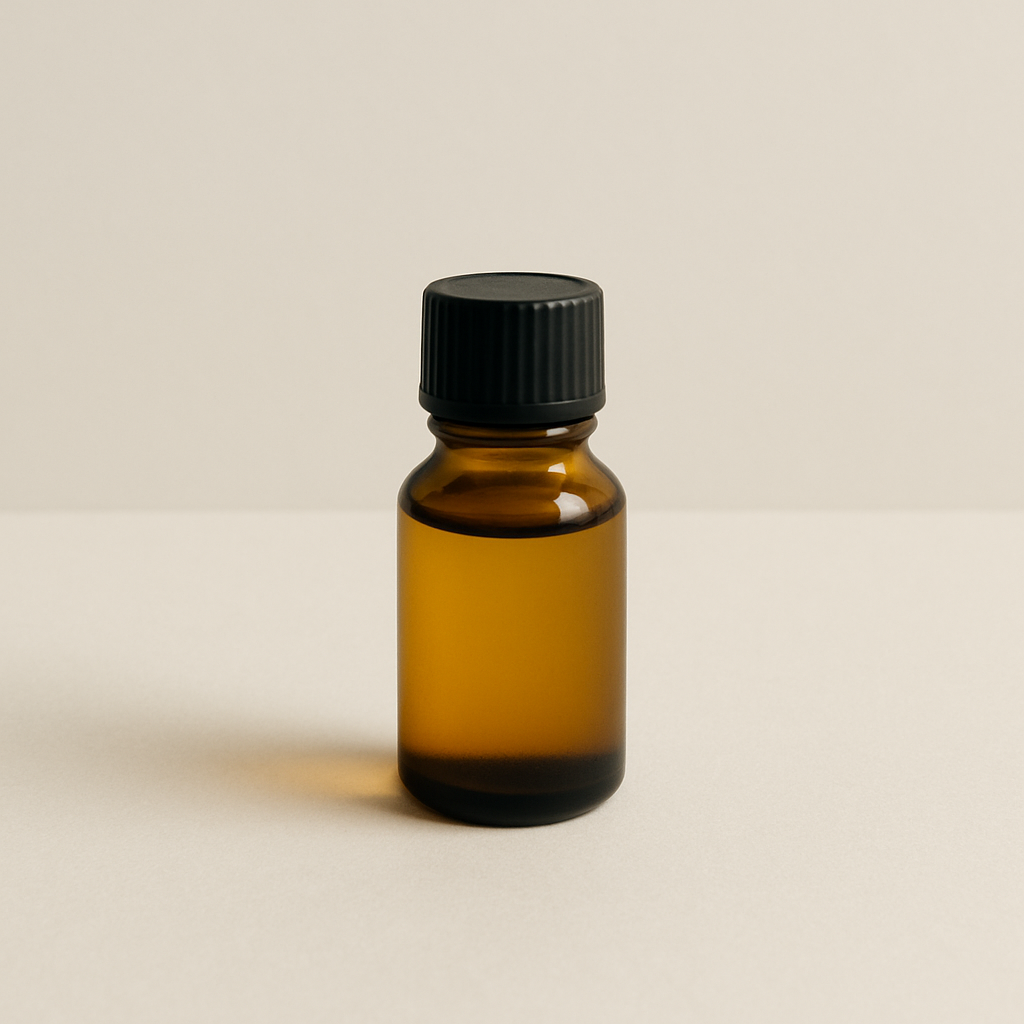
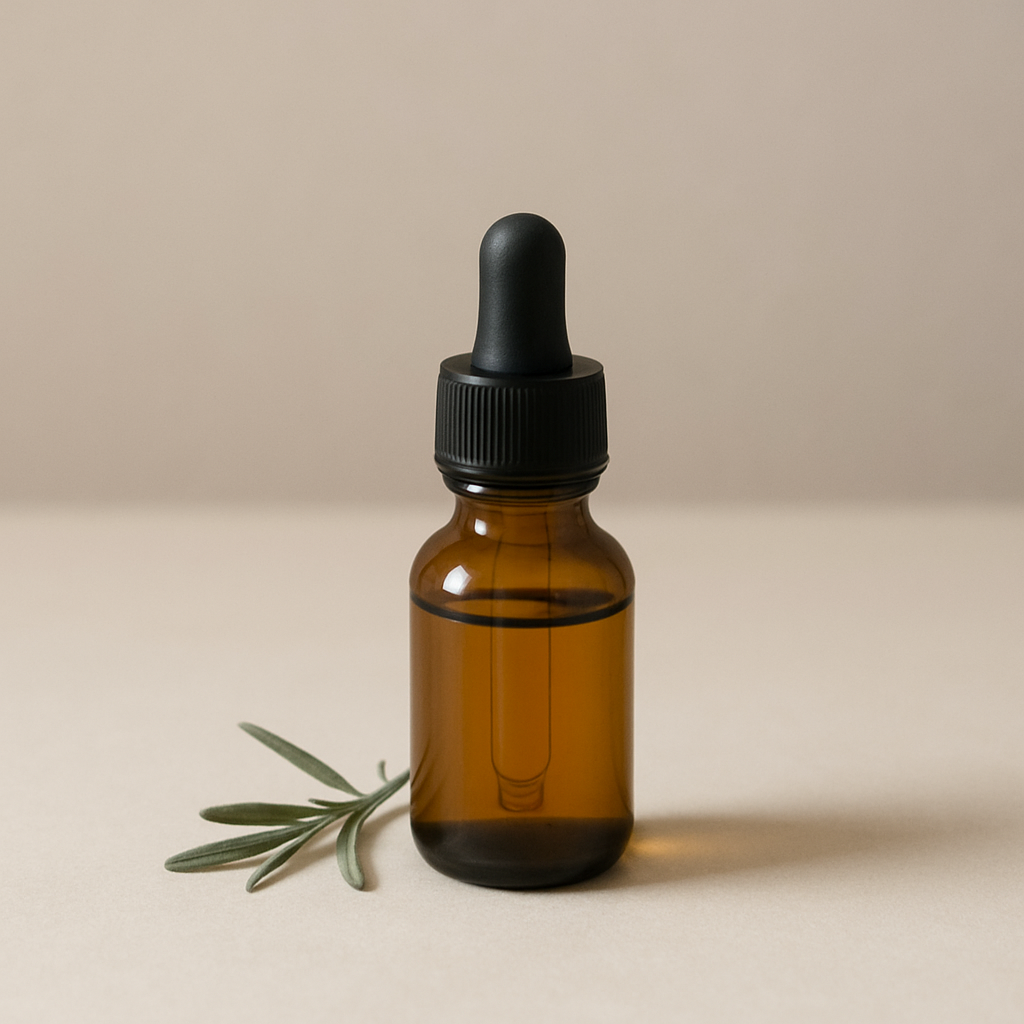
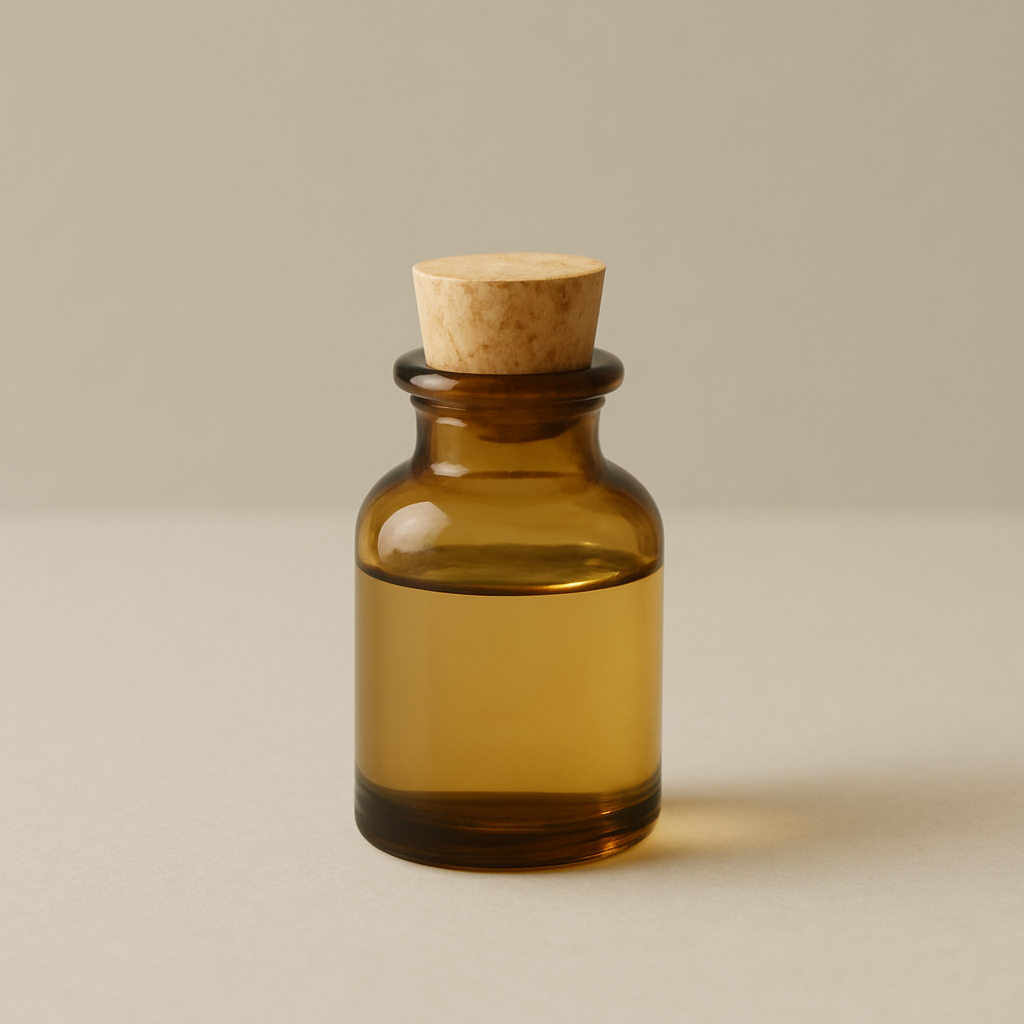
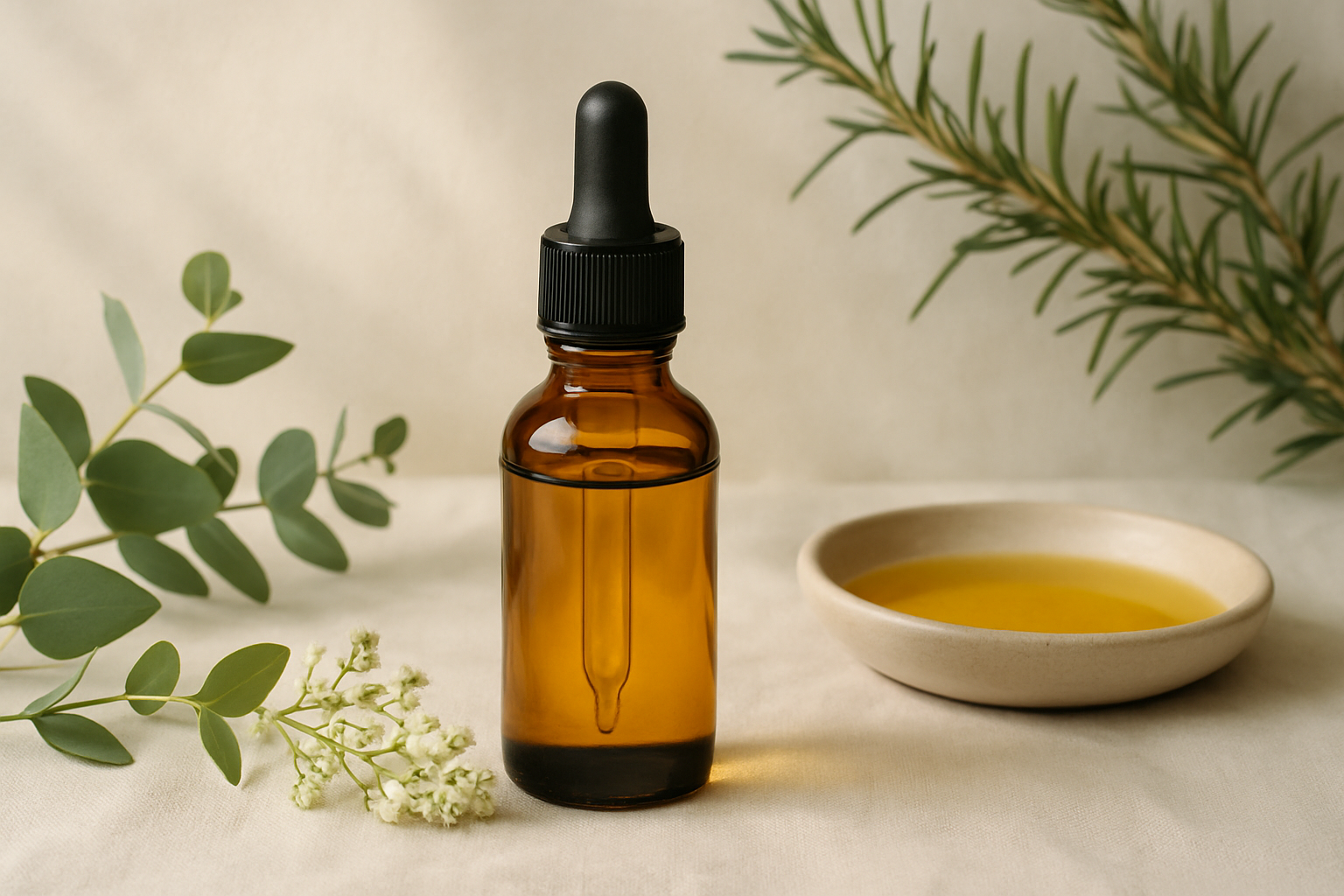
- How should I store my botanical oils? Store oils in a cool, dark place, ideally in amber or cobalt glass bottles to protect them from light and degradation.
Frequently asked
What are botanical oils used for?
Botanical oils are used for a variety of purposes, including aromatherapy, skin care, and natural remedies for various health concerns.
Are botanical oils safe for everyone?
While many people can safely use botanical oils, some may experience sensitivities or allergic reactions. Pregnant individuals and those with specific health conditions should consult a professional before use.
How do you dilute essential oils for topical use?
Essential oils should typically be diluted to 1-5% in a carrier oil for safe topical application.
Can I ingest botanical oils?
Some botanical oils are safe to ingest, but this should only be done under the guidance of a healthcare professional.
How should I store my botanical oils?
Store oils in a cool, dark place, ideally in amber or cobalt glass bottles to protect them from light and degradation.