Stress Relief Oils
Explore the world of stress relief oils and discover how they can help you manage stress naturally. Learn about their compounds, historical uses, and safety considerations.
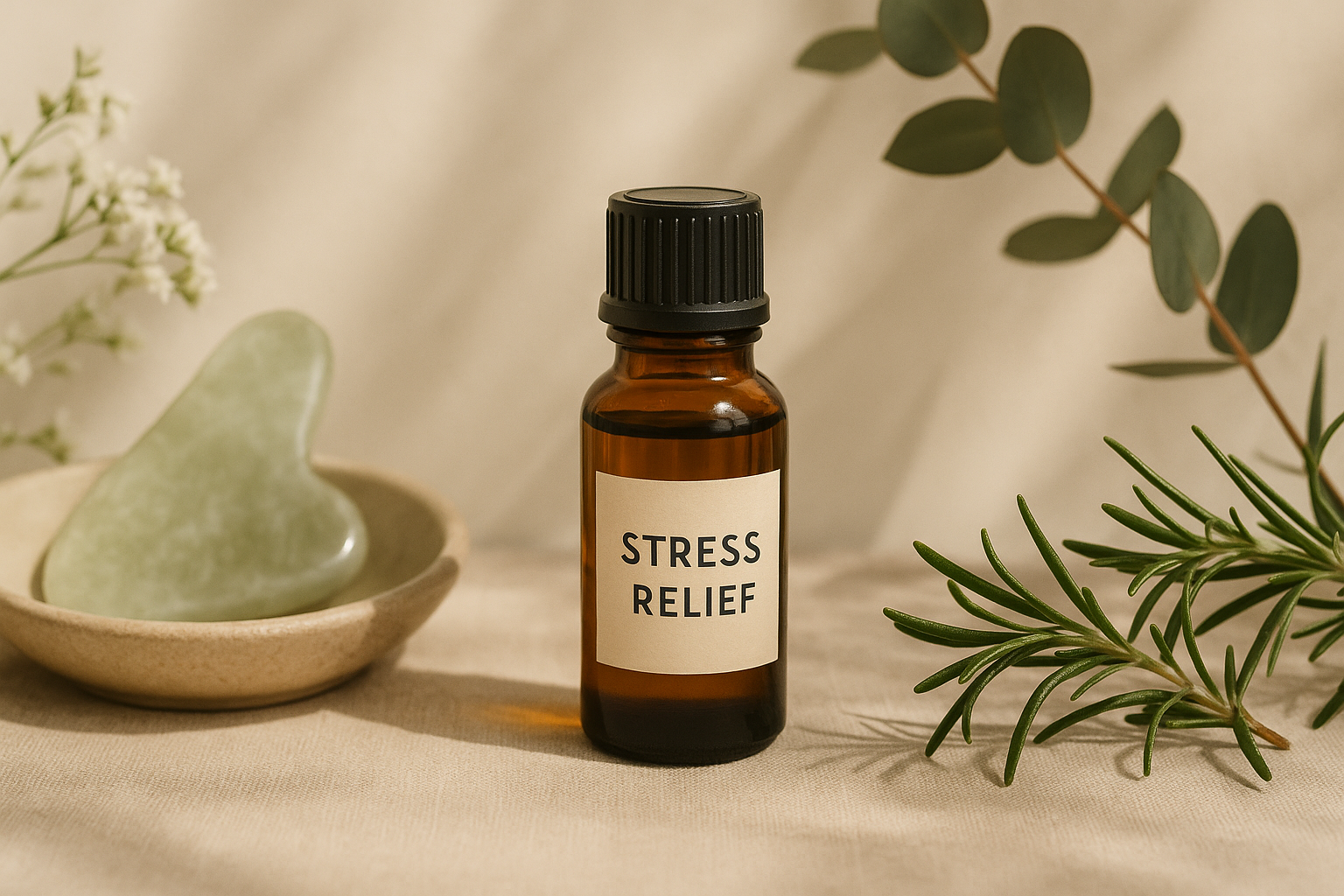
Stress relief oils can provide natural support for managing daily stress and promoting relaxation. Understanding their active compounds, traditional uses, and modern research can help you incorporate them into your wellness routine safely.
What It Is
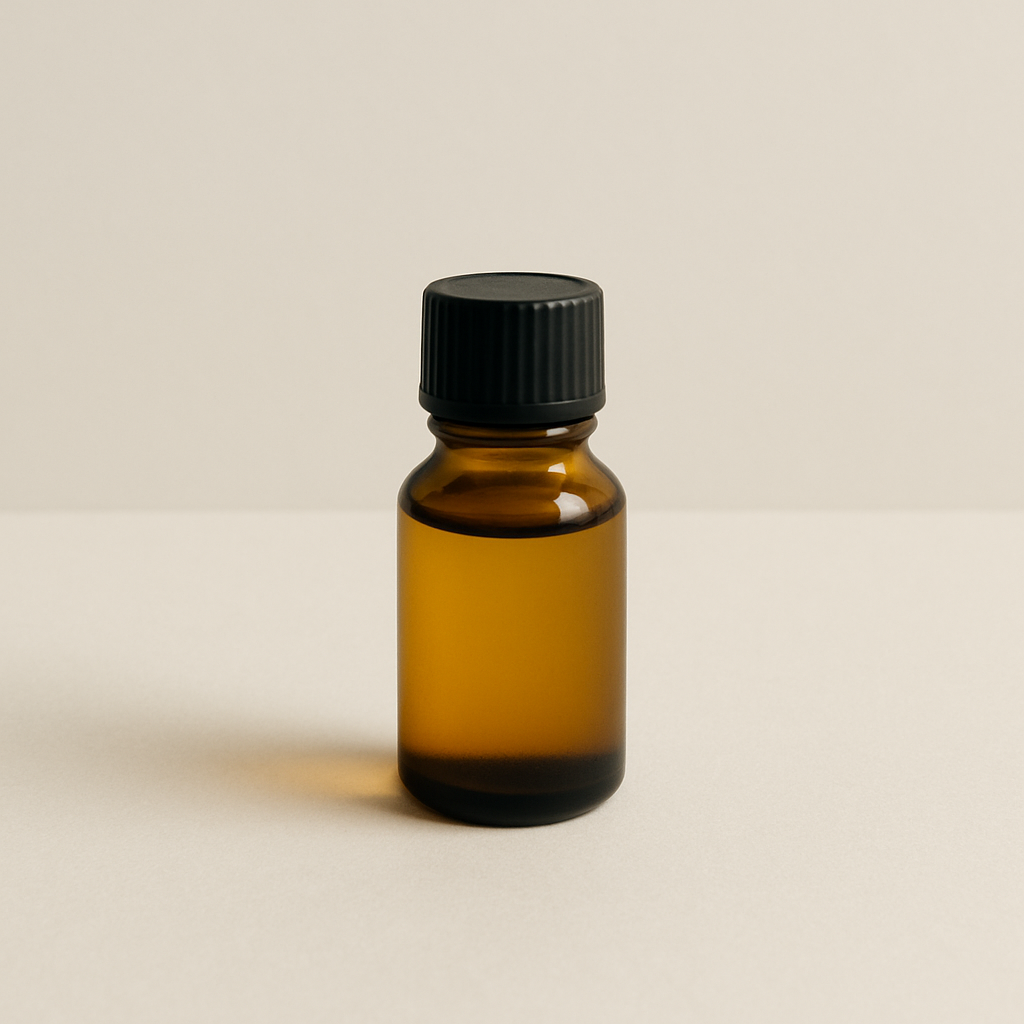
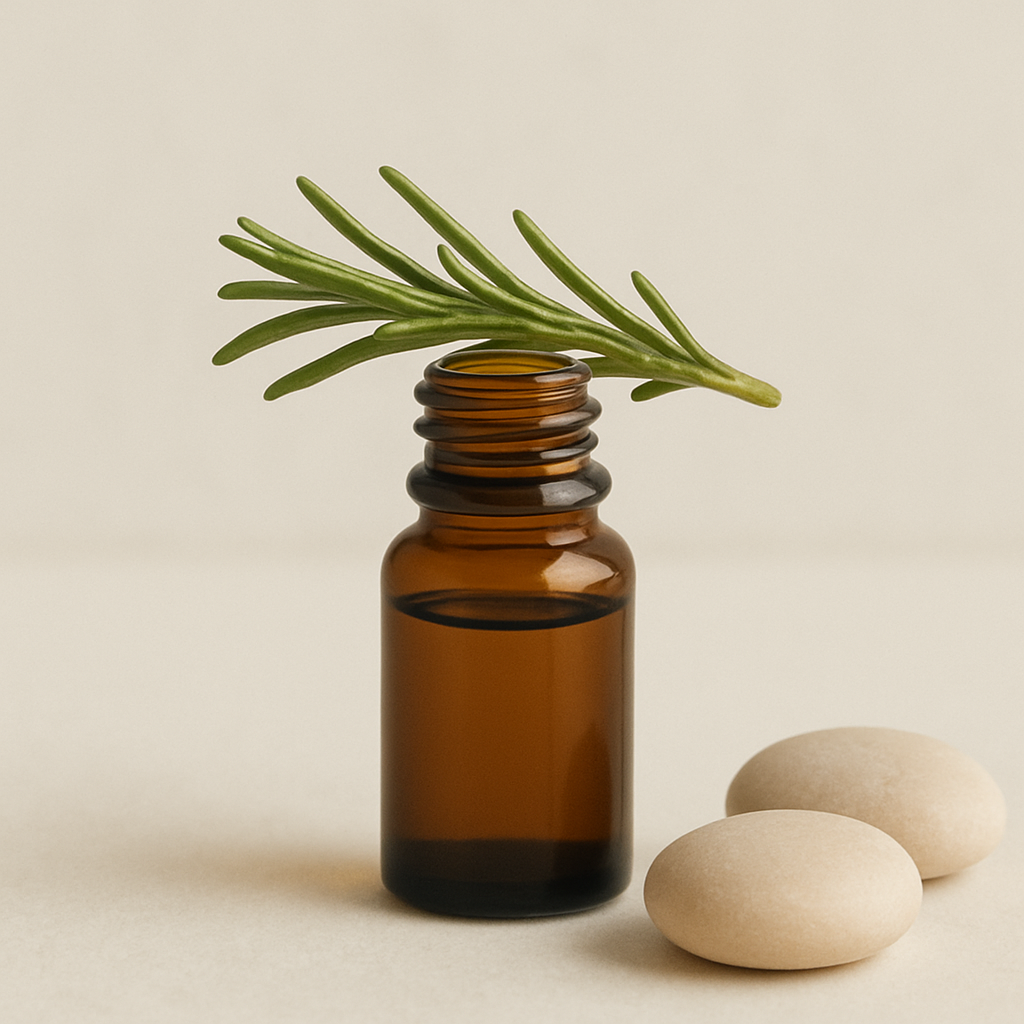
Stress relief oils are essential oils derived from various plants known for their calming and soothing properties. These oils are extracted through methods such as steam distillation or cold pressing, capturing the plant's aromatic compounds. Some popular stress relief oils include lavender (Lavandula angustifolia), chamomile (Matricaria chamomilla), and bergamot (Citrus bergamia).
Key Active Compounds & Mechanisms
The efficacy of stress relief oils often lies in their key active compounds. For instance:
- Lavender: Contains linalool and linalyl acetate, which are believed to promote relaxation and reduce anxiety.
- Chamomile: Rich in bisabolol and chamazulene, known for their anti-inflammatory and sedative effects.
- Bergamot: Contains bergapten and linalool, which may help alleviate stress and improve mood.
These compounds interact with the body’s olfactory system and may influence hormonal and neurotransmitter levels, contributing to a sense of calm.
Traditional Uses
Historically, many cultures have utilized essential oils for stress relief and emotional balance. In Ancient Egypt, oils like myrrh (Commiphora myrrha) were used in rituals to promote relaxation and spiritual well-being. In Traditional Chinese Medicine, calming herbs such as chamomile were employed to soothe the mind and body. Indigenous cultures also used various plants for their calming scents during ceremonies and daily life, recognizing their ability to foster tranquility.
What Modern Research Suggests
Recent studies have begun to validate the historical uses of stress relief oils. For example, research has shown that inhaling lavender essential oil may reduce anxiety and improve sleep quality. Additionally, a study on bergamot oil indicated that it could lower cortisol levels, the hormone associated with stress. While these findings are promising, more extensive clinical trials are needed to fully understand the mechanisms and effectiveness of these oils.
Functional Actions
Stress relief oils primarily function by:
- Reducing anxiety and promoting relaxation.
- Enhancing mood and emotional balance.
- Improving sleep quality and reducing insomnia.
These actions make them suitable for use in aromatherapy, massage, or as part of a calming routine.
Body Systems Supported
Stress relief oils can support various body systems, including:
- Nervous System: Promotes relaxation and reduces anxiety.
- Endocrine System: Helps regulate stress hormones like cortisol.
- Respiratory System: Can improve breathing patterns when inhaled.
By supporting these systems, stress relief oils can play a vital role in overall well-being.
Common Forms & Educational Dosing Ranges
Stress relief oils are available in several forms, including:
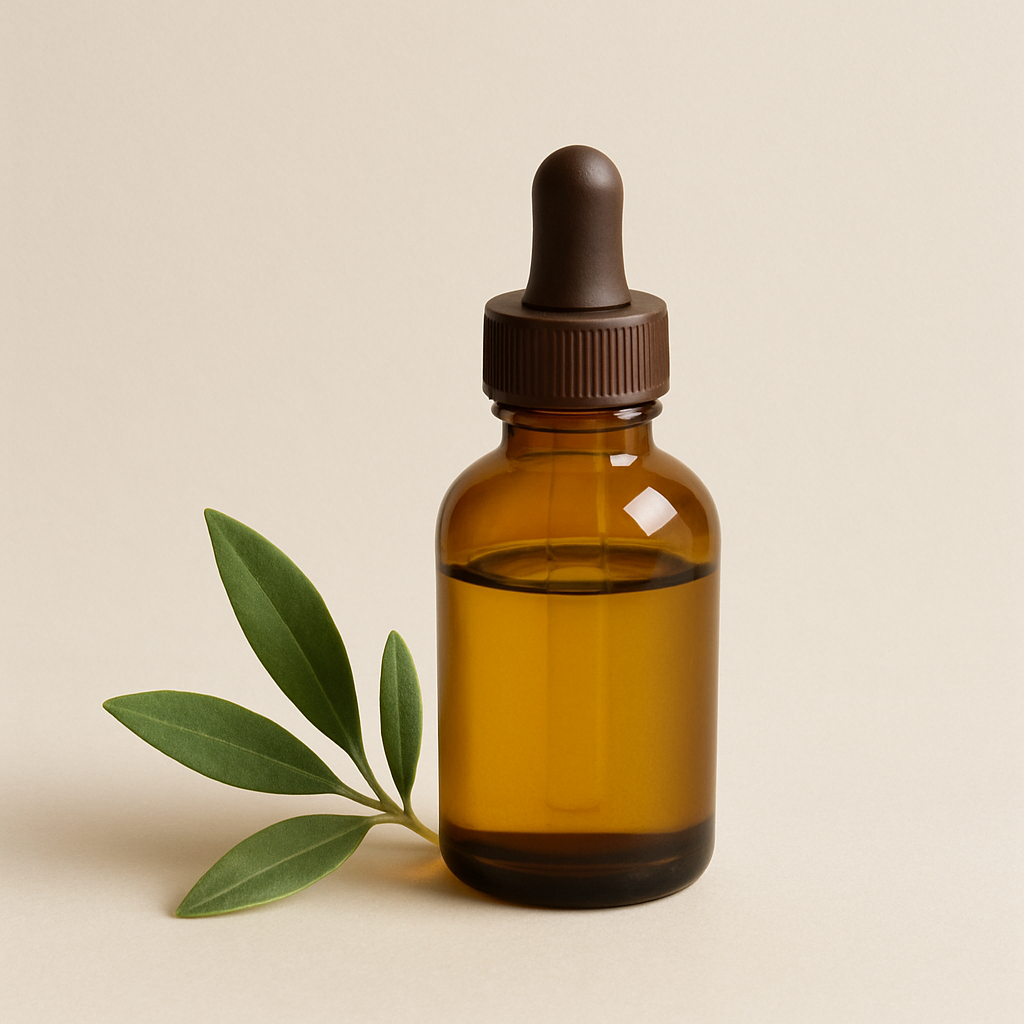
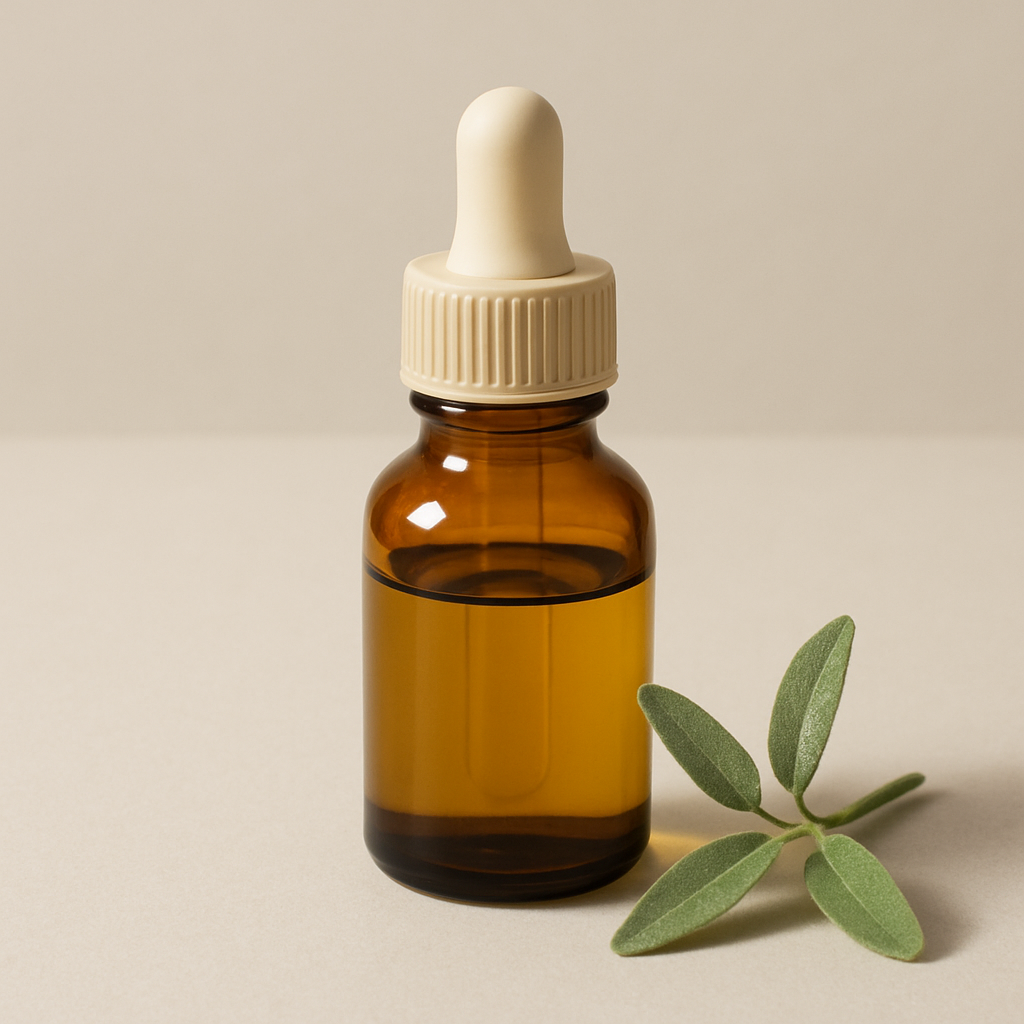
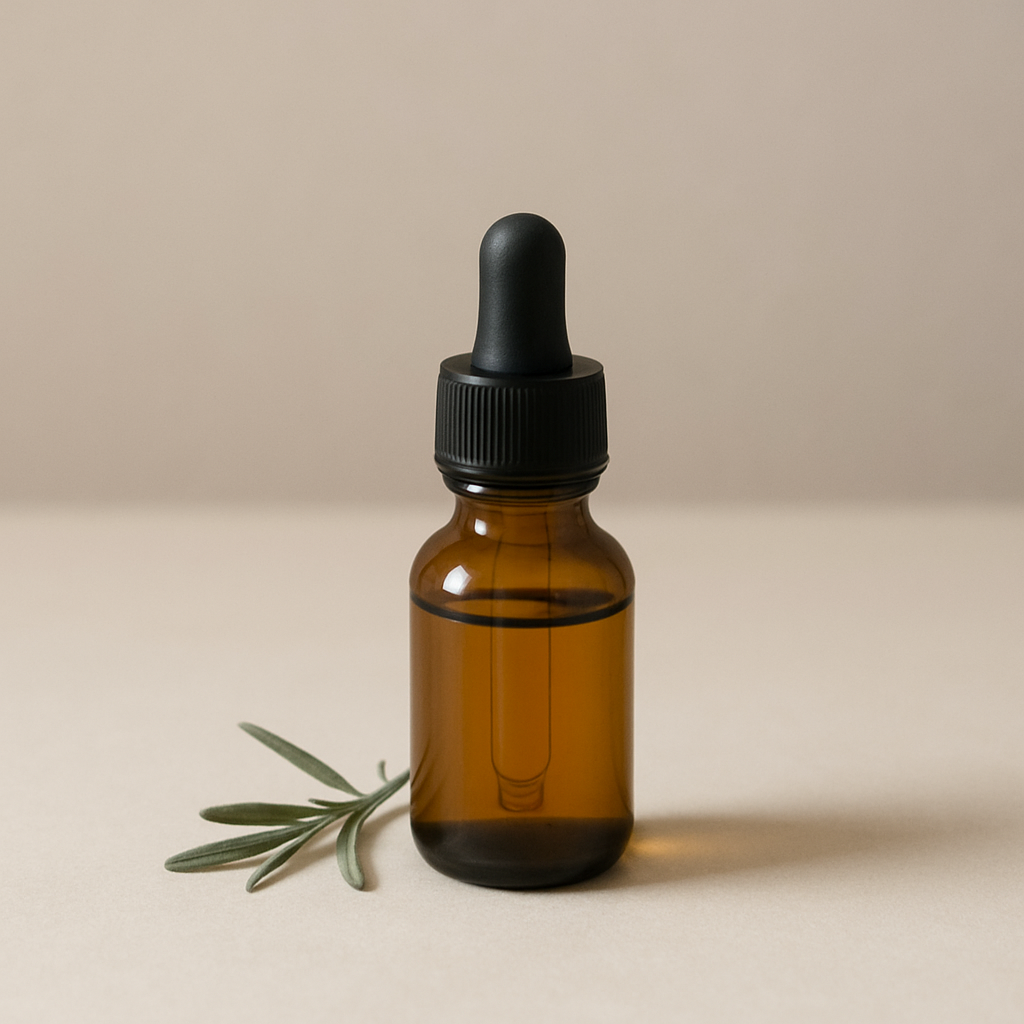
- Essential Oil: Typically used in aromatherapy or diluted for topical application.
- Roll-on Blends: Pre-diluted oils in convenient applicators for on-the-go use.
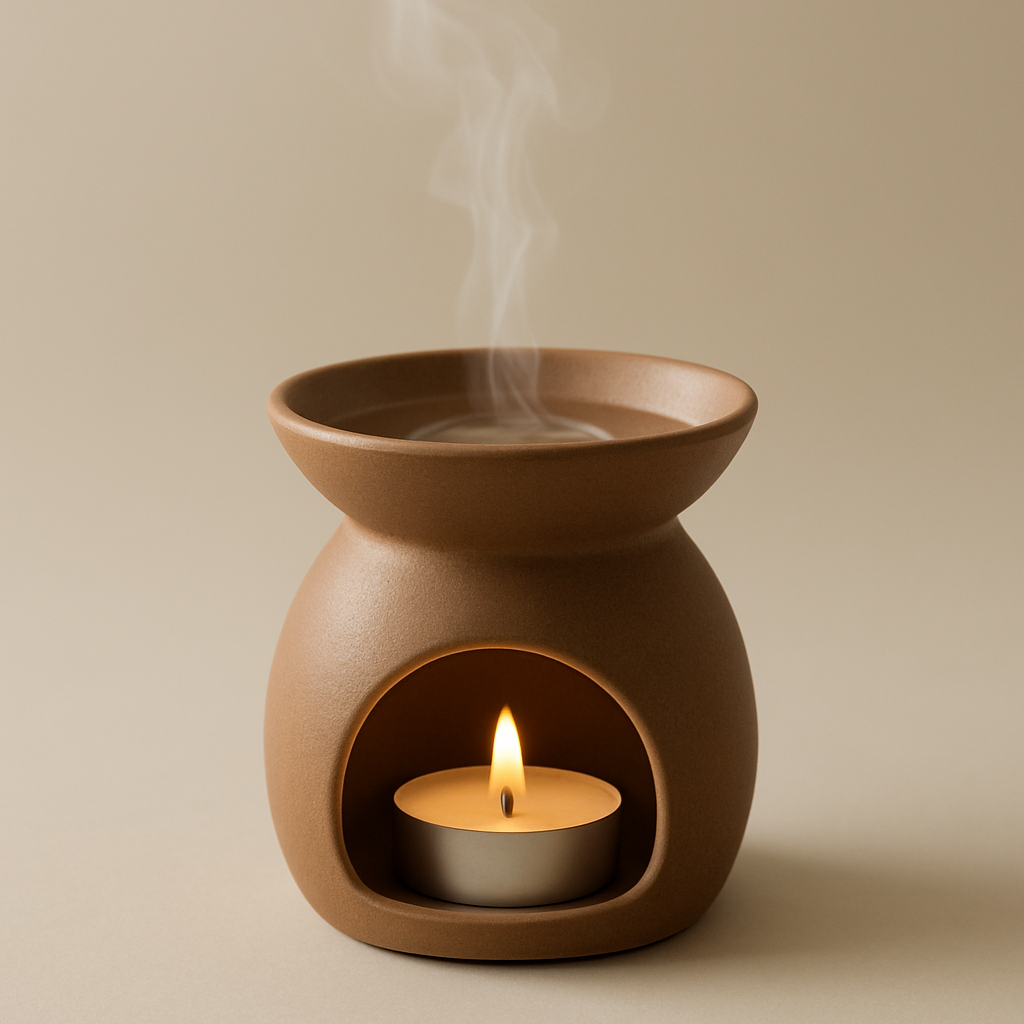
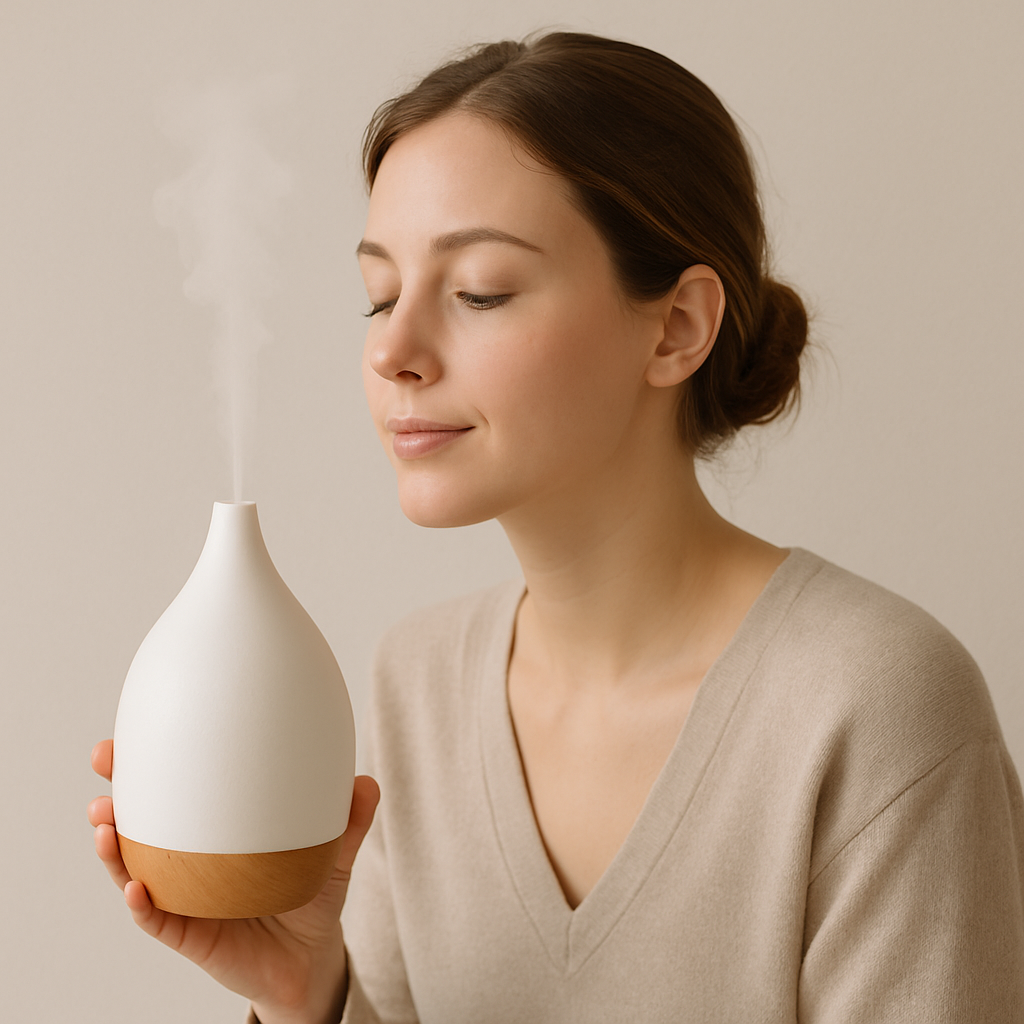
- Diffusers: Devices that disperse essential oils into the air for inhalation.
When using essential oils, it's essential to follow recommended dosing guidelines. Generally, 3-5 drops of essential oil in a diffuser or diluted with a carrier oil (like coconut or jojoba oil) for topical use is a common range. Always consult with a qualified aromatherapist or healthcare provider for personalized advice.
Safety, Contraindications & Interactions
While stress relief oils are generally safe when used appropriately, some precautions should be taken:
- Avoid using essential oils undiluted on the skin, which can cause irritation.
- Chamomile may cause allergic reactions in individuals allergic to plants in the Asteraceae family.
- Lavender and bergamot may interact with certain medications, including blood thinners and sedatives.
It is advisable to consult with a healthcare professional before using essential oils, especially for pregnant individuals or those with underlying health conditions.
Pairs Well With
Stress relief oils can be enhanced when paired with other natural remedies and practices, such as:
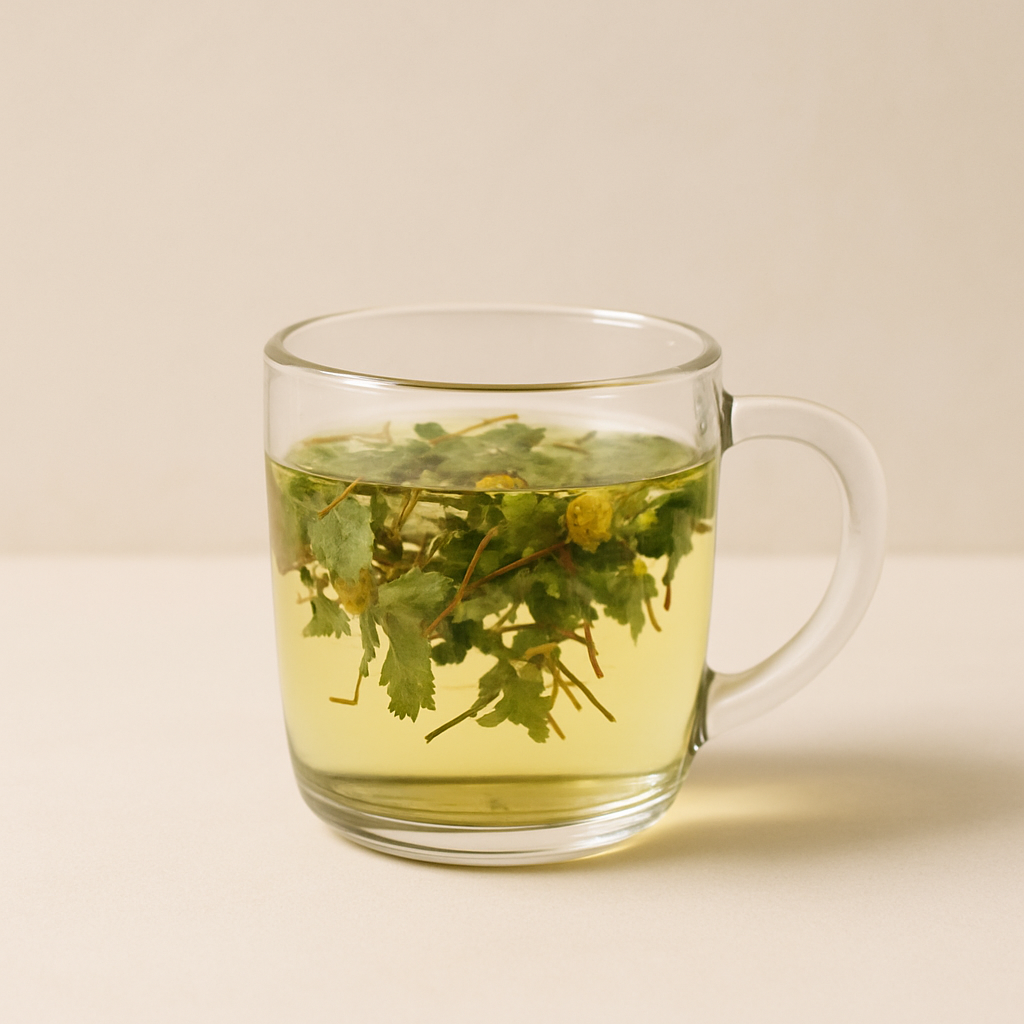
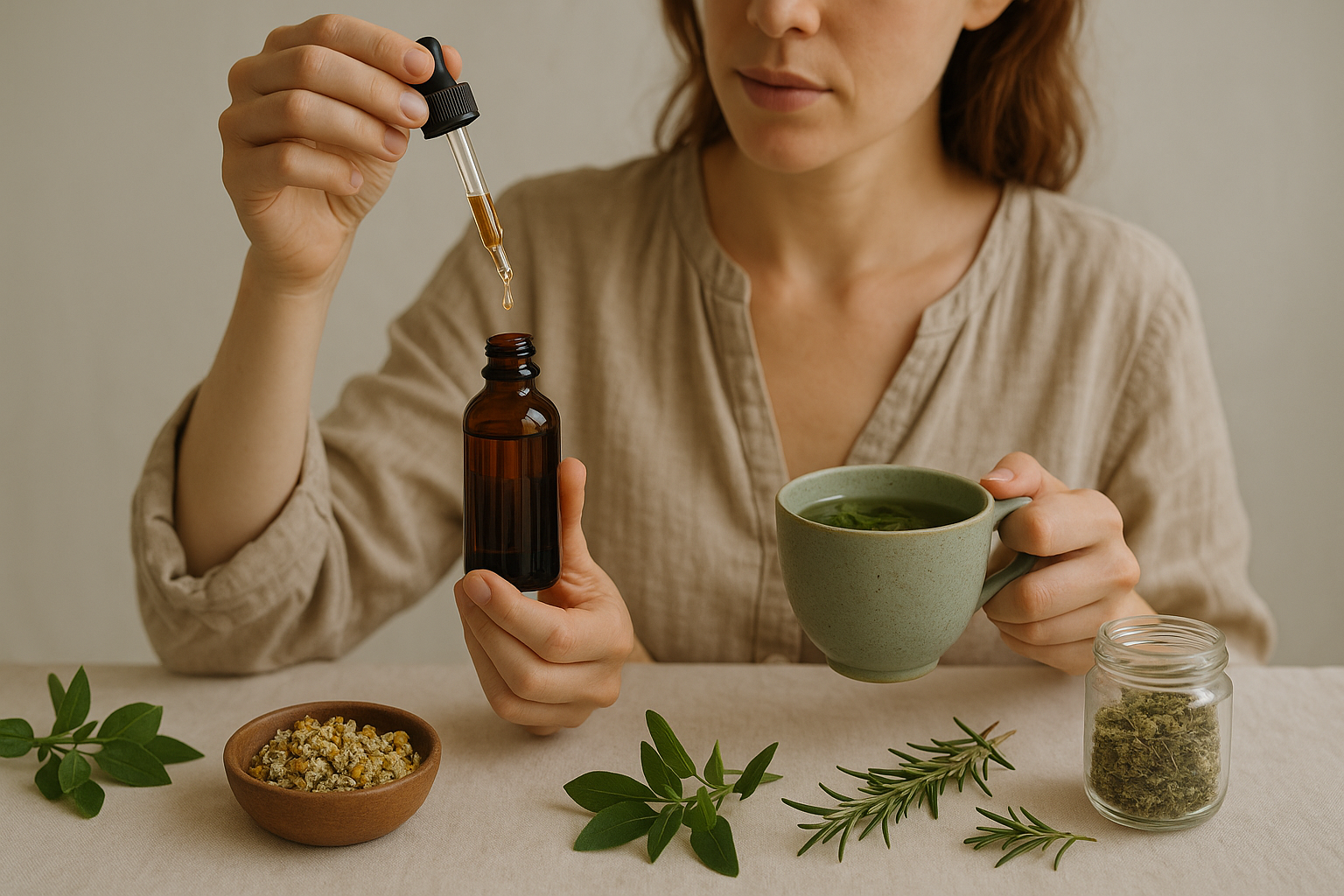
- Herbal Teas: Chamomile or lemon balm tea can complement the calming effects of essential oils.
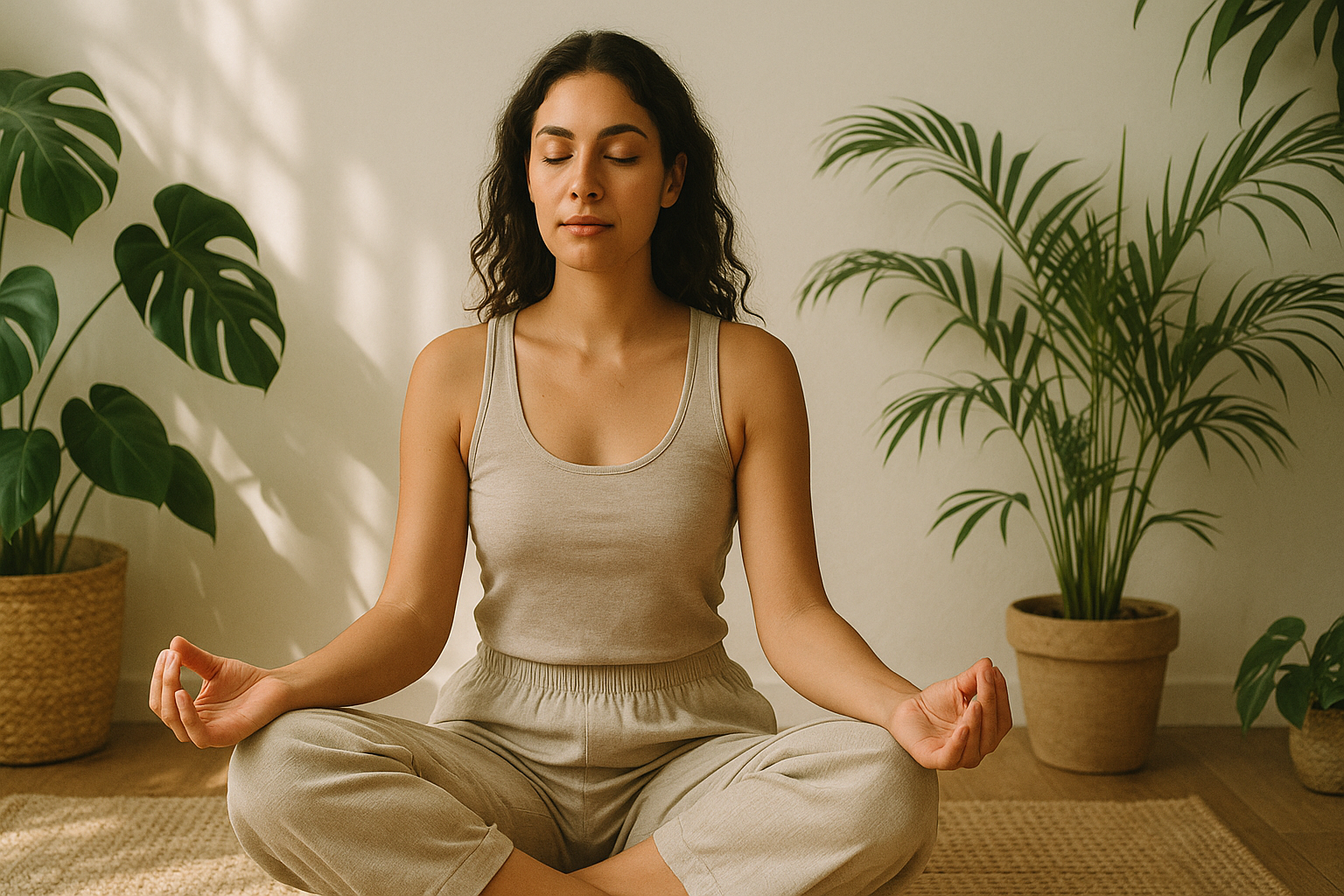
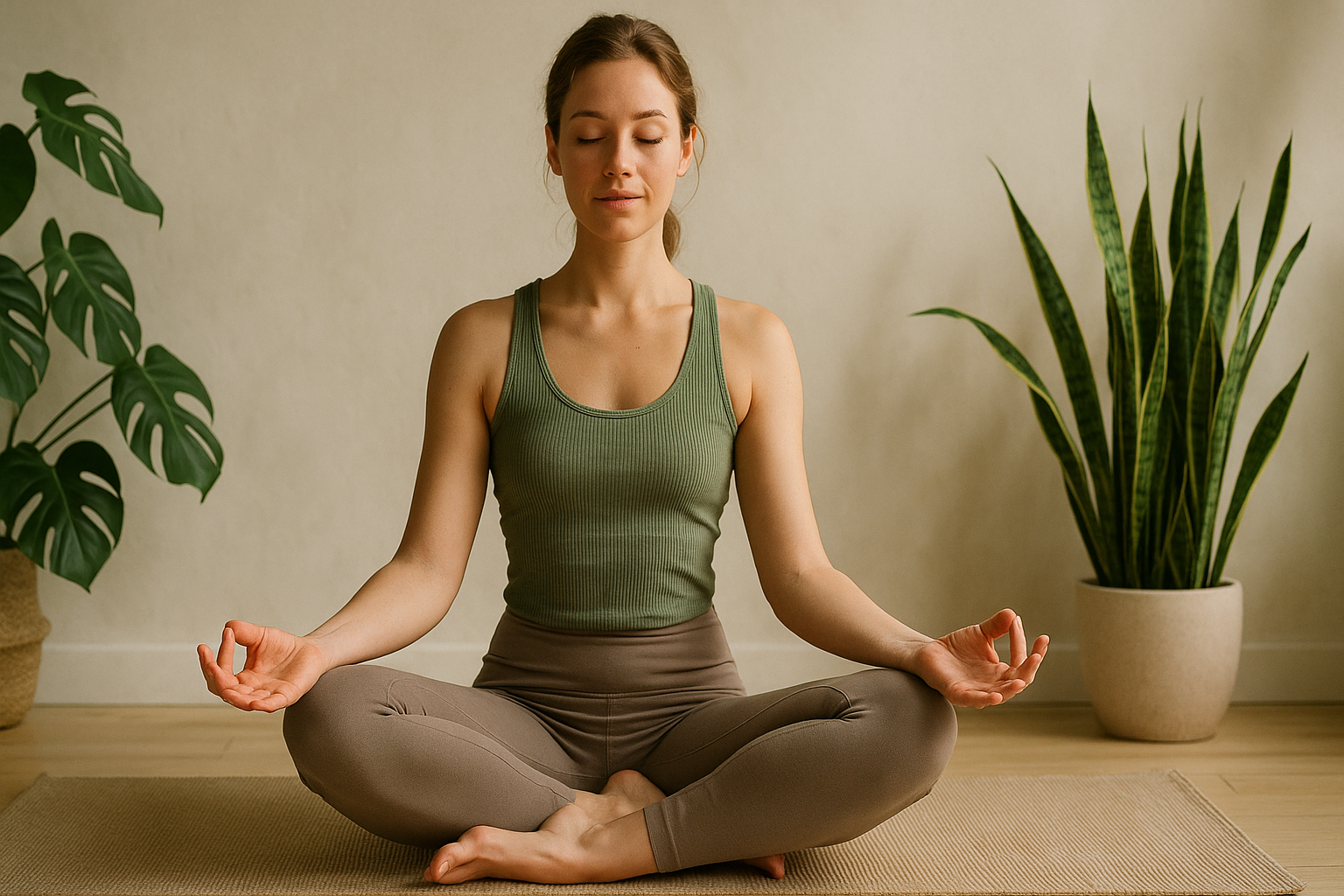
- Meditation: Incorporating oils into meditation can enhance relaxation.
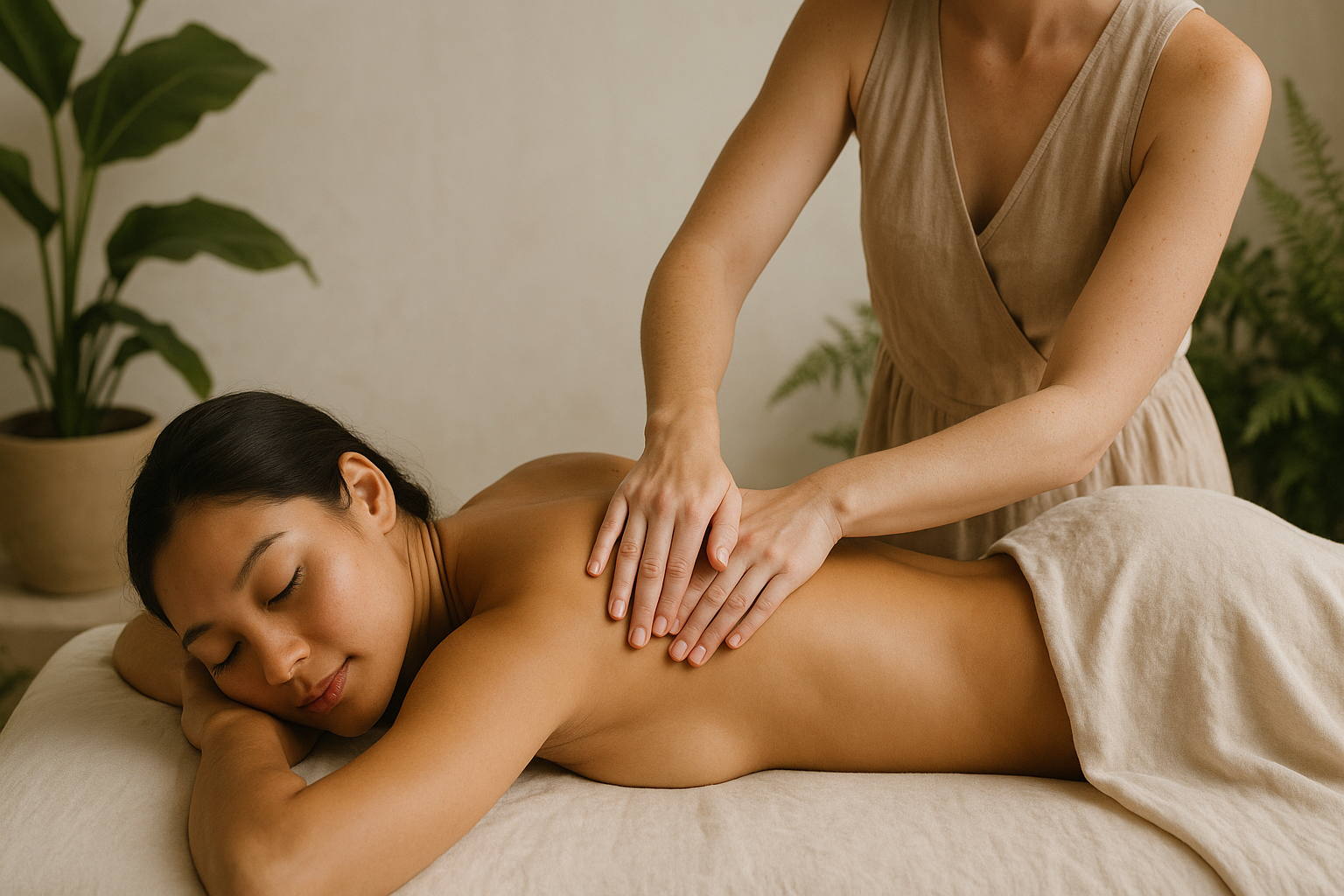
- Massage: Combining essential oils with carrier oils for massage can deepen relaxation.
FAQs (5)
- What is the best essential oil for stress relief? Lavender and chamomile are widely regarded as top choices for promoting relaxation.
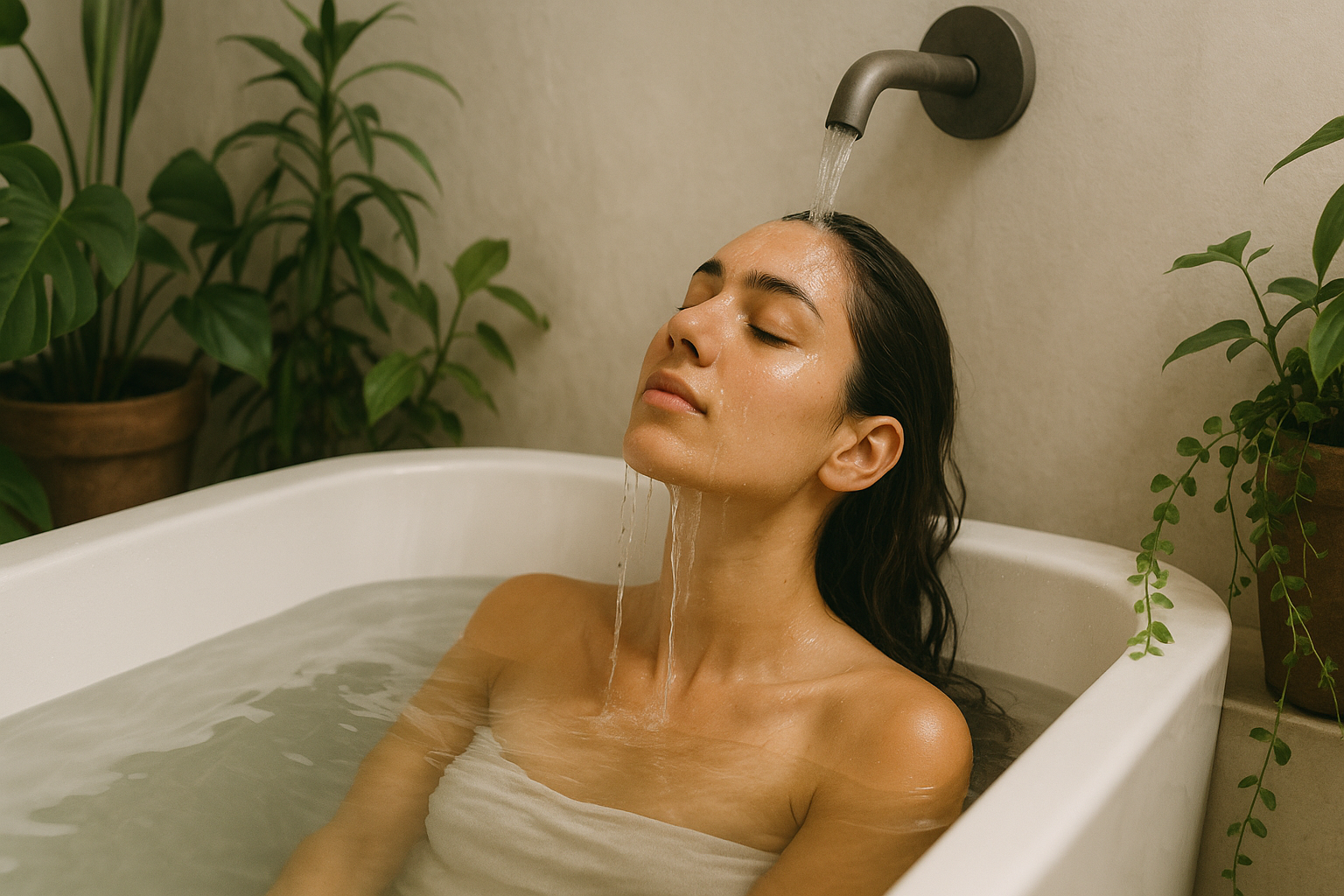
- How do I use essential oils for stress relief? You can diffuse them, apply diluted oils to the skin, or add them to bathwater.
- Are stress relief oils safe for children? Some oils are safe for children, but always consult a pediatrician before use.
- Can essential oils replace medication for anxiety? Essential oils can be a complementary approach but should not replace prescribed medications without consulting a healthcare provider.
- How long does the calming effect of essential oils last? The effects can vary, but many individuals report lasting relaxation for several hours after use.
Frequently asked
What is the best essential oil for stress relief?
Lavender and chamomile are widely regarded as top choices for promoting relaxation.
How do I use essential oils for stress relief?
You can diffuse them, apply diluted oils to the skin, or add them to bathwater.
Are stress relief oils safe for children?
Some oils are safe for children, but always consult a pediatrician before use.
Can essential oils replace medication for anxiety?
Essential oils can be a complementary approach but should not replace prescribed medications without consulting a healthcare provider.
How long does the calming effect of essential oils last?
The effects can vary, but many individuals report lasting relaxation for several hours after use.