Digestive Oils
Discover the world of digestive oils, their benefits, traditional uses, and modern insights. Learn safe practices and effective combinations for optimal digestive health.
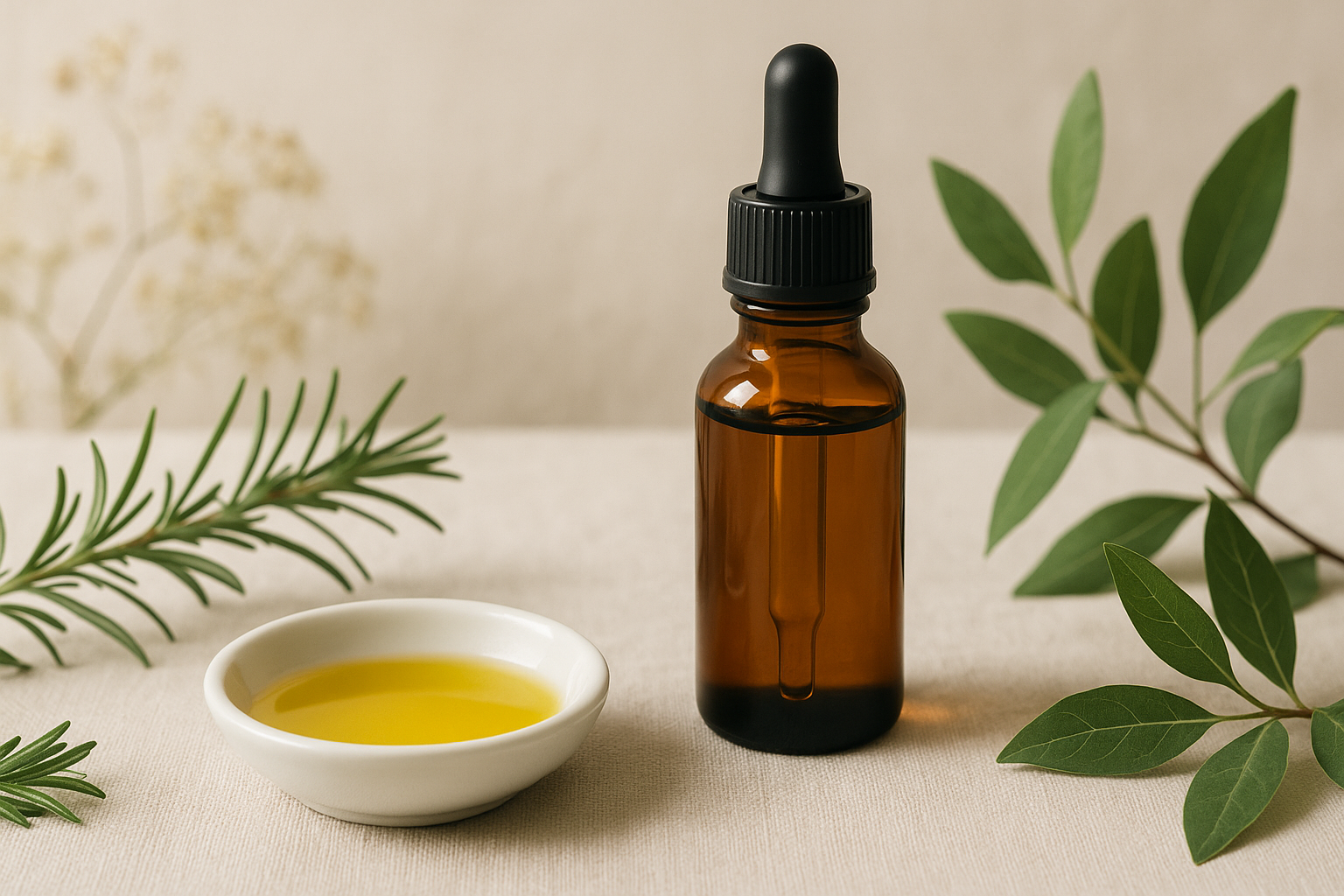
Explore the benefits and uses of digestive oils, their active compounds, traditional applications, and modern research insights. Learn about safety and dosing, and discover how to incorporate these essential oils into your wellness routine.
What It Is
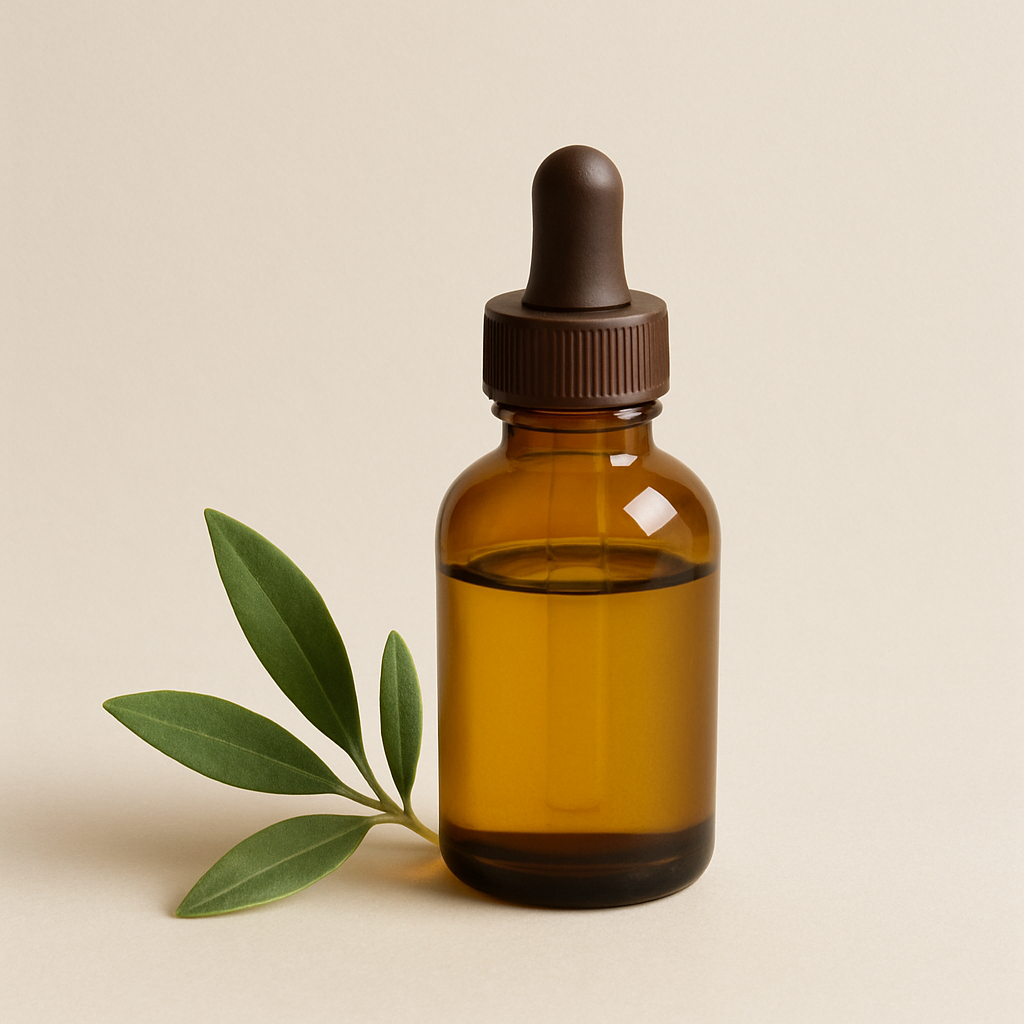
Digestive oils are essential oils derived from various plants that have been traditionally used to support digestive health. These oils, such as peppermint (Mentha piperita), ginger (Zingiber officinale), and fennel (Foeniculum vulgare), are extracted from the leaves, roots, or seeds of the plants and are known for their aromatic properties as well as their therapeutic benefits.
Key Active Compounds & Mechanisms
Digestive oils contain several bioactive compounds that contribute to their beneficial effects. Some of the key compounds include:
- Menthol: Found in peppermint oil, menthol can help relax the muscles of the gastrointestinal tract.
- Gingerol: A primary component of ginger oil, gingerol has anti-inflammatory and antioxidant properties.
- Anethole: Present in fennel oil, anethole may aid in relieving bloating and gas.
- Carvone: Found in caraway oil, carvone can stimulate digestive juices and support healthy digestion.
These compounds work through various mechanisms, including muscle relaxation, stimulation of digestive enzymes, and modulation of gut motility.
Traditional Uses
Historically, digestive oils have been utilized in various cultures for their digestive benefits. For instance:
- In Ancient Greece, peppermint was used to soothe stomach ailments and promote digestive health.
- Traditional Chinese Medicine has long incorporated ginger for its warming properties and ability to aid digestion.
- Fennel has been used in Ayurvedic practices to relieve gas and bloating.
These traditional uses underscore the longstanding relationship between herbal remedies and digestive wellness.
What Modern Research Suggests
Modern research has begun to validate some of the traditional uses of digestive oils. While many studies are preliminary, findings suggest:
- Peppermint oil may effectively reduce symptoms of irritable bowel syndrome (IBS) and improve overall digestive comfort.
- Ginger oil has shown promise in reducing nausea, particularly in pregnancy and post-operative patients.
- Fennel oil has been studied for its potential to alleviate symptoms of dyspepsia and intestinal gas.
While these findings are encouraging, further research is necessary to fully understand the extent of their benefits and mechanisms.
Functional Actions
Digestive oils can offer a variety of functional actions, including:
- Relieving bloating and gas
- Soothing indigestion and nausea
- Stimulating appetite and digestion
- Supporting gut motility
These actions make digestive oils a valuable addition to natural wellness practices aimed at promoting digestive health.
Body Systems Supported
Primarily, digestive oils support the:
- Digestive System: Enhancing digestion and reducing discomfort.
- Gastrointestinal Tract: Promoting gut health and motility.
- Endocrine System: Some oils may influence appetite regulation.
By supporting these systems, digestive oils can contribute to overall health and well-being.
Common Forms & Educational Dosing Ranges
Digestive oils are available in various forms, including:
- Essential Oils: Highly concentrated and should be used with caution. Common dosing ranges are typically 1-3 drops mixed with a carrier oil, taken internally or used in aromatherapy.
- Capsules: Some oils, like ginger, are available in capsule form for easier consumption.
- Infused Oils: Oils infused with digestive herbs can be used in cooking or as a salad dressing.
Always consult with a healthcare provider or certified aromatherapist for personalized dosing recommendations.
Safety, Contraindications & Interactions
While digestive oils are generally considered safe for most people, the following precautions should be noted:
- Peppermint oil: May interact with antacids and medications for gastroesophageal reflux disease (GERD).
- Ginger oil: Should be used cautiously by those on blood-thinning medications, as it may enhance their effects.
- Fennel oil: Avoid during pregnancy as it may stimulate uterine contractions.
Always discuss with a healthcare professional before starting any new supplement, especially if you are pregnant, nursing, or on medication.
Pairs Well With
Digestive oils can complement each other and enhance their effects when used in combination. Some effective pairings include:
- Peppermint and ginger for soothing nausea
- Fennel and caraway for gas relief
- Ginger and lemon for digestive stimulation
Using these combinations can provide a more comprehensive approach to digestive health.
FAQs (5)
- Q: Can I ingest essential oils for digestion?
A: Yes, but only consult with a healthcare provider or aromatherapist for guidance on safe usage. - Q: How do I use digestive oils in cooking?
A: Use diluted essential oils or infused oils as flavoring in dishes, but ensure they are safe for culinary use. - Q: Are there any side effects associated with digestive oils?
A: Possible side effects include heartburn, allergic reactions, or interactions with medications. Always use with caution. - Q: Can children use digestive oils?
A: Some digestive oils may be safe for children when diluted appropriately; consult a pediatrician before use. - Q: How often can I use digestive oils?
A: Frequency can vary based on individual needs and the specific oil; consult a healthcare provider for personalized advice.
Frequently asked
Can I ingest essential oils for digestion?
Yes, but only consult with a healthcare provider or aromatherapist for guidance on safe usage.
How do I use digestive oils in cooking?
Use diluted essential oils or infused oils as flavoring in dishes, but ensure they are safe for culinary use.
Are there any side effects associated with digestive oils?
Possible side effects include heartburn, allergic reactions, or interactions with medications. Always use with caution.
Can children use digestive oils?
Some digestive oils may be safe for children when diluted appropriately; consult a pediatrician before use.
How often can I use digestive oils?
Frequency can vary based on individual needs and the specific oil; consult a healthcare provider for personalized advice.