Sleep Oils
Uncover the benefits of sleep oils, their active compounds, traditional uses, modern research insights, and safety considerations to enhance your sleep naturally.
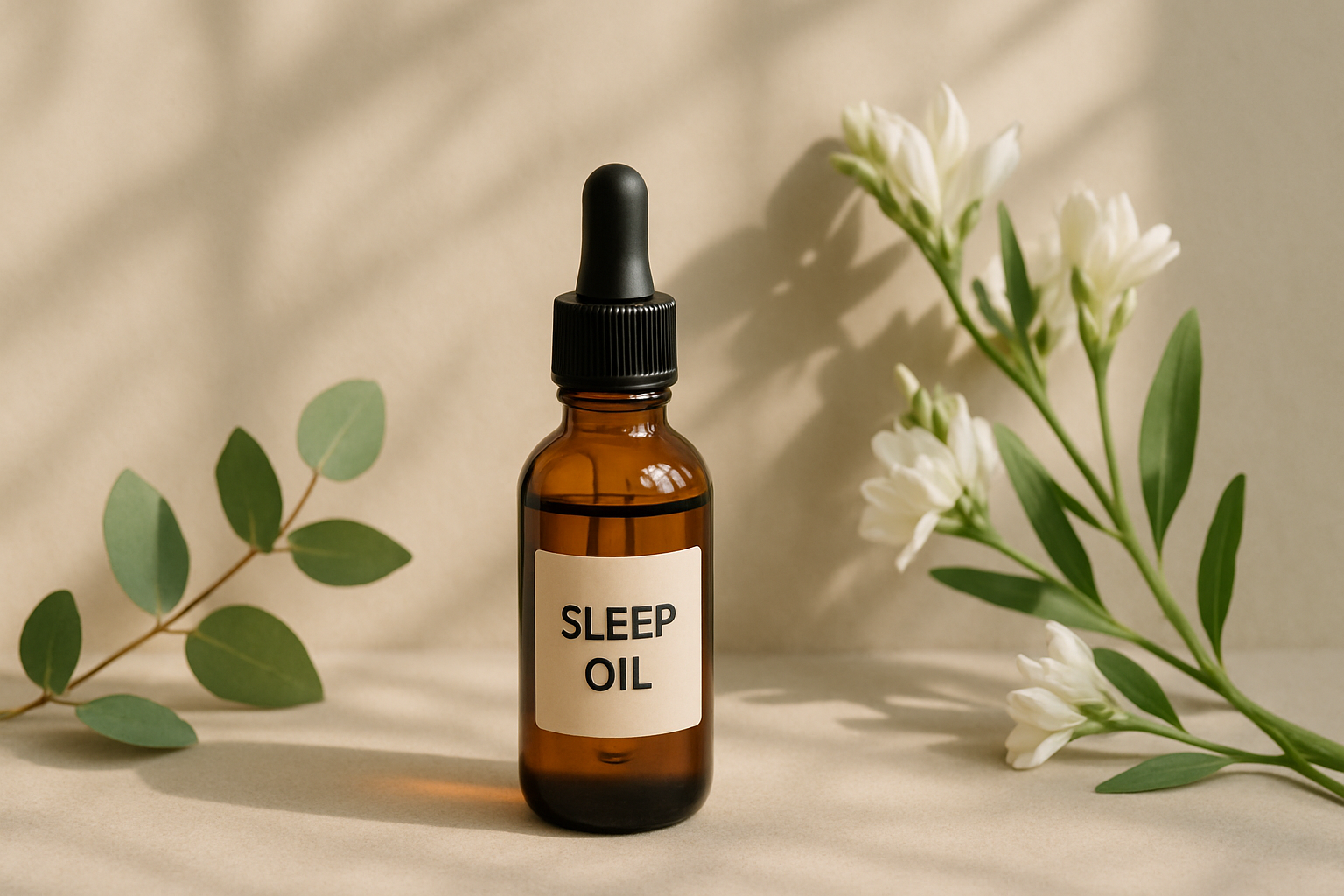
Explore the soothing world of sleep oils, derived from natural essential oils known for their calming properties. Discover their active compounds, traditional uses, modern research insights, functional actions, supported body systems, common forms, safety considerations, and ideal combinations for enhanced effectiveness.
What It Is
Sleep oils are essential oils specifically formulated to promote relaxation and enhance sleep quality. These oils are derived from various plants and contain aromatic compounds that influence brain chemistry, helping to reduce stress and anxiety. Common sleep oils include Lavender (Lavandula angustifolia), Chamomile (Matricaria chamomilla), and Bergamot (Citrus bergamia).
Key Active Compounds & Mechanisms
Sleep oils contain several active compounds that contribute to their calming effects. Some key components include:
- Linalool: Found in Lavender, this compound is known for its sedative properties, helping to reduce anxiety and promote sleep.
- Bisabolol: Present in Chamomile, bisabolol has anti-inflammatory and calming effects, making it beneficial for stress relief.
- Limonene: Common in Bergamot, this compound is believed to enhance mood and reduce stress levels.
These compounds work by interacting with neurotransmitters in the brain, particularly gamma-aminobutyric acid (GABA), which plays a crucial role in promoting relaxation.
Traditional Uses
Historically, various cultures have utilized sleep oils for their calming effects. For instance:
- In ancient Egypt, Lavender was used in baths and as a fragrance, believed to promote peace and relaxation.
- Chamomile has been employed since the time of the ancient Greeks and Romans as a natural remedy for insomnia and anxiety.
- Bergamot has roots in Italian herbal medicine, where it was used to alleviate stress and improve sleep quality.
These traditional practices highlight the long-standing recognition of essential oils as natural aids for sleep.
What Modern Research Suggests
Recent studies have begun to validate the effectiveness of sleep oils in promoting better sleep. Research has indicated that:
- Aromatherapy with Lavender essential oil can significantly improve sleep quality and reduce anxiety in various populations, including post-operative patients and those with sleep disorders.
- Chamomile tea, often consumed for its calming effects, has shown potential in promoting sleep, particularly among individuals experiencing insomnia.
- Studies on Bergamot have suggested its ability to reduce stress and improve mood, potentially aiding in sleep onset.
While more extensive research is needed, preliminary findings support the use of these oils as complementary tools for enhancing sleep.
Functional Actions
Sleep oils exhibit several functional actions that contribute to their efficacy:
- Calming: Promote relaxation and reduce anxiety levels.
- Sleep Induction: Facilitate the transition into sleep, shortening sleep onset time.
- Stress Reduction: Help alleviate stress, which can hinder sleep quality.
These actions make sleep oils valuable additions to nighttime routines.
Body Systems Supported
Sleep oils primarily support the following body systems:
- Nervous System: Help regulate stress responses and promote relaxation.
- Endocrine System: Influence hormone levels related to stress and sleep.
- Immune System: Reduce stress and anxiety, which can bolster overall health and well-being.
By supporting these systems, sleep oils contribute to a holistic approach to improving sleep quality.
Common Forms & Educational Dosing Ranges
Sleep oils are available in various forms, including:
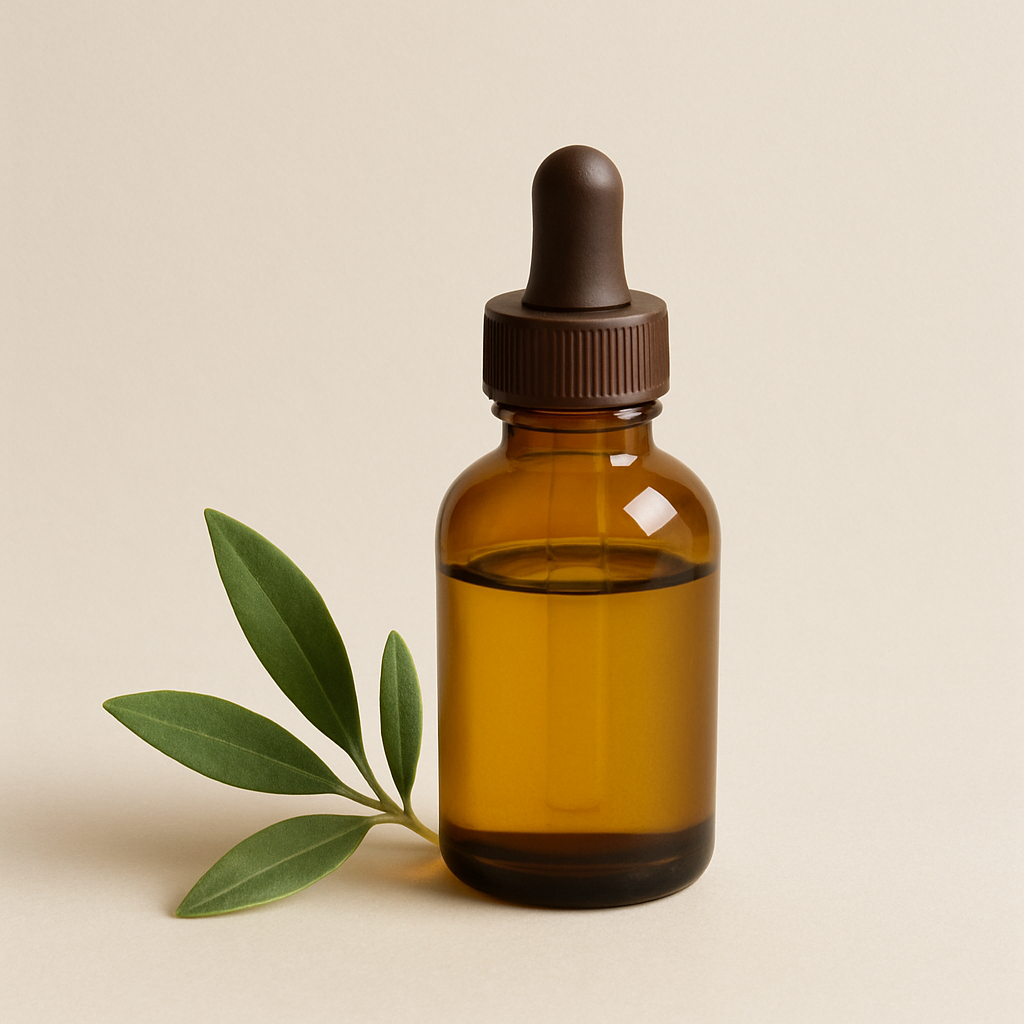
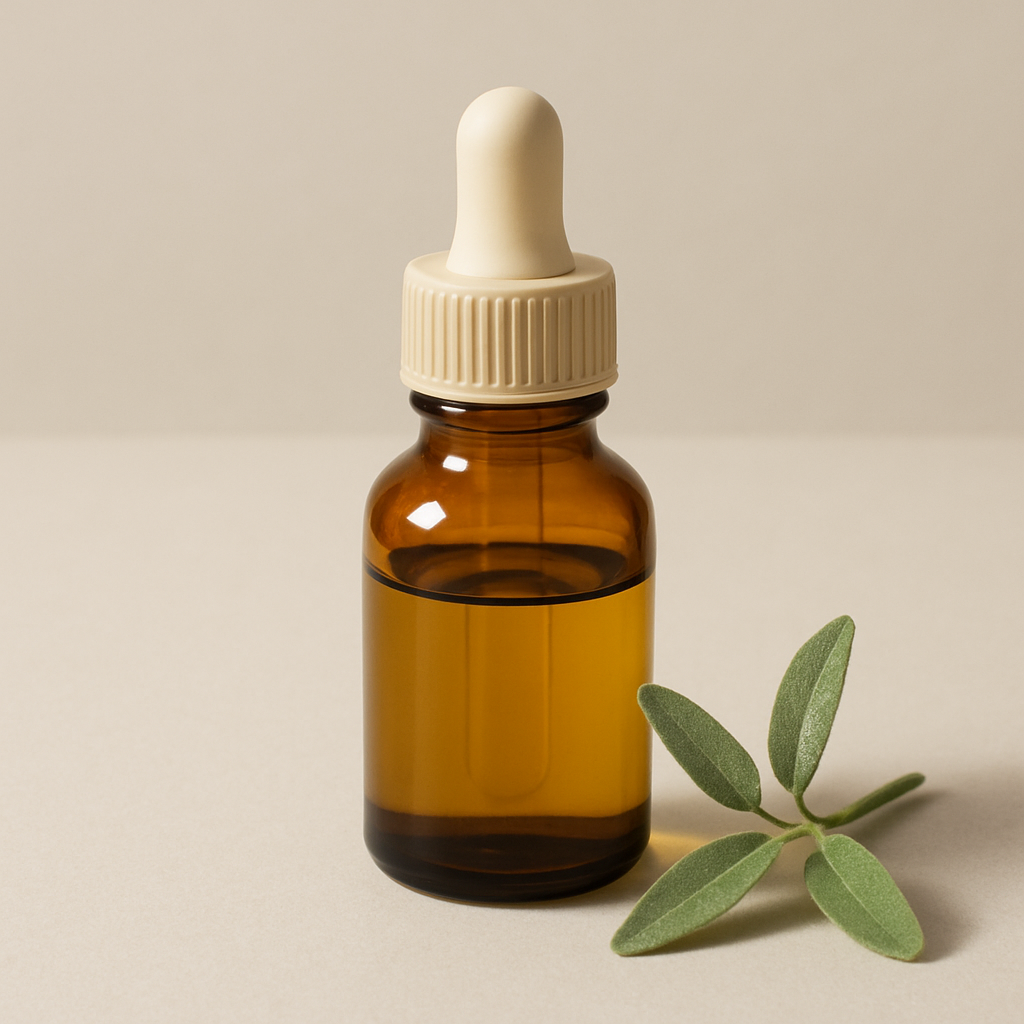
- Essential Oil Bottles: Typically used for diffusion or topical application.
- Roll-Ons: Convenient for targeted application on pulse points.
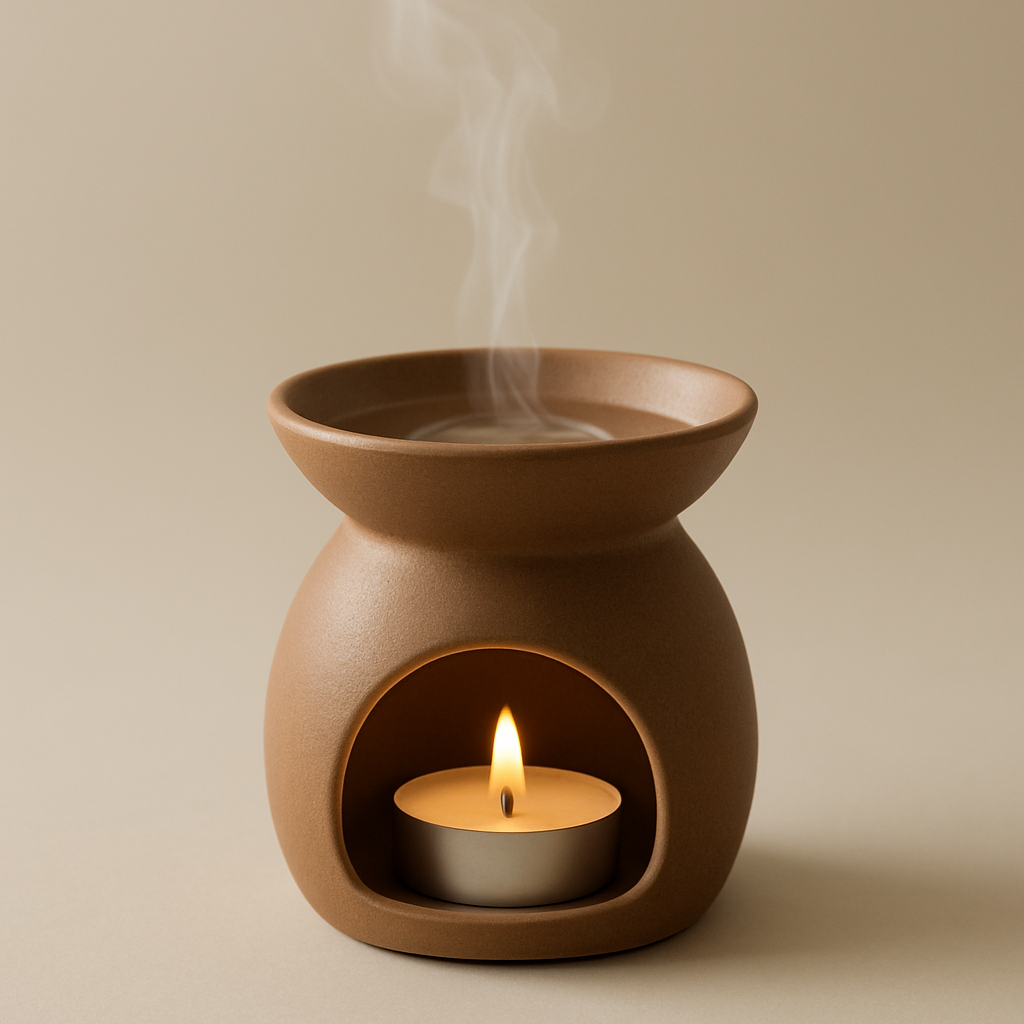
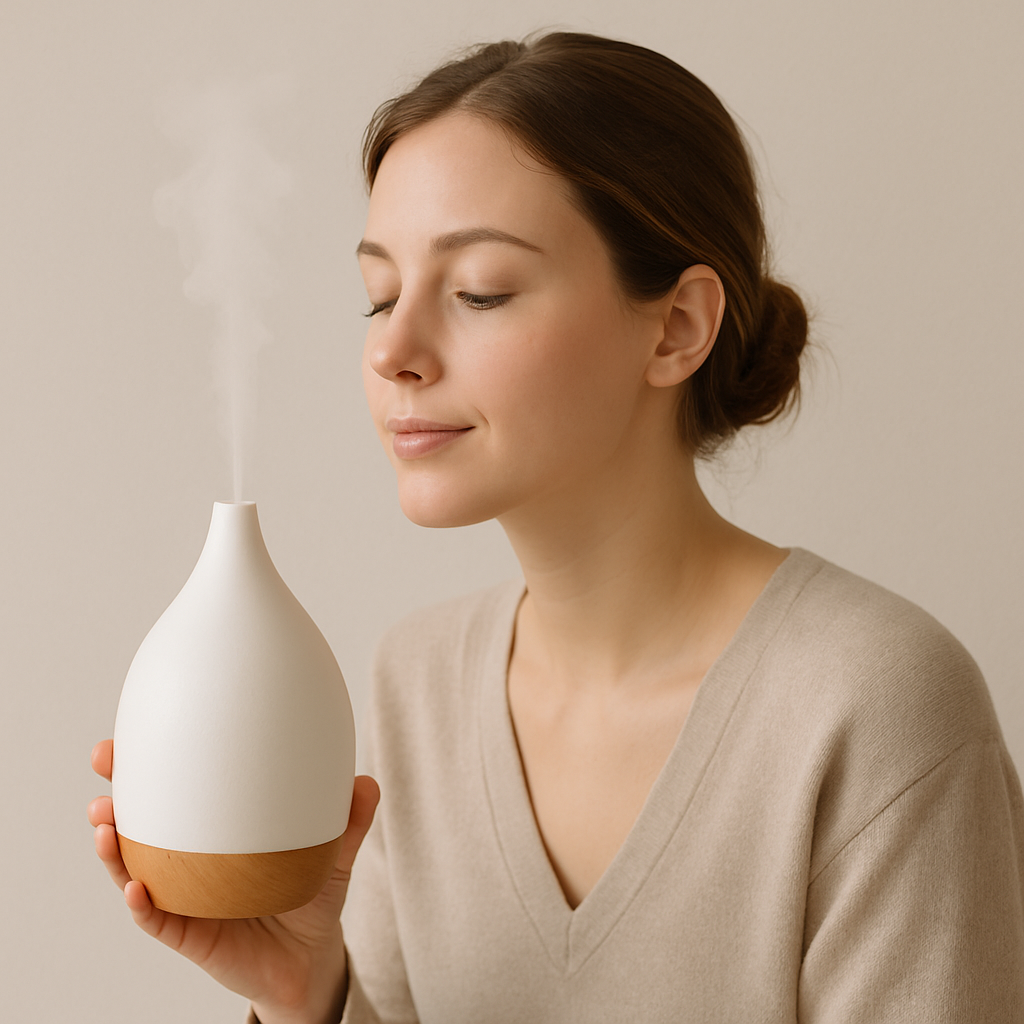
- Diffusers: Designed to disperse essential oils into the air for inhalation.
- Bath Oils: Used in baths for an immersive aromatic experience.
When using essential oils for sleep, the following dosing ranges are generally recommended:
- Diffusion: 3-5 drops of essential oil in a diffuser for 30-60 minutes before bedtime.
- Topical Application: 1-2 drops diluted with a carrier oil (e.g., coconut or jojoba oil) applied to wrists or temples.
- Baths: 5-10 drops of essential oil added to warm bath water.
Always perform a patch test before topical application to check for any allergic reactions.
Safety, Contraindications & Interactions
While sleep oils are generally safe for most individuals when used properly, there are some precautions to consider:
- Pregnancy and Nursing: Certain essential oils may not be safe during pregnancy or breastfeeding; consult a healthcare provider before use.
- Allergies: Individuals with allergies to specific plants should avoid those corresponding oils.
- Medication Interactions: Essential oils can interact with medications, particularly sedatives, antidepressants, and blood thinners. Always consult a healthcare professional if you are on medication.
It is crucial to use sleep oils mindfully to ensure safe and effective use.
Pairs Well With
To enhance the effects of sleep oils, consider pairing them with:
- Chamomile Tea: A calming beverage that complements the effects of sleep oils.
- Magnesium Supplements: May support relaxation and improve sleep quality.
- Relaxation Techniques: Practices such as meditation or deep breathing can amplify the calming effects of sleep oils.
Combining these elements can lead to a more comprehensive approach to improving sleep.
FAQs (5)
- What are sleep oils?
Sleep oils are essential oils that help promote relaxation and improve sleep quality. - How do I use sleep oils?
Sleep oils can be used in diffusers, applied topically, or added to baths. - Are there any side effects of sleep oils?
Some may experience allergic reactions or interactions with medications; consult a healthcare provider for guidance. - Which sleep oils are the most effective?
Lavender, Chamomile, and Bergamot are commonly regarded as effective sleep oils. - Can sleep oils be used with other remedies?
Yes, they can be combined with herbal teas, relaxation techniques, and supplements to enhance their effects.
Frequently asked
What are sleep oils?
Sleep oils are essential oils that help promote relaxation and improve sleep quality.
How do I use sleep oils?
Sleep oils can be used in diffusers, applied topically, or added to baths.
Are there any side effects of sleep oils?
Some may experience allergic reactions or interactions with medications; consult a healthcare provider for guidance.
Which sleep oils are the most effective?
Lavender, Chamomile, and Bergamot are commonly regarded as effective sleep oils.
Can sleep oils be used with other remedies?
Yes, they can be combined with herbal teas, relaxation techniques, and supplements to enhance their effects.