Aromatherapy
Discover the benefits and applications of aromatherapy, its active compounds, and how it can support various body systems.
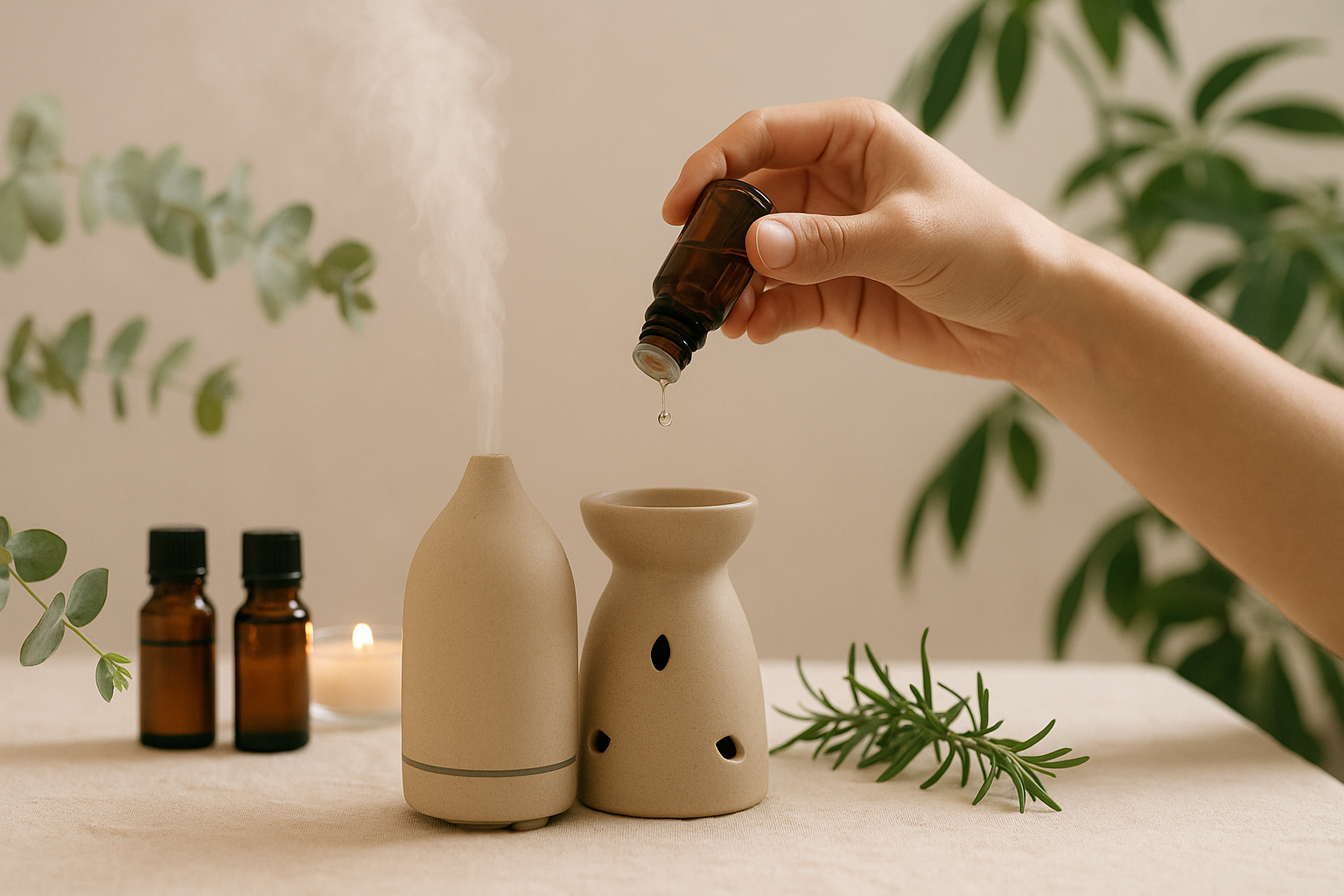
Explore the world of aromatherapy, its active compounds, historical uses, modern research, functional actions, supported body systems, common forms, safety considerations, and ideal pairings.
What It Is
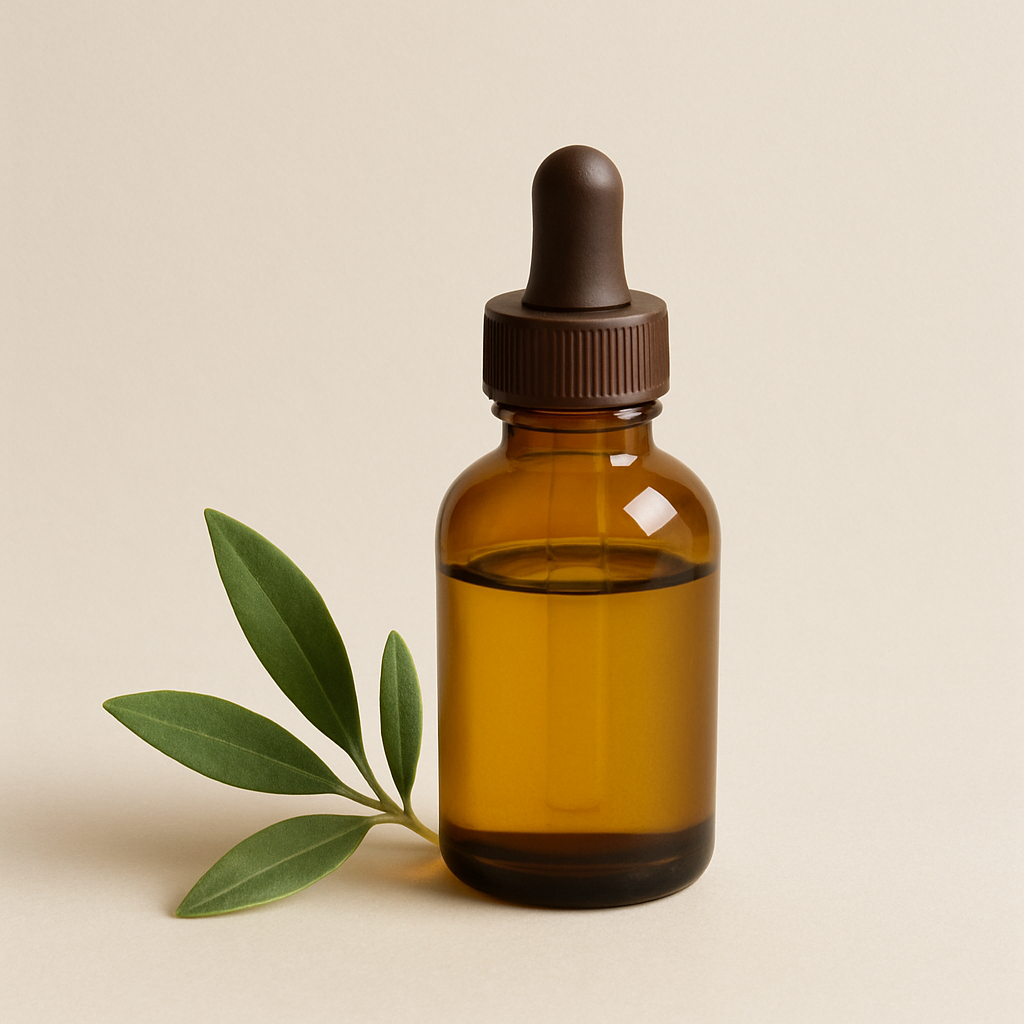
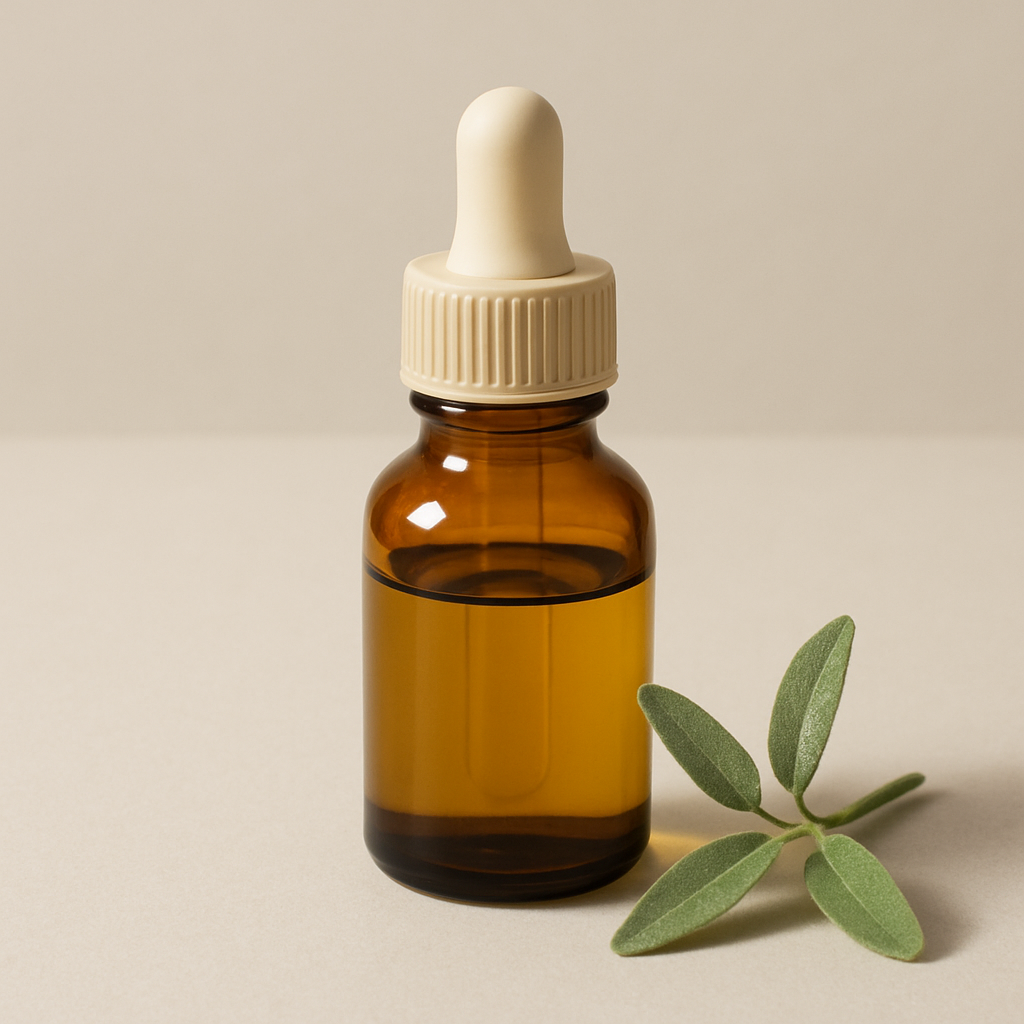
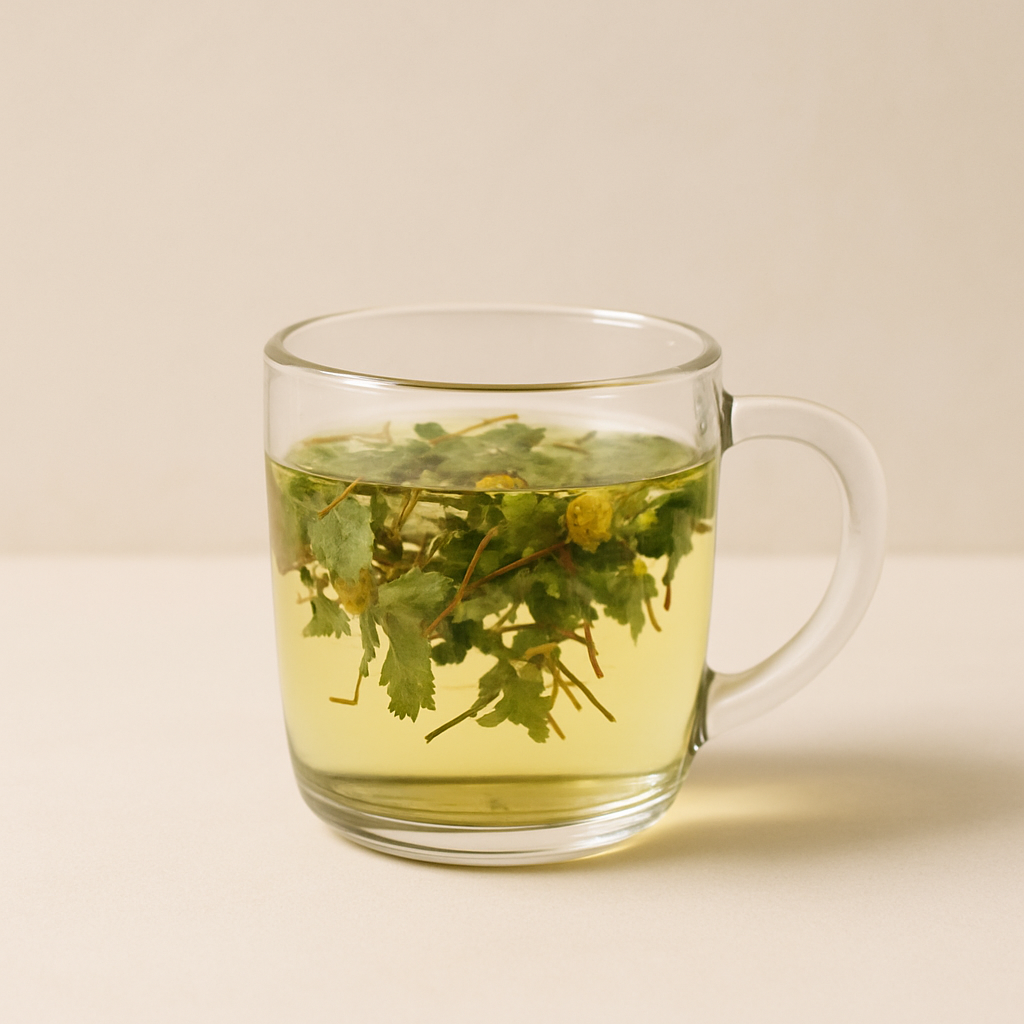
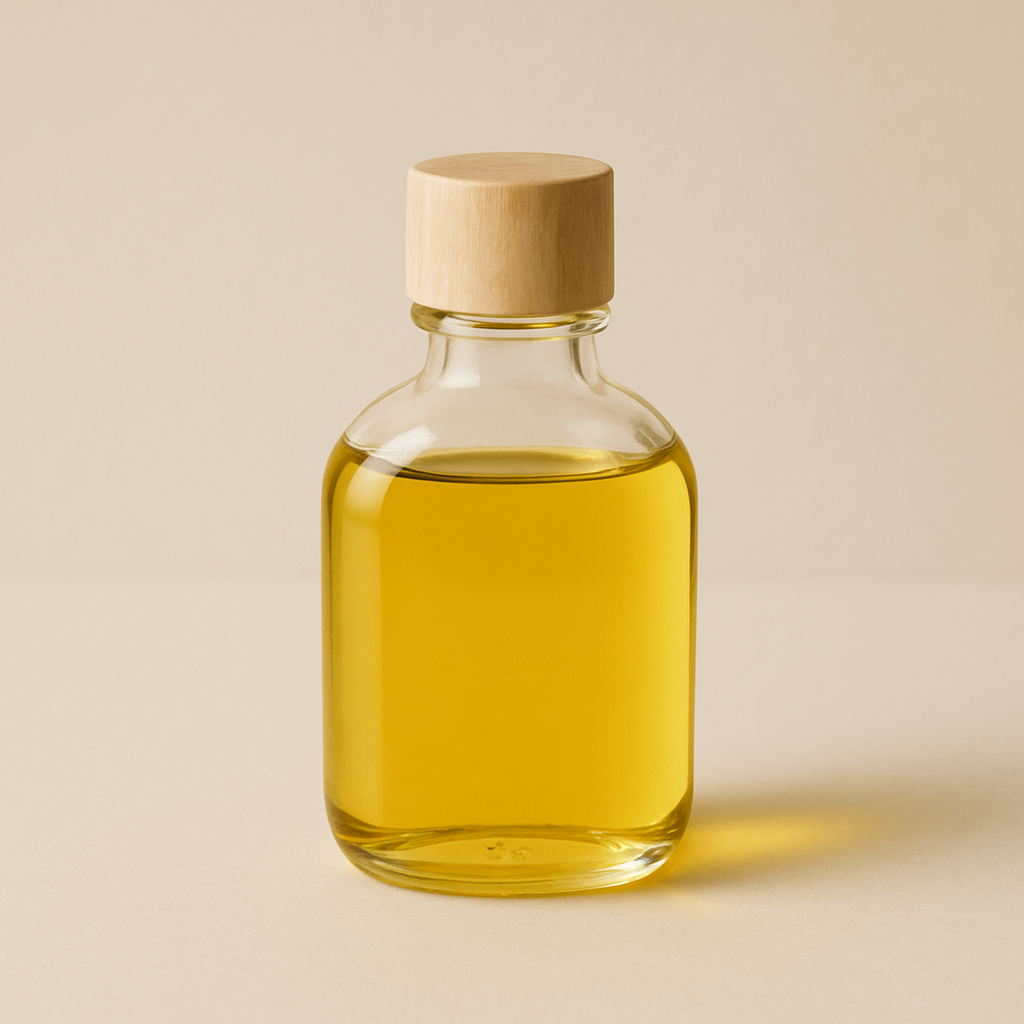
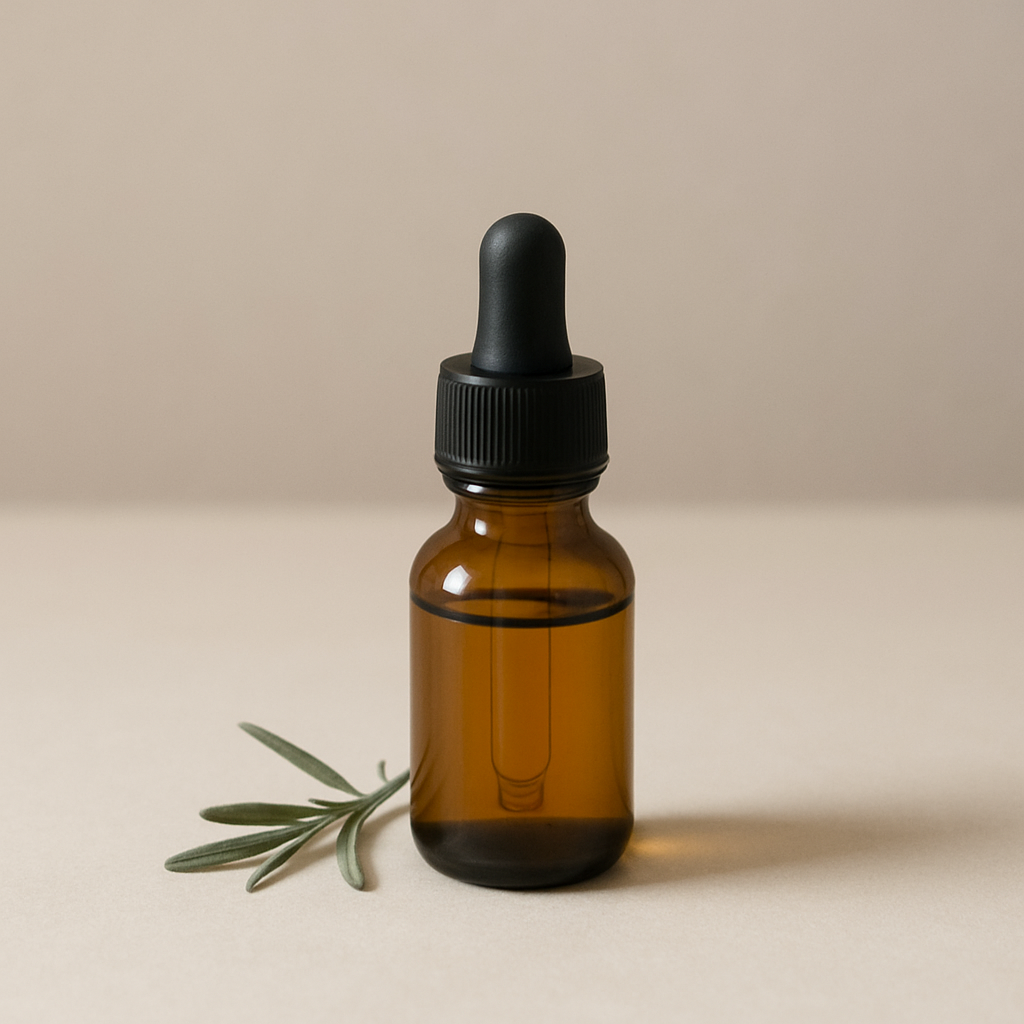
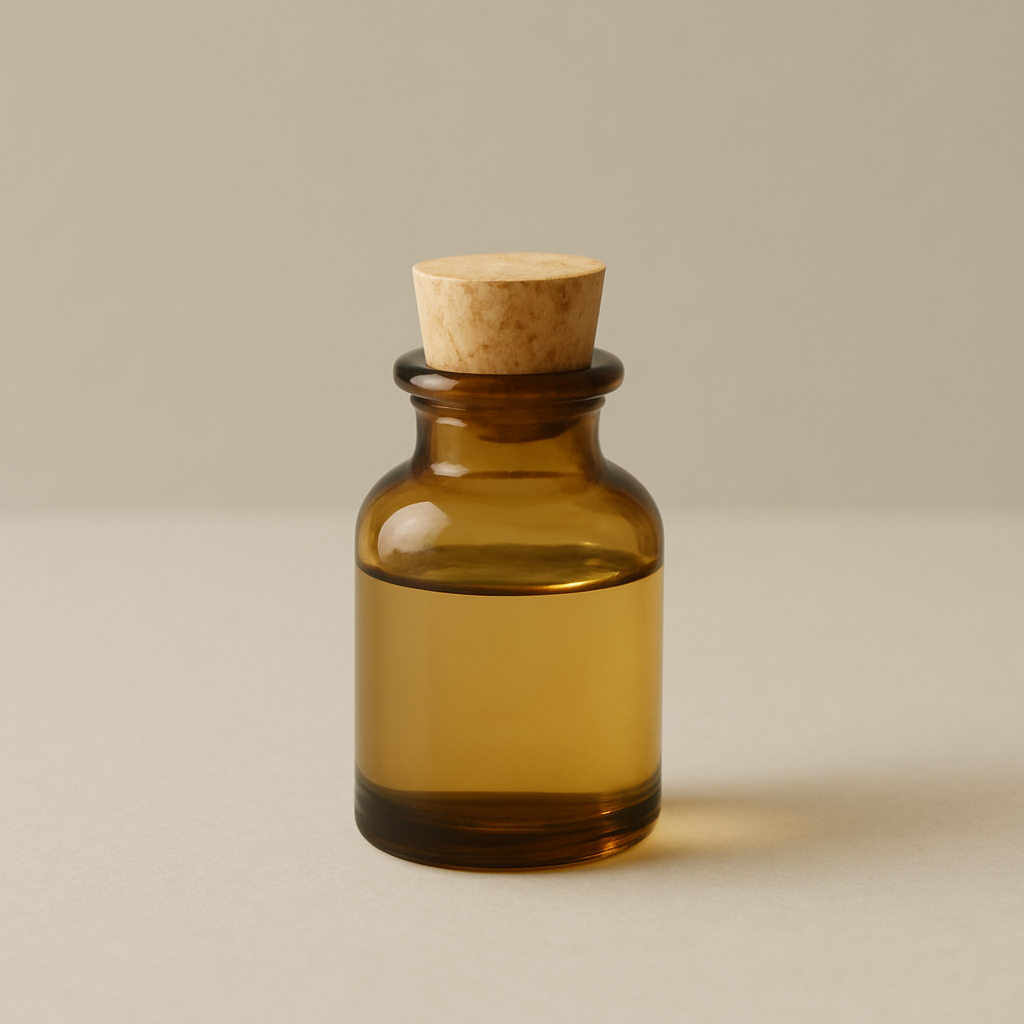
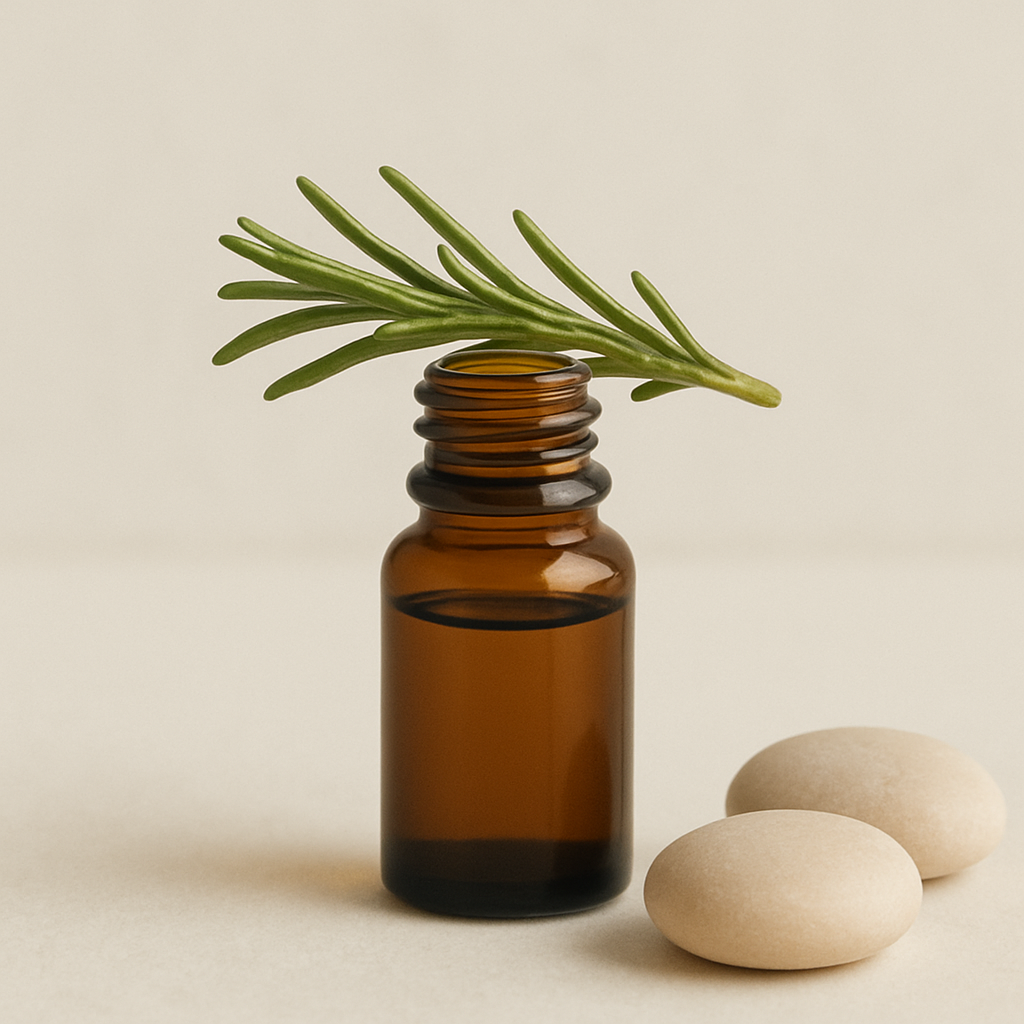
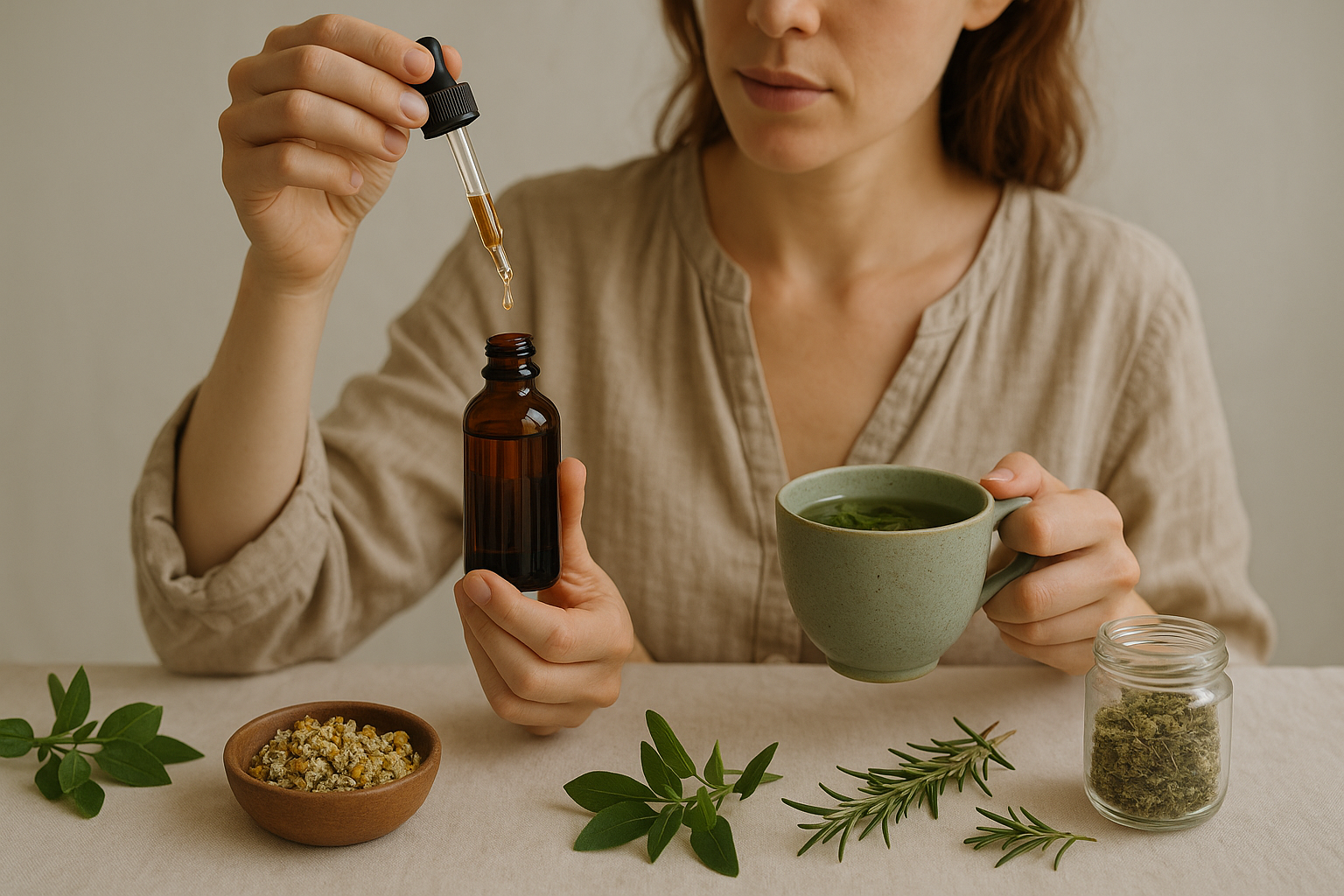
Aromatherapy is a holistic healing practice that utilizes the natural scents of essential oils derived from plants. These oils are extracted from various parts of plants, including flowers, leaves, stems, and roots, and are used to enhance physical and emotional well-being. The essential oils contain aromatic compounds that are believed to influence the body and mind, making aromatherapy a popular choice for relaxation and therapeutic purposes.
Key Active Compounds & Mechanisms
Essential oils contain numerous active compounds, each contributing to their unique properties. Some key compounds include:
- Limonene: Found in citrus oils, limonene is known for its uplifting and mood-enhancing effects.
- Linalool: Present in lavender oil, linalool has calming properties that may help reduce anxiety and promote relaxation.
- Menthol: Commonly found in peppermint oil, menthol provides a cooling sensation and can aid in relieving headaches and tension.
- Thymol: This compound, found in thyme oil, exhibits antimicrobial properties and can support immune function.
- Eucalyptol: Present in eucalyptus oil, eucalyptol can help relieve respiratory issues and promote clear breathing.
The mechanisms through which these compounds work often involve interaction with the olfactory system, influencing mood and physiological responses.
Traditional Uses
Aromatherapy has a rich history, dating back thousands of years. Ancient civilizations such as the Egyptians, Greeks, and Chinese utilized aromatic plants for medicinal and spiritual purposes. In ancient Egypt, essential oils were used in embalming processes and rituals, while the Greeks, like Hippocrates, recognized the therapeutic potential of various herbs. Traditional Chinese medicine also incorporated aromatic herbs to balance energy and promote healing.
What Modern Research Suggests
Modern studies on aromatherapy have begun to validate some of the traditional claims. Research indicates that certain essential oils may have therapeutic effects on mood, stress levels, and even pain management. For instance, a study found that inhalation of lavender oil can significantly reduce anxiety levels in various populations. However, while promising, more research is needed to understand the full spectrum of benefits and to establish standardized dosing guidelines.
Functional Actions
Aromatherapy can serve several functional actions, including:
- Relaxation: Many essential oils, such as lavender and chamomile, are known for their calming effects.
- Stress Relief: Oils like bergamot and frankincense may help reduce stress and improve mood.
- Pain Management: Certain oils can assist in alleviating headaches, muscle pain, and joint discomfort.
- Respiratory Support: Eucalyptus and peppermint oils support clear breathing and can alleviate congestion.
- Antimicrobial Properties: Some essential oils, such as tea tree and thyme, have been shown to combat bacteria and fungi.
Body Systems Supported
Aromatherapy supports several body systems, including:
- Nervous System: Essential oils can promote relaxation and help manage stress and anxiety.
- Respiratory System: Oils like eucalyptus support respiratory function and can aid in clearing airways.
- Immune System: Certain essential oils exhibit antimicrobial properties, supporting overall immune health.
- Digestive System: Some oils, such as ginger and peppermint, can help with digestive discomfort.
- Musculoskeletal System: Essential oils can offer relief from muscle and joint pain.
Common Forms & Educational Dosing Ranges
Aromatherapy can be practiced in various forms, including:
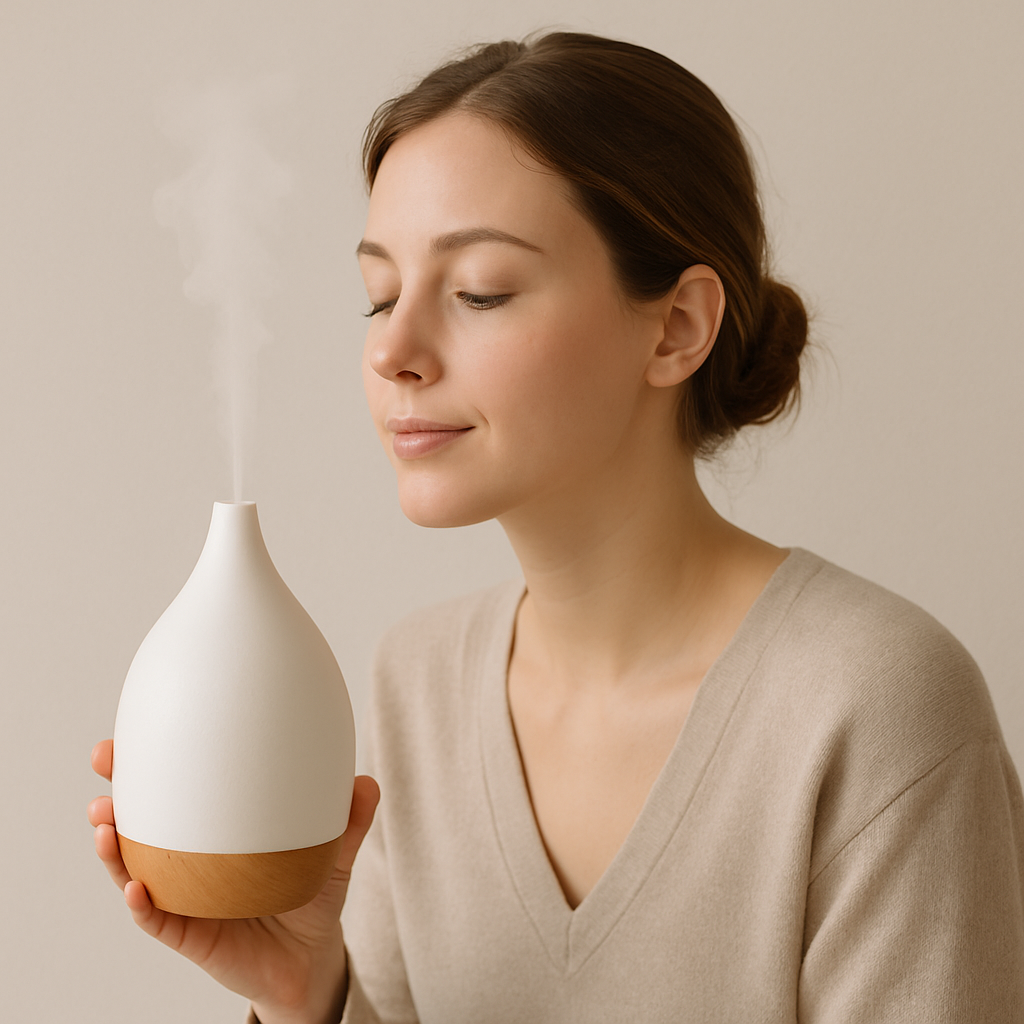
- Diffusion: Essential oils are added to a diffuser to disperse the aroma into the air. Commonly, 3-10 drops of essential oil are used.
- Inhalation: Directly inhaling essential oils from the bottle or using a cotton ball. A few drops are typically sufficient.
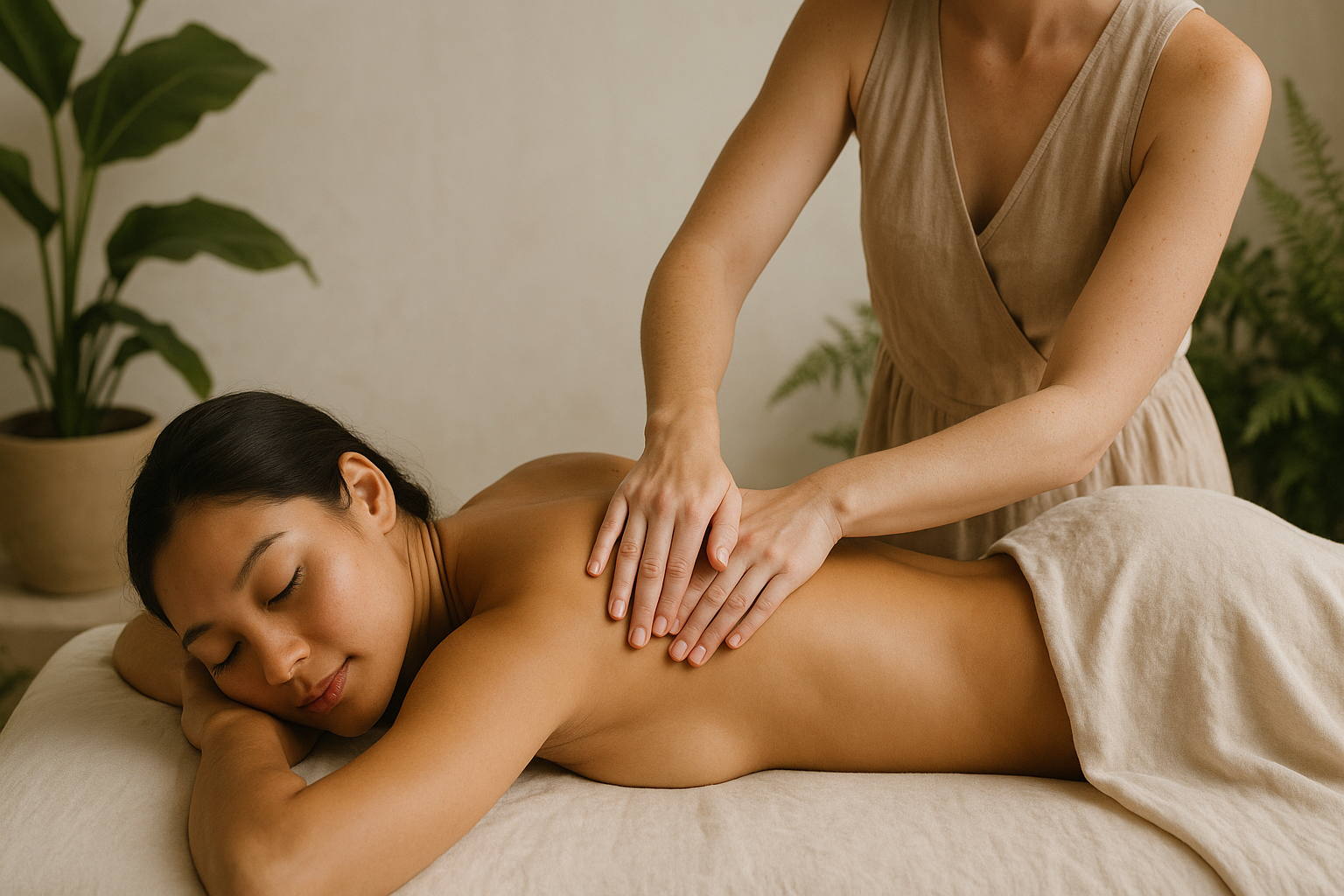
- Topical Application: Essential oils diluted with carrier oils can be applied to the skin. A common dilution ratio is 1-2 drops of essential oil per teaspoon of carrier oil.
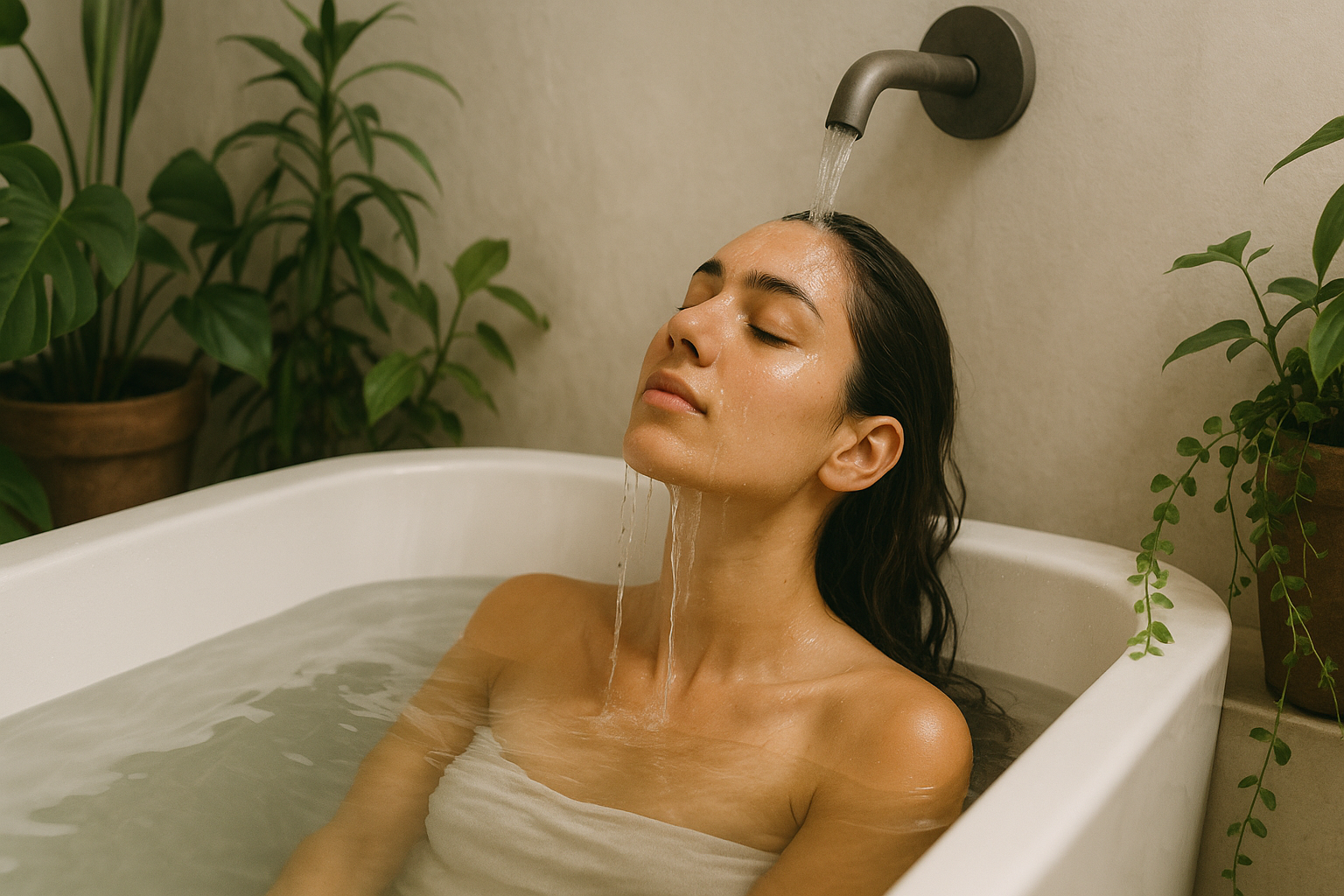
- Baths: Adding essential oils to bathwater can provide a relaxing experience. Generally, 5-10 drops are recommended, mixed with a carrier oil or bath salts.
Safety, Contraindications & Interactions
While aromatherapy is generally considered safe, there are some precautions to be aware of:
- Essential oils should be diluted before topical application to prevent skin irritation.
- Pregnant or breastfeeding individuals should consult a healthcare professional before using essential oils.
- Individuals with allergies to specific plants should avoid oils derived from those plants.
- Some essential oils, like eucalyptus and peppermint, may interact with certain medications, particularly those affecting the central nervous system.
- People with epilepsy or other neurological conditions should exercise caution, as some oils may trigger seizures.
Pairs Well With
To enhance the benefits of aromatherapy, certain essential oils complement each other well. Some popular combinations include:
- Lavender and Bergamot: For relaxation and stress relief.
- Peppermint and Eucalyptus: For respiratory support and mental clarity.
- Tea Tree and Lemon: For antimicrobial properties and uplifting effects.
- Chamomile and Frankincense: For calming and grounding effects.
FAQs (5)
- What is the best way to use essential oils for aromatherapy? The best methods include diffusion, inhalation, topical application, and bathing, depending on personal preference and desired effects.
- Can I use essential oils if I am pregnant? It is recommended to consult a healthcare professional before using essential oils during pregnancy.
- Are essential oils safe for children? Some essential oils can be safe for children when properly diluted and used under guidance. Always consult a pediatrician first.
- How long do the effects of aromatherapy last? The duration of effects can vary, but typically, the immediate effects may last from a few minutes to several hours, depending on the method of use.
- Can I ingest essential oils? Ingesting essential oils is generally not recommended without the guidance of a qualified professional, as some oils can be toxic when consumed.
Frequently asked
What is the best way to use essential oils for aromatherapy?
The best methods include diffusion, inhalation, topical application, and bathing, depending on personal preference and desired effects.
Can I use essential oils if I am pregnant?
It is recommended to consult a healthcare professional before using essential oils during pregnancy.
Are essential oils safe for children?
Some essential oils can be safe for children when properly diluted and used under guidance. Always consult a pediatrician first.
How long do the effects of aromatherapy last?
The duration of effects can vary, but typically, the immediate effects may last from a few minutes to several hours, depending on the method of use.
Can I ingest essential oils?
Ingesting essential oils is generally not recommended without the guidance of a qualified professional, as some oils can be toxic when consumed.