Meditation Oils
Discover the benefits and uses of meditation oils, including their active compounds, traditional practices, and how they can enhance your meditation experience.
Explore the world of meditation oils, their active compounds, traditional uses, and modern research. Discover how they support various body systems and learn about safe usage and pairing options.
What It Is
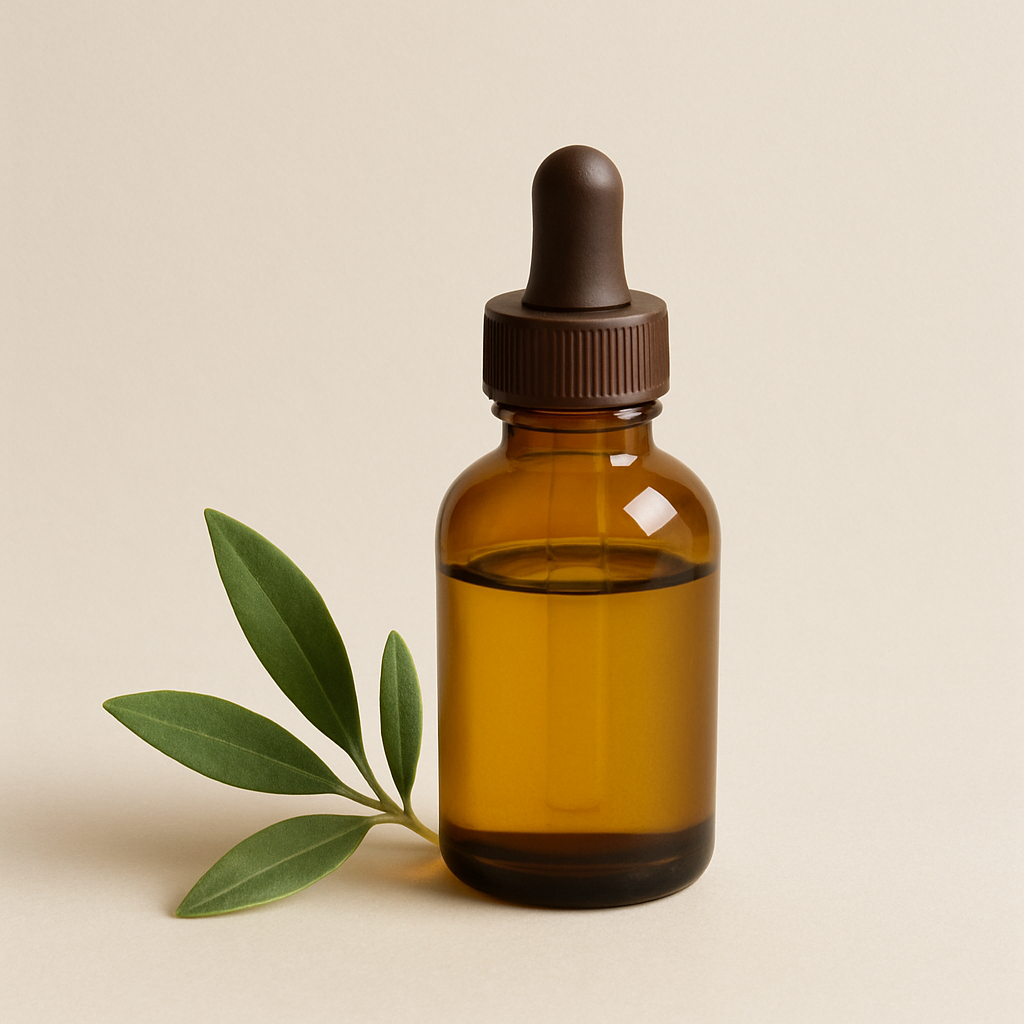
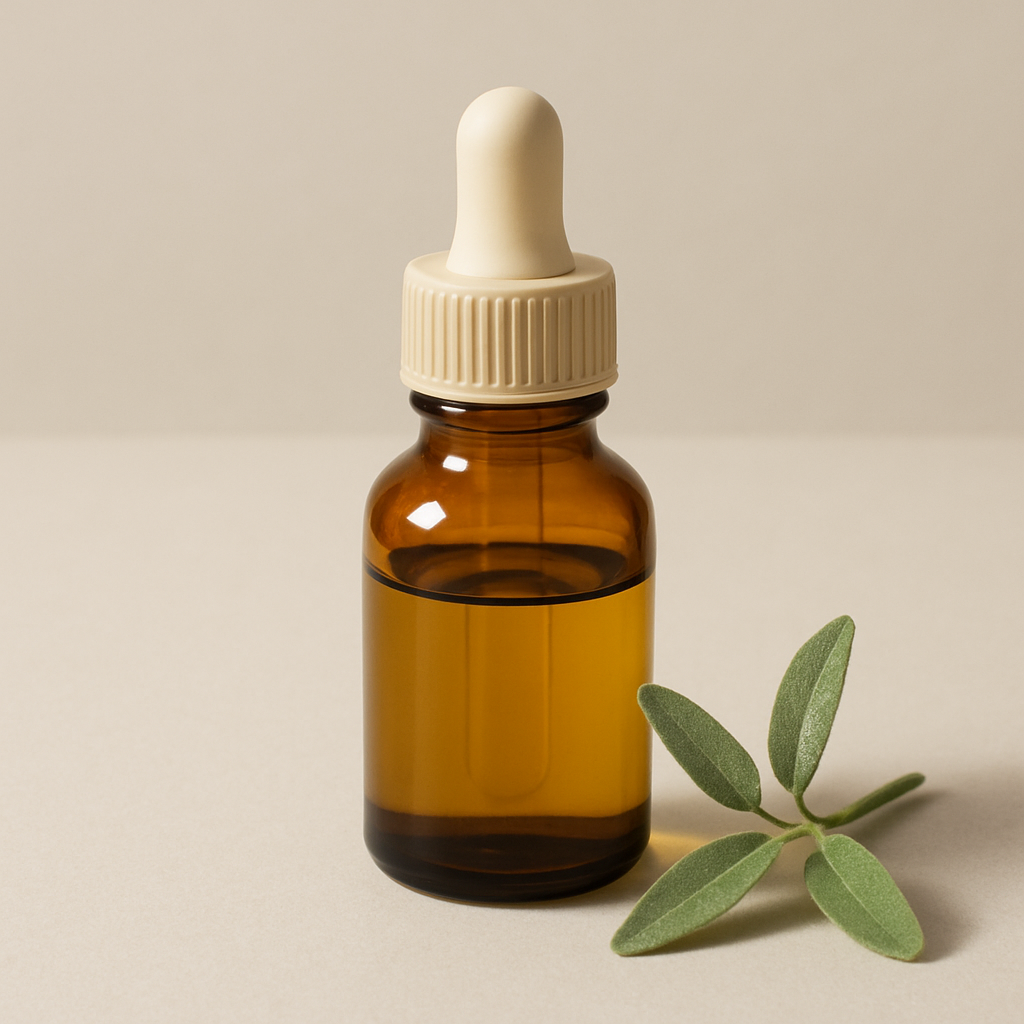
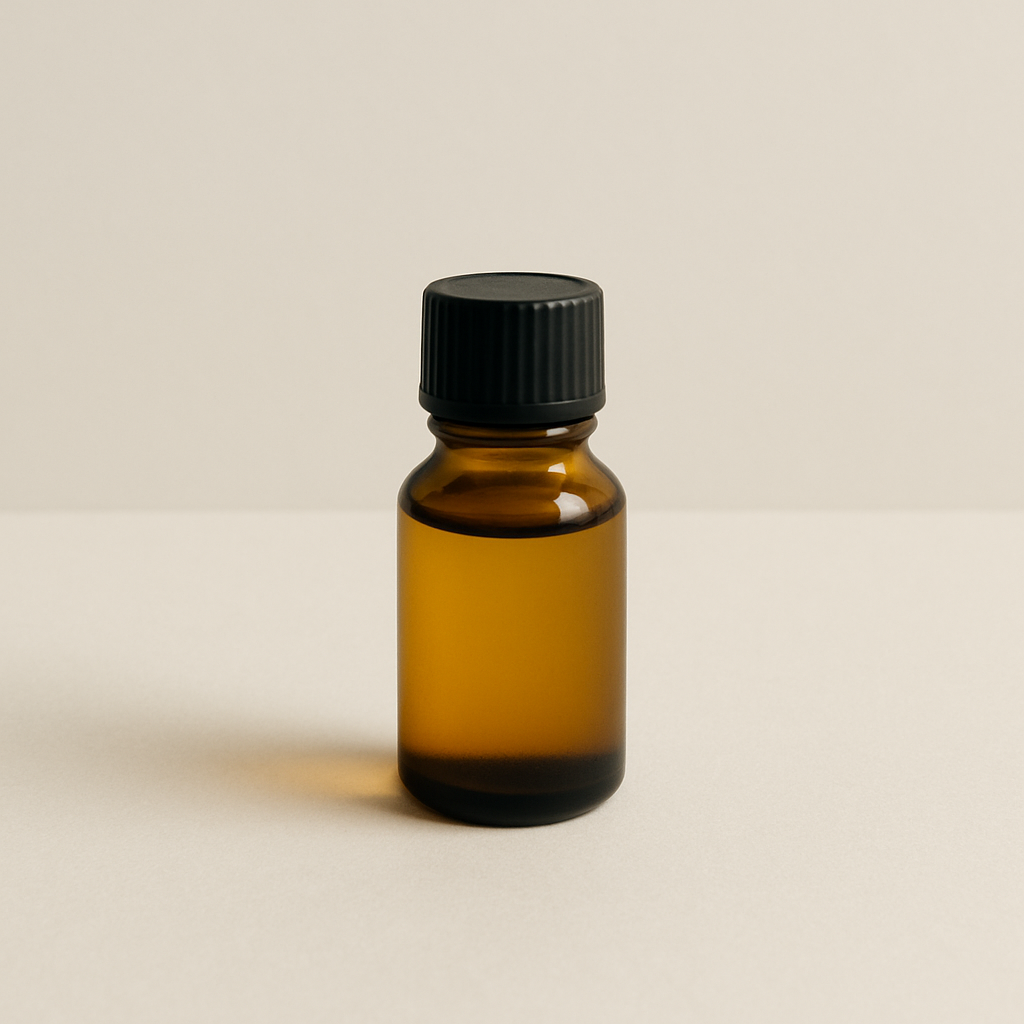
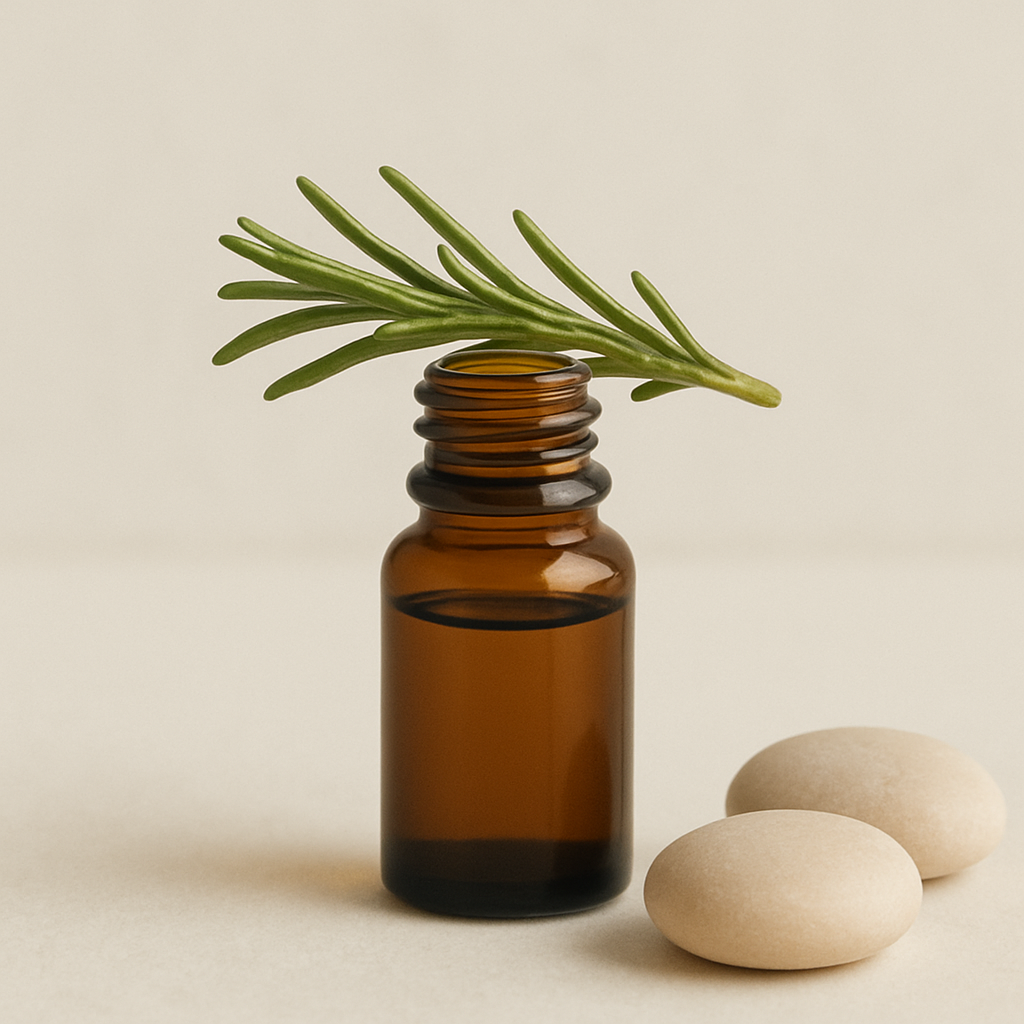
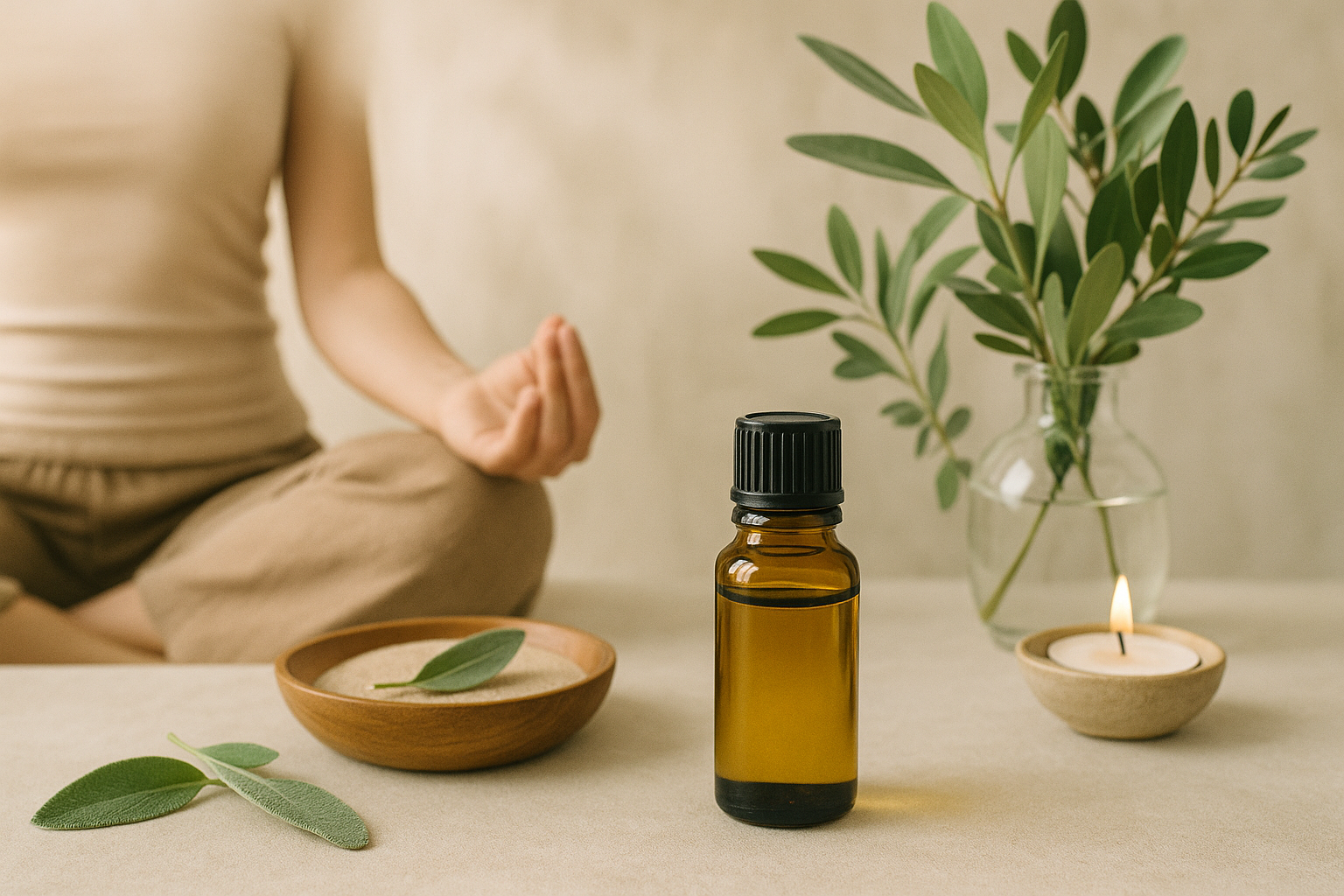
Meditation oils refer to essential oils that are specifically chosen for their calming and centering properties, enhancing the practice of meditation. These oils can be derived from various plants, each offering unique benefits for mental clarity, relaxation, and emotional balance. Some common examples include lavender (Lavandula angustifolia), frankincense (Boswellia carterii), and sandalwood (Santalum album).
Key Active Compounds & Mechanisms
The effectiveness of meditation oils is largely attributed to their key active compounds. For instance:
- Linalool in lavender is known for its sedative properties.
- Alpha-pinene in frankincense may help improve focus and cognitive function.
- Santalol in sandalwood is recognized for its calming effects on the nervous system.
These compounds interact with the body's olfactory system and can influence mood and stress levels through various mechanisms, including the modulation of neurotransmitters.
Traditional Uses
Meditation oils have roots in ancient practices across various cultures. In Ayurvedic traditions, oils like sandalwood have long been used to enhance meditation and spiritual practices, promoting a deeper connection with the self. Similarly, in ancient Egyptian culture, frankincense was used in religious ceremonies for its aromatic properties, believed to elevate the spirit and facilitate communication with the divine. These traditional uses highlight the historical significance of these oils in fostering mental clarity and emotional tranquility.
What Modern Research Suggests
Recent studies have begun to explore the potential benefits of meditation oils. Preliminary research indicates that certain essential oils can reduce anxiety and enhance mood when used during meditation. For example, a study published in the Journal of Alternative and Complementary Medicine found that inhaling lavender essential oil reduced anxiety levels in participants before a stressful task. However, more rigorous clinical trials are needed to solidify these findings and establish standardized practices.
Functional Actions
Meditation oils serve several functional actions that can enhance your meditation experience:
- Relaxation: Many oils promote relaxation, helping to calm the mind and body.
- Focus: Certain oils can enhance concentration and mental clarity, making it easier to enter a meditative state.
- Emotional Balance: Meditation oils can help in balancing emotions and reducing feelings of stress or anxiety.
Body Systems Supported
Meditation oils primarily support the following body systems:
- Nervous System: Many meditation oils help soothe the nervous system, promoting relaxation.
- Endocrine System: Essential oils can influence hormone levels, potentially aiding in mood regulation.
- Respiratory System: Inhaling essential oils can support respiratory function, aiding in deeper breathing during meditation.
Common Forms & Educational Dosing Ranges
Meditation oils are available in several forms:
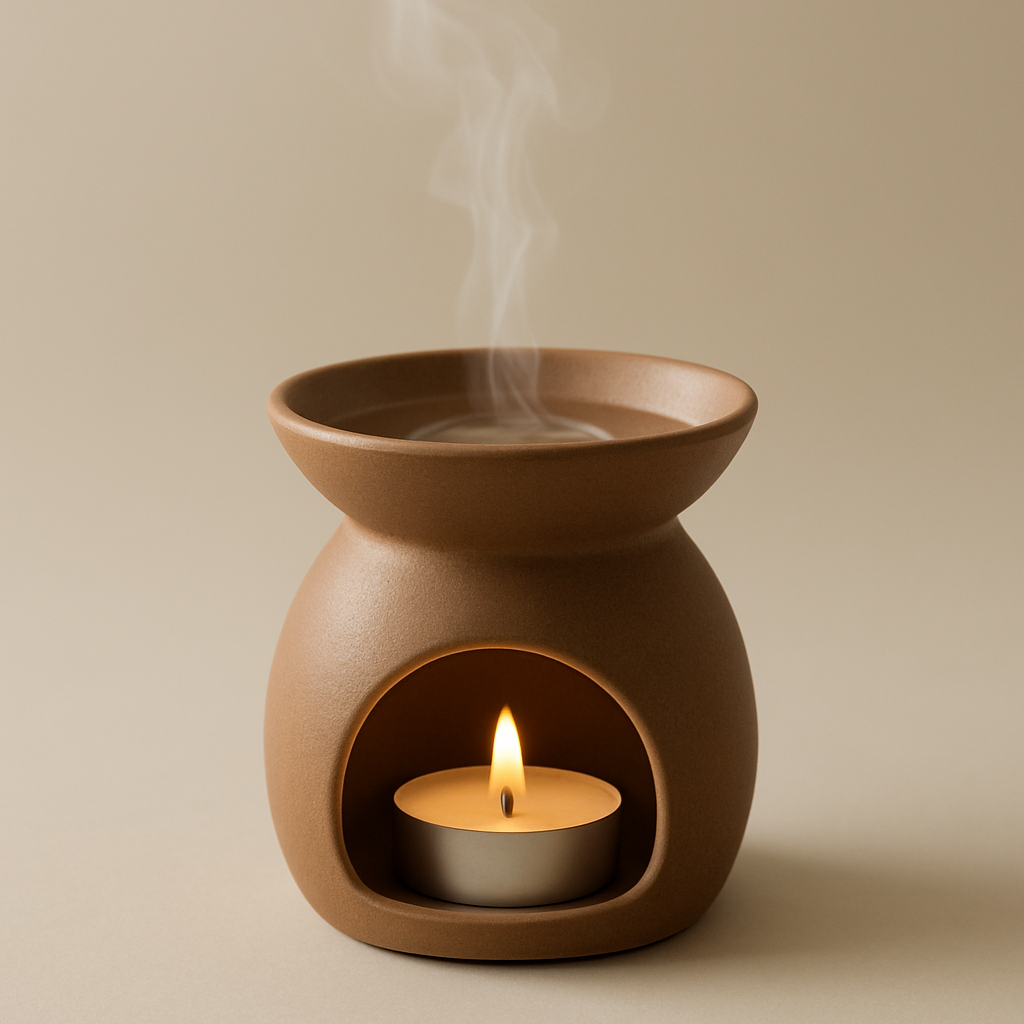
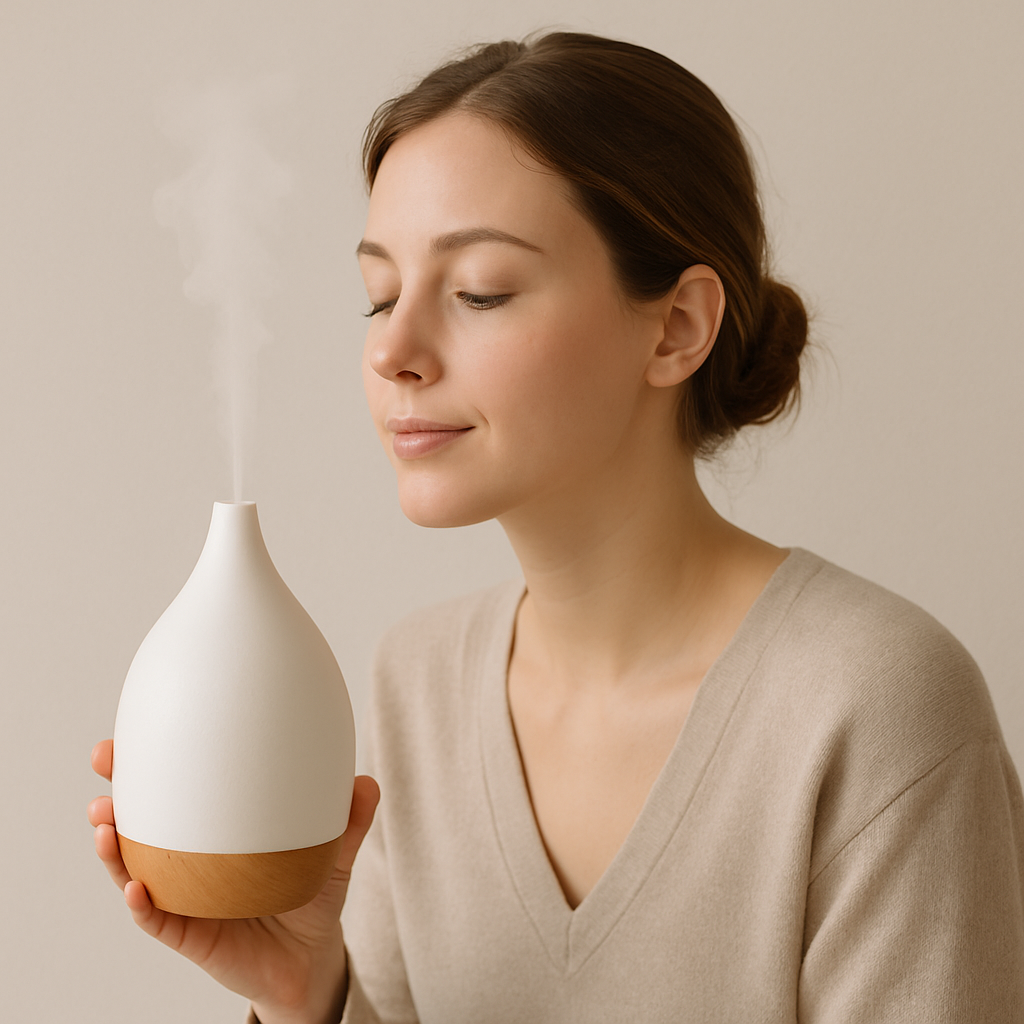
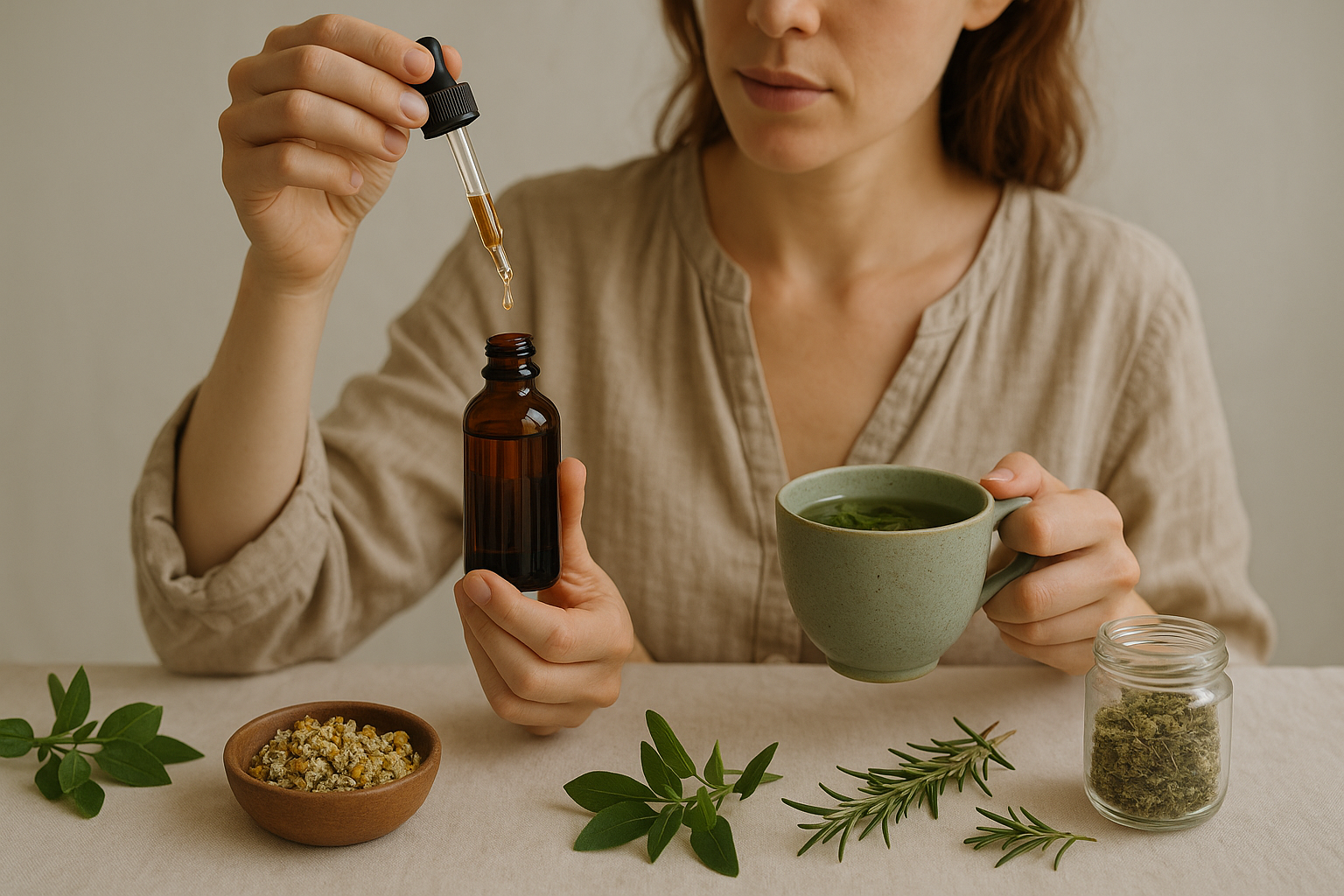
- Pure Essential Oils: Typically used in diffusers or diluted in carrier oils for topical application.
- Roller Bottles: Pre-diluted blends that can be applied directly on pulse points.
- Aromatherapy Sprays: Ready-to-use sprays that can be misted in the air or on linens.
When using essential oils for meditation, it is generally recommended to dilute them with a carrier oil (like coconut or jojoba oil) at a ratio of 1-2% for topical use.
Safety, Contraindications & Interactions
While meditation oils are generally safe for most people, there are some precautions to consider:
- Pregnancy: Certain oils should be avoided during pregnancy, such as clary sage (Salvia sclarea) and rosemary (Rosmarinus officinalis).
- Allergies: Those with known allergies to specific plants should avoid oils derived from them.
- Medication Interactions: Some oils may interact with medications, particularly blood thinners, antidepressants, and sedatives. Always consult a healthcare professional before use.
Pairs Well With
Meditation oils can be effectively paired with other essential oils for enhanced benefits. Some complementary oils include:
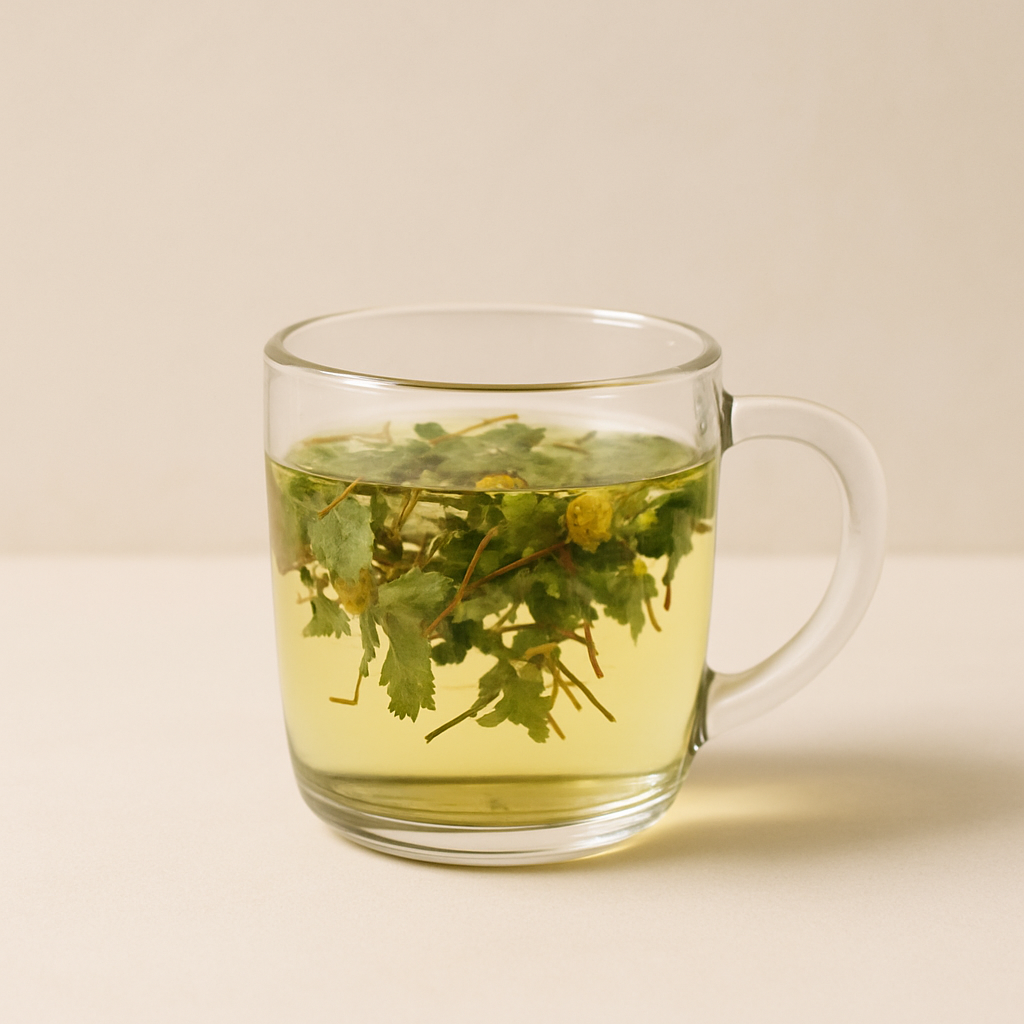
- Chamomile: Known for its calming effects, it can enhance relaxation.
- Ylang Ylang: This oil promotes emotional balance and is uplifting.
- Peppermint: Known for its invigorating properties, it can help in sharpening focus.
FAQs (5)
- What are meditation oils? Meditation oils are essential oils specifically selected for their calming and centering properties that enhance meditation practices.
- How do I use meditation oils? They can be used in diffusers, applied topically when diluted, or inhaled directly from the bottle.
- Are there any side effects? Generally safe, but some individuals may experience allergic reactions or interactions with medications.
- Can I use meditation oils while pregnant? Some oils should be avoided during pregnancy. Always consult a healthcare provider.
- How can I choose the right meditation oil? Consider your personal preferences and desired effects, such as relaxation or focus, when selecting an oil.
Frequently asked
What are meditation oils?
Meditation oils are essential oils specifically selected for their calming and centering properties that enhance meditation practices.
How do I use meditation oils?
They can be used in diffusers, applied topically when diluted, or inhaled directly from the bottle.
Are there any side effects?
Generally safe, but some individuals may experience allergic reactions or interactions with medications.
Can I use meditation oils while pregnant?
Some oils should be avoided during pregnancy. Always consult a healthcare provider.
How can I choose the right meditation oil?
Consider your personal preferences and desired effects, such as relaxation or focus, when selecting an oil.