Diffuser Therapy
Discover Diffuser Therapy, its benefits, and how to use essential oils effectively for wellness.
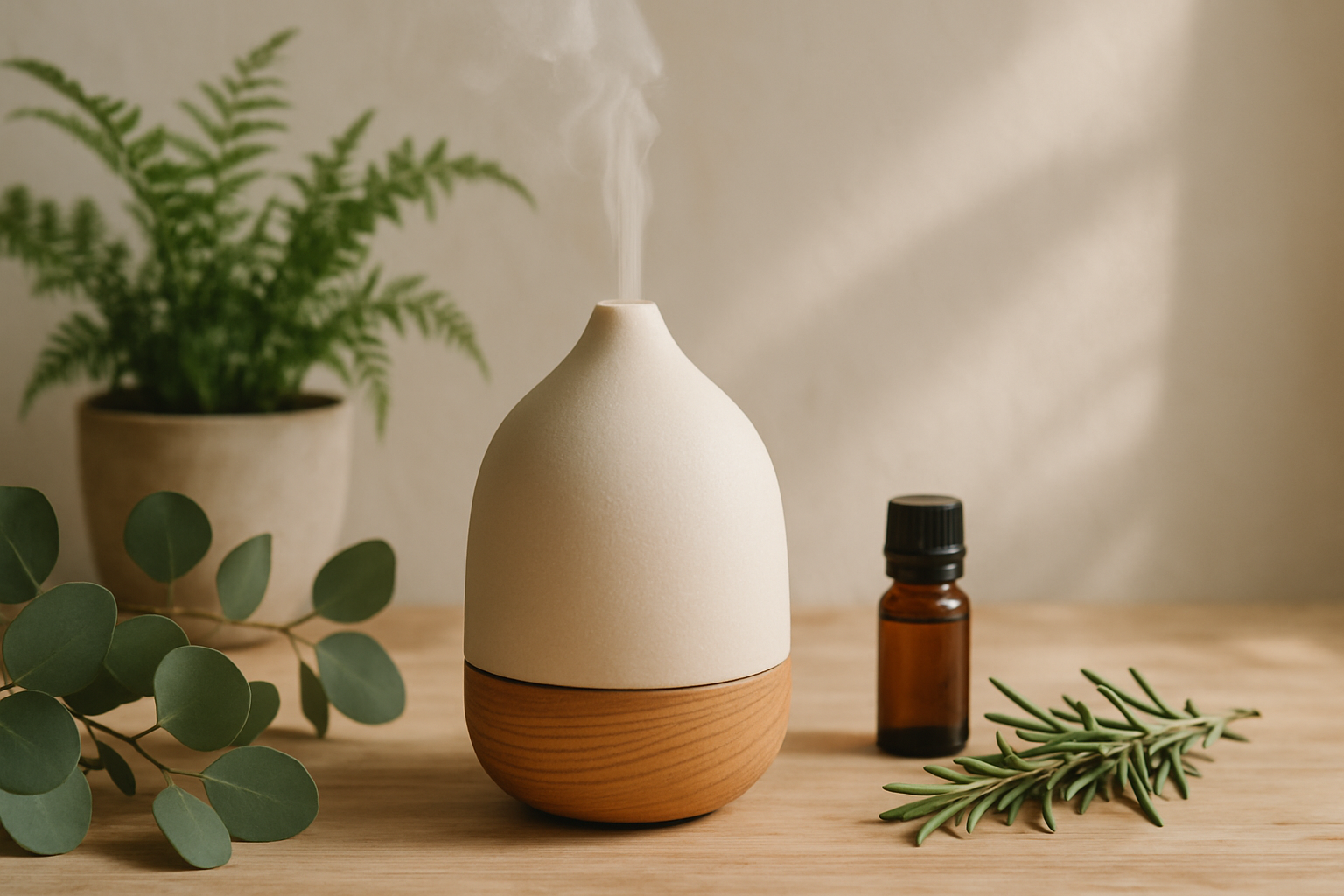
Explore the world of Diffuser Therapy, a holistic practice using essential oils to enhance well-being. Learn about its active compounds, traditional uses, modern research, and safety considerations.
What It Is
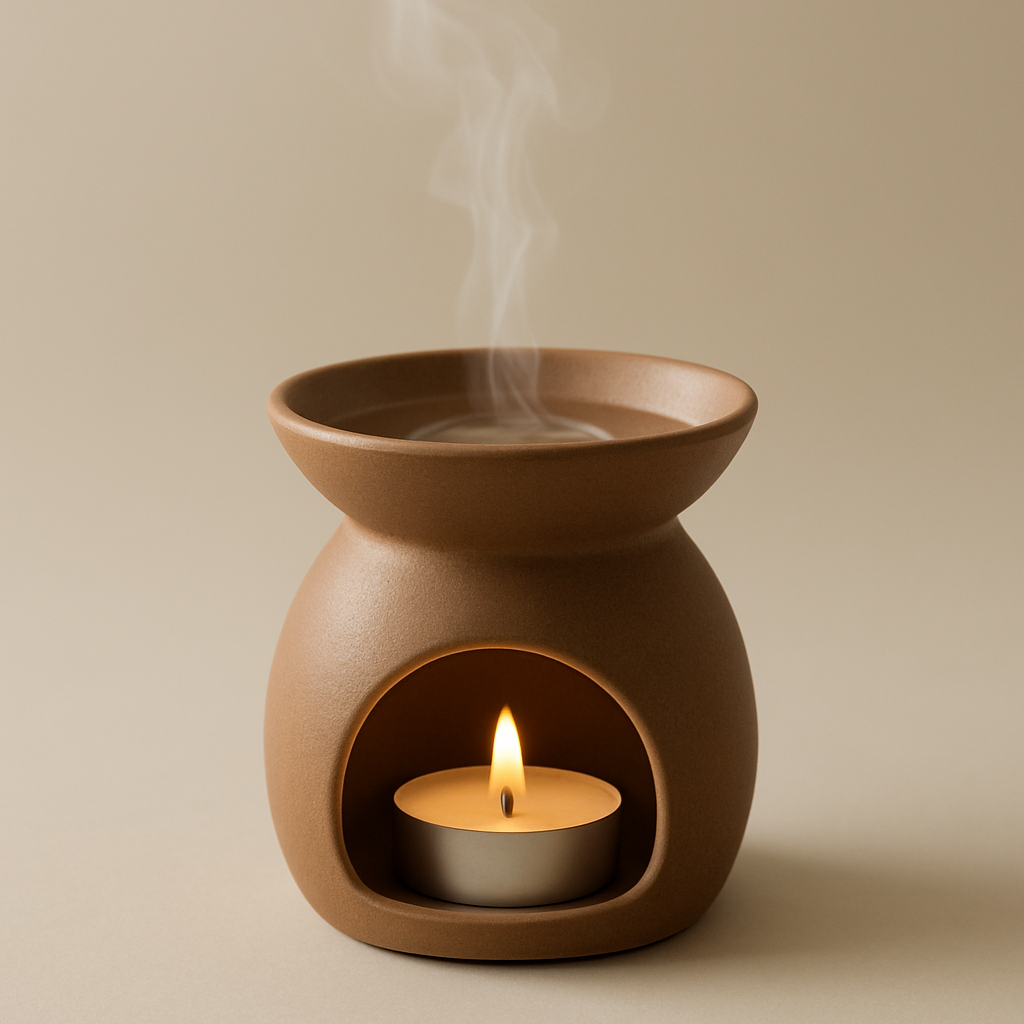
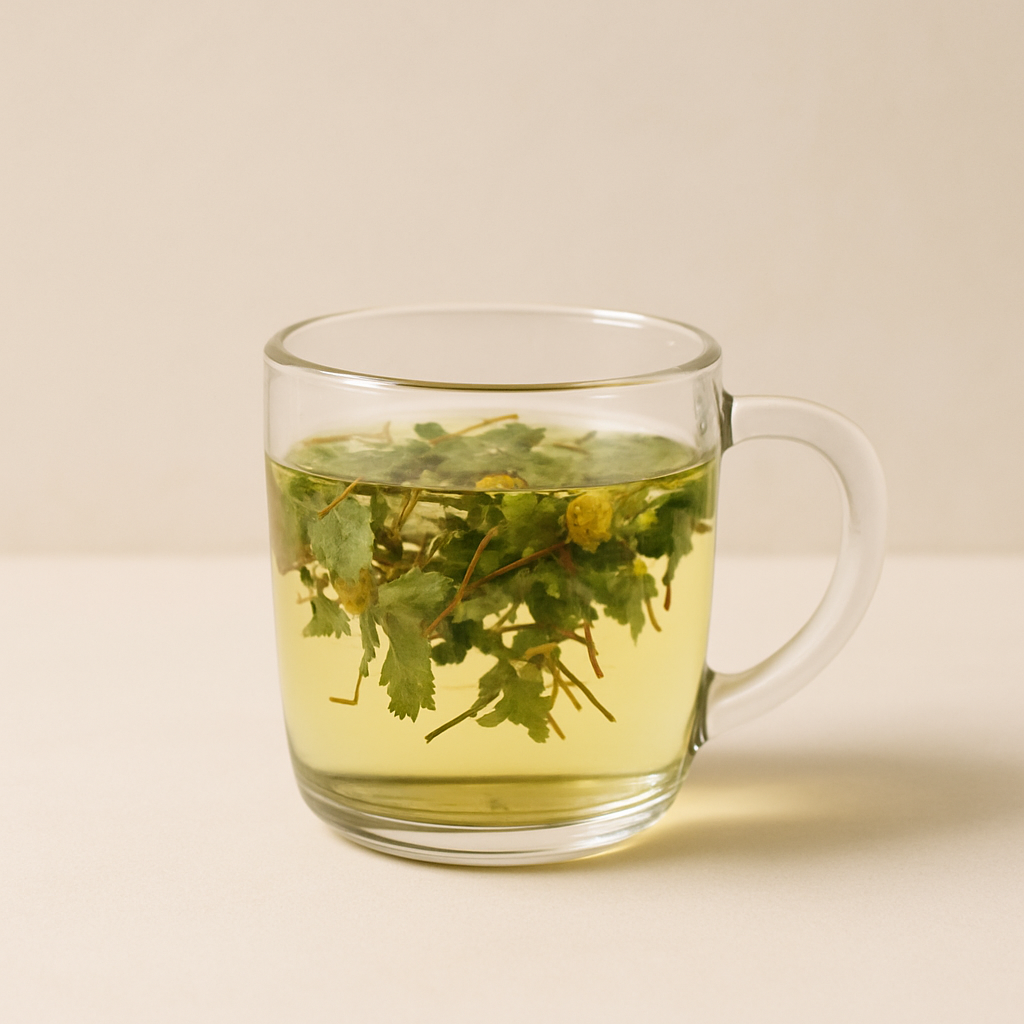
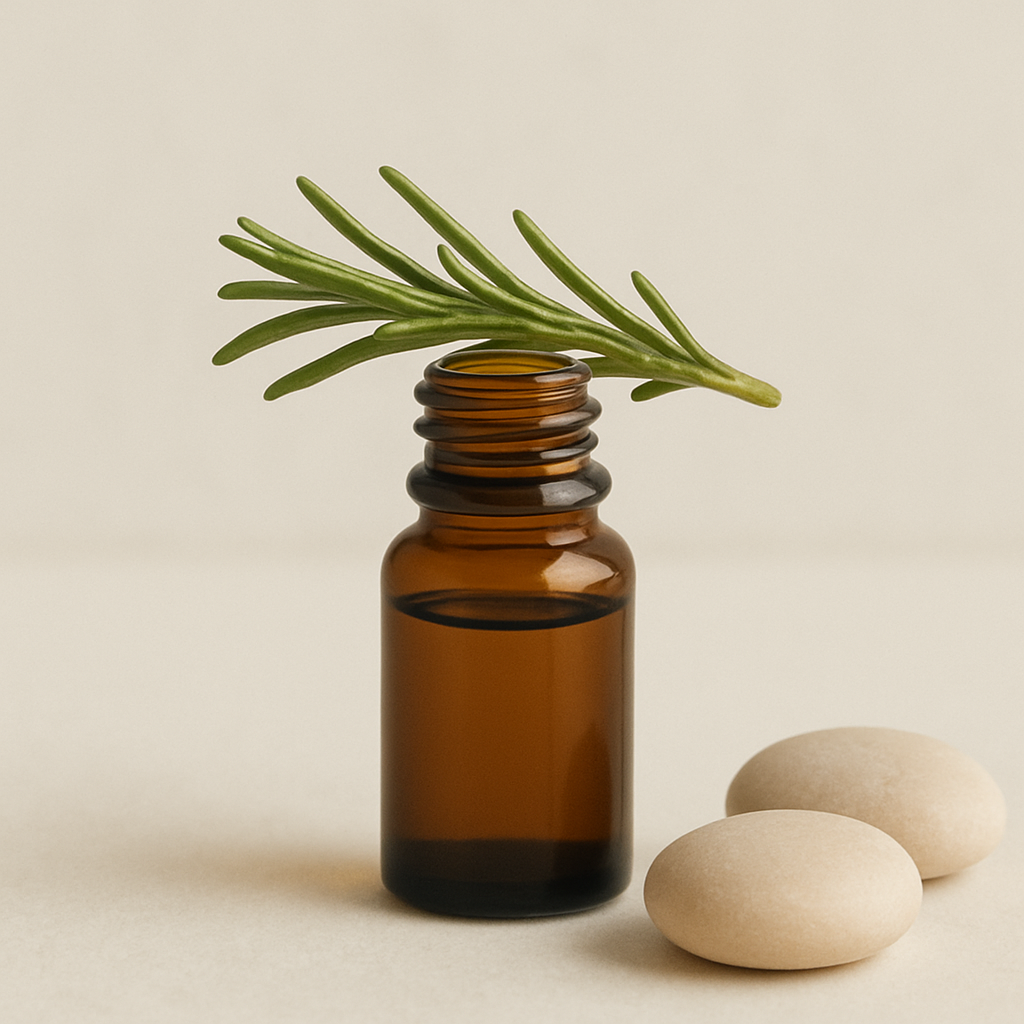
Diffuser Therapy refers to the practice of using essential oils in a diffuser to disperse their aromatic compounds into the air. Essential oils are concentrated plant extracts obtained from various parts of plants, including leaves, flowers, stems, and roots. For instance, Lavender (Lavandula angustifolia) is a popular essential oil known for its calming properties. This method not only enhances the ambiance of a space but also promotes emotional and physical wellness through inhalation of the oils.
Key Active Compounds & Mechanisms
Essential oils are composed of numerous active compounds that contribute to their therapeutic effects. Some key compounds found in commonly used oils include:
- Linalool - Found in Lavender, known for its calming effects.
- Menthol - Present in Peppermint (Mentha × piperita), recognized for its cooling sensation and potential respiratory benefits.
- Thymol - Found in Thyme (Thymus vulgaris), known for its antimicrobial properties.
- Citral - Present in Lemon (Citrus limon), associated with mood enhancement.
These compounds interact with the olfactory system and can influence mood, cognition, and even physiological responses, making diffuser therapy a multifaceted approach to wellness.
Traditional Uses
Historically, the use of aromatic plants and essential oils dates back thousands of years. Ancient civilizations, including the Egyptians, Greeks, and Romans, utilized various plant extracts for their healing and aromatic properties. For example:
- The Egyptians employed essential oils in embalming and as perfumes.
- Greeks used oils for medicinal purposes, often incorporating them into baths and massages.
- In traditional Chinese medicine, specific aromatic herbs were burned to create a fragrant atmosphere believed to promote health and harmony.
These practices laid the groundwork for modern diffuser therapy, emphasizing the importance of scent in promoting well-being.
What Modern Research Suggests
Contemporary research into essential oils and diffuser therapy is still evolving. Some studies have indicated potential benefits such as:
- Reduction in anxiety and stress levels when inhaling Lavender oil.
- Improvement in sleep quality associated with the use of Chamomile (Matricaria chamomilla) essential oil.
- Enhanced cognitive performance and mood elevation linked to Citrus oils.
While these findings are promising, further research is needed to establish definitive conclusions about the effectiveness of diffuser therapy and its mechanisms of action.
Functional Actions
Diffuser therapy can have various functional actions, including:
- Calming: Oils like Lavender and Bergamot (Citrus bergamia) can help reduce feelings of anxiety.
- Invigorating: Citrus oils such as Lemon and Orange (Citrus sinensis) can uplift mood and enhance alertness.
- Respiratory Support: Oils like Eucalyptus (Eucalyptus globulus) and Peppermint may help clear the airways.
- Antimicrobial: Certain oils like Tea Tree (Melaleuca alternifolia) possess properties that can help purify the air.
Body Systems Supported
Diffuser therapy can support various body systems, including:
- Respiratory System: Eucalyptus and Peppermint oils can facilitate breathing.
- Nervous System: Calming oils like Lavender may assist in stress management.
- Immune System: Antimicrobial oils like Tea Tree can help boost immune defenses.
- Digestive System: Ginger (Zingiber officinale) oil may assist in digestive health when inhaled.
Common Forms & Educational Dosing Ranges
Essential oils for diffuser therapy are typically available in liquid form. When using a diffuser, consider the following dosing ranges:
- For a standard ultrasonic diffuser: Use 3-5 drops of essential oil per 100 ml of water.
- For larger rooms: Adjust the number of drops according to the size of the space, typically up to 10 drops for larger diffusers.
- Duration: Diffusing for 30-60 minutes is usually sufficient for therapeutic effects.
Safety, Contraindications & Interactions
While diffuser therapy is generally considered safe, there are some precautions to keep in mind:
- Essential oils should be used with caution in children, pregnant women, and individuals with specific health conditions.
- Some essential oils may interact with medications, including:
- Blood thinners: Oils like Ginger and Garlic (Allium sativum) may enhance blood-thinning effects.
- Antidepressants: Certain oils like St. John’s Wort (Hypericum perforatum) may interact with these medications.
- Hormonal medications: Oils like Clary Sage (Salvia sclarea) may have estrogenic effects.
- Always consult with a healthcare provider before using essential oils, especially if you are on medication or have a pre-existing health condition.
Pairs Well With
To enhance the effects of diffuser therapy, consider combining different essential oils. Some popular pairings include:
- Lavender and Chamomile: For a calming environment.
- Peppermint and Eucalyptus: For invigorating and respiratory support.
- Lemon and Rosemary (Salvia rosmarinus): For mood enhancement and cognitive support.
FAQs (5)
- What type of diffuser is best for essential oils?
Ultrasonic diffusers are popular for their ability to disperse oils without heat, preserving their therapeutic properties. - Can I use essential oils directly on my skin?
Essential oils should be diluted with a carrier oil before applying to the skin to avoid irritation. - How often can I use a diffuser?
It is generally safe to use a diffuser multiple times a day, but consider taking breaks to avoid overwhelming the senses. - Are there any essential oils I should avoid?
Some oils, like Wintergreen (Gaultheria procumbens), should be avoided due to their potential toxicity in high doses. - Can I mix different essential oils in a diffuser?
Yes, blending oils can create unique aromas and enhance therapeutic effects, but make sure the oils are compatible.
Frequently asked
What type of diffuser is best for essential oils?
Ultrasonic diffusers are popular for their ability to disperse oils without heat, preserving their therapeutic properties.
Can I use essential oils directly on my skin?
Essential oils should be diluted with a carrier oil before applying to the skin to avoid irritation.
How often can I use a diffuser?
It is generally safe to use a diffuser multiple times a day, but consider taking breaks to avoid overwhelming the senses.
Are there any essential oils I should avoid?
Some oils, like Wintergreen (Gaultheria procumbens), should be avoided due to their potential toxicity in high doses.
Can I mix different essential oils in a diffuser?
Yes, blending oils can create unique aromas and enhance therapeutic effects, but make sure the oils are compatible.