Therapeutic Blends
Discover the world of therapeutic blends in essential oils, including their benefits, applications, and safety considerations.
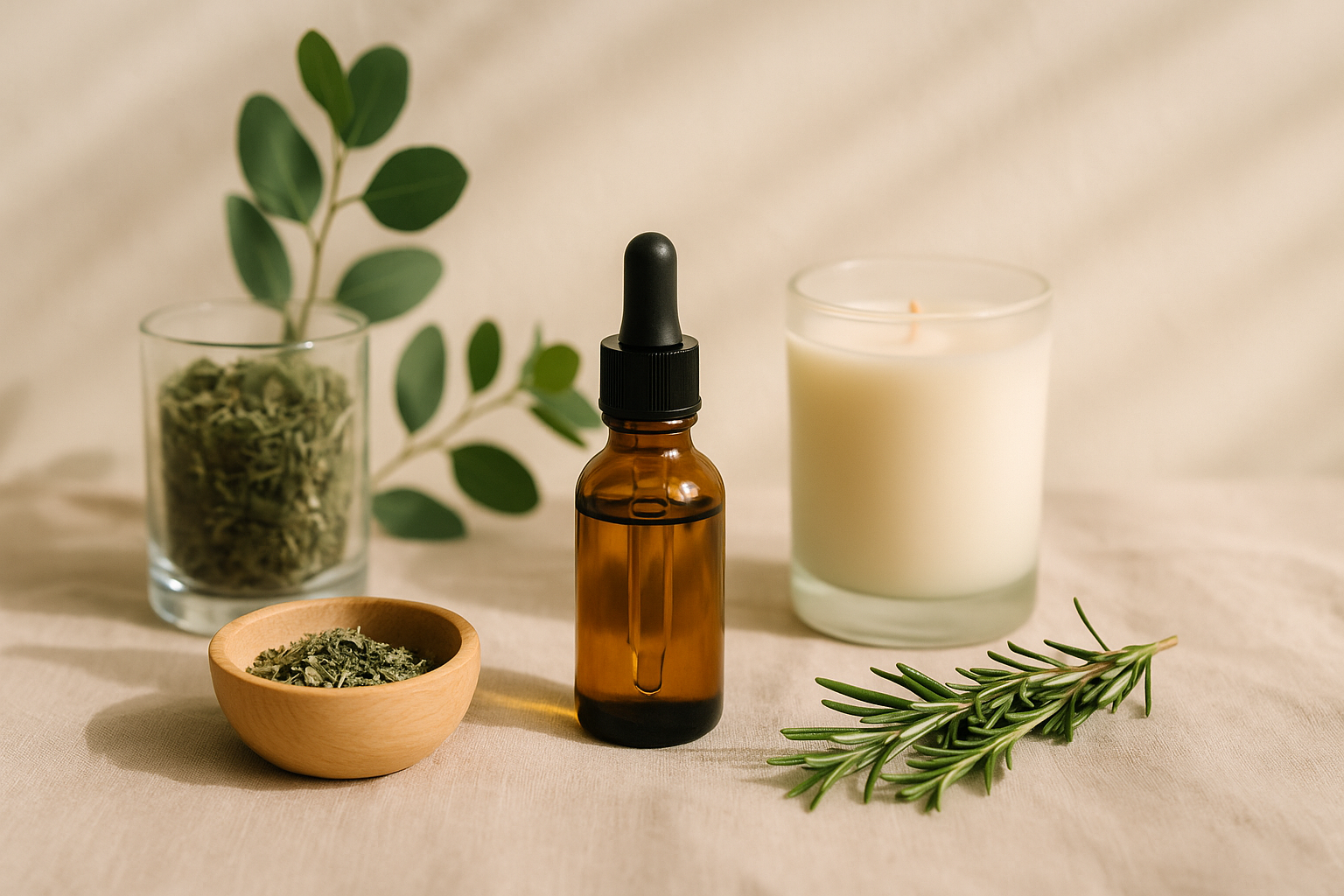
This subcategory page explores therapeutic blends of essential oils, their key components, historical uses, modern research insights, and guidelines for safe usage.
What It Is
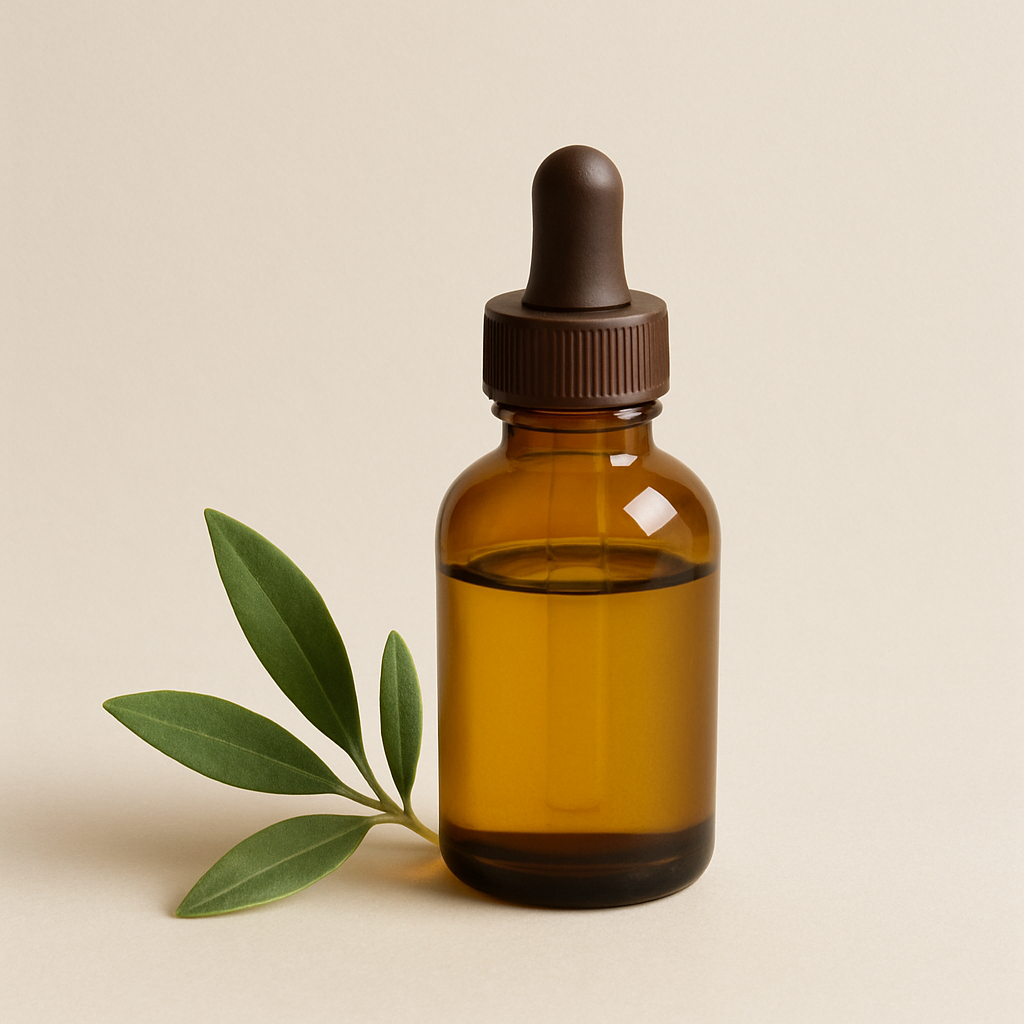
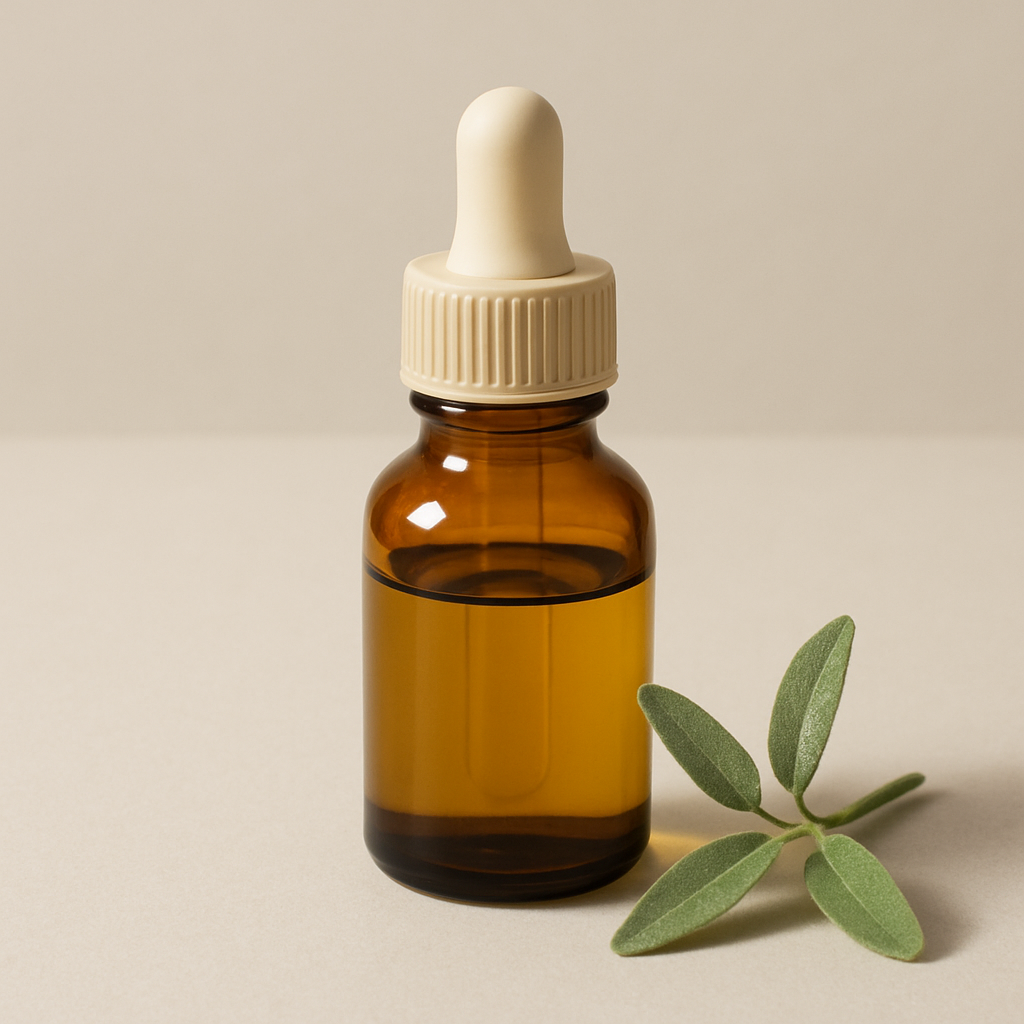
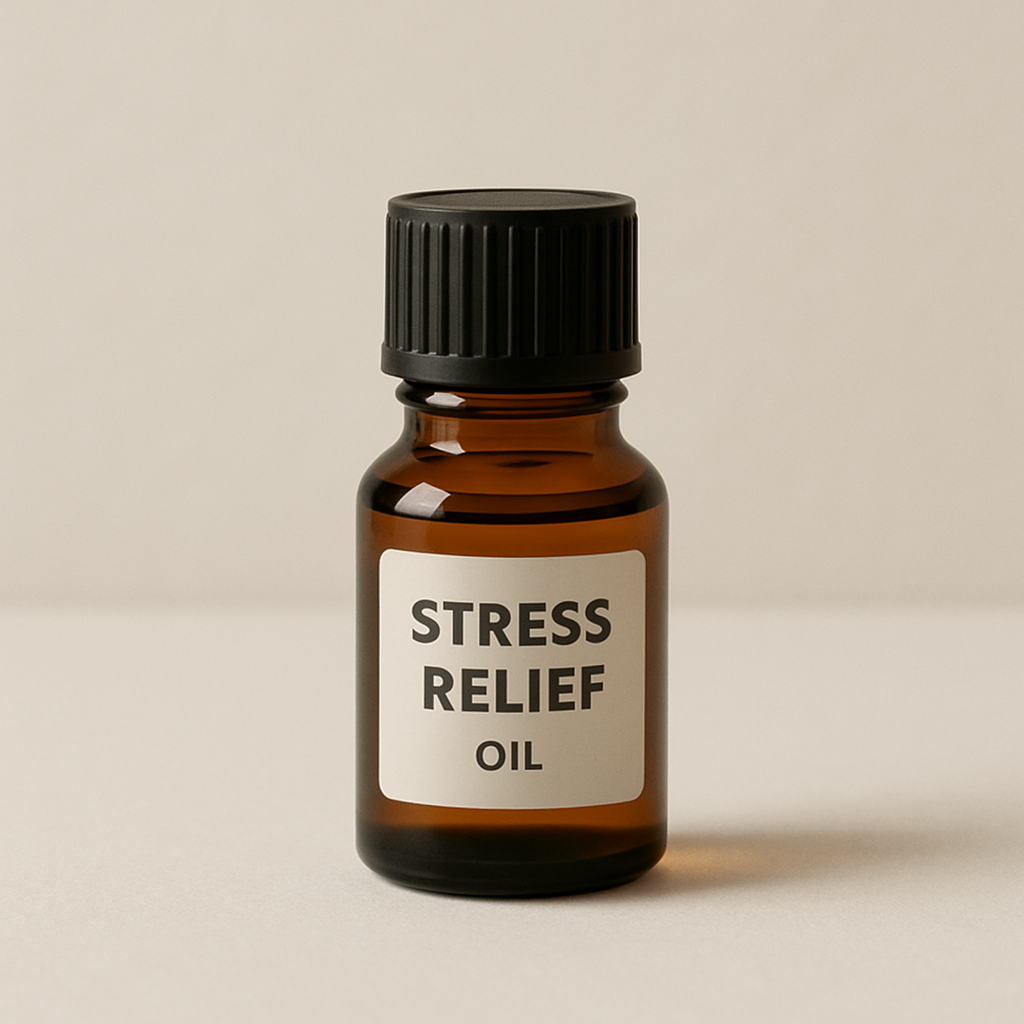
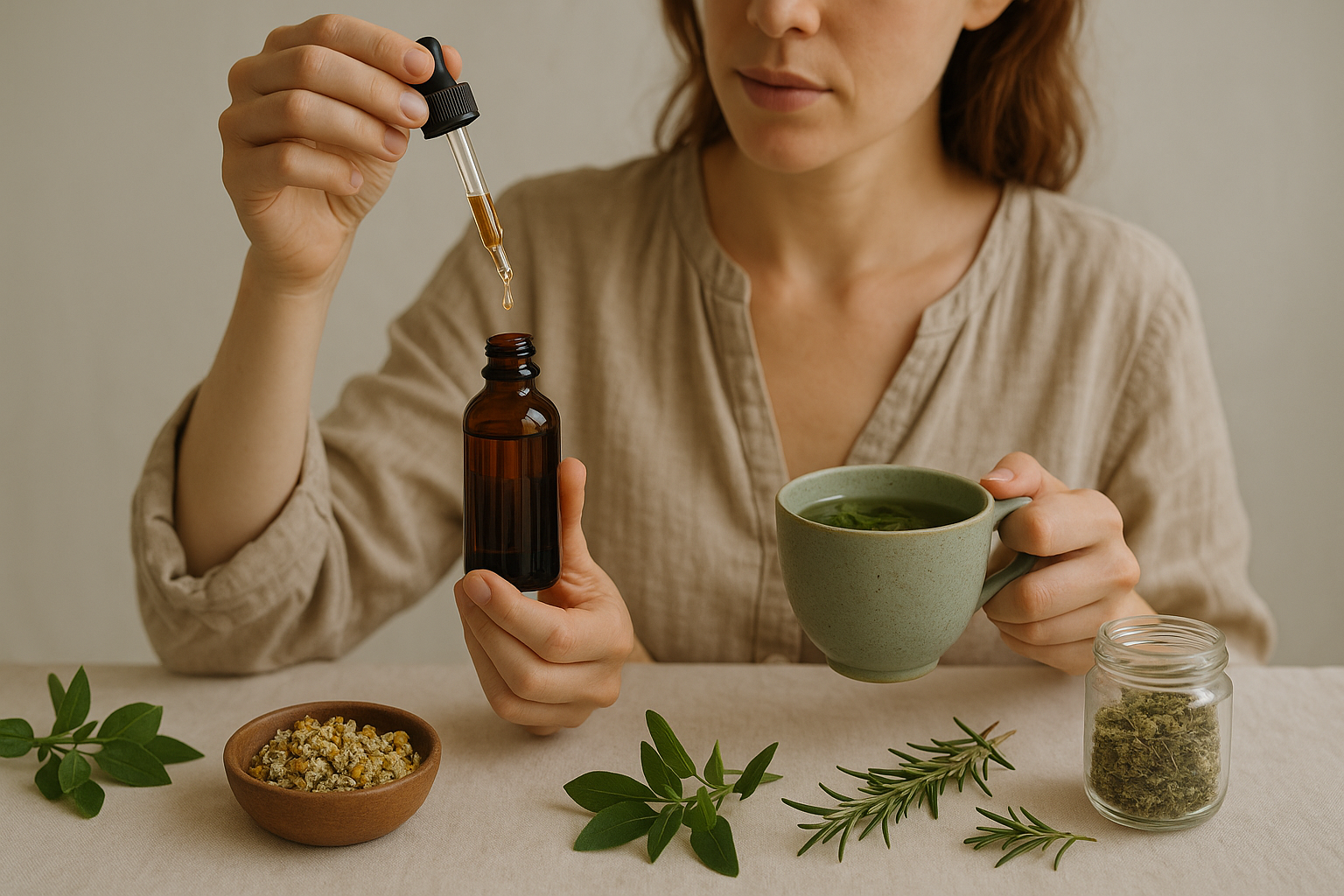
Therapeutic blends refer to combinations of essential oils specifically formulated to enhance their natural benefits. These blends harness the synergistic effects of various plant extracts, allowing for a more potent and effective remedy. Essential oils are concentrated plant extracts derived from leaves, flowers, stems, and roots, often possessing unique therapeutic properties. Examples of commonly used essential oils include Lavender (Lavandula angustifolia), Tea Tree (Melaleuca alternifolia), and Peppermint (Mentha piperita).
Key Active Compounds & Mechanisms
Each essential oil contains a complex profile of active compounds that contribute to its therapeutic properties. For example:
- Lavender: Contains linalool and linalyl acetate, known for their calming and anti-anxiety effects.
- Tea Tree: Rich in terpinen-4-ol, which exhibits antimicrobial and anti-inflammatory properties.
- Peppermint: Composed of menthol, which provides cooling sensations and can help soothe digestive discomfort.
These compounds interact with the body’s systems, promoting various physiological responses that can support health and well-being.
Traditional Uses
Therapeutic blends have been utilized throughout history across various cultures. In Ancient Egypt, essential oils were used in embalming and for their fragrances. Traditional Chinese Medicine (TCM) incorporated plant extracts to restore balance and harmony to the body. In Ayurvedic practices, essential oils are blended to enhance physical and spiritual health. The knowledge of these practices has been passed down through generations, underscoring the value of natural remedies.
What Modern Research Suggests
Contemporary studies have begun to explore the efficacy of therapeutic blends. While research is still in early stages, preliminary findings suggest that specific blends may help alleviate symptoms related to stress, anxiety, and sleep disturbances. For instance, a study indicated that a lavender and chamomile blend could improve sleep quality in individuals experiencing insomnia. However, more rigorous clinical trials are necessary to substantiate these claims and understand the full potential of therapeutic blends.
Functional Actions
Therapeutic blends can offer a range of functional actions, including:
- Relaxation: Many blends promote a sense of calm, aiding in stress reduction.
- Pain Relief: Certain combinations can provide analgesic effects, helping to relieve headaches and muscle pain.
- Anti-inflammatory: Blends containing oils like eucalyptus and peppermint may help reduce inflammation in the body.
- Immune Support: Blends with antimicrobial properties can support the immune system.
Body Systems Supported
Therapeutic blends can support various body systems, including:
- Nervous System: Blends that promote relaxation can alleviate tension and anxiety.
- Digestive System: Certain oils can assist in digestion and relieve discomfort.
- Immune System: Antimicrobial blends can help protect against infections.
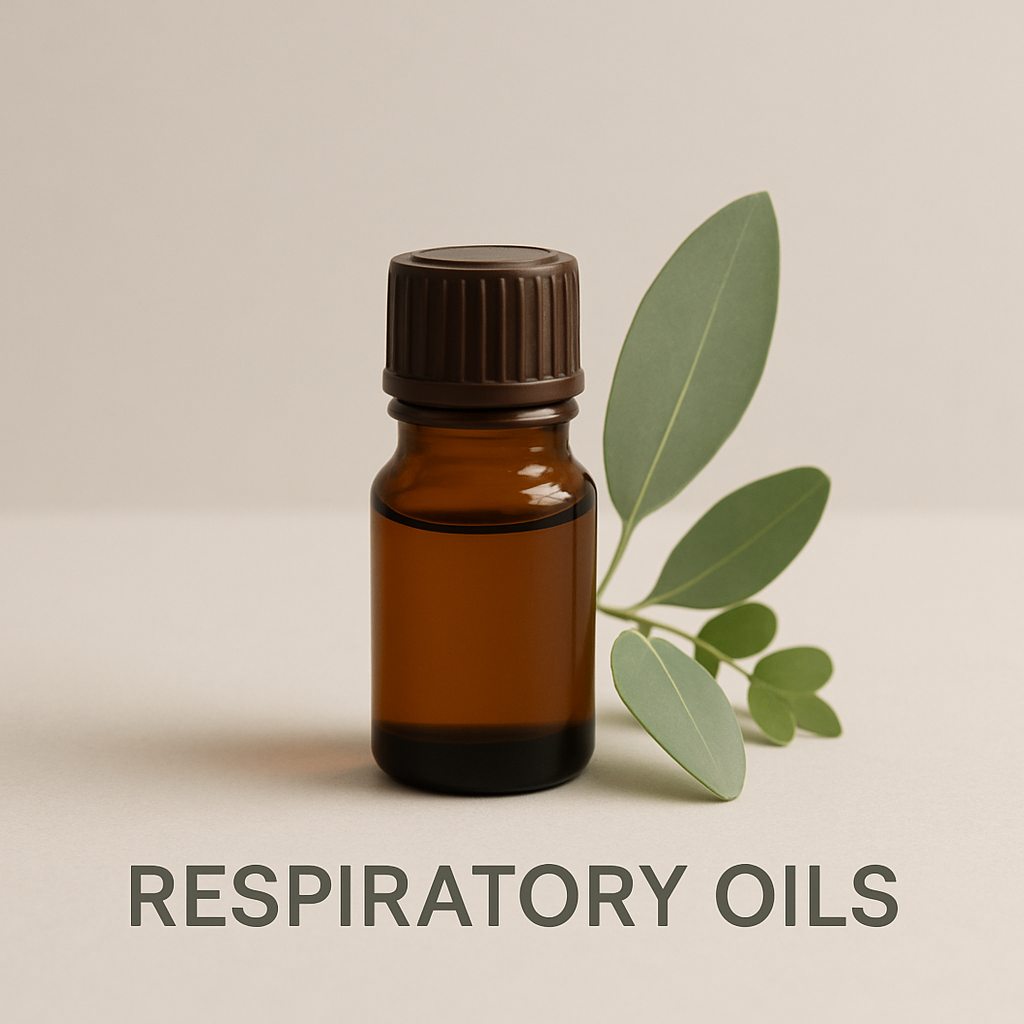
- Respiratory System: Eucalyptus and peppermint blends may support respiratory health.
Common Forms & Educational Dosing Ranges
Therapeutic blends are available in various forms, including:
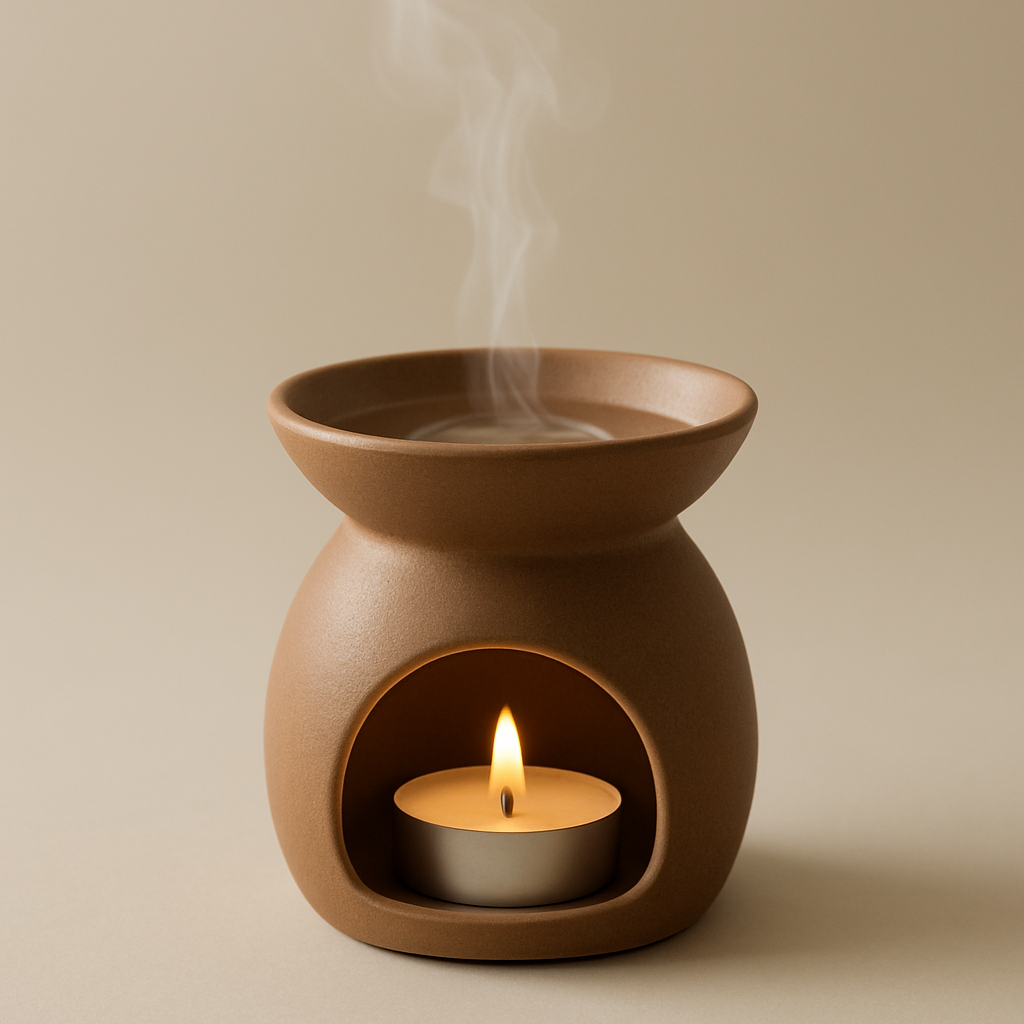
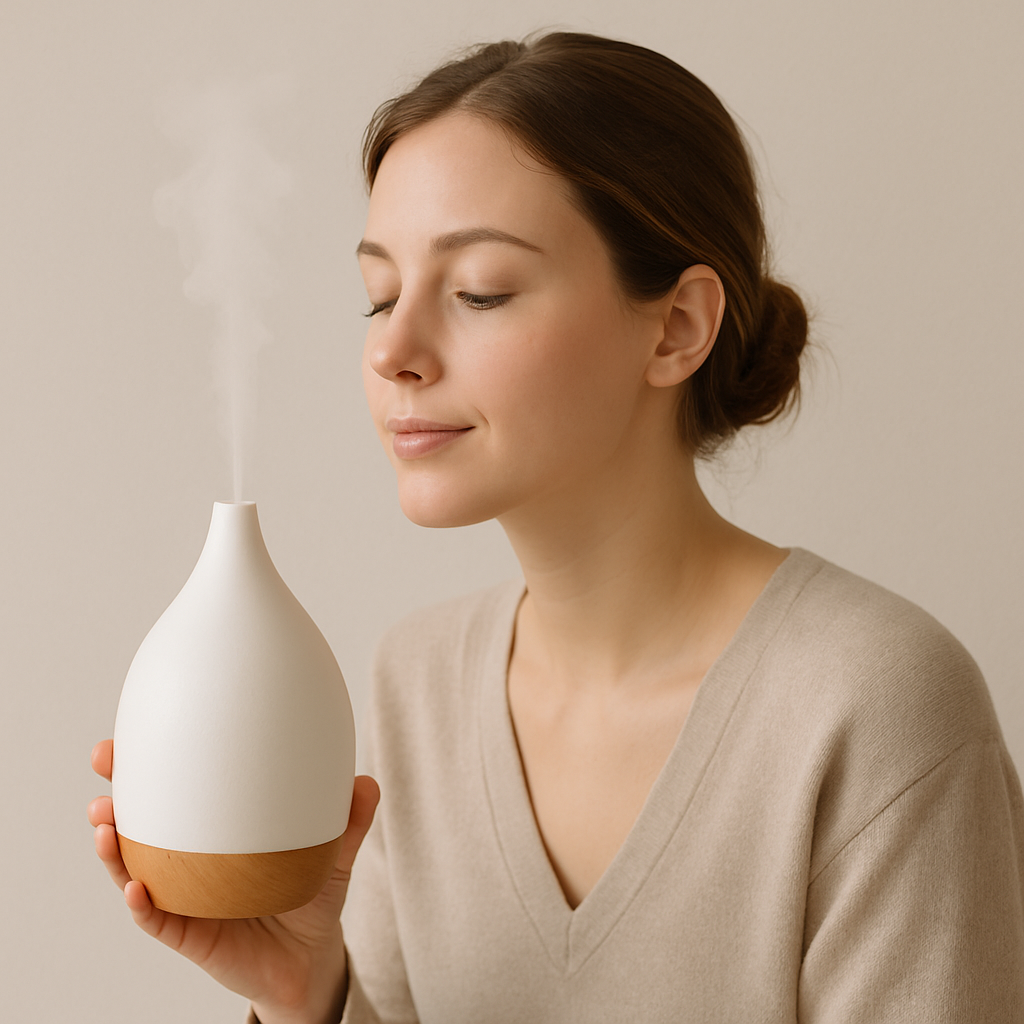
- Diffusers: Essential oil diffusers can disperse blends into the air, providing aromatic benefits.
- Topical Applications: Diluted blends can be applied to the skin for localized effects. A common dilution ratio is 2-3 drops of essential oil per tablespoon of carrier oil.
- Inhalation: Direct inhalation from the bottle or a cotton ball can provide immediate benefits.
It is essential to follow recommended guidelines for usage, as individual responses may vary.
Safety, Contraindications & Interactions
While therapeutic blends are generally considered safe when used correctly, there are important safety considerations:
- Essential oils should not be ingested unless under the guidance of a qualified healthcare professional.
- Pregnant or nursing women should consult a healthcare provider before using essential oils.
- Individuals with allergies or skin sensitivities should conduct a patch test before topical application.
- Essential oils may interact with certain medications, particularly those affecting the liver and hormonal therapies. It is advisable to consult a physician if taking medications such as anticoagulants or sedatives.
Pairs Well With
Therapeutic blends can be enhanced by pairing them with other complementary essential oils or natural remedies. Some beneficial combinations include:
- Lavender and Chamomile: For relaxation and sleep support.
- Peppermint and Lemon: To invigorate and uplift mood.
- Eucalyptus and Tea Tree: For respiratory support and cleansing.
FAQs (5)
- What are therapeutic blends? Therapeutic blends are combinations of essential oils formulated to enhance their natural benefits.
- How can I use therapeutic blends? They can be used in diffusers, applied topically, or inhaled directly.
- Are there any safety concerns with therapeutic blends? Yes, it is essential to consider allergies, skin sensitivities, and potential interactions with medications.
- Can I create my own therapeutic blends? Yes, but it is important to research and understand the properties of each oil before blending.
- Where can I purchase therapeutic blends? They can be found at health food stores, specialty shops, and online retailers specializing in essential oils.
Frequently asked
What are therapeutic blends?
Therapeutic blends are combinations of essential oils formulated to enhance their natural benefits.
How can I use therapeutic blends?
They can be used in diffusers, applied topically, or inhaled directly.
Are there any safety concerns with therapeutic blends?
Yes, it is essential to consider allergies, skin sensitivities, and potential interactions with medications.
Can I create my own therapeutic blends?
Yes, but it is important to research and understand the properties of each oil before blending.
Where can I purchase therapeutic blends?
They can be found at health food stores, specialty shops, and online retailers specializing in essential oils.