Stress Reduction
Discover stress reduction techniques through breathwork, a natural remedy with ancient roots and modern relevance.
Explore how breathwork can be a powerful tool for stress reduction, its historical uses, modern research insights, and practical applications.
What It Is
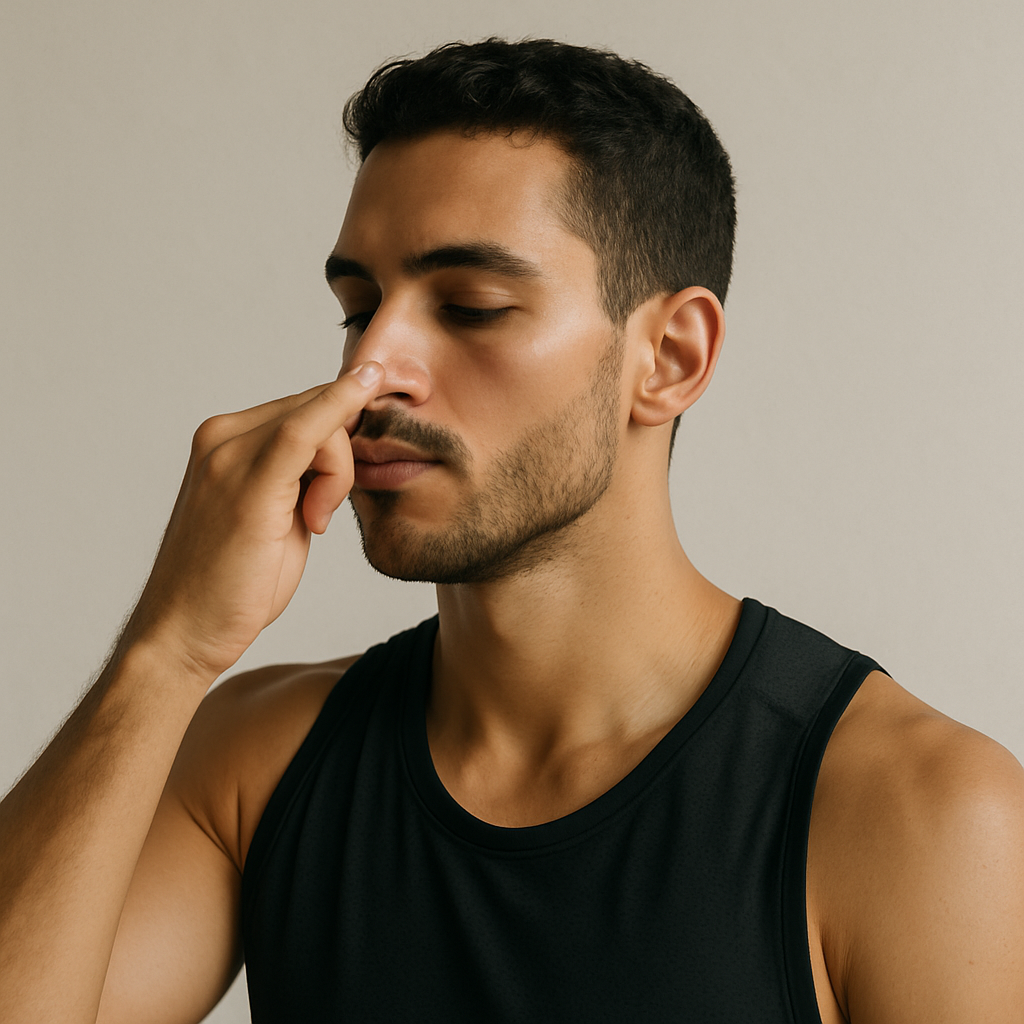
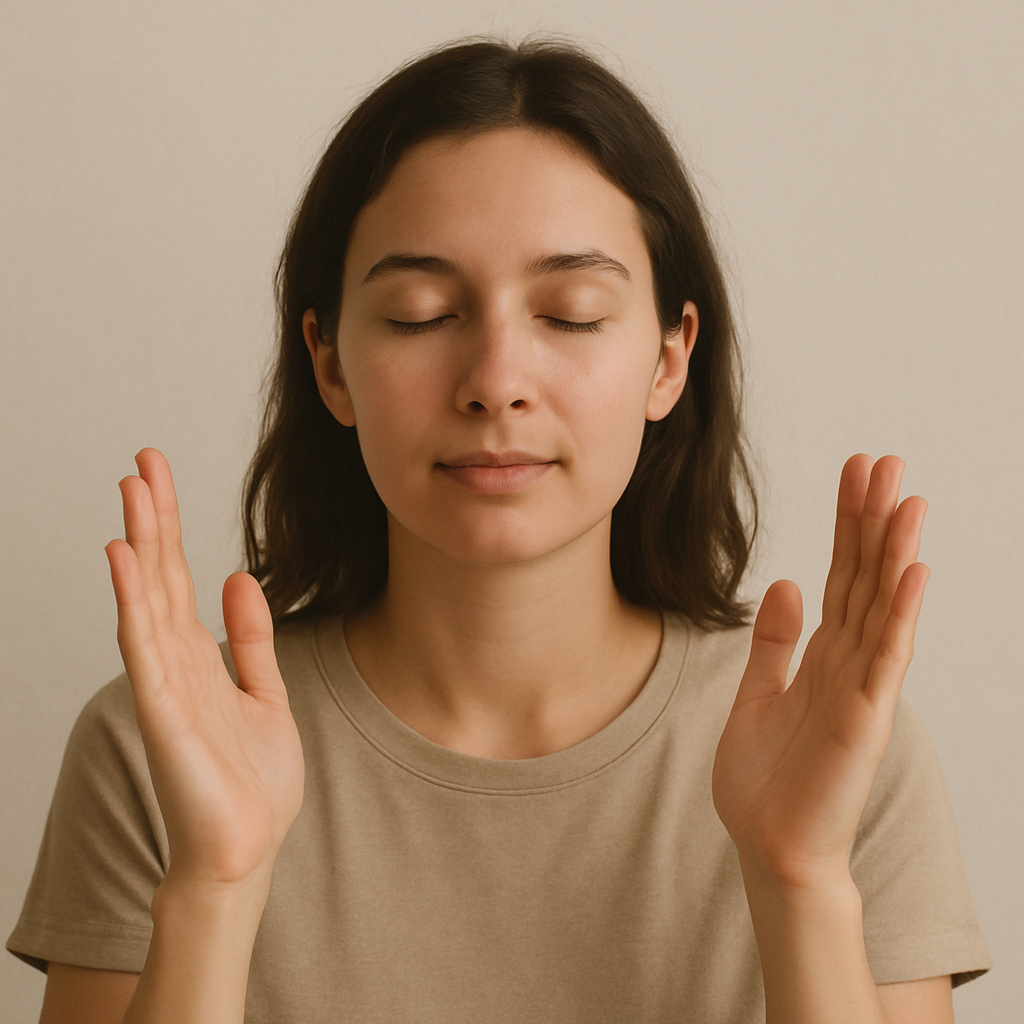
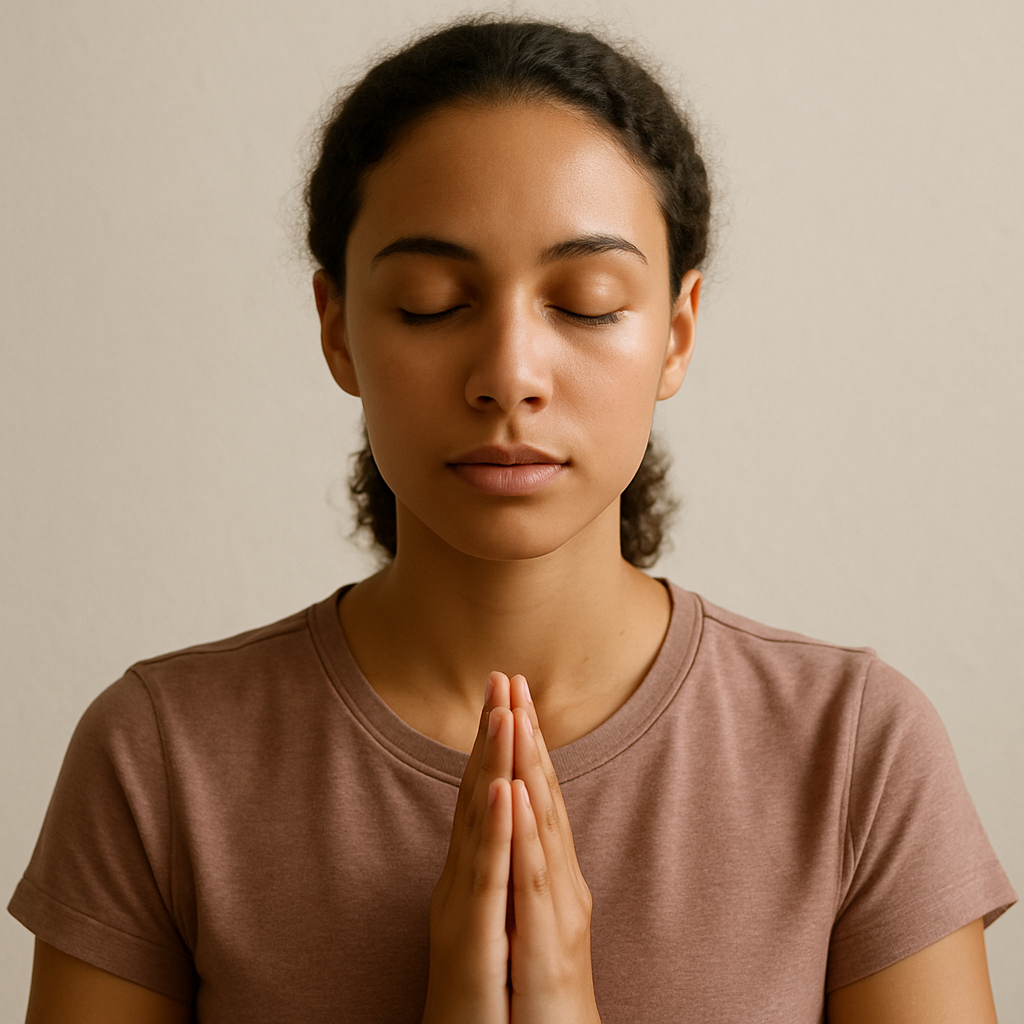
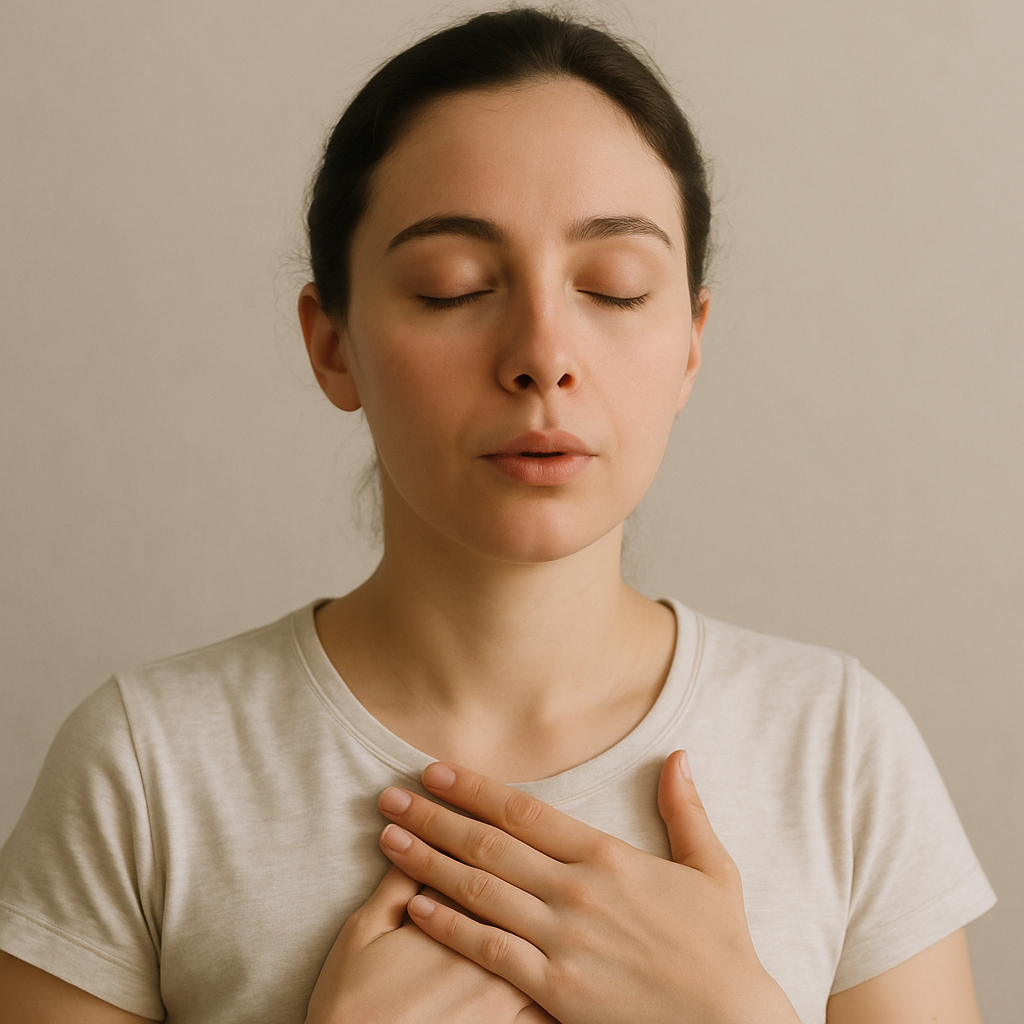
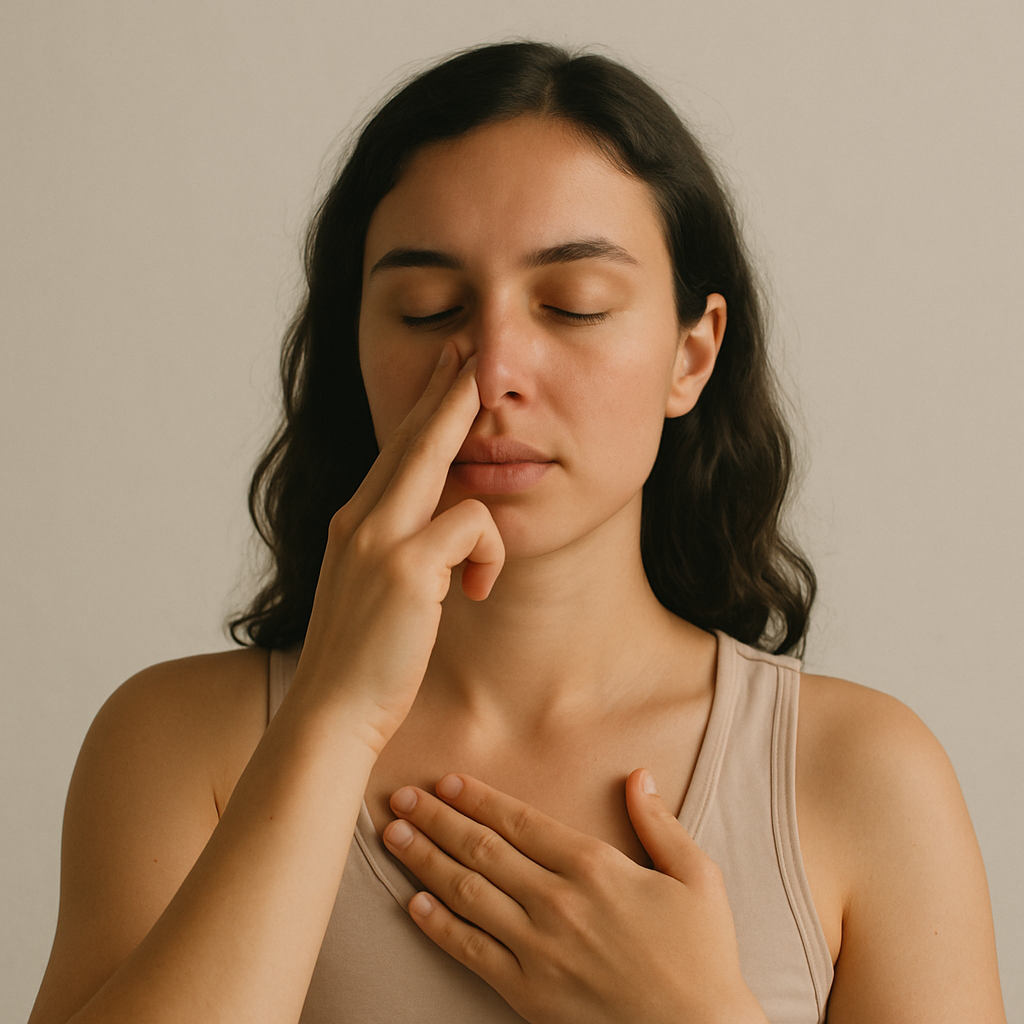
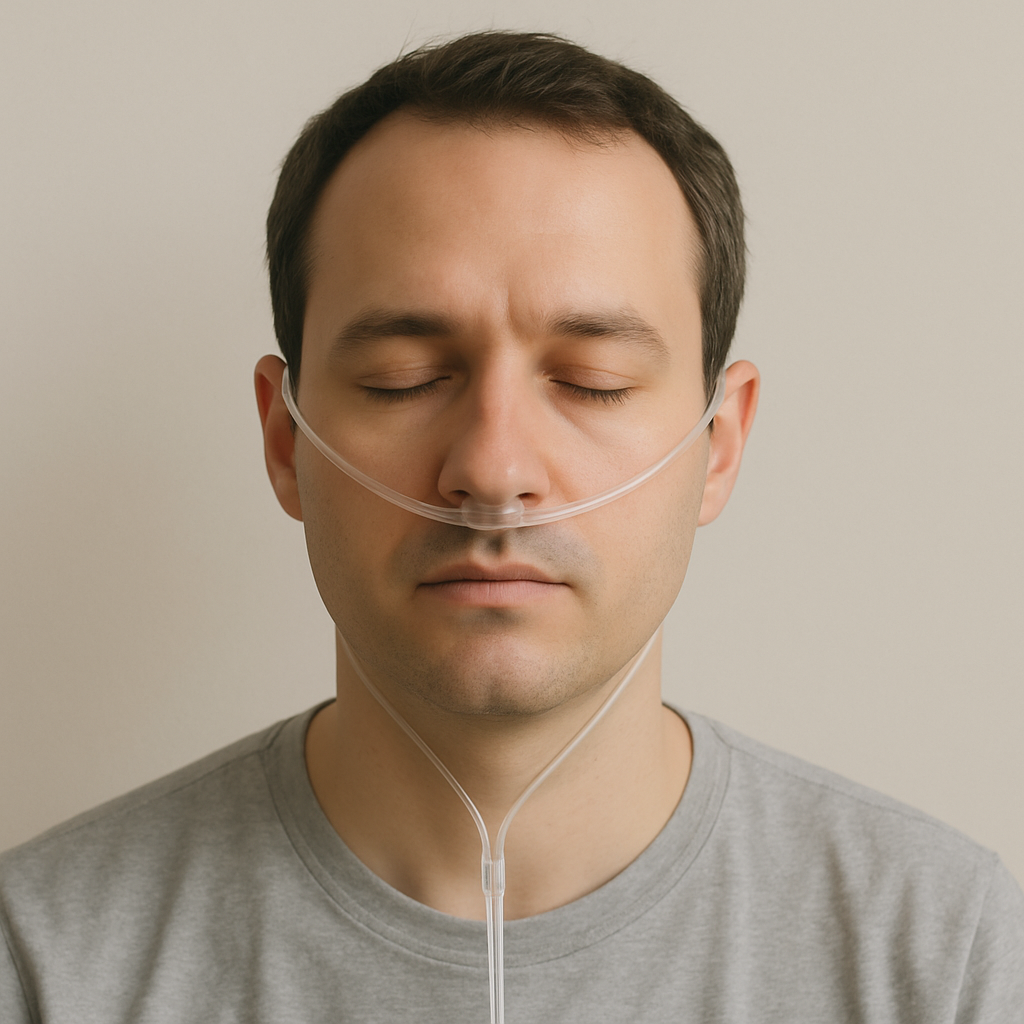
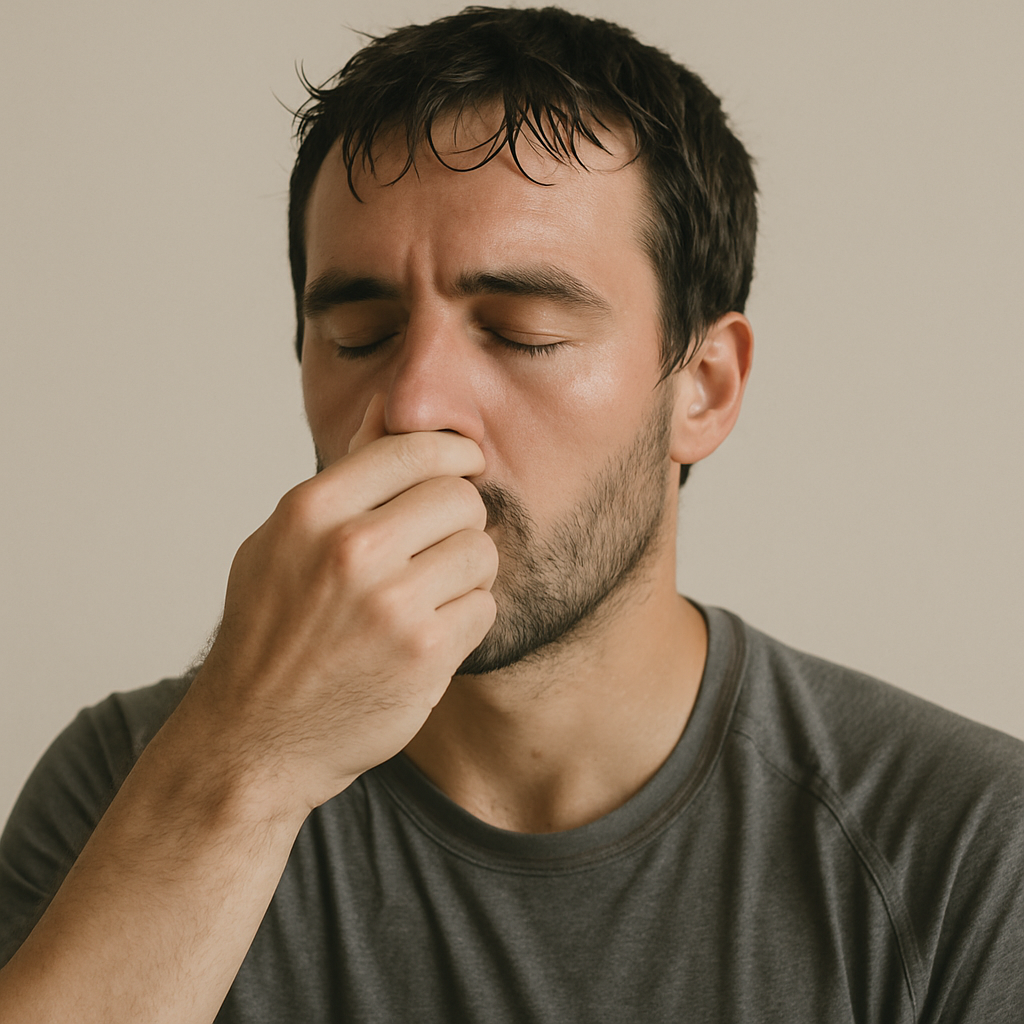
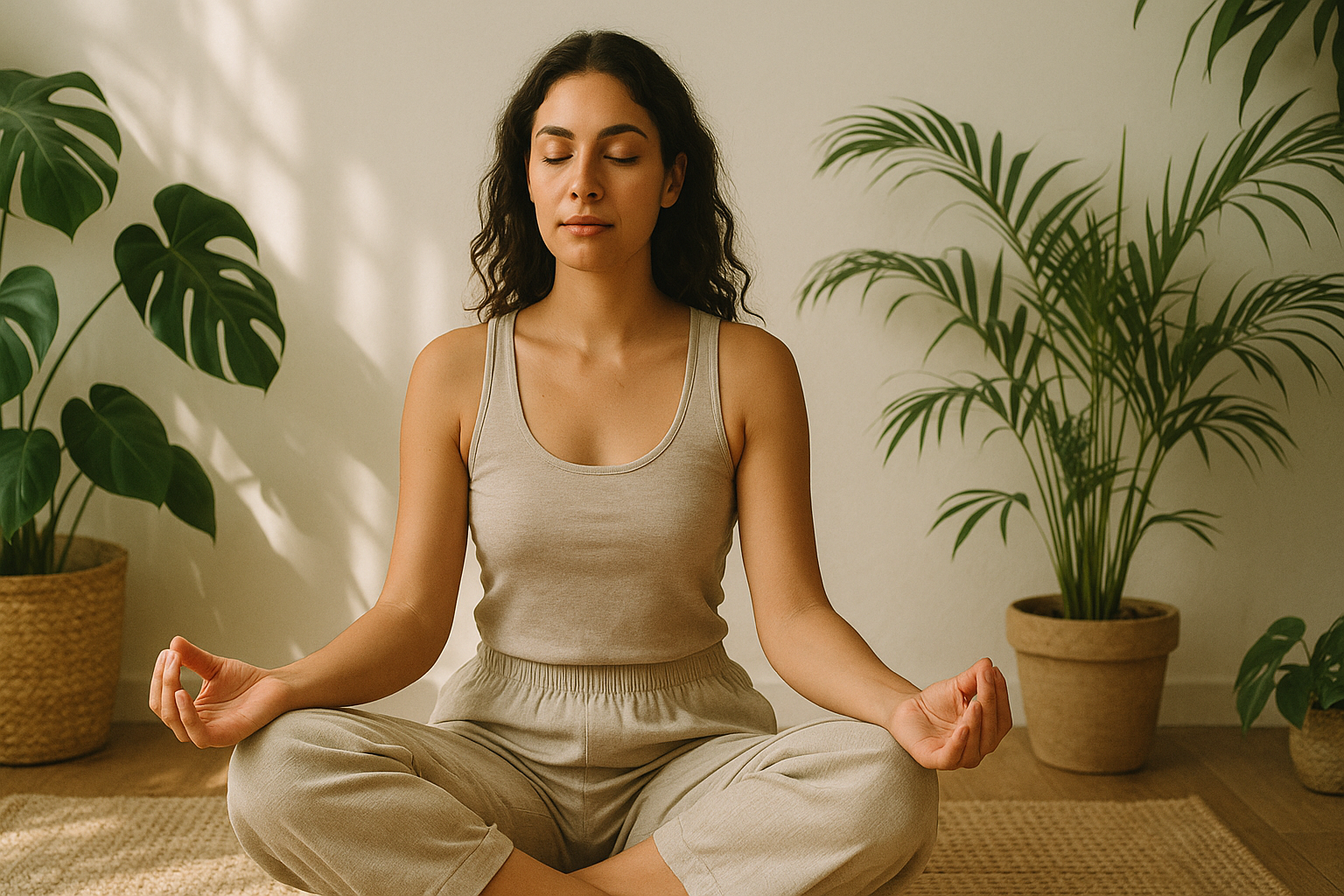
Breathwork refers to a variety of techniques that involve the conscious control of breathing patterns to enhance physical, mental, and emotional well-being. This practice can include methods such as deep breathing, pranayama (from yoga), and various therapeutic breathing exercises. The goal is to improve oxygen flow, enhance relaxation, and promote a sense of calm, making it an effective tool for stress reduction.
Key Active Compounds & Mechanisms
While breathwork is not centered around specific compounds, its efficacy is rooted in physiological and psychological mechanisms. Key aspects include:
- Oxygenation: Enhanced oxygen intake can improve cellular respiration and energy levels.
- Parasympathetic Activation: Breathwork stimulates the parasympathetic nervous system, promoting relaxation and reducing stress hormones like cortisol.
- Mindfulness: The practice encourages mindfulness and presence, which can reduce anxiety and improve mental clarity.
Traditional Uses
Historically, breathwork techniques have been utilized across various cultures as a means of enhancing spiritual practices and promoting health. In ancient India, pranayama was developed as part of yogic traditions, focusing on the control of breath to influence life force (prana). Similarly, indigenous cultures have employed rhythmic breathing in rituals and healing practices to foster connection with nature and the divine.
What Modern Research Suggests
Recent studies have begun to validate breathwork's role in stress reduction. Research indicates that regular practice can lead to:
- Lower levels of anxiety and depression.
- Improved emotional regulation.
- Enhanced overall well-being.
While findings are promising, further research is necessary to establish standardized protocols and understand the long-term benefits of breathwork.
Functional Actions
Breathwork serves several functions, particularly in stress management:
- Promotes relaxation and reduces tension.
- Improves focus and concentration.
- Facilitates emotional release and processing.
- Enhances physical and mental stamina.
Body Systems Supported
The practice of breathwork can positively impact multiple body systems, including:
- Respiratory System: Strengthens lung capacity and efficiency.
- Nervous System: Balances the sympathetic and parasympathetic responses.
- Cardiovascular System: May lower heart rate and blood pressure during practice.
Common Forms & Educational Dosing Ranges
Breathwork can be practiced in various forms, including:
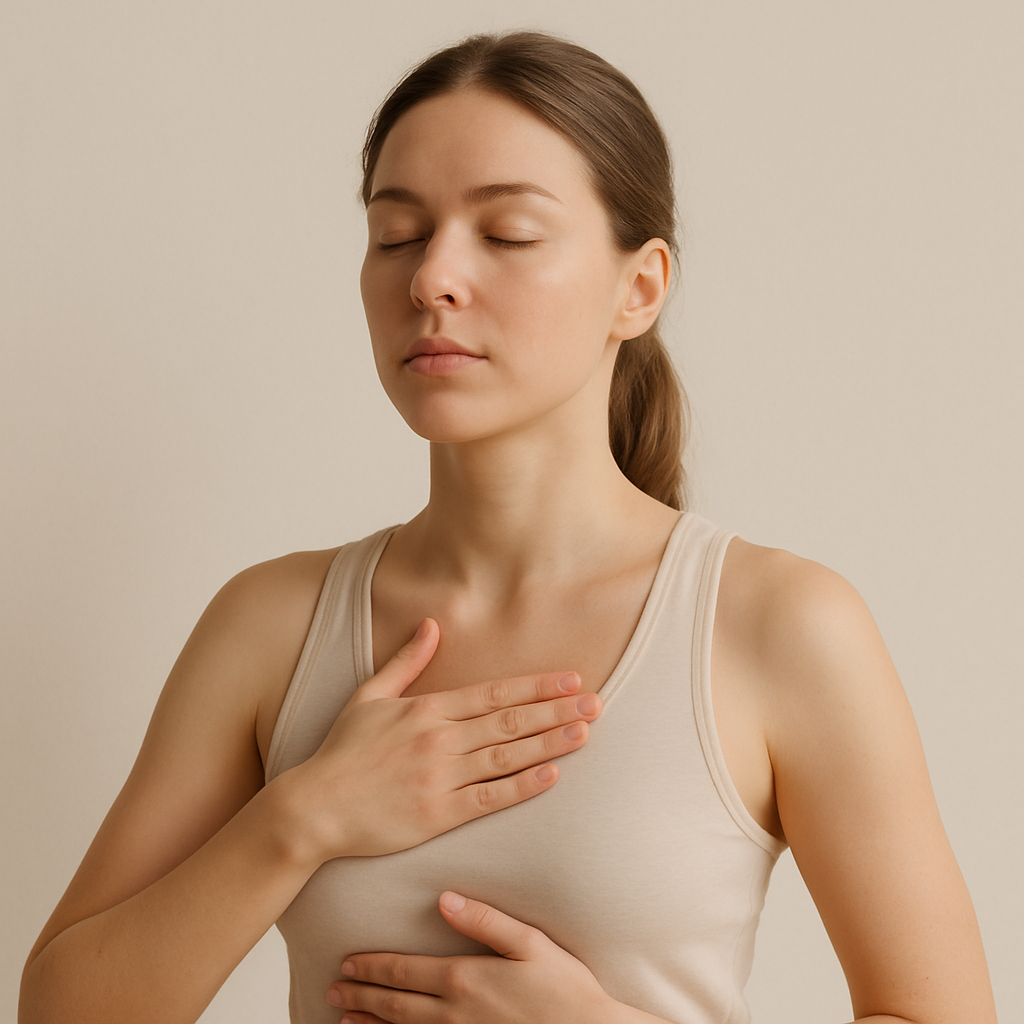
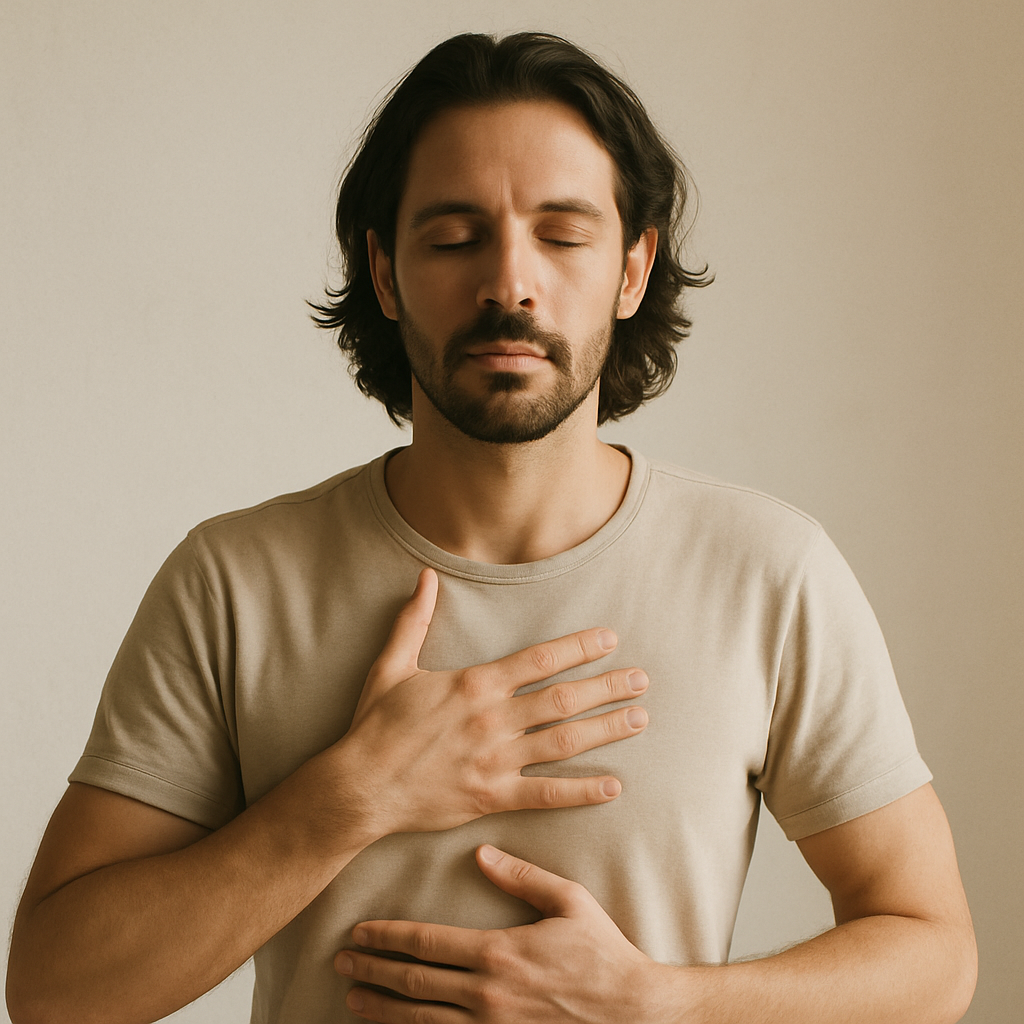
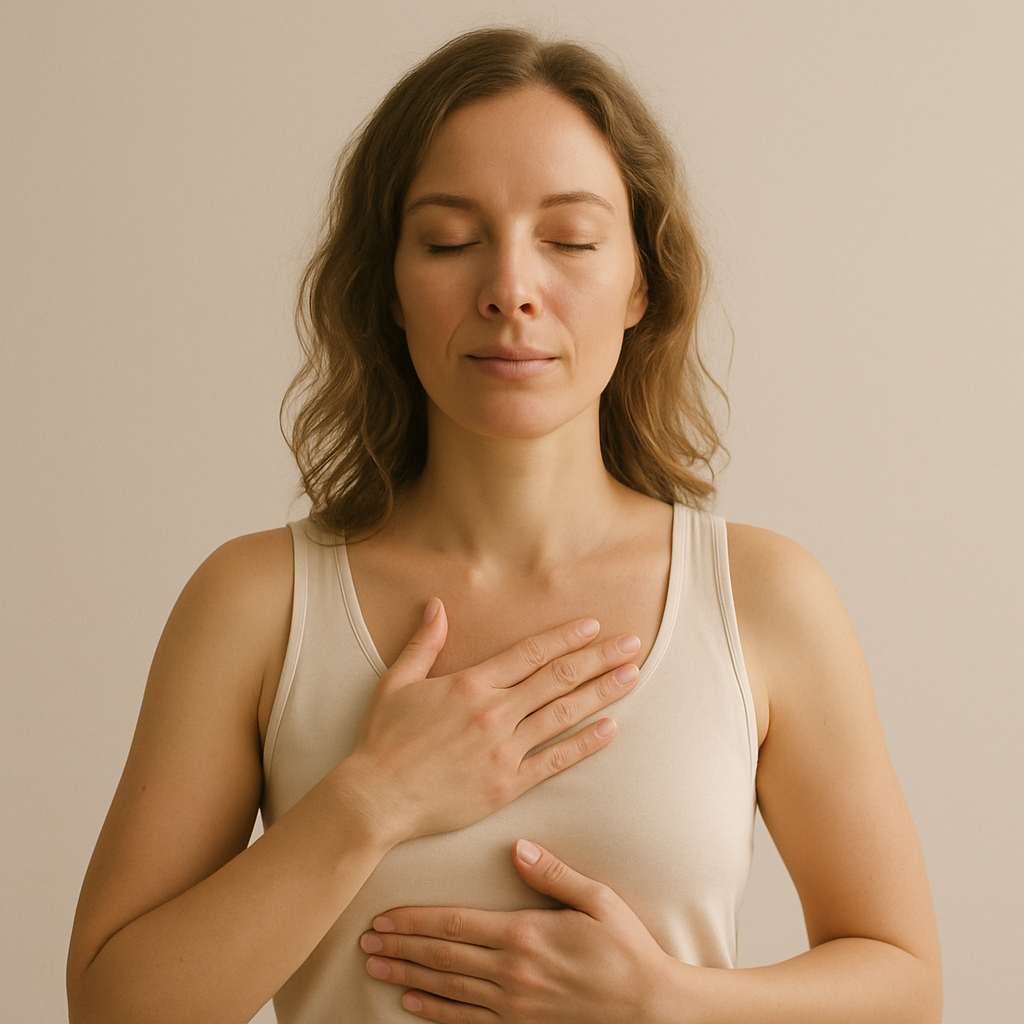
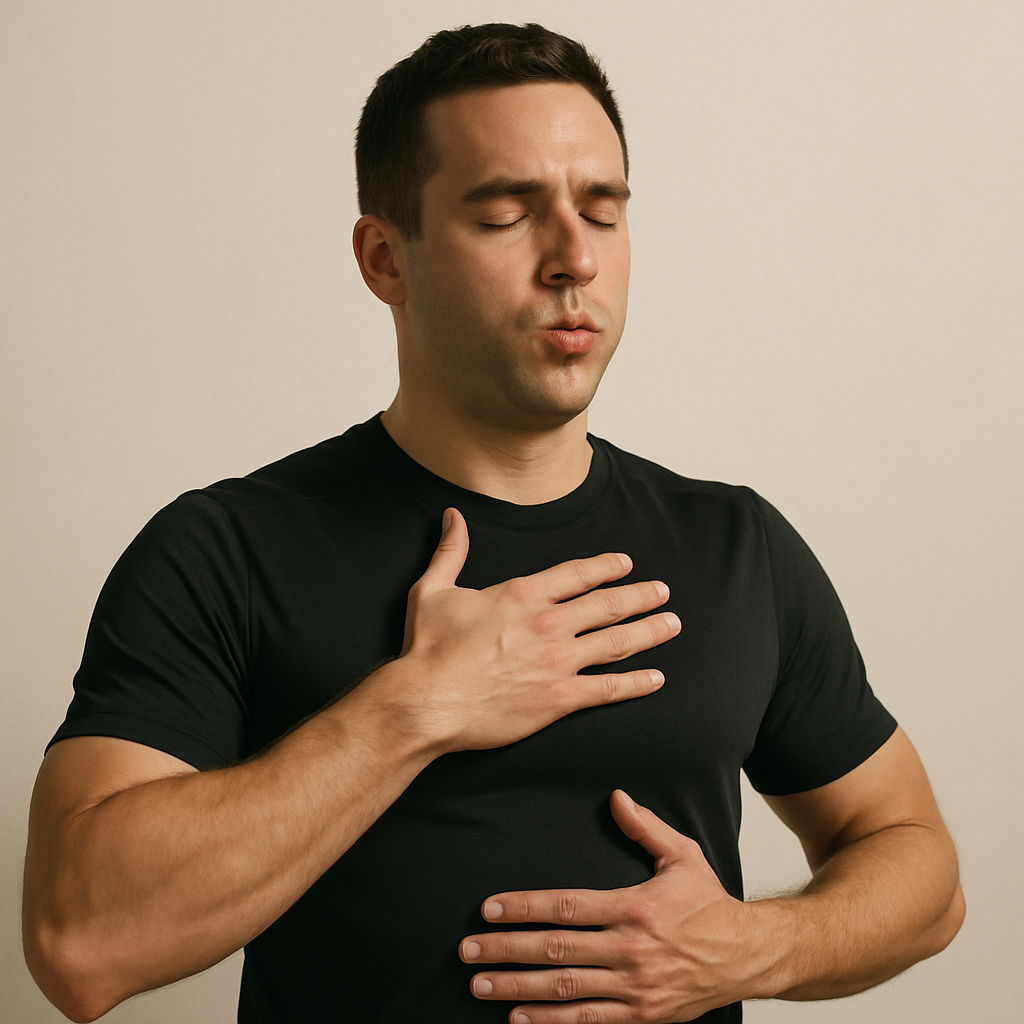
- Diaphragmatic Breathing: Inhale deeply through the nose, allowing the abdomen to expand, then exhale slowly.
- Box Breathing: Inhale for a count of four, hold for four, exhale for four, and hold again for four.
- 4-7-8 Breathing: Inhale for four counts, hold for seven, and exhale for eight.
Practicing for 5-15 minutes daily can yield significant benefits in stress reduction.
Safety, Contraindications & Interactions
Breathwork is generally safe for most individuals. However, those with certain conditions should exercise caution:
- Individuals with respiratory conditions (e.g., asthma, COPD) should consult a healthcare provider before starting.
- People with a history of panic attacks may find certain breathwork techniques triggering.
- Pregnant women should also seek guidance before engaging in intensive breathwork practices.
Pairs Well With
Breathwork can be effectively combined with other natural remedies and practices to enhance stress reduction:
- Meditation
- Yoga
- Aromatherapy
- Mindfulness practices
FAQs (5)
- What is breathwork? Breathwork involves various techniques that focus on controlling breathing to improve well-being.
- How often should I practice breathwork for stress reduction? Practicing daily for 5-15 minutes can be beneficial.
- Can breathwork help with anxiety? Yes, many studies suggest that breathwork can reduce anxiety levels.
- Is breathwork safe for everyone? While generally safe, individuals with certain respiratory conditions or anxiety disorders should consult a healthcare provider.
- Can I do breathwork on my own? Yes, many techniques can be practiced independently, but guidance from a professional can enhance the experience.
Frequently asked
What is breathwork?
Breathwork involves various techniques that focus on controlling breathing to improve well-being.
How often should I practice breathwork for stress reduction?
Practicing daily for 5-15 minutes can be beneficial.
Can breathwork help with anxiety?
Yes, many studies suggest that breathwork can reduce anxiety levels.
Is breathwork safe for everyone?
While generally safe, individuals with certain respiratory conditions or anxiety disorders should consult a healthcare provider.
Can I do breathwork on my own?
Yes, many techniques can be practiced independently, but guidance from a professional can enhance the experience.