Focus Breathing
Discover Focus Breathing, a powerful breathwork technique that enhances concentration and mental clarity. Learn about its benefits, historical uses, and practical applications.
Explore Focus Breathing within the realm of Breathwork as a natural remedy for enhancing concentration and mental clarity. Learn about its definitions, mechanisms, historical uses, modern research, functional actions, body systems supported, common forms, and safety considerations. Discover effective pairings and frequently asked questions about this practice.
What It Is
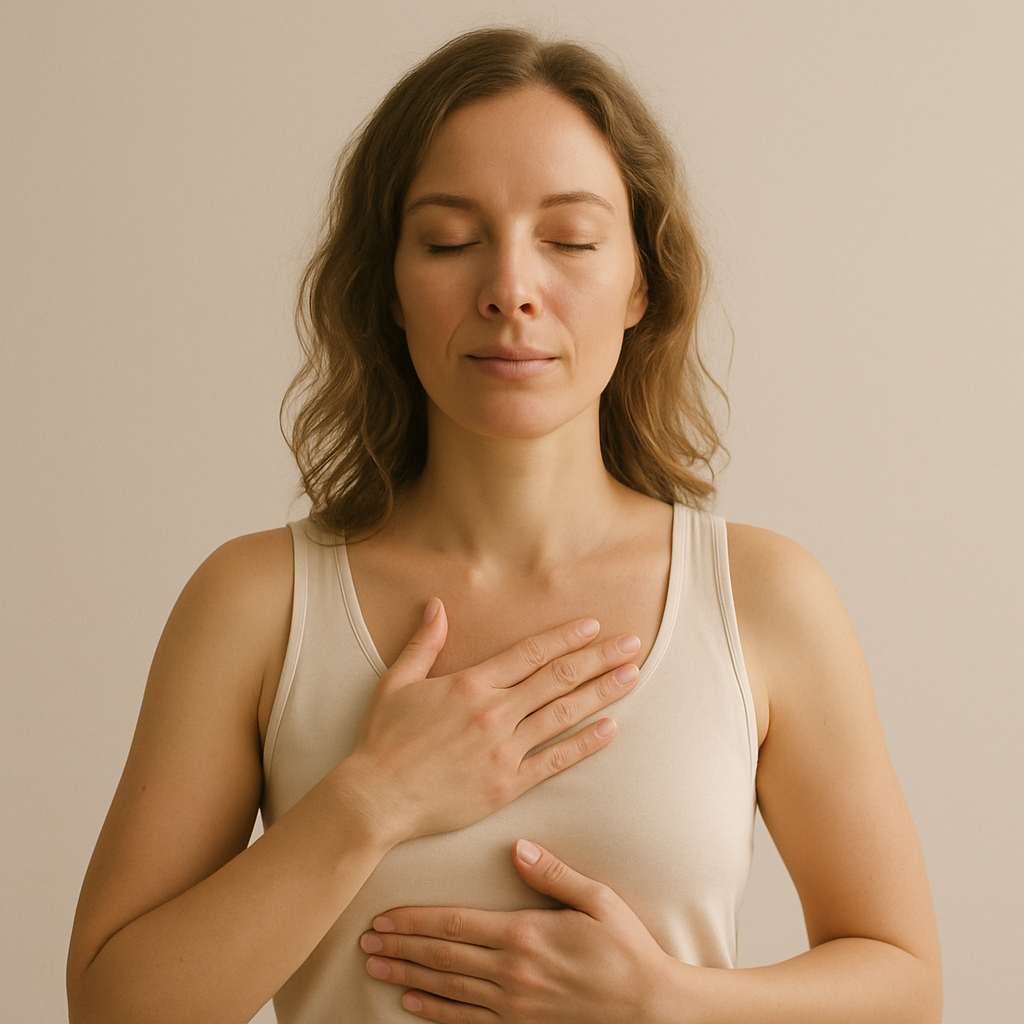
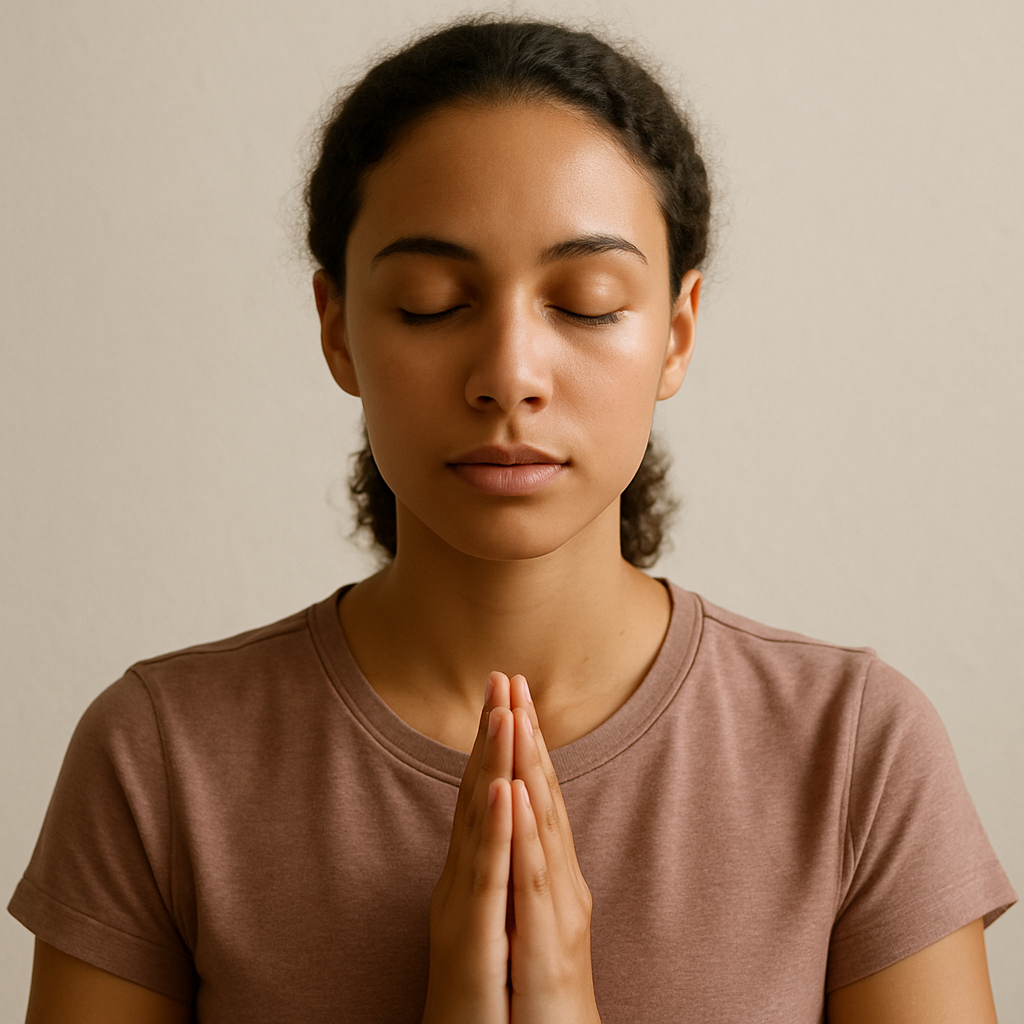
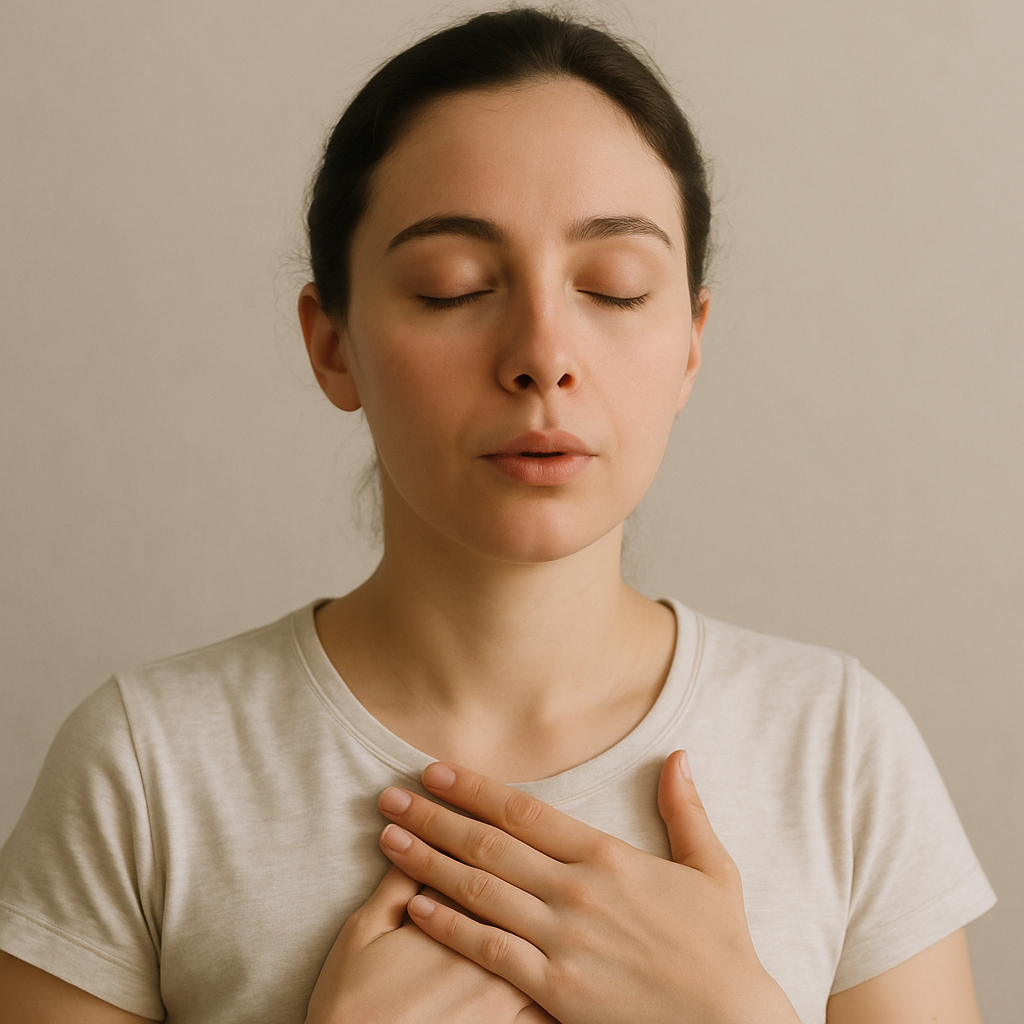
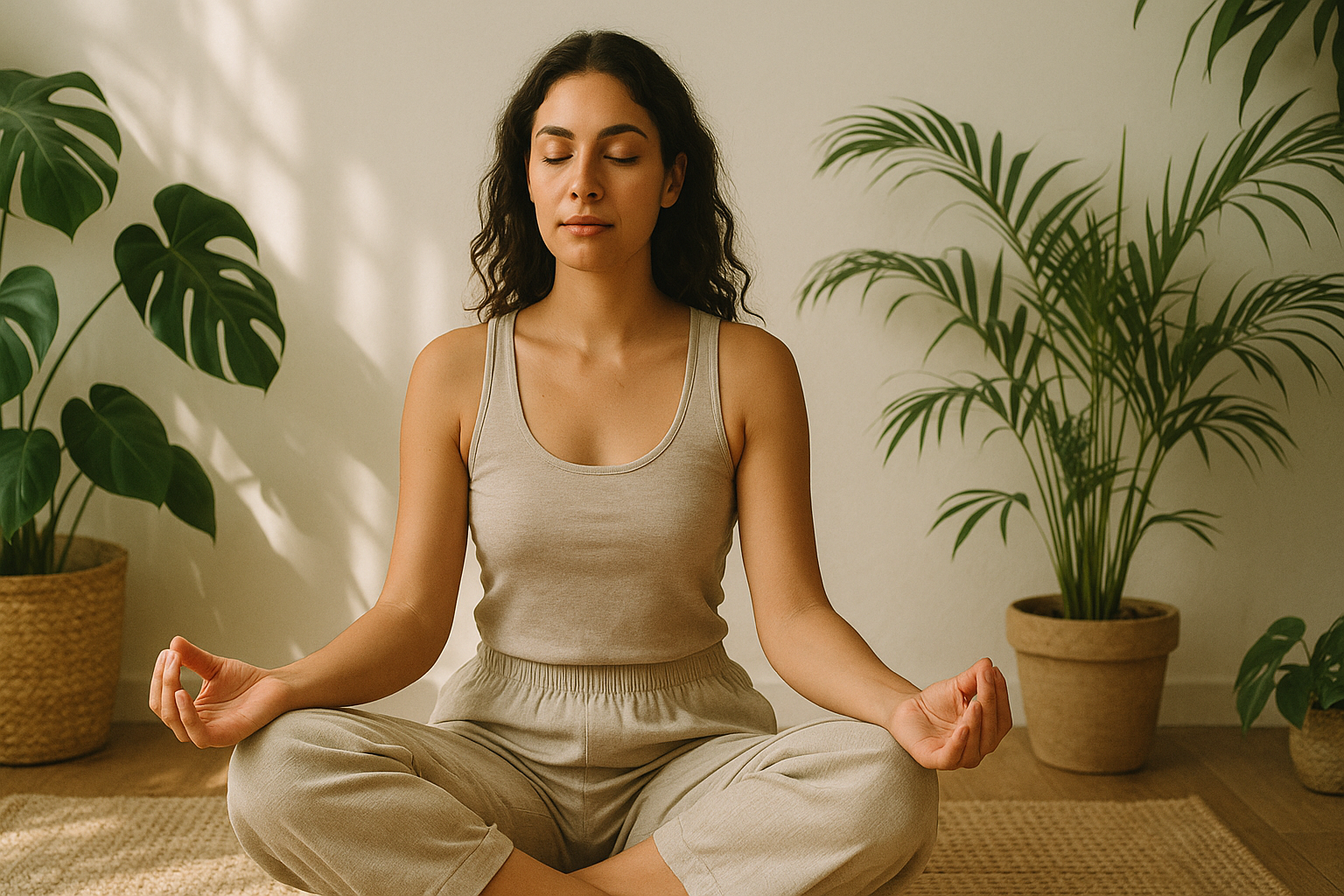
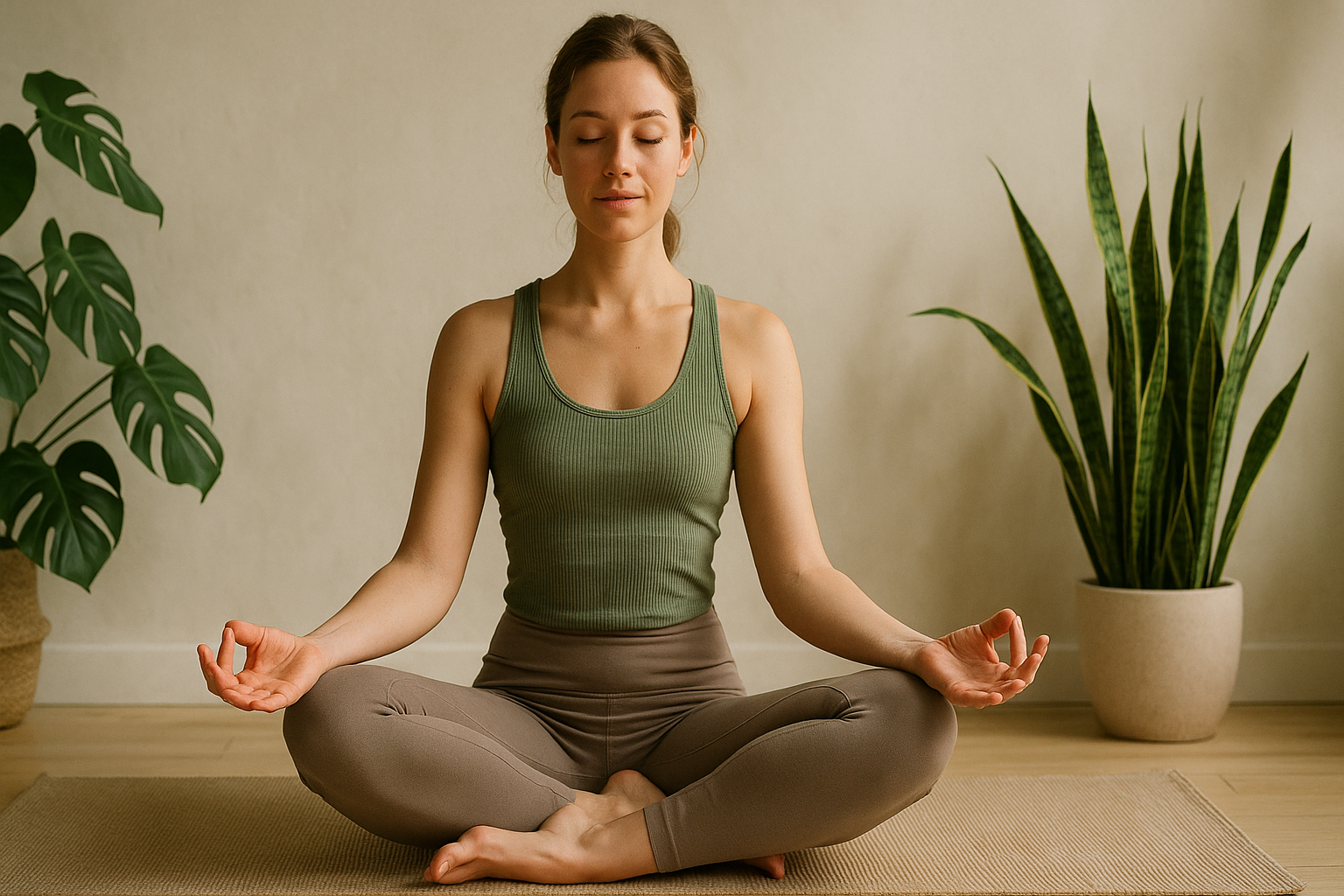
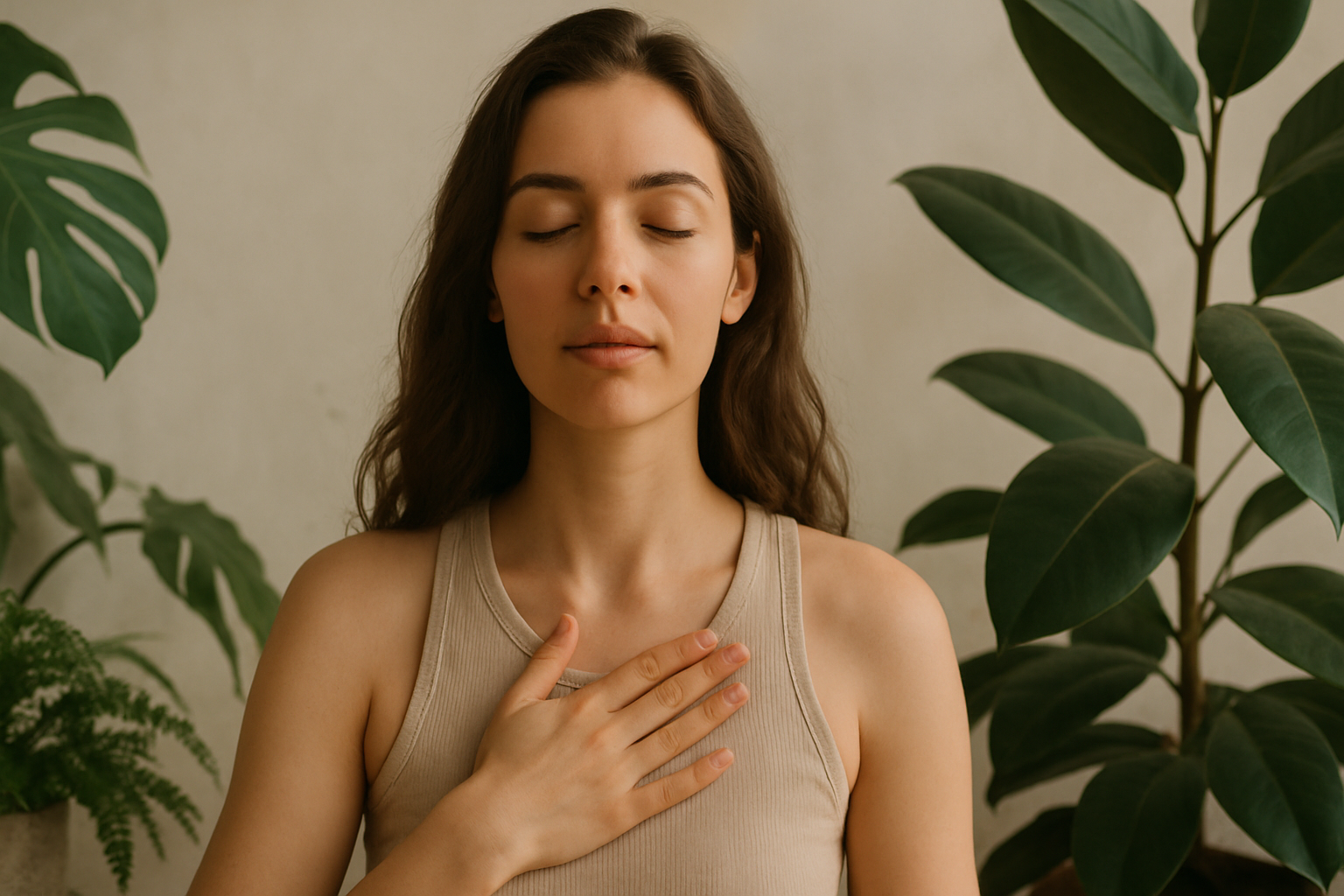
Focus Breathing is a specific technique within the broader practice of breathwork that emphasizes controlled and intentional breathing patterns aimed at enhancing concentration and mental clarity. This method encourages individuals to harness the power of their breath to center their thoughts, reduce distractions, and achieve a state of focused awareness.
Key Active Compounds & Mechanisms
While Focus Breathing itself does not involve the use of specific compounds, its effectiveness is rooted in the physiological mechanisms of controlled breathing. When practiced, Focus Breathing can activate the parasympathetic nervous system, leading to a decrease in stress hormones like cortisol and an increase in oxygen supply to the brain. This process enhances cognitive function and promotes a state of calm alertness.
Traditional Uses
Historically, breath control techniques have been utilized in various cultures as tools for mental and physical well-being. In ancient practices like Yoga and Tai Chi, breath regulation is integral to achieving a meditative state. These traditions recognized the importance of breath in enhancing focus and clarity, laying the foundation for modern breathwork techniques like Focus Breathing.
What Modern Research Suggests
Recent studies have begun to explore the benefits of breathwork in improving cognitive function and reducing anxiety. Preliminary research suggests that structured breathing exercises can lead to enhanced attention and a greater ability to concentrate. While more extensive clinical trials are needed, initial findings indicate that consistent practice of Focus Breathing may significantly improve mental performance.
Functional Actions
Focus Breathing serves several functional actions, including:
- Enhancing Concentration: By promoting a calm state of mind, it helps individuals focus better on tasks.
- Reducing Anxiety: Controlled breathing patterns can lower feelings of anxiety and stress.
- Improving Cognitive Function: Increased oxygen flow to the brain may enhance overall cognitive performance.
Body Systems Supported
Focus Breathing primarily supports the following body systems:
- Nervous System: It helps to regulate the autonomic nervous system, promoting relaxation.
- Respiratory System: Engaging in focused breathing strengthens lung capacity and efficiency.
- Cognitive Function: It positively impacts brain function, improving focus and mental clarity.
Common Forms & Educational Dosing Ranges
Focus Breathing can be practiced in various forms, including:
- Guided Sessions: Engaging in sessions led by an instructor or using audio resources.
- Self-Practice: Utilizing techniques like the 4-7-8 breathing method, where you inhale for 4 seconds, hold for 7 seconds, and exhale for 8 seconds.
- Mindfulness Integration: Combining focus breathing with mindfulness meditation for enhanced benefits.
For educational dosing, it is recommended to practice Focus Breathing for 5-10 minutes daily to experience its benefits effectively.
Safety, Contraindications & Interactions
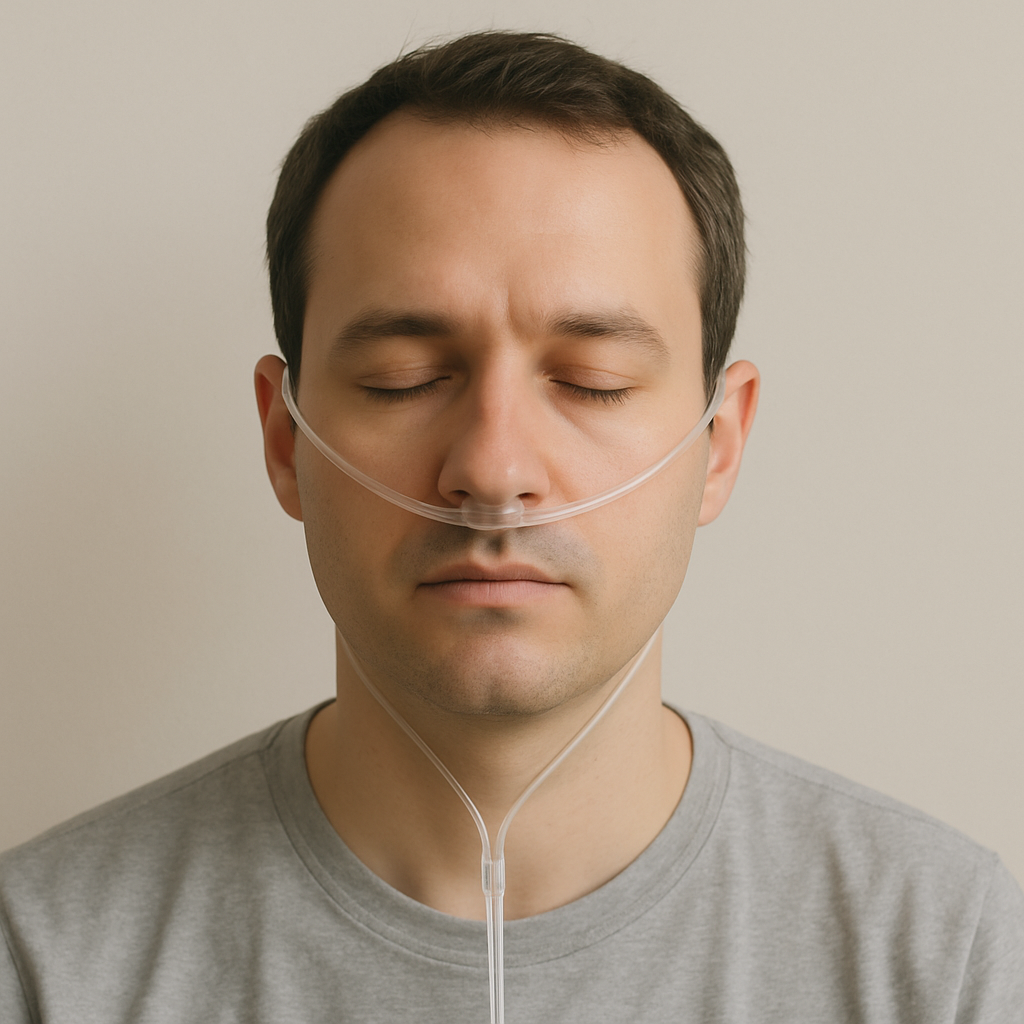
Focus Breathing is generally safe for most individuals. However, those with specific respiratory conditions, such as chronic obstructive pulmonary disease (COPD) or severe asthma, should consult a healthcare professional before beginning any breathwork practice. Additionally, individuals with a history of panic disorders may want to approach breath control exercises cautiously, as they can sometimes lead to hyperventilation.
Pairs Well With
Focus Breathing can be effectively paired with:
- Meditation: Enhancing overall mindfulness and relaxation.
- Yoga: Complementing physical movement with breath awareness.
- Nature Walks: Practicing breath control in a calming outdoor environment.
FAQs (5)
- What is the best time to practice Focus Breathing? Morning or during breaks throughout the day can be ideal for enhancing clarity.
- Can Focus Breathing help with sleep? Yes, practicing focused breathing before bed can promote relaxation and prepare the body for sleep.
- How often should I practice Focus Breathing? For best results, aim to practice daily for at least 5-10 minutes.
- Do I need special training to practice Focus Breathing? No, Focus Breathing can be practiced by anyone and does not require special training.
- Can I combine Focus Breathing with other relaxation techniques? Absolutely! It pairs well with techniques like meditation and yoga for enhanced benefits.
Frequently asked
What is the best time to practice Focus Breathing?
Morning or during breaks throughout the day can be ideal for enhancing clarity.
Can Focus Breathing help with sleep?
Yes, practicing focused breathing before bed can promote relaxation and prepare the body for sleep.
How often should I practice Focus Breathing?
For best results, aim to practice daily for at least 5-10 minutes.
Do I need special training to practice Focus Breathing?
No, Focus Breathing can be practiced by anyone and does not require special training.
Can I combine Focus Breathing with other relaxation techniques?
Absolutely! It pairs well with techniques like meditation and yoga for enhanced benefits.