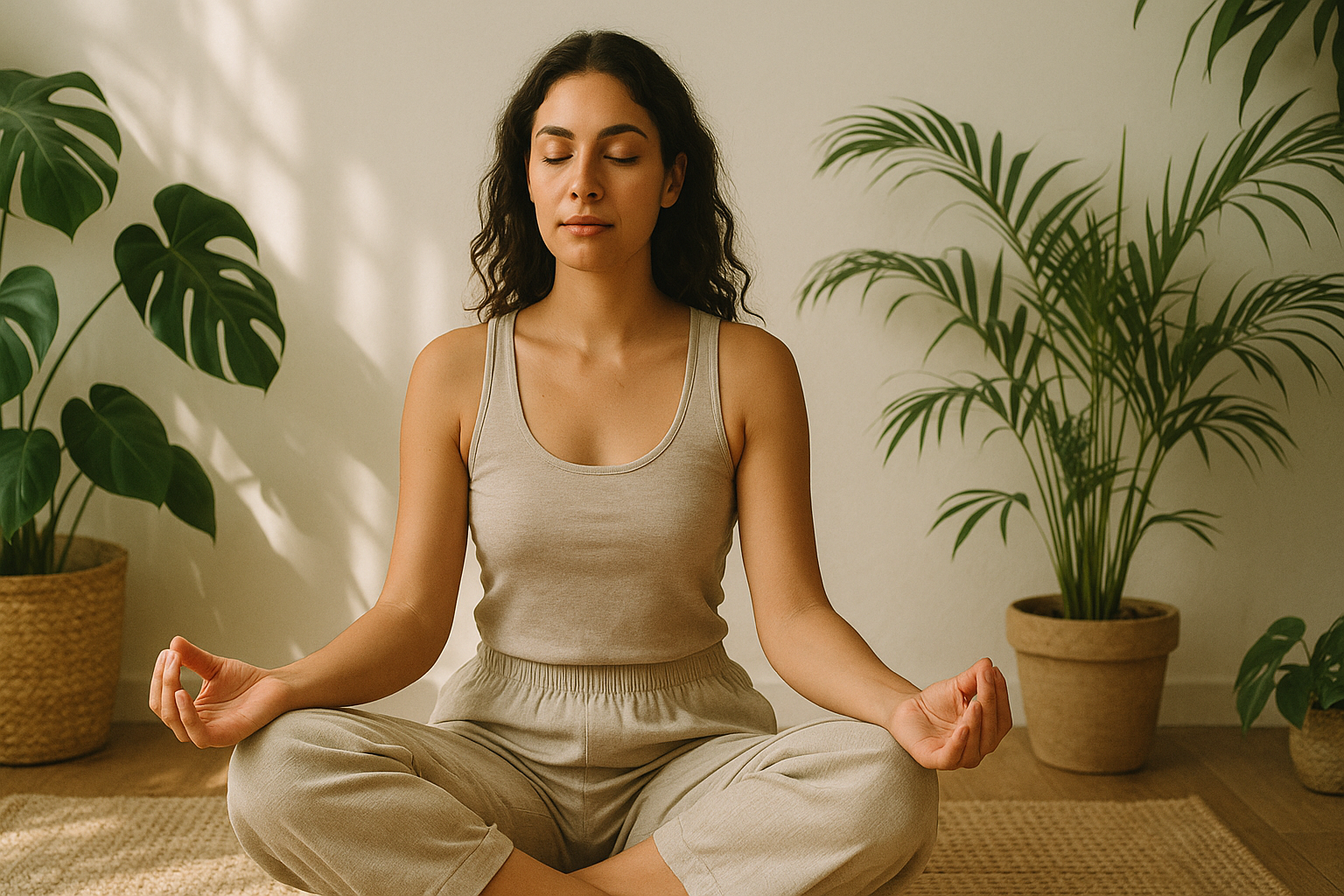
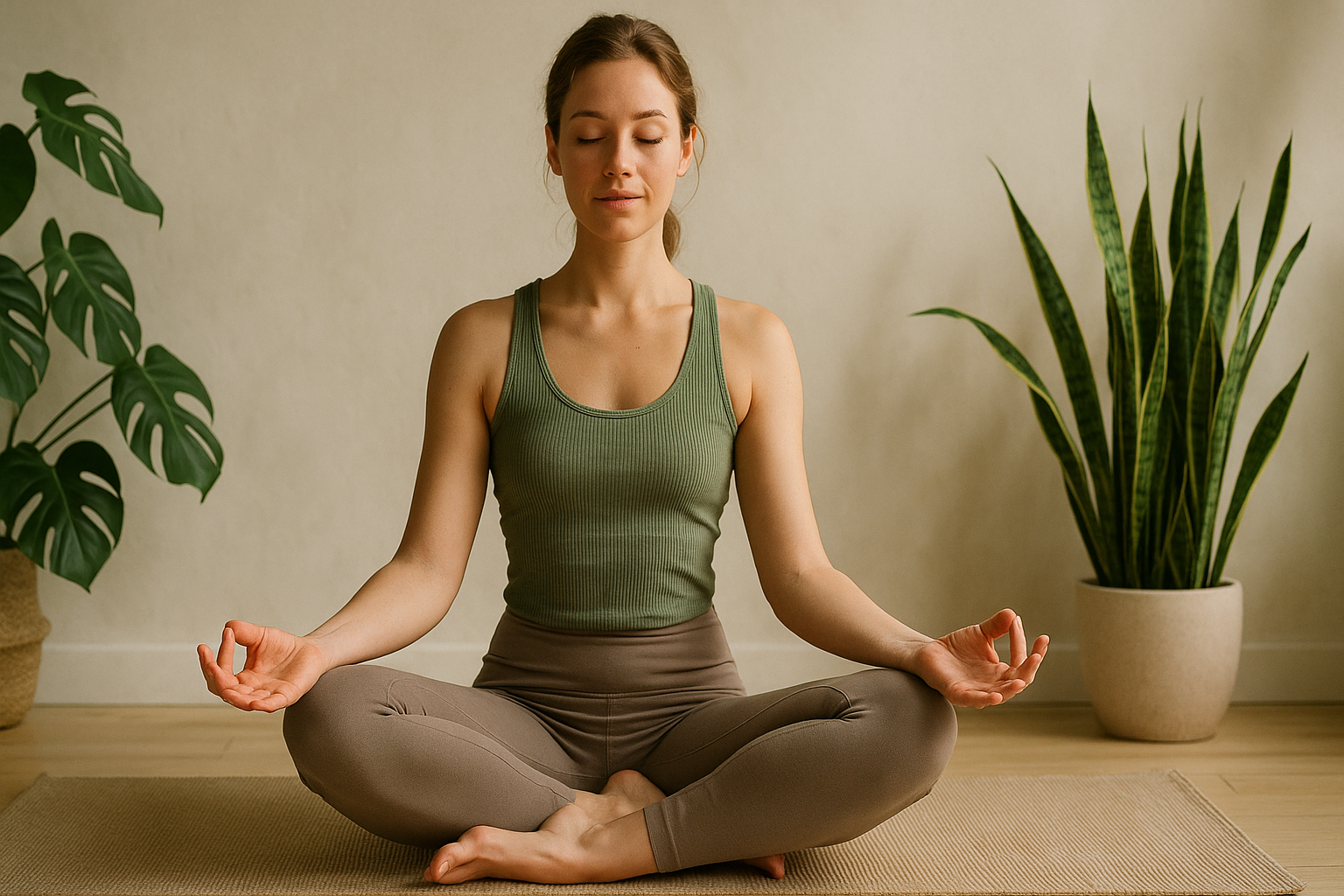
Meditative Breathing
Discover the art of meditative breathing and its benefits, historical significance, and practical applications in this detailed guide.
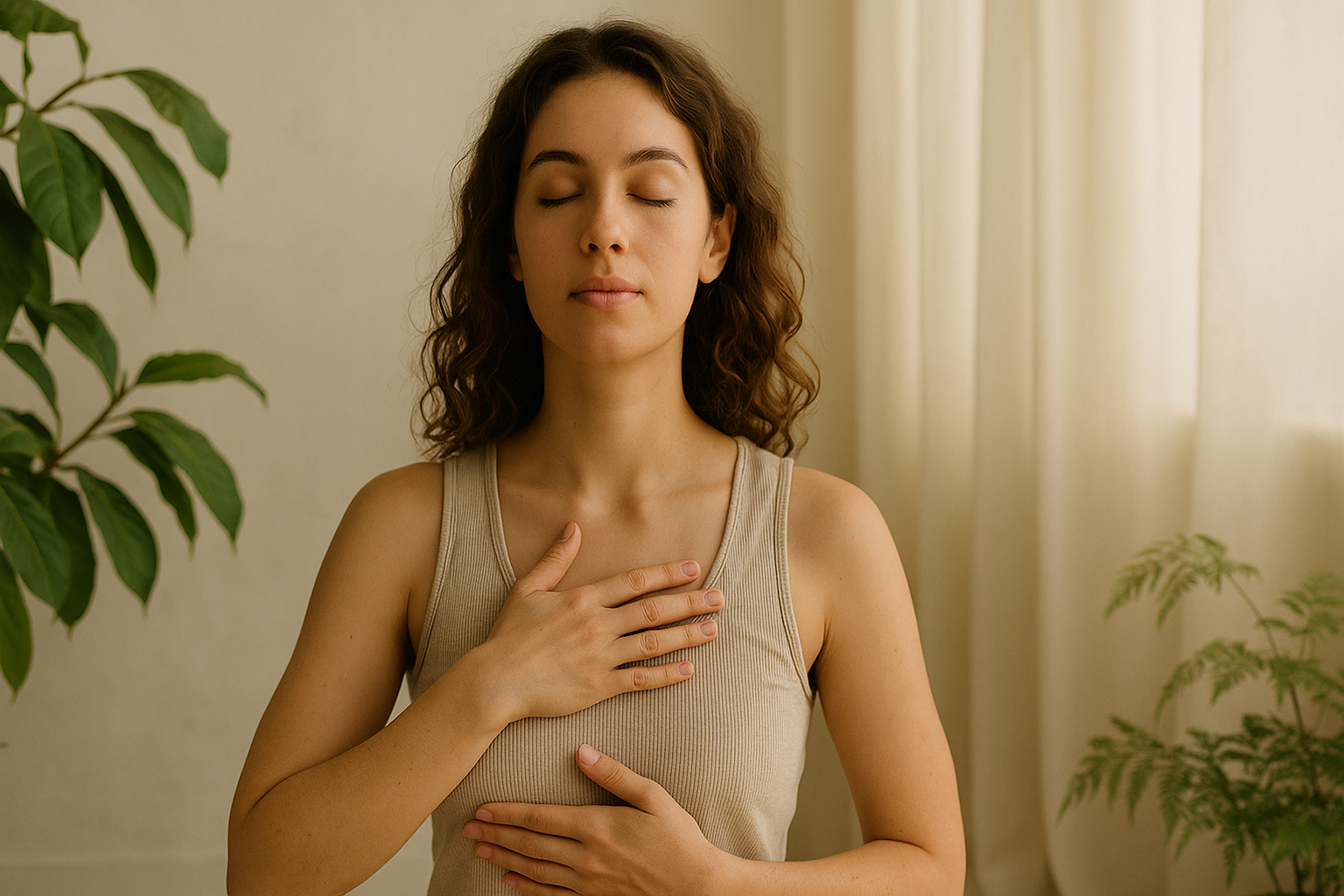
Explore the transformative practice of meditative breathing, part of the breathwork pillar in natural remedies. This comprehensive guide covers its definition, historical uses, modern research, and practical applications.
What It Is
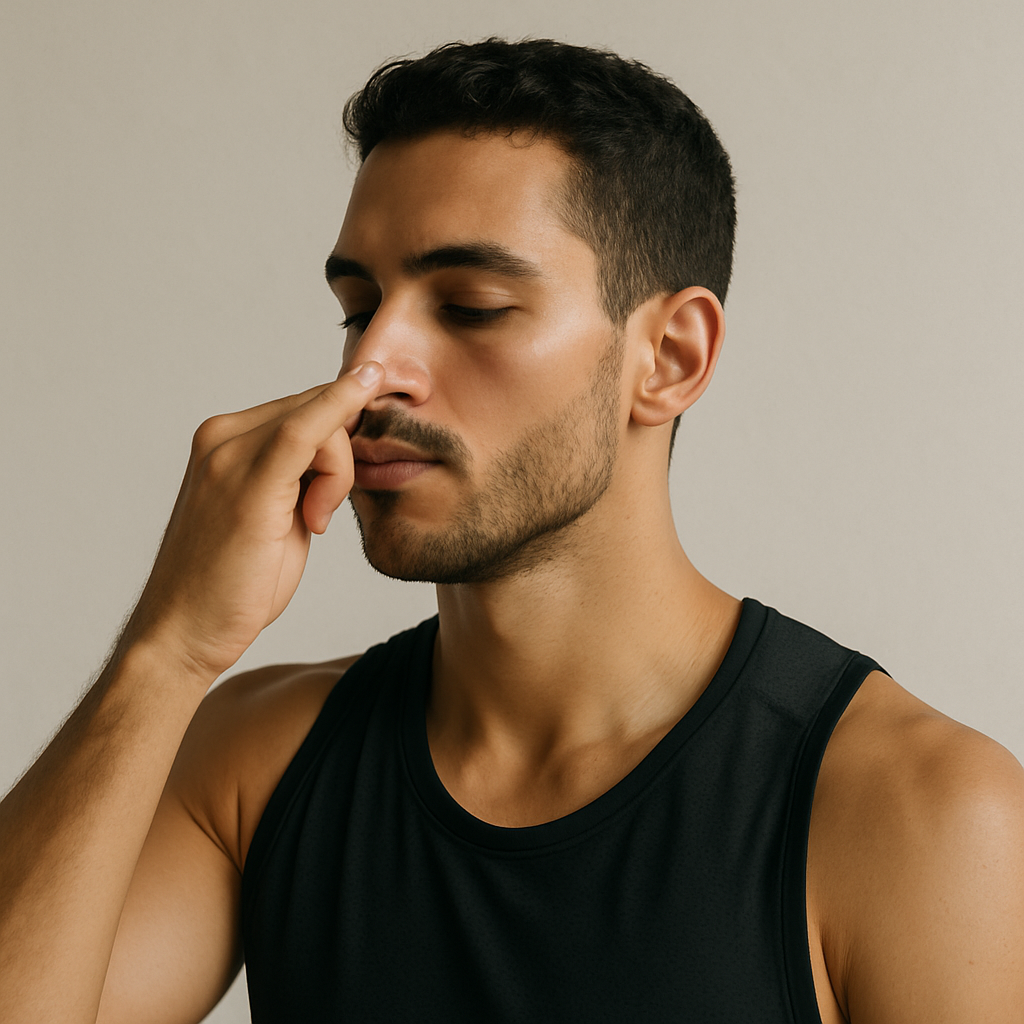
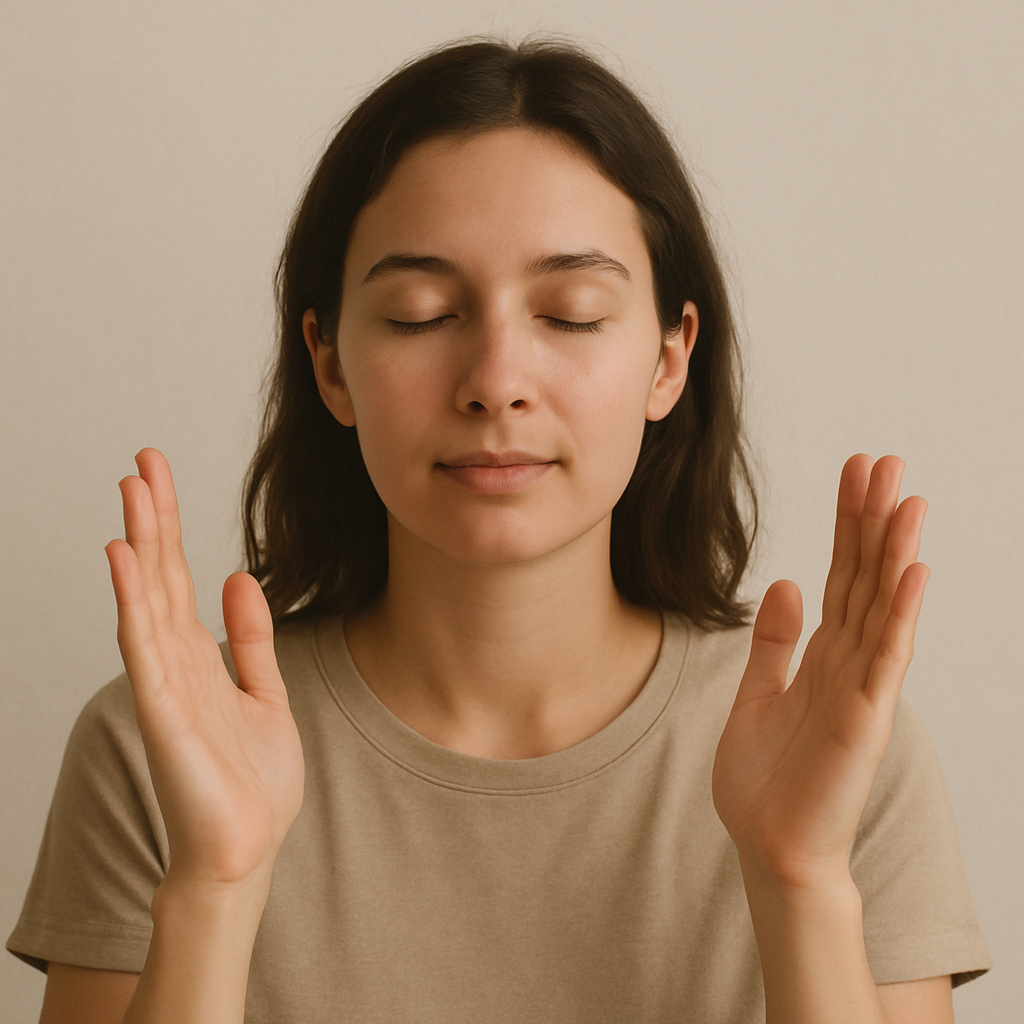
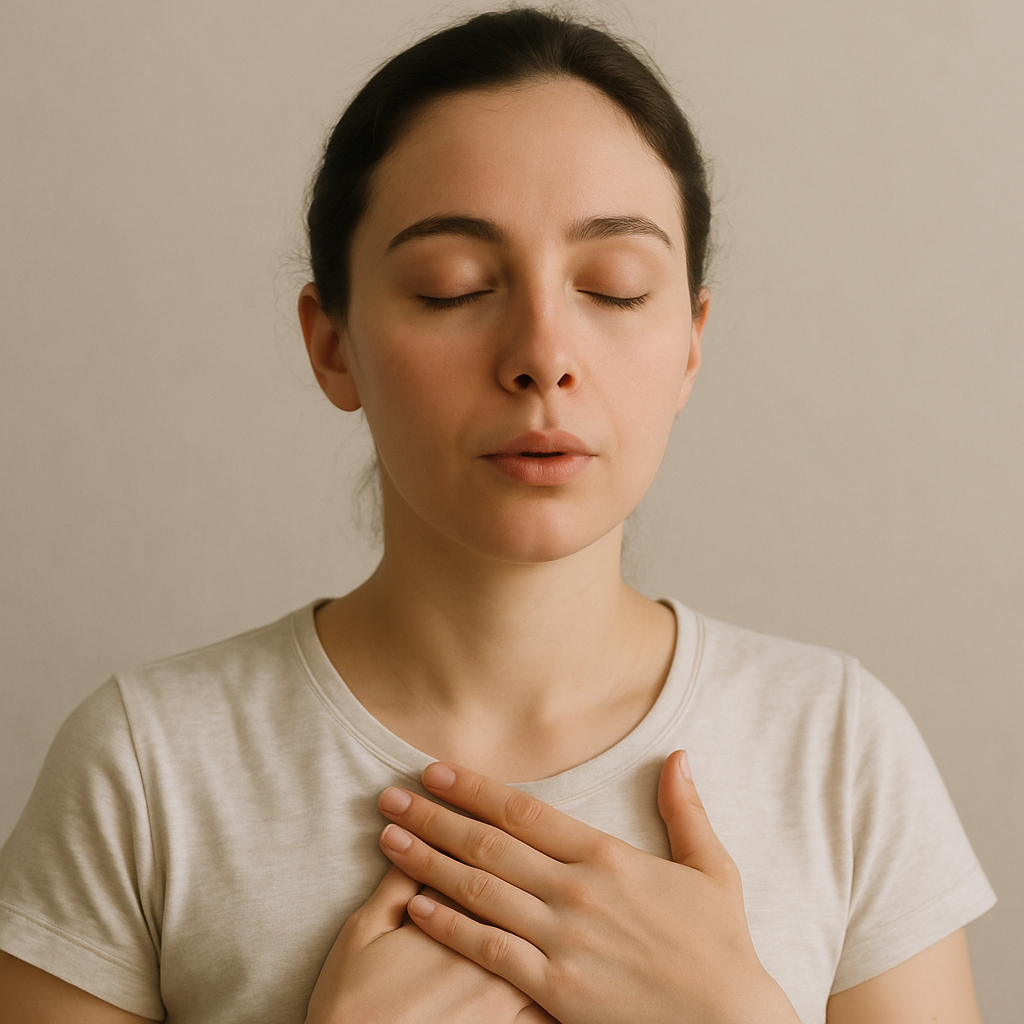
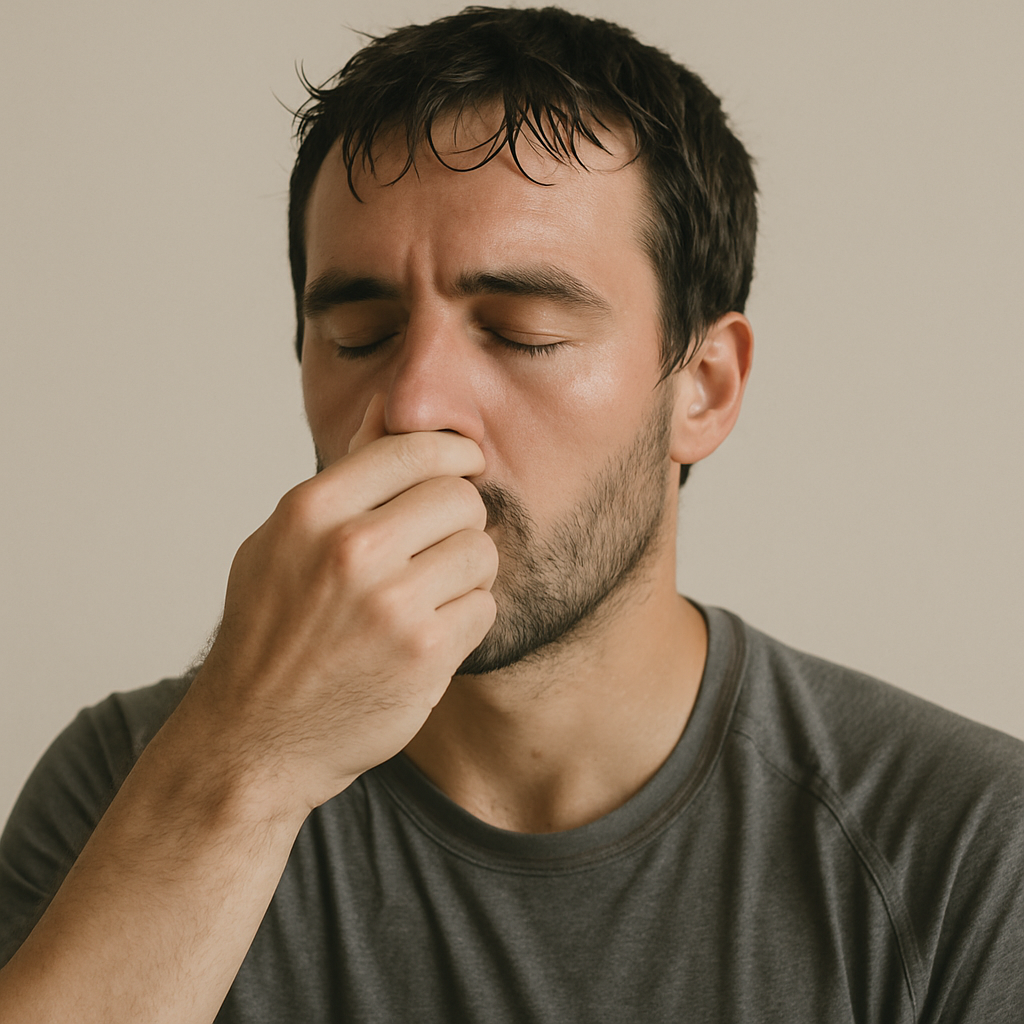
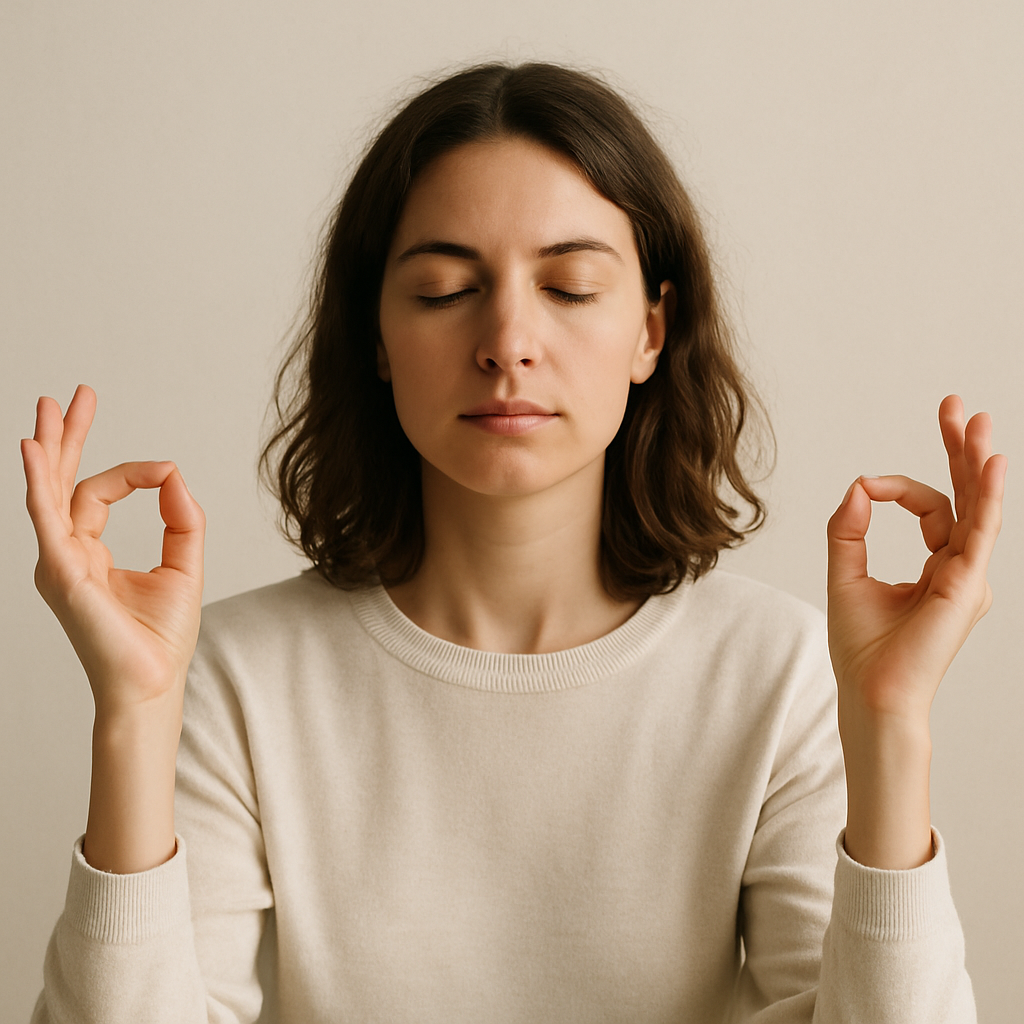
Meditative breathing refers to a set of techniques that involve focused breath control to achieve a state of mental clarity and relaxation. This practice is often associated with various forms of meditation and mindfulness. By consciously regulating the breath, individuals can enhance their emotional and physical well-being. Meditative breathing techniques can vary widely, but they generally emphasize deep, rhythmic breathing patterns that help center the mind and promote a sense of calm.
Key Active Compounds & Mechanisms
While meditative breathing does not involve active compounds in the traditional sense, its effectiveness can be attributed to several physiological and psychological mechanisms. Key mechanisms include:
- Parasympathetic Activation: Deep, slow breathing stimulates the parasympathetic nervous system, which promotes relaxation and reduces stress.
- Oxygenation: Controlled breathing increases oxygen supply to the brain and body, enhancing cognitive function and energy levels.
- Mindfulness: Focused breathing encourages mindfulness, allowing individuals to center their thoughts and reduce anxiety.
Traditional Uses
Meditative breathing has deep roots in various cultures worldwide. In ancient practices, it was often combined with spiritual or religious rituals to enhance spiritual awareness and connection. Some notable historical uses include:
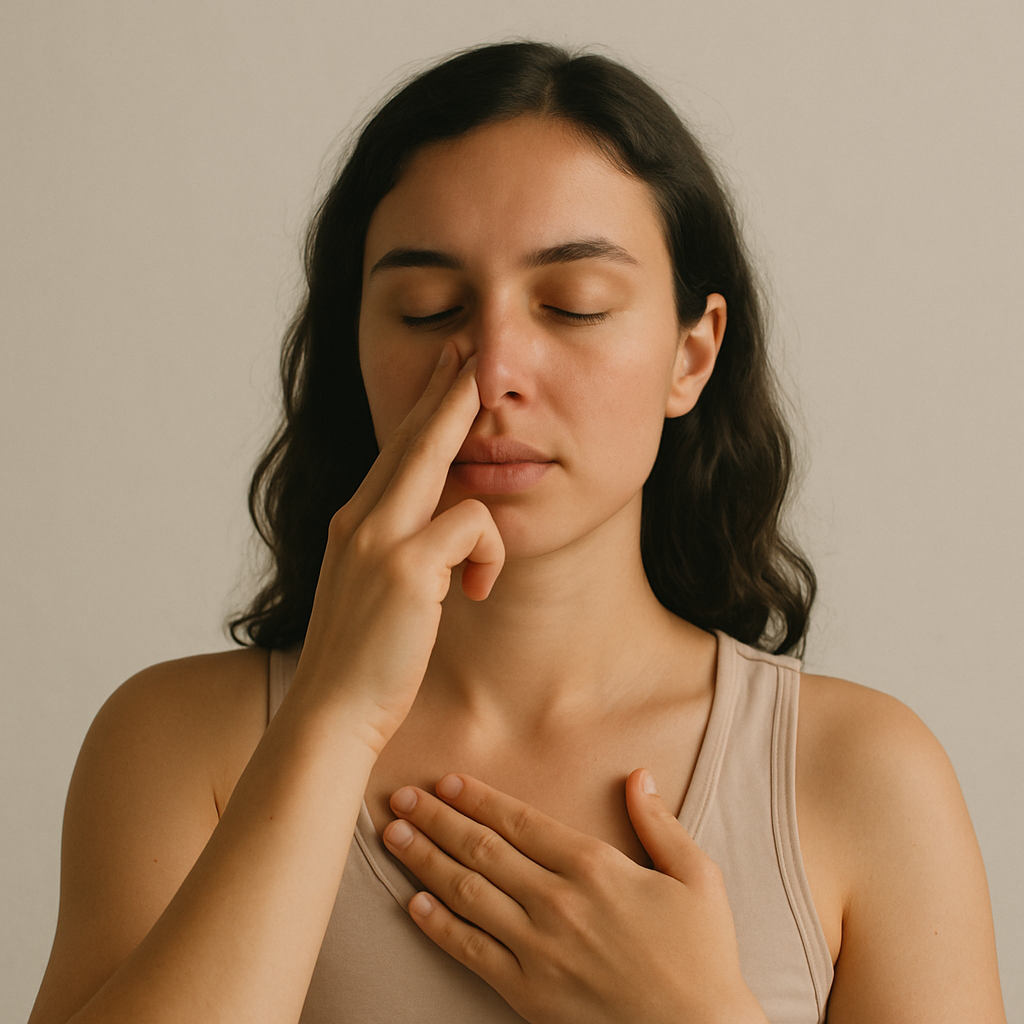
- Yoga: In the practice of yoga, pranayama (breath control) is integral, with techniques designed to balance energy and promote mental clarity.
- Buddhist Meditation: Many forms of Buddhist meditation emphasize breath awareness as a means to cultivate mindfulness and insight.
- Native American Traditions: Indigenous cultures have utilized breathwork in ceremonies to connect with nature and the spiritual realm.
What Modern Research Suggests
Modern studies have begun to explore the benefits of meditative breathing, highlighting its potential effects on mental health and overall well-being. Preliminary evidence suggests:
- Reduced symptoms of anxiety and depression through regular practice of breathing techniques.
- Improved focus and cognitive performance, particularly in stressful situations.
- Enhanced emotional regulation and resilience to stressors.
Functional Actions
Meditative breathing serves several functional actions that are beneficial for both mental and physical health. These include:
- Stress Reduction: Helps lower cortisol levels, promoting relaxation.
- Enhanced Concentration: Increases attention span and mental clarity.
- Emotional Balance: Aids in managing emotions and improving mood.
- Physical Relaxation: Reduces muscle tension and promotes overall physical comfort.
Body Systems Supported
The practice of meditative breathing supports various body systems, including:
- Nervous System: Promotes a calm state, reducing anxiety and stress responses.
- Respiratory System: Enhances lung capacity and efficiency through controlled breathing techniques.
- Cognitive System: Improves mental clarity and focus by increasing oxygen flow to the brain.
Common Forms & Educational Dosing Ranges
Meditative breathing can be practiced in various forms, including:
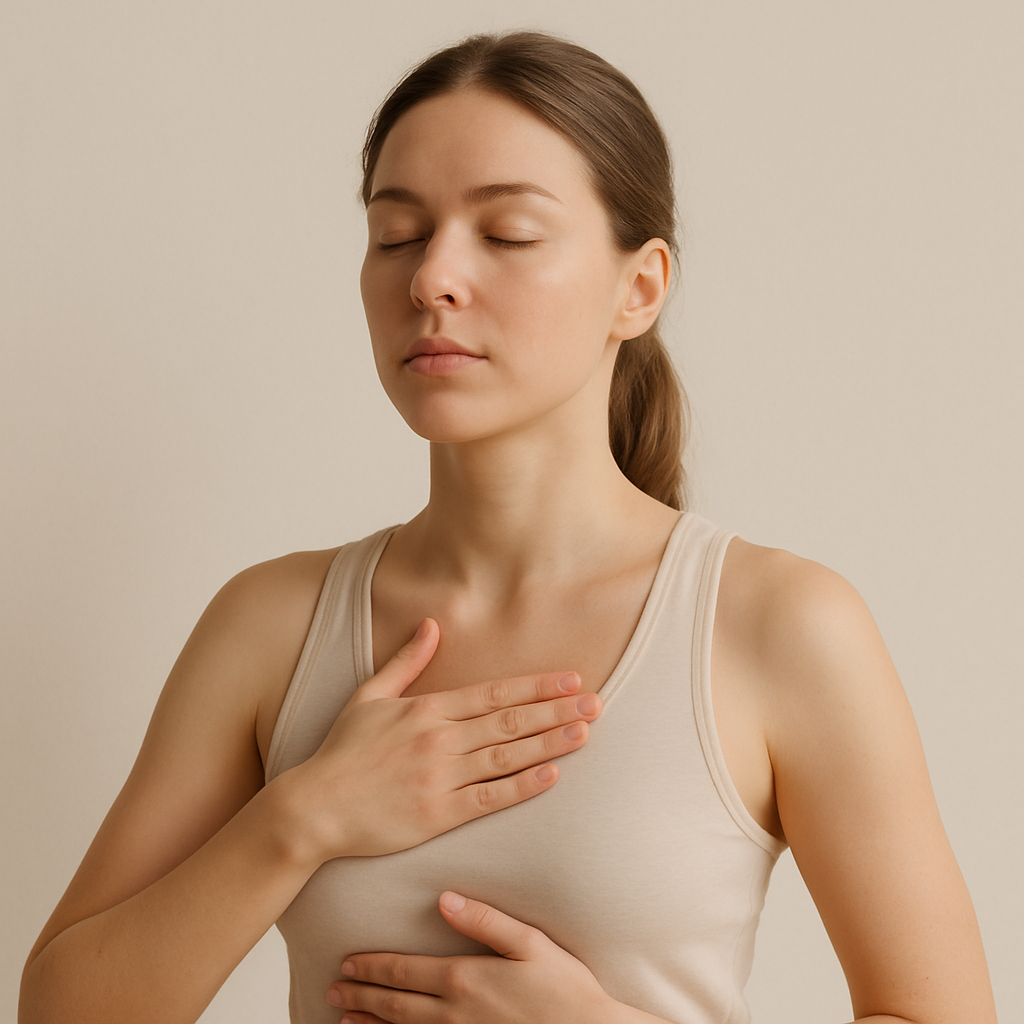
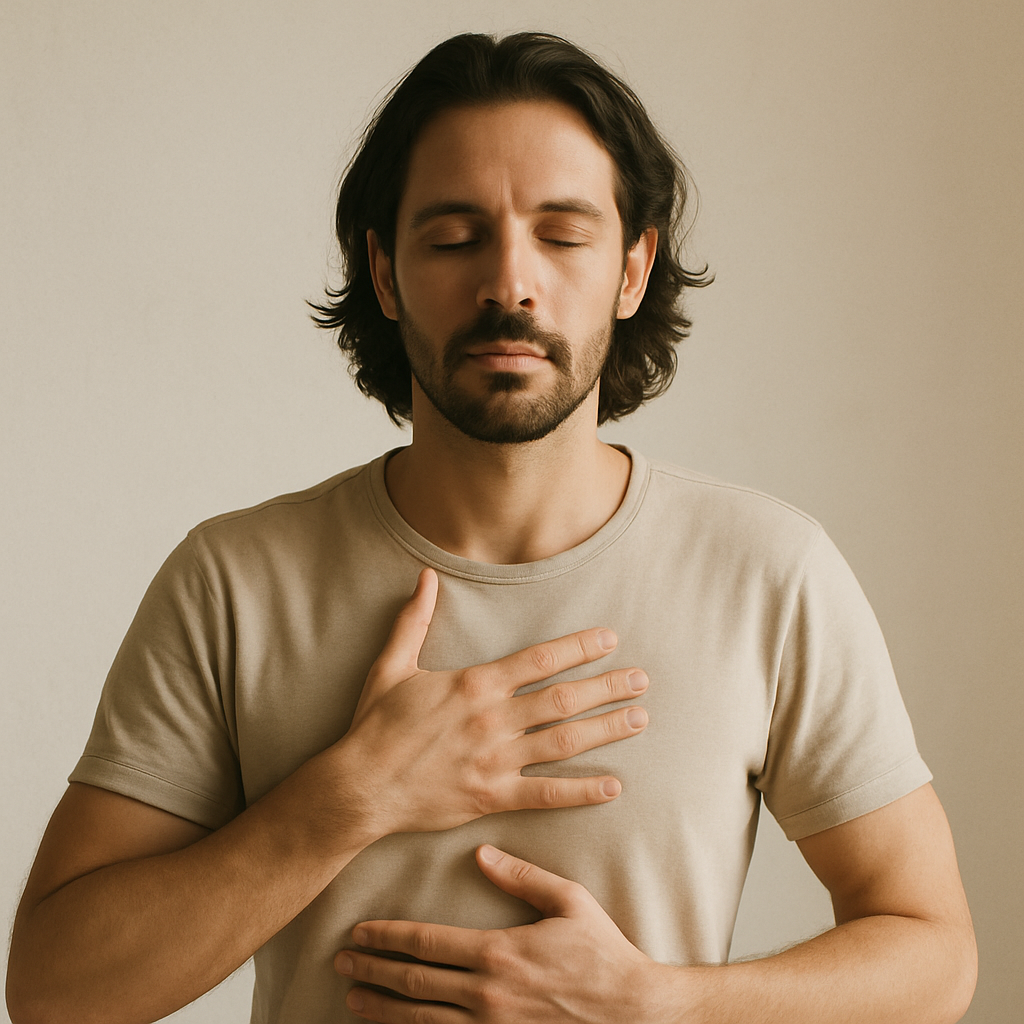
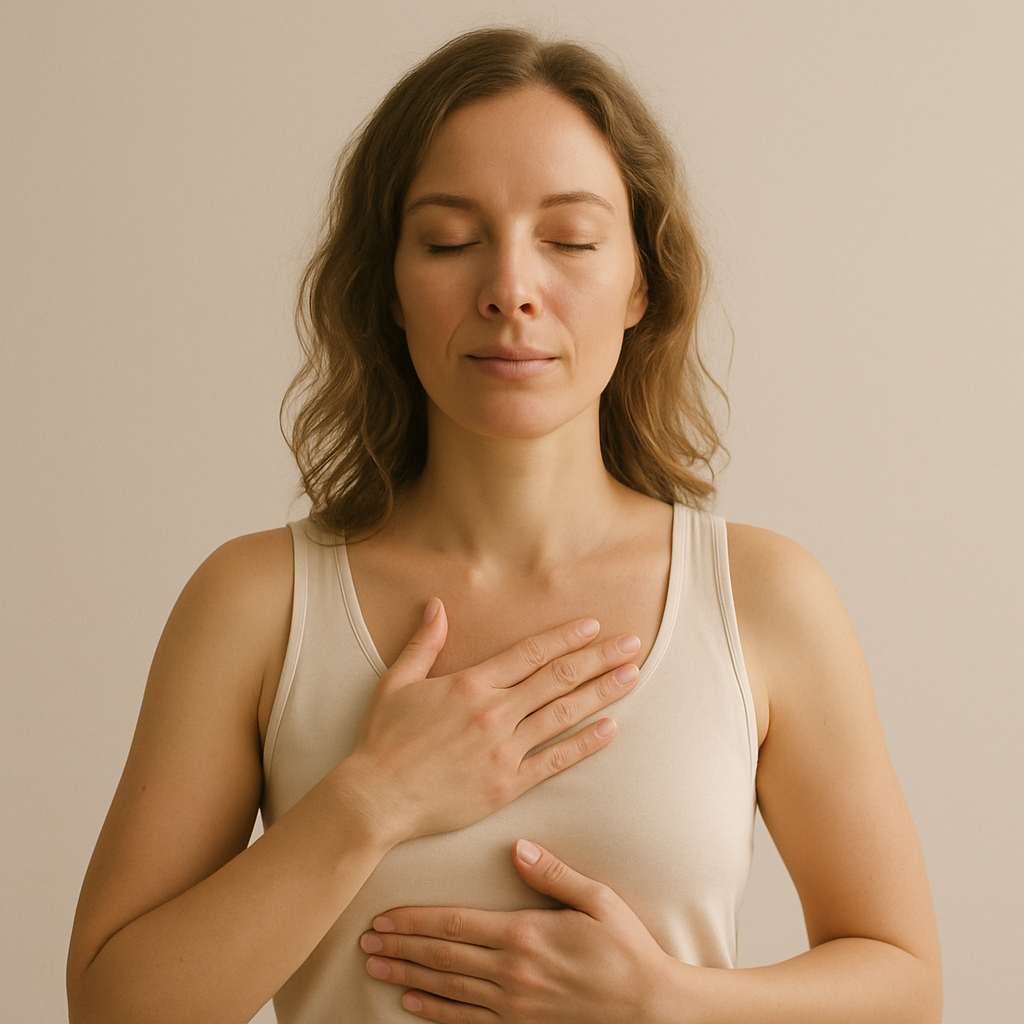
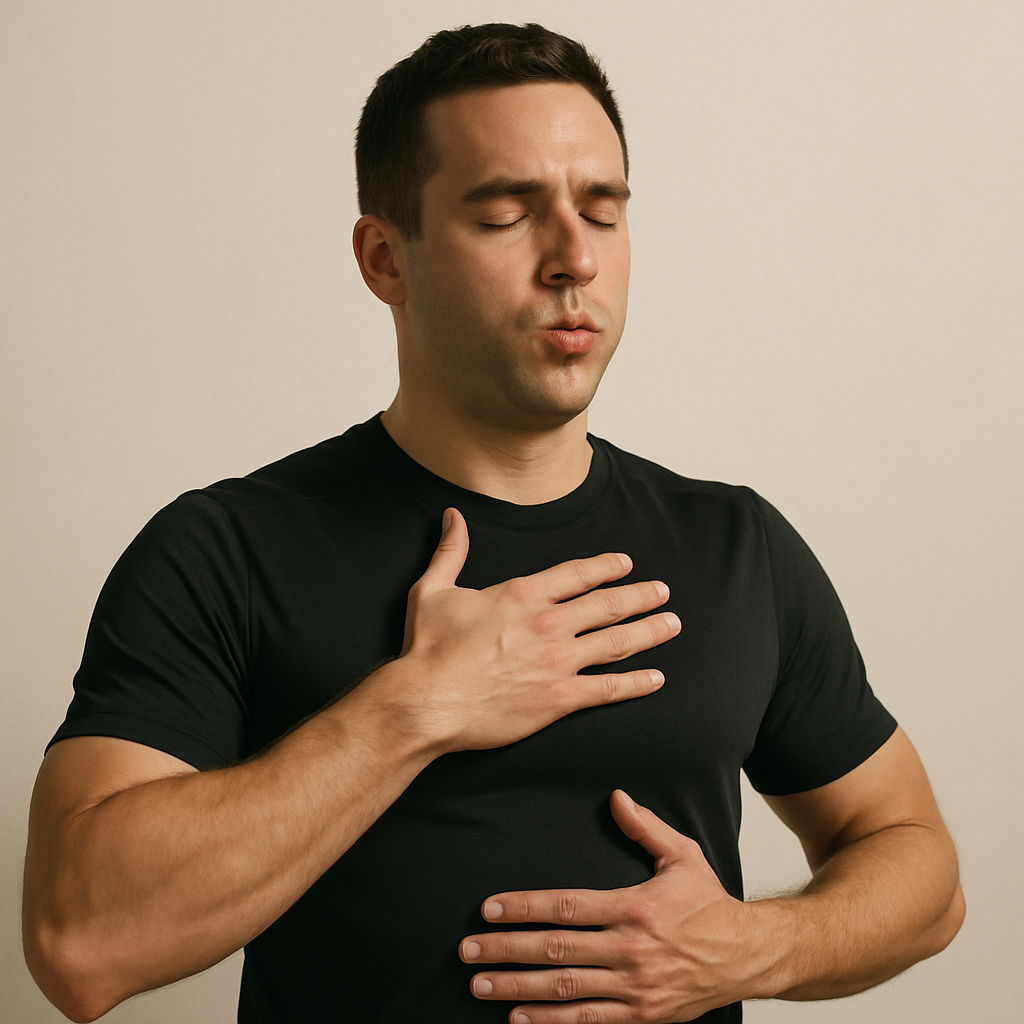
- Diaphragmatic Breathing: Also known as belly breathing, this technique involves deep inhalations that expand the diaphragm.
- 4-7-8 Breathing: Inhale for 4 seconds, hold for 7 seconds, and exhale for 8 seconds.
- Box Breathing: Inhale, hold, exhale, and hold each for a count of four.
For educational dosing, individuals are encouraged to practice for at least 5-10 minutes daily, gradually increasing duration as comfort and proficiency improve.
Safety, Contraindications & Interactions
Meditative breathing is generally considered safe for most individuals. However, those with certain medical conditions should approach with caution:
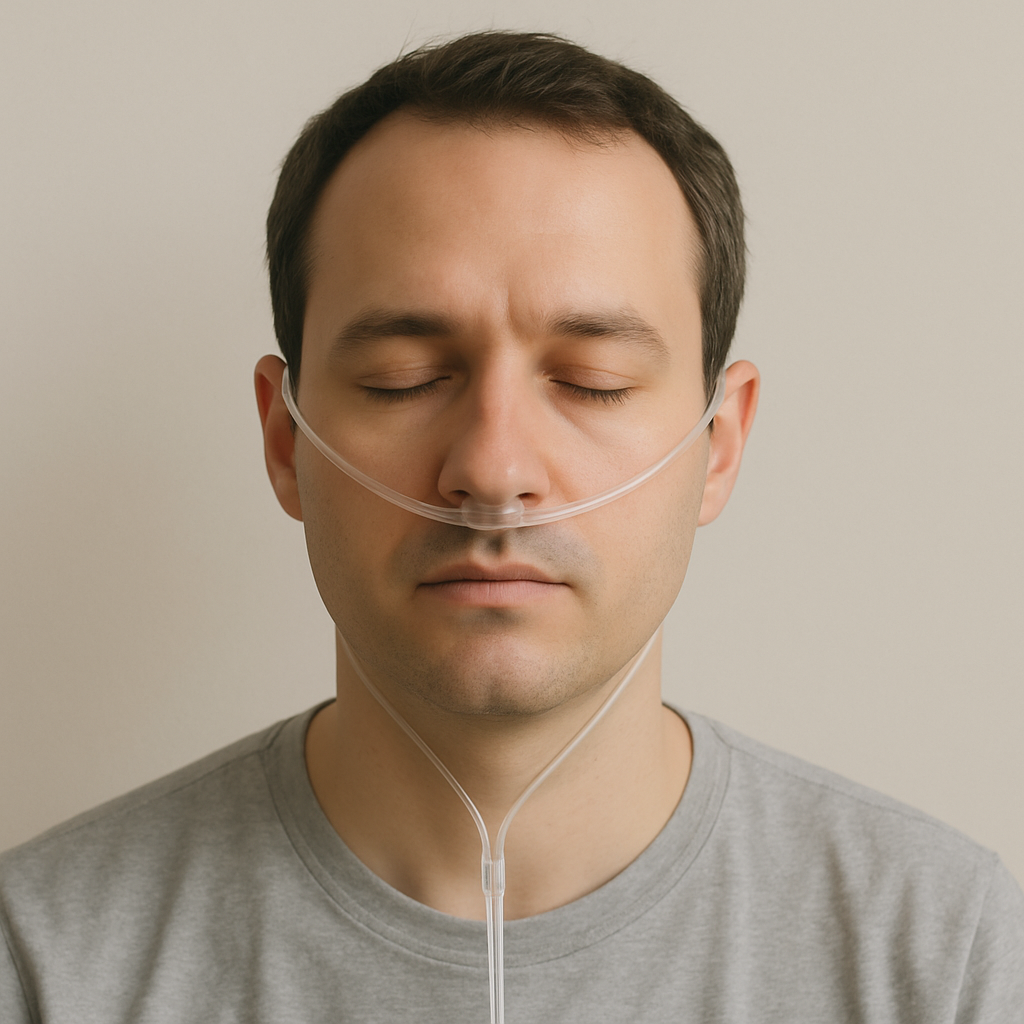
- Respiratory Issues: Individuals with conditions like COPD or asthma should consult a healthcare provider before engaging in deep breathing exercises.
- Severe Anxiety Disorders: Those with severe anxiety may find certain techniques overwhelming and should seek guidance from a mental health professional.
- Pregnancy: Pregnant individuals should consult with their healthcare provider to determine suitable practices.
Pairs Well With
Meditative breathing can enhance the benefits of various complementary practices, including:
- Yoga: Combining breathwork with yoga can deepen relaxation and enhance physical practice.
- Meditation: Pairing with mindfulness or guided meditation can amplify the calming effects.
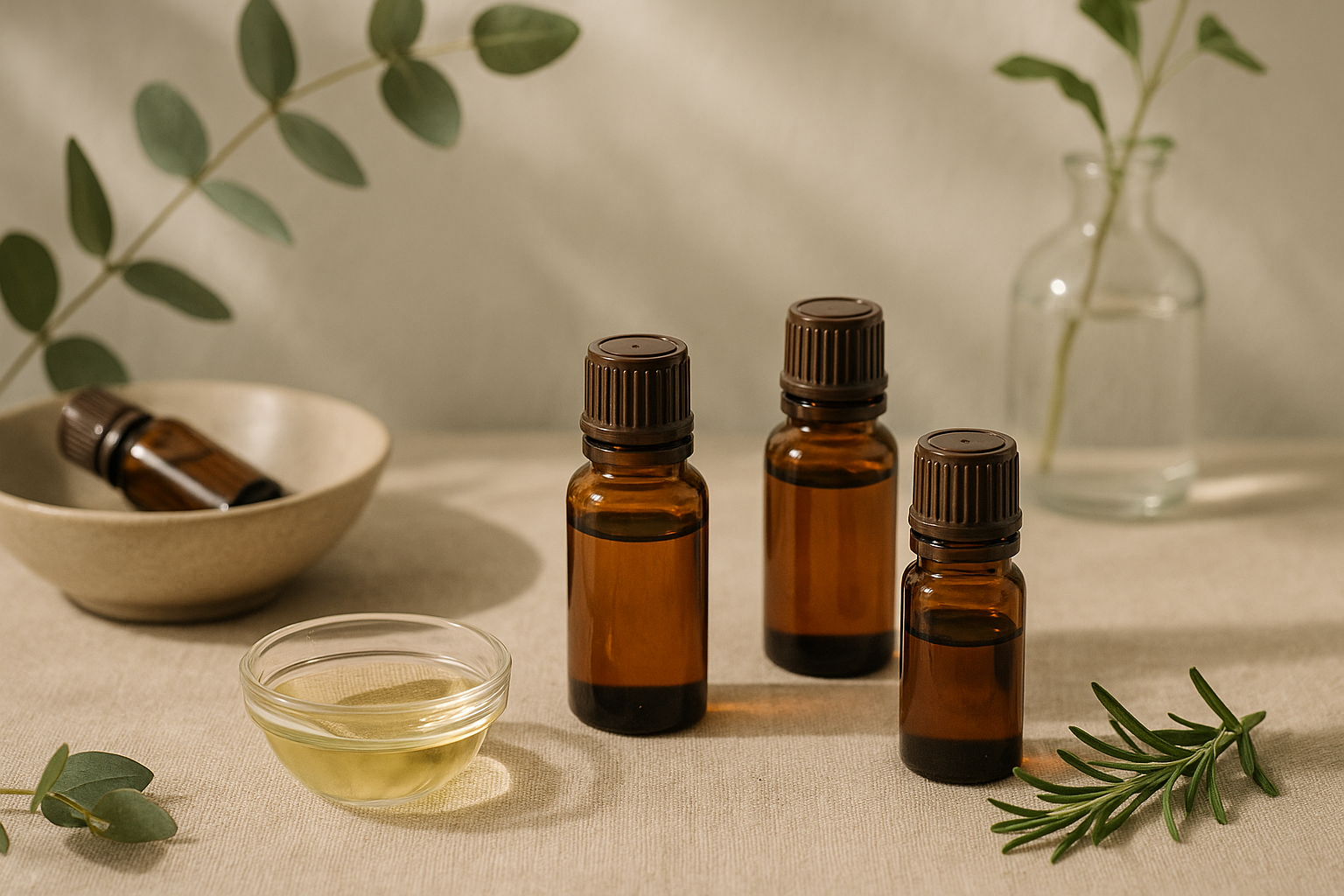
- Aromatherapy: Diffusing calming essential oils while practicing breathing can enhance the experience.
FAQs (5)
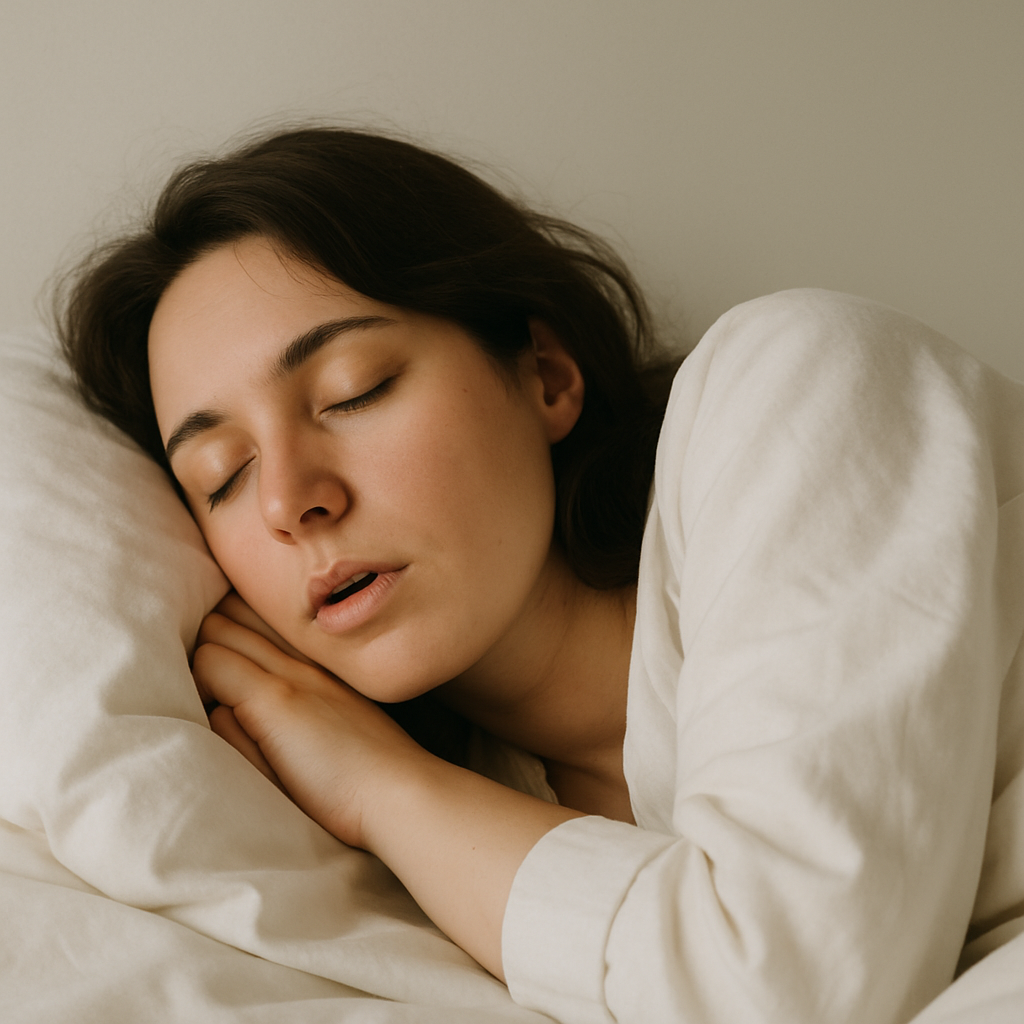
- What is the best time to practice meditative breathing? Many find practicing in the morning or before bed to be beneficial, but it can be done anytime.
- How long should I practice meditative breathing? Starting with 5-10 minutes and gradually increasing is ideal.
- Can meditative breathing help with anxiety? Yes, it can reduce anxiety levels and promote relaxation.
- Do I need any special equipment? No special equipment is needed; just a quiet space to focus on your breath.
- Is meditative breathing suitable for everyone? While generally safe, those with certain medical conditions should consult a healthcare provider before starting.
Frequently asked
What is the best time to practice meditative breathing?
Many find practicing in the morning or before bed to be beneficial, but it can be done anytime.
How long should I practice meditative breathing?
Starting with 5-10 minutes and gradually increasing is ideal.
Can meditative breathing help with anxiety?
Yes, it can reduce anxiety levels and promote relaxation.
Do I need any special equipment?
No special equipment is needed; just a quiet space to focus on your breath.
Is meditative breathing suitable for everyone?
While generally safe, those with certain medical conditions should consult a healthcare provider before starting.