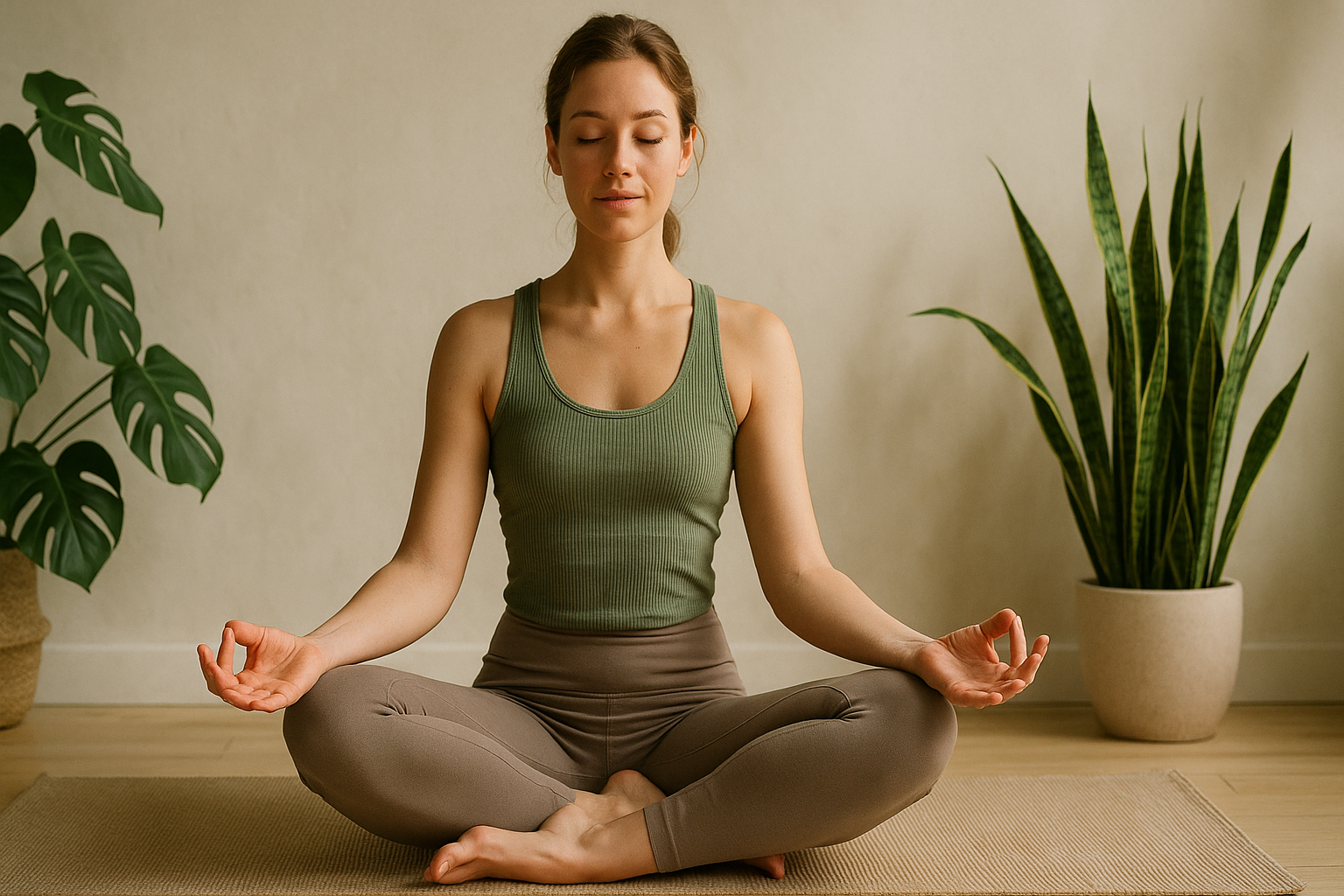
Mindfulness Breathing
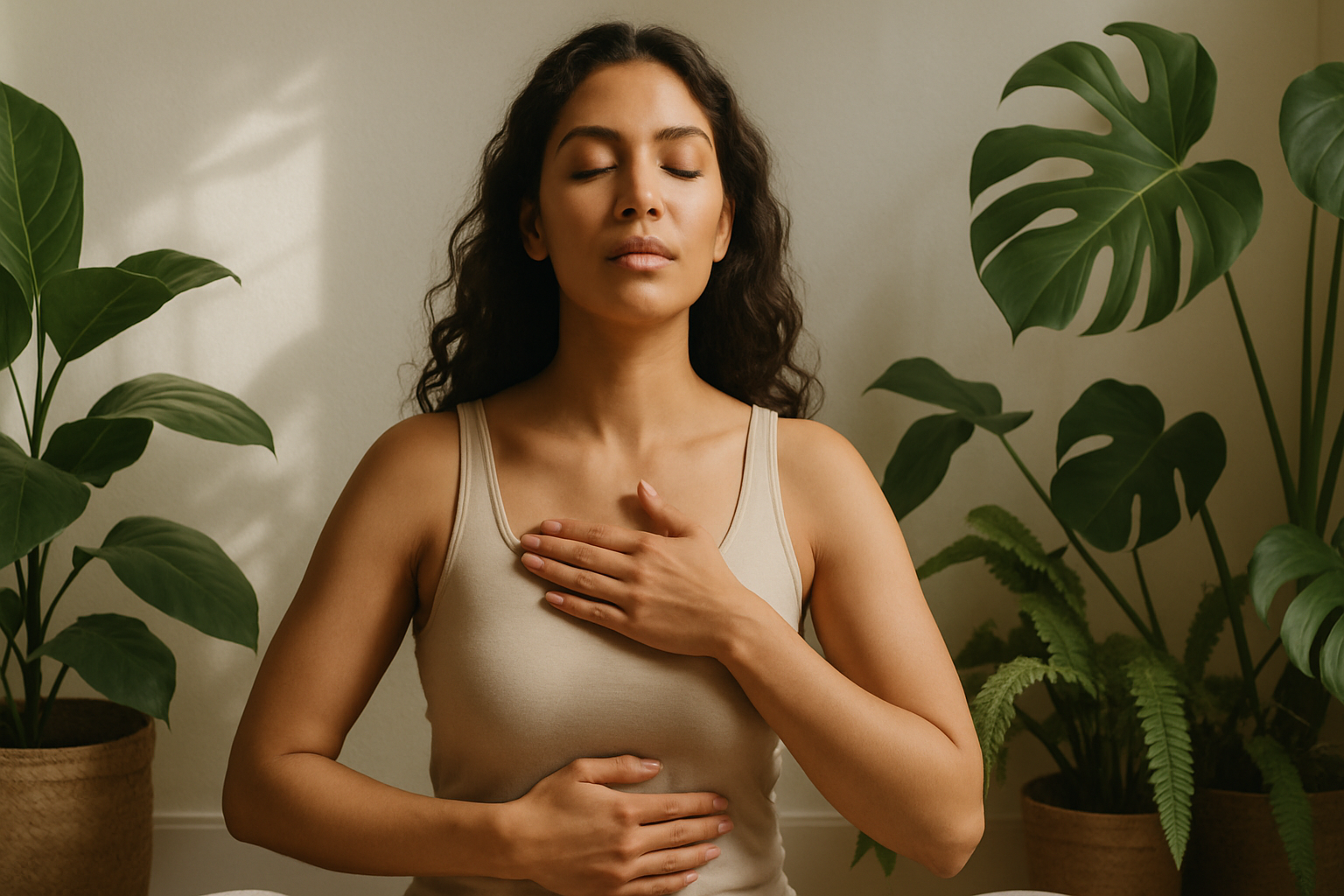
What It Is
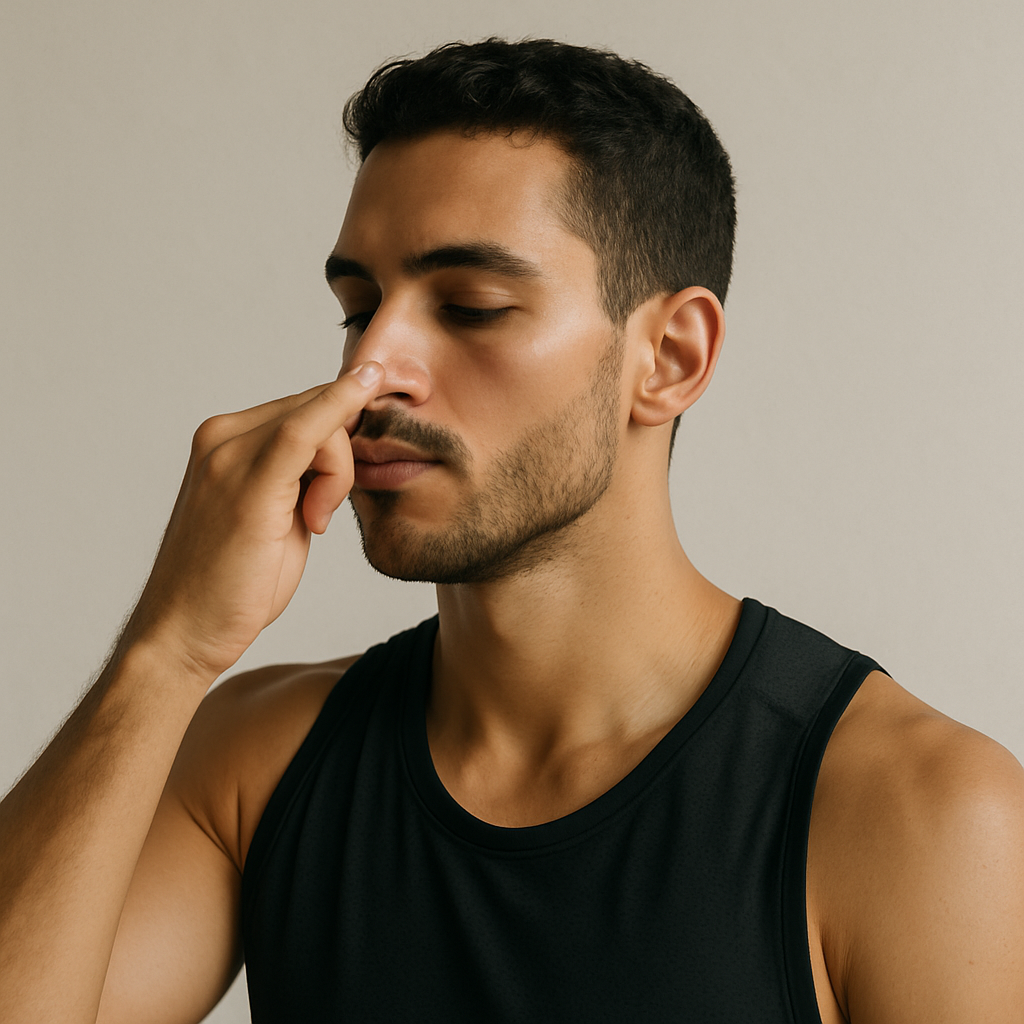
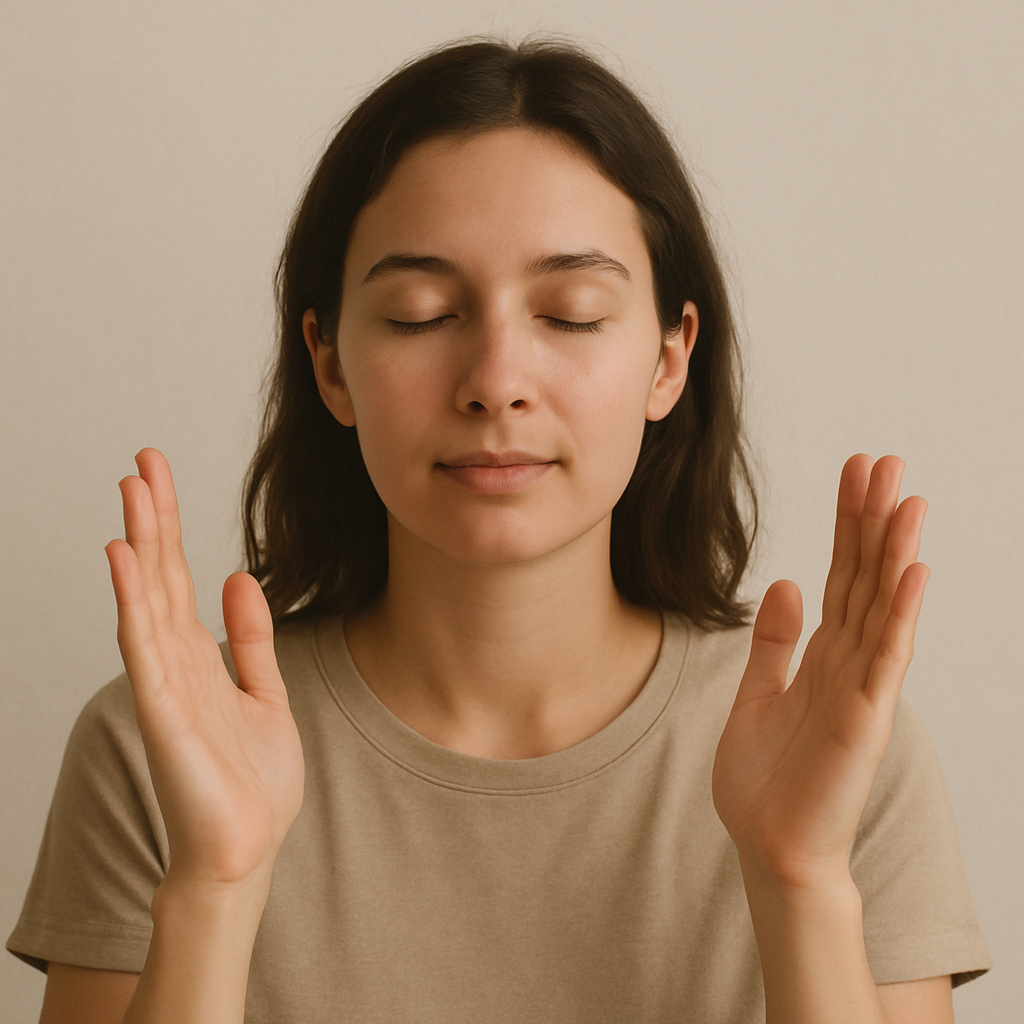
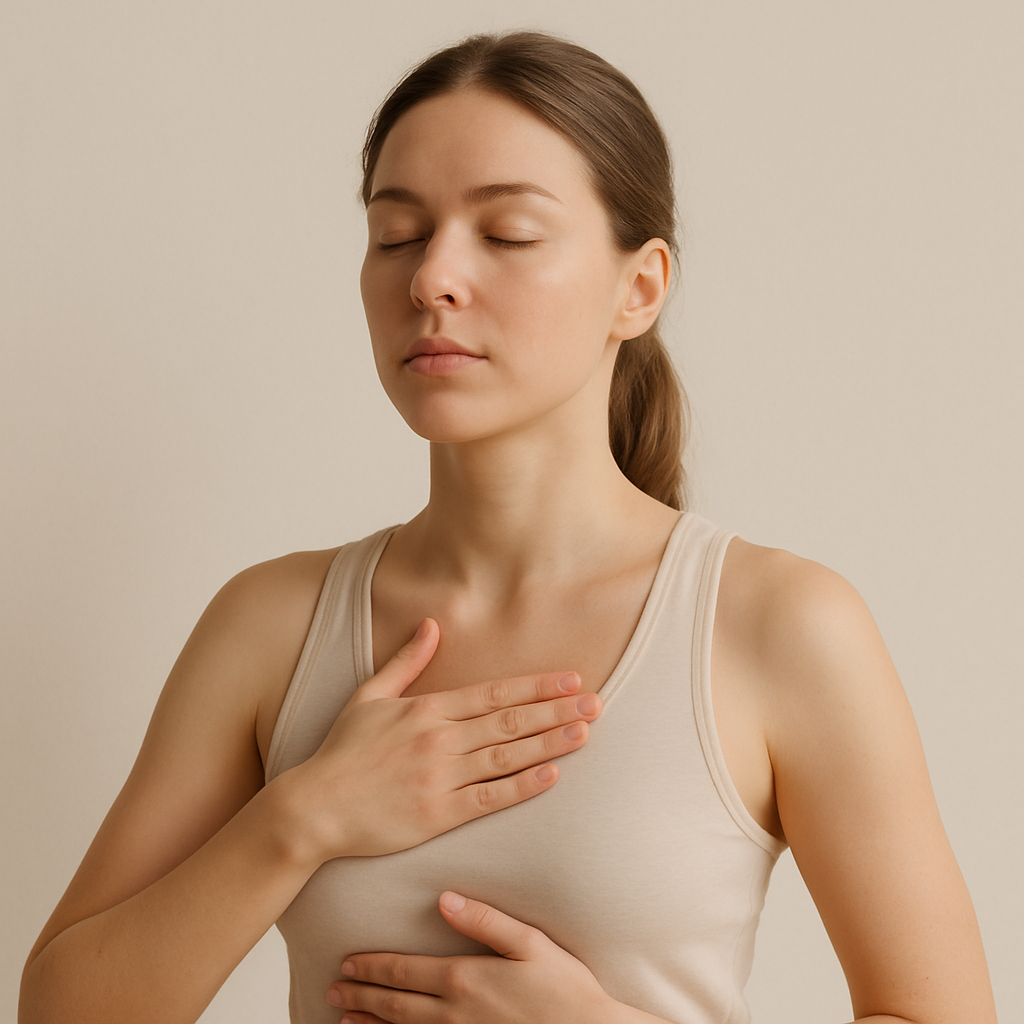
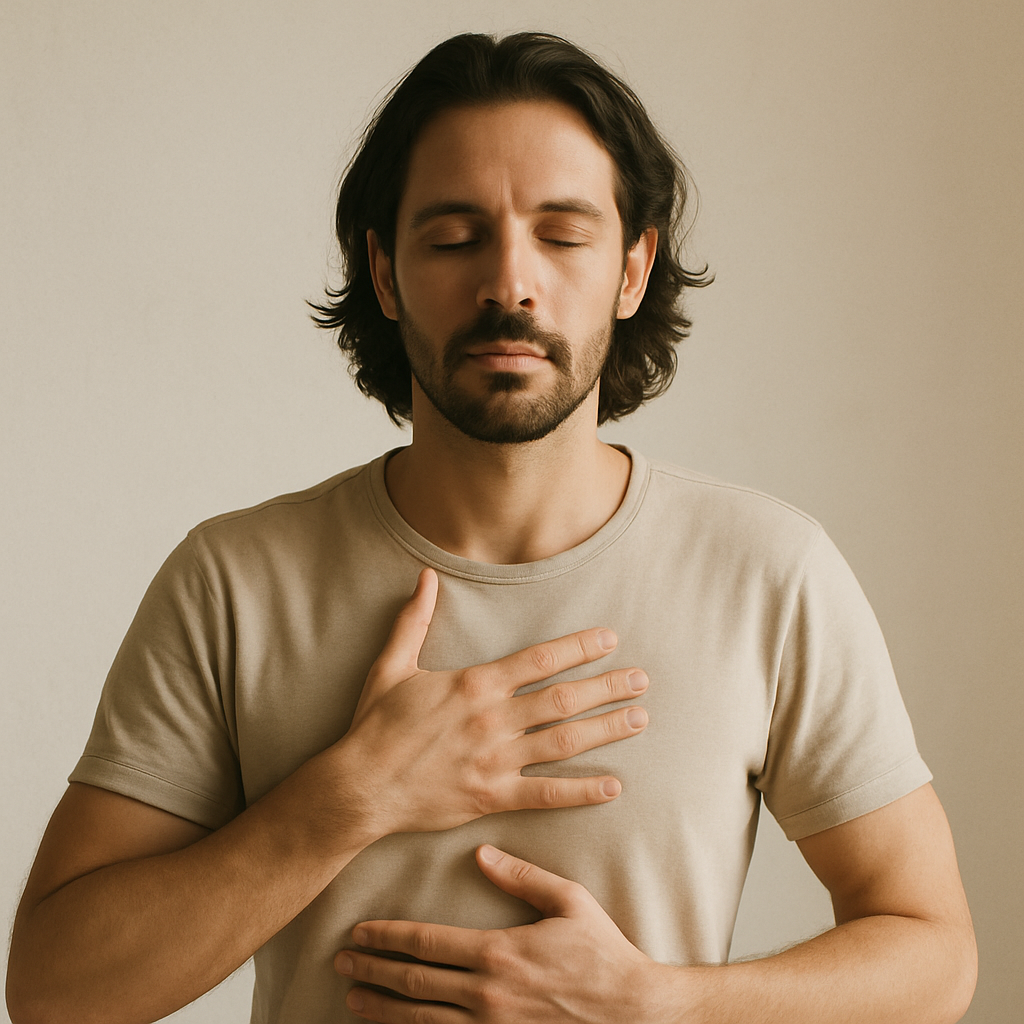
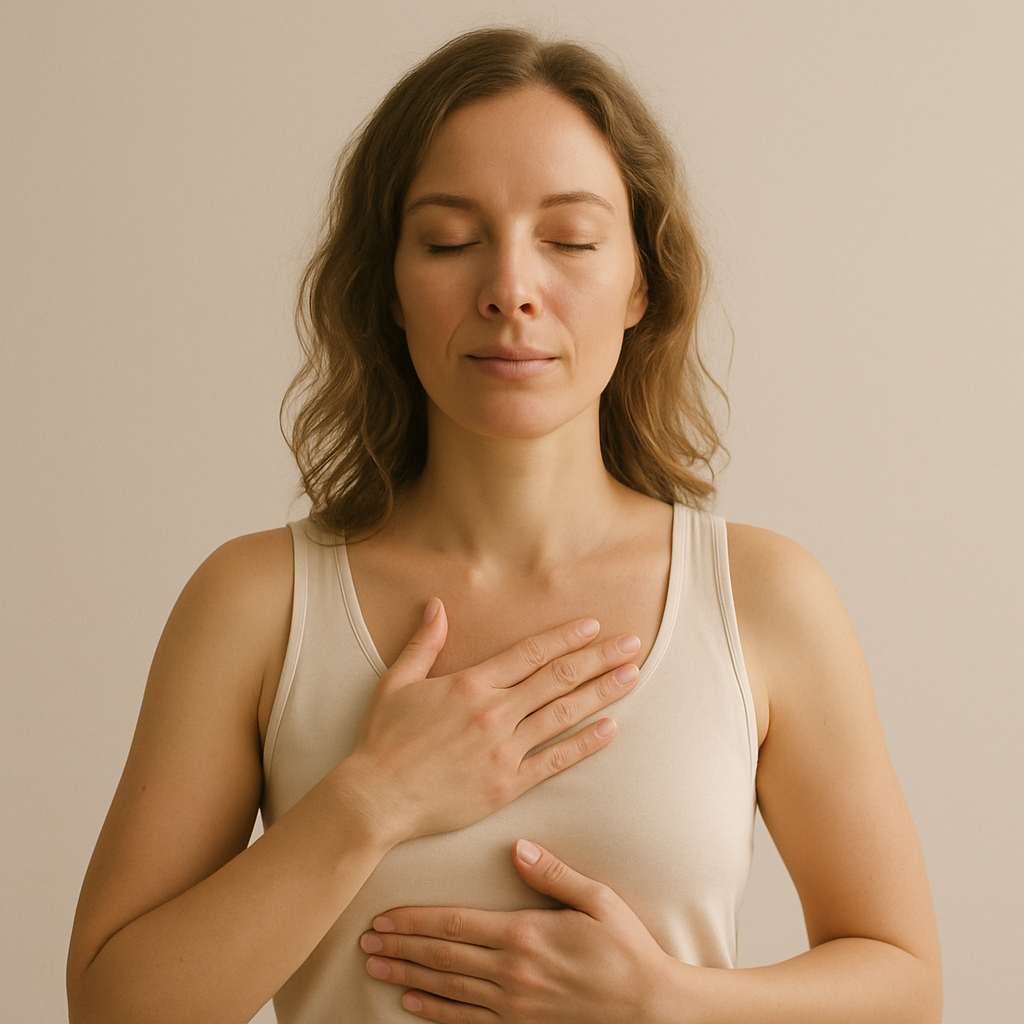
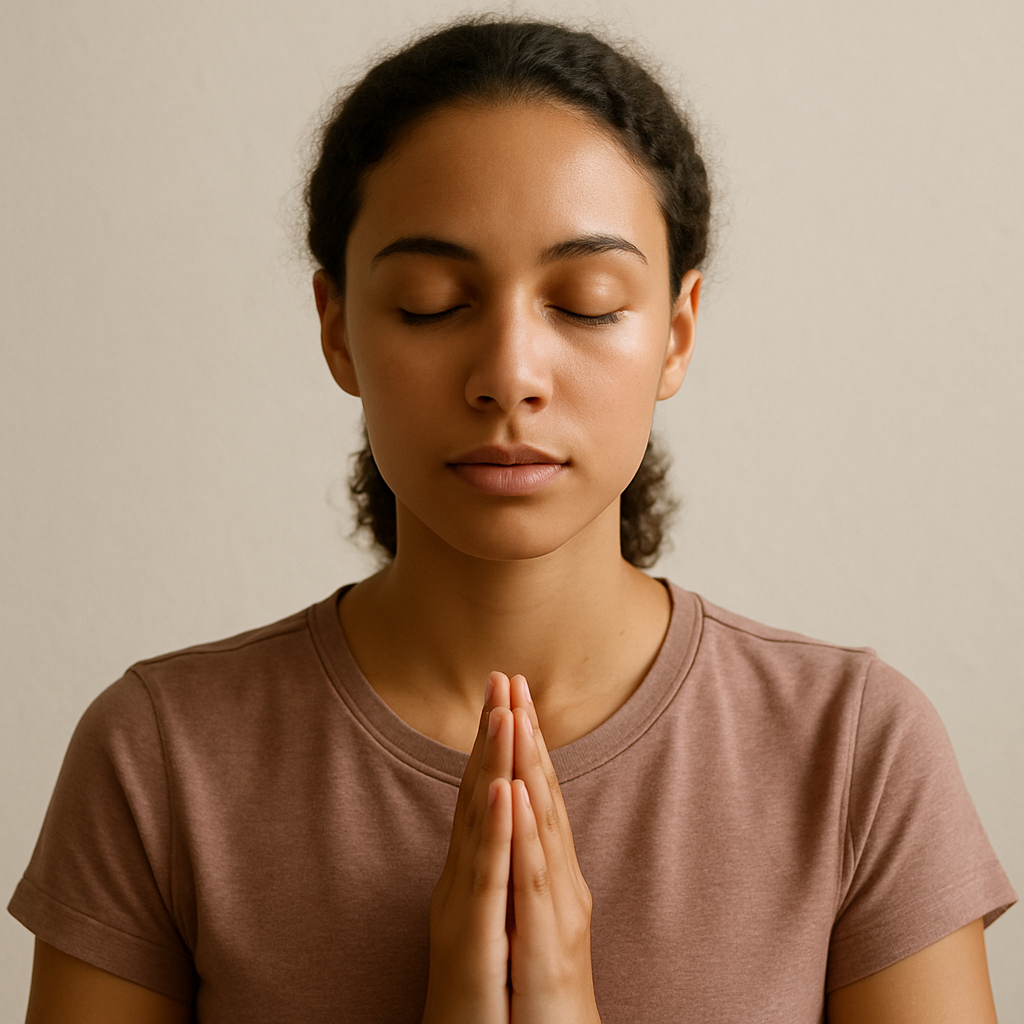
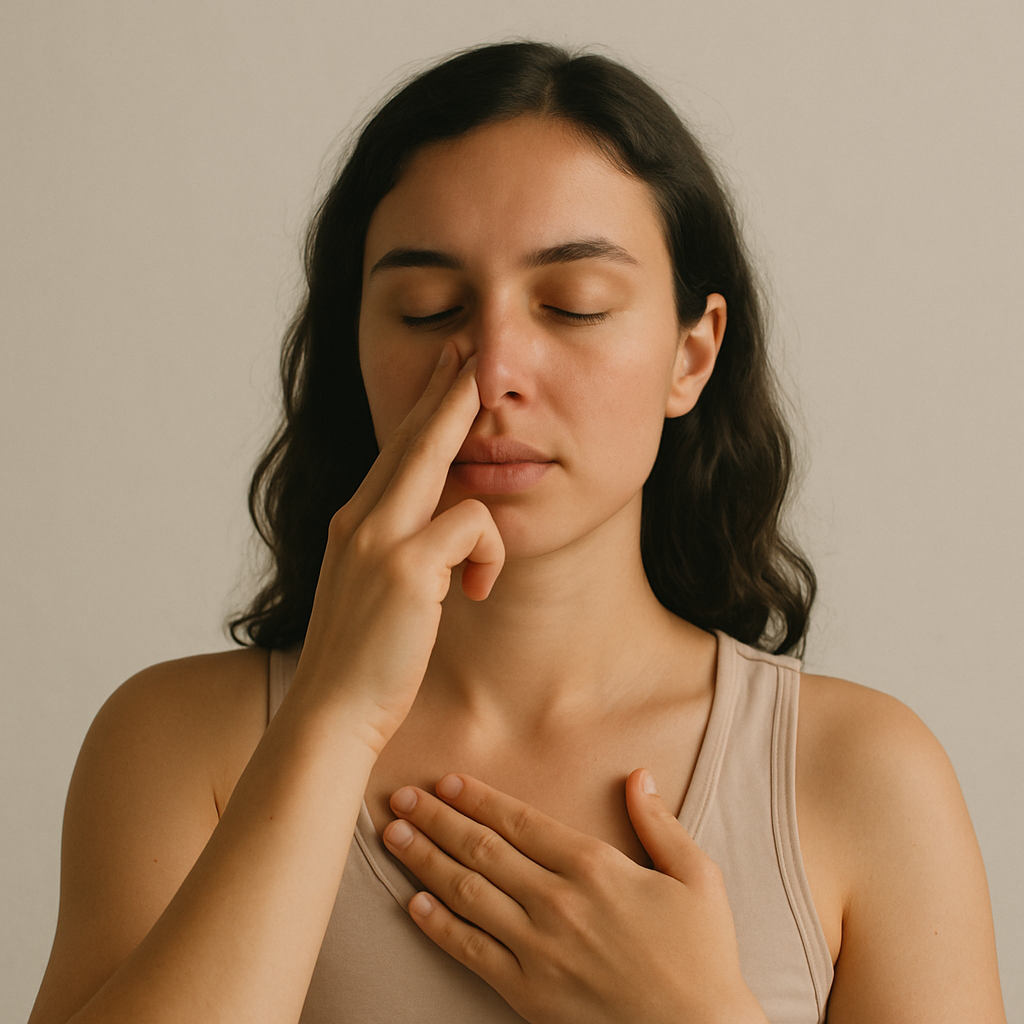
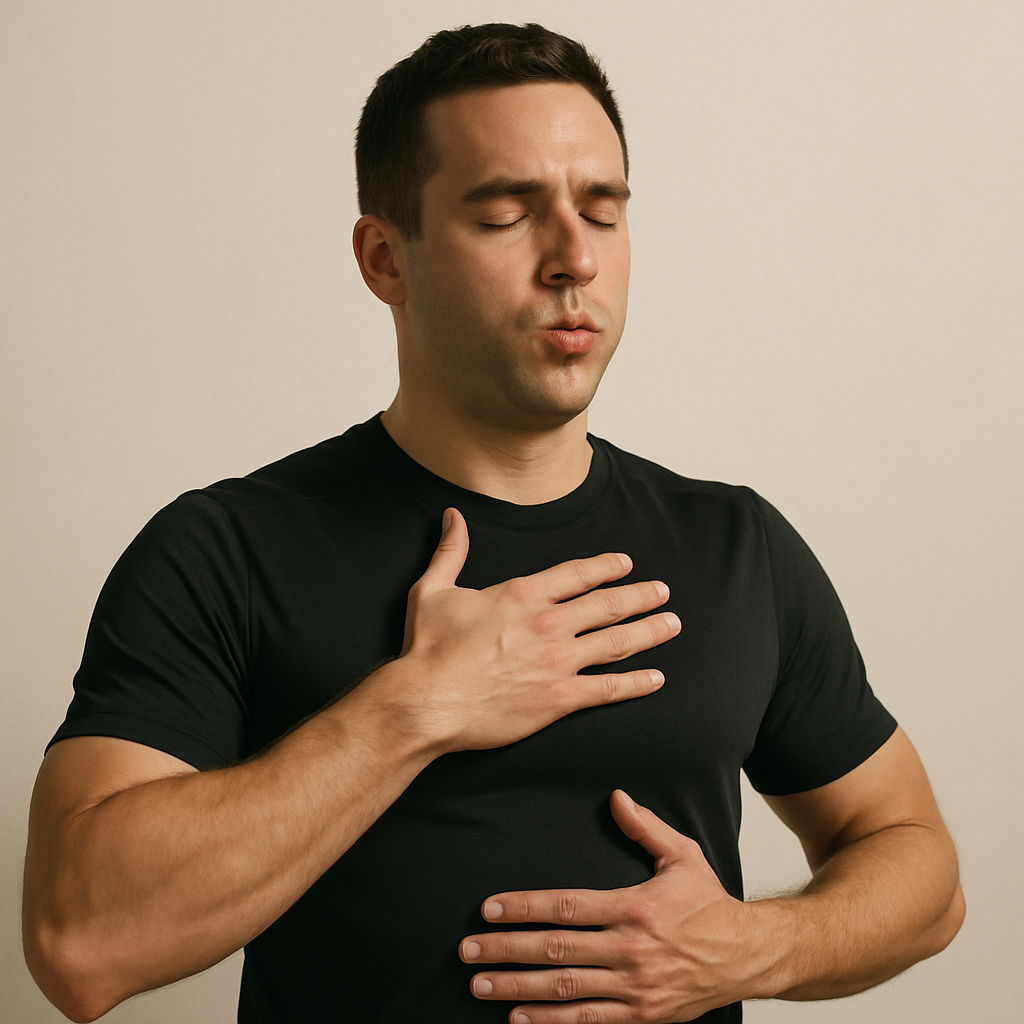
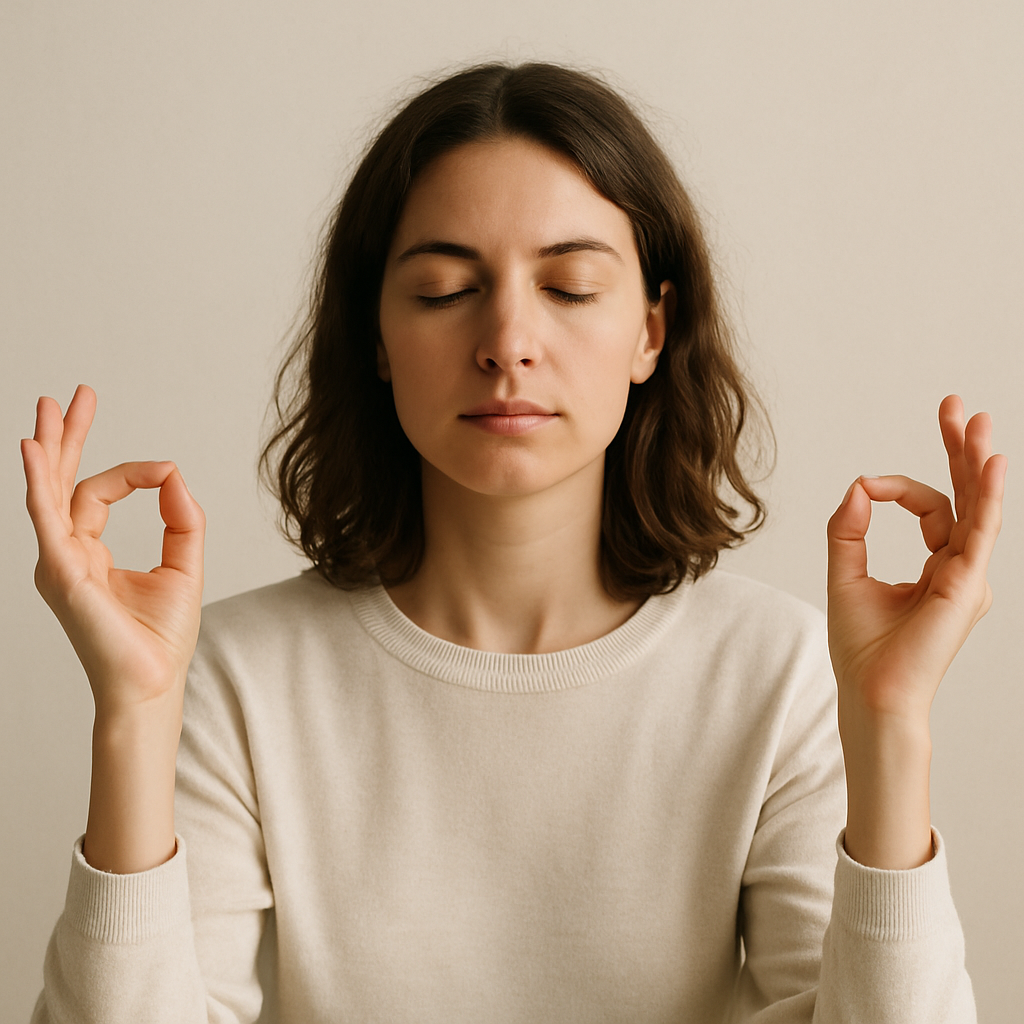
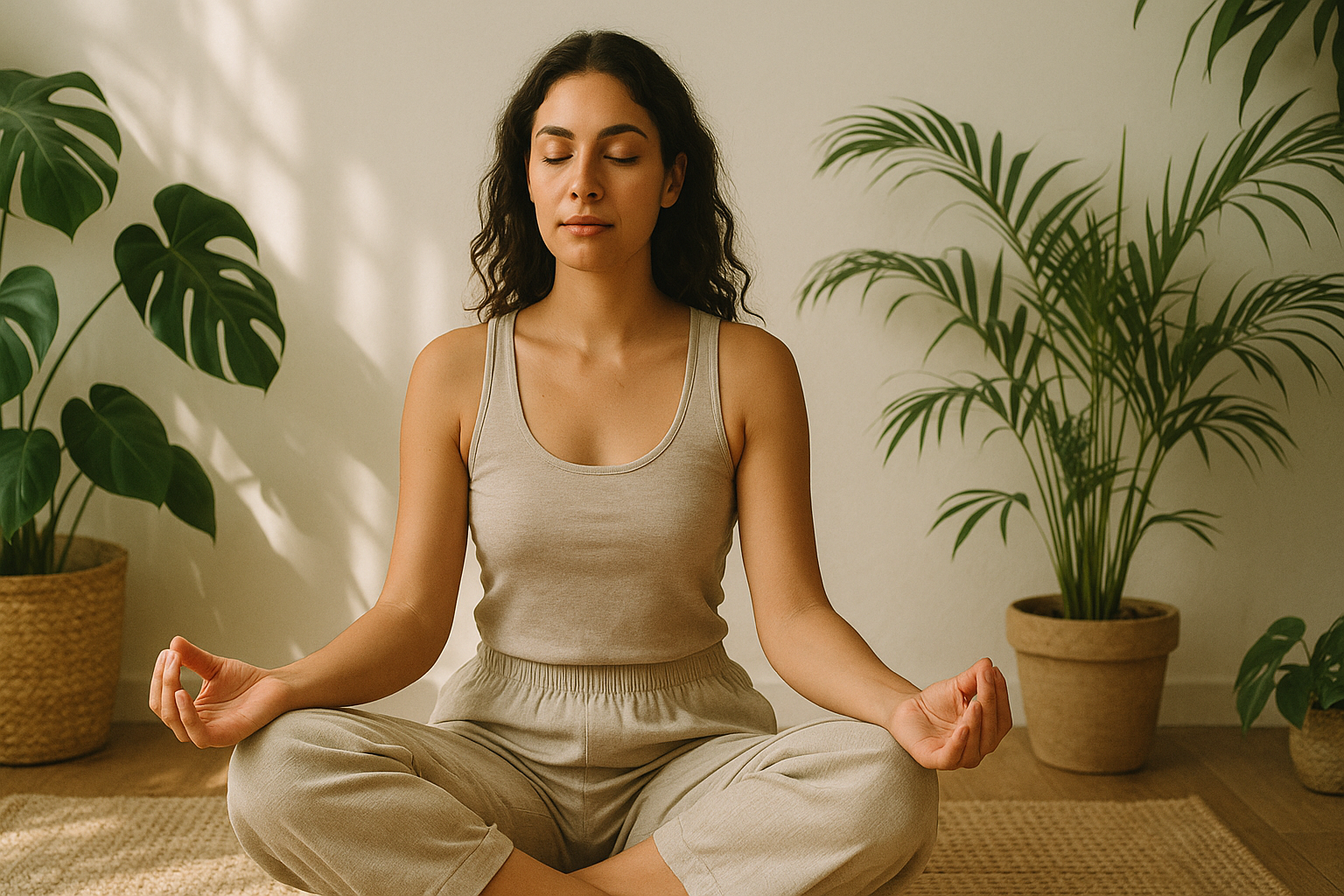
Mindfulness breathing refers to the practice of focusing on one’s breath as a means to cultivate awareness and presence in the moment. This technique is often a component of mindfulness meditation, which encourages individuals to observe their thoughts and feelings without judgment. By concentrating on the act of breathing, practitioners can enhance their emotional well-being and reduce stress. Mindfulness breathing can be practiced anywhere and does not require any special equipment.
Key Active Compounds & Mechanisms
While mindfulness breathing itself does not involve specific compounds, its effects are linked to physiological responses triggered by controlled breathing techniques. These mechanisms include:
- Activation of the Parasympathetic Nervous System: This promotes relaxation and reduces stress.
- Reduction of Cortisol Levels: Mindfulness breathing can lower the body’s stress hormone.
- Improved Oxygenation: Focusing on breath can enhance oxygen flow, promoting better overall health.
Traditional Uses
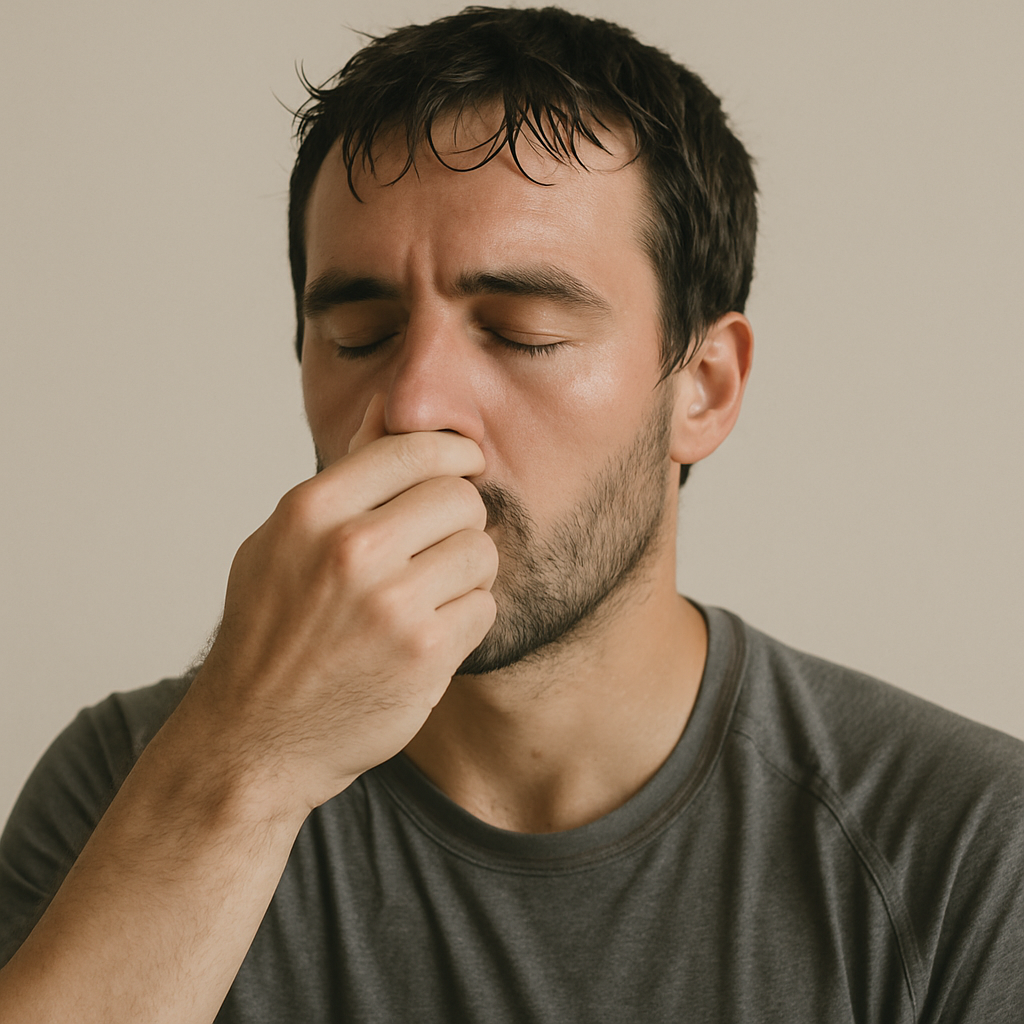
Mindfulness breathing has roots in ancient practices, particularly in Buddhism, where breath awareness is a fundamental aspect of meditation. In various cultures, breathing techniques were employed to facilitate spiritual growth, enhance concentration, and promote emotional balance. For example, yogic traditions have long incorporated pranayama, a form of breath control, to prepare practitioners for meditation and improve mental clarity.
What Modern Research Suggests
Recent studies indicate that mindfulness breathing can significantly impact mental health and overall well-being. Research suggests that regular practice may:
- Reduce anxiety and depression symptoms.
- Improve attention and focus.
- Enhance emotional regulation.
Although more research is needed to fully understand these effects, preliminary evidence supports the benefits of integrating mindfulness breathing into daily routines.
Functional Actions
The functional actions of mindfulness breathing include:
- Stress Reduction: By promoting relaxation, mindfulness breathing helps mitigate stress responses in the body.
- Enhanced Focus: Concentrating on the breath can improve cognitive function and attention.
- Emotional Balance: It encourages individuals to observe their emotions without reacting impulsively.
Body Systems Supported
Mindfulness breathing supports various body systems, including:
- Nervous System: Promotes a calm state by activating the parasympathetic nervous system.
- Respiratory System: Encourages deeper and more efficient breathing patterns.
- Cardiovascular System: Can lower heart rate and blood pressure through relaxation.
Common Forms & Educational Dosing Ranges
Mindfulness breathing can be practiced in various forms, including:
- Guided Meditations: These often include instructions for breathing techniques.
- Breath Counting: Practitioners count their breaths to maintain focus.
- Body Scan Meditations: Involve bringing awareness to different body parts while focusing on breathing.
There is no specific dosing range, as mindfulness breathing can be practiced for varying durations based on individual preferences, from a few minutes to longer sessions of 30 minutes or more.
Safety, Contraindications & Interactions
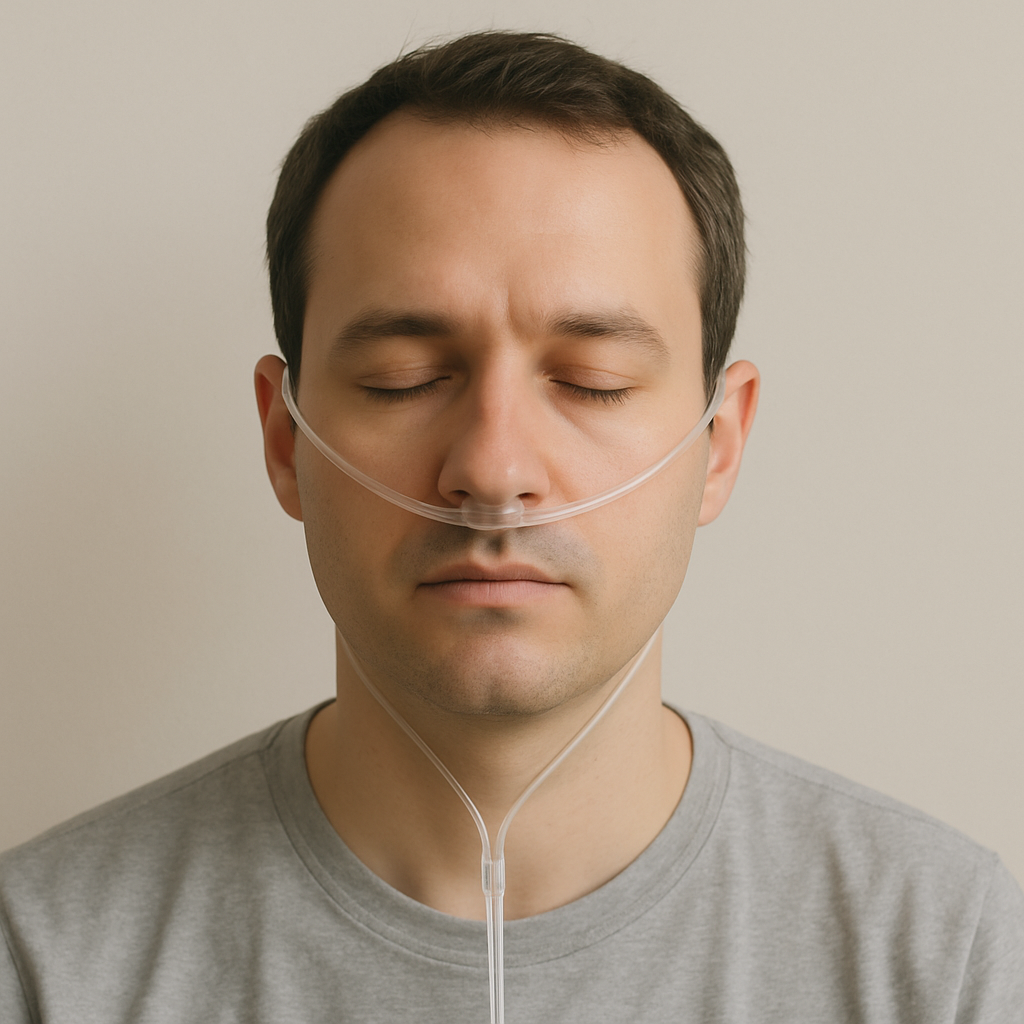
Mindfulness breathing is generally considered safe for most individuals. However, those with respiratory conditions or severe anxiety may want to consult a healthcare professional before beginning a practice. It’s also important for individuals on medications that affect the central nervous system, such as:
- Antidepressants
- Anti-anxiety medications
- Sedatives
to approach mindfulness breathing cautiously, as it may affect their response to these medications.
Pairs Well With
Mindfulness breathing pairs well with various complementary practices, such as:
- Yoga: Integrating breath with movement enhances both practices.
- Meditation: Mindfulness breathing is often used as a precursor to meditation.
- Nature Walks: Practicing mindfulness breathing outdoors can deepen the experience.
FAQs (5)
- Q: How long should I practice mindfulness breathing?
A: Start with 5-10 minutes daily and gradually increase as you become more comfortable. - Q: Can mindfulness breathing help with sleep?
A: Yes, it can promote relaxation and help ease you into a restful state. - Q: Do I need to be in a quiet place to practice?
A: While a quiet environment can help, mindfulness breathing can be practiced anywhere. - Q: Is mindfulness breathing suitable for beginners?
A: Absolutely! It is a simple practice that anyone can start. - Q: Can I use mindfulness breathing with other therapeutic techniques?
A: Yes, it can be effectively combined with other therapies like cognitive behavioral therapy.
Frequently asked
How long should I practice mindfulness breathing?
Start with 5-10 minutes daily and gradually increase as you become more comfortable.
Can mindfulness breathing help with sleep?
Yes, it can promote relaxation and help ease you into a restful state.
Do I need to be in a quiet place to practice?
While a quiet environment can help, mindfulness breathing can be practiced anywhere.
Is mindfulness breathing suitable for beginners?
Absolutely! It is a simple practice that anyone can start.
Can I use mindfulness breathing with other therapeutic techniques?
Yes, it can be effectively combined with other therapies like cognitive behavioral therapy.