Performance Breathing
What It Is
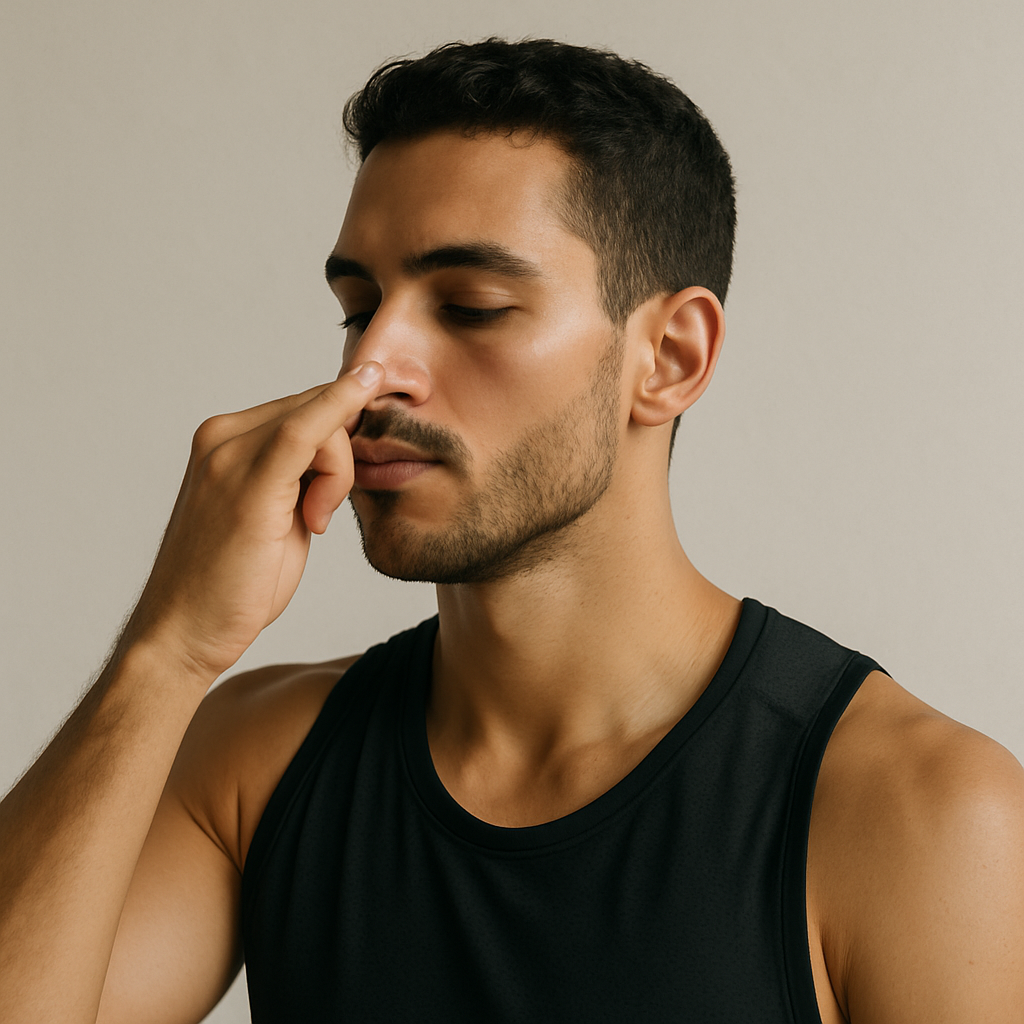
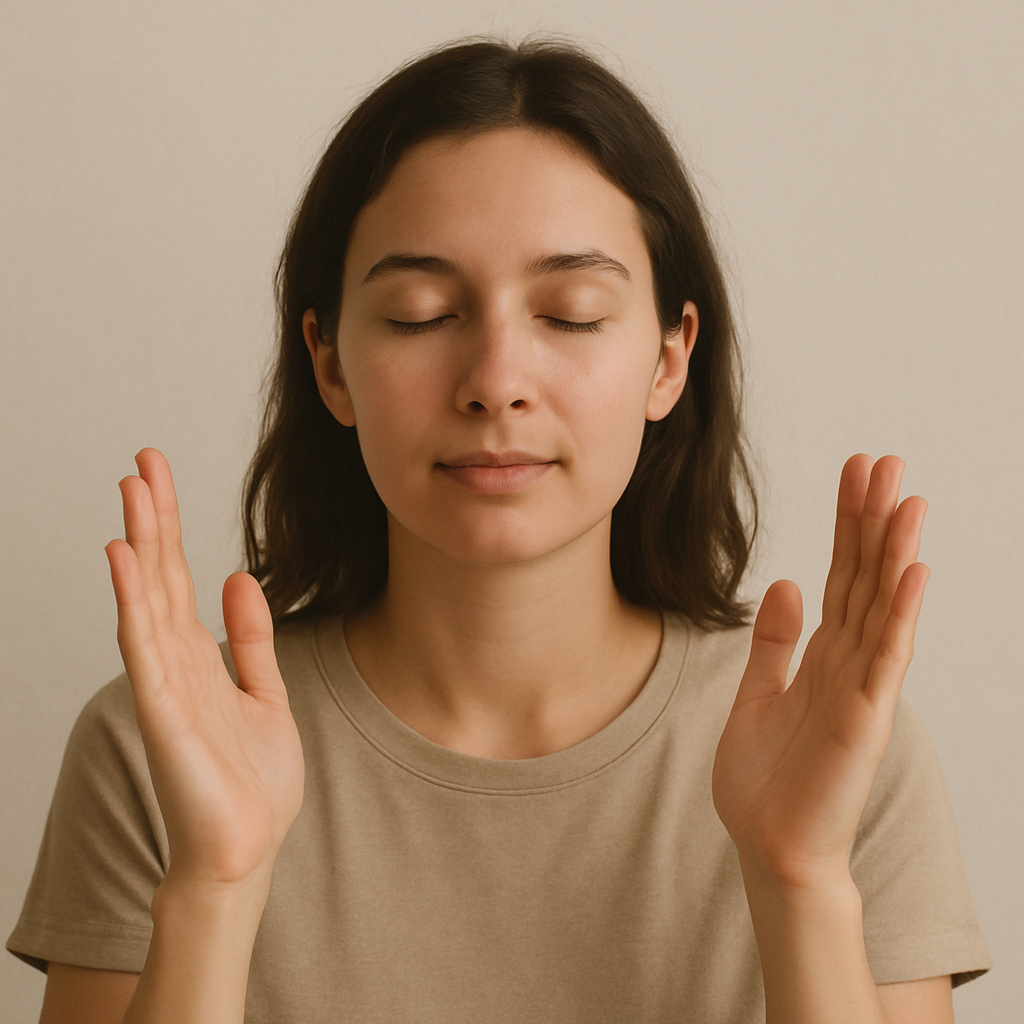
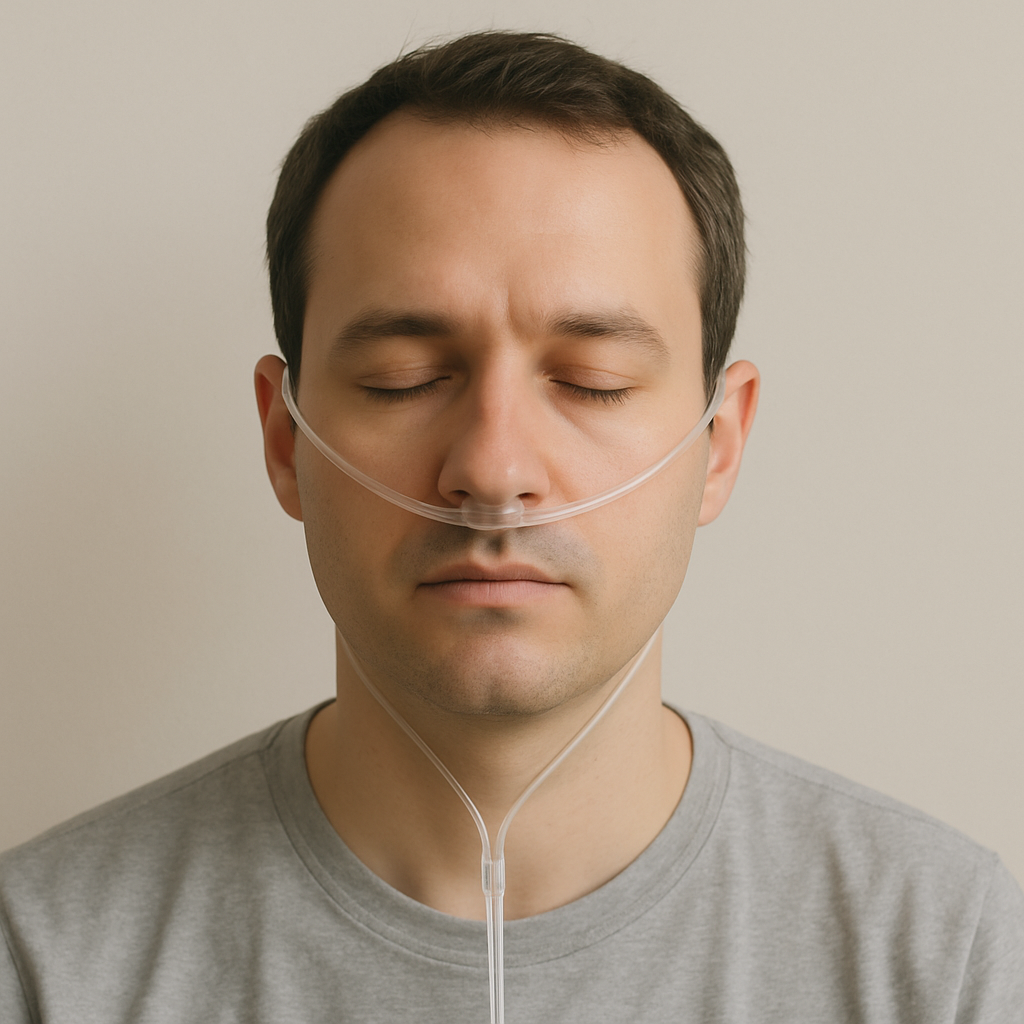
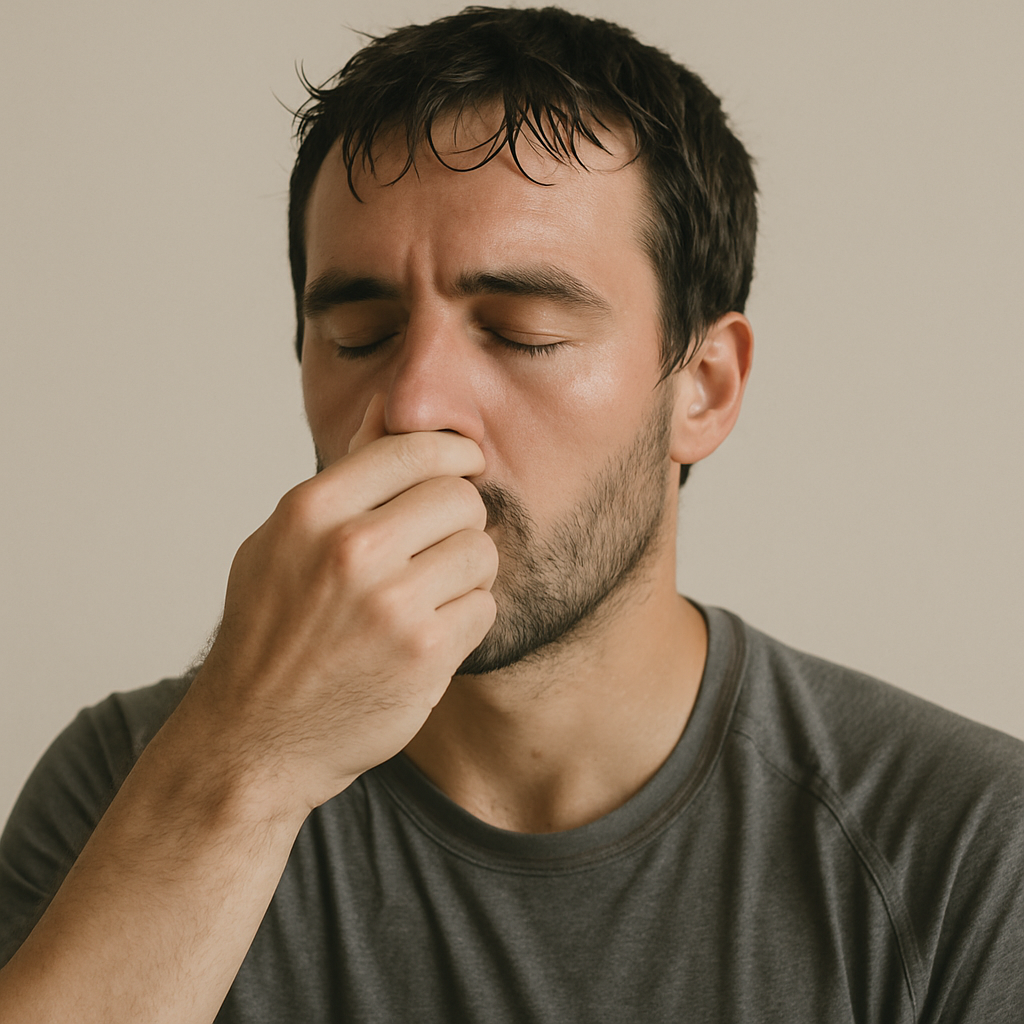
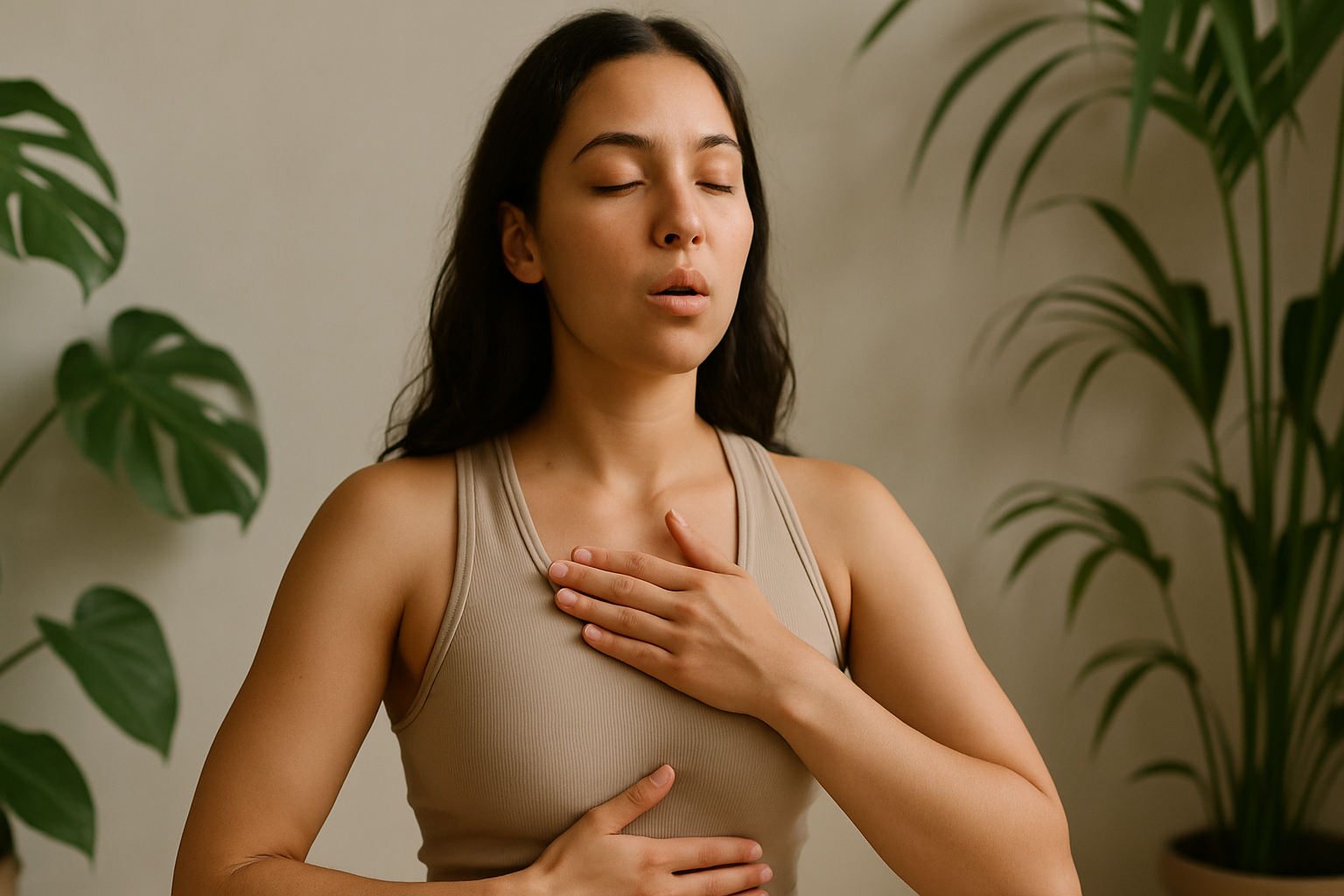
Performance breathing refers to a set of techniques and practices that enhance respiratory efficiency and control, optimizing the intake of oxygen and the expulsion of carbon dioxide. This practice is often integrated into various physical activities, sports, and meditation techniques, aiming to improve overall performance and well-being. It encompasses various methods such as diaphragmatic breathing, box breathing, and the Buteyko method, among others.
Key Active Compounds & Mechanisms
While performance breathing does not involve specific compounds like herbal remedies, it relies on physiological mechanisms that enhance lung capacity and oxygen utilization. The primary mechanism includes the engagement of the diaphragm and other respiratory muscles, which can lead to:
- Increased Oxygen Uptake: Improved efficiency in oxygen delivery to muscles.
- Regulation of Carbon Dioxide Levels: Balancing CO2 can enhance oxygen release from hemoglobin.
- Enhanced Relaxation Response: Techniques often trigger the parasympathetic nervous system, promoting calmness.
Traditional Uses
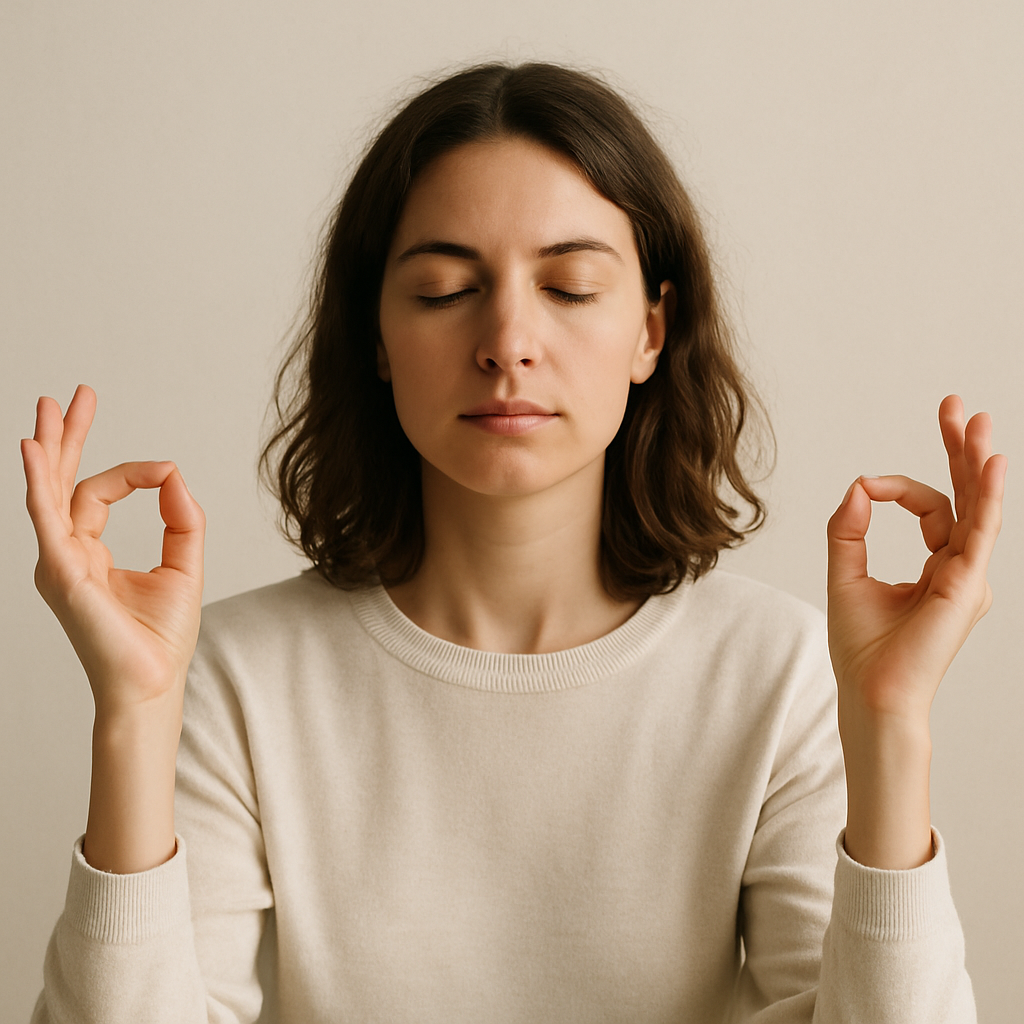
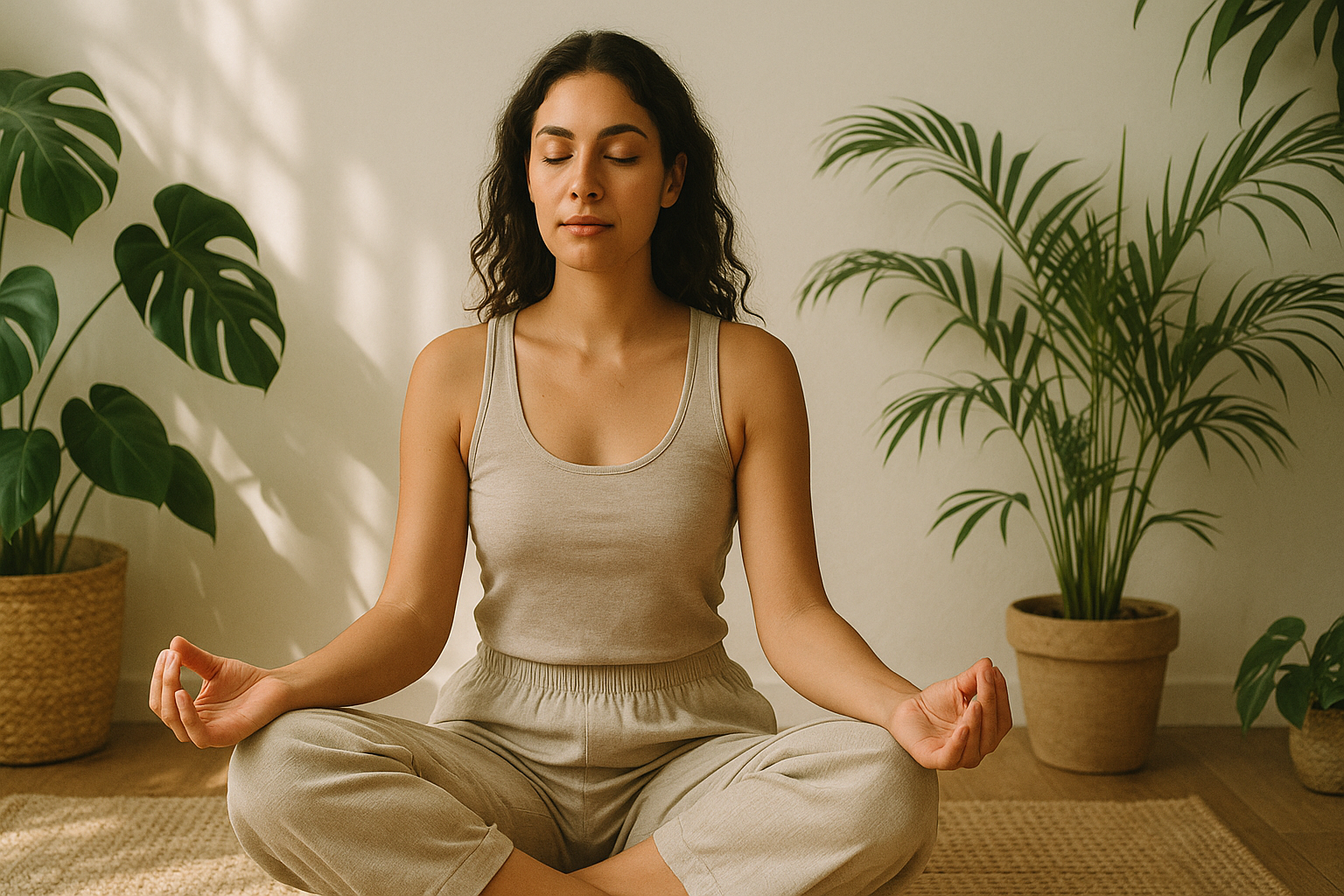
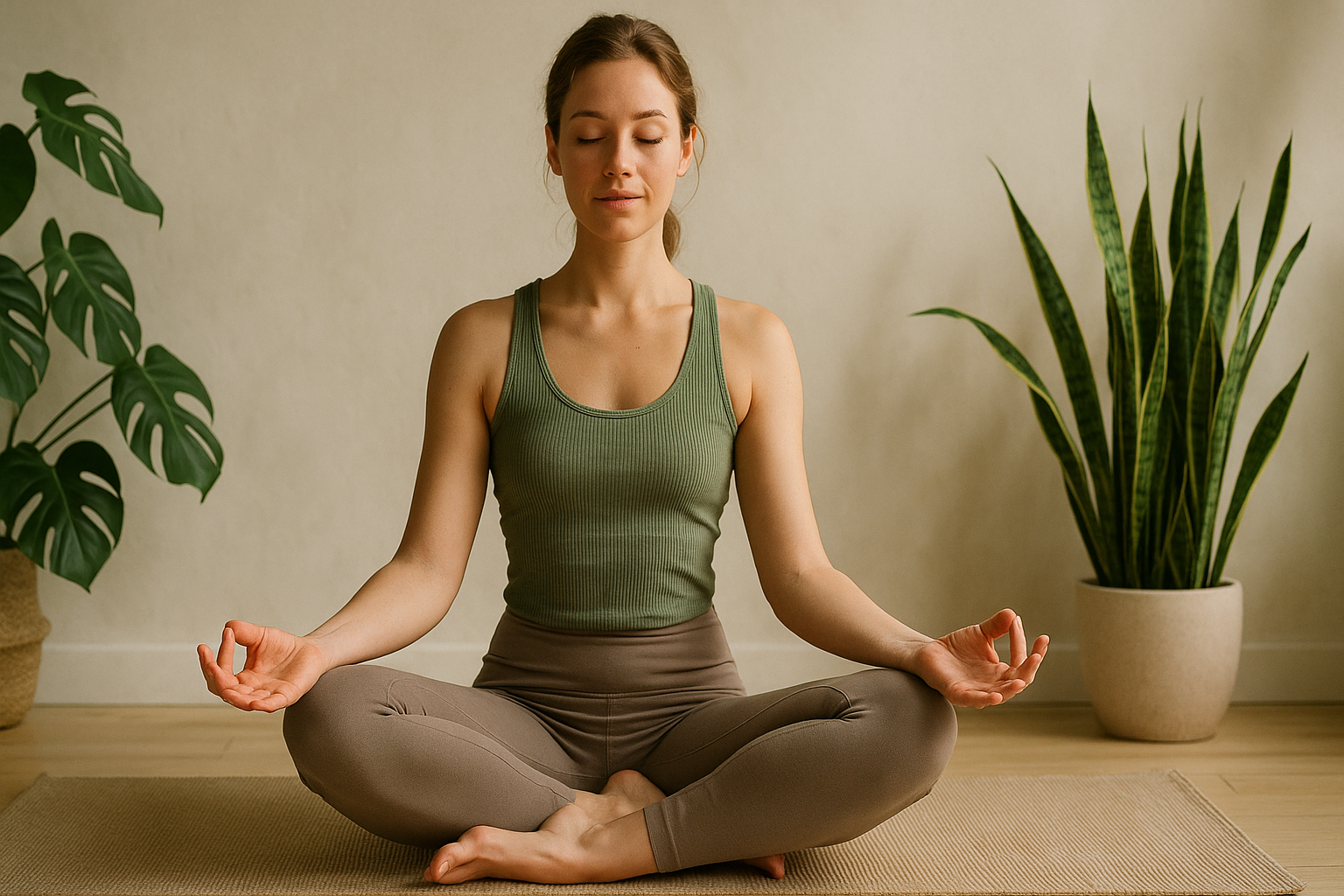
Historically, breath control has been a critical component of various cultural practices. In ancient India, the practice of Pranayama in yoga emphasized breath regulation as a means to achieve physical and spiritual balance. Similarly, ancient Chinese medicine incorporated breathwork in Qi Gong and Tai Chi, focusing on the flow of life energy (Qi) through proper breathing techniques. These traditions recognized the profound connection between breath, mind, and body.
What Modern Research Suggests
Modern studies have begun to validate the benefits of performance breathing through scientific inquiry. Research indicates that controlled breathing techniques can:
- Enhance athletic performance by improving endurance and recovery.
- Decrease symptoms of anxiety and stress through mindfulness and relaxation techniques.
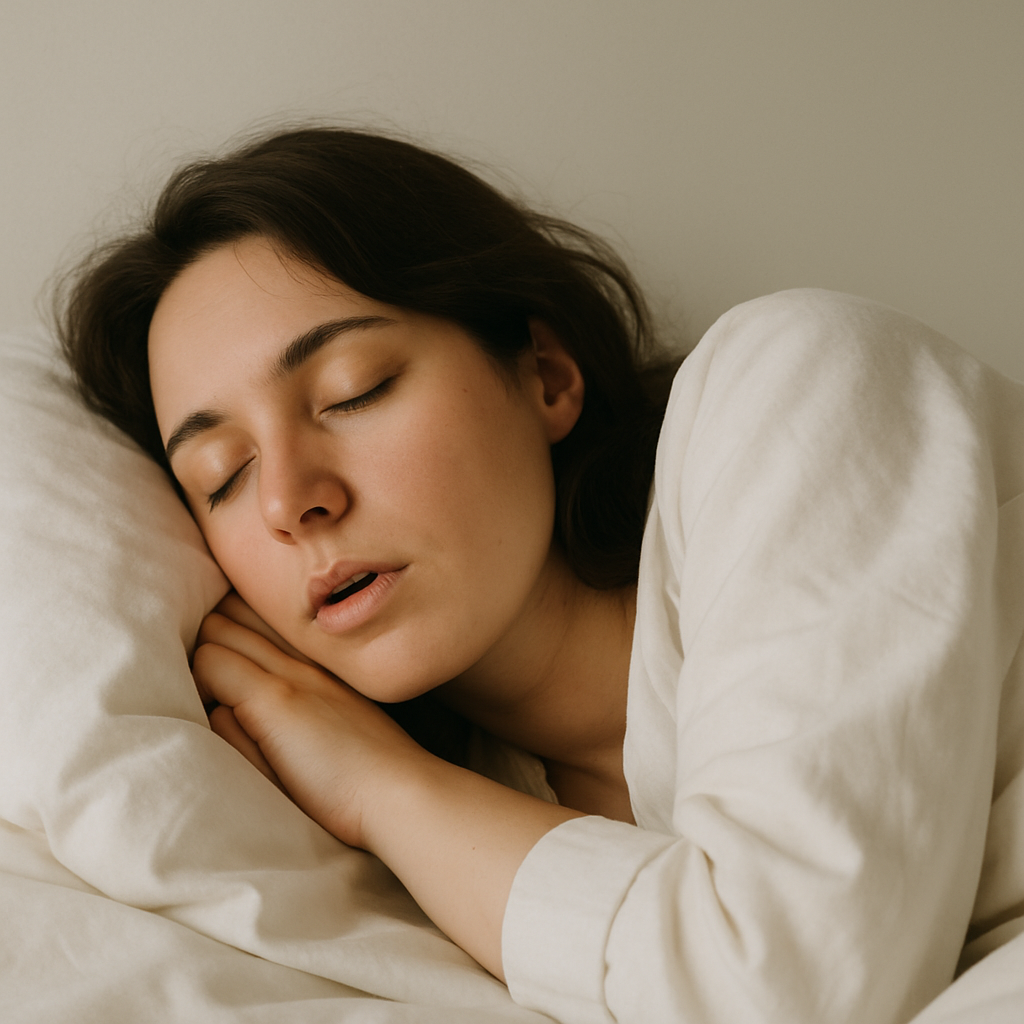
- Support better sleep quality by promoting relaxation and reducing insomnia.
While these studies are promising, more research is needed to fully understand the mechanisms and optimize specific techniques for various populations.
Functional Actions
The functional actions of performance breathing can be summarized as follows:
- Improved Respiratory Efficiency: Maximizes oxygen use during physical exertion.
- Enhanced Mental Clarity: Increases focus and reduces mental fatigue.
- Stress Reduction: Lowers cortisol levels and promotes emotional stability.
- Increased Energy Levels: Boosts overall vitality and stamina.
Body Systems Supported
Performance breathing primarily supports the following body systems:
- Respiratory System: Enhances lung capacity and function.
- Nervous System: Balances the autonomic nervous system, promoting relaxation.
- Muscular System: Improves oxygen delivery to muscles, enhancing performance.
- Cardiovascular System: Supports heart health by improving circulation and reducing blood pressure.
Common Forms & Educational Dosing Ranges
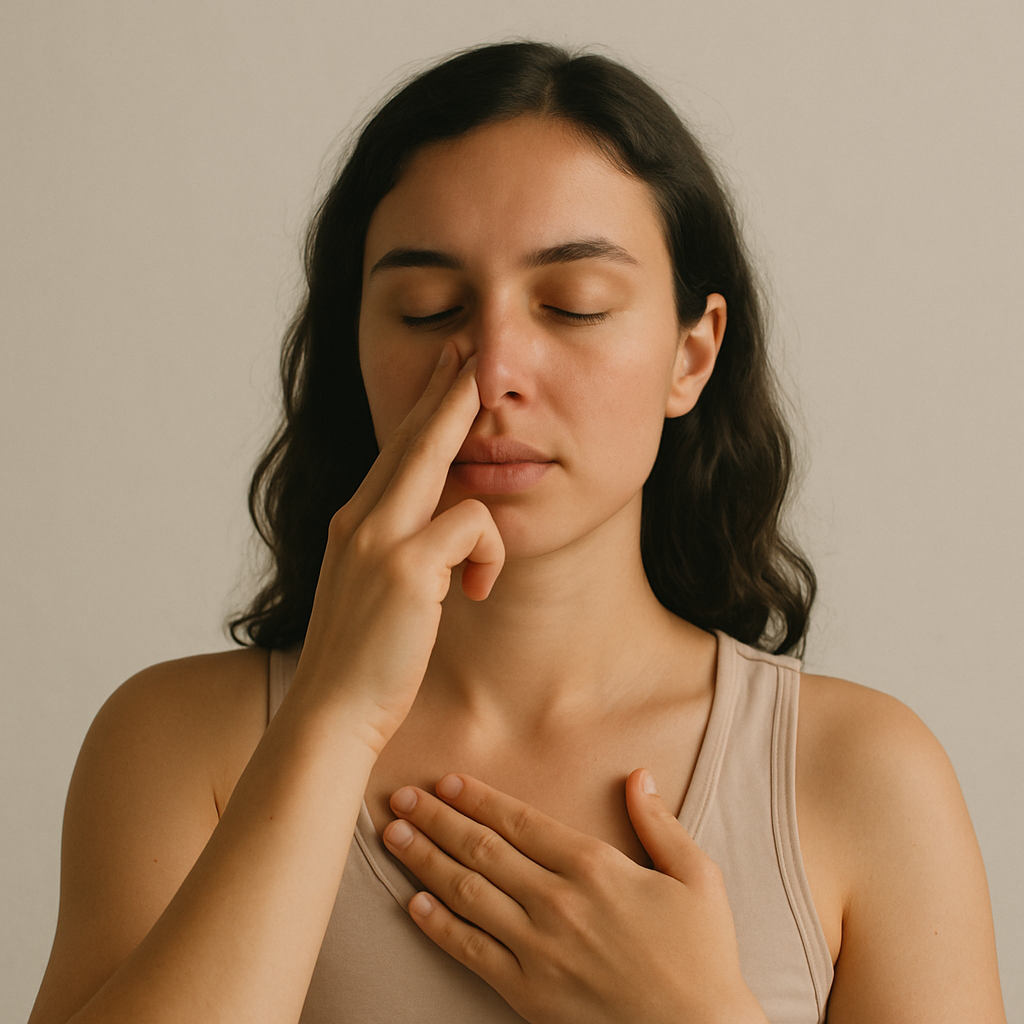
Performance breathing can be practiced in various forms, including:
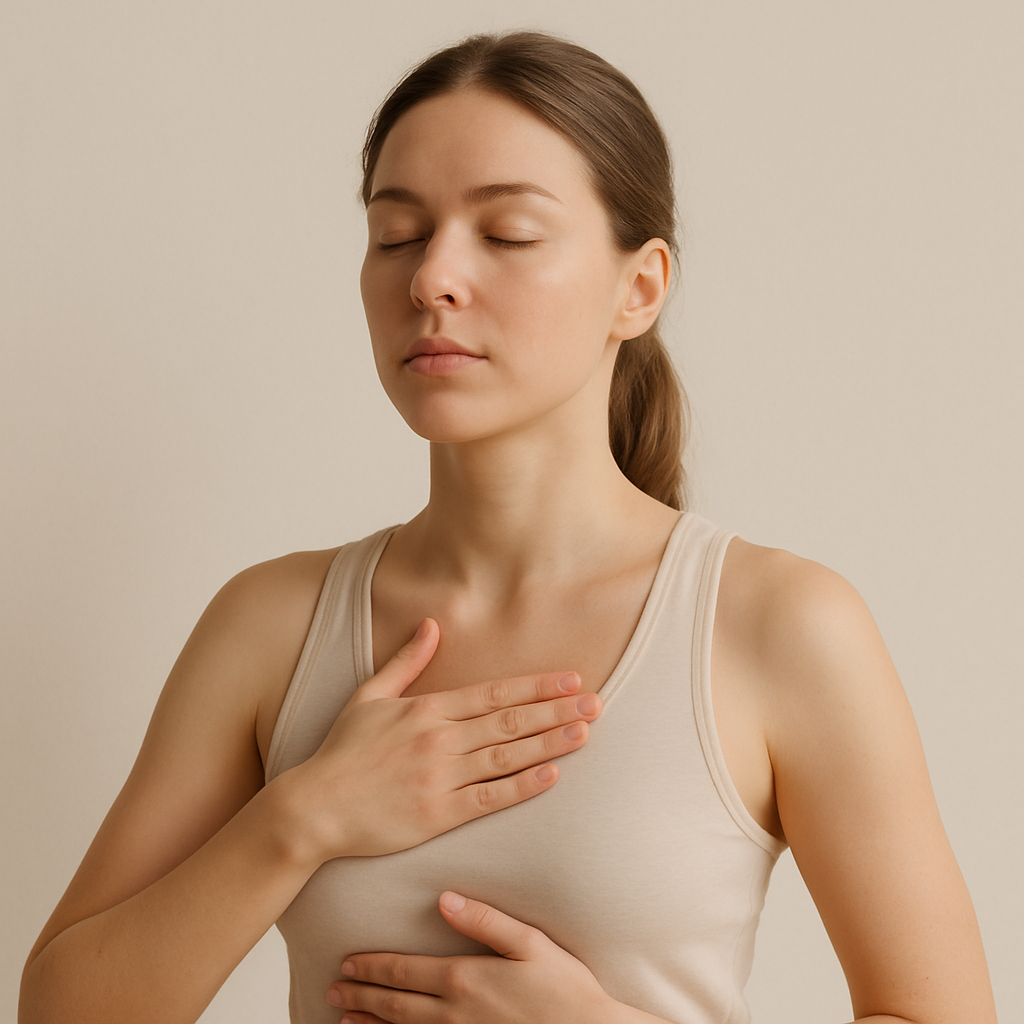
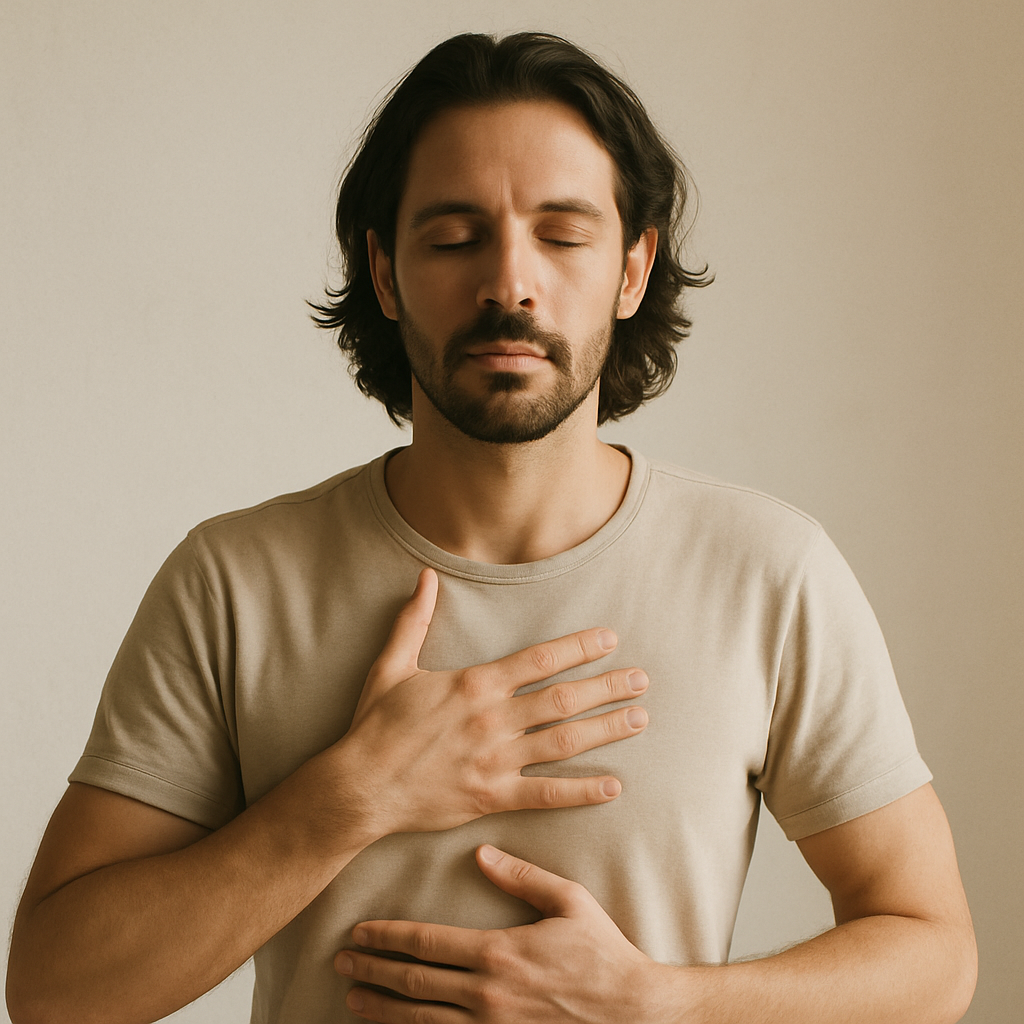
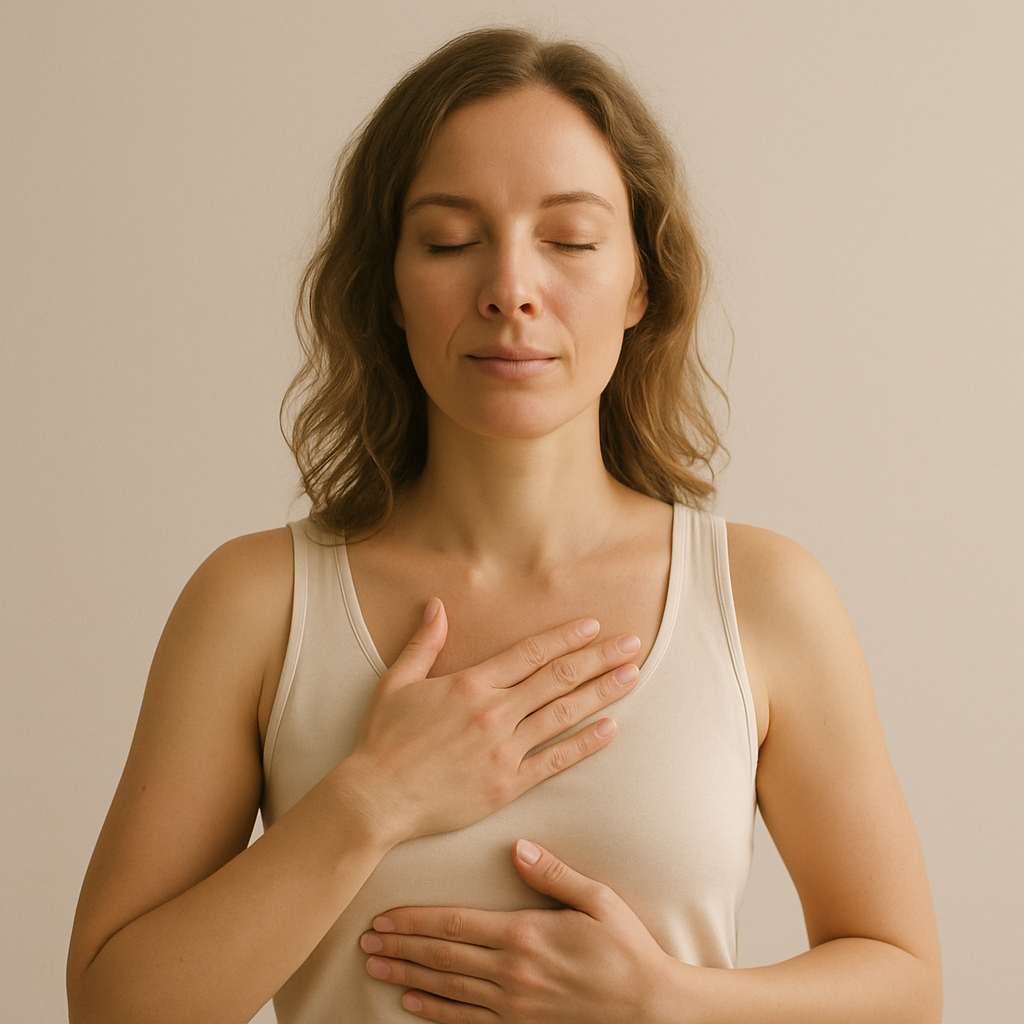
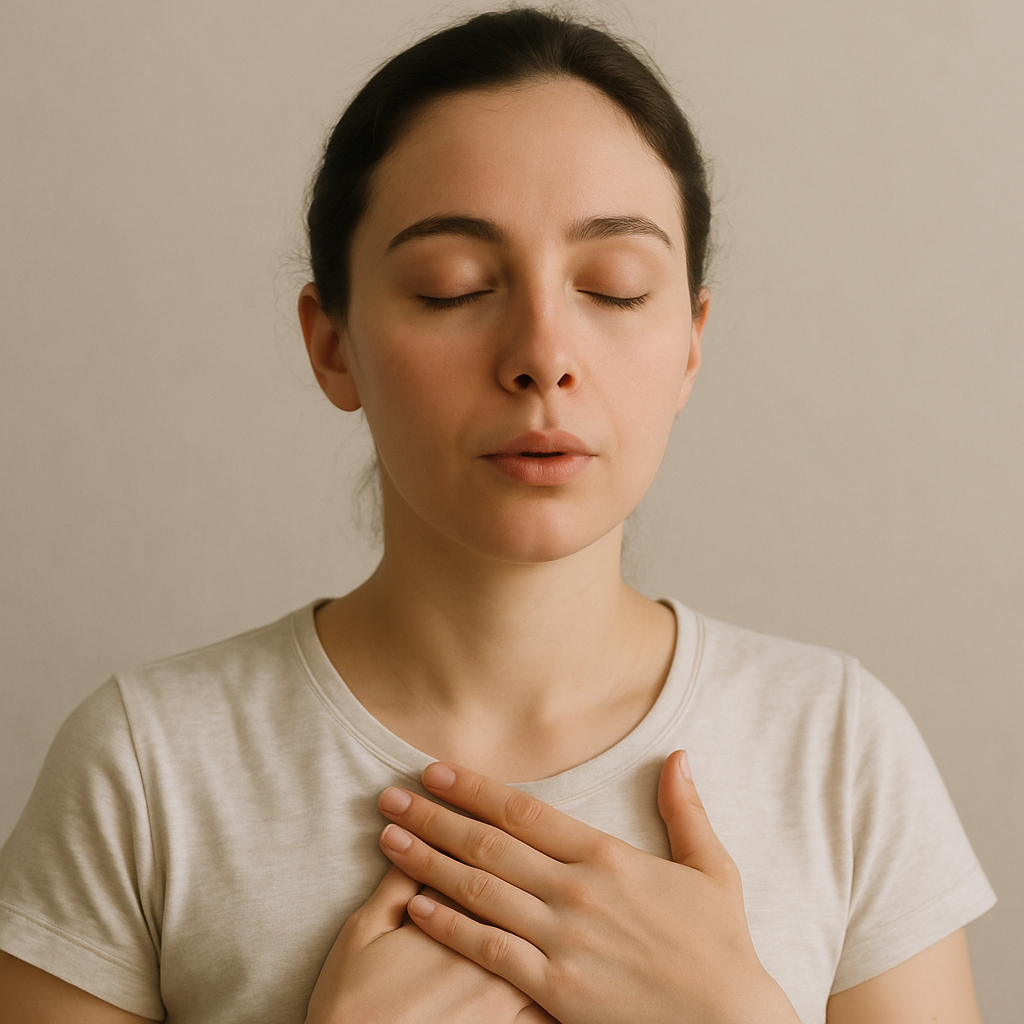
- Diaphragmatic Breathing: Inhale deeply through the nose, allowing the abdomen to expand, and exhale slowly.
- Box Breathing: Inhale for four counts, hold for four counts, exhale for four counts, and hold for four counts.
- Buteyko Method: Focuses on shallow breathing to manage asthma and improve oxygenation.
There are no strict dosing ranges, but practicing these techniques for 5-10 minutes daily can yield benefits over time.
Safety, Contraindications & Interactions
Performance breathing is generally safe for most individuals. However, those with specific medical conditions such as:
- Severe asthma or respiratory disorders
- Cardiac conditions
- Severe anxiety disorders
should consult a healthcare professional before starting any breathwork practice. Additionally, individuals on sedatives or medications affecting the respiratory system should exercise caution.
Pairs Well With
Performance breathing techniques can be effectively paired with:
- Aerobic Exercise: Enhances performance and endurance.
- Meditation and Mindfulness: Promotes mental clarity and relaxation.
- Yoga: Complements physical postures with breath control.
FAQs (5)
- What is the best time to practice performance breathing?
Morning or before workouts can enhance focus and energy. - Can performance breathing help with anxiety?
Yes, many find it beneficial for reducing anxiety symptoms. - How long should I practice performance breathing?
Start with 5-10 minutes daily and gradually increase. - Is performance breathing suitable for everyone?
Most people can practice it safely, but those with specific conditions should consult a professional. - Can it improve athletic performance?
Yes, many athletes use these techniques to enhance endurance and recovery.
Frequently asked
What is the best time to practice performance breathing?
Morning or before workouts can enhance focus and energy.
Can performance breathing help with anxiety?
Yes, many find it beneficial for reducing anxiety symptoms.
How long should I practice performance breathing?
Start with 5-10 minutes daily and gradually increase.
Is performance breathing suitable for everyone?
Most people can practice it safely, but those with specific conditions should consult a professional.
Can it improve athletic performance?
Yes, many athletes use these techniques to enhance endurance and recovery.