Nervous System Breathwork
Discover the power of nervous system breathwork in promoting mental clarity and emotional balance. This guide covers its history, modern research, and practical techniques.
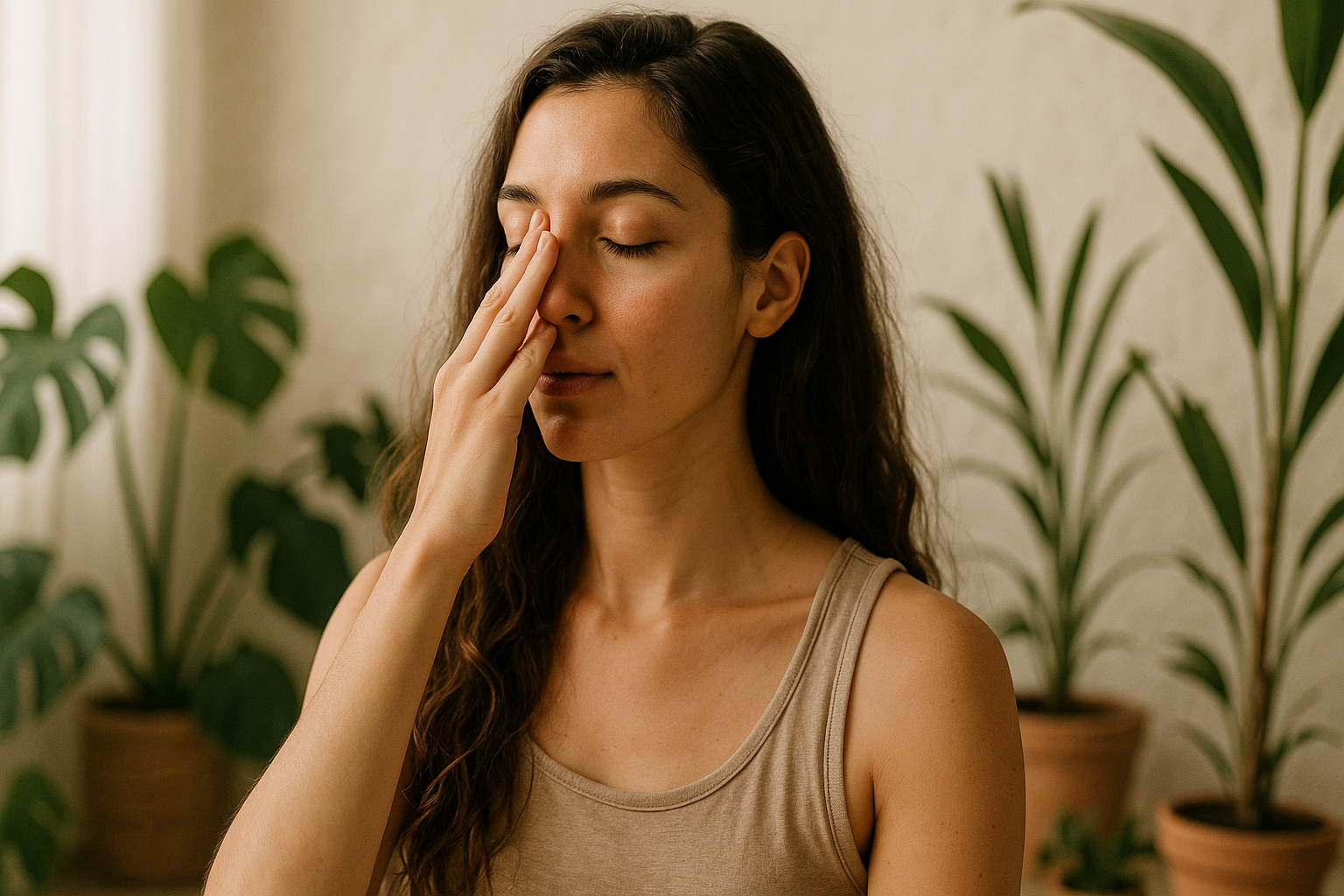
Explore the calming benefits of nervous system breathwork, a natural practice that uses breath to enhance mental clarity and emotional balance. Learn about its historical uses, modern research, and the techniques involved in this holistic approach.
What It Is
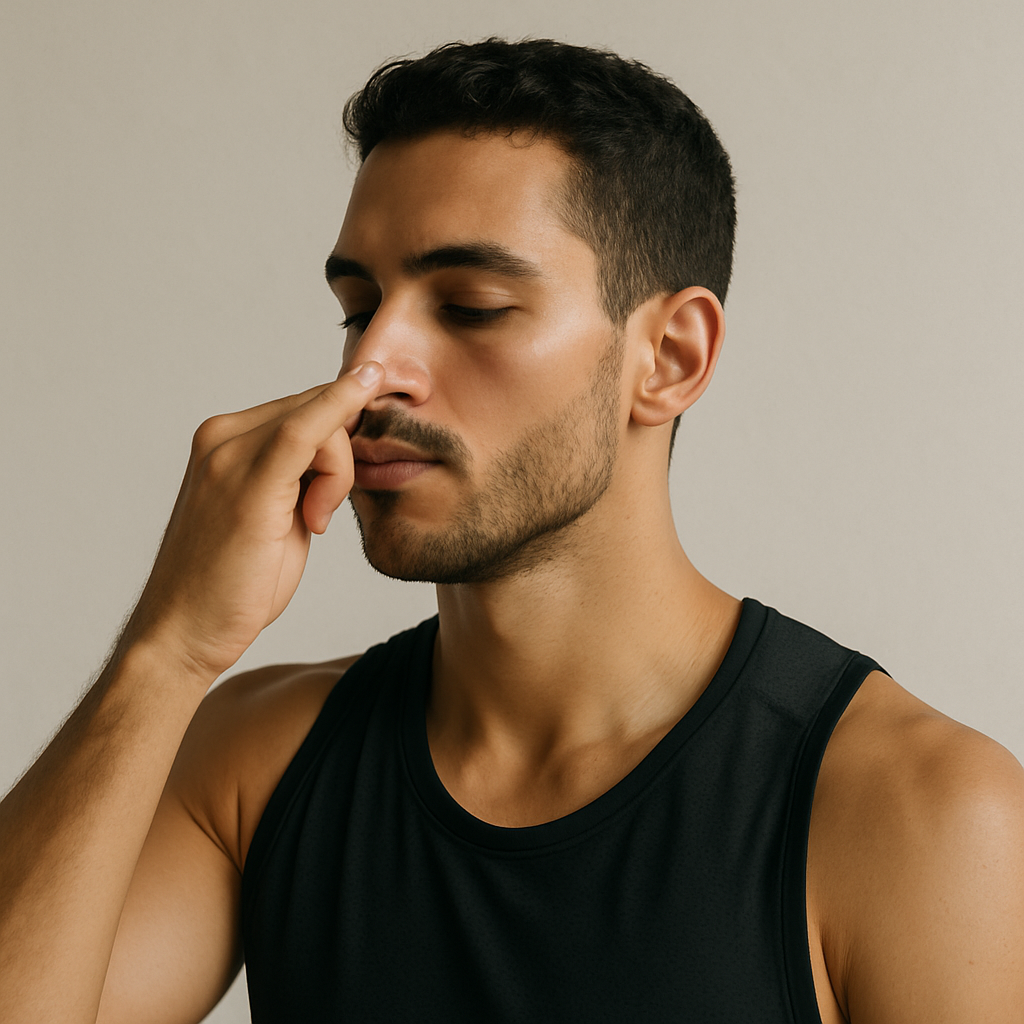
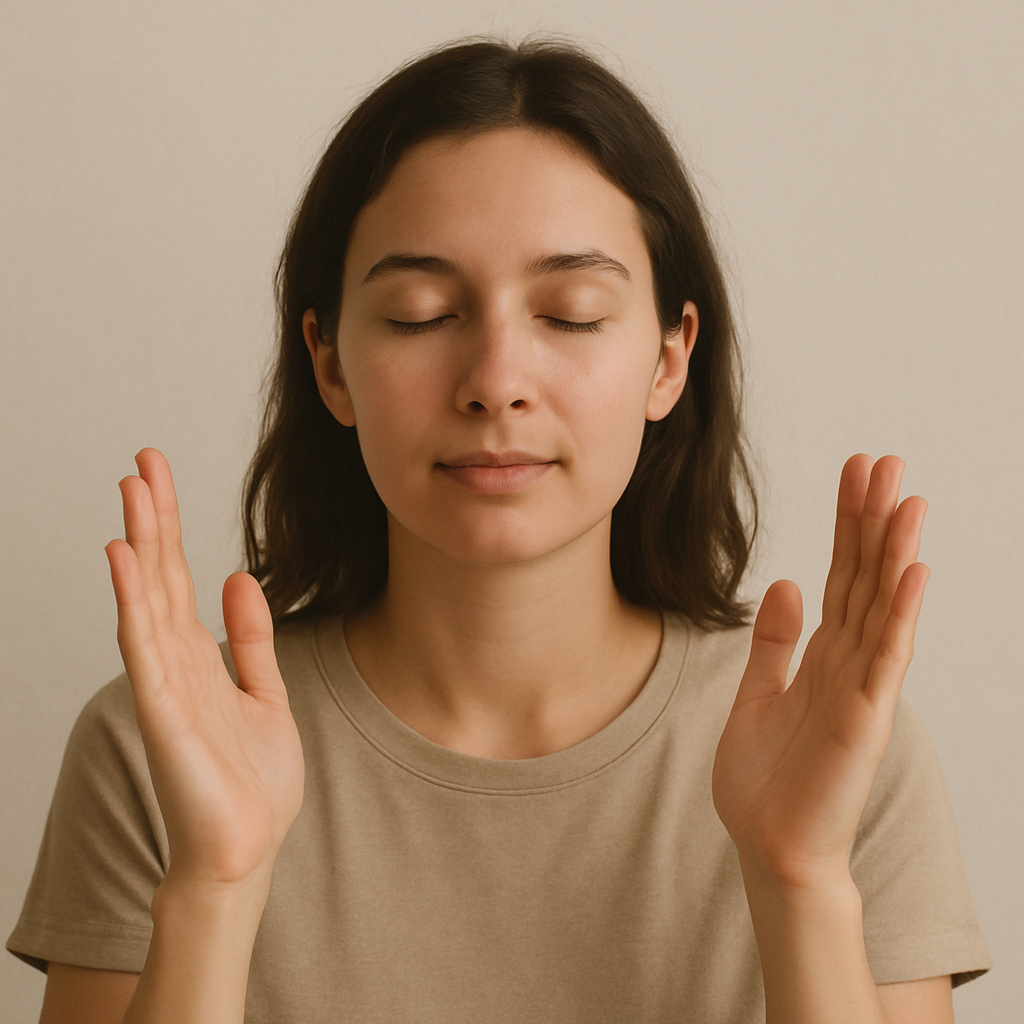
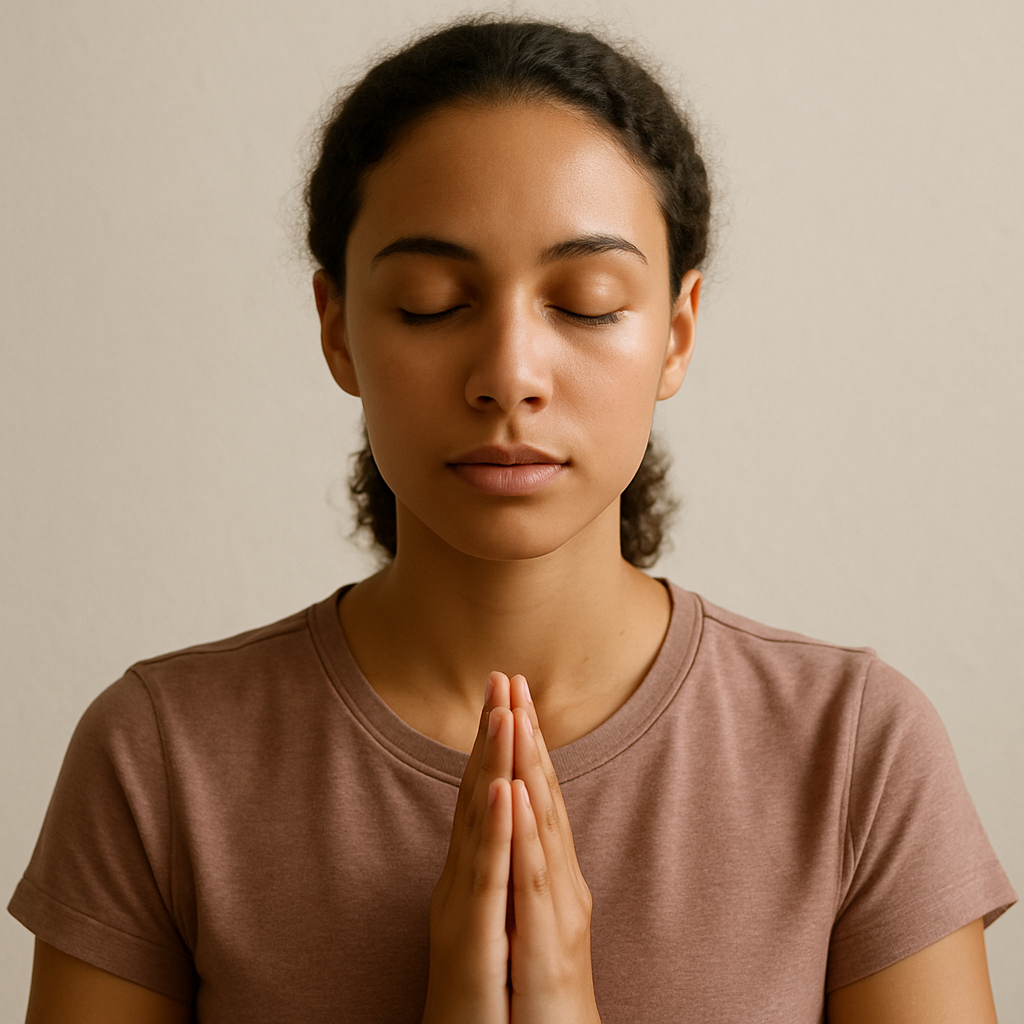
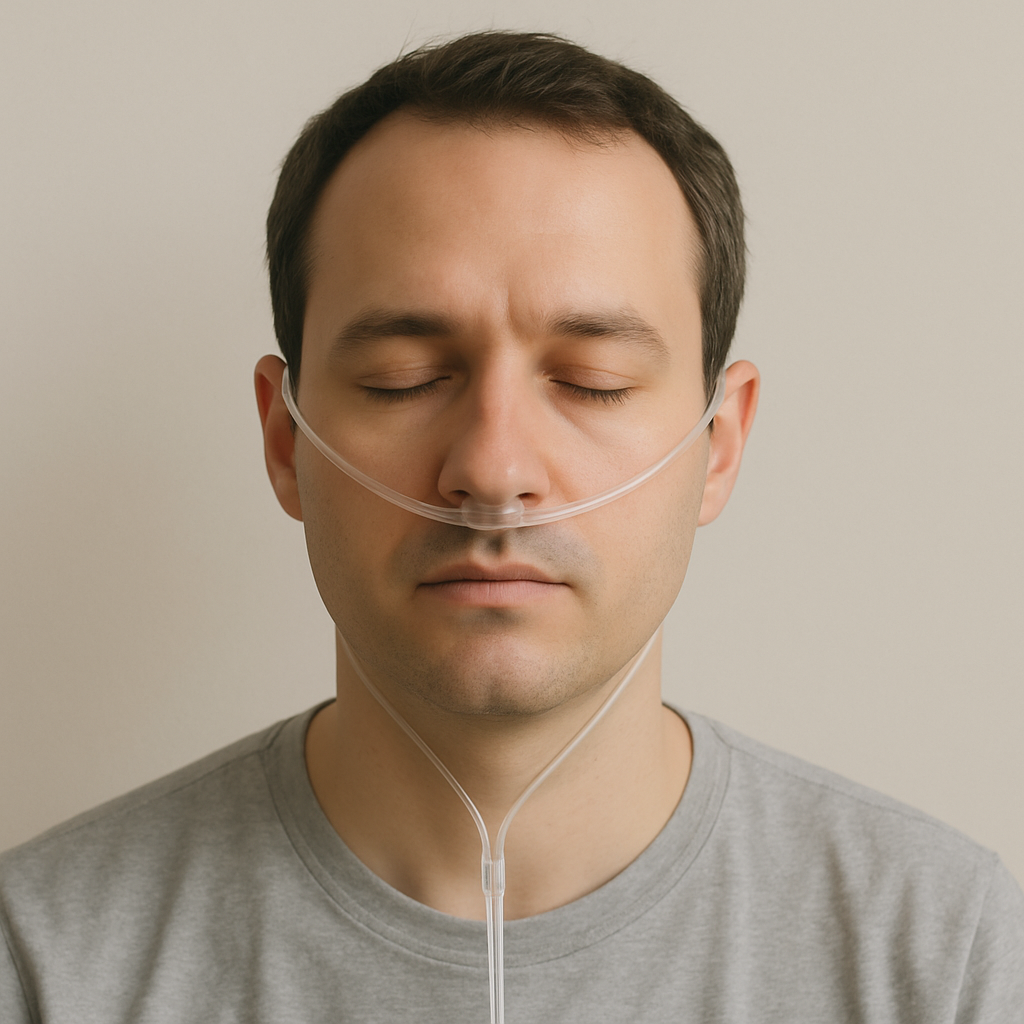
Nervous system breathwork refers to a series of breathing techniques specifically designed to support and regulate the nervous system. By consciously controlling breath patterns, individuals can influence their physiological and emotional states, promoting relaxation and reducing stress. This practice can help to foster mindfulness, enhance emotional regulation, and improve overall mental well-being.
Key Active Compounds & Mechanisms
While breathwork does not involve the use of traditional active compounds like herbs or supplements, its effectiveness is rooted in physiological mechanisms. The primary mechanism at play is the activation of the parasympathetic nervous system (PNS), which induces a state of calm and relaxation. Techniques like diaphragmatic breathing and resonance breathing can lower heart rate, decrease blood pressure, and enhance feelings of safety and contentment.
Traditional Uses
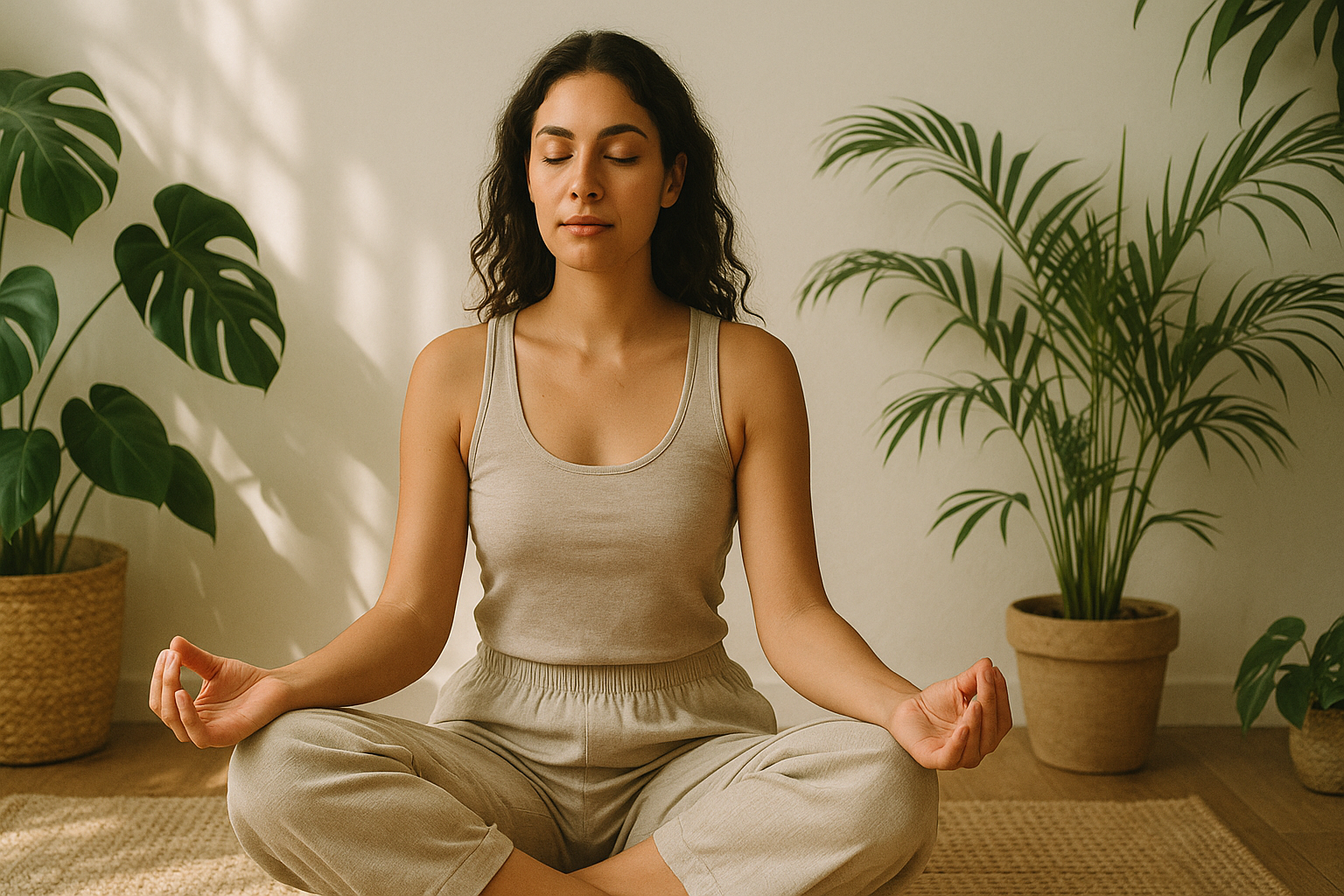
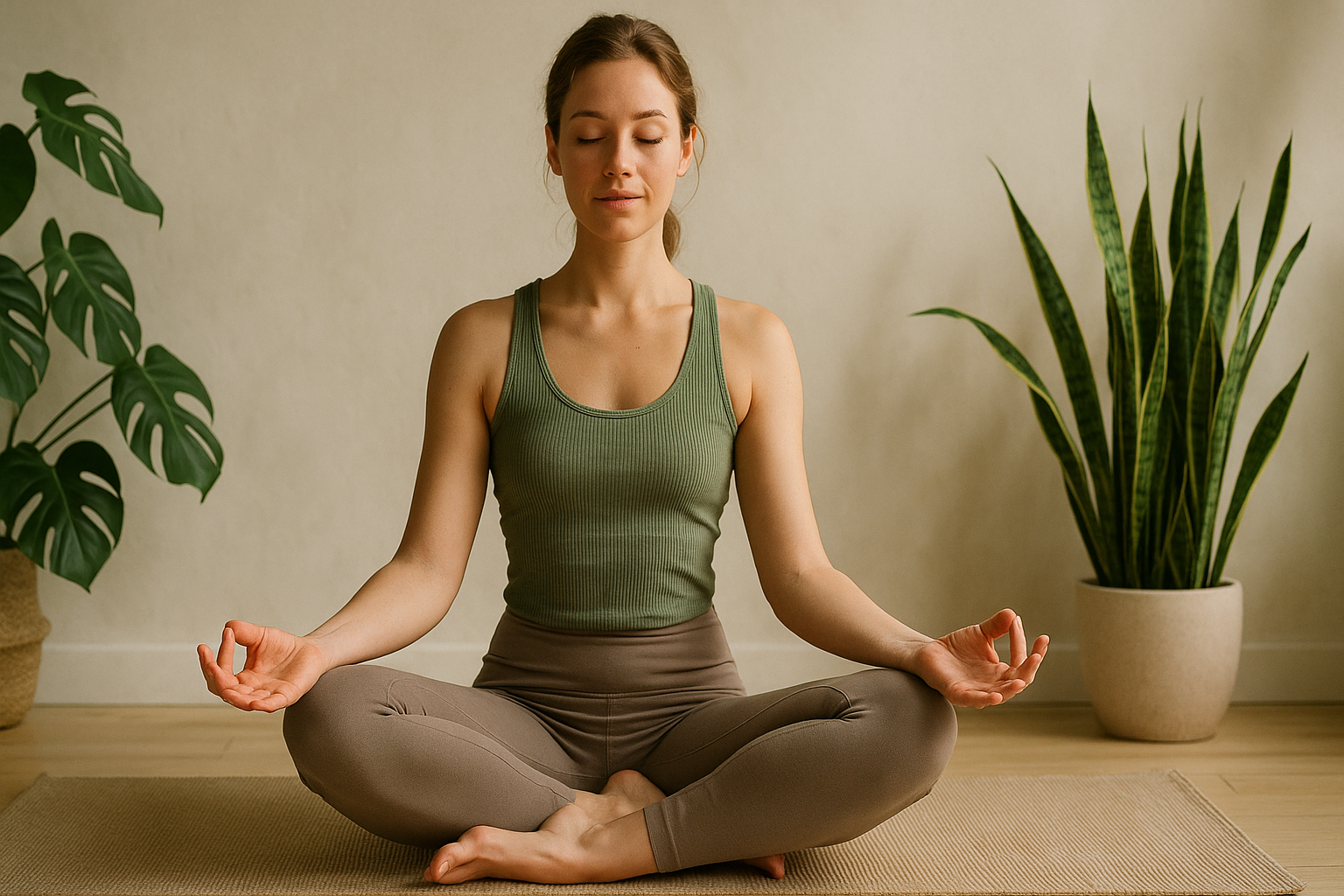
Historically, various cultures have recognized the power of breath in promoting health and well-being. In ancient practices such as yoga and meditation, breath control (known as pranayama in Sanskrit) has been used for thousands of years to enhance spiritual growth and mental clarity. Indigenous healing traditions around the world have also incorporated breathwork as a means of connecting with the mind and body, facilitating emotional release, and fostering greater awareness.
What Modern Research Suggests
Recent studies have begun to validate the benefits of breathwork for mental health and physical well-being. Research suggests that breathwork can significantly reduce anxiety, improve mood, and enhance cognitive function. For example, a study published in the journal "Frontiers in Human Neuroscience" found that breath control can decrease levels of cortisol, a stress hormone, while enhancing brain activity associated with relaxation. However, more long-term studies are needed to fully understand the breadth of its benefits.
Functional Actions
Nervous system breathwork serves multiple functional actions, including:
- Stress Reduction: By promoting relaxation, breathwork can lower anxiety levels and reduce stress-related symptoms.
- Emotional Regulation: Breath control can help individuals process emotions more effectively and maintain emotional balance.
- Improved Focus: Many breathwork techniques enhance mental clarity, allowing for better concentration and cognitive performance.
- Enhanced Relaxation: Regular practice can lead to a deeper state of relaxation, improving sleep quality and overall well-being.
Body Systems Supported
Nervous system breathwork primarily supports the following body systems:
- Nervous System: It aids in balancing the sympathetic and parasympathetic nervous systems.
- Respiratory System: Breathwork enhances lung function and increases oxygenation in the body.
- Cognitive Function: It promotes improved mental clarity and focus, supporting brain health.
- Endocrine System: Breathwork can help regulate hormonal responses related to stress.
Common Forms & Educational Dosing Ranges
Nervous system breathwork can take various forms, including:
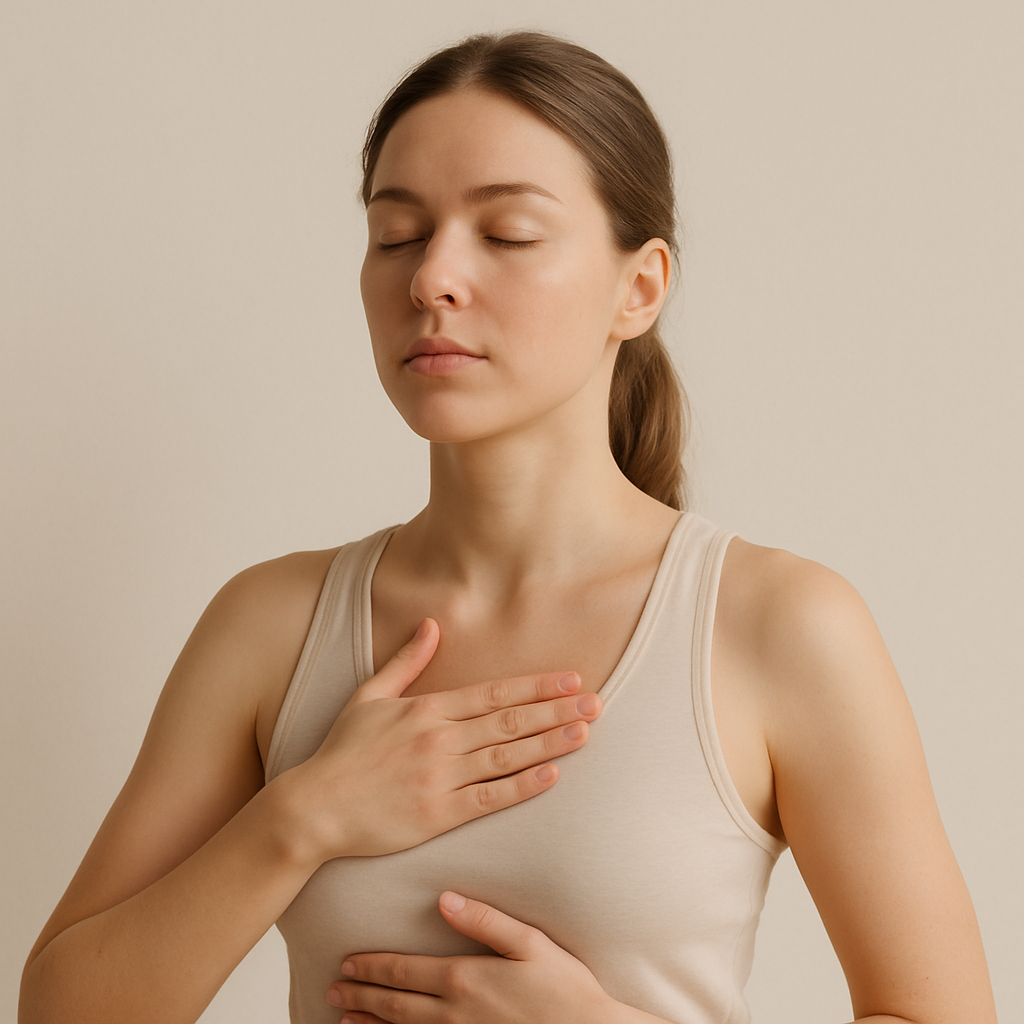
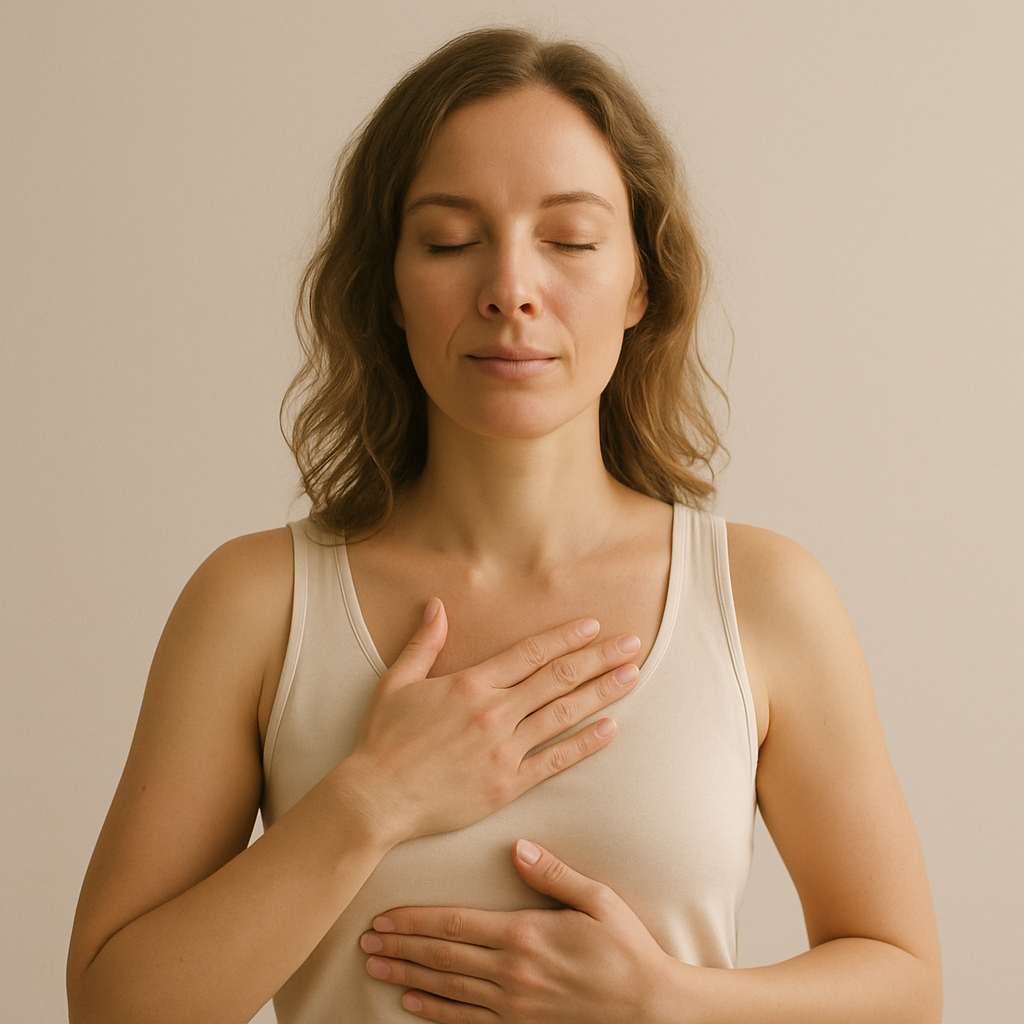
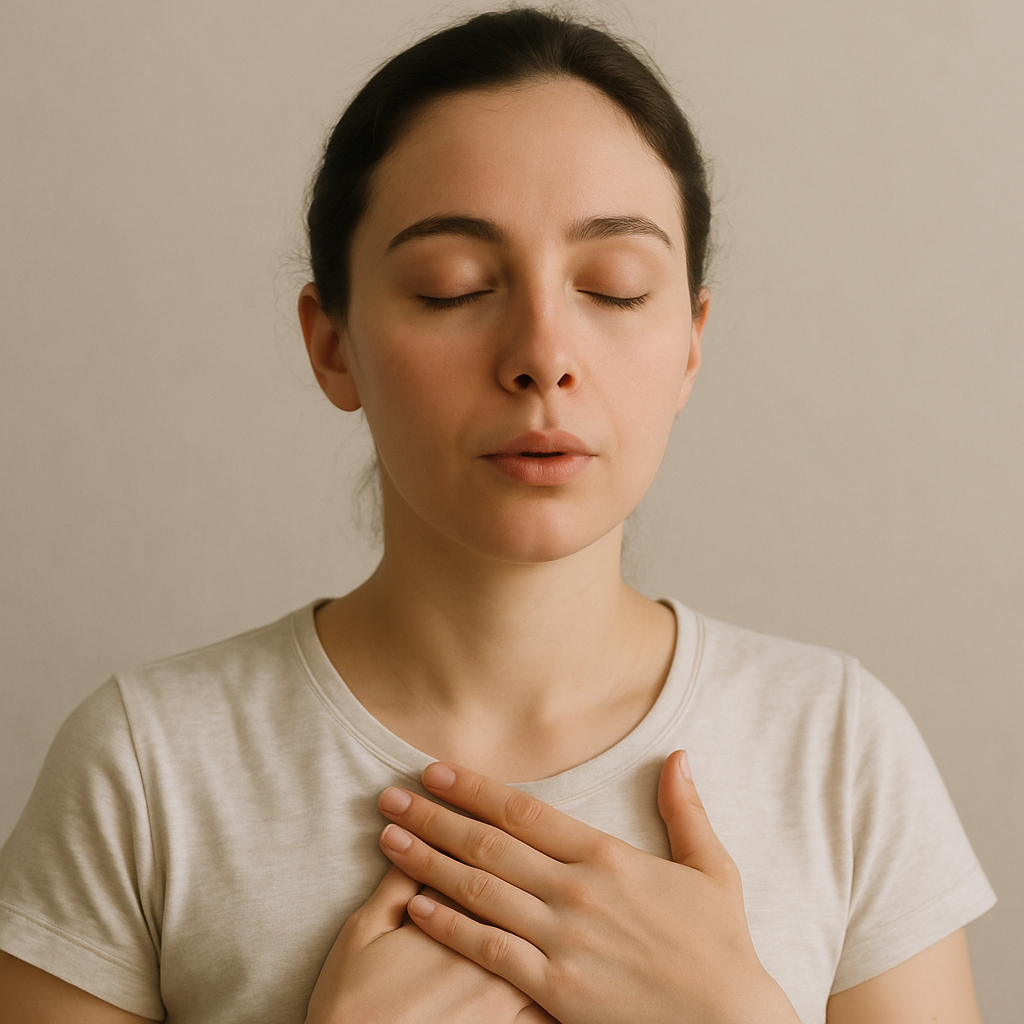
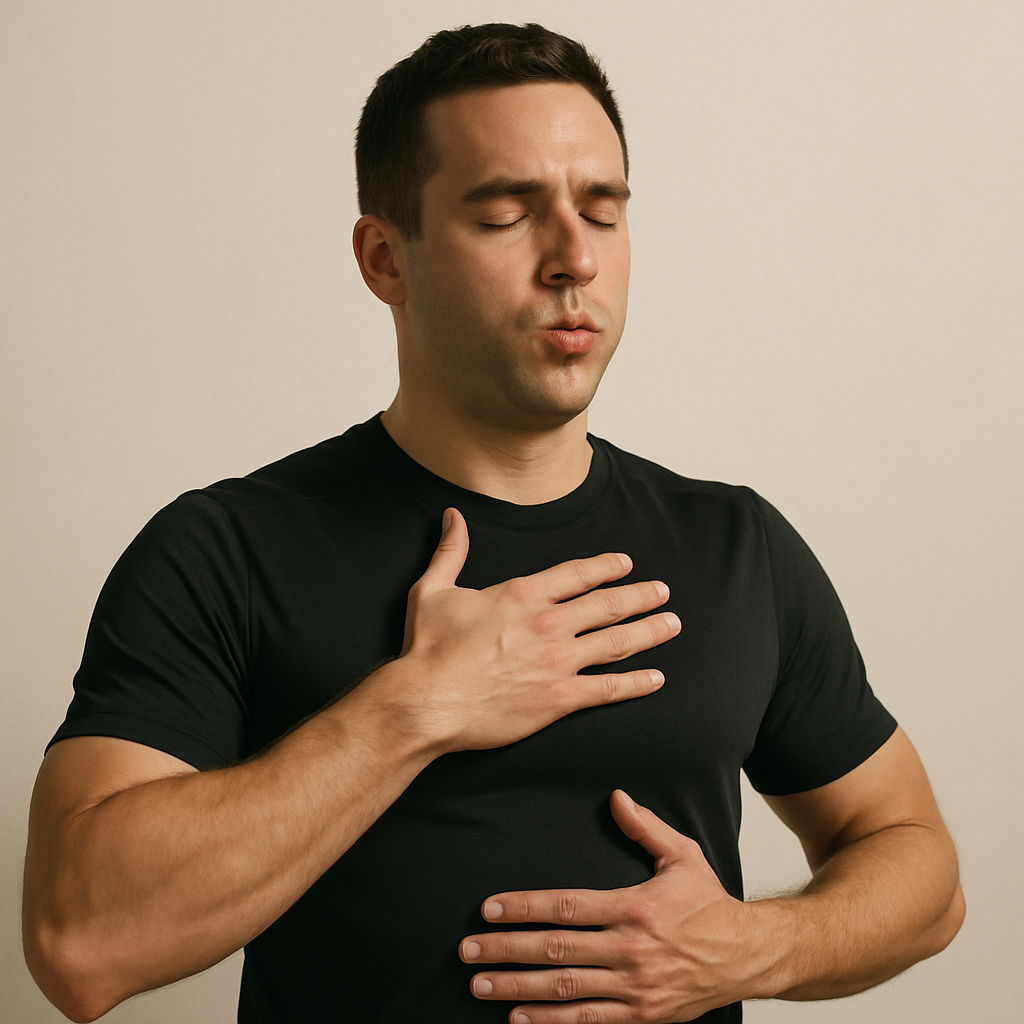
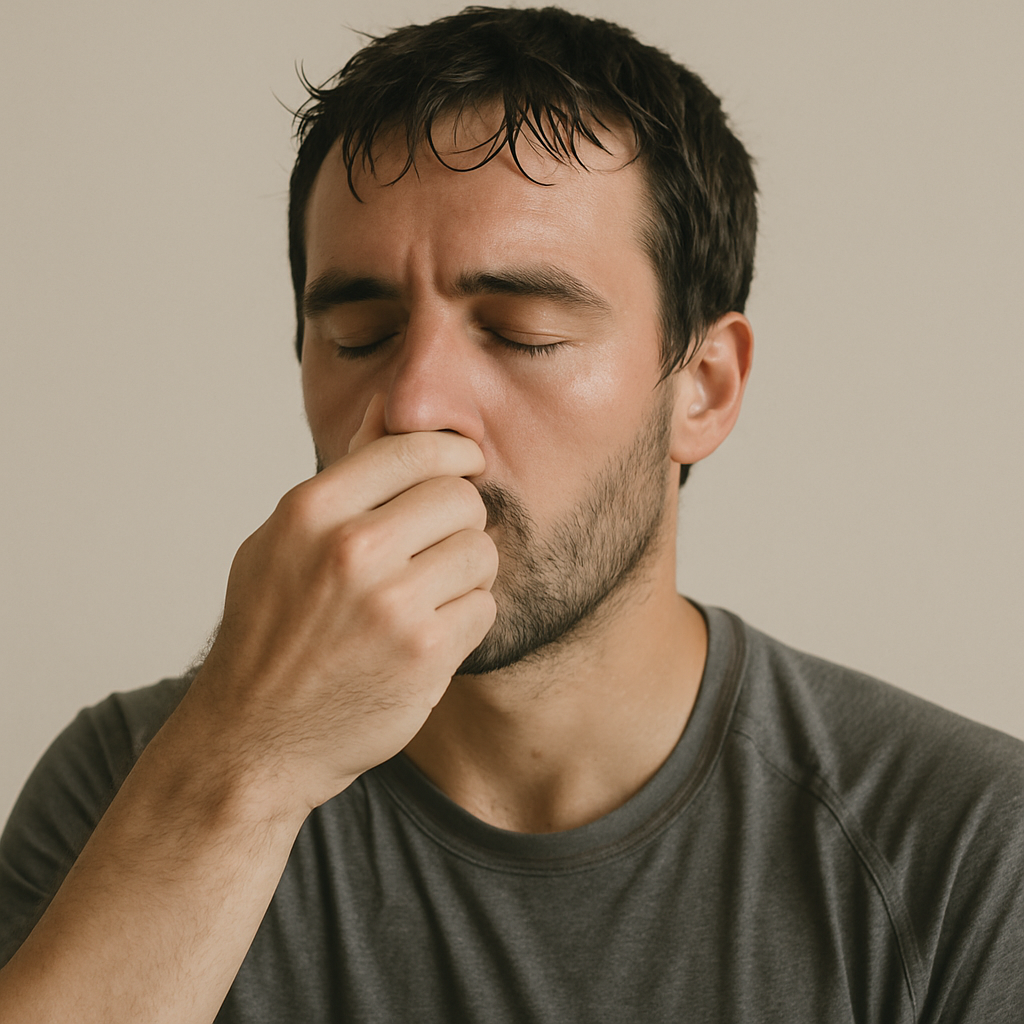
- Diaphragmatic Breathing: Inhale deeply through the nose, expanding the diaphragm, and exhale slowly through the mouth. Aim for 5-10 minutes daily.
- Box Breathing: Inhale for a count of four, hold for four, exhale for four, and hold for four. Repeat for 5-10 minutes.
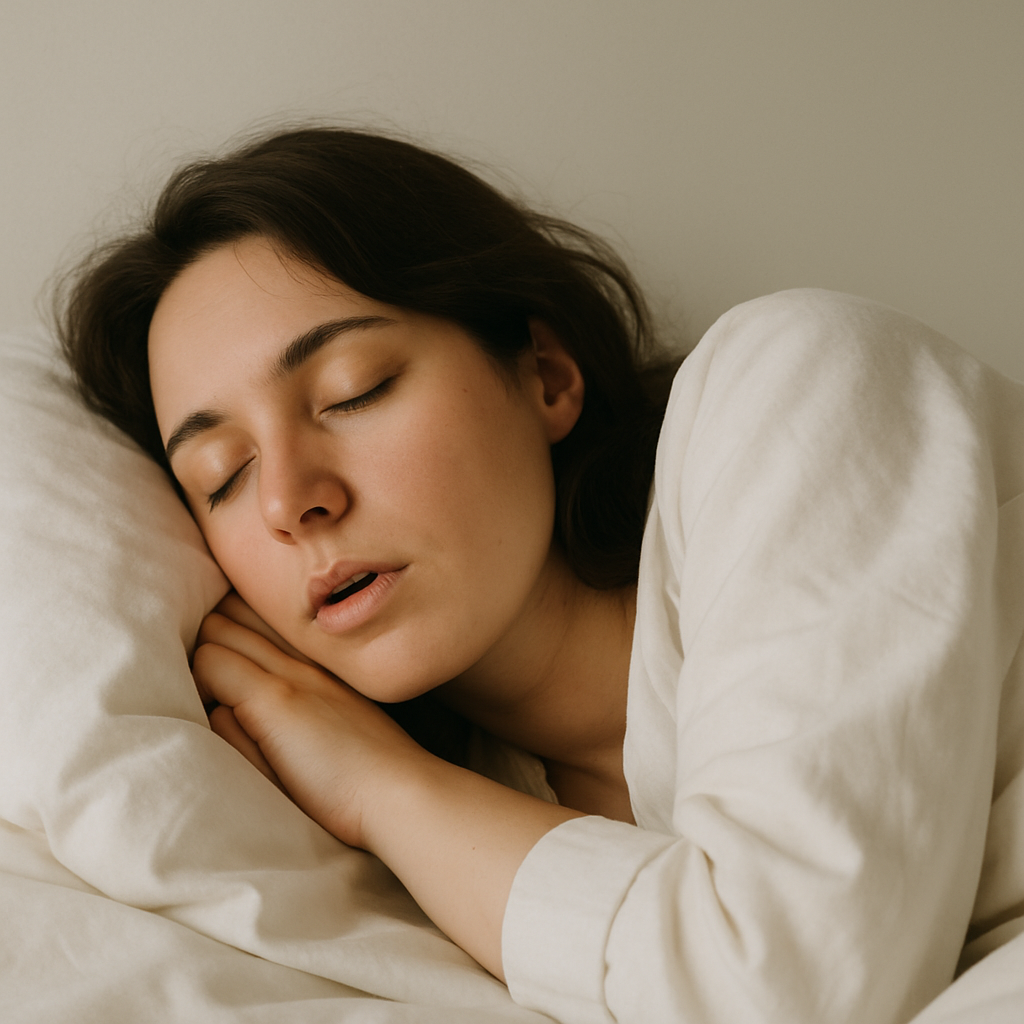
- 4-7-8 Breathing: Inhale for 4 seconds, hold for 7 seconds, and exhale for 8 seconds. Practice this technique before sleeping to enhance relaxation.
Safety, Contraindications & Interactions
Nervous system breathwork is generally safe for most individuals. However, those with specific medical conditions such as severe asthma or respiratory issues should consult a healthcare professional before starting any breathwork practice. Additionally, individuals with a history of panic disorders may find certain breathwork techniques triggering, and should approach them with caution. It is advisable to avoid breathwork techniques immediately after consuming alcohol or when feeling overly fatigued.
Pairs Well With
Nervous system breathwork can be effectively paired with other natural remedies and practices, including:
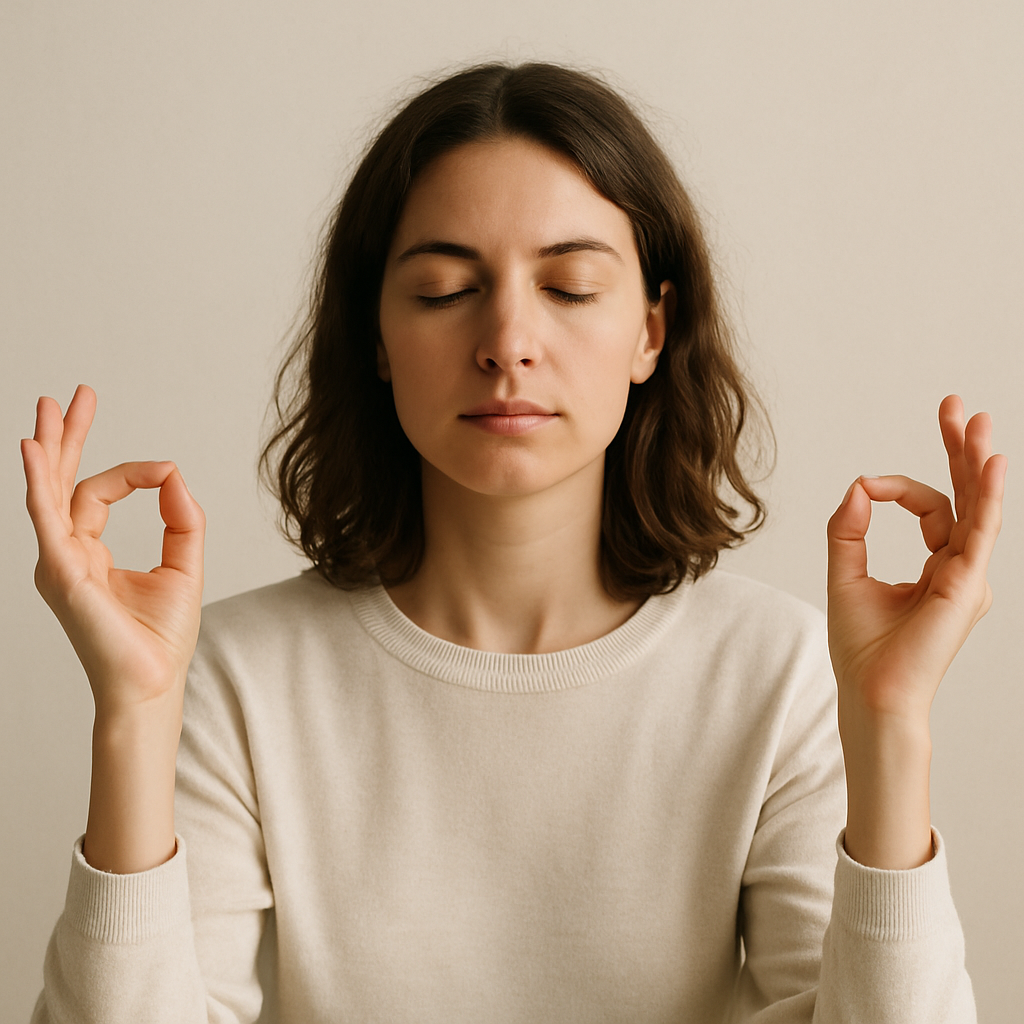
- Meditation: Combining breathwork with meditation can enhance relaxation and mindfulness.
- Yoga: Incorporating breathwork into yoga sessions can deepen the practice and promote greater physical and mental harmony.
- Aromatherapy: Essential oils like lavender or chamomile can complement breathwork by enhancing relaxation.
- Mindfulness Practices: Engaging in mindfulness alongside breathwork can further promote emotional regulation and awareness.
FAQs (5)
1. How often should I practice nervous system breathwork?
For best results, aim to practice breathwork daily or several times a week, even for a few minutes at a time.
2. Can breathwork help with anxiety?
Yes, many individuals find that breathwork techniques significantly reduce feelings of anxiety and promote relaxation.
3. Is there a specific technique that is best?
Different techniques may work better for different individuals. Experiment with various methods to find what suits you best.
4. Can I practice breathwork while pregnant?
Pregnant individuals should consult with a healthcare provider before starting any new breathwork practices to ensure safety.
5. How does breathwork affect my physical health?
Breathwork can enhance lung function, lower blood pressure, and improve overall cardiovascular health by promoting relaxation.
Frequently asked
How often should I practice nervous system breathwork?
For best results, aim to practice breathwork daily or several times a week, even for a few minutes at a time.
Can breathwork help with anxiety?
Yes, many individuals find that breathwork techniques significantly reduce feelings of anxiety and promote relaxation.
Is there a specific technique that is best?
Different techniques may work better for different individuals. Experiment with various methods to find what suits you best.
Can I practice breathwork while pregnant?
Pregnant individuals should consult with a healthcare provider before starting any new breathwork practices to ensure safety.
How does breathwork affect my physical health?
Breathwork can enhance lung function, lower blood pressure, and improve overall cardiovascular health by promoting relaxation.