Energy Breathwork
Energy Breathwork is a powerful technique that utilizes focused breathing to boost energy and promote overall wellness. Dive into its traditional roots, modern research, and practical applications.

Explore the invigorating practice of Energy Breathwork, a technique designed to enhance vitality and well-being through conscious breathing. Discover its historical roots, modern research insights, and practical applications.
What It Is
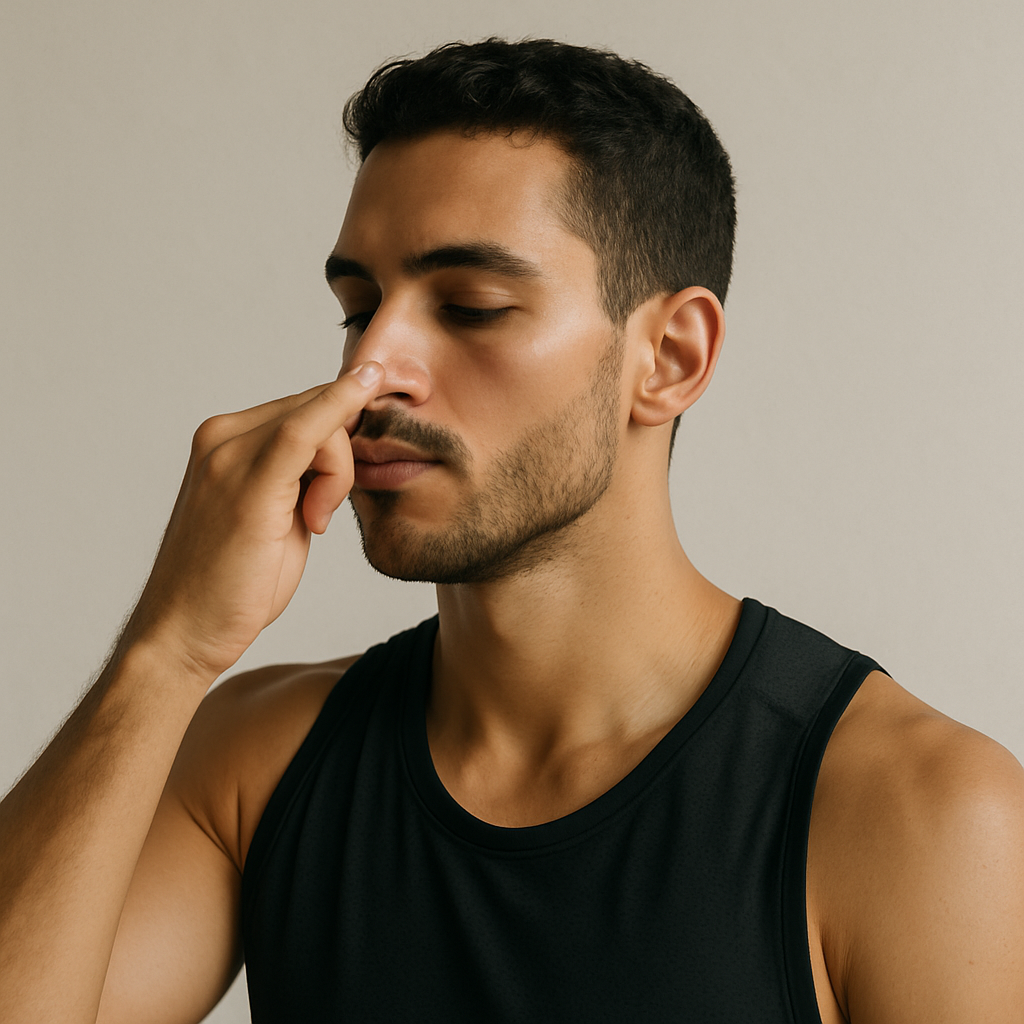
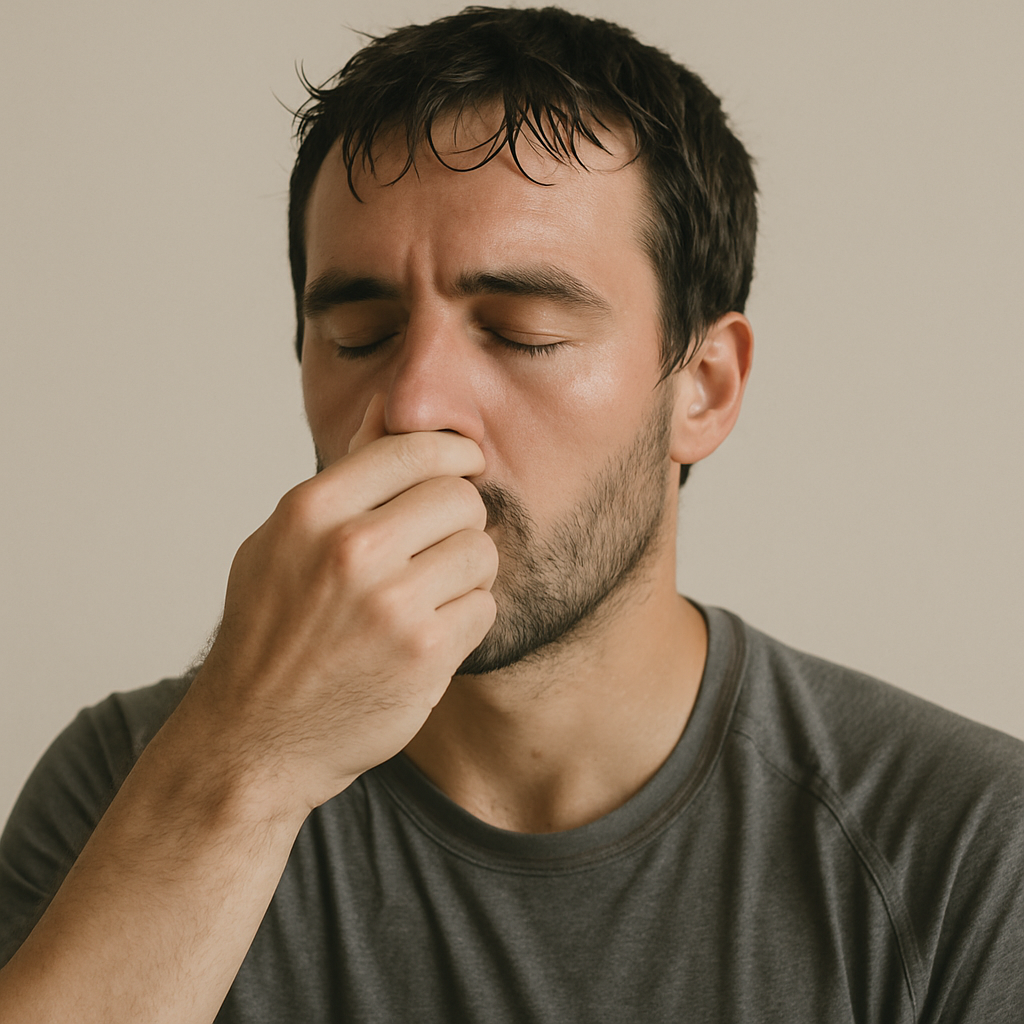
Energy Breathwork is a dynamic breathing technique aimed at increasing energy levels and enhancing mental clarity. This practice involves specific breathing patterns designed to invigorate the body and mind, facilitating a state of heightened awareness and vitality. Unlike traditional breathwork, which may focus on relaxation and stress reduction, Energy Breathwork emphasizes energizing the individual through rhythmic and intentional breathing.
Key Active Compounds & Mechanisms
While Energy Breathwork does not involve specific compounds like herbs or supplements, its effectiveness lies in the physiological and psychological responses triggered by controlled breathing. The primary mechanisms include:
- Increased Oxygen Flow: Deliberate breathing techniques can enhance oxygen delivery to the body's tissues, promoting energy production.
- Nervous System Regulation: Engaging in focused breath patterns can stimulate the sympathetic nervous system, leading to increased alertness and energy.
- Endorphin Release: Deep and rapid breathing can stimulate the release of endorphins, natural mood elevators that can boost energy levels.
Traditional Uses
Historically, breathwork has been utilized in various cultures for its potential to enhance physical and spiritual well-being. Ancient practices such as Pranayama in yoga and various forms of shamanic breathing have been employed to alter consciousness and increase vitality. Cultures around the world have long recognized the power of breath as a tool for healing and empowerment, often integrating it into rituals and meditation practices.
What Modern Research Suggests
Contemporary studies on breathwork indicate that controlled breathing techniques, including Energy Breathwork, can positively influence mental and physical health. Research suggests that consistent practice may lead to:
- Improved focus and cognitive function.
- Enhanced physical performance.
- Reduction in stress and anxiety levels.
While more extensive research is needed to fully understand the scope of benefits, preliminary findings support the effectiveness of breathwork in promoting overall wellness.
Functional Actions
Energy Breathwork serves several functional actions, including:
- Energy Enhancement: Increases vitality and reduces feelings of fatigue.
- Mental Clarity: Improves concentration and cognitive processing.
- Emotional Balance: Aids in regulating emotions and reducing stress.
Body Systems Supported
This practice primarily supports the following body systems:
- Respiratory System: Enhances lung capacity and oxygen exchange.
- Nervous System: Promotes balance between sympathetic and parasympathetic responses.
- Cardiovascular System: Improves circulation and blood flow.
Common Forms & Educational Dosing Ranges
Energy Breathwork can be practiced individually or in group settings, often guided by an instructor. Common forms include:
- Guided Sessions: Led by a trained practitioner, these sessions focus on specific breathing techniques.
- Self-Practice: Individuals can engage in routines at home using online resources or instructional videos.
Educational dosing ranges are not strictly applicable as the practice is often tailored to individual needs. However, it is generally recommended to engage in Energy Breathwork for 10 to 20 minutes per session, a few times a week, to experience its benefits.
Safety, Contraindications & Interactions
Energy Breathwork is generally safe for most individuals. However, individuals with certain conditions should approach with caution:
- Cardiovascular issues
- Respiratory disorders
- Severe anxiety or panic disorders
Consulting with a healthcare provider is advisable if you are taking medications that affect the nervous system, such as:
- Antidepressants
- Anxiolytics
- Beta-blockers
Pairs Well With
Energy Breathwork can be effectively paired with other wellness practices, including:
- Yoga: Enhances physical postures and promotes relaxation.
- Meditation: Deepens the meditative experience and increases focus.
- Physical Exercise: Boosts energy levels before or after workouts.
FAQs (5)
- What is the best time to practice Energy Breathwork?
Energy Breathwork can be practiced at any time, but many find it beneficial in the morning to invigorate the day or before a workout for an energy boost. - Do I need a teacher to practice Energy Breathwork?
While a teacher can provide guidance and support, individuals can learn and practice Energy Breathwork techniques independently using resources available online. - Can Energy Breathwork help with stress?
Yes, it can help manage stress by promoting relaxation and improving emotional balance. - How long should I practice Energy Breathwork?
A practice of 10 to 20 minutes, a few times a week, is generally recommended for optimal benefits. - Are there any side effects?
Most individuals experience positive effects; however, those with specific health conditions should consult with a healthcare provider before starting.
Frequently asked
What is the best time to practice Energy Breathwork?
Energy Breathwork can be practiced at any time, but many find it beneficial in the morning to invigorate the day or before a workout for an energy boost.
Do I need a teacher to practice Energy Breathwork?
While a teacher can provide guidance and support, individuals can learn and practice Energy Breathwork techniques independently using resources available online.
Can Energy Breathwork help with stress?
Yes, it can help manage stress by promoting relaxation and improving emotional balance.
How long should I practice Energy Breathwork?
A practice of 10 to 20 minutes, a few times a week, is generally recommended for optimal benefits.
Are there any side effects?
Most individuals experience positive effects; however, those with specific health conditions should consult with a healthcare provider before starting.