Recovery Breathing
Explore the practice of recovery breathing within breathwork, its benefits, and how it supports overall wellness.
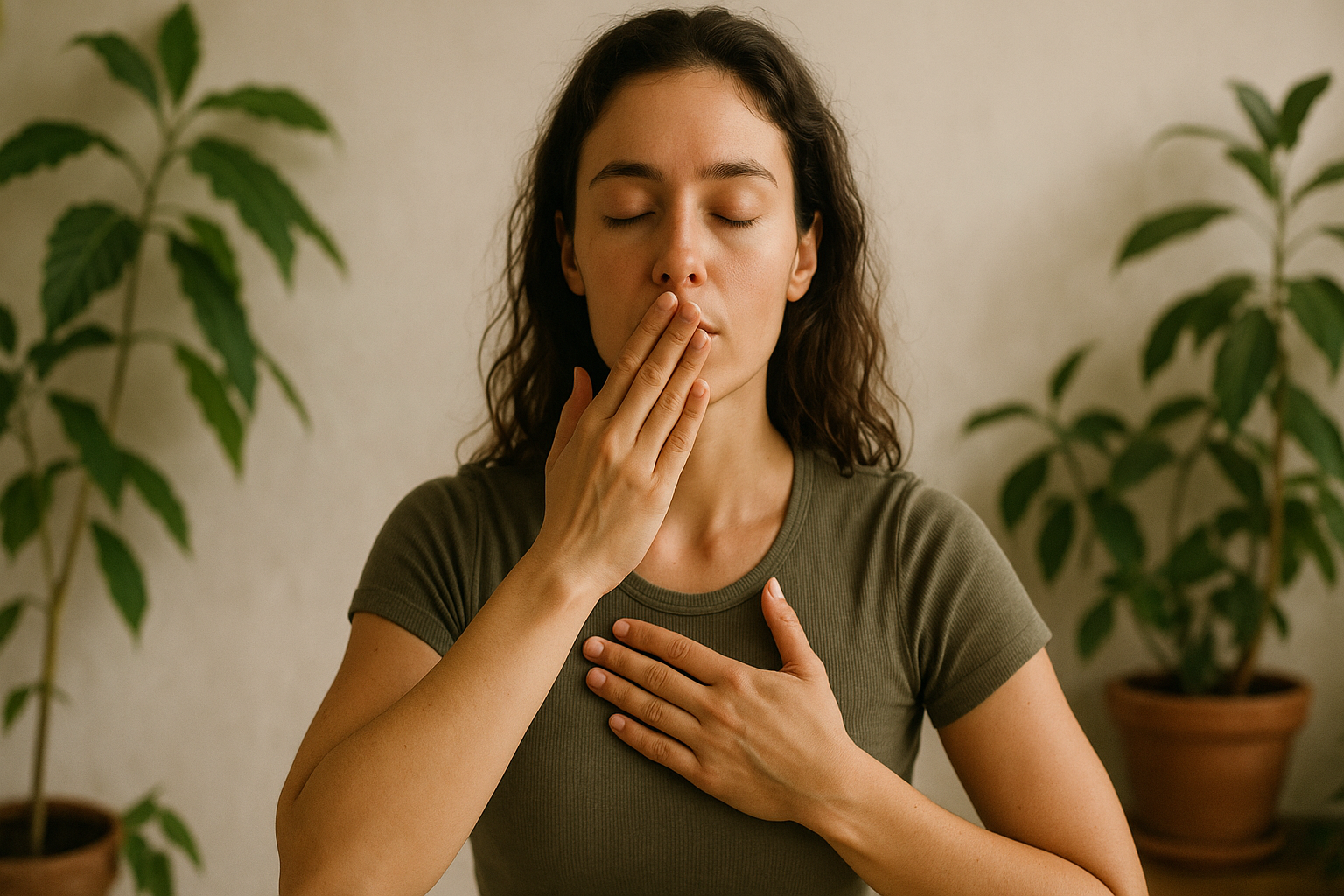
Recovery breathing is a holistic practice that focuses on enhancing respiratory function and promoting relaxation through controlled breathing techniques. This subcategory explores its definition, traditional uses, modern research, and practical applications.
What It Is
Recovery breathing is a technique that emphasizes the importance of breath control to promote relaxation, reduce stress, and aid in recovery from physical exertion or emotional distress. It involves specific patterns of inhalation and exhalation designed to optimize oxygen intake and carbon dioxide release. This practice is rooted in various traditions and has been adapted in modern wellness practices.
Key Active Compounds & Mechanisms
While recovery breathing itself does not involve specific compounds like herbal remedies, its mechanisms are based on physiological responses of the body. The primary mechanism involves the regulation of the autonomic nervous system, particularly the parasympathetic response, which helps induce a state of calmness. Controlled breathing can enhance oxygen delivery to tissues, promote better circulation, and reduce the levels of stress hormones such as cortisol.
Traditional Uses
Recovery breathing has historical roots in various cultures. In ancient practices such as yoga and Tai Chi, breath control was seen as essential for maintaining health and achieving mental clarity. Various indigenous traditions have also utilized breathwork as a tool for spiritual and physical healing, often integrating it with meditation and mindfulness practices to foster a deep connection between the mind and body.
What Modern Research Suggests
Recent studies suggest that controlled breathing techniques can be beneficial for stress reduction, anxiety management, and overall emotional well-being. Research indicates that practices such as diaphragmatic breathing and paced breathing can lead to significant improvements in heart rate variability and reductions in anxiety levels. While more extensive research is needed to fully understand the benefits, preliminary evidence supports the effectiveness of recovery breathing as a complementary approach to traditional therapeutic methods.
Functional Actions
The functional actions of recovery breathing include:
- Enhancing oxygenation of the blood
- Promoting relaxation and reducing stress
- Improving lung capacity and respiratory efficiency
- Supporting emotional regulation
- Facilitating recovery from physical exertion
Body Systems Supported
Recovery breathing primarily supports the following body systems:
- Respiratory System: Enhances lung function and oxygen exchange.
- Nervous System: Promotes parasympathetic activation, leading to a state of relaxation.
- Cardiovascular System: Improves circulation and reduces heart rate.
- Musculoskeletal System: Aids in muscle recovery and relaxation post-exercise.
Common Forms & Educational Dosing Ranges
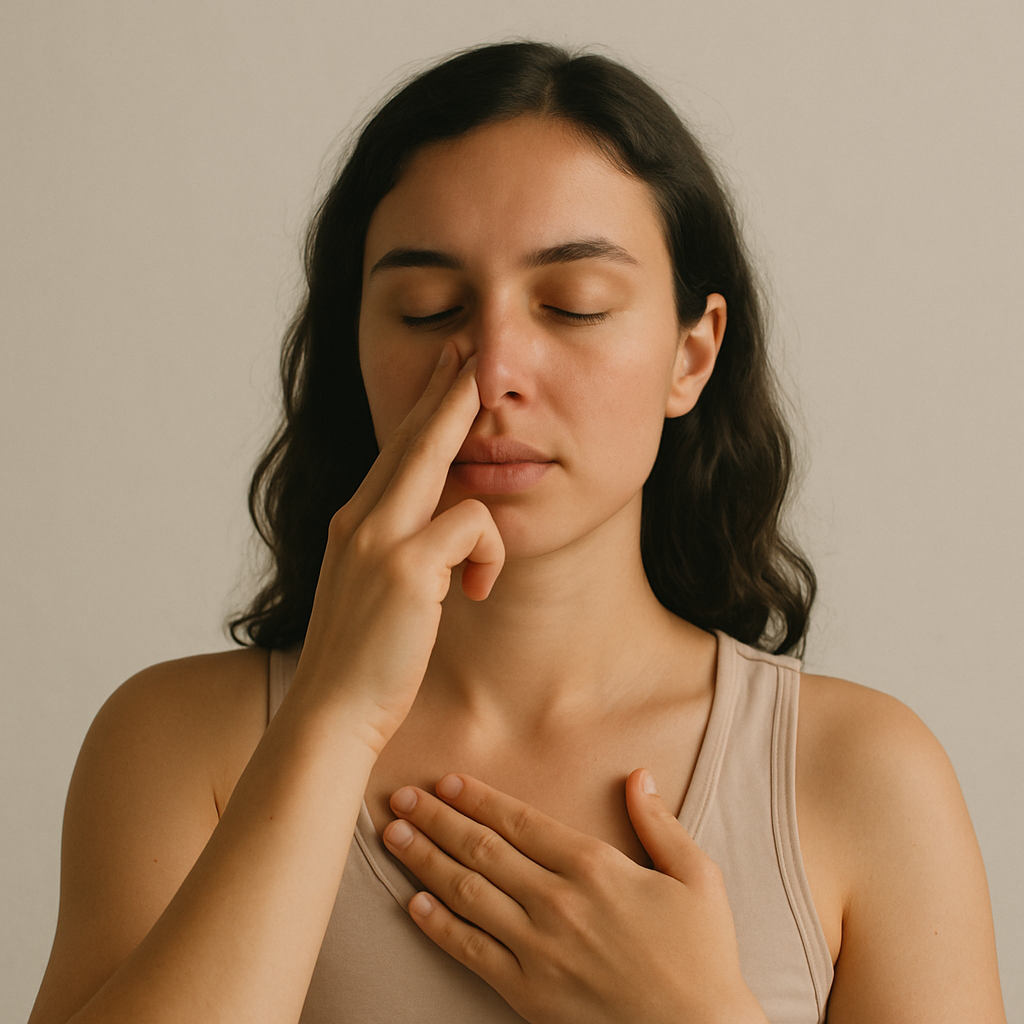
Recovery breathing can be practiced in various forms, including:
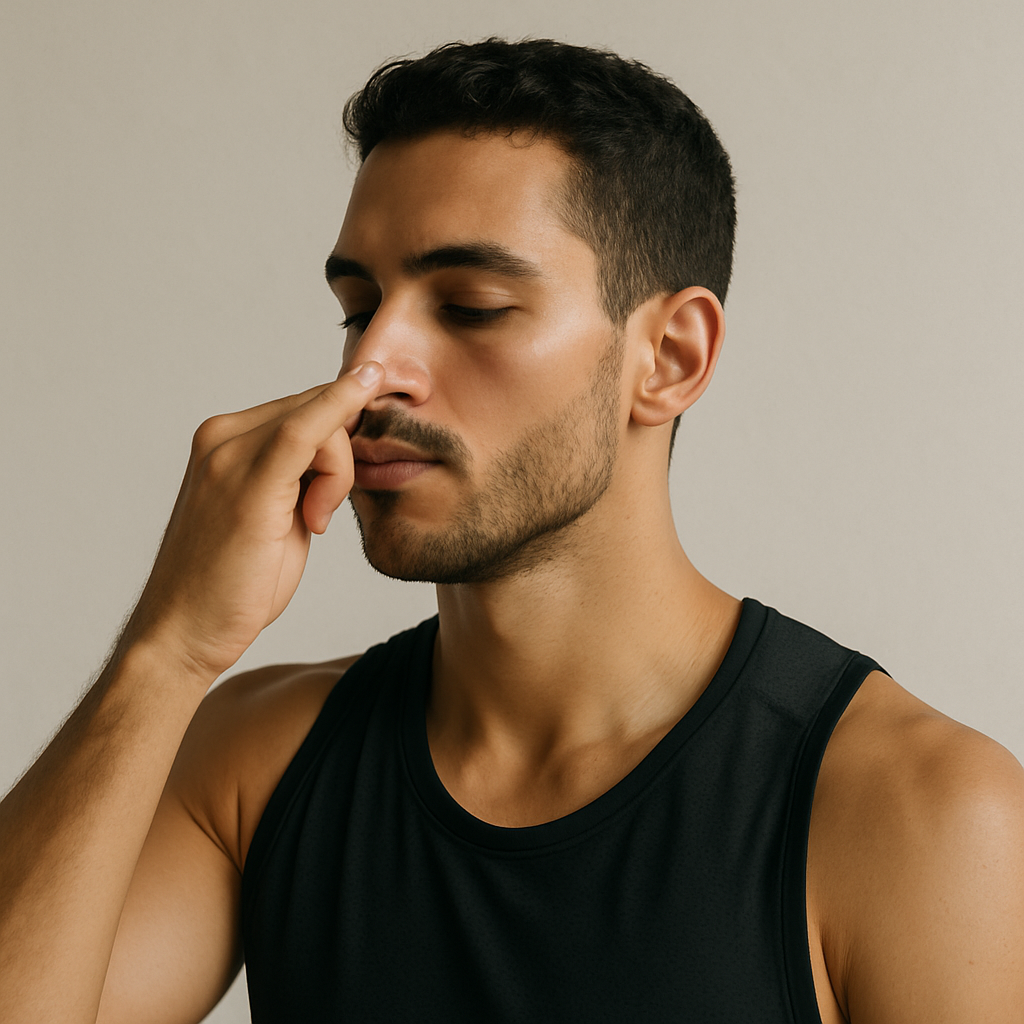
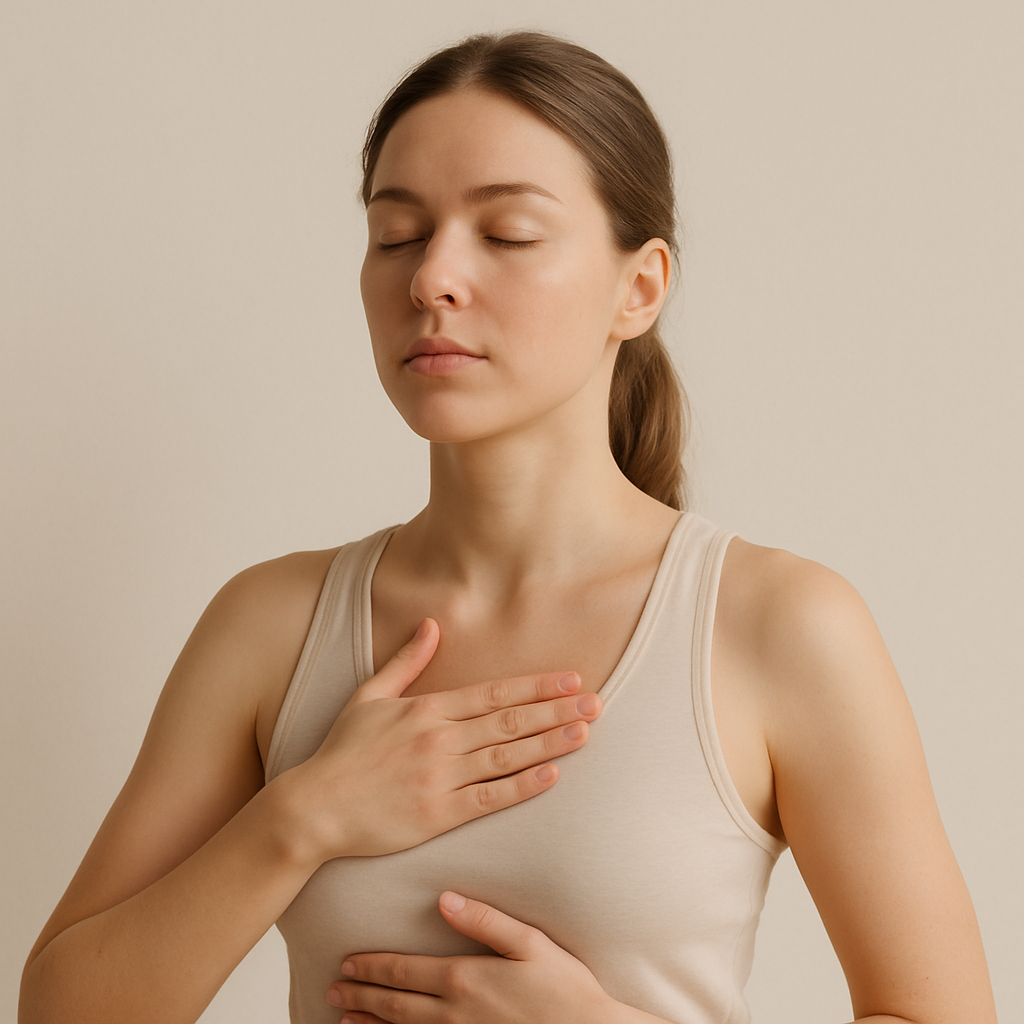
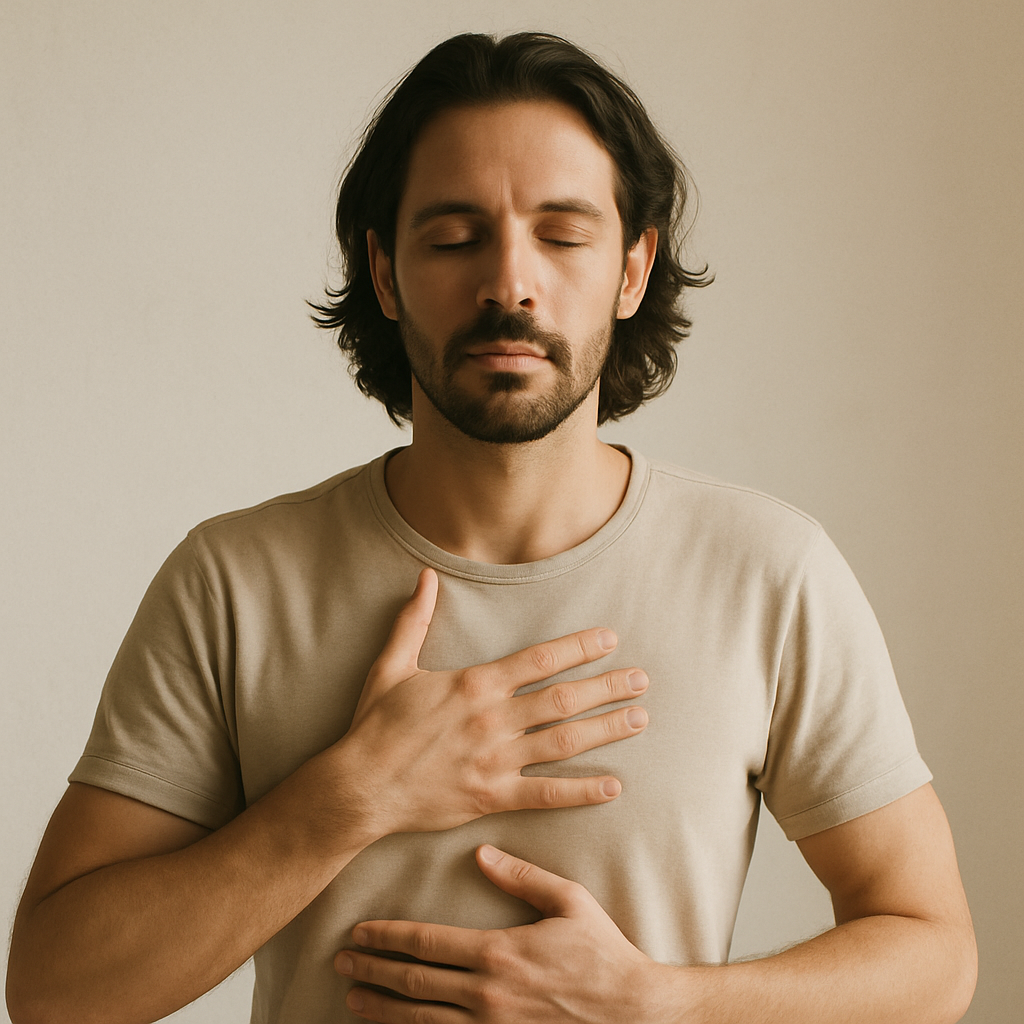
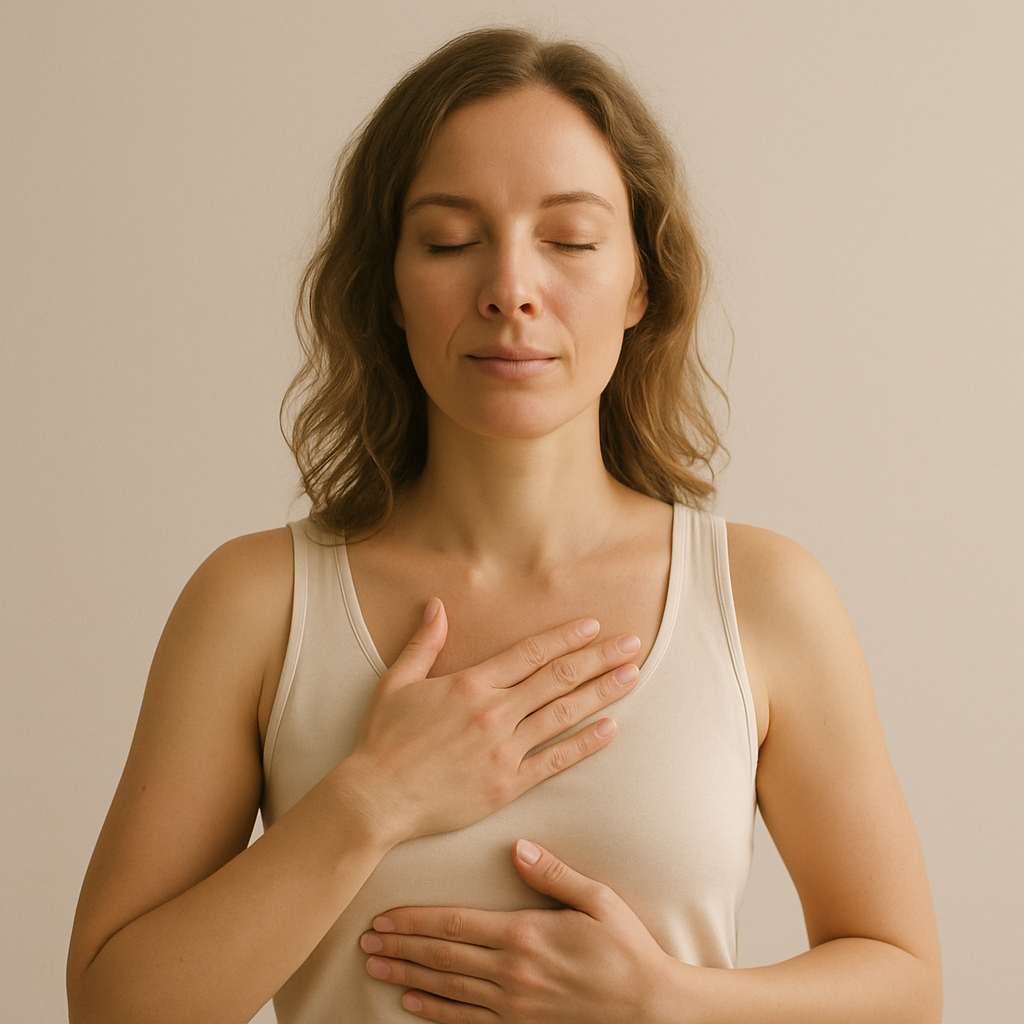
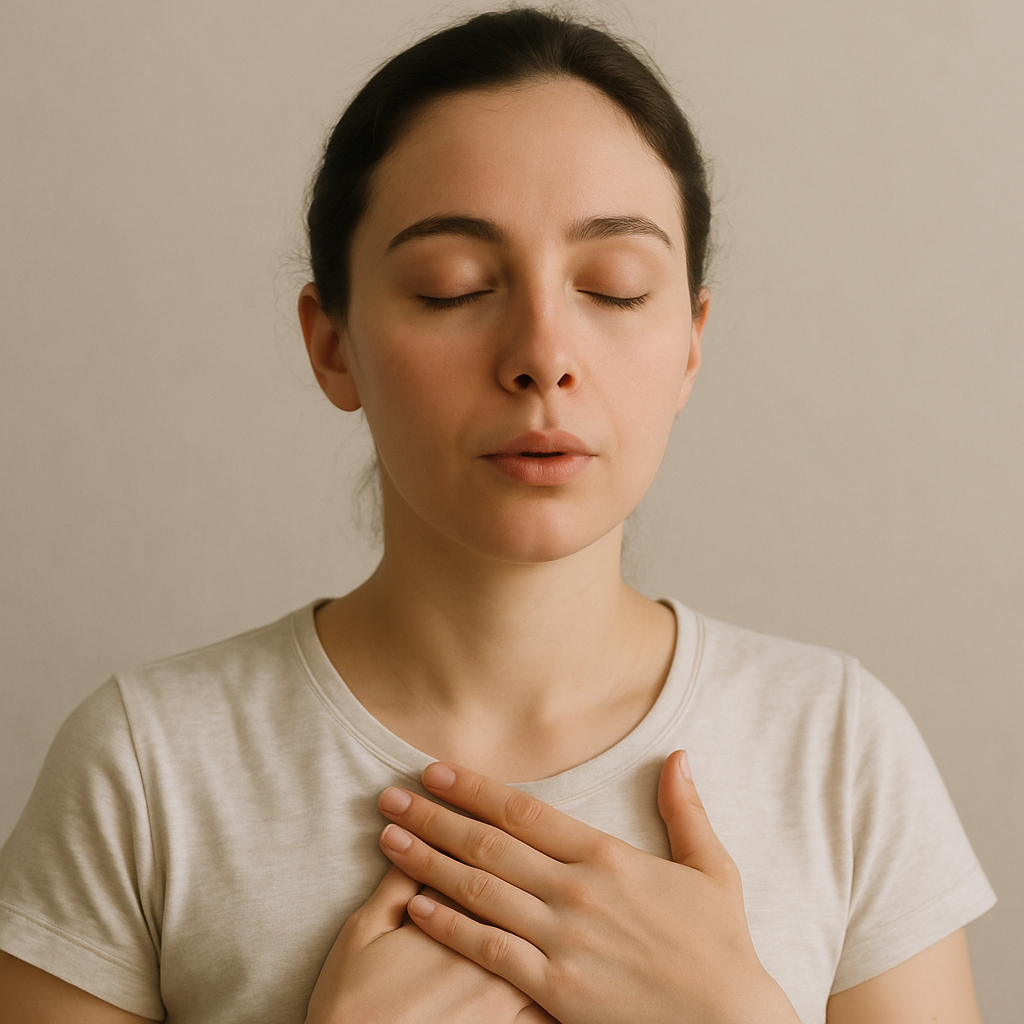
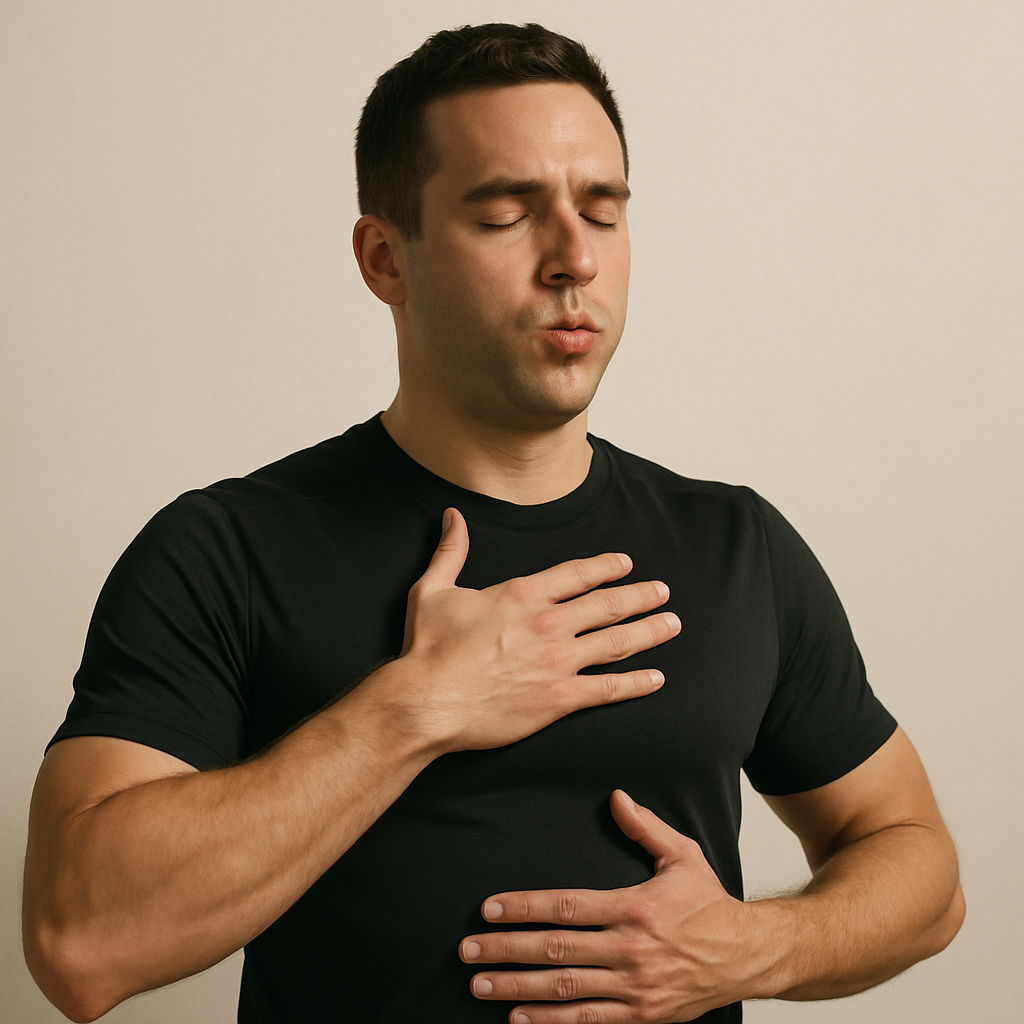
- Diaphragmatic Breathing: Inhaling deeply through the nose, allowing the abdomen to expand, then exhaling slowly through the mouth.
- Paced Breathing: Following a specific rhythm, such as inhaling for a count of four, holding for a count of four, and exhaling for a count of six.
- Box Breathing: Inhaling, holding, exhaling, and holding again for equal counts, often used in stress management.
Practitioners should aim for 5-10 minutes of practice daily, gradually increasing the duration as they become more comfortable.
Safety, Contraindications & Interactions
Recovery breathing is generally safe for most individuals; however, those with specific respiratory conditions such as asthma or COPD should consult a healthcare professional before beginning any new breathing practice. Additionally, individuals with anxiety disorders may find certain breathing techniques overwhelming; thus, starting with shorter sessions under guidance is advisable. There are no known interactions with medications, but it is always best to check with a healthcare provider.
Pairs Well With
Recovery breathing pairs well with the following practices:
- Mindfulness Meditation: Enhances focus and relaxation.
- Yoga: Integrates breath control with physical movement.
- Progressive Muscle Relaxation: Complements relaxation techniques.
- Nature Sounds or Soft Music: Creates a calming environment for practice.
FAQs (5)
- What is the best time to practice recovery breathing? Recovery breathing can be practiced at any time, but it is particularly effective after exercise, during stressful situations, or before sleep.
- How long should I practice recovery breathing each day? Aim for 5-10 minutes daily, gradually increasing the duration as you become more comfortable.
- Can recovery breathing help with anxiety? Yes, many people find that recovery breathing techniques help reduce anxiety and promote a sense of calm.
- Do I need any special equipment for recovery breathing? No special equipment is required; a quiet space and a comfortable position are sufficient.
- Is recovery breathing suitable for children? Yes, recovery breathing can be beneficial for children and can be taught in a playful manner to help them manage stress and emotions.
Frequently asked
What is the best time to practice recovery breathing?
Recovery breathing can be practiced at any time, but it is particularly effective after exercise, during stressful situations, or before sleep.
How long should I practice recovery breathing each day?
Aim for 5-10 minutes daily, gradually increasing the duration as you become more comfortable.
Can recovery breathing help with anxiety?
Yes, many people find that recovery breathing techniques help reduce anxiety and promote a sense of calm.
Do I need any special equipment for recovery breathing?
No special equipment is required; a quiet space and a comfortable position are sufficient.
Is recovery breathing suitable for children?
Yes, recovery breathing can be beneficial for children and can be taught in a playful manner to help them manage stress and emotions.