Sleep Breathing
Discover the benefits of sleep breathing as a natural remedy, its historical uses, and modern research findings.
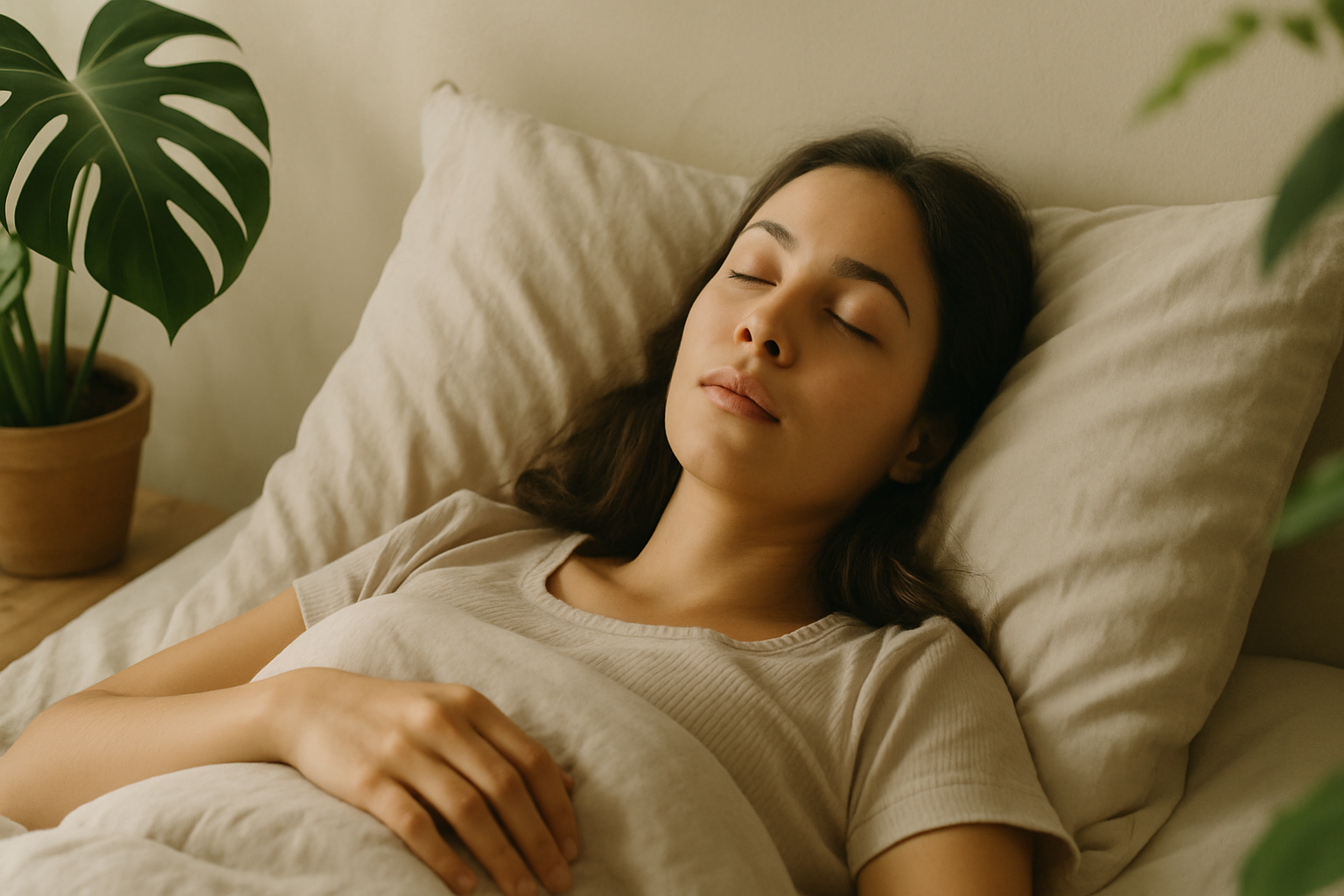
Explore the natural remedy of sleep breathing within the realm of breathwork. Understand its mechanisms, traditional uses, modern research, and practical applications.
What It Is
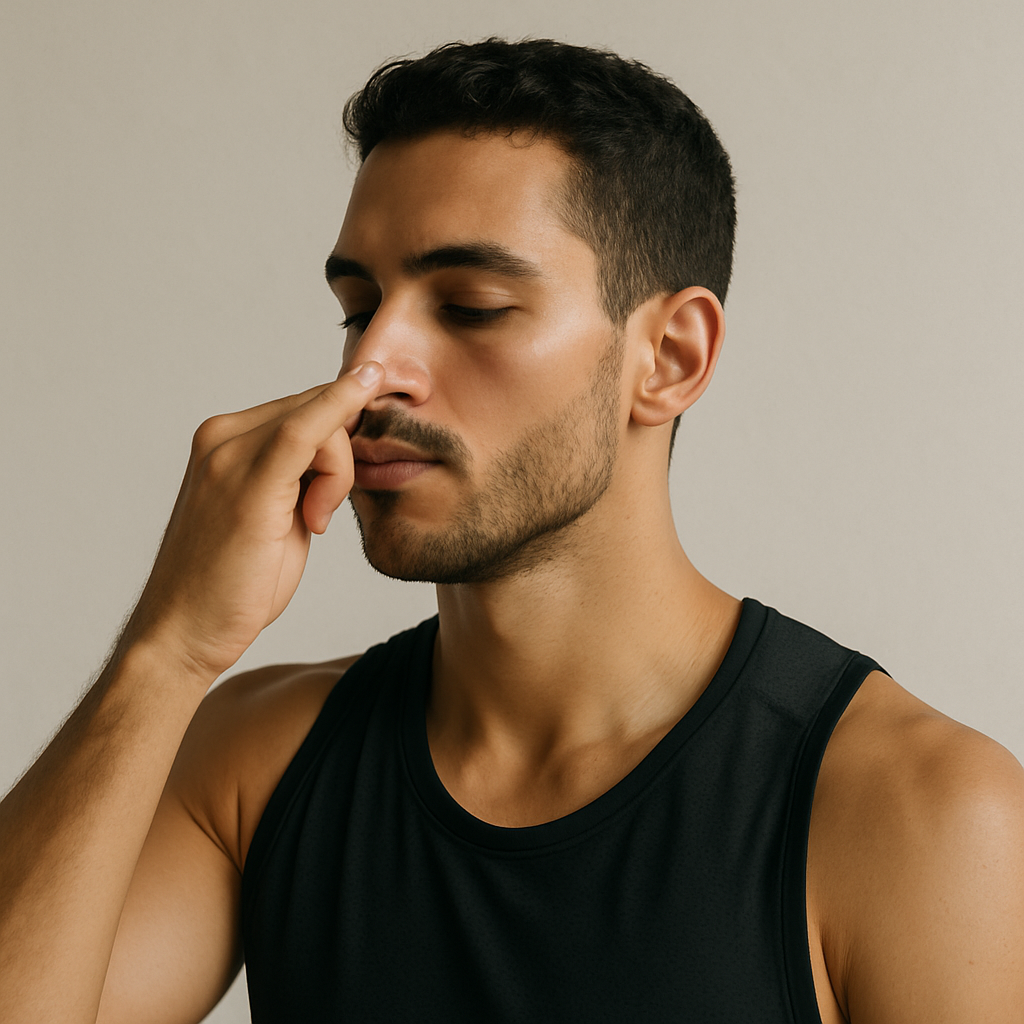
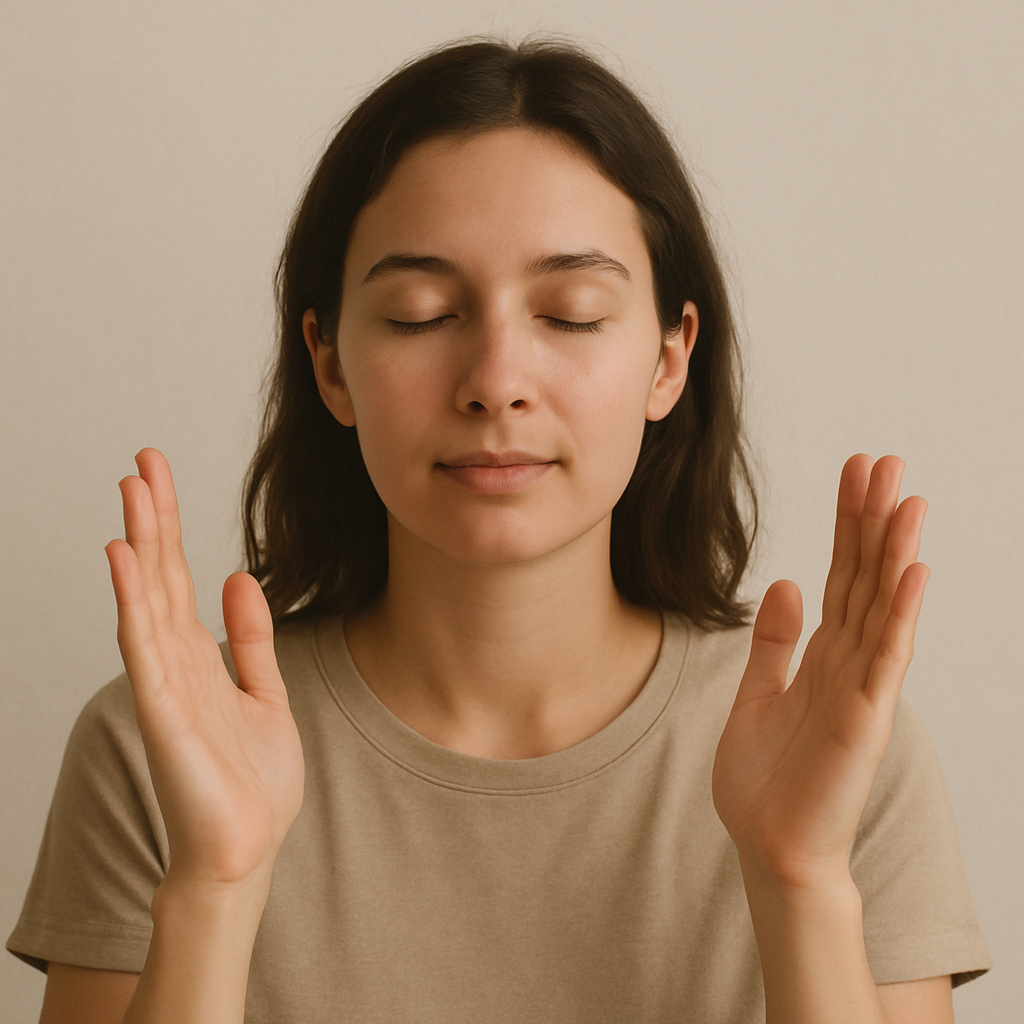
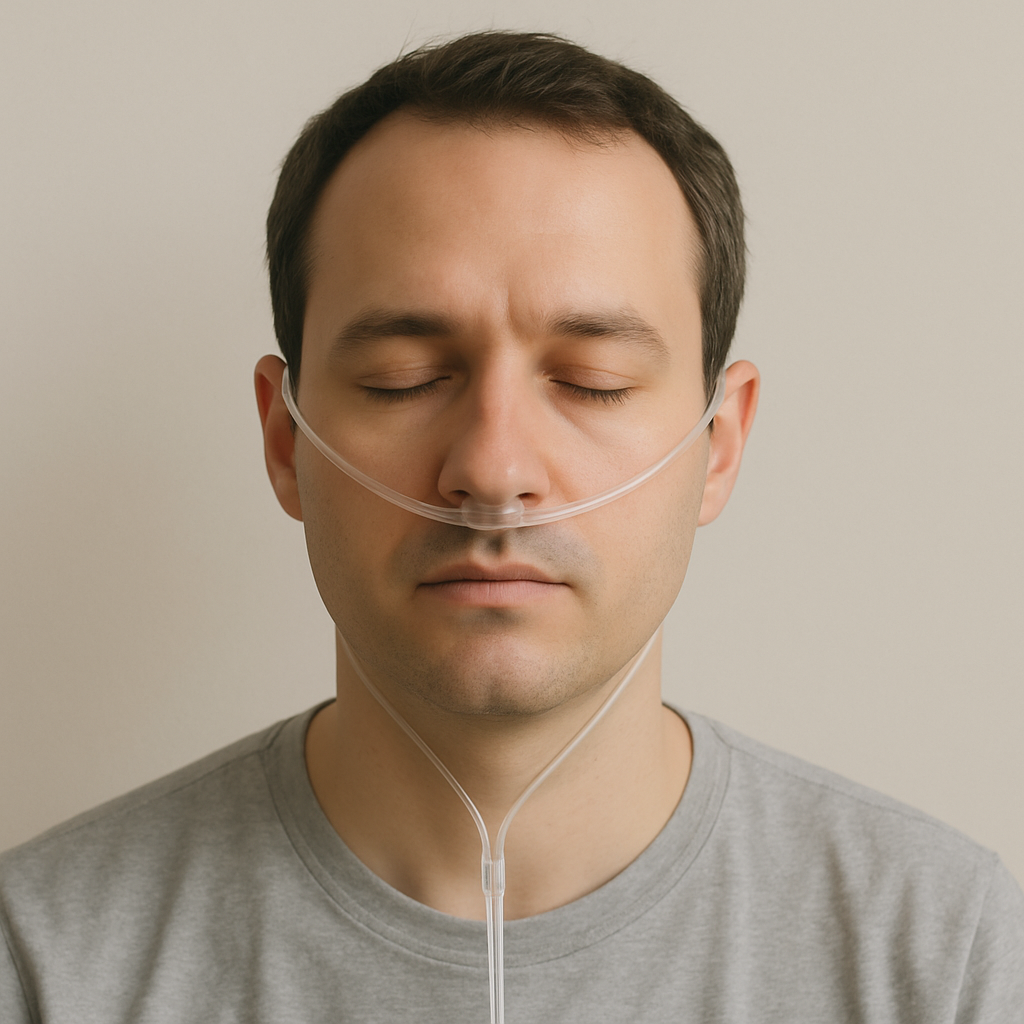
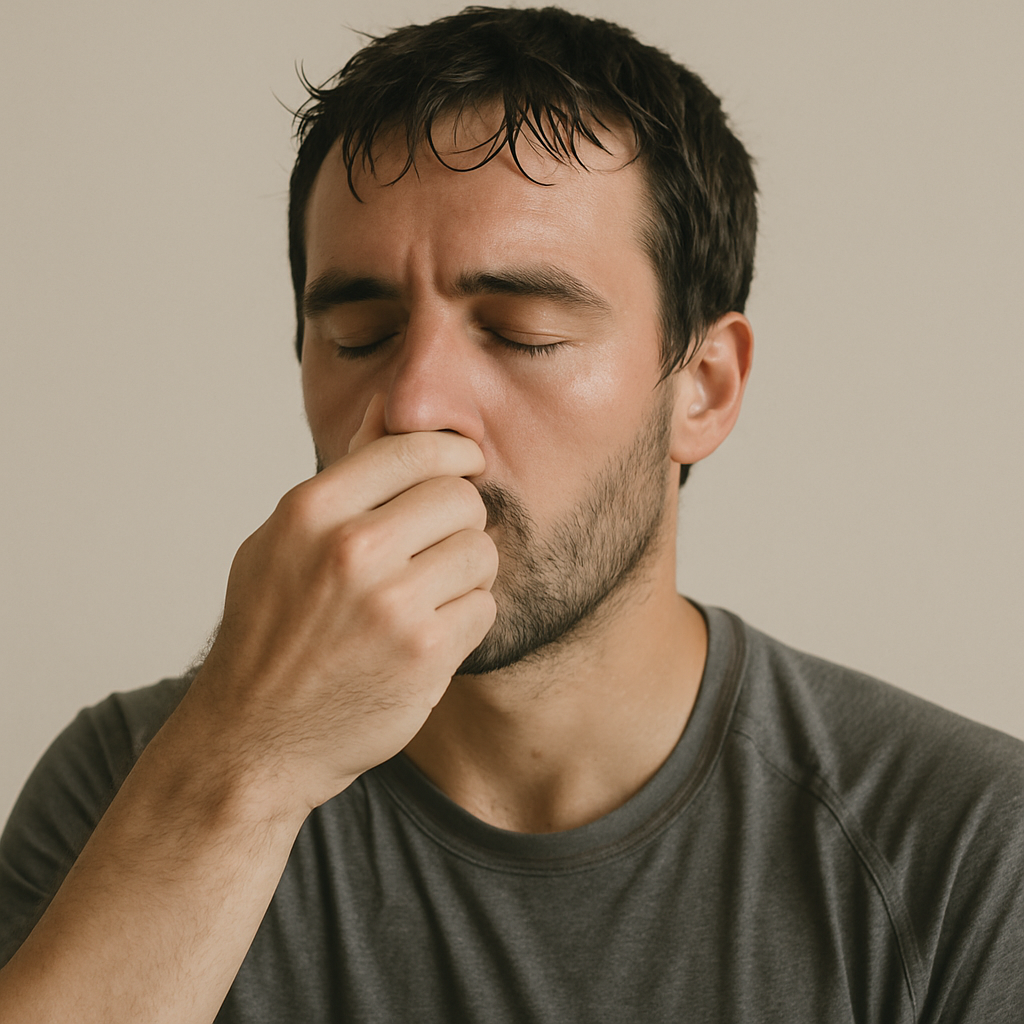
Sleep breathing is a natural remedy and practice within the broader category of breathwork that focuses on the techniques and methods to enhance the quality of sleep through controlled breathing exercises. These practices aim to promote relaxation, reduce stress, and facilitate deeper, more restorative sleep. By consciously regulating the breath, individuals can influence their physiological and psychological states, ultimately leading to improved sleep quality.
Key Active Compounds & Mechanisms
While sleep breathing itself does not involve specific compounds, the practice can enhance the body’s natural production of neurotransmitters and hormones that support sleep. Key elements include:
- Oxygen: Essential for cellular respiration and overall energy levels.
- Carbon Dioxide: Plays a role in maintaining blood pH and oxygen transport.
- Neurotransmitters: Such as serotonin and melatonin, which are influenced by breathing patterns and affect sleep regulation.
Mechanisms involved in sleep breathing include the activation of the parasympathetic nervous system, which promotes relaxation and lowers heart rate, making it easier to fall asleep.
Traditional Uses
Historically, various cultures have recognized the importance of breath in promoting health and wellness. Ancient practices such as yoga and Tai Chi incorporate breath control (pranayama and qigong, respectively) as foundational elements to enhance physical and mental well-being. In many Indigenous cultures, breath is considered the essence of life, and breathing exercises have been used as tools for meditation and healing.
What Modern Research Suggests
Recent studies have begun to explore the effectiveness of breathwork, particularly sleep breathing, in improving sleep quality. Preliminary research shows that:
- Controlled breathing techniques can reduce insomnia symptoms.
- Breathwork may help lower anxiety levels, which in turn can facilitate better sleep.
- Practices such as diaphragmatic breathing have been linked to improved relaxation and sleep onset.
While more extensive clinical trials are needed, the initial findings support the idea that breathwork can play a significant role in sleep health.
Functional Actions
Sleep breathing can have several beneficial actions, including:
- Promoting relaxation and reducing stress levels.
- Enhancing oxygenation and circulation.
- Facilitating deeper sleep stages.
- Regulating the body’s stress response through breathing techniques.
Body Systems Supported
Sleep breathing primarily supports the following body systems:
- Nervous System: Enhances relaxation and reduces anxiety.
- Respiratory System: Improves lung function and oxygen exchange.
- Circulatory System: Supports healthy blood flow and heart function.
Common Forms & Educational Dosing Ranges
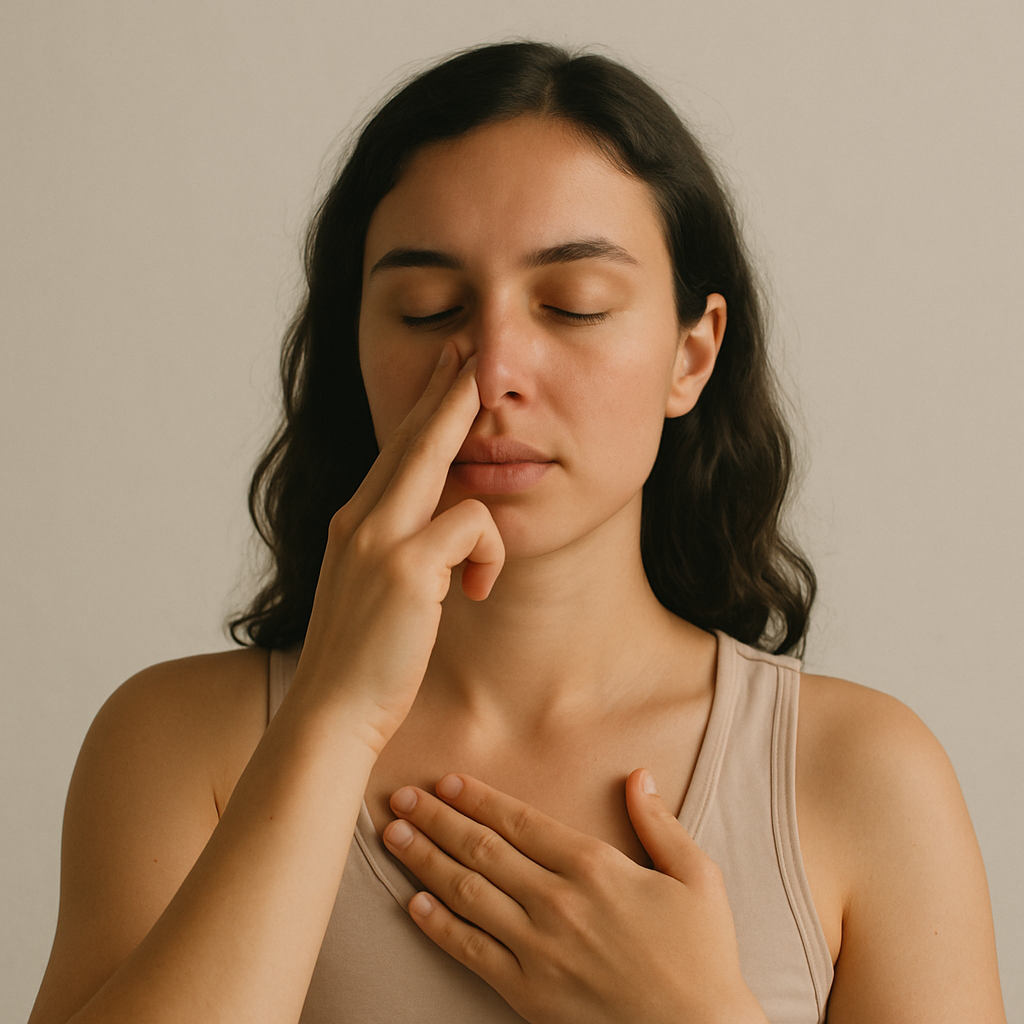
Sleep breathing can be practiced in various forms, with no specific dosing ranges as it is more about technique than dosage. Some common forms include:
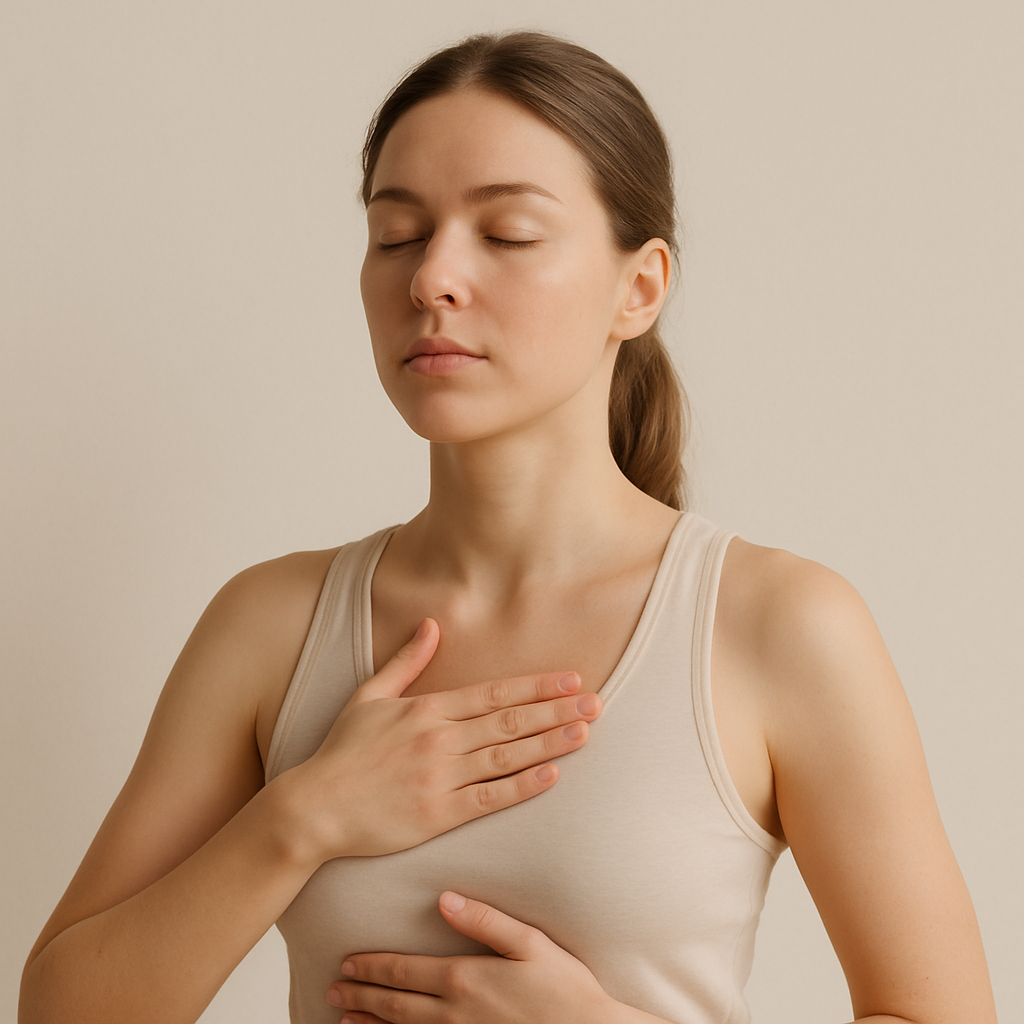
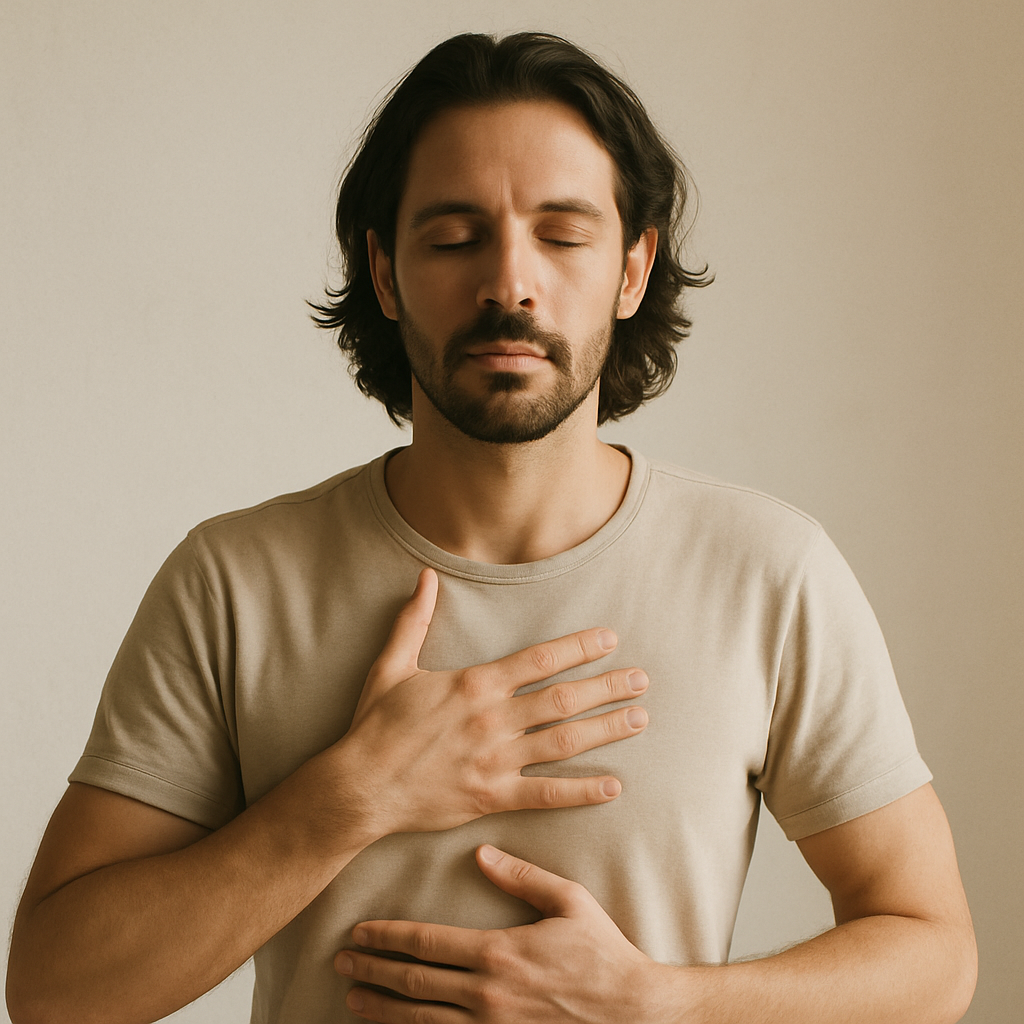
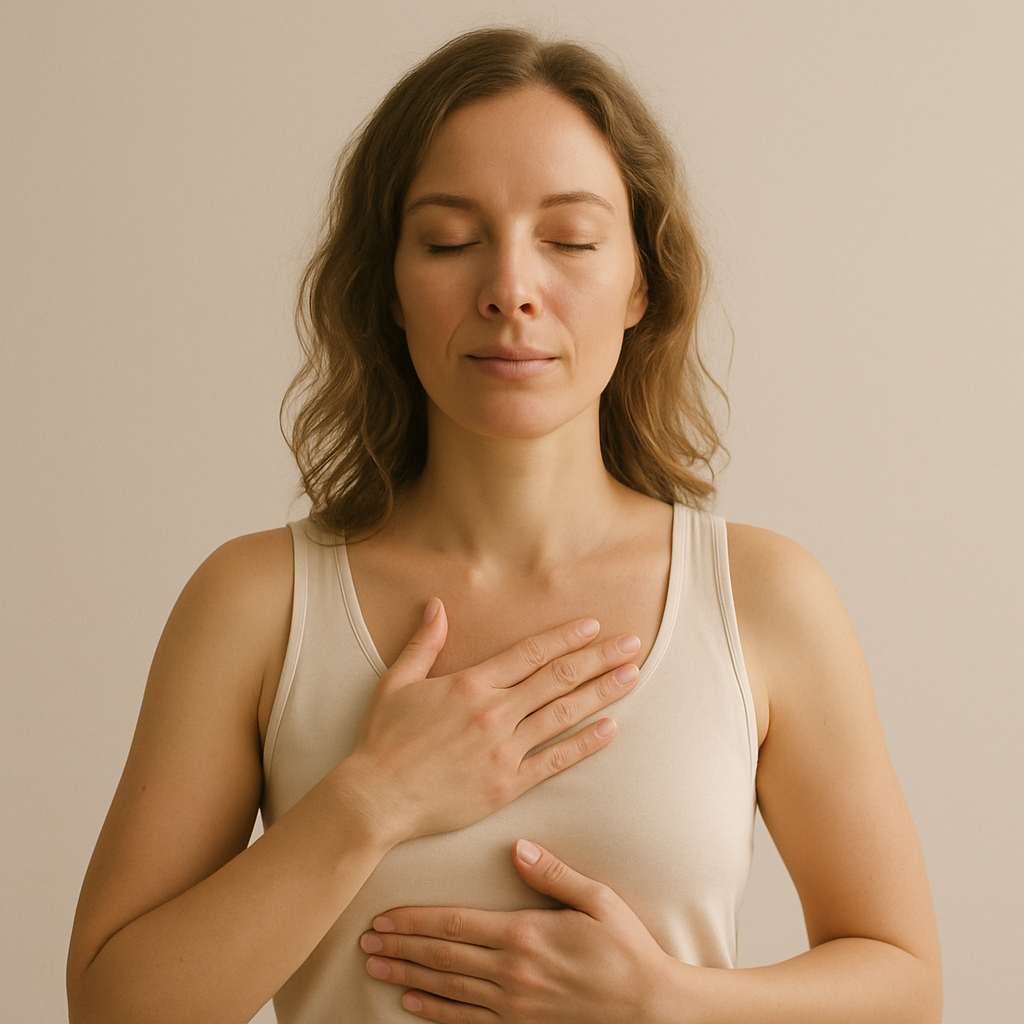
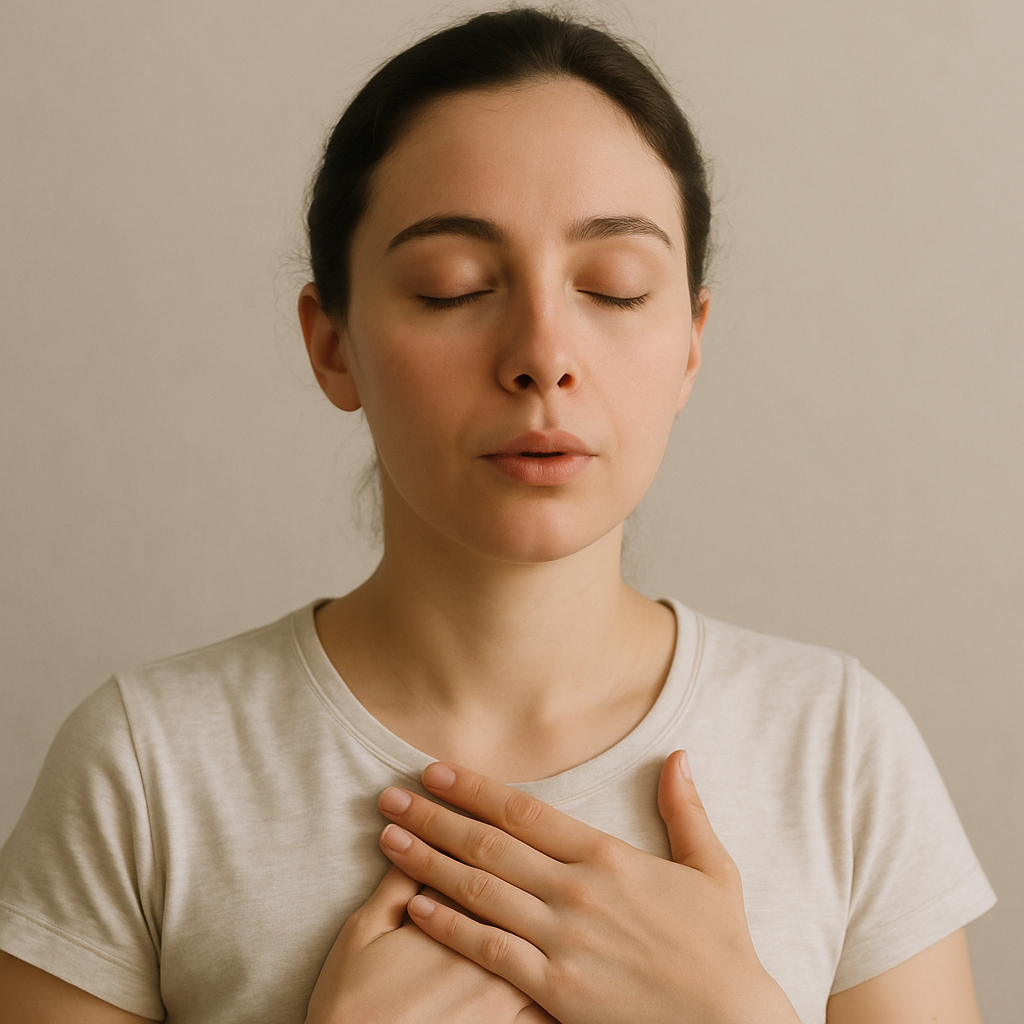
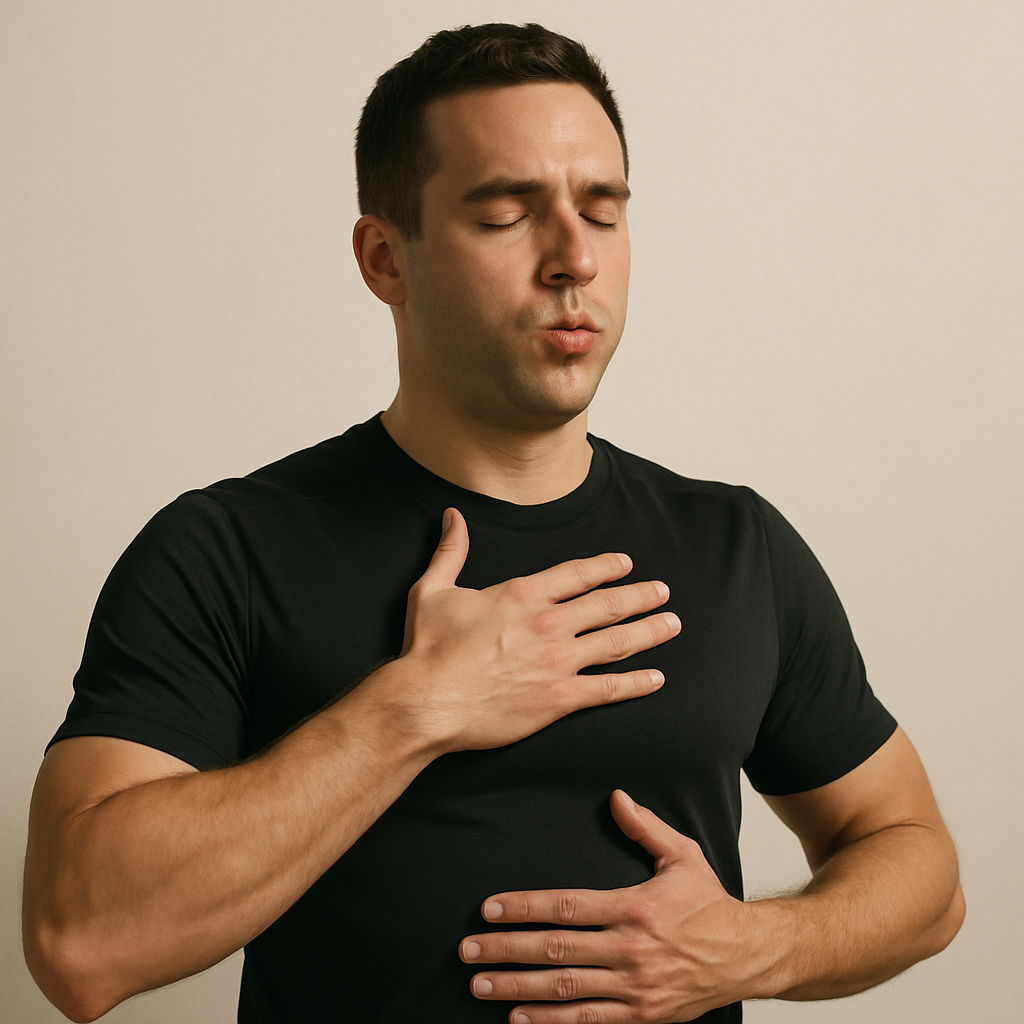
- Diaphragmatic Breathing: Inhale deeply through the nose, allowing the abdomen to expand, and exhale slowly through the mouth.
- 4-7-8 Breathing: Inhale for 4 seconds, hold for 7 seconds, and exhale for 8 seconds.
- Box Breathing: Inhale for 4 seconds, hold for 4 seconds, exhale for 4 seconds, and hold for 4 seconds.
Safety, Contraindications & Interactions
Sleep breathing is generally safe for most individuals. However, those with specific respiratory conditions (e.g., asthma, COPD) should consult a healthcare professional before starting any new breathing techniques. Additionally, individuals on sedative medications or those with cardiovascular issues should exercise caution and seek guidance.
Pairs Well With
To enhance the benefits of sleep breathing, consider pairing it with:
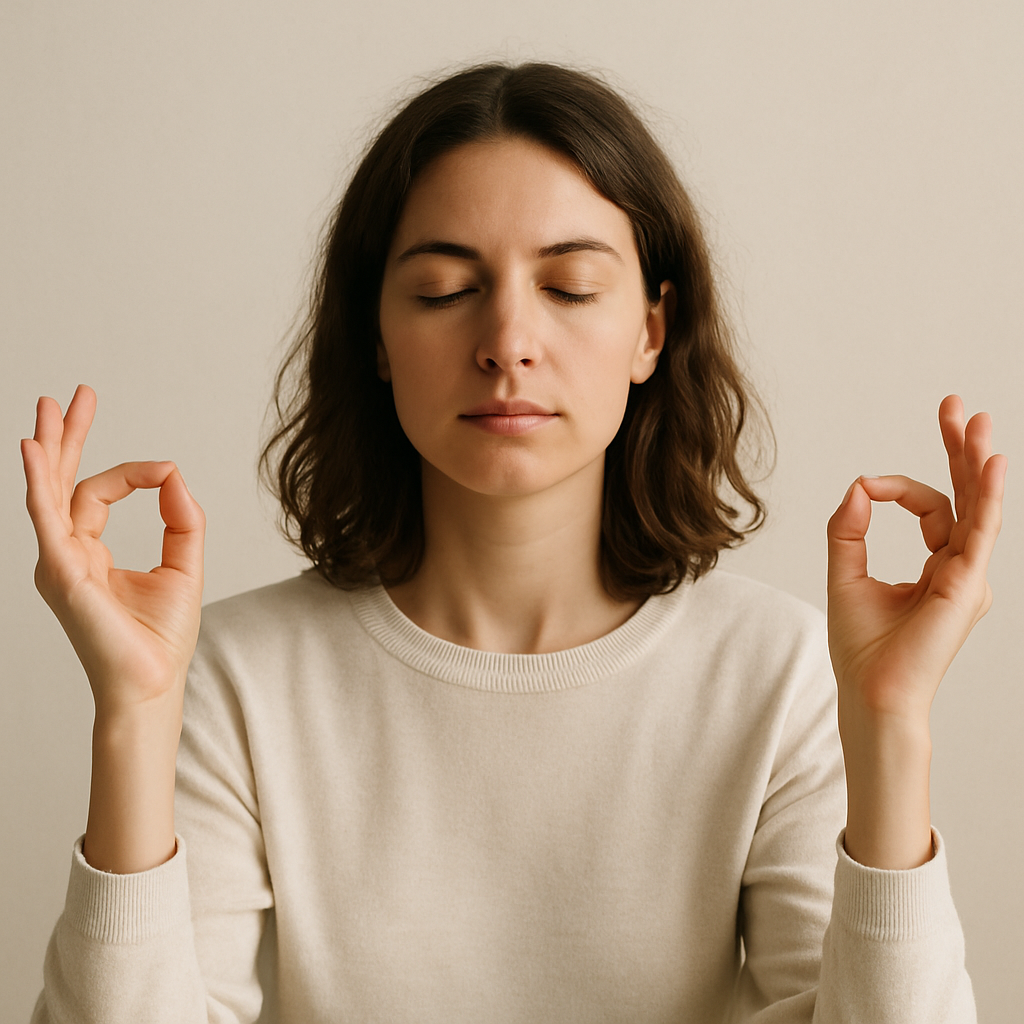
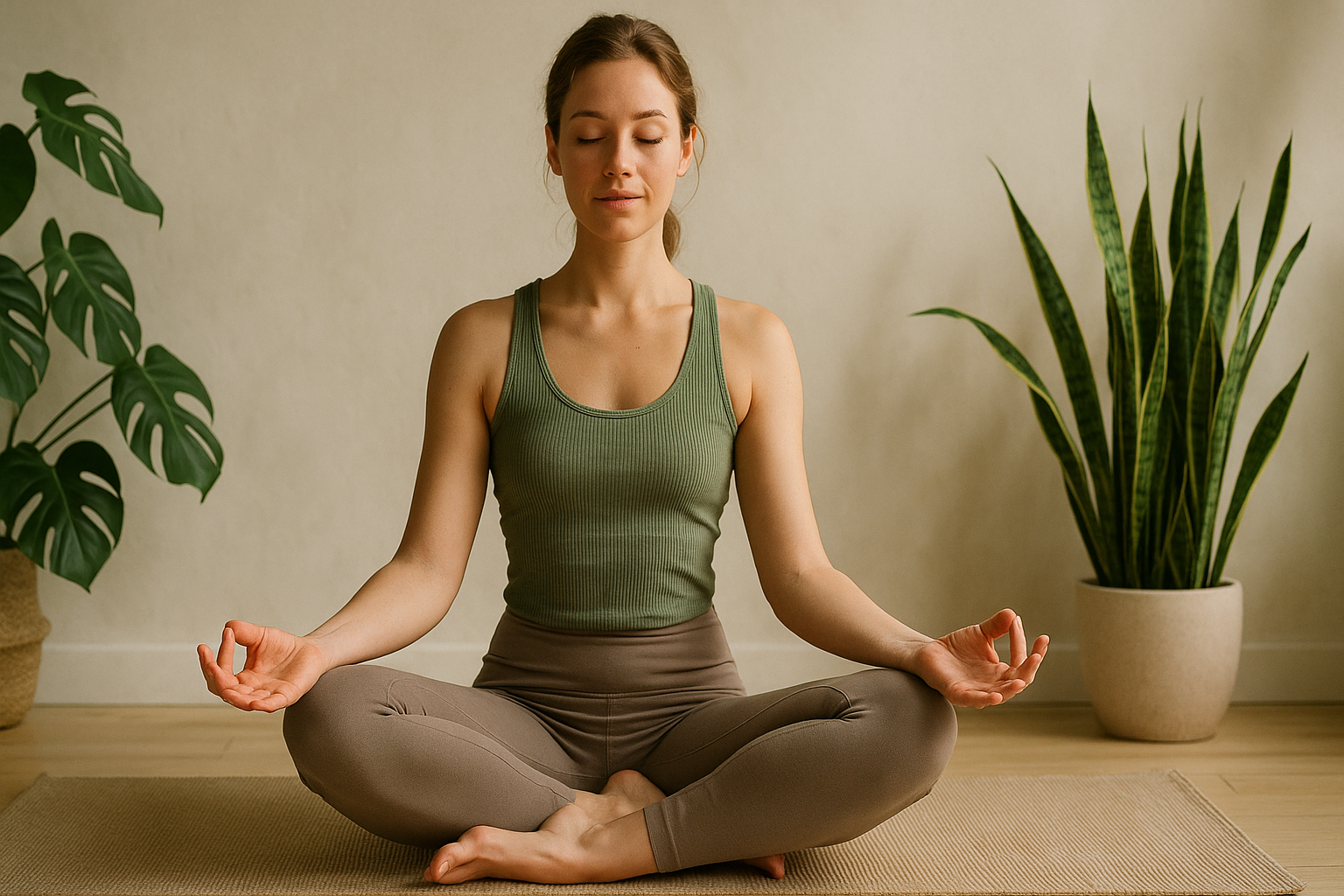
- Meditation: To further promote relaxation.
- Aromatherapy: Using calming essential oils like lavender or chamomile.
- Gentle Yoga: To prepare the body for sleep.
FAQs (5)
- What is the best time to practice sleep breathing?
The best time to practice sleep breathing is before bedtime, as it helps to relax the mind and body, making it easier to fall asleep.
- Can sleep breathing help with insomnia?
Yes, many individuals find that sleep breathing techniques can help reduce insomnia symptoms by promoting relaxation and calming the mind.
- How long should I practice sleep breathing?
Practicing sleep breathing for 10-15 minutes each night can be beneficial, but individuals can adjust the duration based on personal comfort.
- Is sleep breathing suitable for children?
Yes, sleep breathing techniques can be taught to children, especially if they struggle with anxiety or sleep issues.
- Can I combine sleep breathing with other relaxation techniques?
Absolutely! Sleep breathing can be effectively paired with other relaxation techniques such as meditation, gentle stretching, or soothing music.
Frequently asked
What is the best time to practice sleep breathing?
The best time to practice sleep breathing is before bedtime, as it helps to relax the mind and body, making it easier to fall asleep.
Can sleep breathing help with insomnia?
Yes, many individuals find that sleep breathing techniques can help reduce insomnia symptoms by promoting relaxation and calming the mind.
How long should I practice sleep breathing?
Practicing sleep breathing for 10-15 minutes each night can be beneficial, but individuals can adjust the duration based on personal comfort.
Is sleep breathing suitable for children?
Yes, sleep breathing techniques can be taught to children, especially if they struggle with anxiety or sleep issues.
Can I combine sleep breathing with other relaxation techniques?
Absolutely! Sleep breathing can be effectively paired with other relaxation techniques such as meditation, gentle stretching, or soothing music.