Detox Breathing
Detox breathing is a natural remedy aimed at enhancing physical and emotional well-being through intentional breathwork. Discover its benefits, traditional uses, and how to incorporate it into your daily routine.
Explore the concept of detox breathing, its historical roots, modern applications, and how it supports various body systems through natural breathwork techniques.
What It Is
Detox breathing refers to a series of intentional breathwork techniques designed to enhance the body's natural detoxification processes. This practice focuses on deep, controlled breathing that can help release toxins from the body, reduce stress, and promote overall well-being. By incorporating specific breathing patterns, individuals may experience improved lung capacity, increased oxygen flow, and enhanced mental clarity.
Key Active Compounds & Mechanisms
While detox breathing itself does not contain active compounds like herbal remedies do, it can be understood through the mechanisms of how our body utilizes oxygen and carbon dioxide during respiration. The primary mechanism involves:
- Oxygen Utilization: Deep breathing increases oxygen uptake, which is essential for cellular metabolism and energy production.
- Carbon Dioxide Release: Effective breathing techniques help expel carbon dioxide, a metabolic waste product, from the body, thus supporting detoxification.
Traditional Uses
Historically, various cultures have recognized the importance of breath in physical and spiritual health:
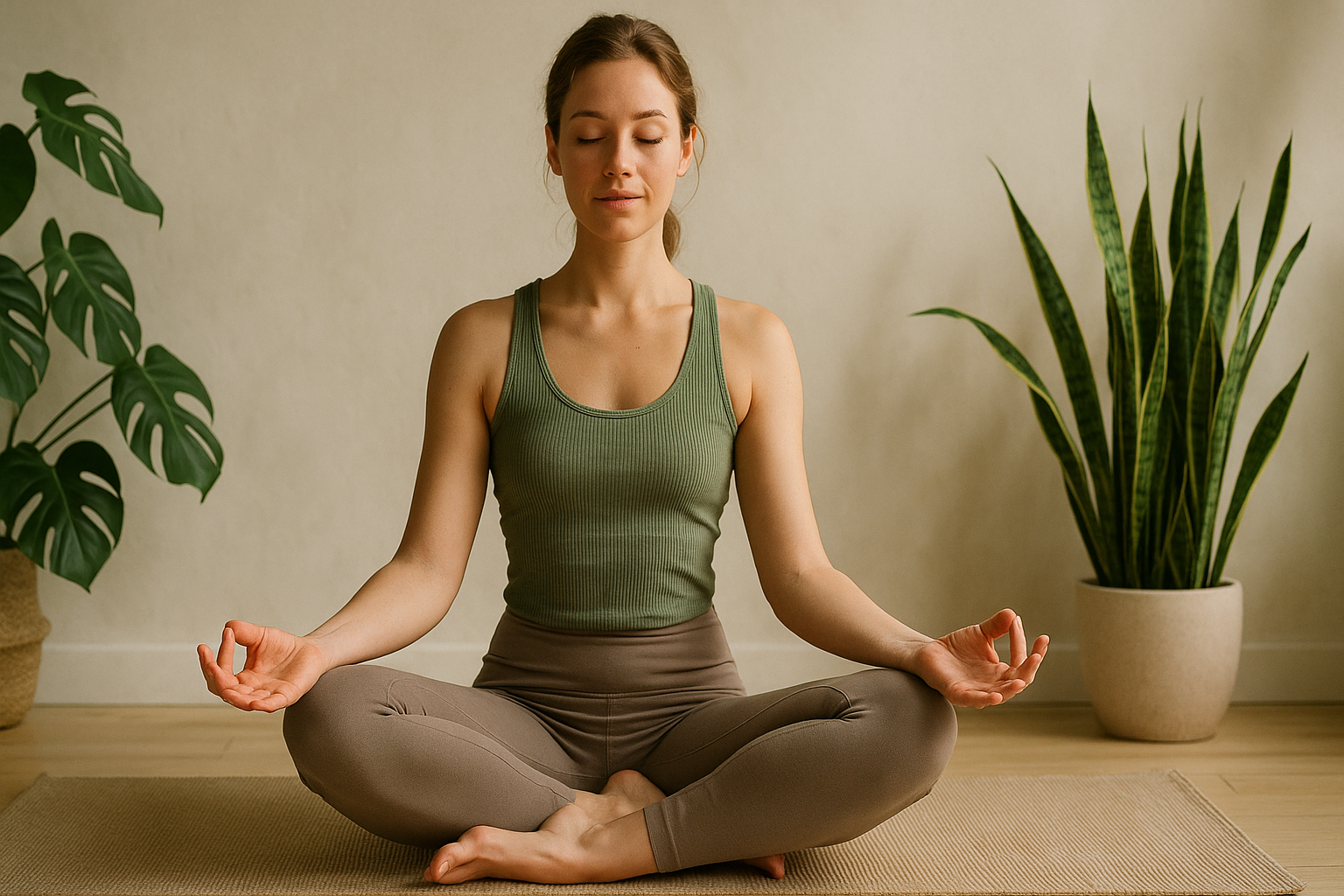
- Yoga: Ancient Indian practices have emphasized breath control (Pranayama) as a means to enhance physical health and spiritual growth.
- Tai Chi: In Chinese traditions, breath is integrated with movement to promote energy flow (Qi) and overall wellness.
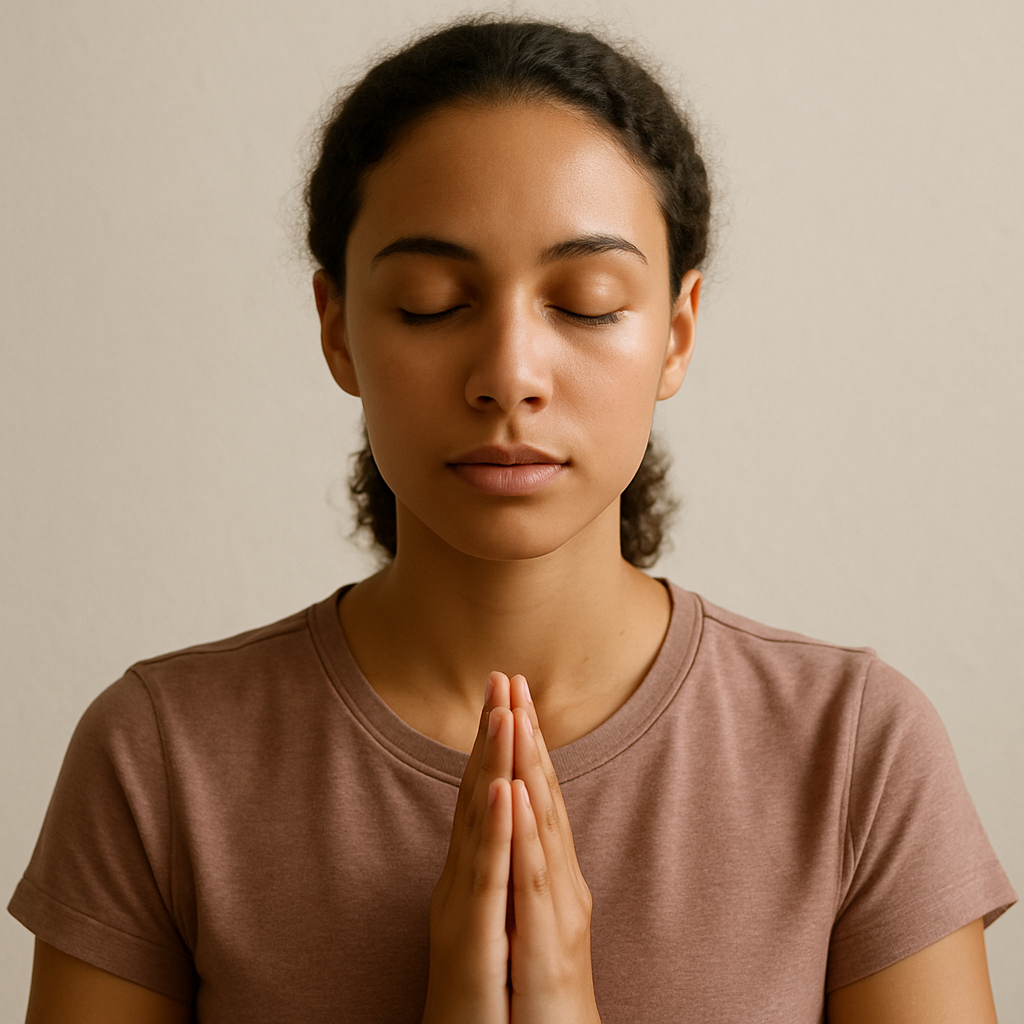
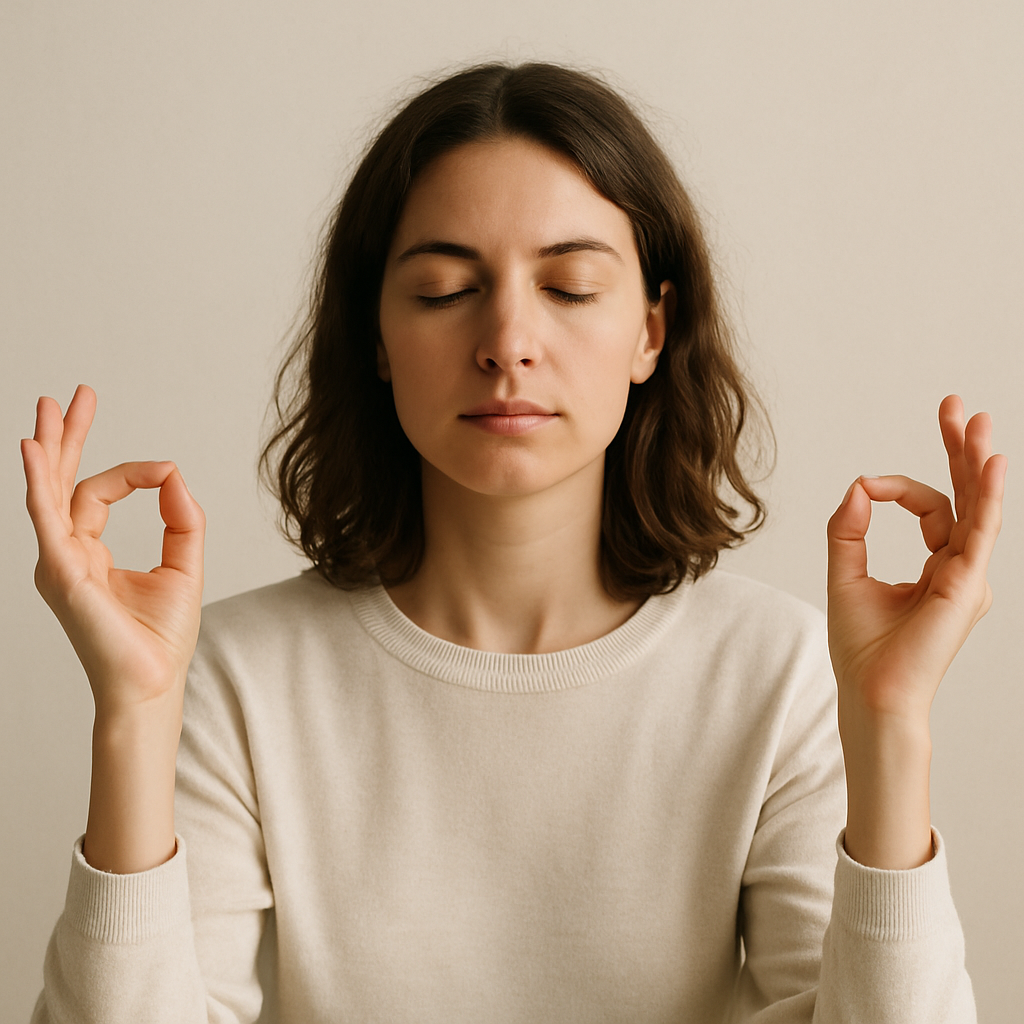
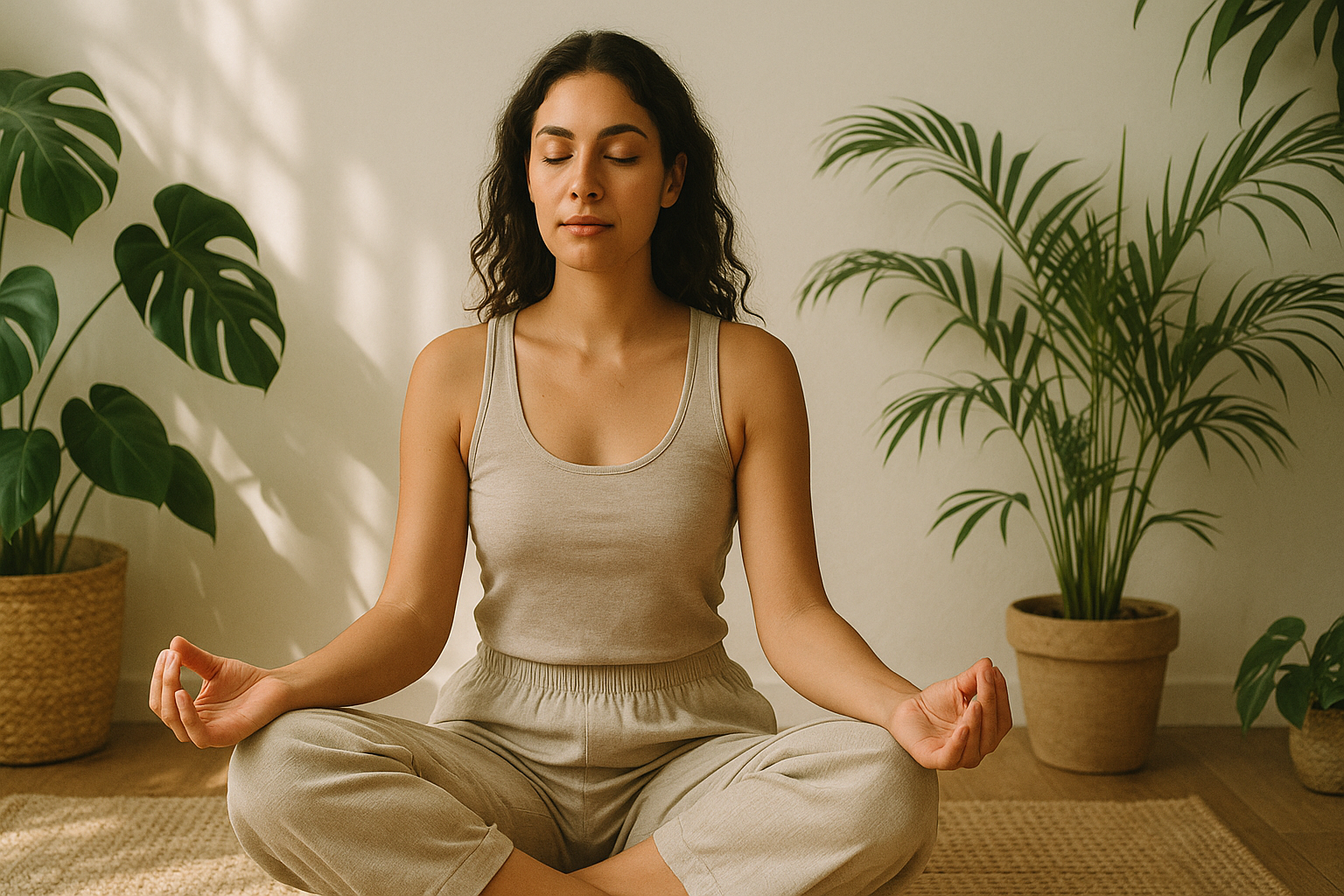
- Meditation: Many meditation techniques focus on breath awareness as a way to achieve mental clarity and emotional balance.
What Modern Research Suggests
Recent studies have begun to explore the benefits of breathwork on health and wellness. Some preliminary findings suggest:
- Breathwork may reduce stress and anxiety levels.
- It can improve lung function and respiratory health.
- Participants often report enhanced emotional regulation and mental clarity.
However, more rigorous clinical trials are necessary to fully understand the extent of these benefits.
Functional Actions
The practice of detox breathing is associated with several functional actions:
- Stress Reduction: Calm breathing techniques can activate the parasympathetic nervous system, promoting relaxation.
- Improved Circulation: Enhanced oxygenation supports better blood flow and nutrient delivery throughout the body.
- Enhanced Detoxification: By promoting deeper breathing, toxins can be more effectively expelled from the body.
Body Systems Supported
Detox breathing primarily supports the following body systems:
- Respiratory System: Enhances lung function and reduces respiratory issues.
- Nervous System: Alleviates stress, promoting mental clarity and emotional stability.
- Circulatory System: Improves oxygen delivery and nutrient absorption.
Common Forms & Educational Dosing Ranges
Detox breathing can be practiced in various forms, typically involving structured sessions:
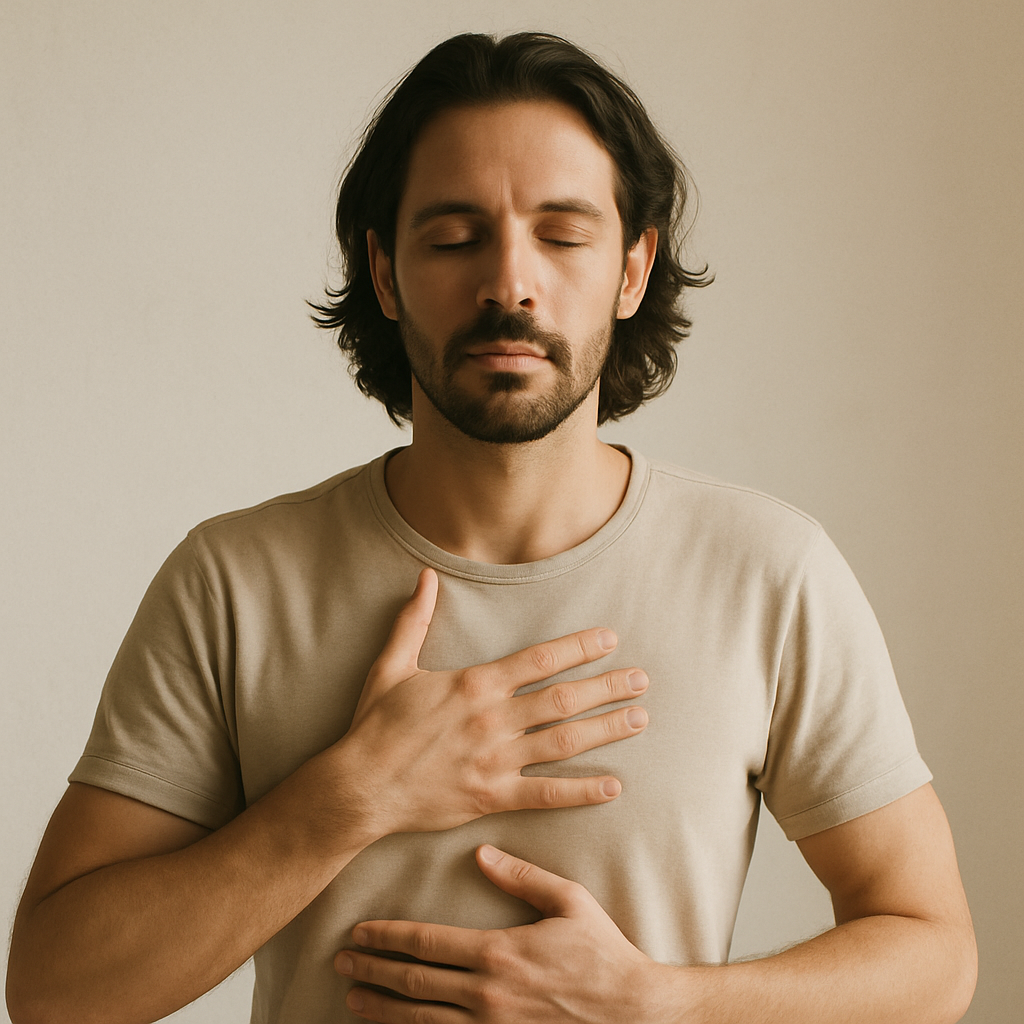
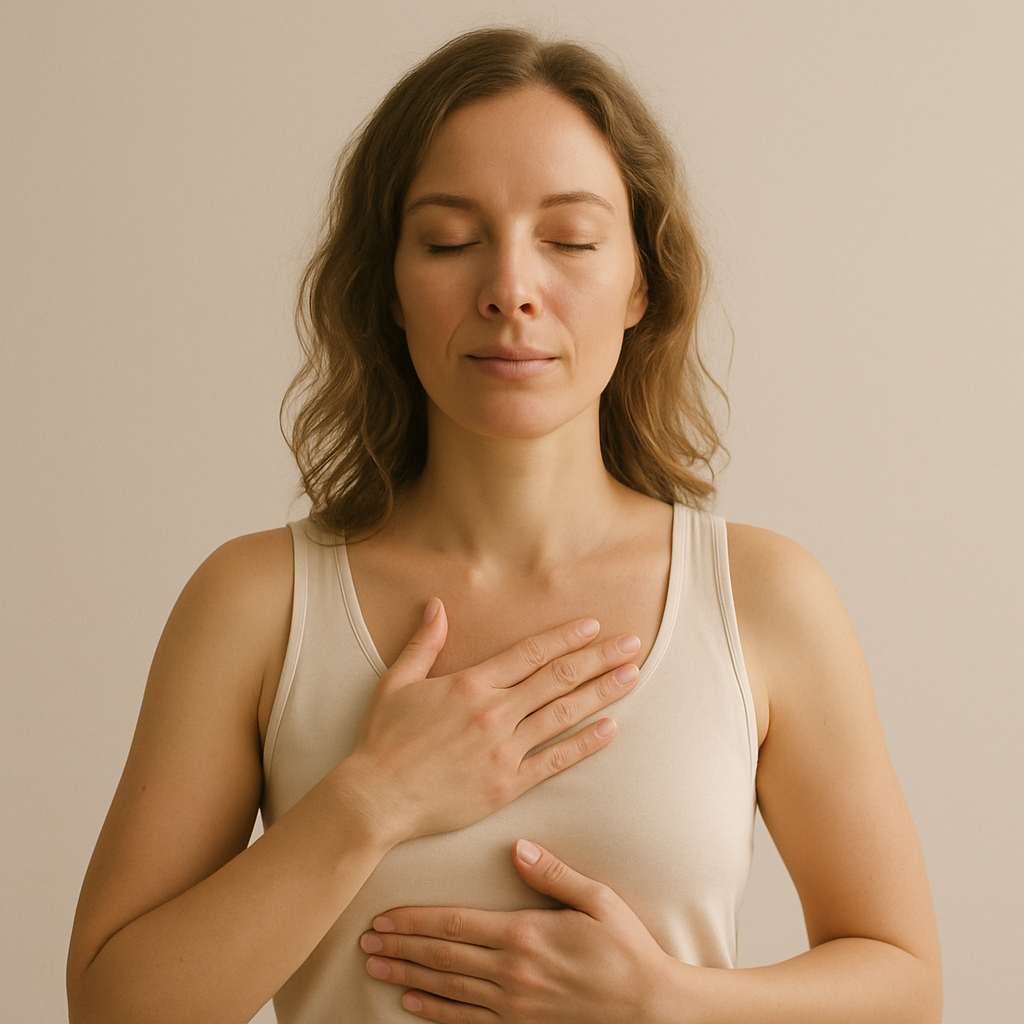
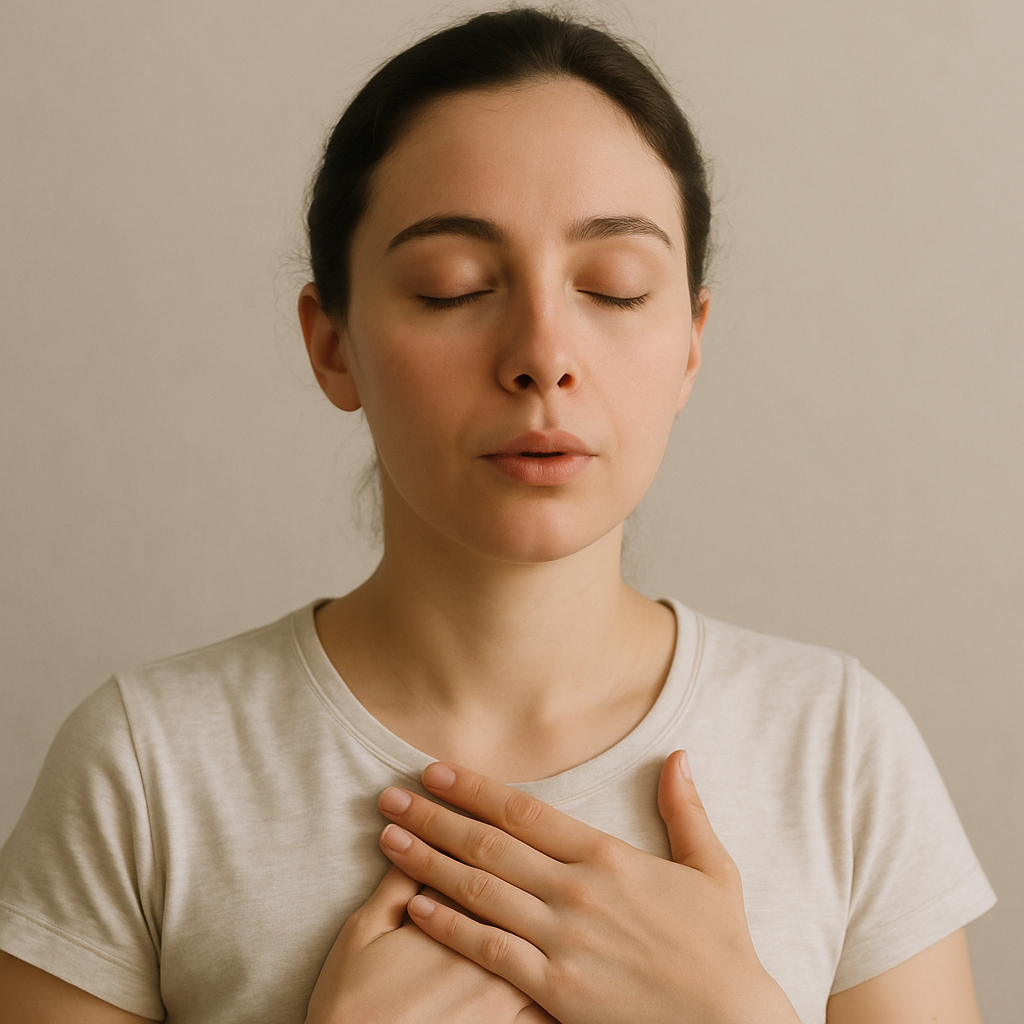
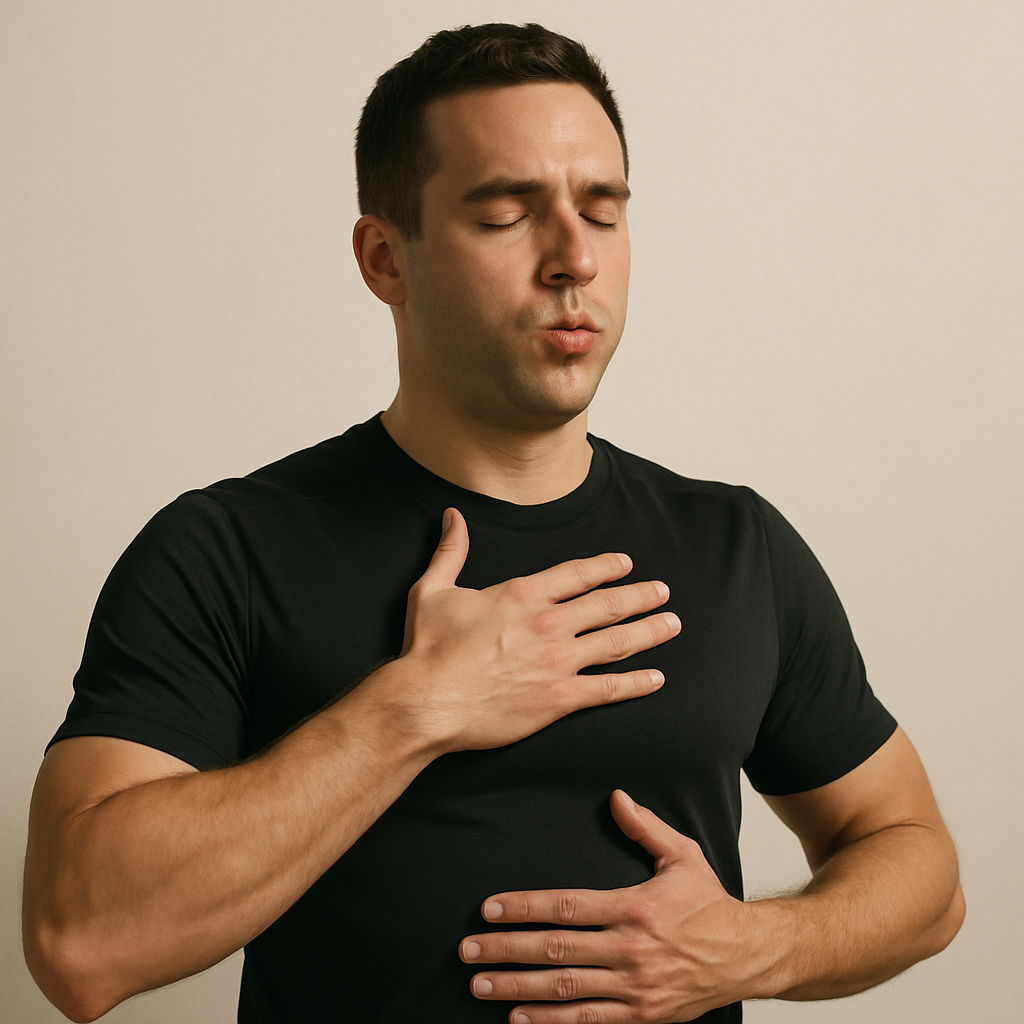
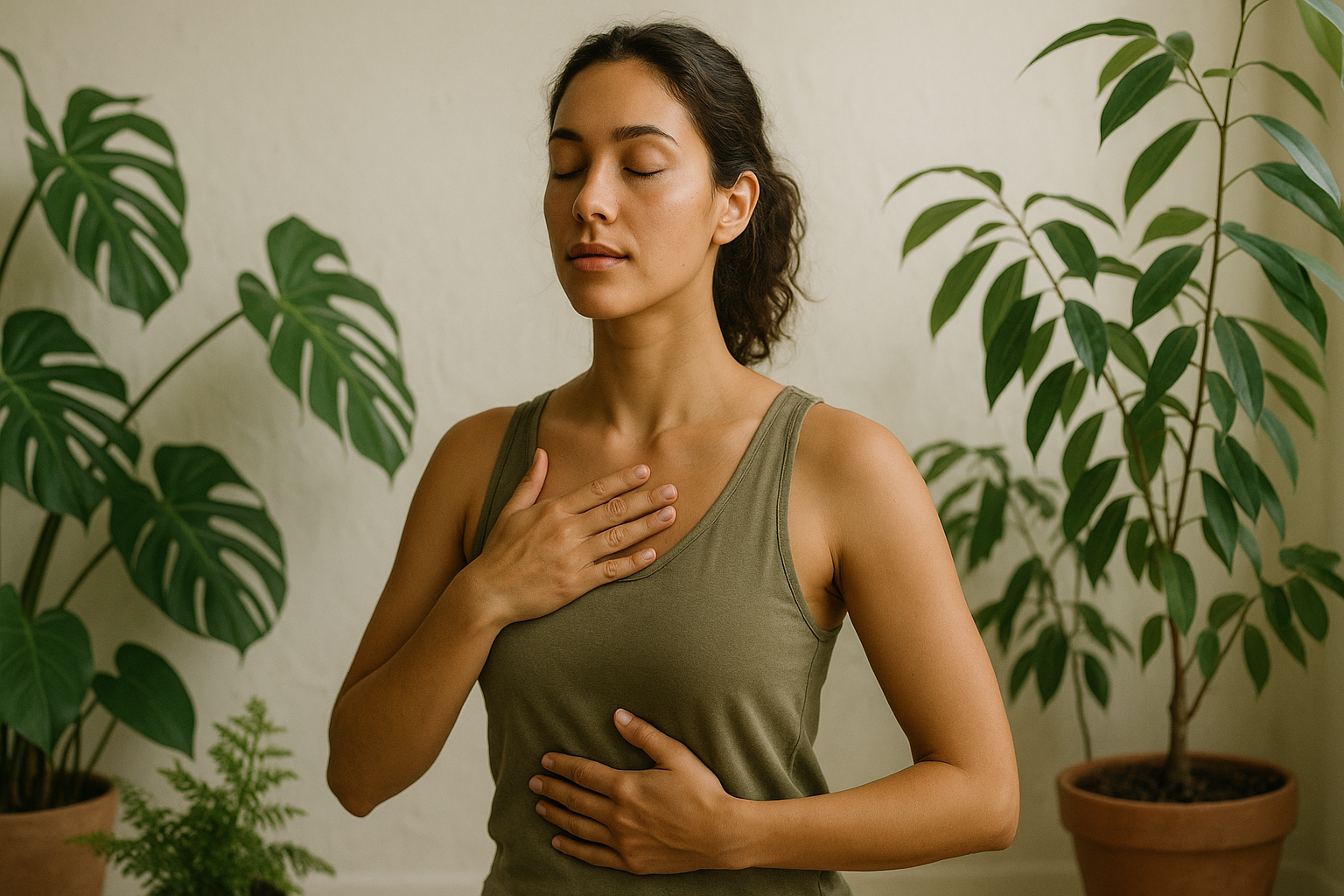
- Diaphragmatic Breathing: Inhale deeply through the nose, allowing the diaphragm to expand, then exhale slowly through the mouth.
- Box Breathing: Inhale for a count of four, hold for four, exhale for four, and hold for four, repeating several cycles.
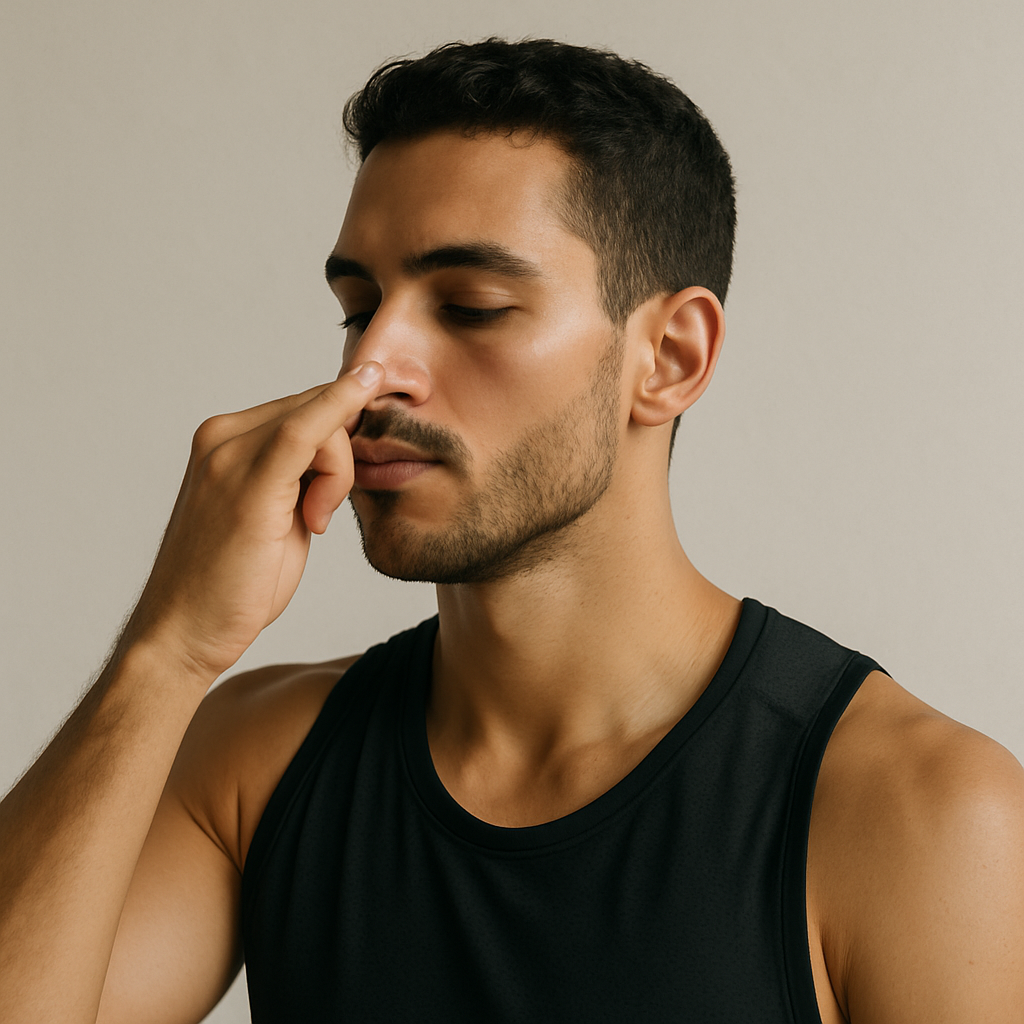
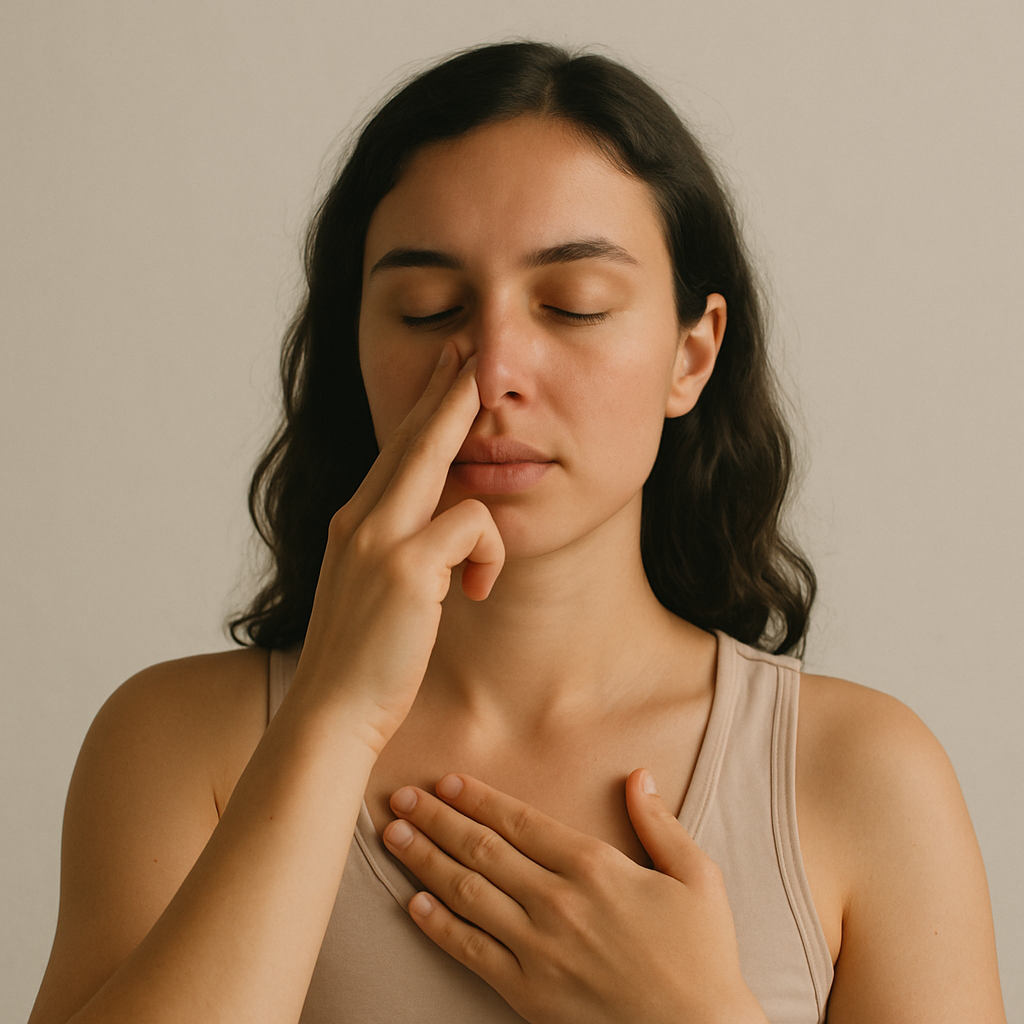
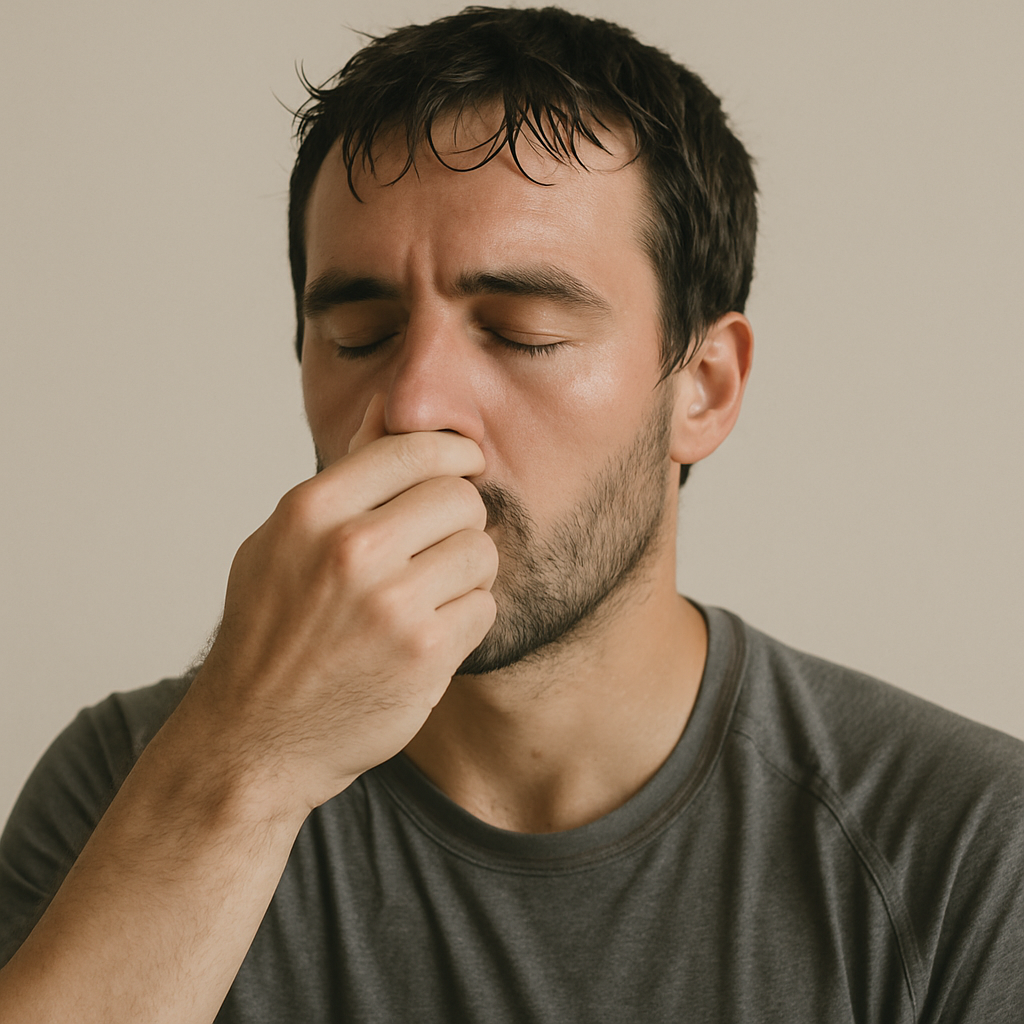
- Alternate Nostril Breathing: Close one nostril while inhaling through the other, then switch, promoting balance and relaxation.
Practitioners can start with short sessions of 5-10 minutes and gradually increase to 20-30 minutes as they become more comfortable.
Safety, Contraindications & Interactions
Generally, detox breathing is safe for most individuals. However, those with specific health conditions should exercise caution:
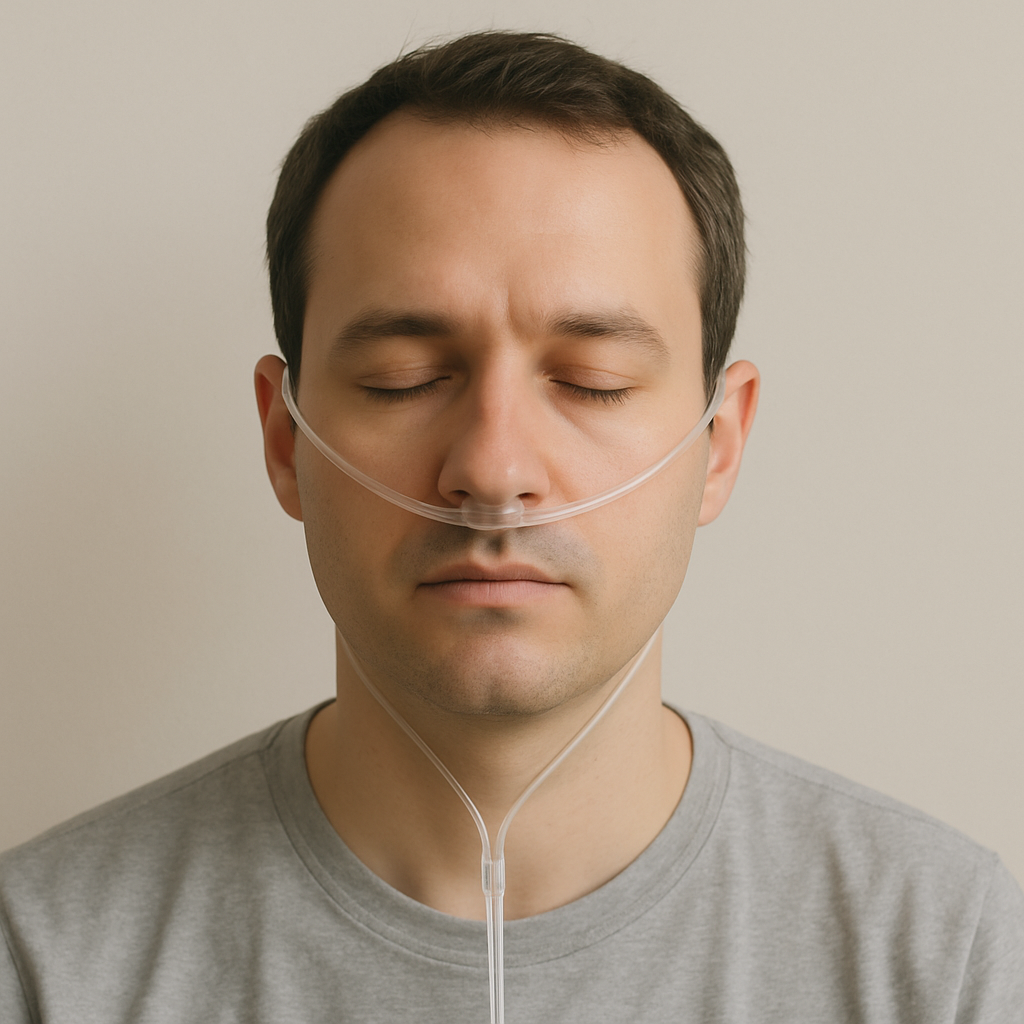
- Individuals with respiratory conditions (e.g., asthma or COPD) should consult a healthcare provider before practicing intense breathwork.
- People with anxiety disorders may find certain breathing techniques exacerbate their symptoms; a gradual approach is recommended.
- Pregnant individuals should also seek guidance, as some techniques may not be suitable during pregnancy.
Pairs Well With
Detox breathing can be complemented by other natural remedies and practices, including:
- Meditation: Enhances the calming effects of breathwork.
- Yoga: Integrates movement with breath for holistic benefits.
- Herbal Teas: Certain herbal teas, such as ginger or peppermint, can support digestion and detoxification alongside breathwork.
FAQs (5)
- What is detox breathing?
Detox breathing is a practice that involves intentional breathwork techniques aimed at enhancing the body's natural detoxification processes. - How often should I practice detox breathing?
It is recommended to practice detox breathing daily, starting with 5-10 minutes and gradually increasing as you become more comfortable. - Can detox breathing help with anxiety?
Many individuals report that breathwork helps reduce anxiety levels by promoting relaxation and mental clarity. - Is detox breathing safe for everyone?
Generally, yes, but individuals with certain respiratory conditions or anxiety disorders should consult a healthcare provider before beginning. - What techniques can I use for detox breathing?
Common techniques include diaphragmatic breathing, box breathing, and alternate nostril breathing.
Frequently asked
What is detox breathing?
Detox breathing is a practice that involves intentional breathwork techniques aimed at enhancing the body's natural detoxification processes.
How often should I practice detox breathing?
It is recommended to practice detox breathing daily, starting with 5-10 minutes and gradually increasing as you become more comfortable.
Can detox breathing help with anxiety?
Many individuals report that breathwork helps reduce anxiety levels by promoting relaxation and mental clarity.
Is detox breathing safe for everyone?
Generally, yes, but individuals with certain respiratory conditions or anxiety disorders should consult a healthcare provider before beginning.
What techniques can I use for detox breathing?
Common techniques include diaphragmatic breathing, box breathing, and alternate nostril breathing.