Calming Techniques
Delve into the world of calming techniques through breathwork, understanding its historical roots, modern applications, and safety considerations.
Explore calming techniques within breathwork, uncovering definitions, traditional uses, modern research, and practical applications.
What It Is
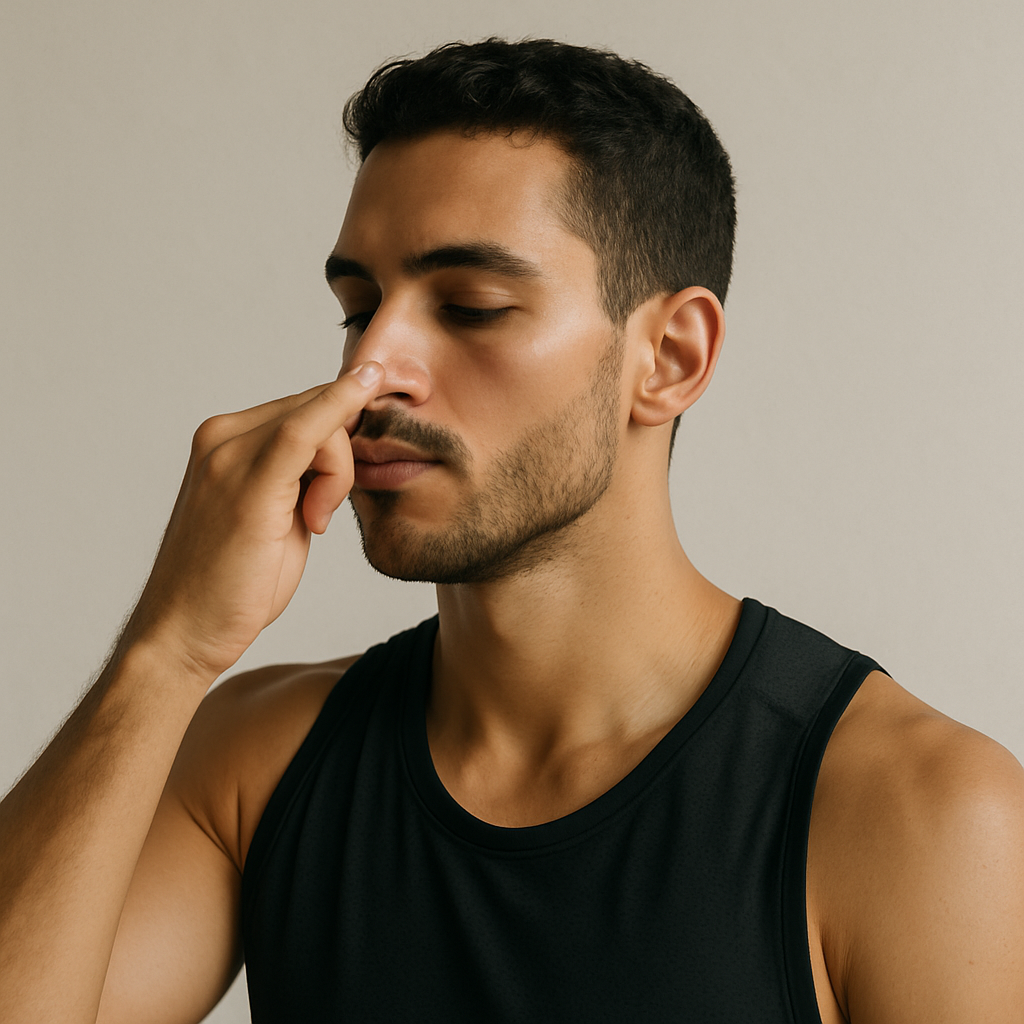
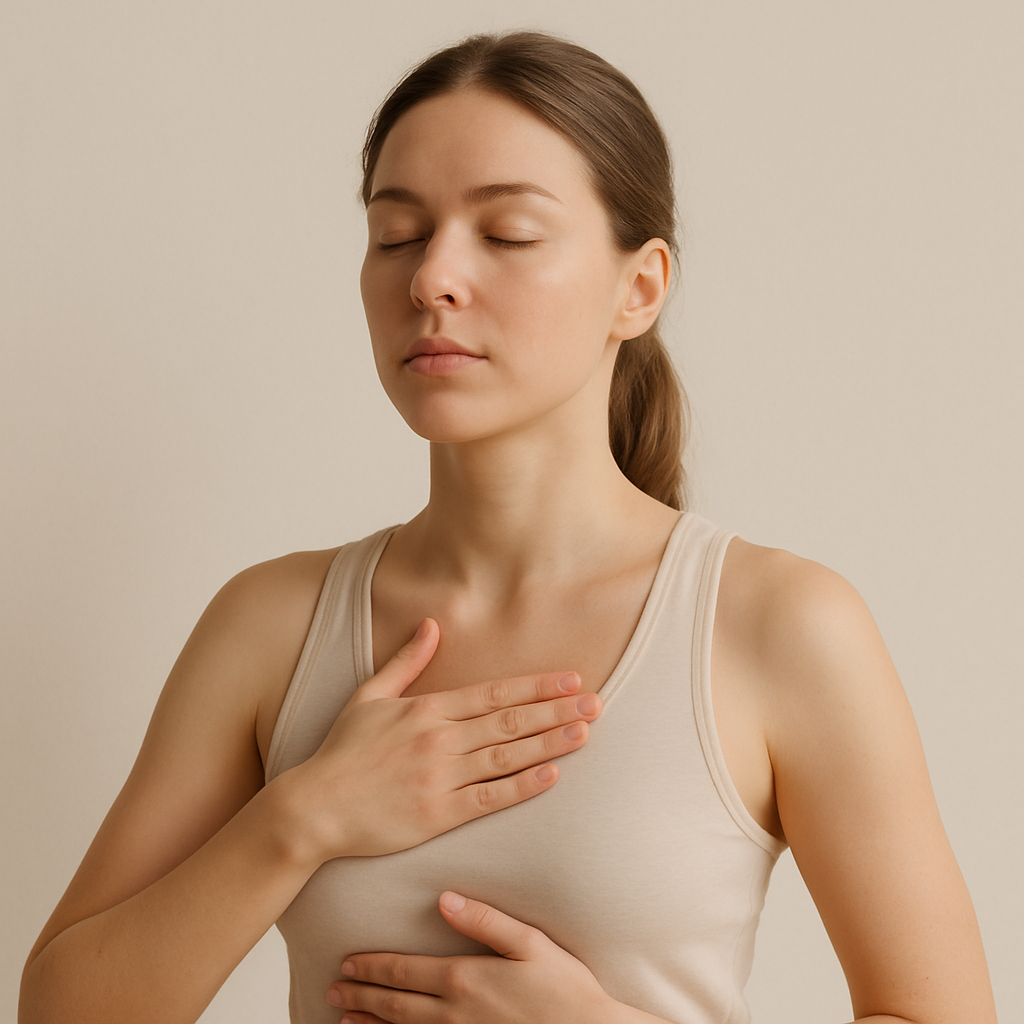
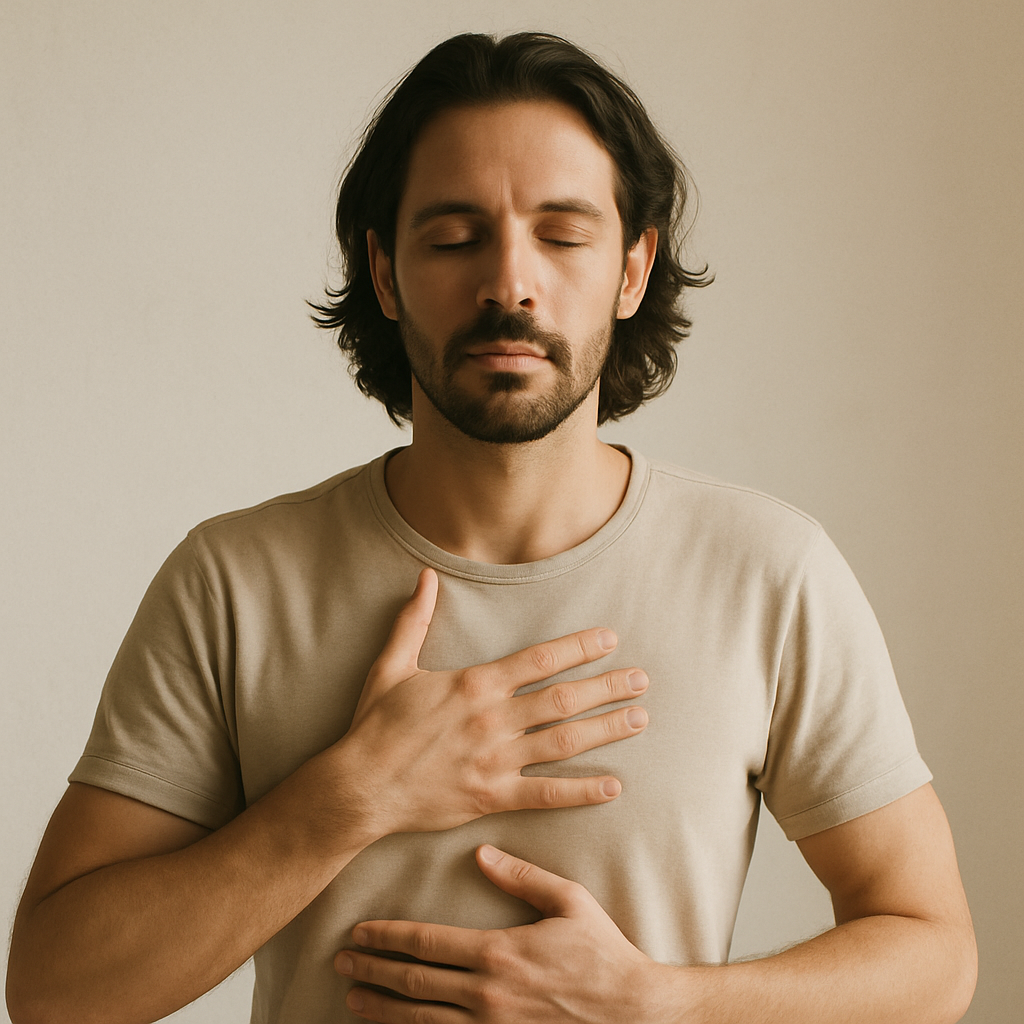
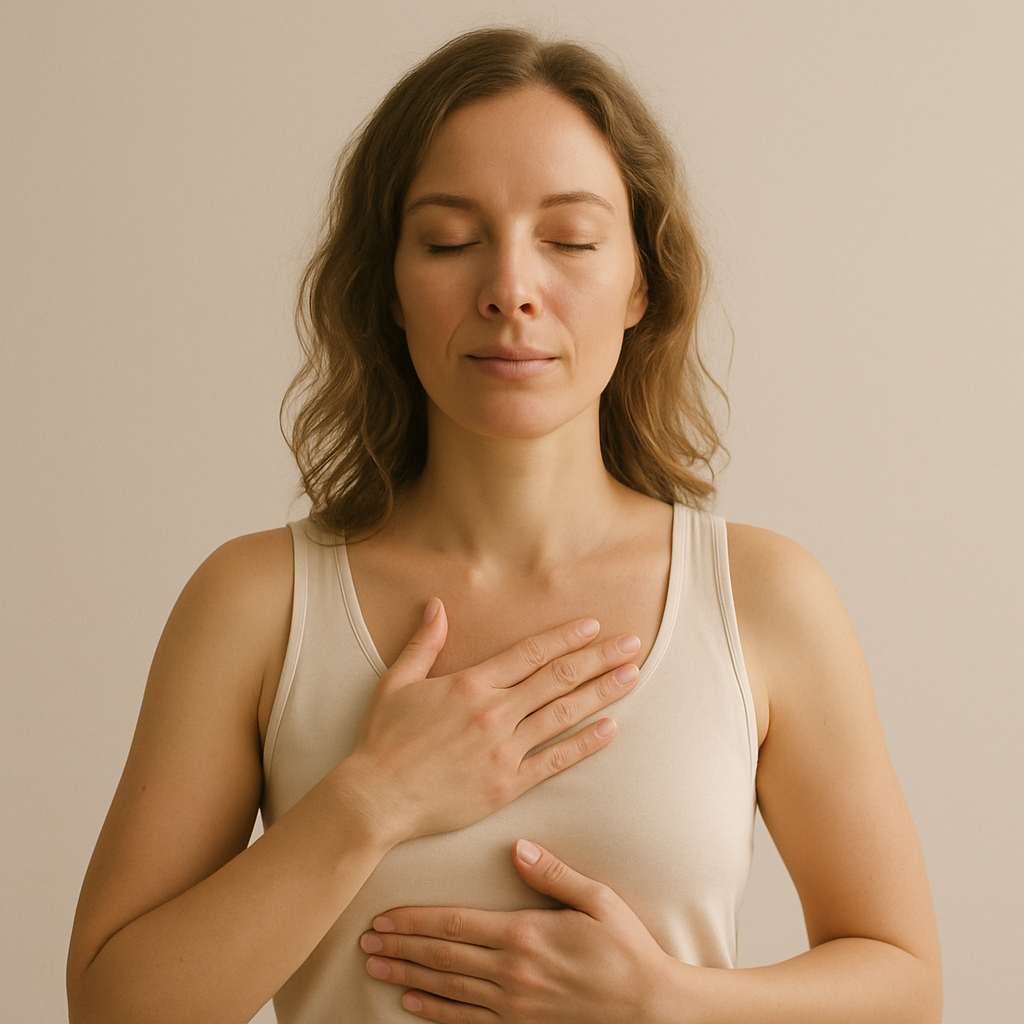
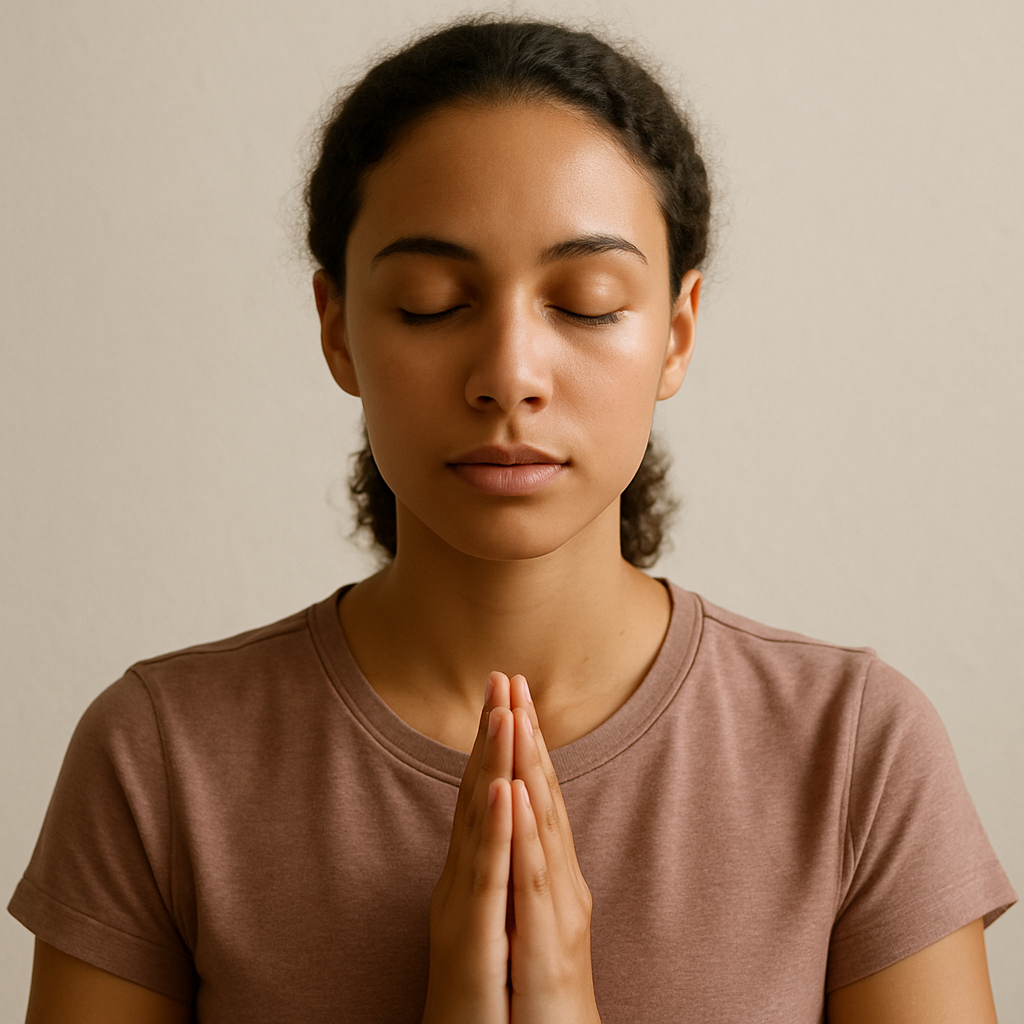
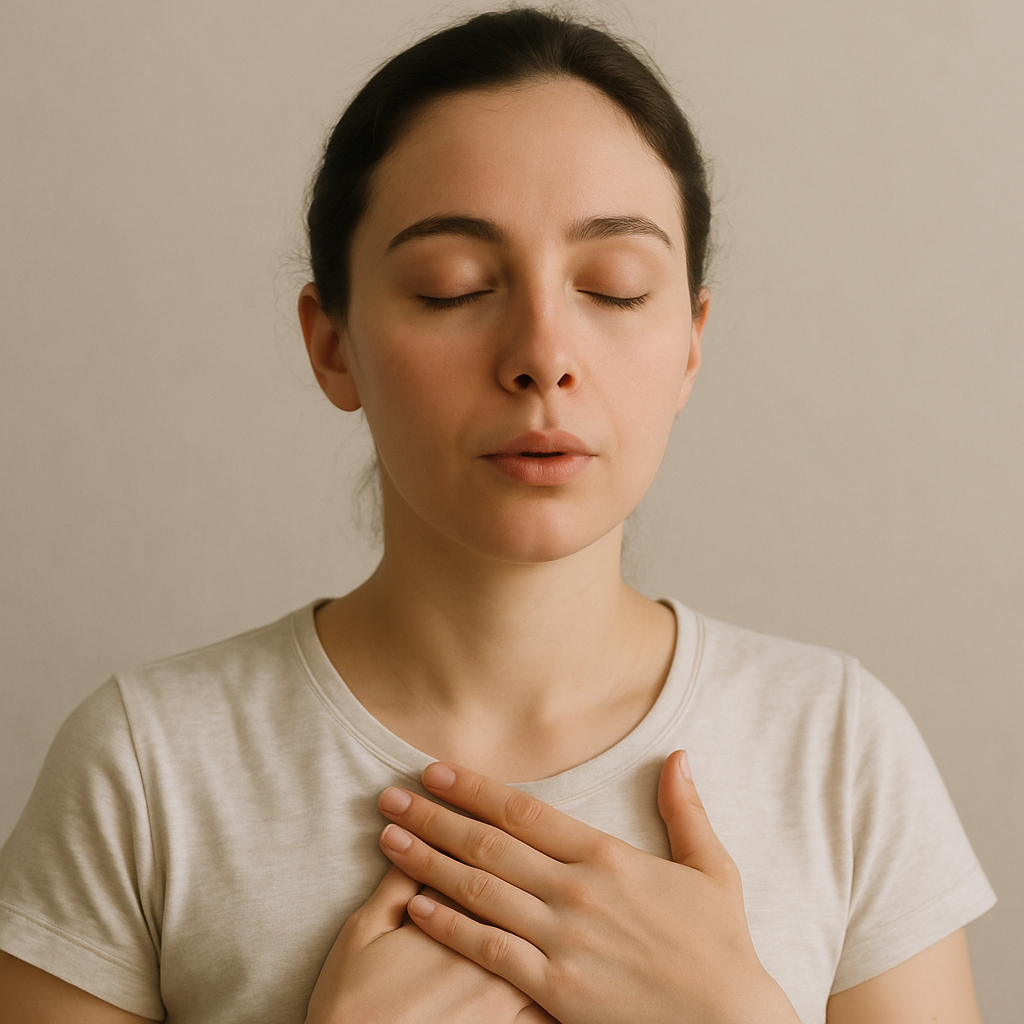
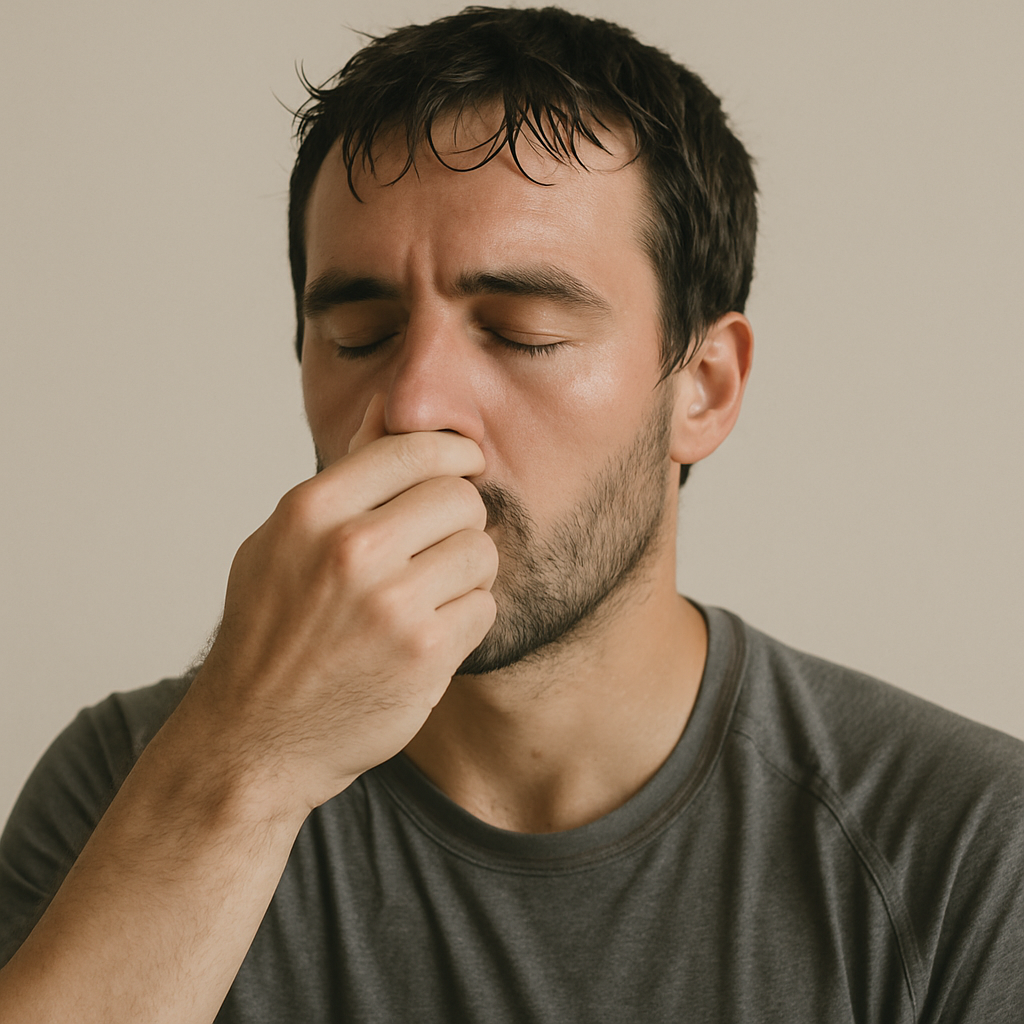
Calming techniques are practices designed to reduce stress and promote relaxation, primarily through controlled breathing exercises. These techniques often fall under the umbrella of breathwork, which encompasses various methods that focus on conscious breathing patterns to influence mental and physical states. By regulating breath, individuals can tap into their body's natural relaxation response, fostering a sense of calm and well-being.
Key Active Compounds & Mechanisms
While breathwork itself does not involve specific compounds, it operates on several physiological mechanisms. Controlled breathing can activate the parasympathetic nervous system, which is responsible for the body's rest-and-digest activities. This activation helps lower heart rate, reduce blood pressure, and promote a state of relaxation. Additionally, breathwork can influence the levels of neurotransmitters such as serotonin and dopamine, which play crucial roles in mood regulation.
Traditional Uses
Historically, various cultures have utilized breathwork as a means of achieving mental clarity and emotional balance. In ancient India, practices such as Pranayama, a form of yogic breathing, have been employed for thousands of years to enhance spiritual awareness and promote health. Similarly, in Chinese medicine, breath control is integrated into practices like Qi Gong and Tai Chi, emphasizing the flow of energy (Qi) through the body. These traditional methods highlight the universal understanding of breath as a vital force in maintaining harmony within the body and mind.
What Modern Research Suggests
Contemporary studies have begun to validate the benefits of breathwork and calming techniques. Research indicates that regular practice can lead to reductions in anxiety, depression, and stress levels. A study published in the journal "Frontiers in Psychology" found that breath-focused interventions significantly improved participants' mental health and emotional resilience. While more extensive research is needed to establish definitive conclusions, the preliminary evidence supports the efficacy of breathwork as a tool for emotional regulation.
Functional Actions
Calming techniques through breathwork serve several functional actions, including:
- Stress Reduction: Helps lower cortisol levels, mitigating stress.
- Emotional Regulation: Aids in managing anxiety and mood fluctuations.
- Improved Focus: Enhances concentration and mental clarity.
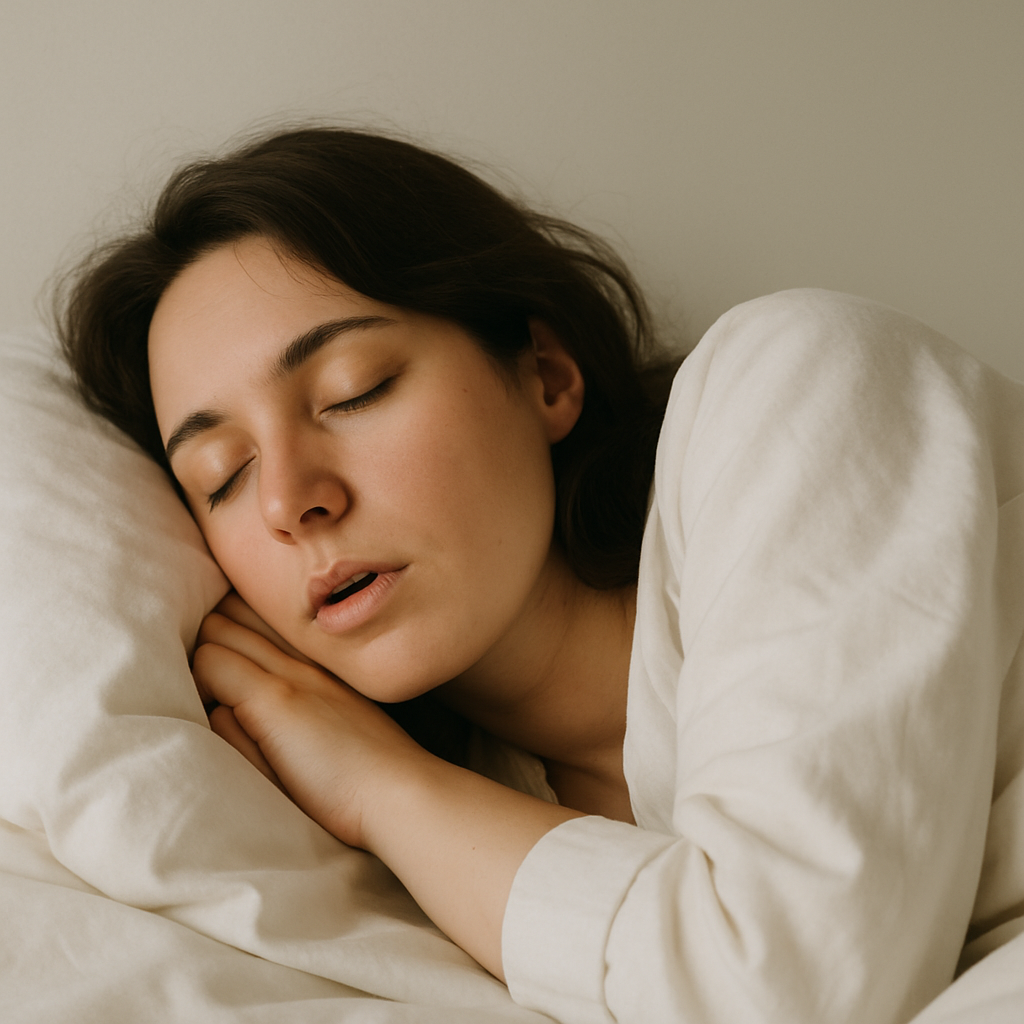
- Enhanced Relaxation: Promotes a deep state of relaxation and peace.
Body Systems Supported
Breathwork primarily supports the following body systems:
- Nervous System: Activates the parasympathetic nervous system, promoting relaxation.
- Respiratory System: Improves lung capacity and function through controlled breathing.
- Cardiovascular System: Aids in lowering heart rate and blood pressure.
- Endocrine System: May help balance hormone levels related to stress response.
Common Forms & Educational Dosing Ranges
Calming techniques can be practiced in various forms, including:
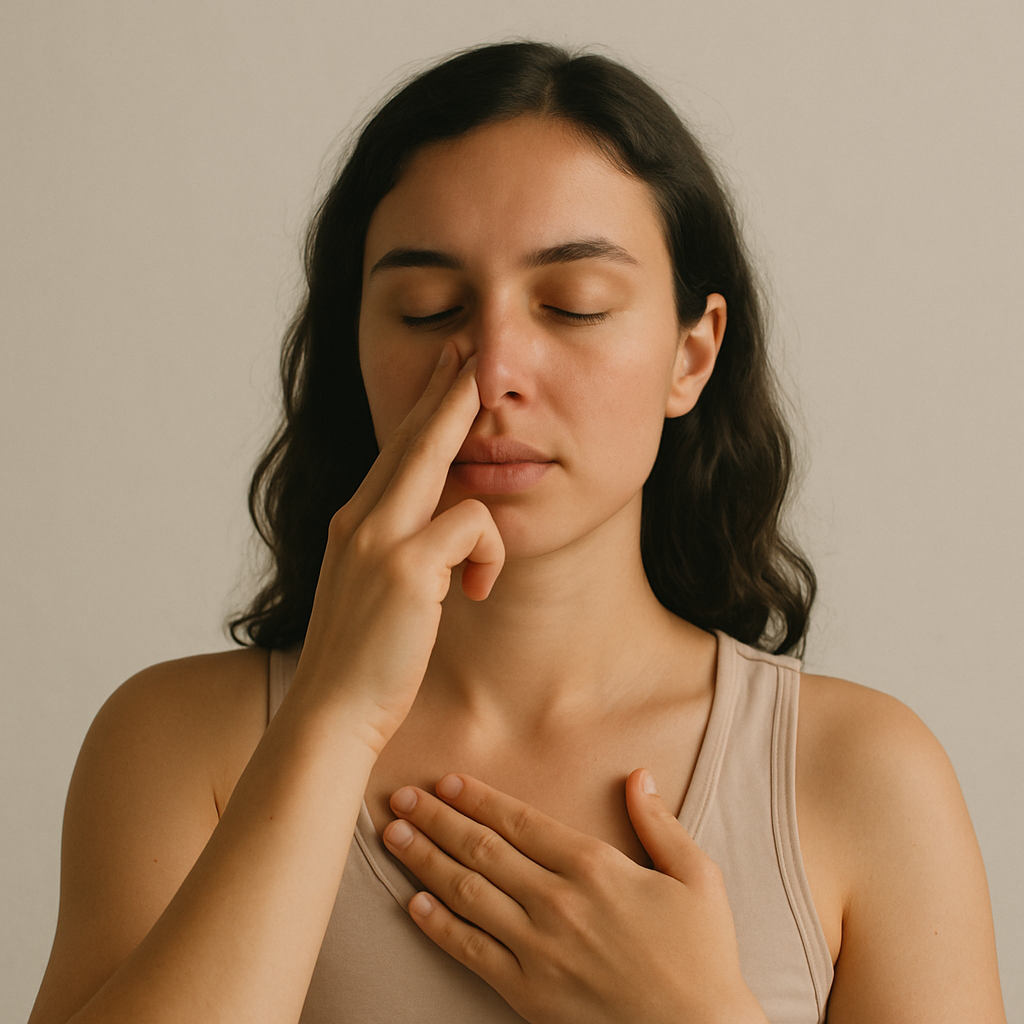
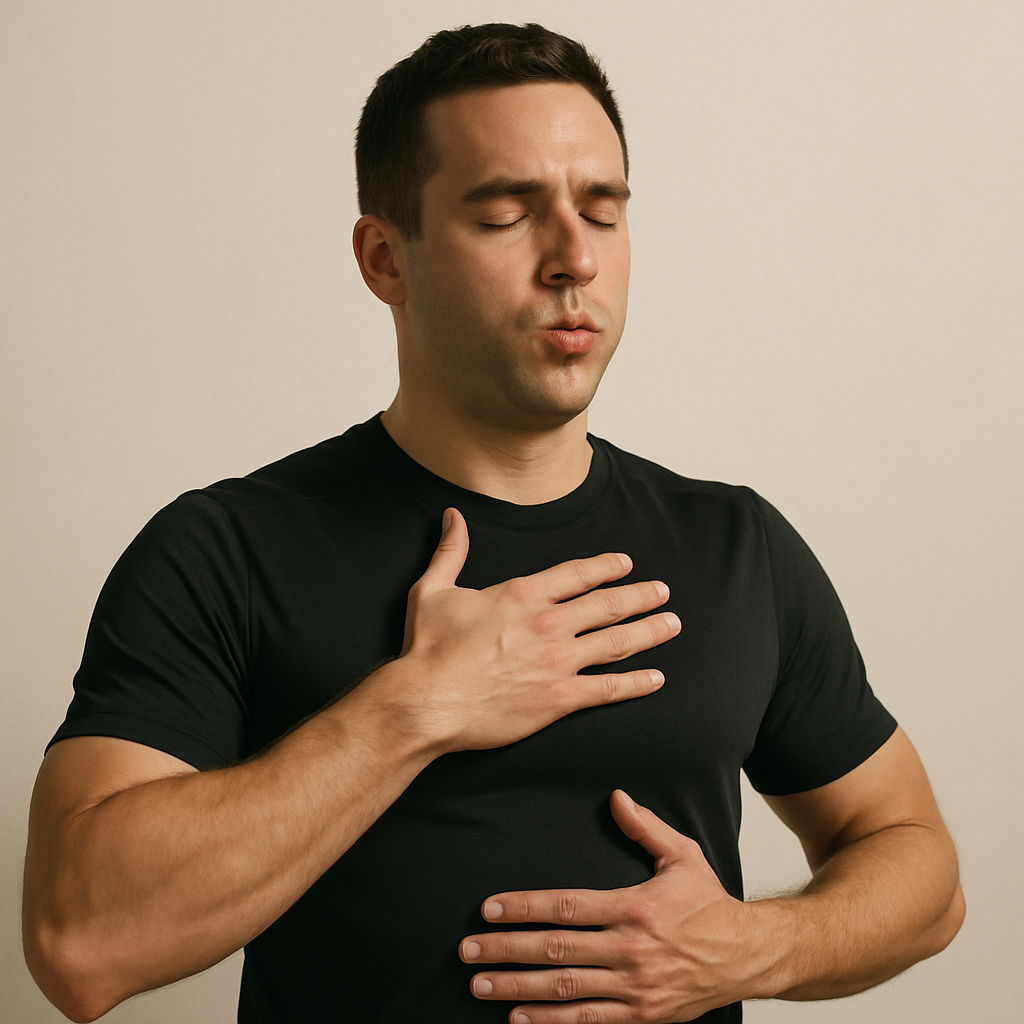
- Diaphragmatic Breathing: Inhale deeply through the nose, allowing the diaphragm to expand, and exhale slowly through the mouth. Aim for 5-10 minutes daily.
- Box Breathing: Inhale for four counts, hold for four, exhale for four, and hold for four. Repeat for 5-10 minutes.
- 4-7-8 Breathing: Inhale for 4 counts, hold for 7, and exhale for 8. Practice for 4-5 cycles.
Safety, Contraindications & Interactions
While breathwork is generally safe for most individuals, certain populations should exercise caution:
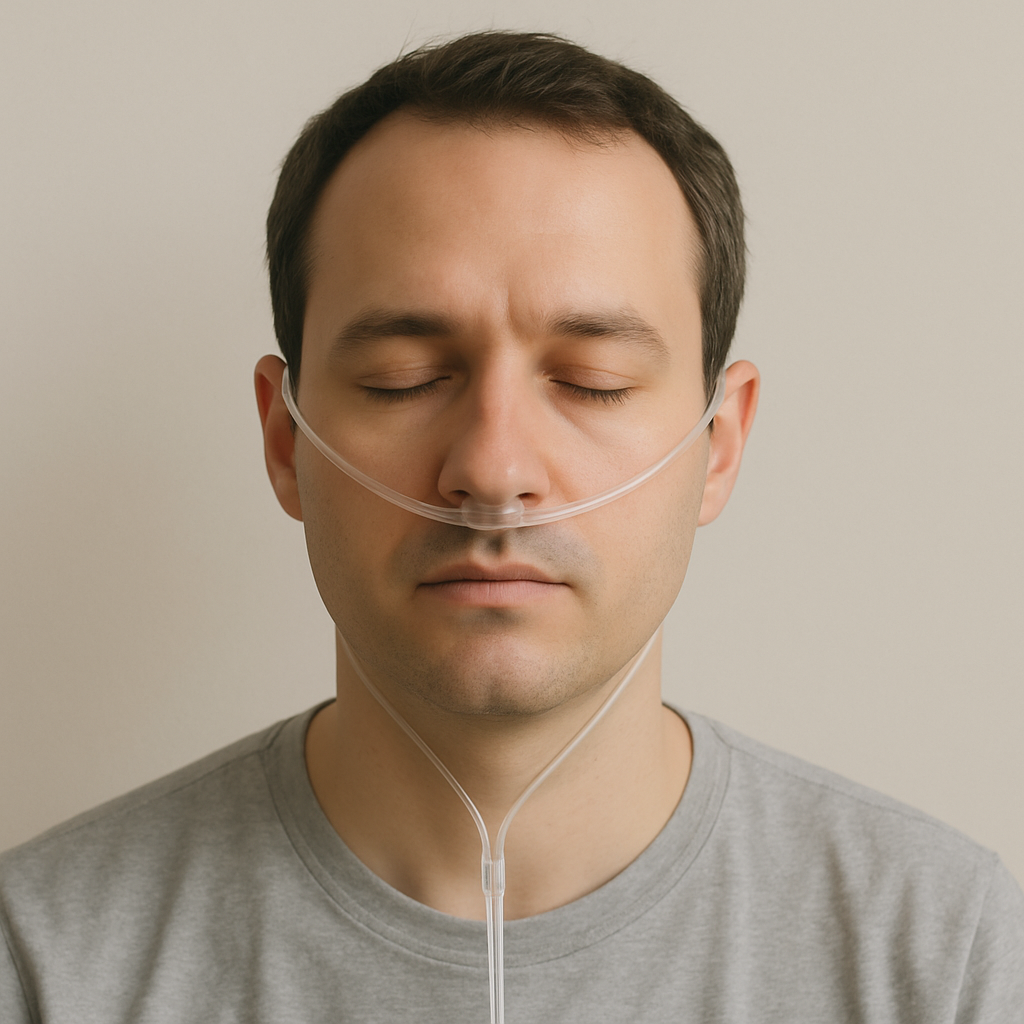
- Individuals with respiratory issues, such as asthma or COPD, should consult a healthcare professional before beginning breathwork.
- Those with a history of panic attacks may experience heightened anxiety during certain breathing exercises; hence, gradual introduction is advised.
- Pregnant women should also seek advice before engaging in breath-focused practices.
Pairs Well With
Calming techniques can complement various holistic practices:
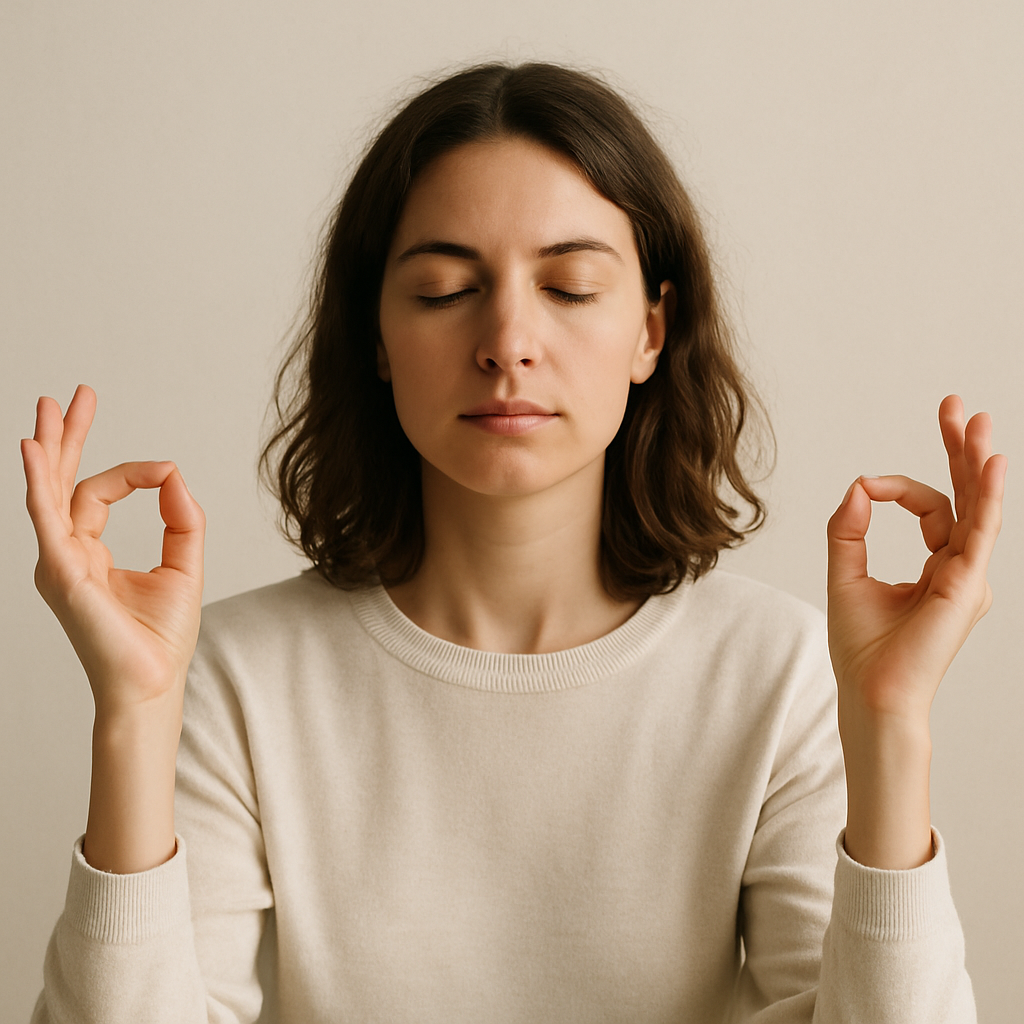
- Meditation: Enhances mindfulness and relaxation.
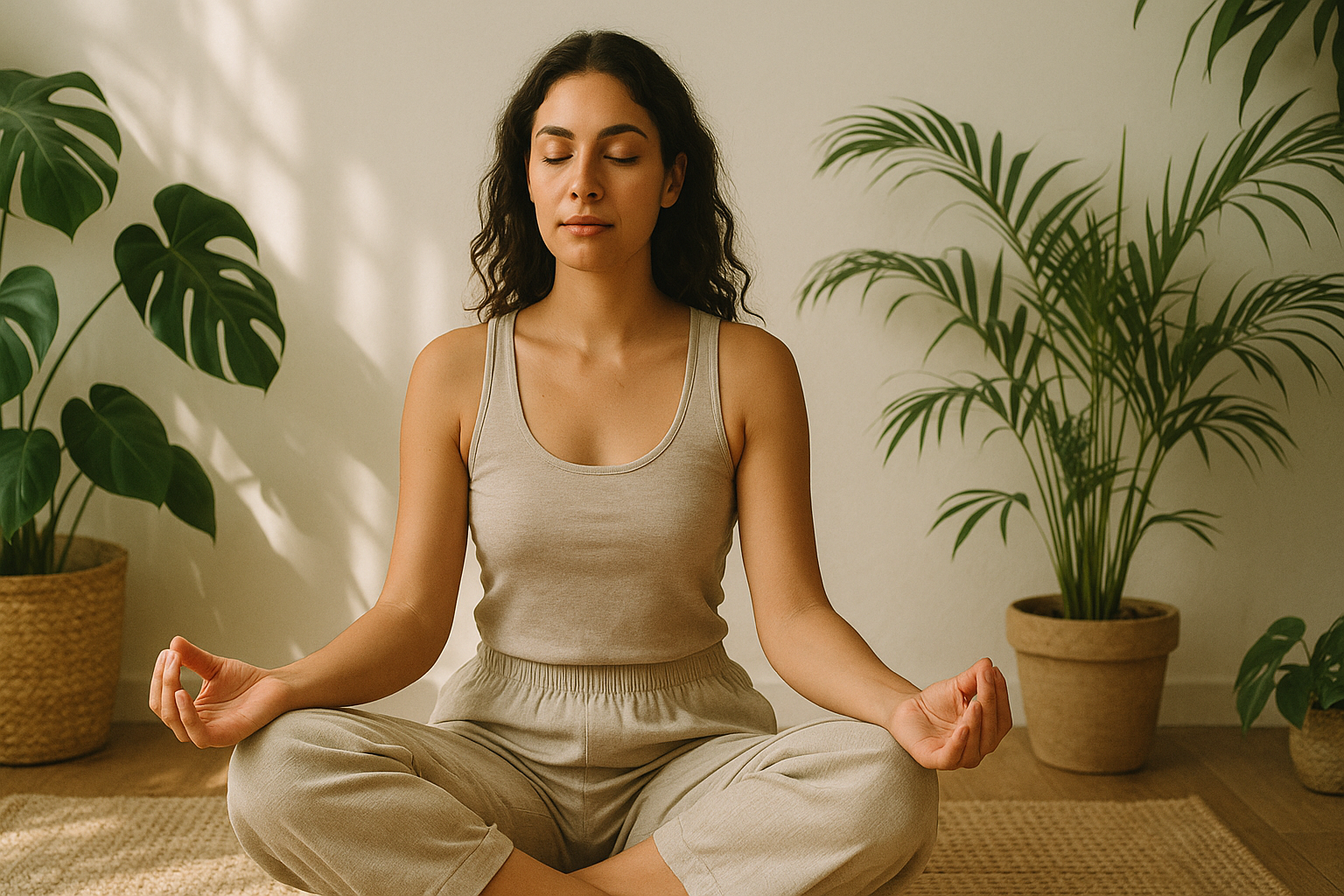
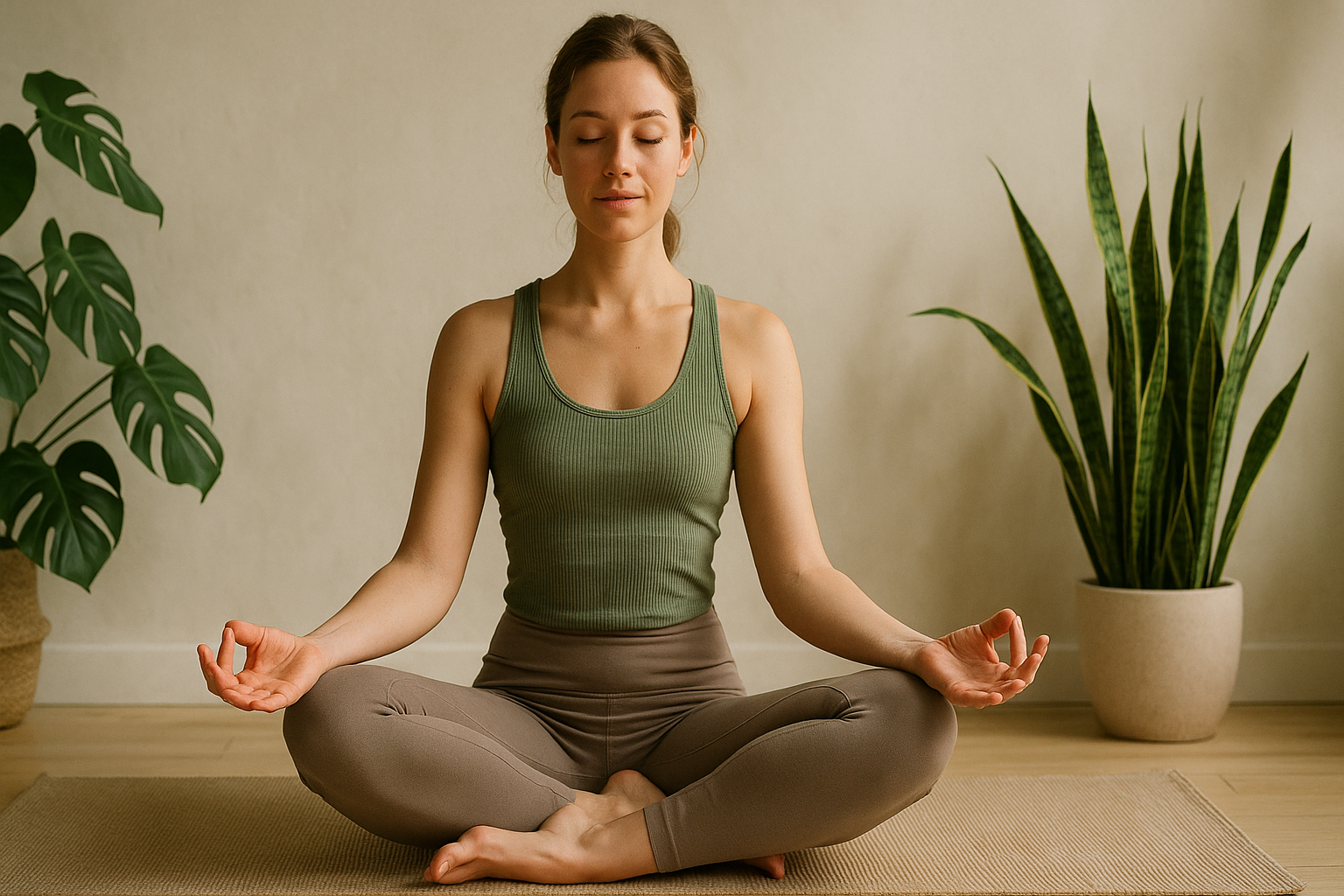
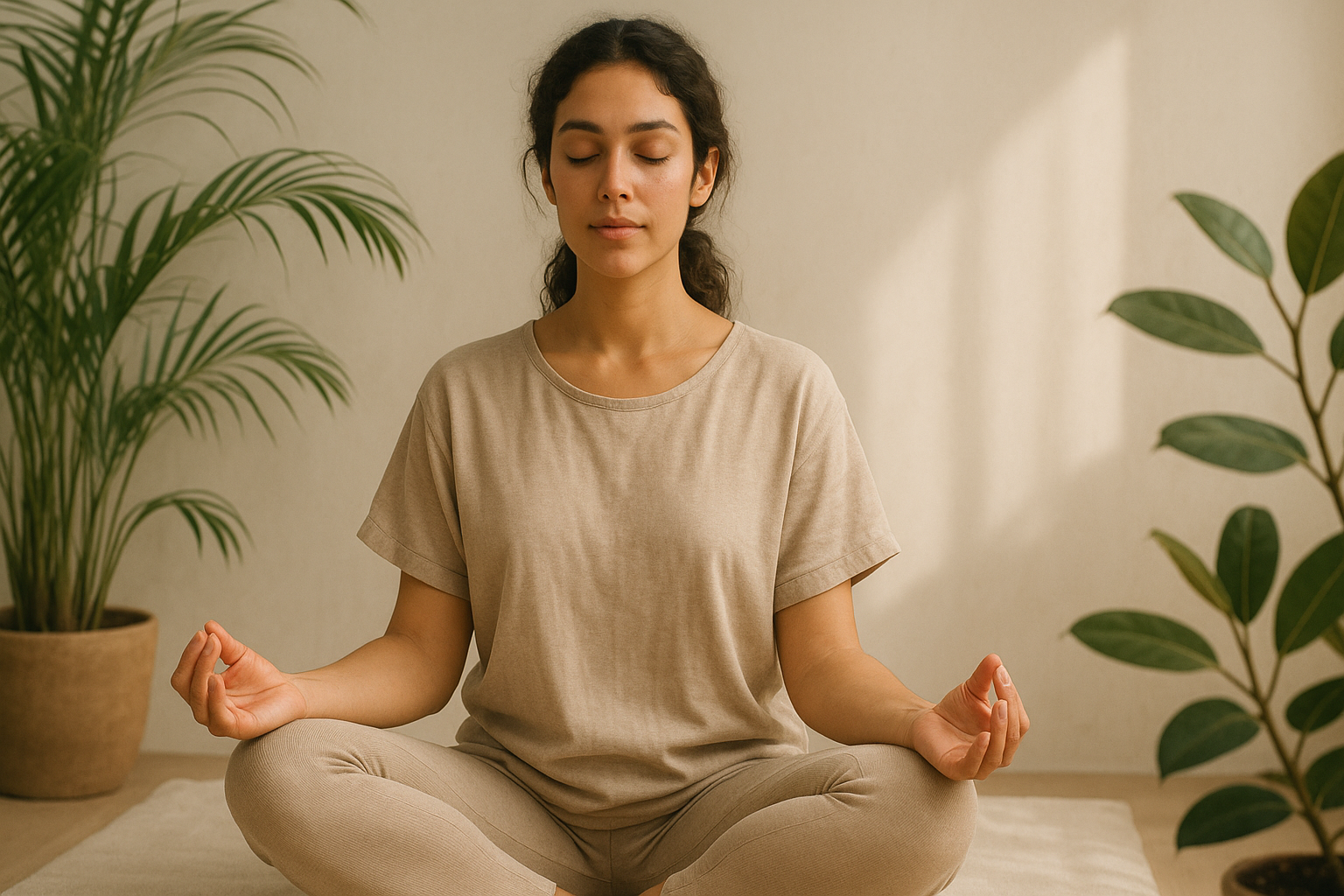
- Yoga: Integrates breathwork with physical movement for deeper relaxation.
- Aromatherapy: Using calming essential oils can enhance the effects of breathwork.
- Mindfulness Practices: Supports emotional regulation and stress relief.
FAQs (5)
- What is breathwork? Breathwork refers to various techniques focused on conscious breathing to improve mental and physical well-being.
- How often should I practice calming techniques? Daily practice is ideal for maximizing benefits, even for just a few minutes.
- Can breathwork help with anxiety? Yes, many studies suggest that breathwork can significantly reduce anxiety levels.
- Is breathwork suitable for everyone? While generally safe, individuals with certain health conditions should consult a healthcare professional before starting.
- What other practices can I combine with breathwork? Consider pairing breathwork with yoga, meditation, or aromatherapy for enhanced relaxation.
Frequently asked
What is breathwork?
Breathwork refers to various techniques focused on conscious breathing to improve mental and physical well-being.
How often should I practice calming techniques?
Daily practice is ideal for maximizing benefits, even for just a few minutes.
Can breathwork help with anxiety?
Yes, many studies suggest that breathwork can significantly reduce anxiety levels.
Is breathwork suitable for everyone?
While generally safe, individuals with certain health conditions should consult a healthcare professional before starting.
What other practices can I combine with breathwork?
Consider pairing breathwork with yoga, meditation, or aromatherapy for enhanced relaxation.