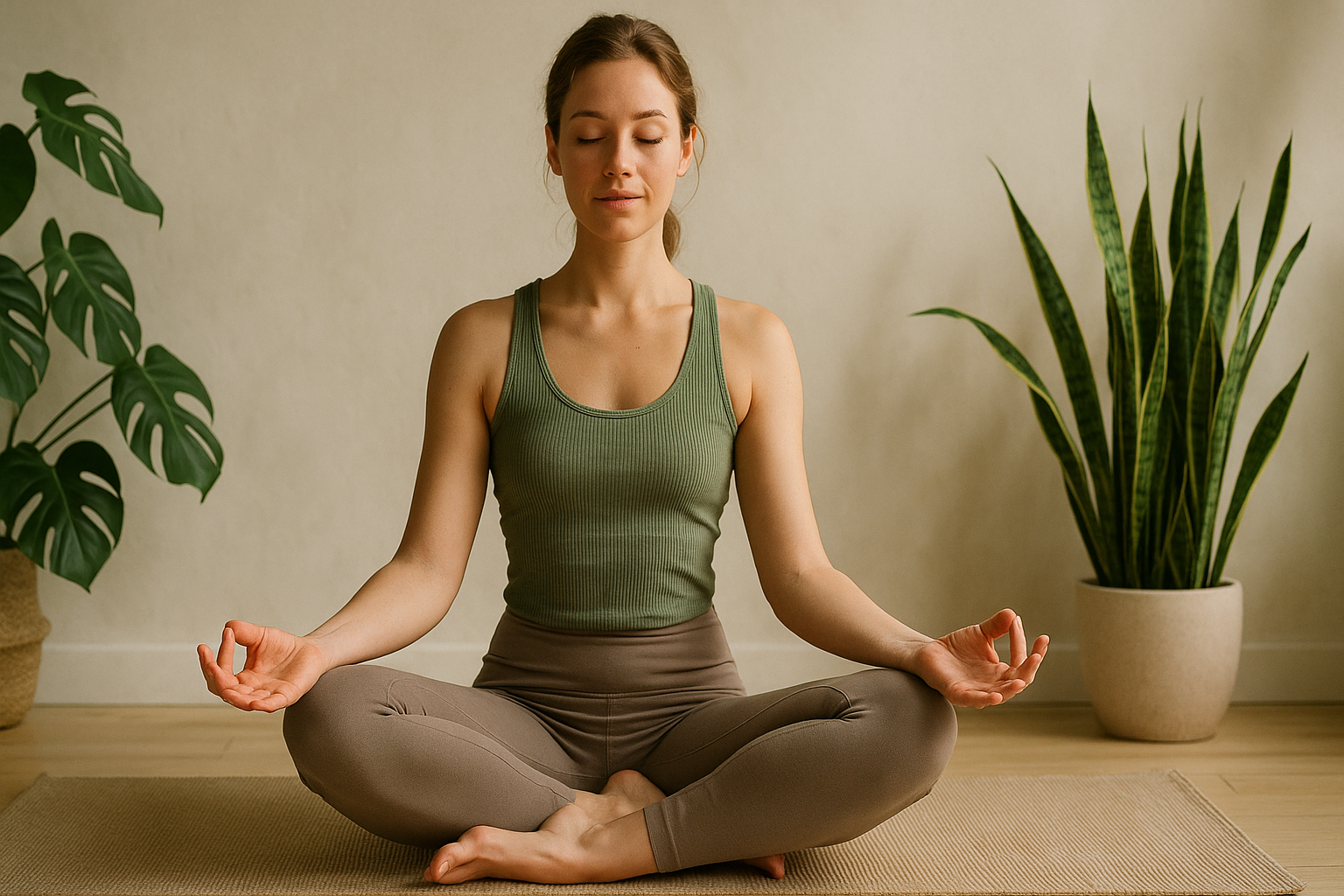
Emotional Release
Explore the concept of emotional release in breathwork, its historical roots, modern research insights, and practical applications for emotional well-being.

Emotional release through breathwork offers a natural remedy for stress and emotional tension, drawing from ancient practices and modern understanding of breath's impact on the body and mind.
What It Is
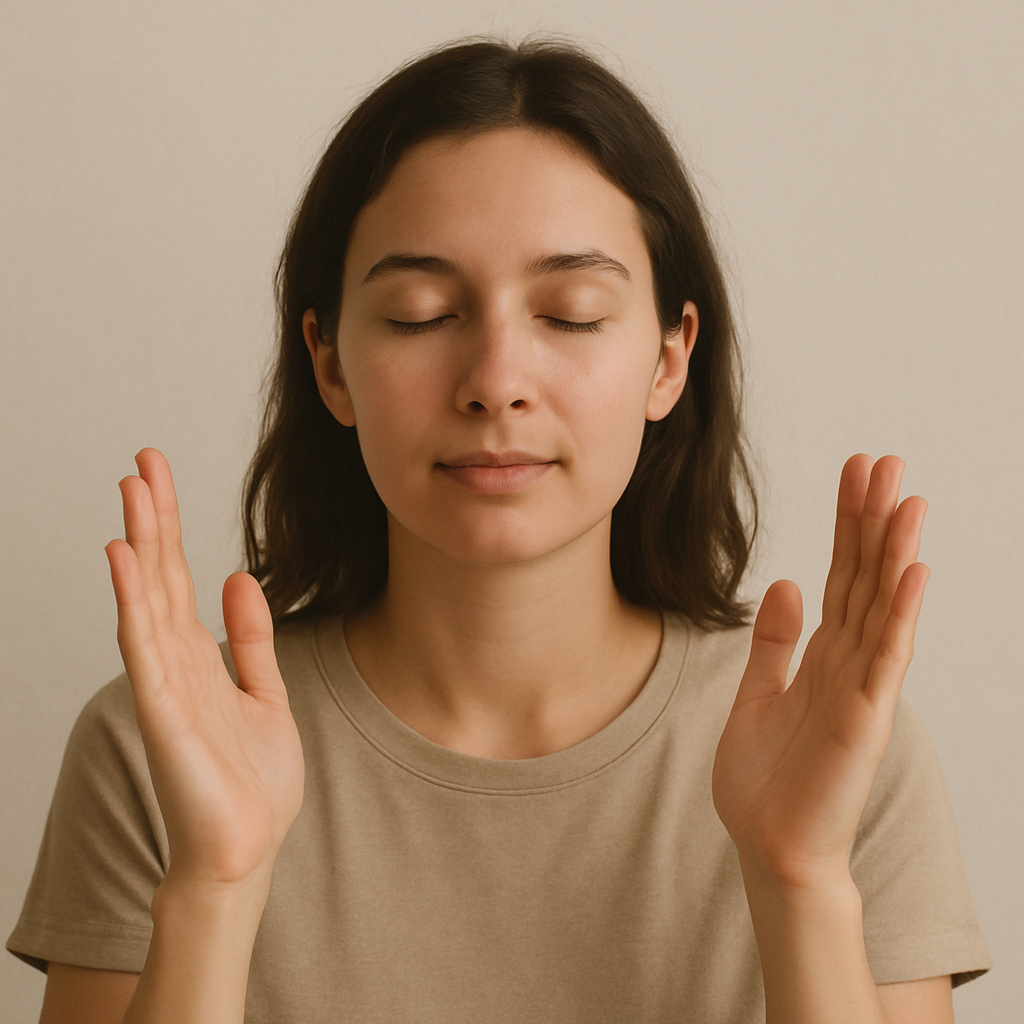
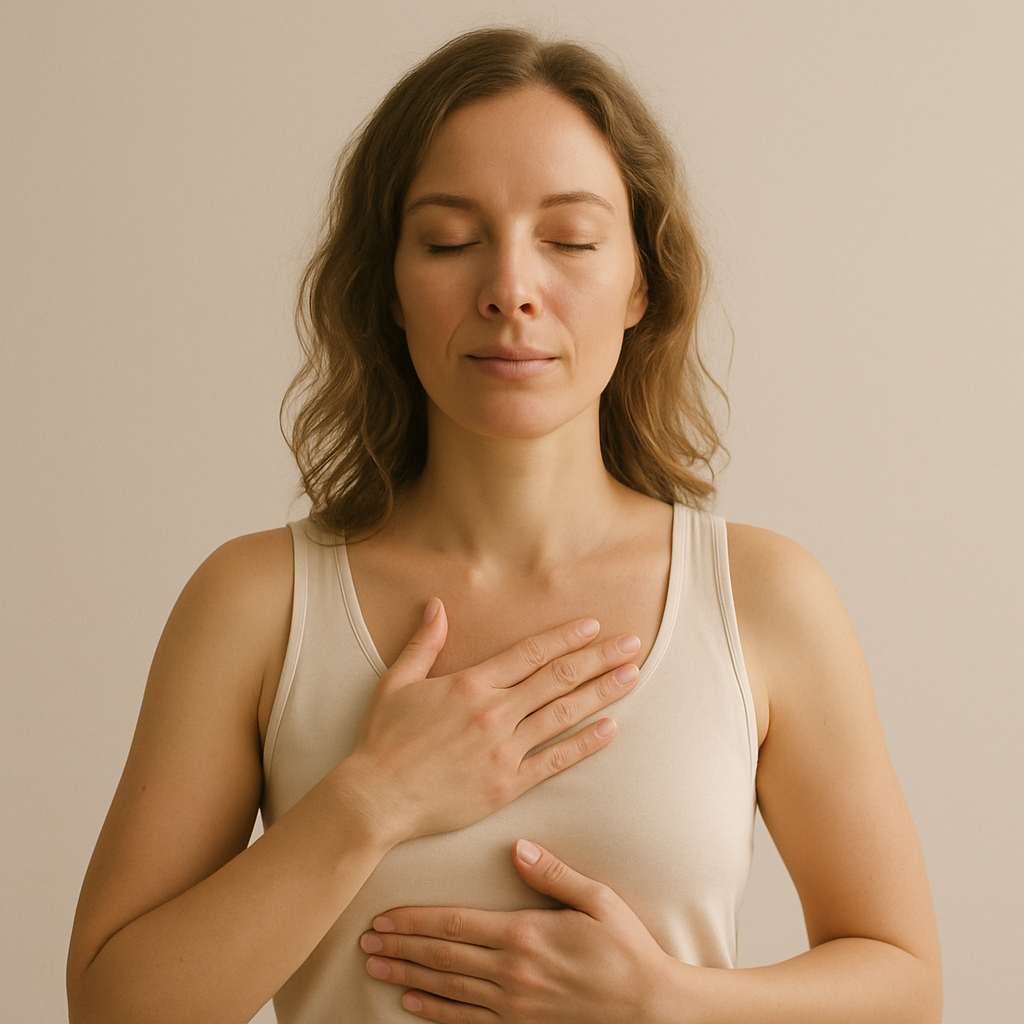
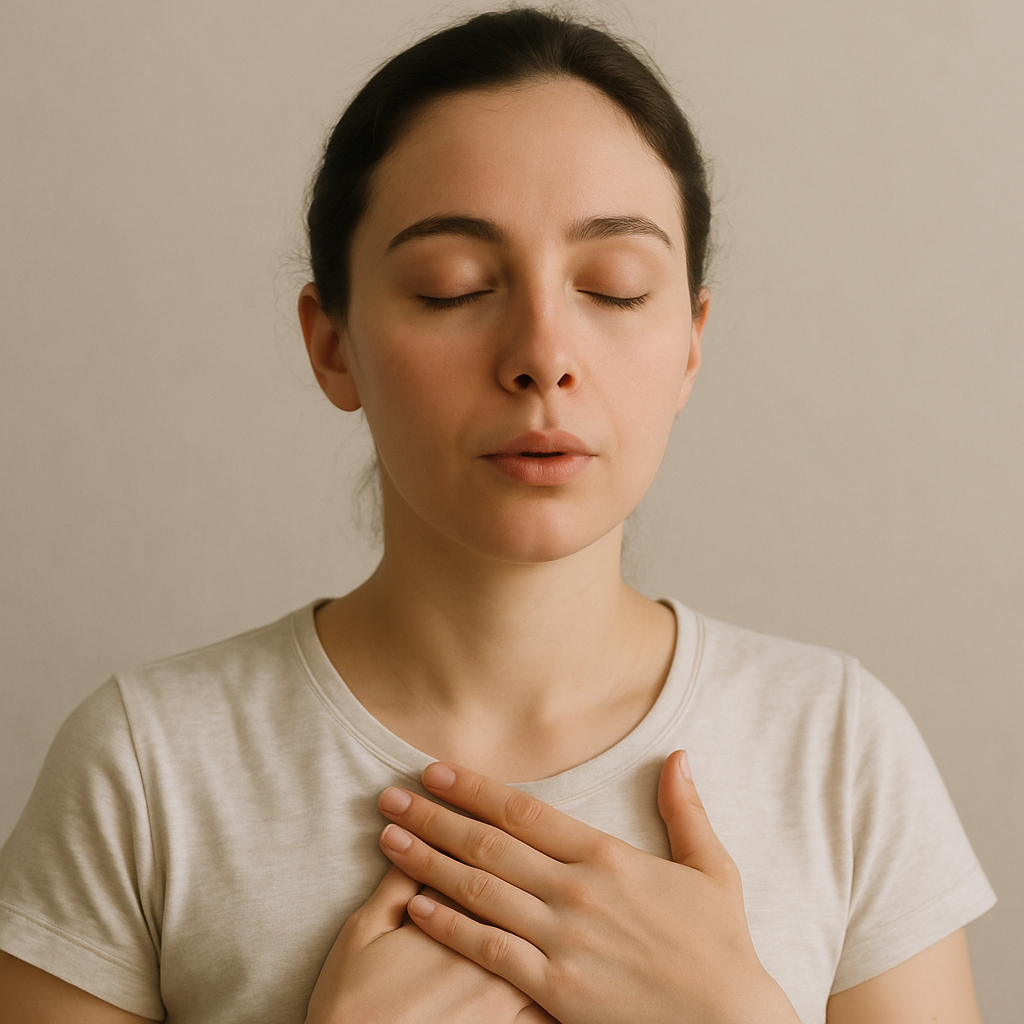
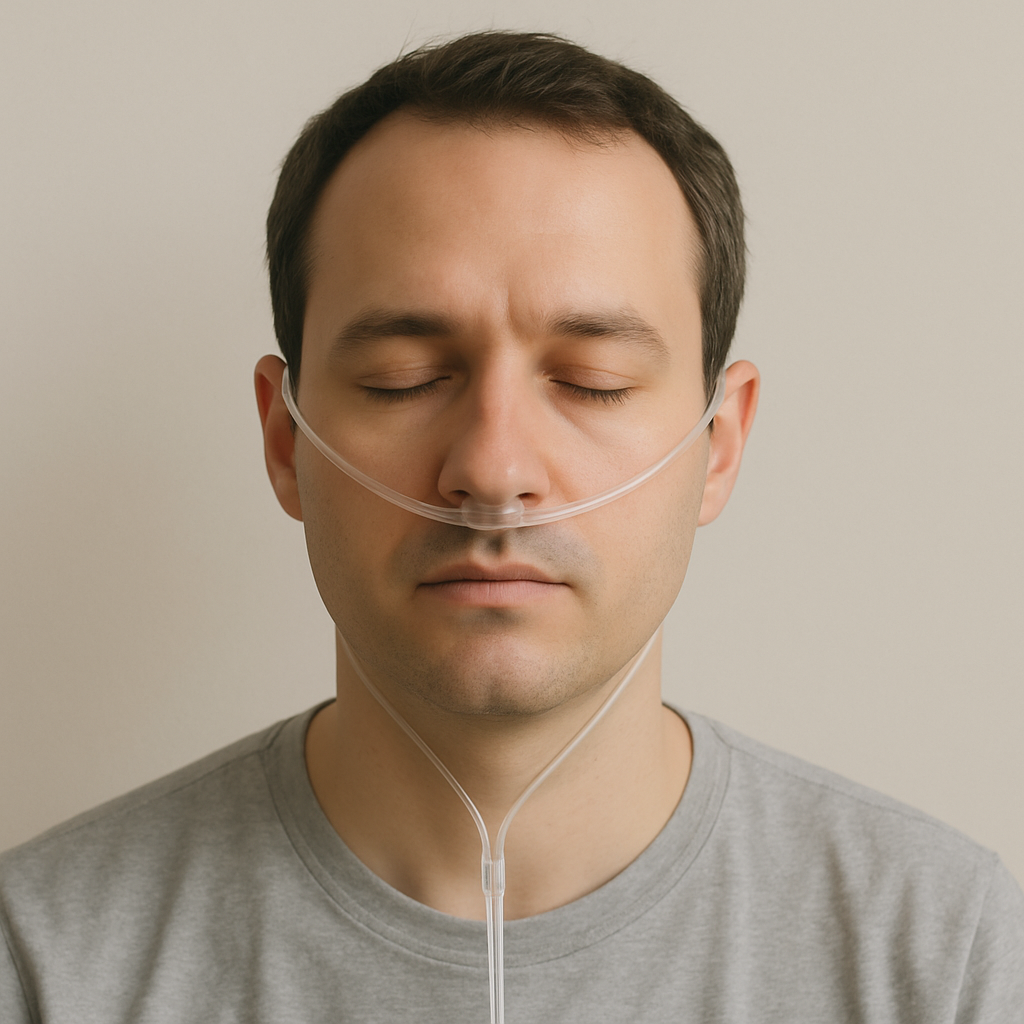
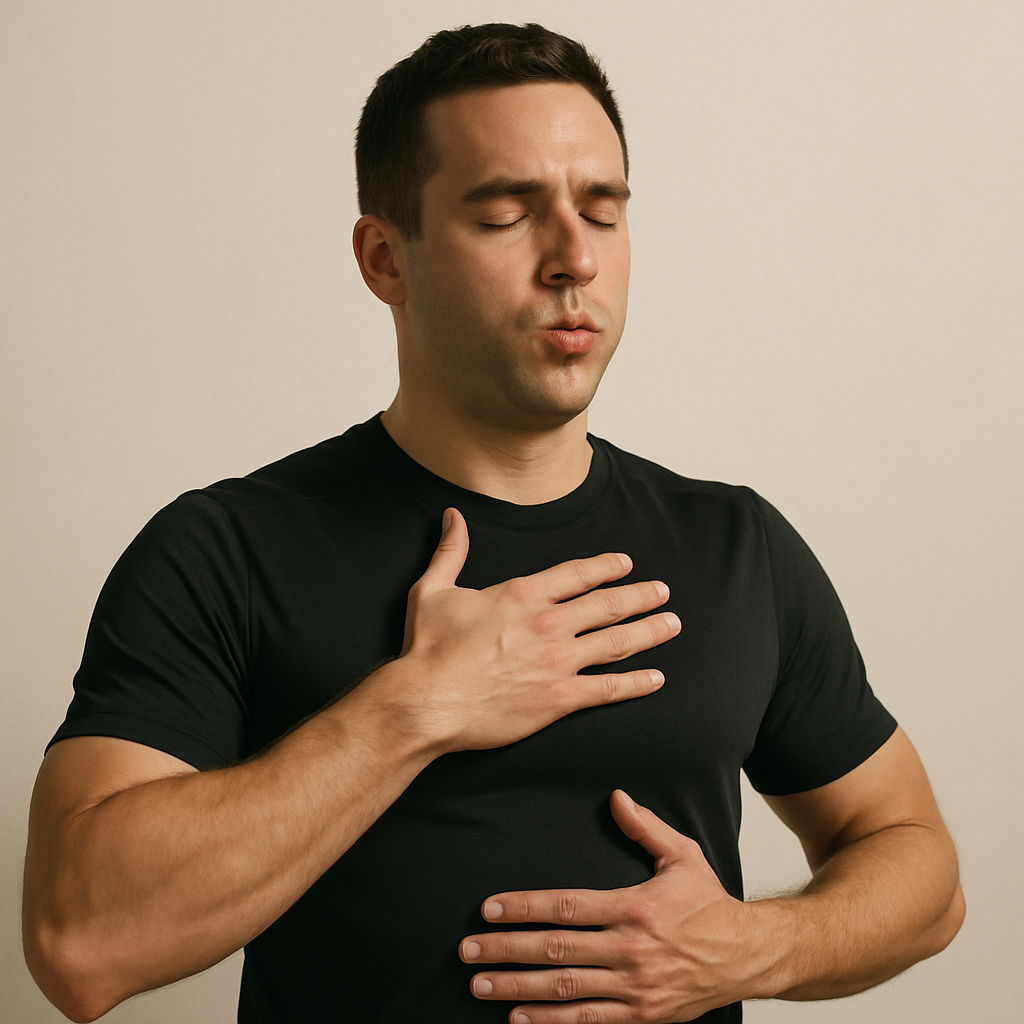
Emotional release in the context of breathwork refers to the practice of using controlled breathing techniques to facilitate the expression and release of pent-up emotions. This approach recognizes the profound connection between breath, body, and emotional states. By consciously altering breath patterns, individuals can access deeper emotional layers, promote relaxation, and enhance overall emotional well-being.
Key Active Compounds & Mechanisms
While breathwork itself does not involve specific compounds, it activates several physiological mechanisms that can lead to emotional release. Key mechanisms include:
- Oxygenation: Improved oxygen supply to the brain and body can enhance mood and cognitive function.
- Activation of the Parasympathetic Nervous System: Breathwork can help activate the body's relaxation response, reducing stress and promoting emotional balance.
- Endorphin Release: Controlled breathing can stimulate the release of endorphins, which are natural mood lifters.
Traditional Uses
Breathwork practices have been utilized across various cultures for centuries. Ancient traditions such as:
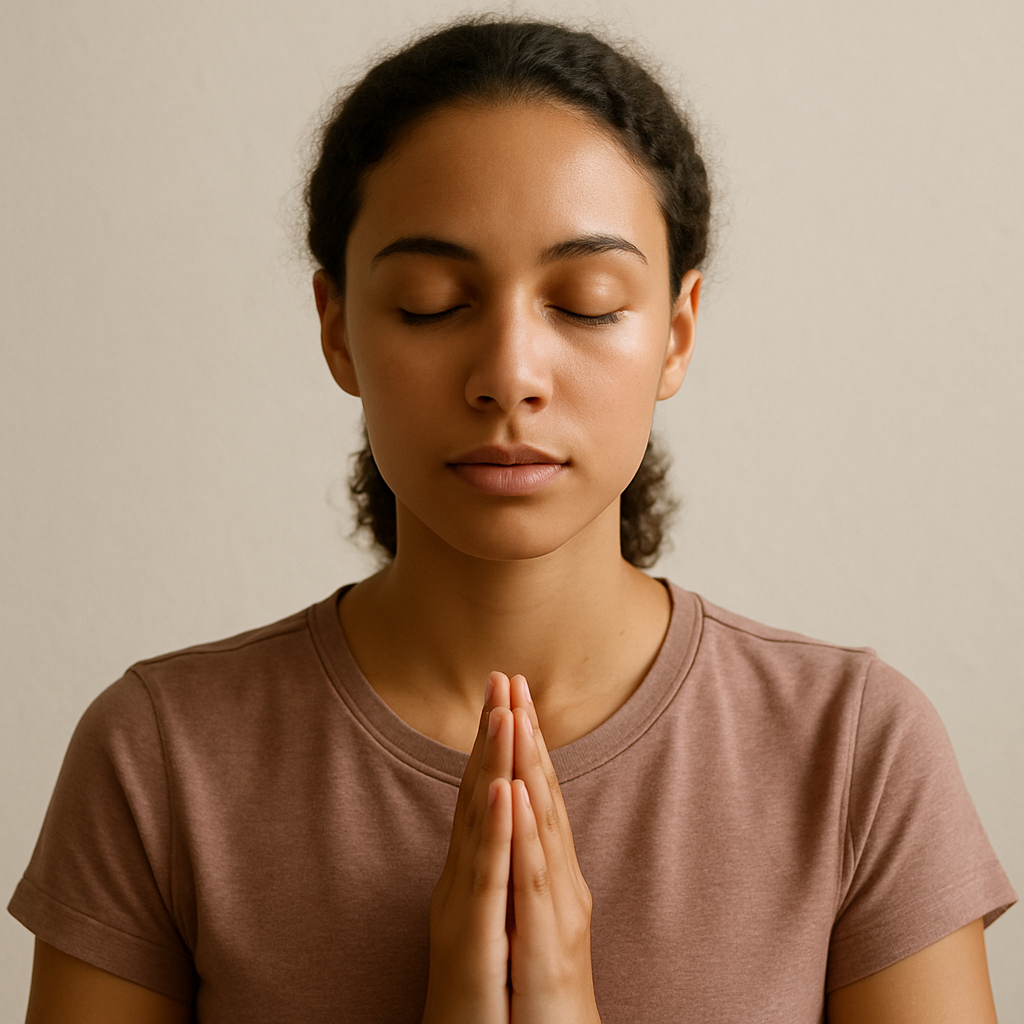
- Yoga: Incorporates pranayama (breath control) to enhance physical and emotional health.
- Taoist Practices: Use breath regulation to cultivate life energy (Qi) and emotional balance.
- Shamanic Traditions: Often employ breathwork in rituals to access altered states of consciousness and facilitate emotional healing.
These practices highlight the historical recognition of breath as a vital tool for emotional and spiritual well-being.
What Modern Research Suggests
Modern research into breathwork and emotional release has begun to validate many traditional beliefs. Studies suggest that breath-focused techniques can:
- Reduce symptoms of anxiety and depression.
- Enhance emotional regulation skills.
- Promote stress resilience.
While more research is needed to fully understand the mechanisms at play, preliminary findings indicate that breathwork can be an effective complementary approach for emotional health.
Functional Actions
Breathwork that emphasizes emotional release can have several functional actions, including:
- Facilitating relaxation and reducing tension.
- Promoting emotional awareness and expression.
- Enhancing mindfulness and presence.
- Supporting trauma release and healing.
Body Systems Supported
The practice of breathwork primarily supports the following body systems:
- Nervous System: Calms the sympathetic nervous system, promoting relaxation.
- Respiratory System: Enhances lung function and oxygen exchange.
- Endocrine System: Influences hormone balance, particularly stress hormones.
Common Forms & Educational Dosing Ranges
Breathwork can be practiced in various forms, including:
- Guided Breathwork Sessions: Led by a trained facilitator.
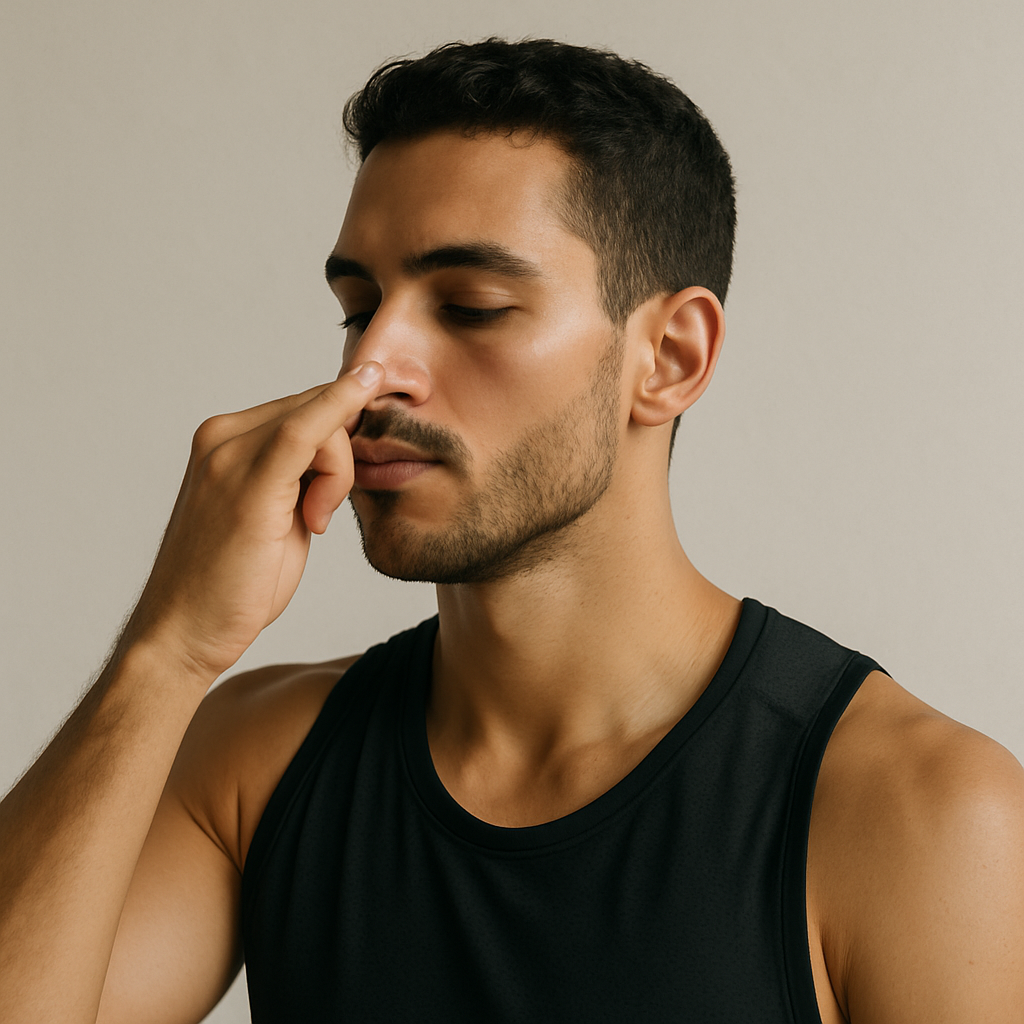
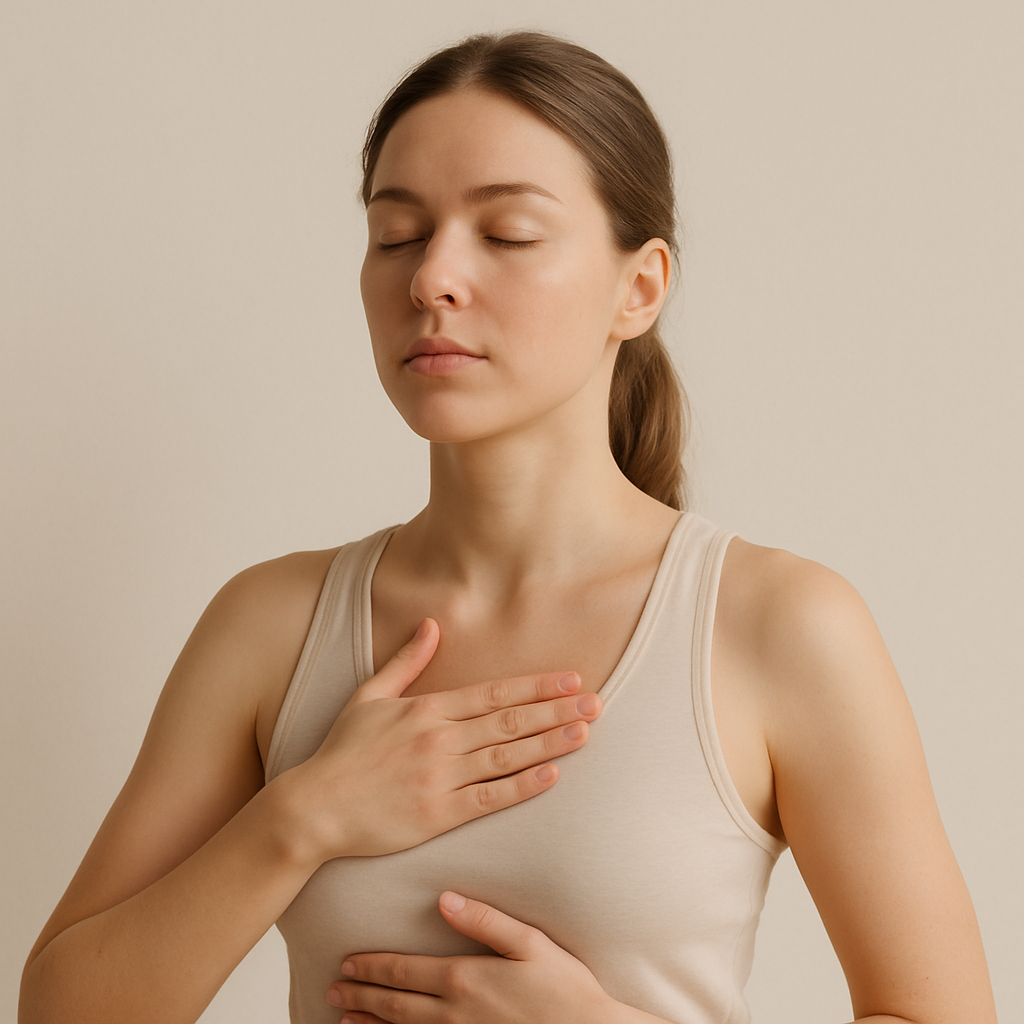
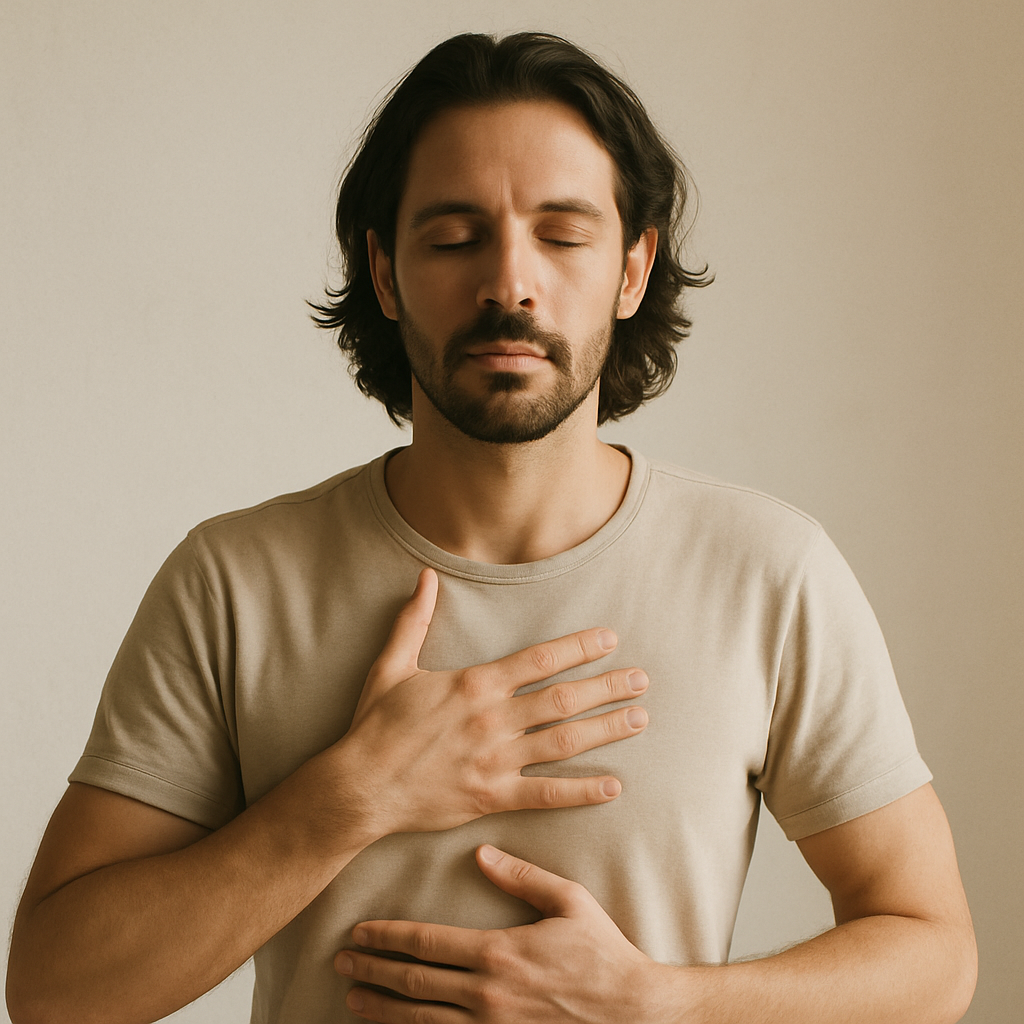
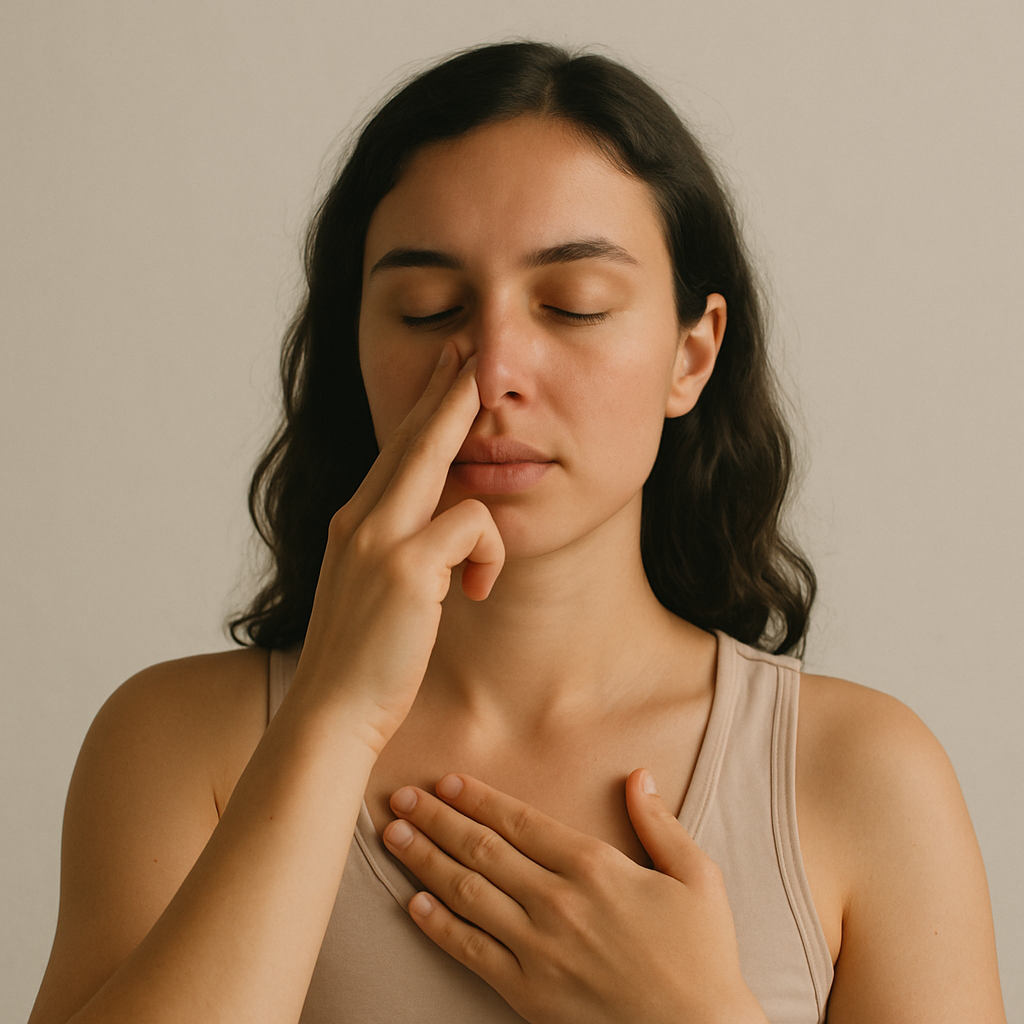
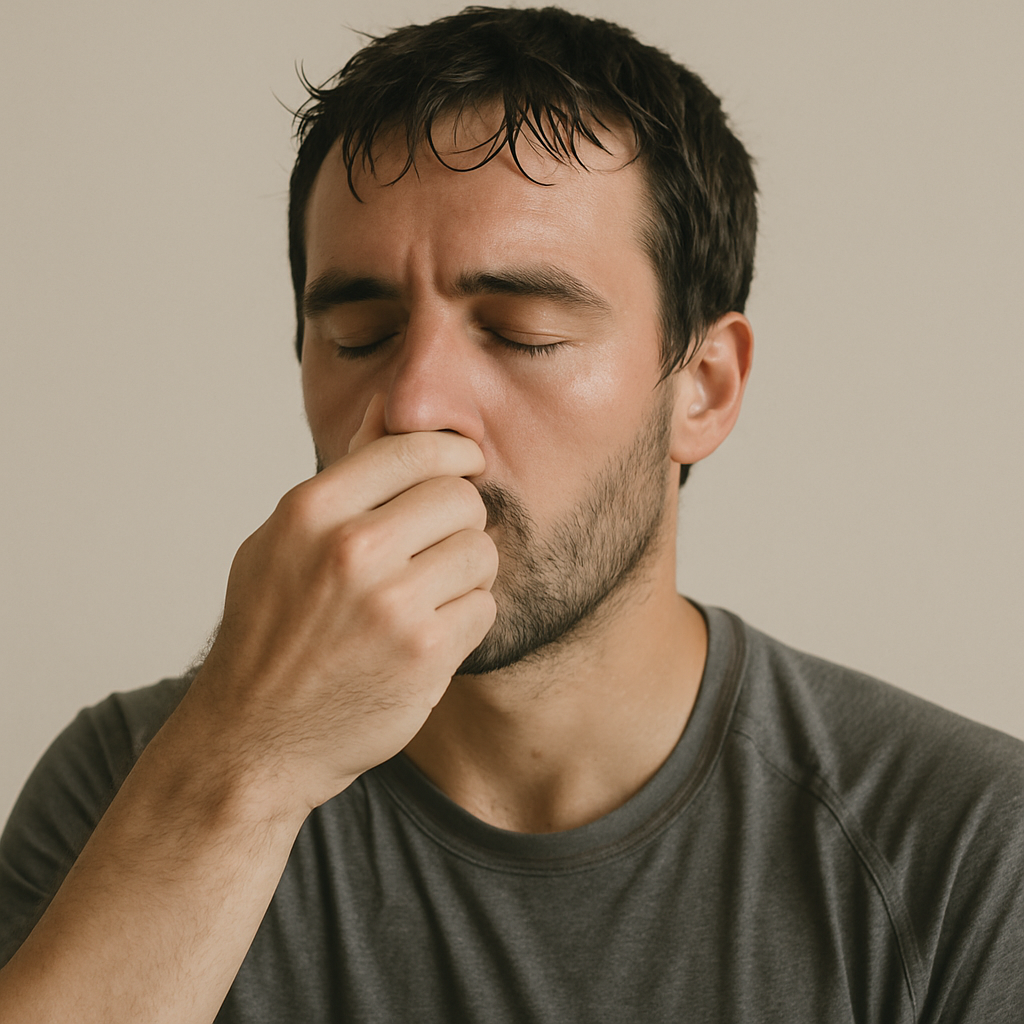
- Self-Directed Breathwork: Individuals can practice techniques such as deep diaphragmatic breathing or alternate nostril breathing at home.
- Workshops and Retreats: Immersive experiences that focus on breath as a tool for emotional healing.
While there are no specific dosing ranges for breathwork, practitioners are encouraged to start with short sessions (5-10 minutes) and gradually increase duration as they become more comfortable.
Safety, Contraindications & Interactions
Breathwork is generally safe for most individuals; however, some contraindications include:
- Severe respiratory conditions (e.g., asthma, COPD).
- History of panic attacks or severe anxiety.
- Cardiovascular issues may require caution.
It is advisable to consult with a healthcare provider before starting breathwork, especially for those taking medications that affect the nervous system.
Pairs Well With
Breathwork can be effectively paired with other natural remedies and practices, including:
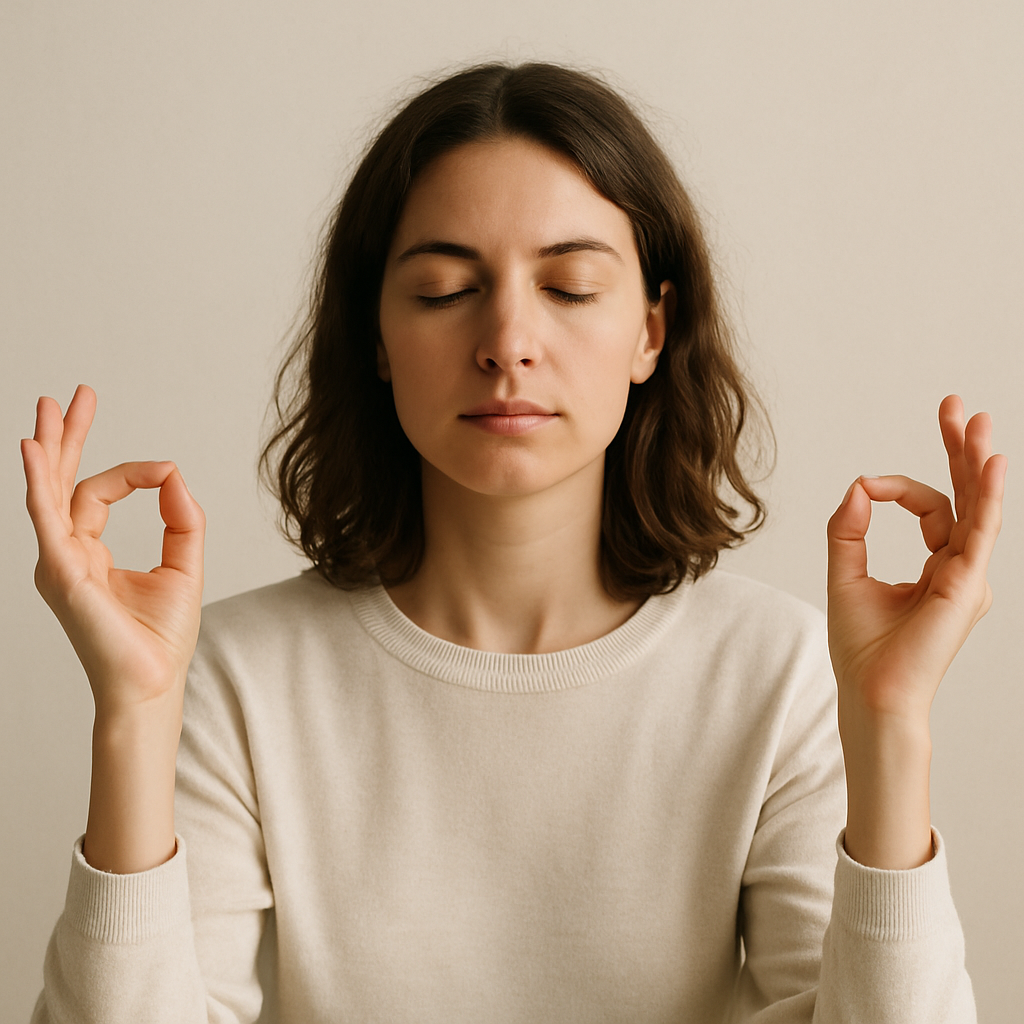
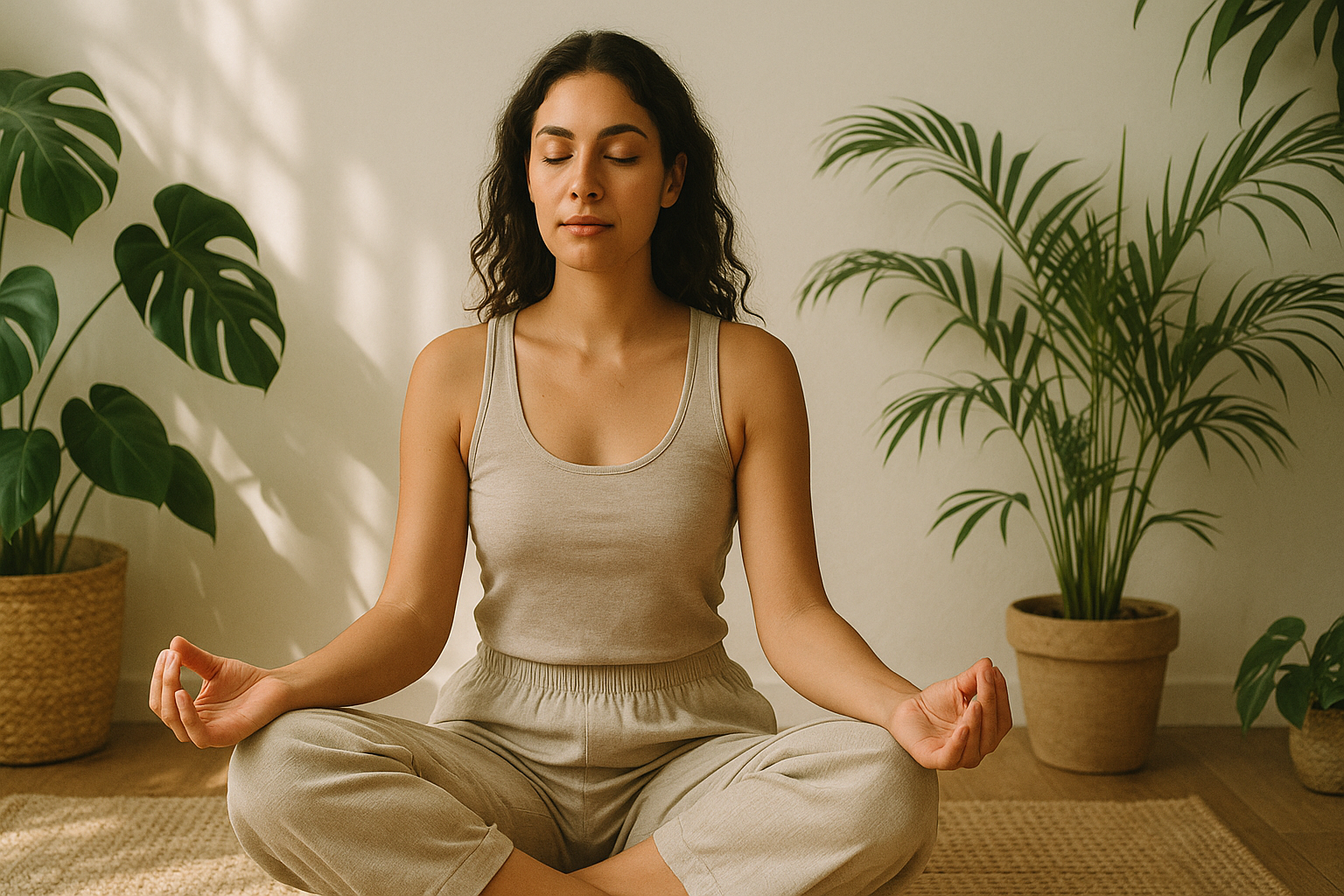
- Meditation: Enhances mindfulness and emotional awareness.
- Yoga: Complements physical movement with breath control.
- Aromatherapy: Supports relaxation and emotional balance through scents.
FAQs (5)
- What is the purpose of emotional release in breathwork? Emotional release in breathwork aims to help individuals express and process pent-up emotions for better emotional health.
- How often should I practice breathwork for emotional release? Regular practice, even a few times a week, can enhance emotional benefits, but individual needs may vary.
- Can breathwork help with anxiety? Many individuals find breathwork effective in reducing anxiety symptoms and promoting relaxation.
- Is breathwork suitable for everyone? While generally safe, those with specific health conditions should consult a healthcare provider before starting.
- How long does a typical breathwork session last? Sessions can vary in length, typically ranging from 10 to 60 minutes depending on the practice and setting.
Frequently asked
What is the purpose of emotional release in breathwork?
Emotional release in breathwork aims to help individuals express and process pent-up emotions for better emotional health.
How often should I practice breathwork for emotional release?
Regular practice, even a few times a week, can enhance emotional benefits, but individual needs may vary.
Can breathwork help with anxiety?
Many individuals find breathwork effective in reducing anxiety symptoms and promoting relaxation.
Is breathwork suitable for everyone?
While generally safe, those with specific health conditions should consult a healthcare provider before starting.
How long does a typical breathwork session last?
Sessions can vary in length, typically ranging from 10 to 60 minutes depending on the practice and setting.