VO2 Optimization
Learn about VO2 optimization, its mechanisms, evidence supporting its benefits, practical applications, and important safety considerations.
Explore VO2 optimization within fitness optimization, including its mechanisms, evidence, practical applications, and safety considerations.
What It Is
VO2 optimization refers to the enhancement of the body’s ability to utilize oxygen during physical activity. This metric, often measured in milliliters of oxygen consumed per minute per kilogram of body weight, is crucial for determining aerobic fitness levels and overall endurance performance. When individuals optimize their VO2 levels, they can improve their exercise efficiency, resulting in better performance in endurance sports, daily activities, and overall health.
VO2 max, the maximum amount of oxygen the body can utilize during intense exercise, serves as a key indicator of cardiovascular fitness. Greater VO2 max values correlate with improved endurance, allowing individuals to sustain higher intensities of exercise for longer durations. Factors influencing VO2 max include genetics, training, age, and sex, making it essential for fitness enthusiasts to understand how to optimize this metric for their unique needs.
Mechanism / How It Works
The mechanism behind VO2 optimization involves several physiological adaptations that occur as a result of consistent aerobic training. Regular endurance exercise leads to increased capillary density in the muscles, enhancing oxygen delivery and utilization. Additionally, training stimulates mitochondrial biogenesis, which improves the muscles' ability to produce energy aerobically.
Moreover, VO2 optimization is influenced by the efficiency of the cardiovascular system, which includes the heart's ability to pump blood and the lungs' capacity to exchange gases. Enhanced stroke volume and cardiac output during exercise also contribute to higher VO2 max levels. As fitness improves, the body becomes more adept at utilizing oxygen, leading to better performance and recovery.
Evidence Summary
Research on VO2 optimization has produced a mixed bag of findings. Numerous studies indicate that regular aerobic training can significantly enhance VO2 max in various populations, including both athletes and sedentary individuals. A meta-analysis of multiple studies found that high-intensity interval training (HIIT) is particularly effective in increasing VO2 max compared to moderate continuous training.
However, some studies show conflicting results regarding the sustainability of VO2 max improvements over time, suggesting that without consistent training, individuals may lose the gains achieved. Additionally, factors such as age and pre-existing health conditions can influence the extent to which VO2 can be optimized. While the evidence supports the efficacy of training on VO2 optimization, individual responses can vary greatly.
Practical Application
To optimize VO2, individuals can adopt various training protocols that emphasize aerobic capacity. These may include:
- Long, steady-state runs or rides at moderate intensity.
- High-intensity interval training (HIIT) sessions involving short bursts of intense effort followed by recovery periods.
- Incorporating cross-training activities like swimming or cycling to challenge the cardiovascular system in different ways.
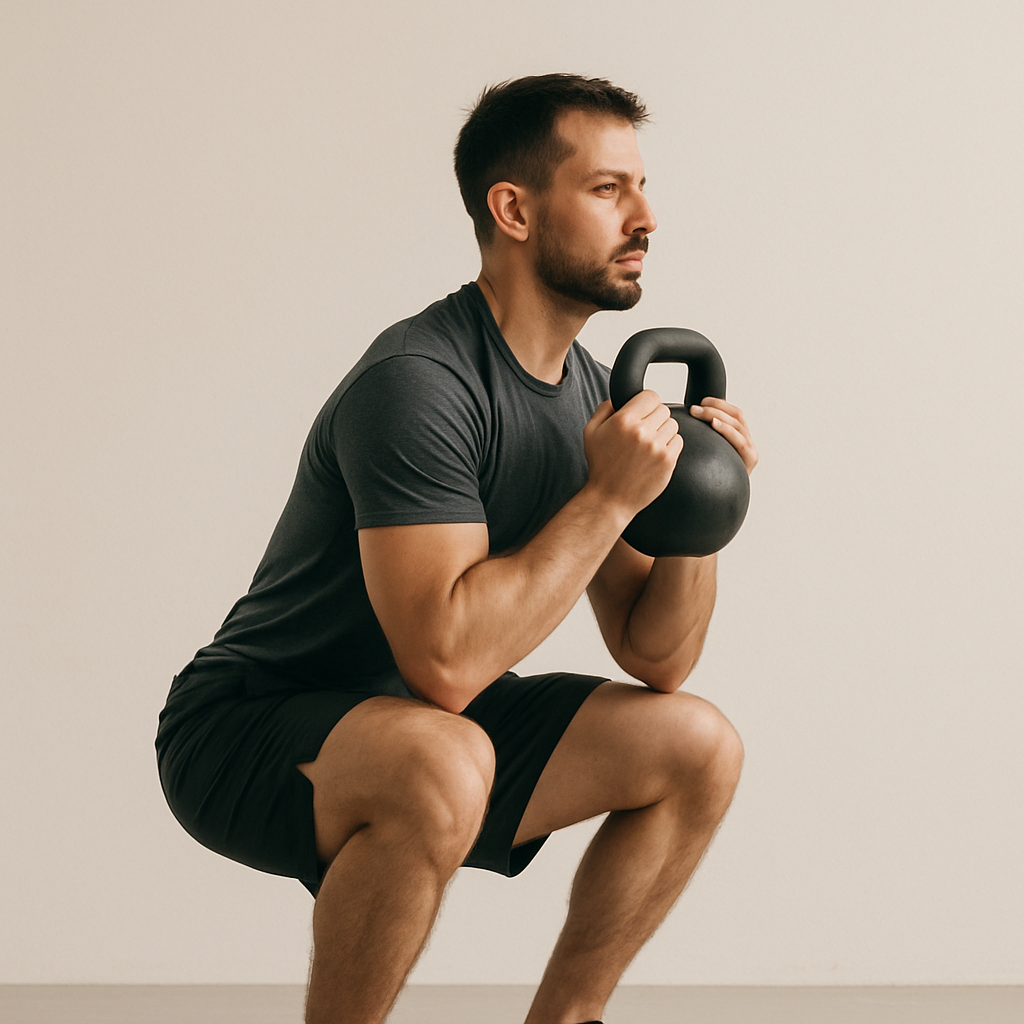
Daily integration of VO2 optimization strategies can be achieved by gradually increasing workout intensity and duration while allowing adequate recovery. Common pitfalls include overtraining, which can lead to burnout or injury, and neglecting strength training, which is essential for overall fitness. It's crucial to listen to one’s body and adjust training loads accordingly.
Relevant Biomarkers & Tracking
To effectively track VO2 optimization, individuals can monitor several biomarkers, including:
- VO2 max values obtained through laboratory tests or field tests.
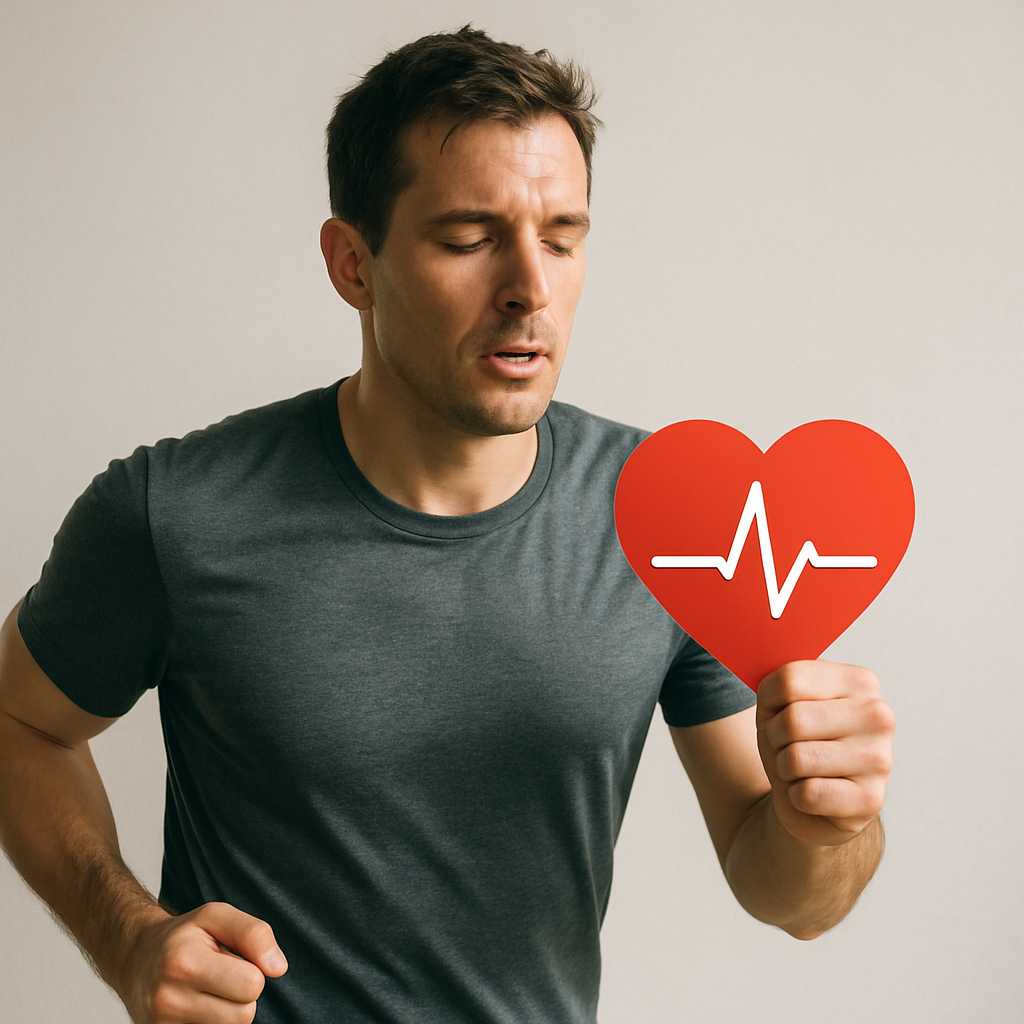
- Heart rate variability (HRV), which provides insight into recovery and overall cardiovascular health.
- Resting heart rate, which can indicate fitness levels and training adaptations.
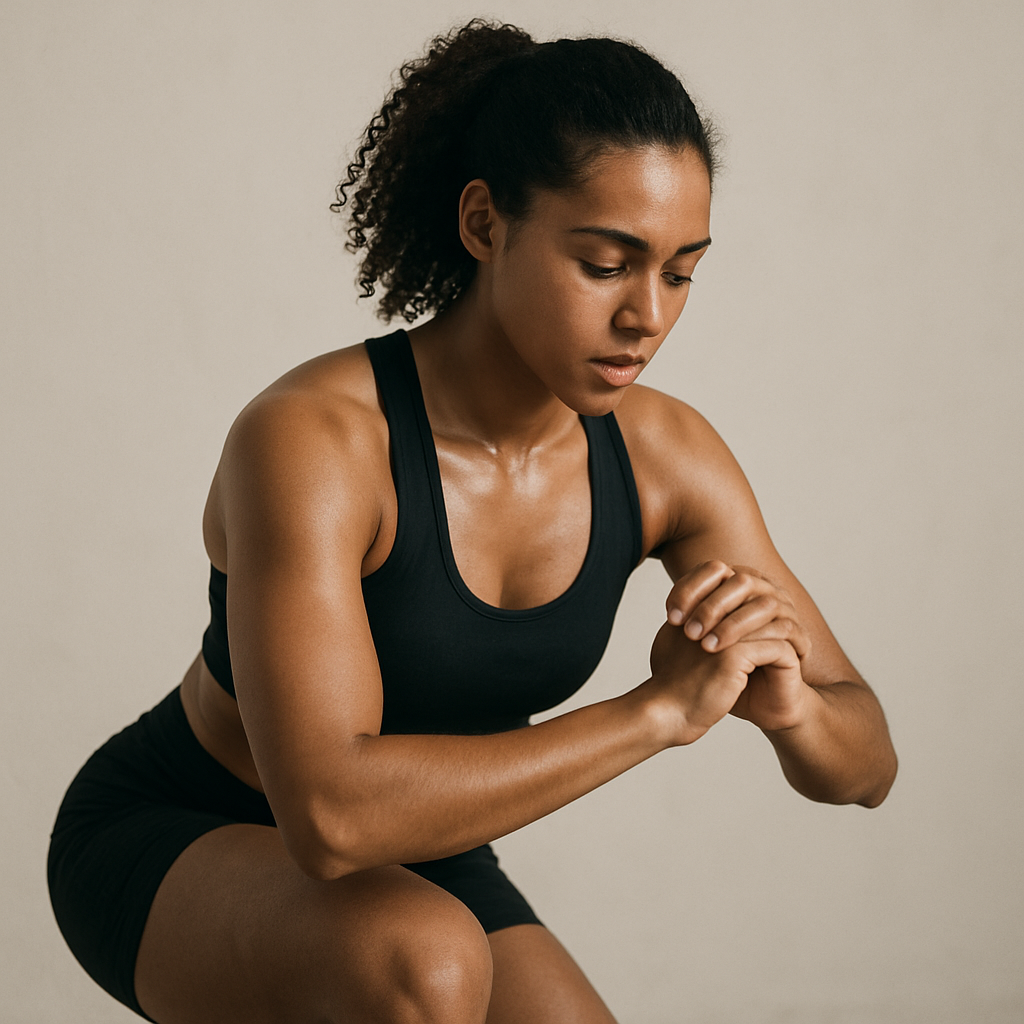
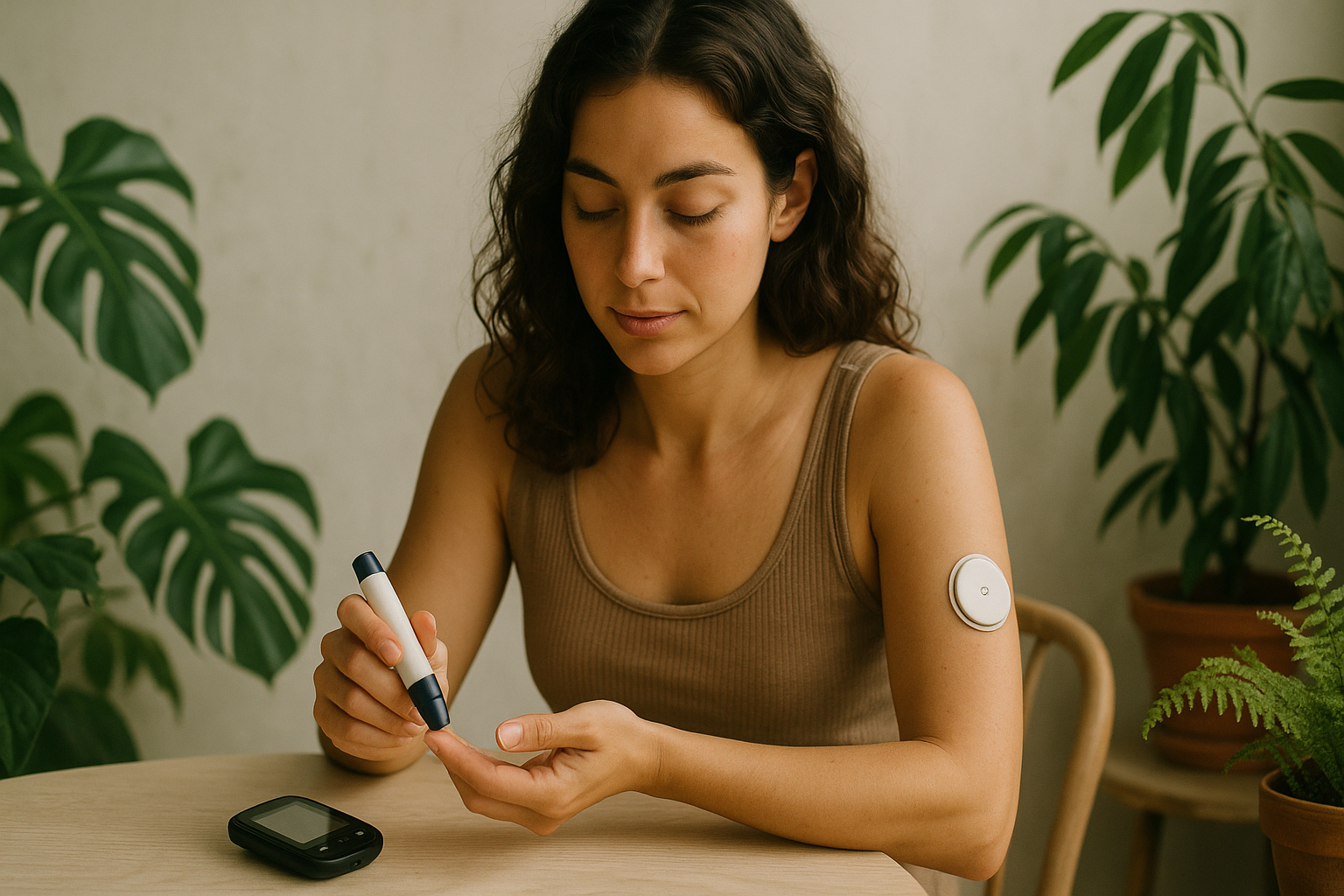
Wearable technology, such as heart rate monitors and fitness trackers, can also aid in tracking workout intensity and recovery, helping individuals to stay within optimal training zones.
Body Systems Supported
VO2 optimization primarily supports the cardiovascular and muscular systems, enhancing the efficiency of oxygen transport and utilization. Additionally, improvements in VO2 max can positively impact:
- Respiratory system function, aiding in more effective gas exchange.
- Metabolic health, promoting better fat oxidation and energy production.
- Neurological systems, as improved cardiovascular fitness can enhance cognitive function and reduce fatigue.
Common Goals
Individuals pursuing VO2 optimization often target specific fitness goals, such as:
- Improving performance in endurance sports, like running, cycling, or swimming.
- Enhancing overall fitness and health for daily activities.
- Achieving weight loss or body composition goals through increased caloric expenditure.
Safety, Contraindications & Edge Cases
While VO2 optimization can offer numerous benefits, certain safety considerations must be kept in mind. Individuals with pre-existing cardiovascular conditions, respiratory issues, or other chronic health problems should consult a healthcare professional before embarking on a rigorous training program. Additionally, those new to exercise should start slowly to avoid injury.
Edge cases may include elite athletes who reach a plateau in their VO2 max despite extensive training, suggesting a potential genetic ceiling. In such instances, focusing on other aspects of fitness, such as strength or flexibility, may be beneficial.
Pairs Well With
VO2 optimization aligns well with several ancient and natural practices, including:
- Yoga: Enhances flexibility and promotes efficient breathing techniques.
- Martial Arts: Offers a dynamic approach to aerobic fitness while improving strength and coordination.
- Traditional Endurance Training: Methods such as long-distance running or cycling can significantly complement VO2 optimization efforts.
FAQs (5)
- What is VO2 max? VO2 max is the maximum amount of oxygen the body can utilize during intense exercise, serving as a key indicator of cardiovascular fitness.
- How can I improve my VO2 max? Regular aerobic training, especially high-intensity interval training, can significantly improve VO2 max.
- Are there any risks associated with VO2 optimization? Yes, individuals with pre-existing health conditions should consult a healthcare professional before starting a rigorous training program.
- How often should I train for VO2 optimization? Training frequency will vary based on individual goals, but incorporating aerobic sessions 3-5 times per week is generally recommended.
- Can I measure my VO2 max at home? While laboratory tests provide the most accurate measurements, various field tests and fitness trackers can offer estimations of VO2 max at home.
Frequently asked
What is VO2 max?
VO2 max is the maximum amount of oxygen the body can utilize during intense exercise, serving as a key indicator of cardiovascular fitness.
How can I improve my VO2 max?
Regular aerobic training, especially high-intensity interval training, can significantly improve VO2 max.
Are there any risks associated with VO2 optimization?
Yes, individuals with pre-existing health conditions should consult a healthcare professional before starting a rigorous training program.
How often should I train for VO2 optimization?
Training frequency will vary based on individual goals, but incorporating aerobic sessions 3-5 times per week is generally recommended.
Can I measure my VO2 max at home?
While laboratory tests provide the most accurate measurements, various field tests and fitness trackers can offer estimations of VO2 max at home.