Performance Enhancement
Discover how performance enhancement can optimize your fitness journey through evidence-based practices, mechanisms, and safety considerations.

Explore the realm of performance enhancement within the broader scope of fitness optimization. Understand its mechanisms, evidence, practical applications, and safety considerations while tracking relevant biomarkers and aligning with common fitness goals.
What It Is
Performance enhancement refers to a variety of practices, interventions, and techniques aimed at improving physical capabilities and athletic performance. This can encompass both physical training methodologies and nutritional strategies, as well as the use of supplements and advanced technologies designed to push the limits of human performance. The goal is to maximize one’s potential in various physical activities, from casual fitness routines to elite sports.
In the context of fitness optimization, performance enhancement focuses on evidence-based approaches that lead to measurable improvements in strength, endurance, speed, and overall athletic prowess. It is essential to differentiate between legitimate performance enhancement strategies and those that may promote unethical practices, such as the use of banned substances.
Mechanism / How It Works
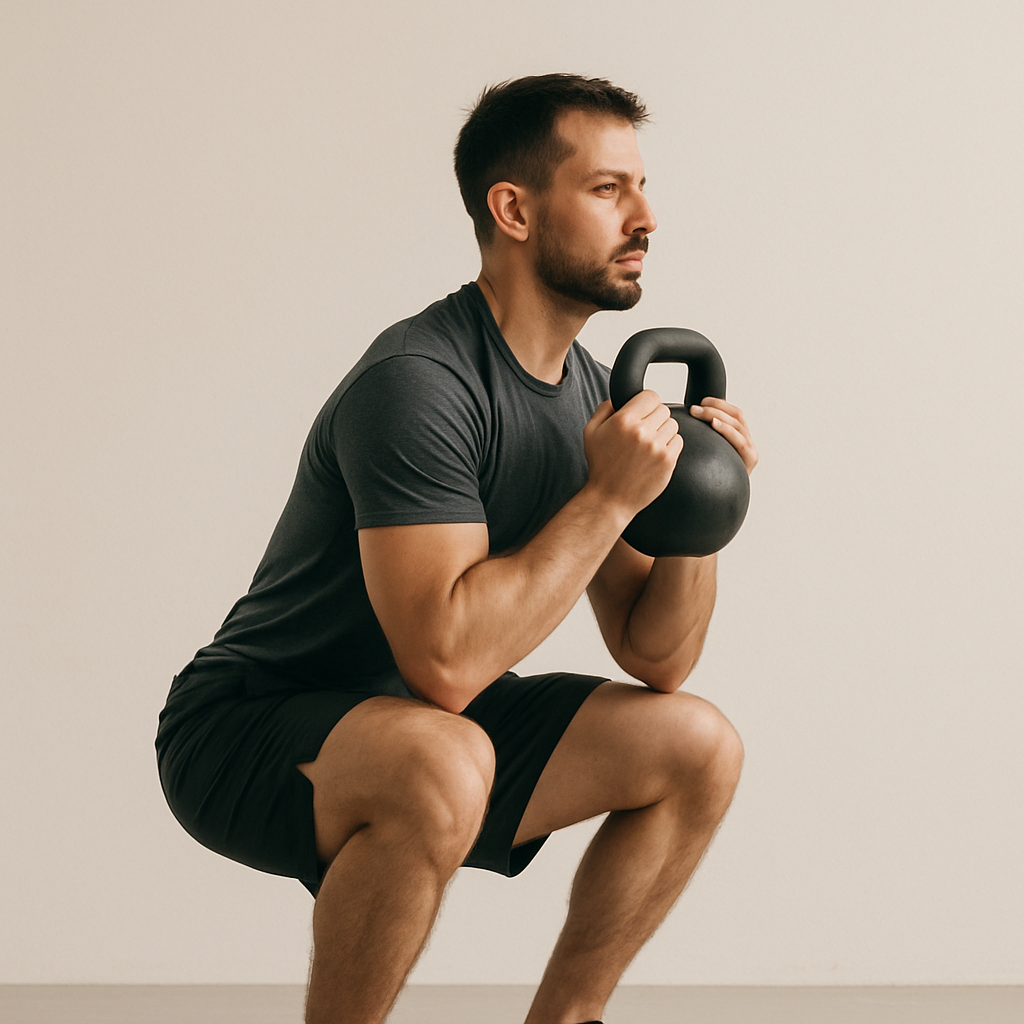
The mechanisms behind performance enhancement can vary widely depending on the specific strategies employed. Strength training, for instance, works by creating micro-tears in muscle fibers, which then repair and adapt to increase strength and size through a process called hypertrophy. Nutritional strategies, such as carbohydrate loading, can enhance glycogen storage in muscles, providing more fuel for endurance activities.
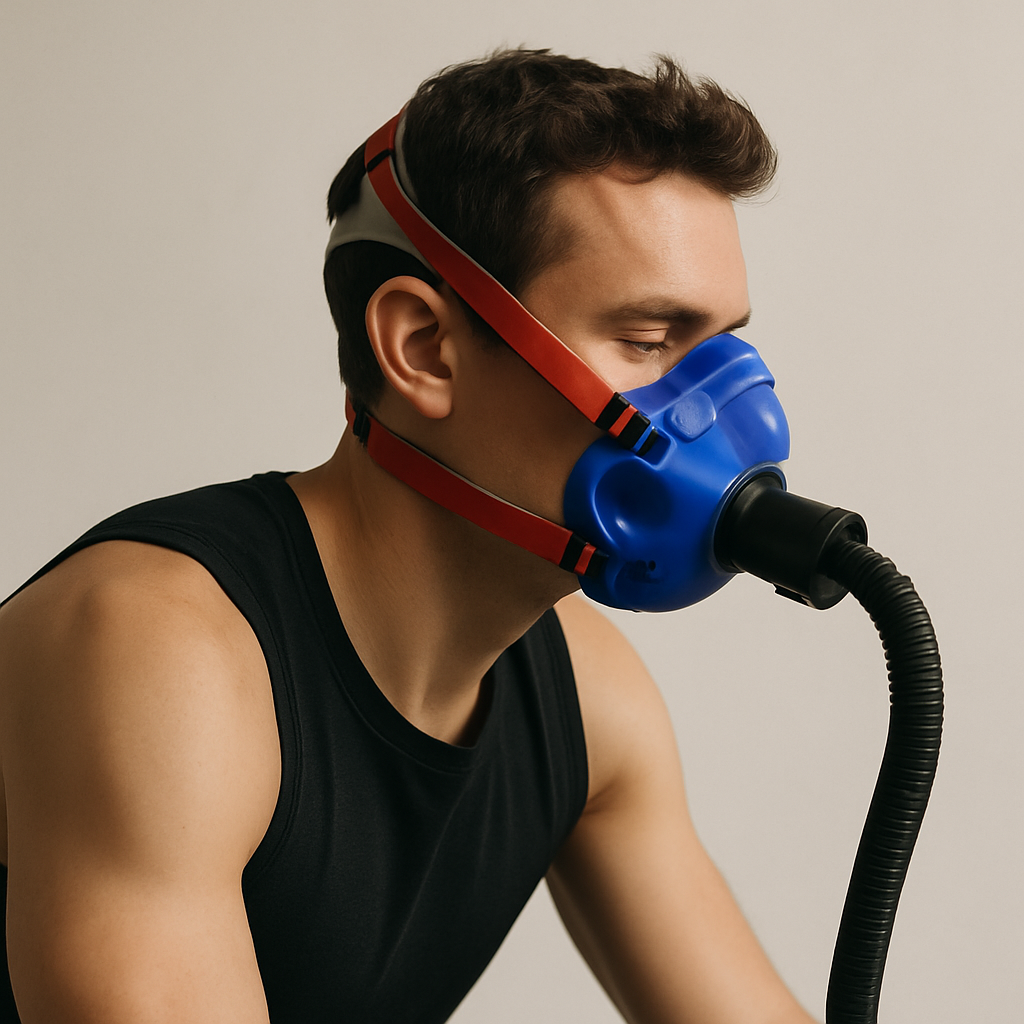
Supplementation may involve the use of substances like creatine, which increases the availability of ATP (adenosine triphosphate) in muscle cells, thus enhancing short bursts of high-intensity performance. Additionally, advanced technologies such as biomechanical analysis and wearable performance tracking devices provide insights into an athlete's movement patterns and physiological responses, allowing for tailored training interventions.
Evidence Summary
The evidence supporting various performance enhancement techniques is mixed, ranging from robust clinical studies to preliminary findings that warrant further investigation. For instance, numerous studies have established the efficacy of strength training and certain nutritional interventions in improving performance metrics.
On the other hand, some supplements and technologies may lack extensive research backing their effectiveness or safety. Conflicting results can arise due to individual differences in response to specific interventions, making it crucial for athletes and fitness enthusiasts to approach performance enhancement with a critical mindset.
Practical Application
To effectively integrate performance enhancement strategies into a fitness routine, individuals should consider a multi-faceted approach that includes structured training protocols, proper nutrition, and recovery practices. Setting realistic and measurable goals is essential for tracking progress.
Daily integration might involve the following:
- Incorporating strength training sessions 2-4 times a week.
- Utilizing periodization to vary training intensity and volume.
- Prioritizing macronutrient balance in meals to support training demands.
- Implementing recovery strategies, such as stretching and adequate sleep.
Common pitfalls include overtraining, neglecting recovery, and relying too heavily on supplements without a solid foundation of training and nutrition.
Relevant Biomarkers & Tracking
Monitoring specific biomarkers can provide valuable insights into the effectiveness of performance enhancement strategies. Key biomarkers may include:
- Muscle creatine levels, indicating the effectiveness of creatine supplementation.
- Blood lactate levels, assessing endurance and recovery responses.
- Hormonal levels, such as testosterone and cortisol, to gauge recovery and anabolic states.
- Heart rate variability (HRV) as an indicator of overall fitness and recovery.
Utilizing fitness trackers and apps can aid in monitoring these biomarkers and tracking performance metrics over time.
Body Systems Supported
Performance enhancement strategies primarily support the muscular, cardiovascular, and endocrine systems. Strength training enhances muscular strength and endurance, while aerobic conditioning improves cardiovascular efficiency. Nutritional strategies also play a significant role in supporting metabolic functions and hormonal balance.
Common Goals
Common goals associated with performance enhancement include:
- Increasing overall strength and power.
- Improving endurance and stamina for prolonged activities.
- Enhancing speed and agility for sports performance.
- Reducing recovery times between workouts.
- Optimizing body composition for improved performance.
Safety, Contraindications & Edge Cases
While many performance enhancement strategies can be safe when applied correctly, there are potential contraindications and edge cases to consider. Individuals with certain health conditions, such as cardiovascular diseases or metabolic disorders, should consult with healthcare professionals before embarking on aggressive performance enhancement protocols.
Additionally, the use of specific supplements or performance-enhancing drugs can pose significant health risks, including hormonal imbalances, liver damage, and psychological effects. It is essential to prioritize safety and adhere to guidelines established by sports authorities and health organizations.
Pairs Well With
Performance enhancement practices can be complemented by ancient and natural counterparts. For instance:
- Traditional herbal supplements like ashwagandha have been used for centuries to enhance energy and reduce stress.
- Mindfulness and meditation practices can improve focus and mental resilience.
- Yoga and flexibility training can enhance recovery and prevent injuries.
FAQs (5)
- Q: What are some common performance-enhancing supplements?
A: Common supplements include creatine, beta-alanine, caffeine, and branched-chain amino acids (BCAAs). - Q: Can performance enhancement be achieved without supplements?
A: Yes, through structured training, proper nutrition, and recovery practices, significant performance improvements can be realized without supplements. - Q: How long does it take to see results from performance enhancement strategies?
A: Results can vary, but noticeable improvements typically occur within several weeks to months of consistent training and nutrition efforts. - Q: Is performance enhancement safe for everyone?
A: Not necessarily; individuals with certain health conditions should consult a healthcare professional before pursuing aggressive enhancement strategies. - Q: What role does mental training play in performance enhancement?
A: Mental training techniques, such as visualization and goal-setting, can significantly improve focus and motivation, contributing to overall performance.
Frequently asked
What are some common performance-enhancing supplements?
Common supplements include creatine, beta-alanine, caffeine, and branched-chain amino acids (BCAAs).
Can performance enhancement be achieved without supplements?
Yes, through structured training, proper nutrition, and recovery practices, significant performance improvements can be realized without supplements.
How long does it take to see results from performance enhancement strategies?
Results can vary, but noticeable improvements typically occur within several weeks to months of consistent training and nutrition efforts.
Is performance enhancement safe for everyone?
Not necessarily; individuals with certain health conditions should consult a healthcare professional before pursuing aggressive enhancement strategies.
What role does mental training play in performance enhancement?
Mental training techniques, such as visualization and goal-setting, can significantly improve focus and motivation, contributing to overall performance.