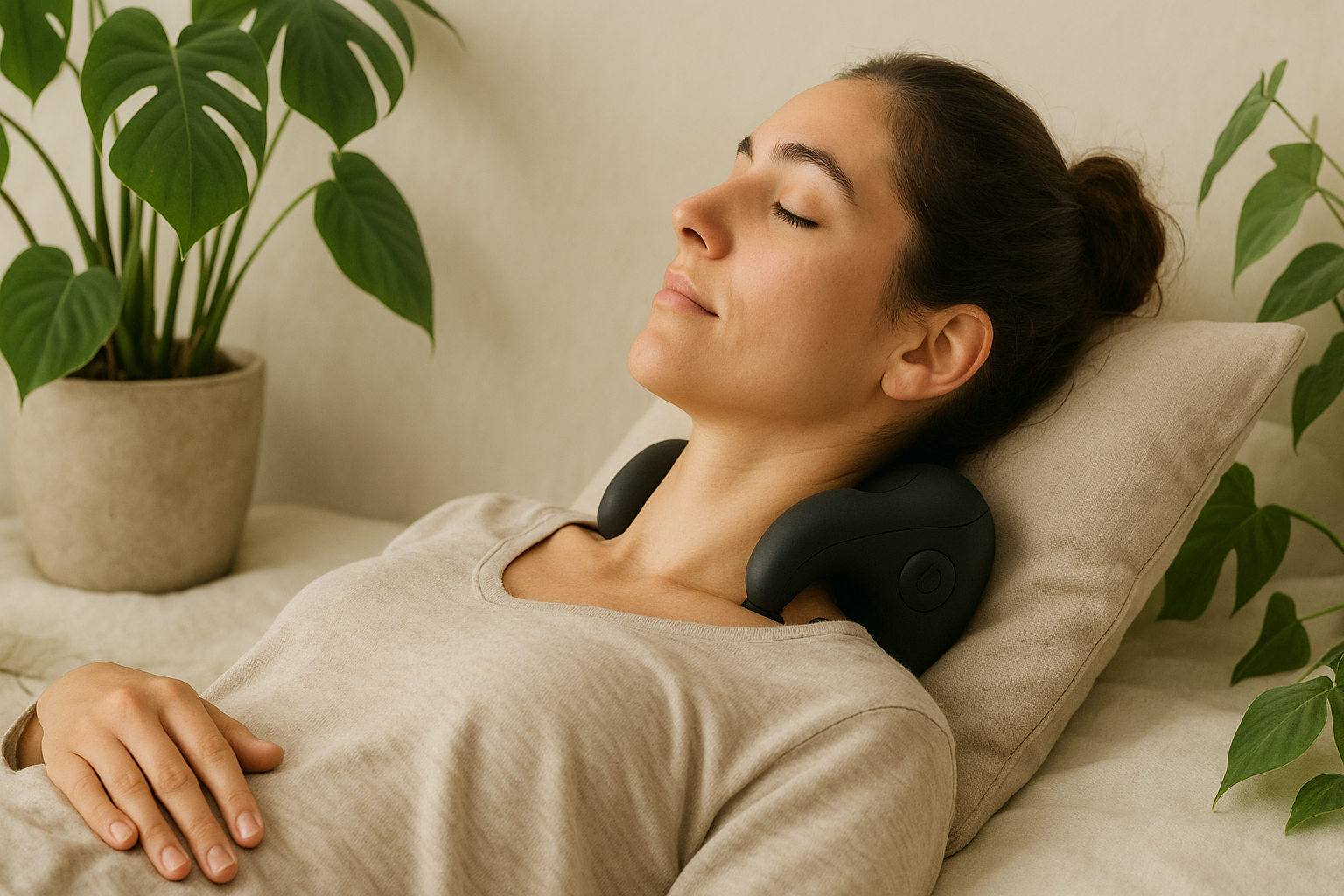
Movement Recovery
Discover Movement Recovery, a crucial aspect of fitness optimization focused on enhancing recovery through various techniques and practices.

Explore the concept of Movement Recovery as a vital component of fitness optimization. Understand its mechanisms, evidence, practical applications, and how it supports various body systems.
What It Is
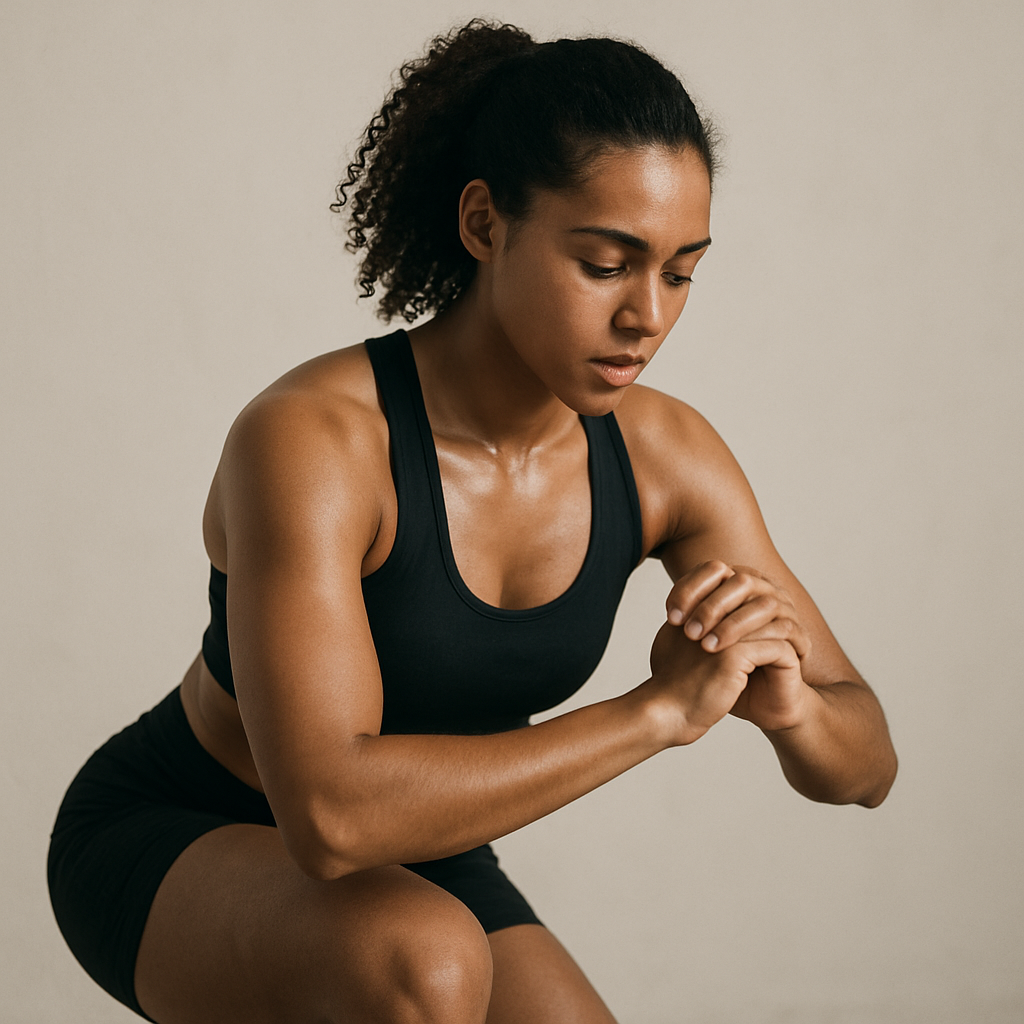
Movement Recovery refers to a set of practices designed to enhance the body's ability to recover from physical activity. It encompasses a range of activities, including stretching, foam rolling, mobility exercises, and active recovery sessions. The primary goal of Movement Recovery is to reduce muscle soreness, improve flexibility, and facilitate quicker recovery times between workouts.
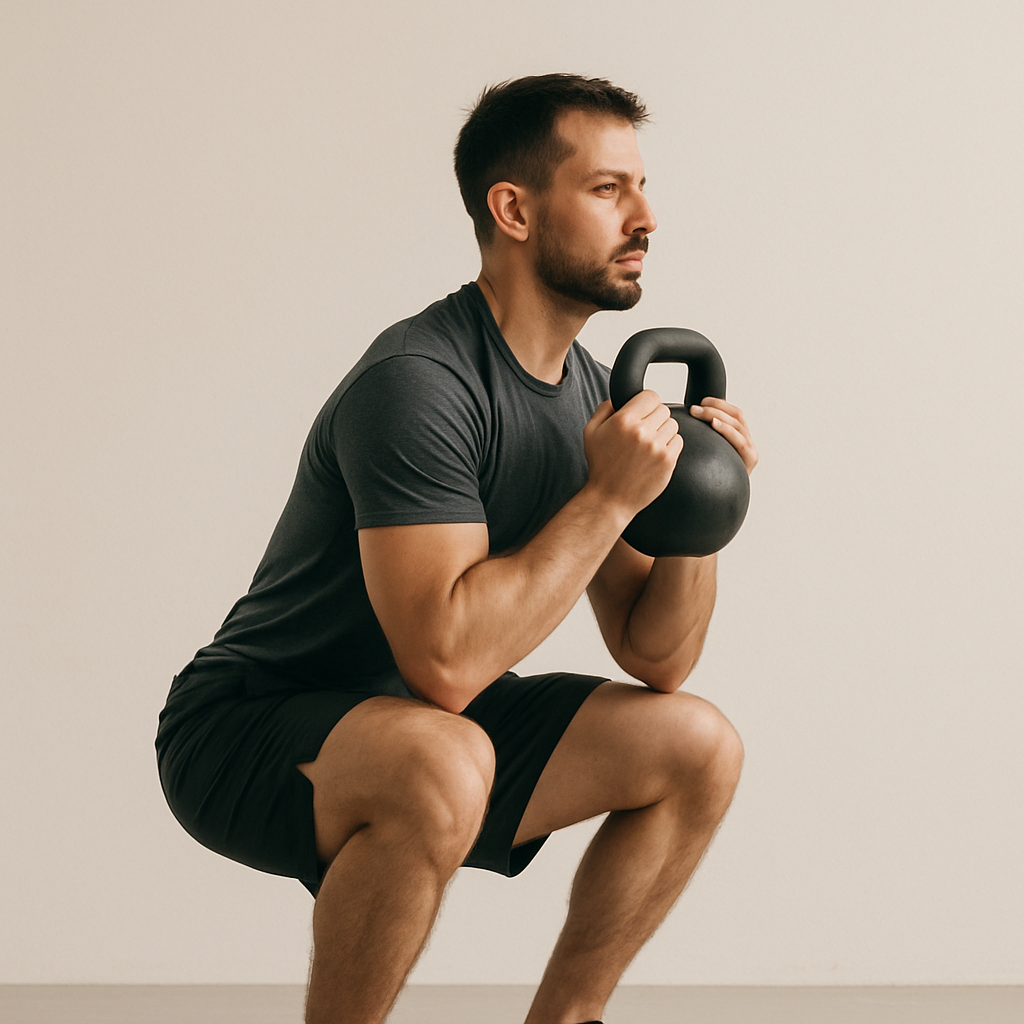
In the context of fitness optimization, Movement Recovery plays a critical role in maintaining performance levels and preventing injuries. By incorporating recovery techniques into a regular fitness routine, individuals can enhance their overall physical capabilities and ensure that their exercise regimens remain effective and sustainable over time.
Mechanism / How It Works
The mechanisms behind Movement Recovery are multifaceted and involve several physiological processes. When the body engages in physical activity, particularly intense or prolonged exercise, microscopic damage occurs to muscle fibers. Movement Recovery techniques aim to promote blood flow, reduce inflammation, and enhance lymphatic drainage, which collectively aid in repairing this damage.
Techniques such as foam rolling and stretching can help alleviate muscle tightness and improve flexibility by increasing the temperature of the tissues and promoting relaxation. Active recovery, which involves low-intensity exercise post-workout, can also stimulate circulation without adding additional strain on the muscles. This combination of approaches helps to optimize recovery times and maintain performance levels.
Evidence Summary
The evidence surrounding Movement Recovery is diverse, with studies yielding both supportive and conflicting results. Preliminary research suggests that practices like foam rolling and dynamic stretching can lead to improvements in range of motion and reductions in muscle soreness. However, the extent of these benefits can vary significantly among individuals.
Clinical studies have shown that incorporating recovery techniques into training regimens may improve overall performance outcomes, particularly in athletes. However, some findings indicate minimal differences in recovery times when compared to passive recovery methods. As such, while there is encouraging evidence for the efficacy of Movement Recovery, more comprehensive and controlled studies are necessary to draw definitive conclusions.
Practical Application
To effectively integrate Movement Recovery into a fitness routine, it is essential to establish a protocol that includes a variety of recovery techniques. Here are some practical applications:
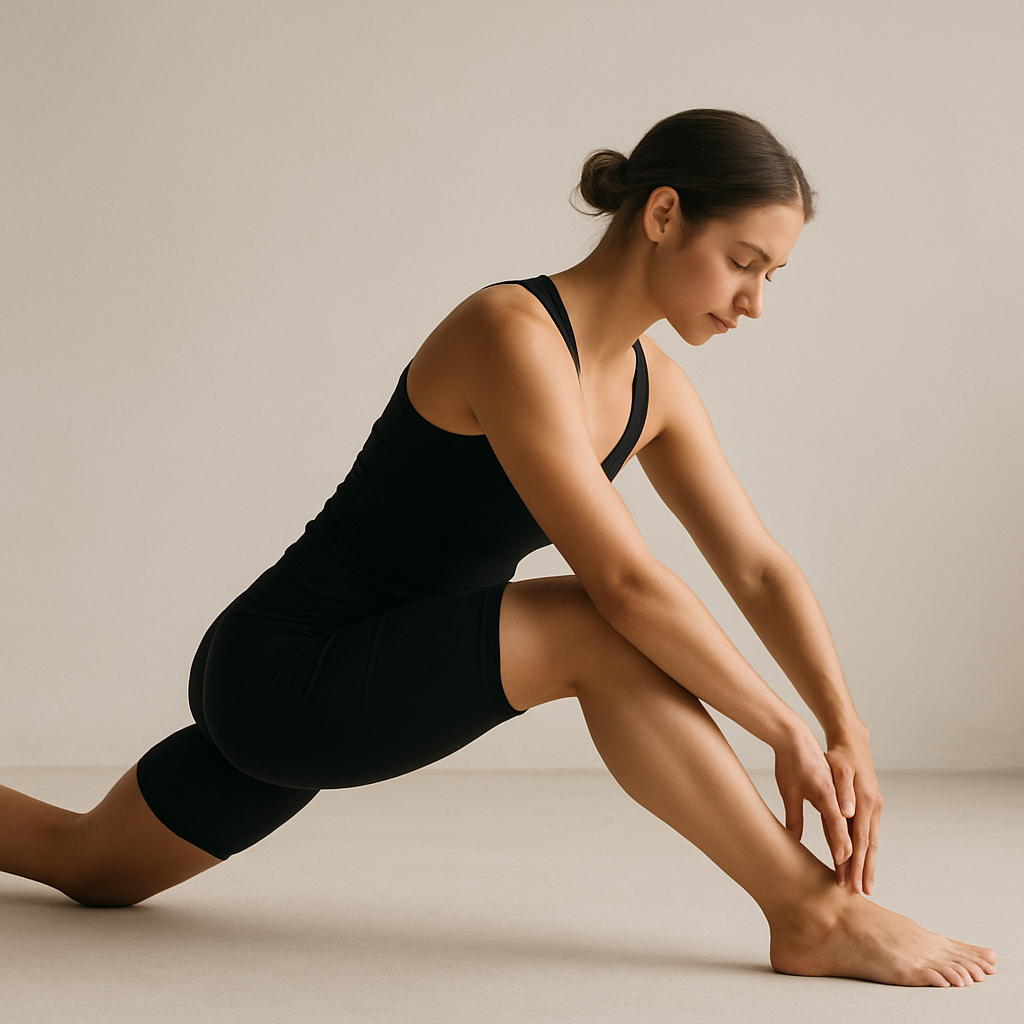
- Post-Workout Stretching: Incorporate static stretching targeting major muscle groups after workouts to promote flexibility.
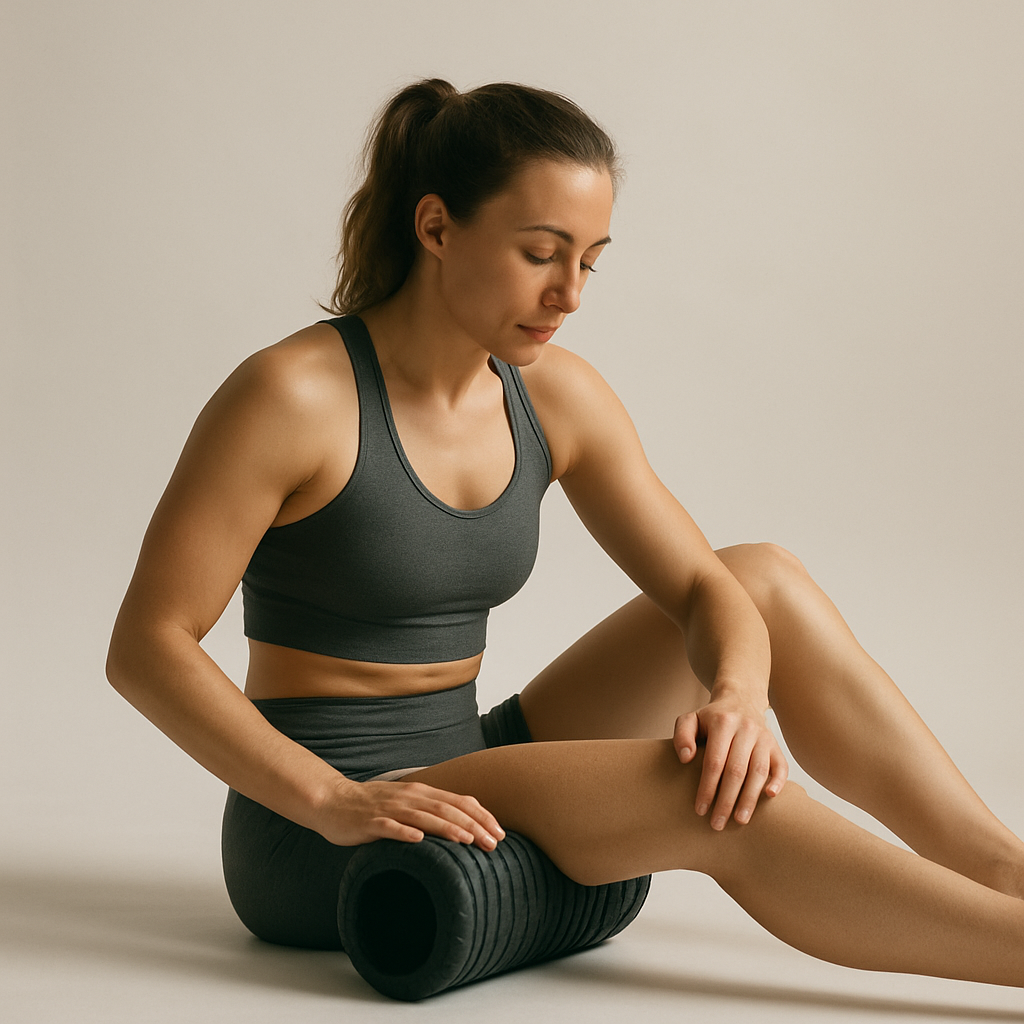
- Foam Rolling: Use foam rollers or massage balls to alleviate muscle tightness; focus on high-tension areas for 1-2 minutes.
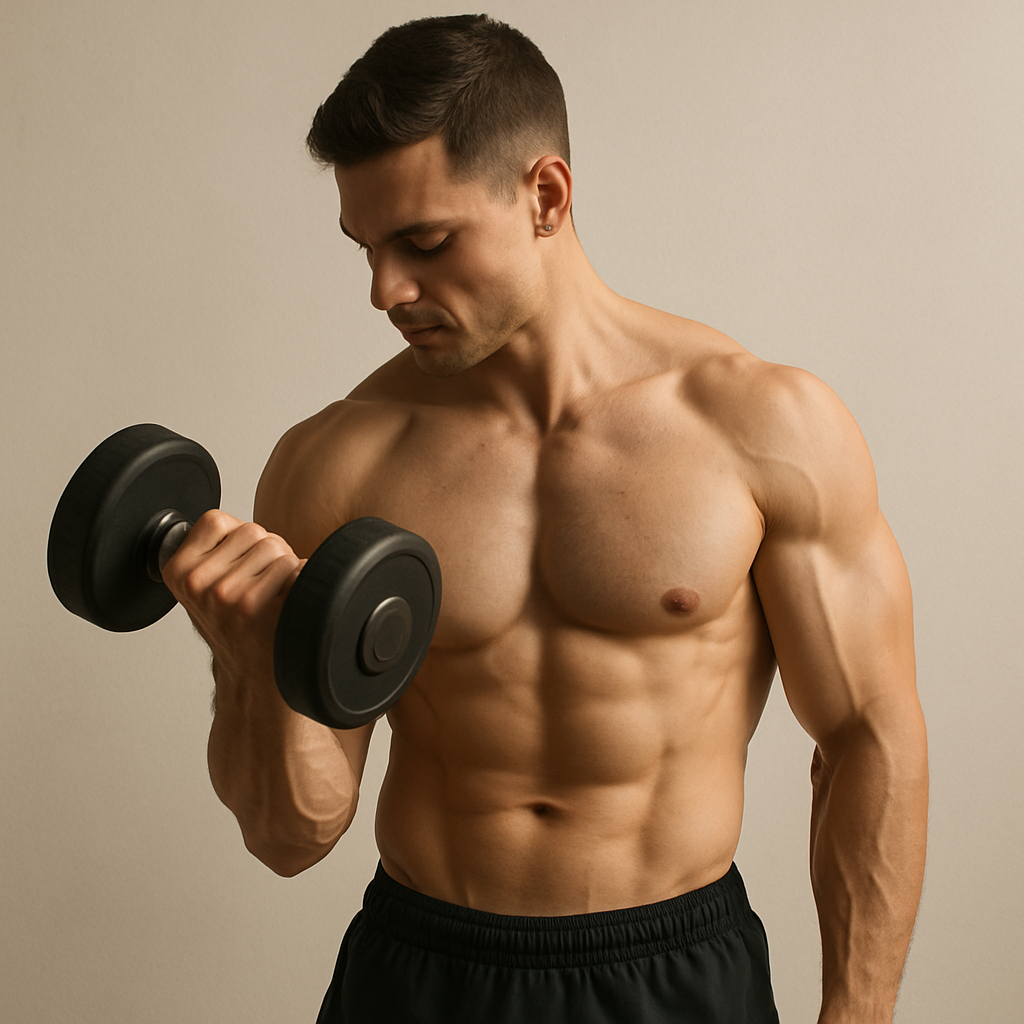
- Active Recovery Days: Schedule low-intensity workouts, such as walking or yoga, to promote circulation on rest days.
- Hydration and Nutrition: Ensure adequate fluid intake and nutrient-rich meals to support recovery processes.
Common pitfalls to avoid include neglecting recovery days, over-relying on a single recovery method, and failing to listen to the body’s signals regarding fatigue and soreness.
Relevant Biomarkers & Tracking
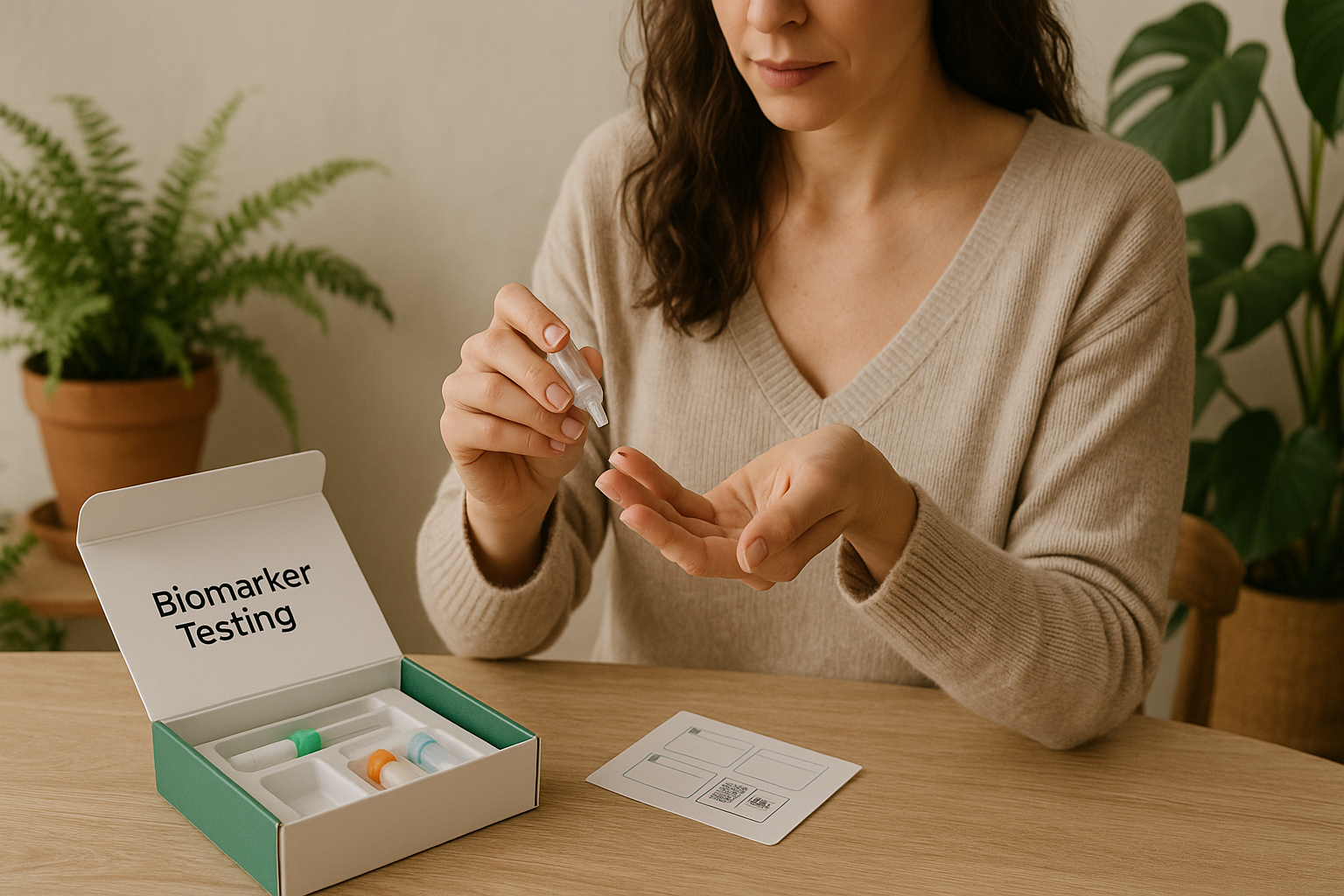
Tracking certain biomarkers can provide insights into recovery status and overall fitness. Relevant markers include:
- Heart Rate Variability (HRV): A higher HRV often indicates better recovery and reduced stress levels.
- Creatine Kinase (CK) Levels: Elevated CK levels can signify muscle damage; monitoring can help assess recovery progress.
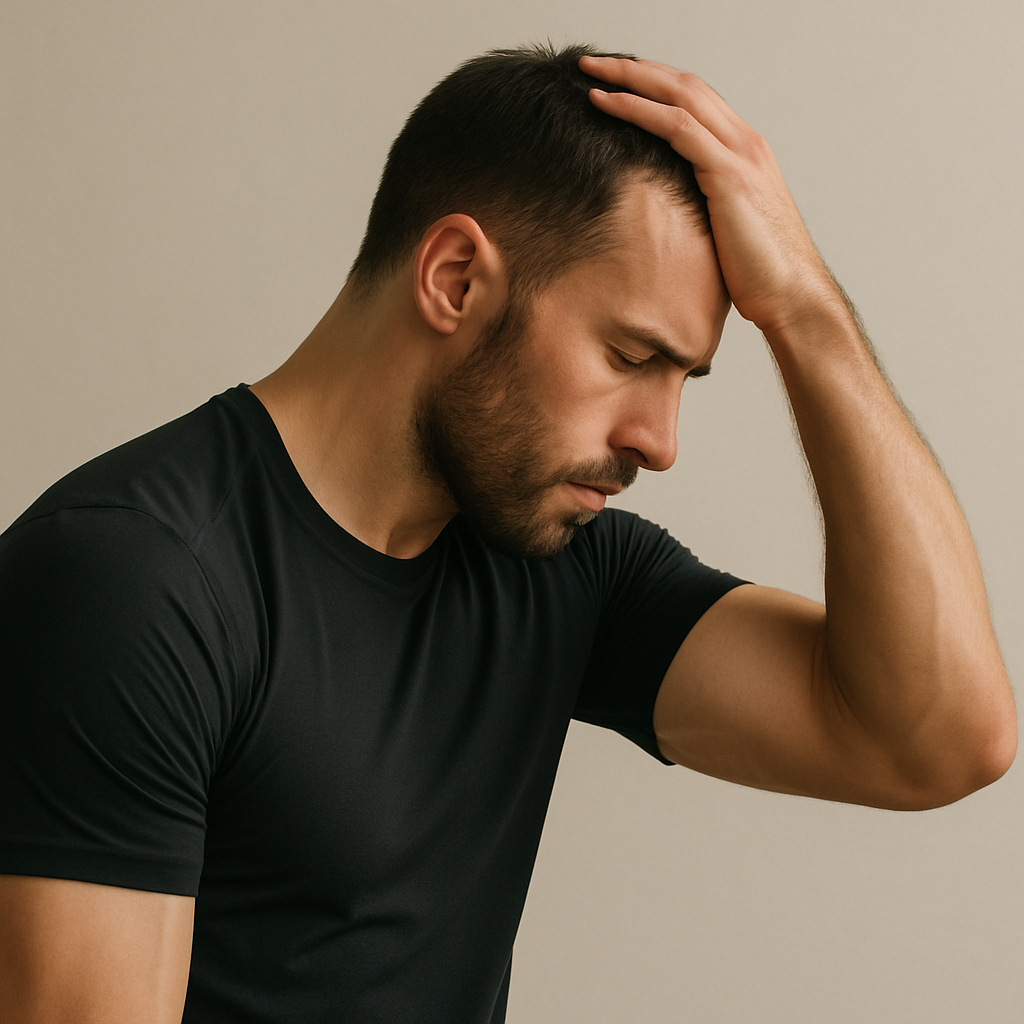
- Muscle Soreness Ratings: Self-reported soreness can help gauge how well the body is recovering from workouts.
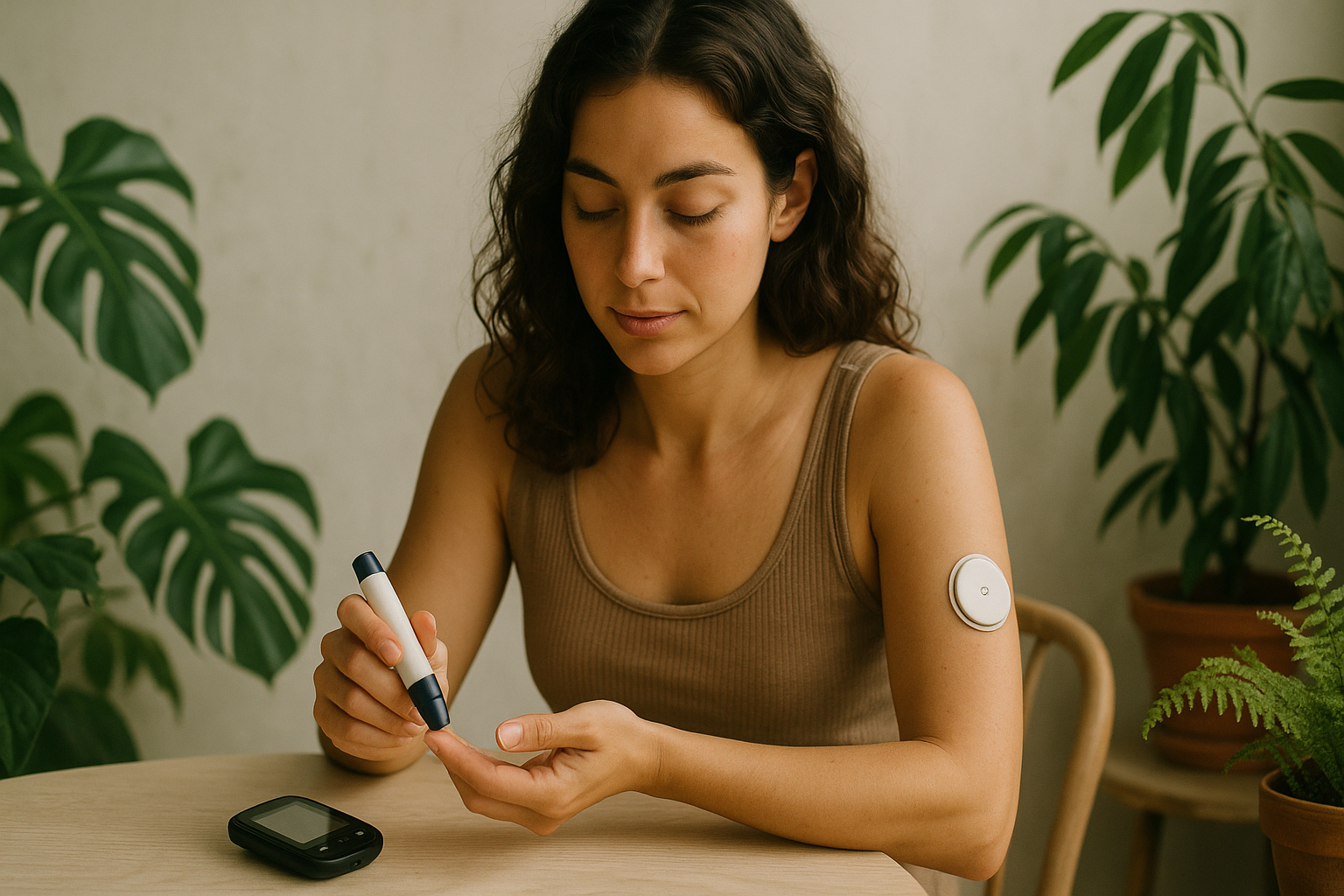
Utilizing wearable technology can also aid in monitoring these factors and tailoring recovery practices effectively.
Body Systems Supported
Movement Recovery supports several body systems, including:
- Muscular System: Helps repair and rejuvenate muscle tissues post-exercise.
- Circulatory System: Enhances blood flow, facilitating nutrient delivery and waste removal.
- Nervous System: Promotes relaxation and recovery of the nervous system, aiding in stress reduction.
By targeting these systems, Movement Recovery can lead to improved overall health and fitness performance.
Common Goals
Individuals engaging in Movement Recovery typically aim for several key outcomes:
- Enhanced muscle recovery and reduced soreness
- Improved flexibility and range of motion
- Increased workout efficiency and performance
- Decreased risk of injury
- Better overall physical well-being and mental clarity
Safety, Contraindications & Edge Cases
While Movement Recovery is generally safe for most individuals, certain contraindications should be noted:
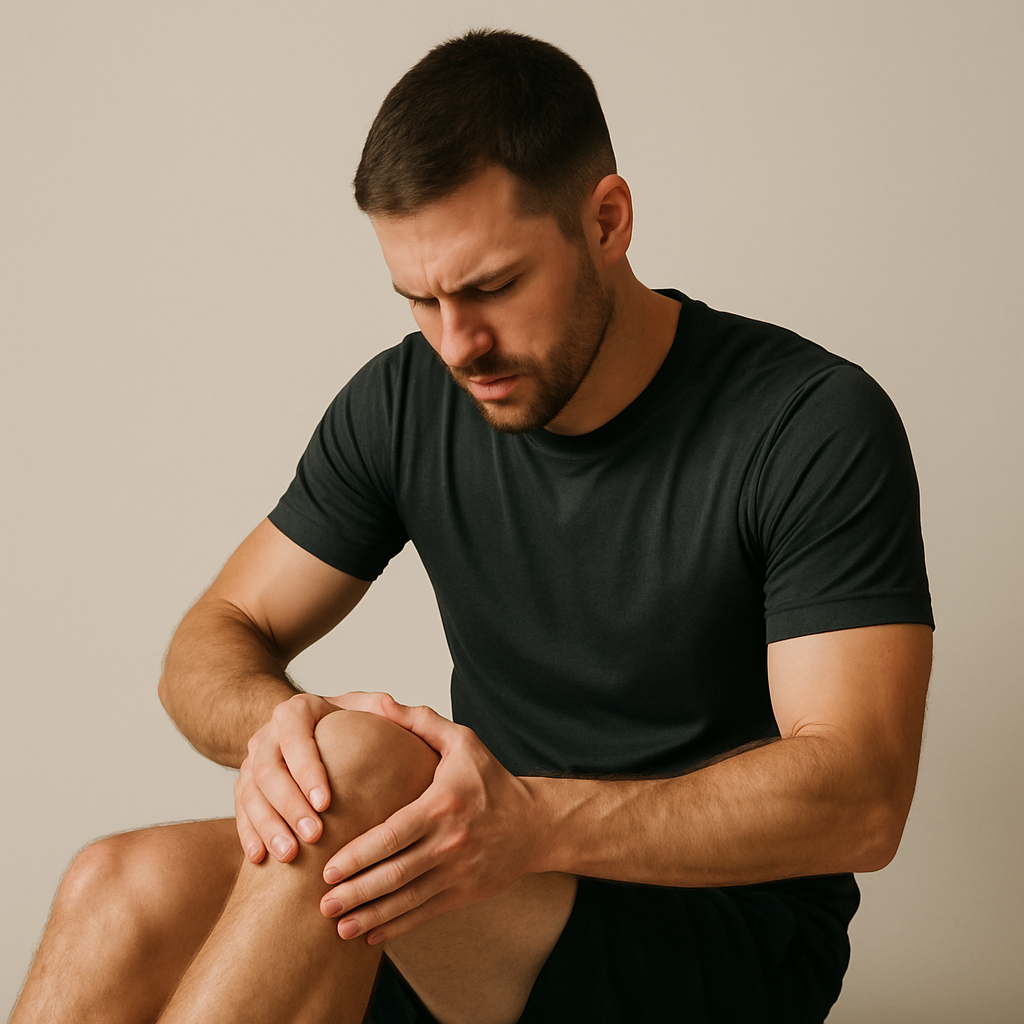
- Individuals with acute injuries should avoid certain recovery techniques that may exacerbate their condition.
- Those with specific medical conditions, such as blood clotting disorders, should consult a healthcare professional before starting recovery protocols.
- Overuse of foam rolling or aggressive stretching can lead to further injury; it's essential to listen to the body.
In edge cases, individuals should seek personalized advice from fitness and rehabilitation professionals to develop safe and effective recovery strategies.
Pairs Well With
Movement Recovery can be complemented by various ancient or natural practices that promote wellness:
- Yoga: Encourages flexibility and relaxation, enhancing recovery through mindful movement.
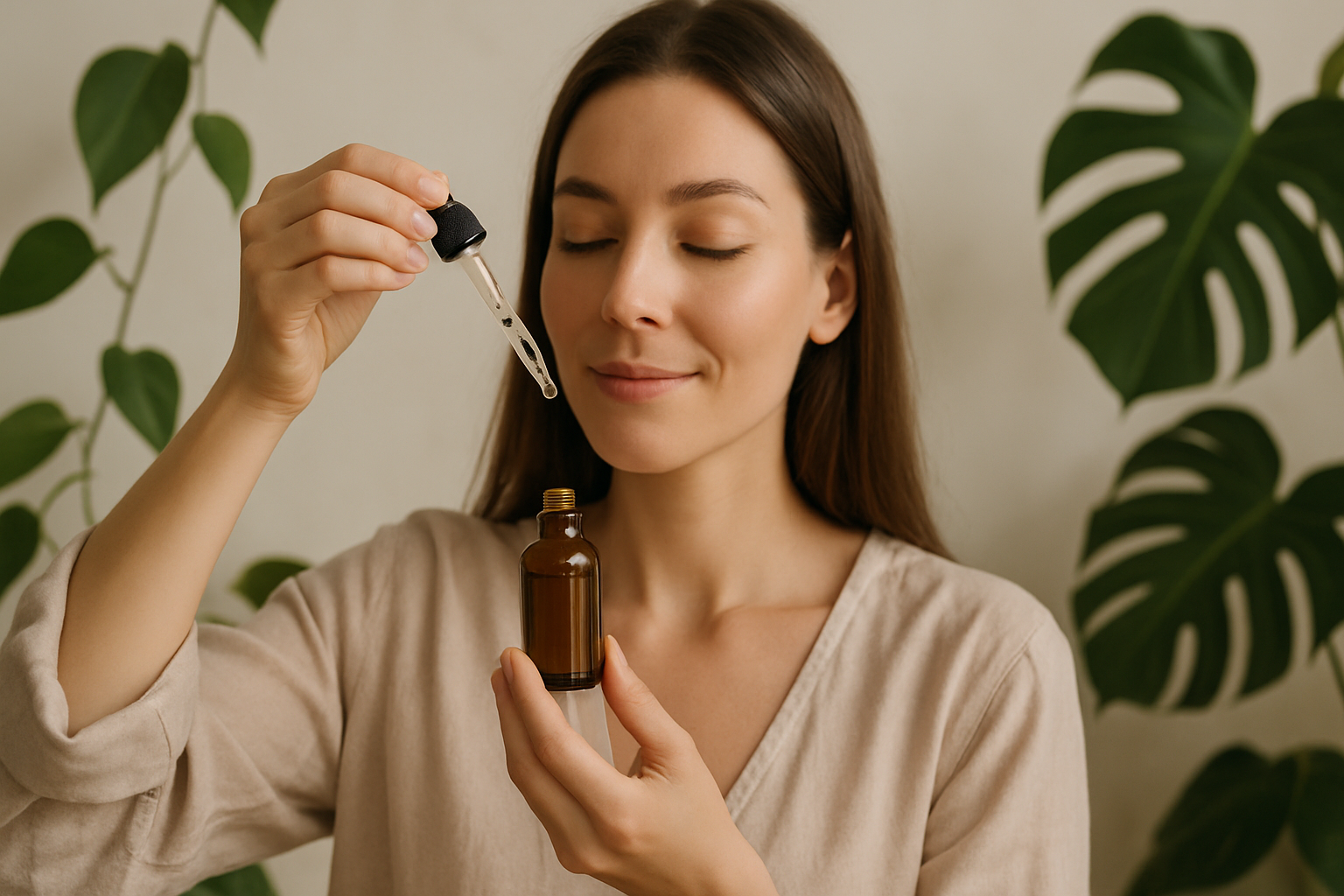
- Aromatherapy: Essential oils can promote relaxation and alleviate muscle tension when combined with recovery practices.
- Traditional Massage: Helps relieve muscle tension and improve circulation, further promoting recovery.
FAQs (5)
- What is the best time to incorporate Movement Recovery practices?
It is most effective to integrate recovery practices immediately after workouts or on designated rest days. - How often should I perform foam rolling?
Foam rolling can be performed several times a week, focusing on sore or tight areas after workouts. - Can Movement Recovery benefit non-athletes?
Yes, everyone can benefit from Movement Recovery, as it promotes overall health and well-being. - Is stretching necessary for recovery?
While not mandatory, stretching can be beneficial for enhancing flexibility and alleviating muscle tightness. - Can I overdo Movement Recovery techniques?
Yes, excessive use of recovery techniques may lead to injury; moderation and listening to your body are key.
Frequently asked
What is the best time to incorporate Movement Recovery practices?
It is most effective to integrate recovery practices immediately after workouts or on designated rest days.
How often should I perform foam rolling?
Foam rolling can be performed several times a week, focusing on sore or tight areas after workouts.
Can Movement Recovery benefit non-athletes?
Yes, everyone can benefit from Movement Recovery, as it promotes overall health and well-being.
Is stretching necessary for recovery?
While not mandatory, stretching can be beneficial for enhancing flexibility and alleviating muscle tightness.
Can I overdo Movement Recovery techniques?
Yes, excessive use of recovery techniques may lead to injury; moderation and listening to your body are key.