Training Analytics
Dive into Training Analytics for Fitness Optimization, uncovering its mechanisms, practical applications, and key biomarkers for performance improvement.

Explore the world of Training Analytics within Fitness Optimization, a modern wellness approach that leverages data to enhance athletic performance. Discover how it works, its applications, and the relevant metrics for tracking progress.
What It Is
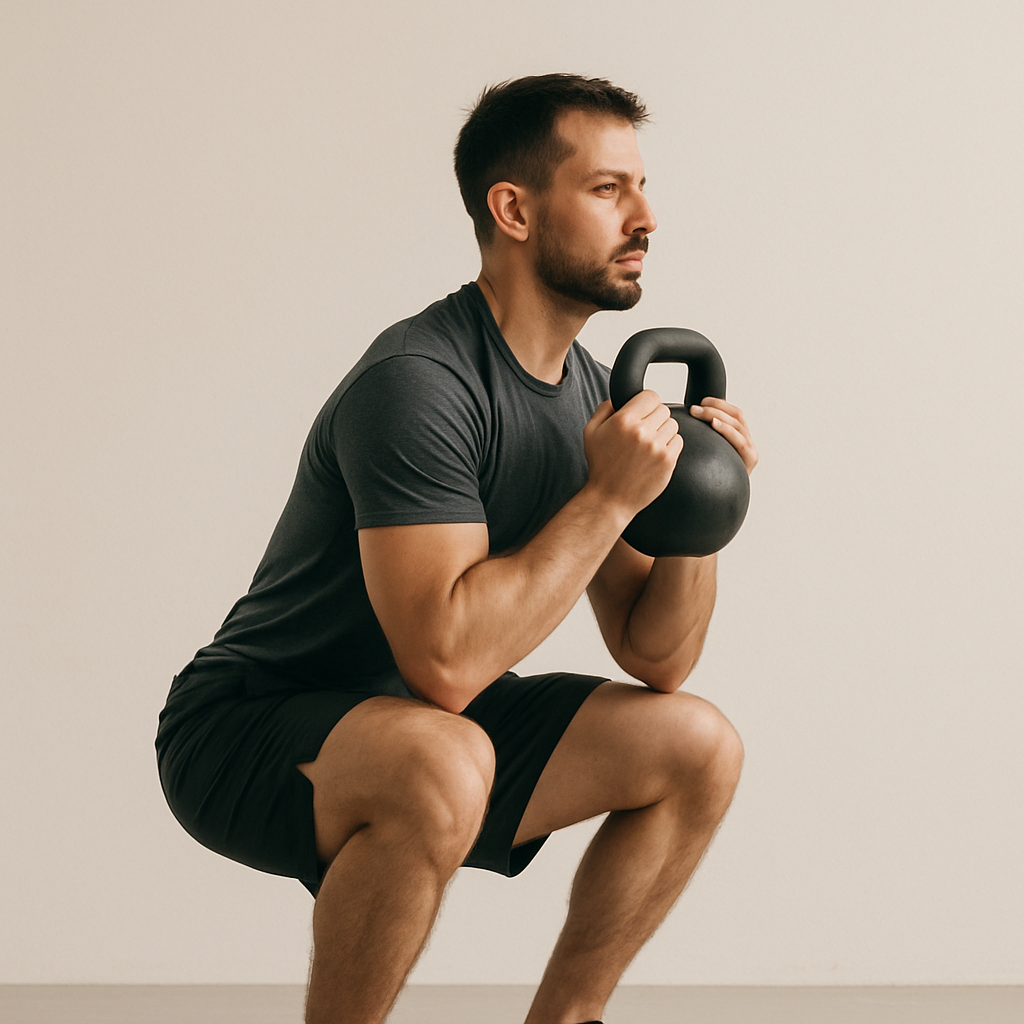
Training Analytics refers to the systematic collection, analysis, and interpretation of data related to physical training and fitness activities. This approach utilizes various metrics to assess performance, track progress, and inform training decisions. By applying data analytics to fitness, athletes and trainers can make informed adjustments that lead to optimized performance outcomes.
At its core, Training Analytics combines technology, data, and principles of exercise science. It encompasses a range of inputs, including workout intensity, volume, frequency, and recovery metrics. The ultimate goal is to enhance athletic performance while reducing the risk of injury or overtraining.
Mechanism / How It Works
Training Analytics works through the collection of data via wearable technology, fitness apps, and training logs. These tools monitor various parameters such as heart rate, calories burned, distance covered, and time spent in different training zones. This data is then analyzed to identify patterns, trends, and areas for improvement.
Once the data is collected, it is processed using analytical software or platforms that provide insights into performance metrics. These insights can help athletes and coaches to tailor training programs, optimize recovery strategies, and set realistic goals based on empirical evidence.
Evidence Summary
The current body of evidence surrounding Training Analytics is growing, yet it remains a developing field. Preliminary studies have shown that athletes who utilize data analytics in their training can see improved performance outcomes. For instance, athletes using heart rate variability data to tailor their training load have reported better recovery and performance metrics.
However, there is conflicting evidence regarding the effectiveness of certain analytics tools. While some athletes benefit from detailed data, others may find it overwhelming or distracting. More clinical research is needed to establish standardized protocols and validate the effectiveness of various training metrics.
Practical Application
Integrating Training Analytics into a fitness regimen involves several practical steps:
- Set Clear Goals: Define what you want to achieve—whether it's increasing endurance, strength, or overall fitness.
- Select Appropriate Tools: Choose wearable devices or applications that suit your training style and goals.
- Monitor Data Regularly: Keep track of your performance metrics consistently.
- Analyze and Adjust: Use the insights gained from your data to make informed adjustments to your training regimen.
Common pitfalls include relying too heavily on data without listening to your body, neglecting recovery, or becoming discouraged by fluctuations in performance metrics.
Relevant Biomarkers & Tracking
Several key biomarkers can be monitored through Training Analytics:
- Heart Rate Variability (HRV): Indicates recovery and readiness for training.
- Resting Heart Rate: A lower resting heart rate generally indicates better cardiovascular fitness.
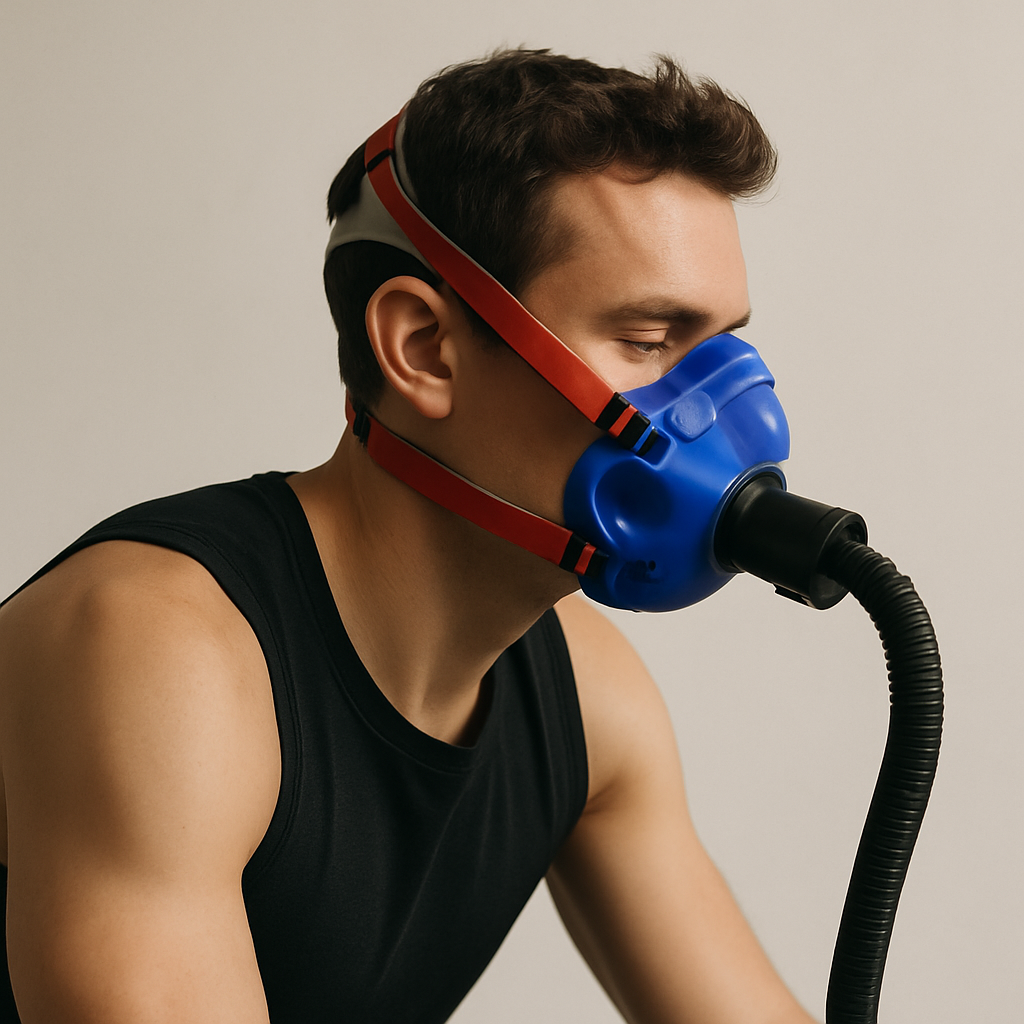
- VO2 Max: Measures aerobic capacity and endurance potential.
- Training Load: Assesses the intensity and volume of workouts.
- Muscle Recovery Metrics: Such as soreness levels and sleep quality.
Body Systems Supported
Training Analytics supports various body systems, including:
- Cardiovascular System: Improved heart health and circulation through monitored training.
- Musculoskeletal System: Enhancements in strength and endurance through targeted training approaches.
- Endocrine System: Insights into metabolic responses to training loads.
- Nervous System: Monitoring fatigue and recovery can help in optimizing neural adaptations.
Common Goals
Individuals utilizing Training Analytics often aim for:
- Performance Improvement: Enhancing speed, strength, or endurance.
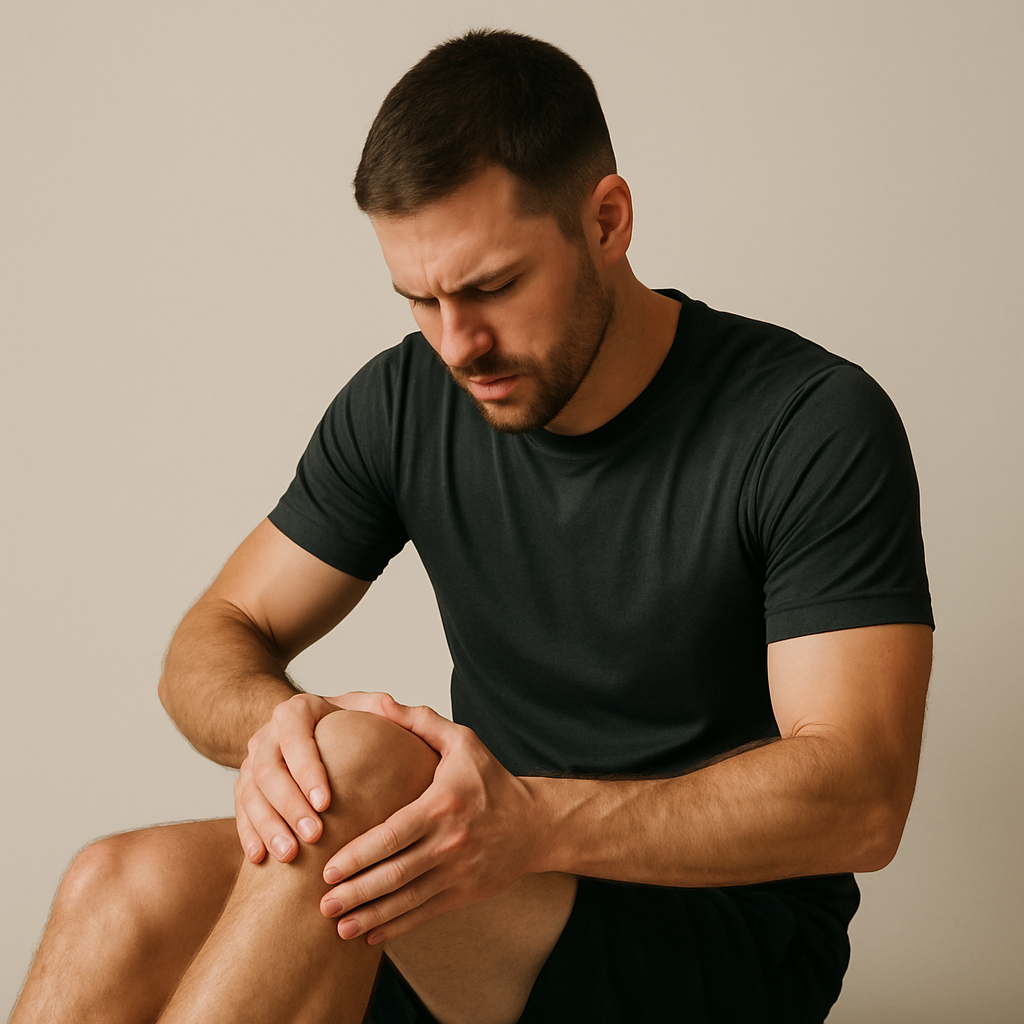
- Injury Prevention: Using data to avoid overtraining and fatigue-related injuries.
- Optimized Recovery: Understanding how different recovery strategies impact performance.
- Personalized Training: Tailoring programs to meet individual fitness levels and goals.
Safety, Contraindications & Edge Cases
While Training Analytics can be beneficial, certain considerations should be noted:
- Sensitivity to Data: Some individuals may experience anxiety or stress from constant data monitoring.
- Injury Risk: Overemphasis on metrics can lead to ignoring body signals, increasing the risk of injury.
- Device Reliability: Ensure that the devices used for tracking are accurate and reliable.
Pairs Well With
Training Analytics can be complemented by various ancient and natural wellness practices:
- Mindfulness and Meditation: Enhances mental focus and recovery.
- Yoga: Supports flexibility and reduces injury risk.
- Nutrition Tracking: Combines data from diet with fitness metrics for holistic optimization.
FAQs (5)
- What types of devices can I use for Training Analytics? Wearable fitness trackers, smartwatches, and mobile apps are commonly used.
- How often should I analyze my training data? Regular analysis, ideally weekly, helps track progress and make timely adjustments.
- Can Training Analytics help prevent injuries? Yes, it can identify patterns that may lead to overtraining and injury.
- Is there a risk of becoming too reliant on data? Yes, it's important to balance data insights with intuitive training and body awareness.
- What is the most important metric to track? While it varies by individual goals, heart rate variability (HRV) is often considered a key indicator of recovery and readiness.
Frequently asked
What types of devices can I use for Training Analytics?
Wearable fitness trackers, smartwatches, and mobile apps are commonly used.
How often should I analyze my training data?
Regular analysis, ideally weekly, helps track progress and make timely adjustments.
Can Training Analytics help prevent injuries?
Yes, it can identify patterns that may lead to overtraining and injury.
Is there a risk of becoming too reliant on data?
Yes, it's important to balance data insights with intuitive training and body awareness.
What is the most important metric to track?
While it varies by individual goals, heart rate variability (HRV) is often considered a key indicator of recovery and readiness.