Cardio Optimization
Discover effective strategies for cardio optimization within fitness optimization, focusing on mechanisms, practical applications, and safety considerations.

Explore the world of cardio optimization, a crucial aspect of fitness that focuses on enhancing cardiovascular health and performance through evidence-based strategies.
What It Is
Cardio optimization refers to the strategic enhancement of cardiovascular fitness and health through targeted exercise and lifestyle interventions. It encompasses a variety of aerobic exercises designed to improve the efficiency of the heart, lungs, and circulation, contributing to overall physical performance and well-being. This approach aims to maximize the benefits of cardiovascular workouts, enabling individuals to achieve their fitness goals more effectively.
Central to cardio optimization is the understanding that cardiovascular health is not solely about endurance but also involves the ability to recover quickly and efficiently from physical exertion. By implementing specific training techniques, such as interval training, steady-state cardio, or other aerobic activities, individuals can enhance their cardiovascular capacity, ultimately leading to better health outcomes and improved athletic performance.
Mechanism / How It Works
The mechanisms underlying cardio optimization primarily involve enhancing the efficiency of the cardiovascular system. This includes improvements in heart rate response, oxygen uptake, and blood flow distribution during physical activity. When engaging in cardio workouts, the heart pumps more blood per beat, improving overall cardiac output. Over time, consistent cardiovascular training can lead to physiological adaptations, such as increased mitochondrial density in muscle cells, which boosts energy production.
Another key aspect of cardio optimization is the principle of progressive overload. This principle involves gradually increasing the intensity, duration, or frequency of workouts to continuously challenge the body. This leads to improved cardiovascular endurance, allowing individuals to perform at higher intensities for longer periods. Moreover, incorporating various forms of cardio, like HIIT (High-Intensity Interval Training) or LISS (Low-Intensity Steady State), can prevent plateaus and keep the body adapting.
Evidence Summary
The research surrounding cardio optimization is extensive but varies in its conclusions. Numerous studies demonstrate that regular aerobic exercise significantly reduces the risk of cardiovascular diseases, enhances metabolic health, and improves mental well-being. For example, a meta-analysis found that individuals engaging in moderate to vigorous physical activity had a lower risk of heart disease compared to sedentary individuals.
However, some conflicting evidence suggests that excessive endurance training may lead to negative health outcomes, such as increased inflammation or cardiac issues in certain populations. While moderate cardio is typically beneficial, the optimal amount and intensity can vary widely among individuals. Therefore, more research is needed to establish universally applicable guidelines for cardio optimization.
Practical Application
To effectively integrate cardio optimization into daily routines, individuals can follow several actionable protocols:
- Frequency: Aim for at least 150 minutes of moderate-intensity or 75 minutes of high-intensity cardio each week.
- Variety: Incorporate different types of cardio workouts, such as running, cycling, swimming, or group classes, to keep the routine engaging.
- Progressive Overload: Gradually increase the intensity or duration of workouts to continuously challenge the body.
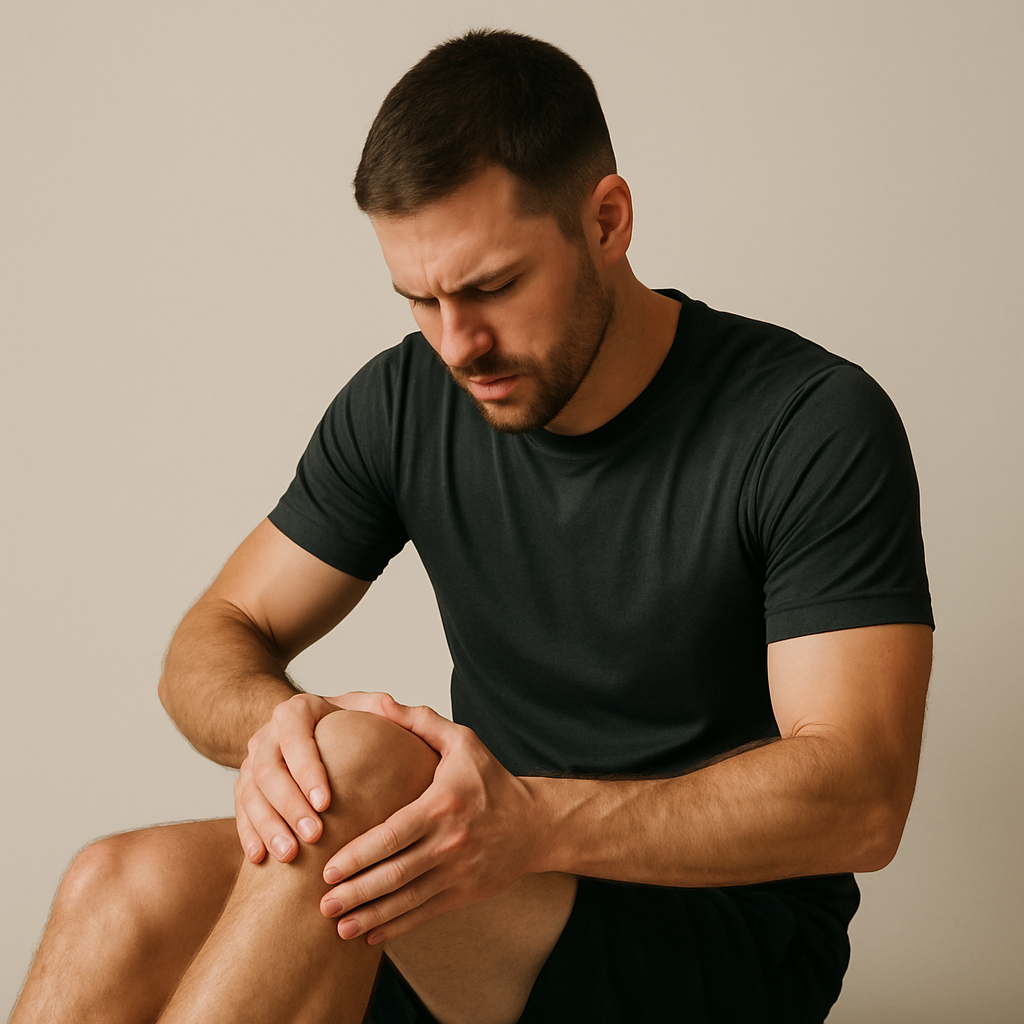
- Recovery: Allow adequate recovery time between intense workouts to prevent overtraining and reduce injury risk.
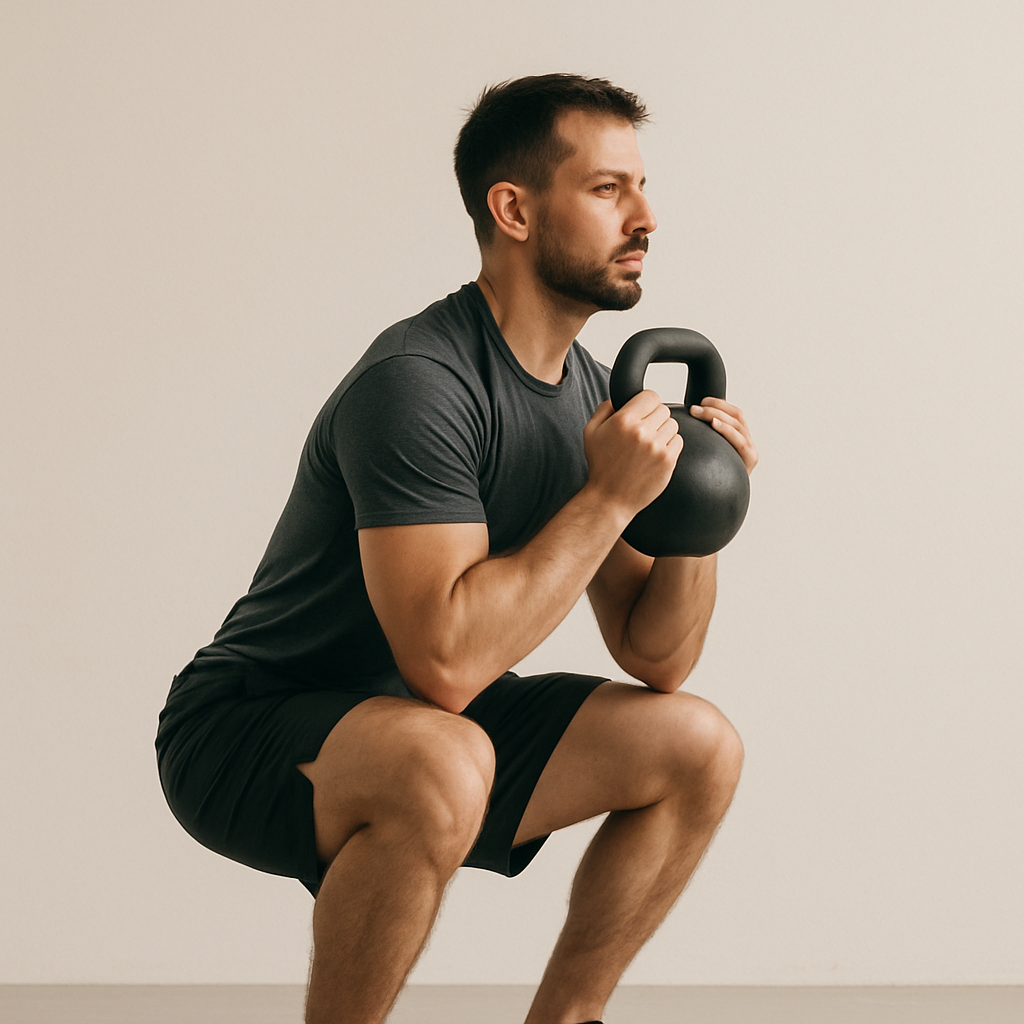
Common pitfalls include neglecting recovery, focusing solely on cardio without strength training, and failing to listen to the body's signals. Balancing cardio with other forms of exercise, such as resistance training, is crucial for overall fitness and injury prevention.
Relevant Biomarkers & Tracking
To monitor the effectiveness of cardio optimization, several biomarkers and tracking methods can be utilized:
- Heart Rate Variability (HRV): A higher HRV indicates better cardiovascular fitness and recovery.
- Resting Heart Rate: A lower resting heart rate often reflects improved cardiovascular efficiency.
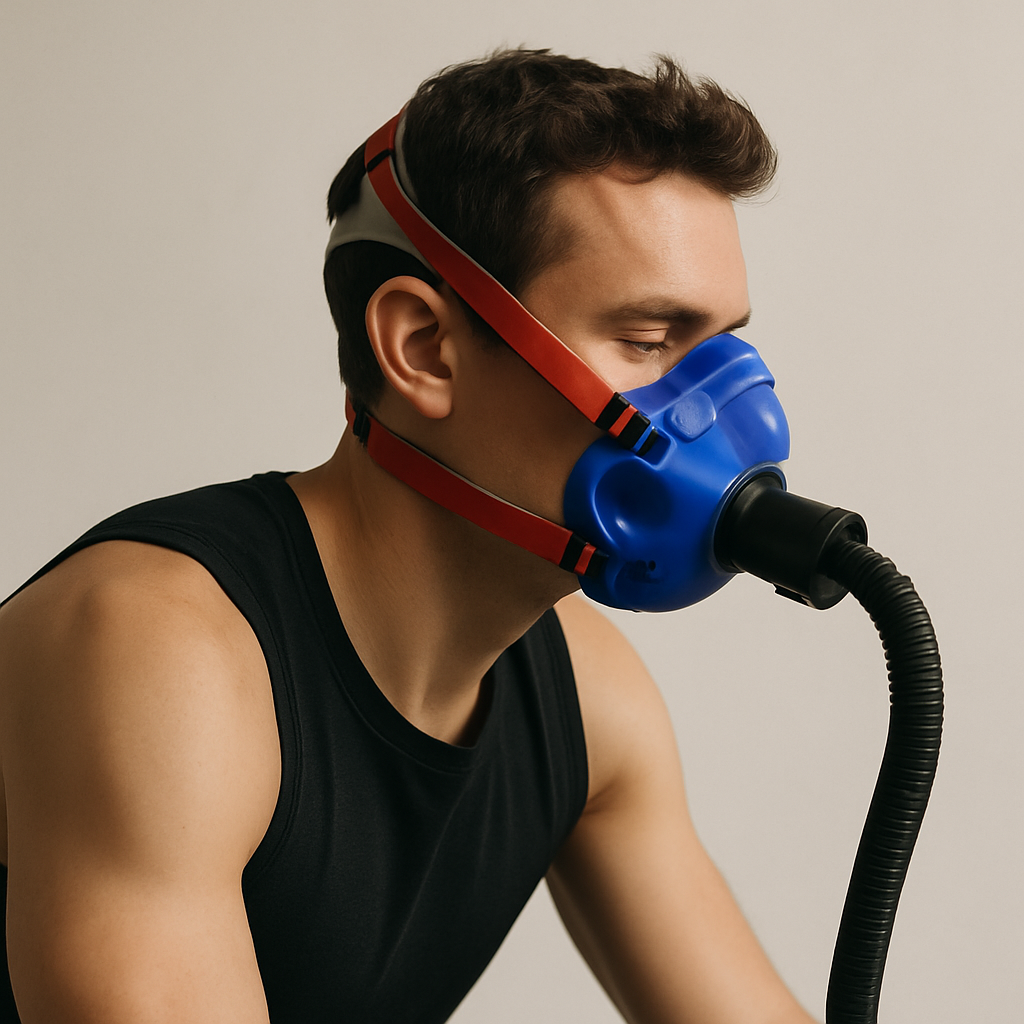
- VO2 Max: This measurement indicates the maximum amount of oxygen the body can utilize during intense exercise, serving as a key indicator of aerobic fitness.
- Lactate Threshold: Understanding at which exercise intensity lactate begins to accumulate can help tailor training zones.
Fitness trackers and smartwatches can assist in monitoring these metrics, providing insights into performance and recovery trends.
Body Systems Supported
Cardio optimization primarily supports the cardiovascular and respiratory systems, enhancing heart function and lung capacity. Additionally, it positively impacts:
- Musculoskeletal System: Improved endurance and strength through varied exercise modalities.
- Metabolic System: Enhanced insulin sensitivity and metabolic rate.
- Neurological System: Increased blood flow to the brain, potentially improving cognitive function.
Common Goals
Individuals pursuing cardio optimization typically aim to:
- Improve cardiovascular endurance and efficiency.
- Enhance overall fitness levels.
- Achieve weight loss or maintenance.
- Reduce the risk of chronic diseases.
- Boost mental health and mood through endorphin release.
Safety, Contraindications & Edge Cases
While cardio optimization is generally safe for most individuals, certain precautions should be taken:
- Consult with a healthcare provider before starting a new exercise regimen, especially for individuals with pre-existing health conditions.
- Be aware of signs of overtraining, such as excessive fatigue, decreased performance, or persistent soreness.
- Modify exercise intensity for individuals with cardiovascular conditions or those new to exercise.
Listening to the body and adjusting workouts accordingly is crucial for safe and effective cardio optimization.
Pairs Well With
Cardio optimization can be effectively paired with various approaches and practices from both modern and traditional wellness paradigms:
- Strength Training: Balancing cardio with resistance training promotes comprehensive fitness.
- Nutrition Optimization: A balanced diet supports cardiovascular health and performance.
- Meditation and Mindfulness: These practices can enhance recovery and mental resilience.
- Yoga: Combining cardio with flexibility and balance exercises can improve overall functionality.
FAQs (5)
- What is the best type of cardio for beginners? Low-impact activities like walking, cycling, or swimming are excellent starting points for beginners.
- How often should I do cardio for optimal results? Aim for at least 150 minutes of moderate-intensity cardio each week, spread across several days.
- Can I do cardio every day? Yes, but it's essential to vary the intensity and type of cardio to prevent overuse injuries.
- Is it necessary to track heart rate during cardio? While not mandatory, tracking heart rate can help ensure you are training in the appropriate intensity zone.
- Can strength training improve my cardio performance? Yes, strength training can enhance overall fitness, contributing to better cardiovascular performance.
Frequently asked
What is the best type of cardio for beginners?
Low-impact activities like walking, cycling, or swimming are excellent starting points for beginners.
How often should I do cardio for optimal results?
Aim for at least 150 minutes of moderate-intensity cardio each week, spread across several days.
Can I do cardio every day?
Yes, but it's essential to vary the intensity and type of cardio to prevent overuse injuries.
Is it necessary to track heart rate during cardio?
While not mandatory, tracking heart rate can help ensure you are training in the appropriate intensity zone.
Can strength training improve my cardio performance?
Yes, strength training can enhance overall fitness, contributing to better cardiovascular performance.