Muscle Building
A comprehensive guide to muscle building, exploring mechanisms, practical applications, and safety considerations for optimal fitness.

Explore the science and practical applications of muscle building within the framework of fitness optimization. This comprehensive guide covers the mechanisms of muscle growth, evidence supporting various approaches, and practical tips for integrating muscle-building strategies into your daily routine.
What It Is
Muscle building, often referred to as hypertrophy, is the process of increasing the size of skeletal muscles through various training and nutritional strategies. It involves a combination of resistance training, adequate nutrition, and recovery to stimulate muscle fibers, promoting growth and strength. This process is fundamental for athletes, fitness enthusiasts, and anyone looking to enhance physical performance or aesthetic appearance.
Hypertrophy can be broadly classified into two types: myofibrillar hypertrophy, which increases the density of muscle fibers and improves strength, and sarcoplasmic hypertrophy, which increases the volume of sarcoplasmic fluid in the muscle cells, contributing to endurance. Understanding these distinctions is crucial for tailoring training programs that align with individual fitness goals.
Mechanism / How It Works
The muscle-building process primarily relies on the principle of progressive overload, where muscles are subjected to greater stress over time. This stress can come from lifting heavier weights, increasing repetitions, or altering the tempo of movements. When muscles are stressed, tiny tears occur in the muscle fibers. The body repairs these tears through a process called muscle protein synthesis, leading to thicker, stronger muscle fibers.
Nutritional factors also play a significant role in muscle building. Adequate protein intake is essential for providing the necessary amino acids for muscle repair and growth. Carbohydrates are important for replenishing glycogen stores post-exercise, while fats support hormonal functions that influence muscle growth. Additionally, recovery periods, including sleep and rest days, are crucial for allowing the body to repair and strengthen muscles.
Evidence Summary
Research on muscle building is extensive, with numerous studies supporting various training methodologies and dietary approaches. Evidence suggests that resistance training is highly effective for muscle hypertrophy, with protocols varying in intensity, volume, and frequency. A meta-analysis of strength training studies indicates that training multiple times per week is more effective than once a week for muscle growth.
However, there are also conflicting findings regarding optimal protein intake. While some studies advocate for higher protein consumption (1.6 to 2.2 grams per kilogram of body weight), others suggest that lower amounts can still be effective when paired with adequate training. Despite the wealth of information, individual variability means that results can differ based on genetics, age, sex, and training history.
Practical Application
To effectively integrate muscle building into your routine, consider the following protocols:
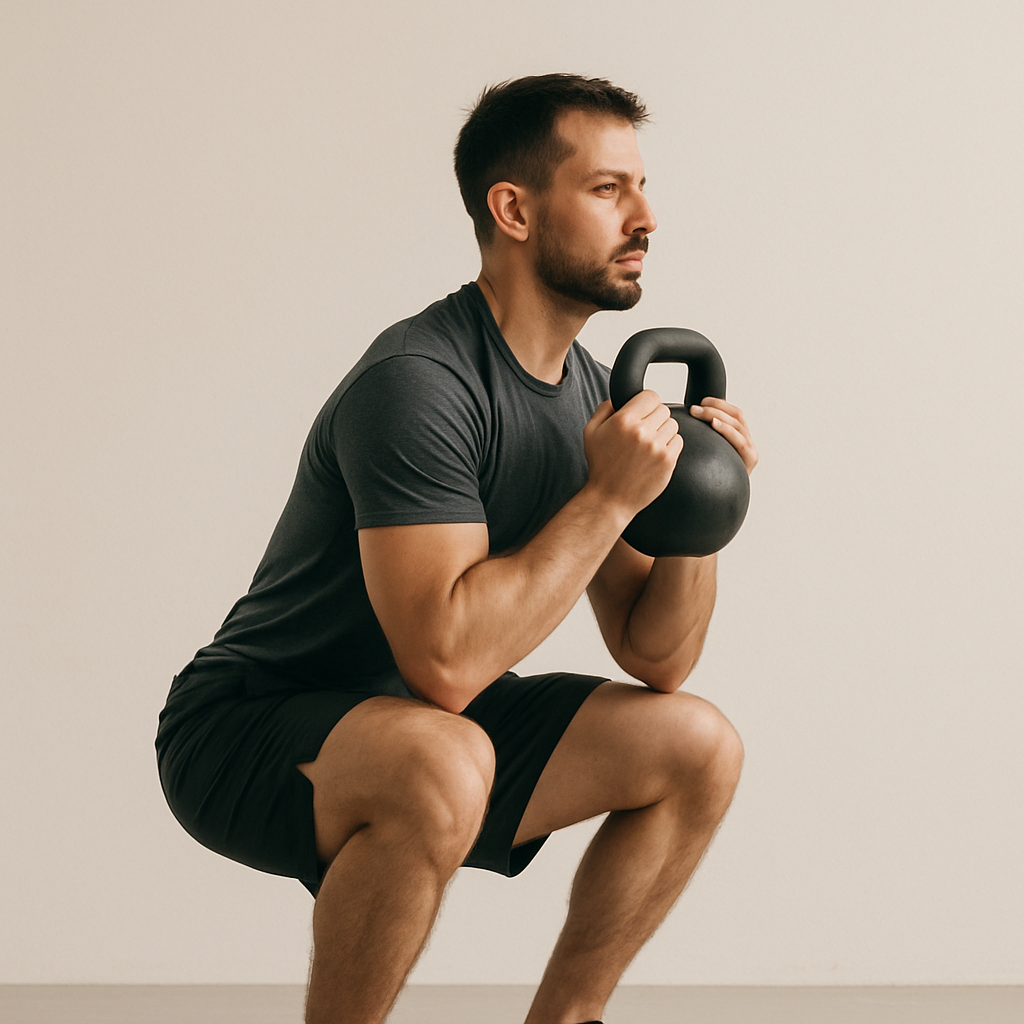
- Resistance Training: Incorporate compound movements such as squats, deadlifts, and bench presses that engage multiple muscle groups. Aim for 3-5 sets of 6-12 repetitions.
- Nutritional Strategy: Focus on a balanced diet rich in protein sources such as lean meats, dairy, legumes, and whole grains. Consider consuming protein-rich meals or supplements post-workout.
- Recovery: Prioritize sleep and rest days. Aim for 7-9 hours of quality sleep per night and allow at least 48 hours between training similar muscle groups.
Common pitfalls in muscle building include neglecting nutrition, overtraining, and lack of consistency. Setting realistic goals and tracking progress can help maintain motivation and adherence to your program.
Relevant Biomarkers & Tracking
Tracking muscle building progress can involve various biomarkers and metrics, including:
- Body composition analysis to measure lean muscle mass versus fat mass.
- Strength assessments through maximum lifts or progress in resistance exercises.
- Muscle soreness and recovery rates to identify overtraining.
- Dietary intake tracking to ensure adequate protein and caloric consumption.
Utilizing fitness apps or journals can assist in monitoring these metrics, helping to refine your approach over time.
Body Systems Supported
Muscle building supports several body systems, including:
- Musculoskeletal System: Enhances muscle strength and bone density, reducing the risk of injuries.
- Endocrine System: Promotes hormonal balance, particularly anabolic hormones like testosterone and growth hormone.
- Metabolic System: Improves metabolic rate, aiding in fat loss and overall energy balance.
Common Goals
Individuals pursuing muscle building typically aim for:
- Increased muscle mass for aesthetic purposes.
- Improved strength and functional capacity for daily activities or sports.
- Enhanced metabolic health and fat loss.
Safety, Contraindications & Edge Cases
While muscle building is generally safe for most individuals, certain contraindications should be considered:
- Individuals with pre-existing health conditions such as cardiovascular disease or joint issues should consult with a healthcare professional before starting a new exercise regimen.
- Those new to resistance training may be at risk for injury without proper guidance and technique.
- Older adults should focus on supervised training to prevent falls and injuries.
It is vital to listen to your body and adjust training intensity and volume as needed to avoid overtraining.
Pairs Well With
Muscle building can be complemented by various ancient and natural wellness practices:
- Yoga: Enhances flexibility and recovery, reducing the risk of injury.
- Nutrition from Traditional Diets: Incorporating whole, natural foods as seen in Mediterranean or Ayurvedic diets supports overall health and muscle recovery.
- Mindfulness Practices: Stress reduction techniques such as meditation can improve focus and enhance recovery.
FAQs (5)
- What is the best way to start building muscle? Start with a structured resistance training program, focusing on compound movements and gradually increasing weights.
- How much protein do I need to build muscle? Aim for 1.6 to 2.2 grams per kilogram of body weight, depending on your activity level and goals.
- Can I build muscle without weights? Yes, bodyweight exercises and resistance bands can effectively stimulate muscle growth.
- How long does it take to see muscle gains? Generally, noticeable changes can occur within 8-12 weeks of consistent training and nutrition.
- Is it safe to build muscle as I age? Yes, strength training can be beneficial at any age, but it’s important to tailor the program to your individual needs and abilities.
Frequently asked
What is the best way to start building muscle?
Start with a structured resistance training program, focusing on compound movements and gradually increasing weights.
How much protein do I need to build muscle?
Aim for 1.6 to 2.2 grams per kilogram of body weight, depending on your activity level and goals.
Can I build muscle without weights?
Yes, bodyweight exercises and resistance bands can effectively stimulate muscle growth.
How long does it take to see muscle gains?
Generally, noticeable changes can occur within 8-12 weeks of consistent training and nutrition.
Is it safe to build muscle as I age?
Yes, strength training can be beneficial at any age, but it’s important to tailor the program to your individual needs and abilities.