Mobility Training
Delve into mobility training, its workings, practical uses, and how it supports body systems for optimal fitness.

Explore the importance of mobility training within the fitness optimization realm, including its mechanisms, practical applications, and safety considerations.
What It Is
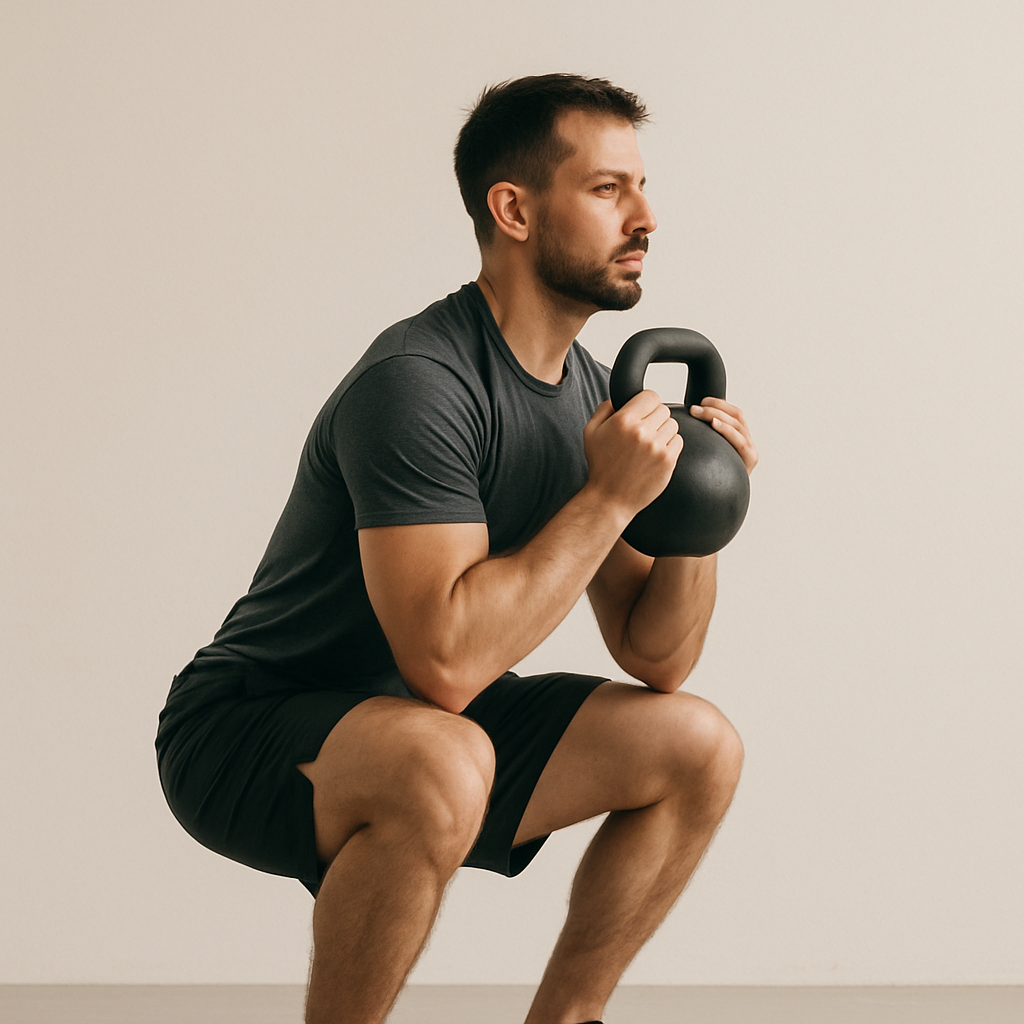
Mobility training focuses on enhancing the range of motion and flexibility of the joints and muscles. Unlike traditional stretching, which often targets individual muscles, mobility training aims to improve the functional movement patterns of the body as a whole. This holistic approach helps individuals move more freely and efficiently, reducing the risk of injury and fostering better performance in various physical activities.
Mobility training incorporates dynamic movements, joint rotations, and various flexibility exercises. It is suitable for individuals of all fitness levels and can be adjusted to meet specific needs, whether for athletes looking to enhance performance or for those seeking to improve daily functional movements. The goal is to increase the body's capacity to adapt to different movements and physical demands.
Mechanism / How It Works
Mobility training works by targeting the connective tissues, joints, and muscles to enhance their elasticity and strength. It facilitates better communication between the brain and body through neuromuscular pathways, allowing for more efficient movement patterns. By incorporating controlled movements and stretches, mobility training encourages the body to adapt and become more responsive.
This training often involves specific exercises designed to improve joint stability and functional flexibility, which can lead to better posture and alignment. As individuals progress in their mobility training, they may find that they can perform complex movements with greater ease, contributing to overall physical wellness and performance.
Evidence Summary
The research surrounding mobility training is still developing, with some studies indicating significant benefits for improving flexibility and reducing injury risk. A review of current literature suggests that regular mobility training can lead to enhanced joint function and performance, particularly in athletes. However, there is conflicting evidence regarding the long-term benefits of mobility training for the general population, as individual results can vary widely.
Overall, while some preliminary studies support the effectiveness of mobility training, further clinical trials are necessary to establish more definitive conclusions. It is crucial to approach mobility training with an understanding of its variable effects based on personal fitness levels and goals.
Practical Application
To effectively integrate mobility training into a fitness routine, individuals can follow specific protocols and exercises tailored to their needs. A common recommendation is to include mobility exercises at the beginning or end of workouts to prime the body for movement or aid in recovery.
- Start with joint mobilizations to warm up the joints.
- Incorporate dynamic stretches that mimic the movements of the planned workout.
- Utilize foam rollers or other tools for self-myofascial release.
- End sessions with static stretching to enhance flexibility.
Common pitfalls to avoid include neglecting the core and stabilizing muscles and pushing beyond comfort levels, which can lead to injury. Additionally, it is essential to ensure proper form during mobility exercises to maximize effectiveness and safety.
Relevant Biomarkers & Tracking
Tracking progress in mobility training can be achieved through various methods. Common biomarkers to monitor include:
- Range of motion (ROM) in specific joints.
- Flexibility measurements using goniometers.
- Functional movement assessments to evaluate overall mobility.
- Self-reported comfort levels during movements.
Regular assessments can help individuals gauge improvements and adjust their training protocols as needed to continue progressing.
Body Systems Supported
Mobility training supports several body systems, including:
- Musculoskeletal system: Enhances joint flexibility and muscle elasticity.
- Nervous system: Improves coordination and neuromuscular control.
- Circulatory system: Promotes blood flow and nutrient delivery to tissues.
By fostering better movement patterns, mobility training plays a crucial role in overall health and fitness.
Common Goals
Individuals may pursue mobility training for various reasons, including:
- Improving athletic performance.
- Enhancing daily functional movements.
- Reducing the risk of injuries.
- Alleviating stiffness and discomfort.
- Increasing overall flexibility and range of motion.
Setting specific goals can help individuals stay motivated and focused in their mobility training journey.
Safety, Contraindications & Edge Cases
While mobility training is generally safe for most individuals, there are some considerations to keep in mind. Those with existing injuries, joint issues, or specific medical conditions should consult with a healthcare professional before starting a mobility training program. It is also essential to listen to the body and avoid pushing through pain during exercises.
Individuals with conditions such as arthritis or severe joint instability may need tailored approaches, focusing on gentle movements and gradual progression.
Pairs Well With
Mobility training complements various fitness disciplines and wellness practices, including:
- Yoga: Enhances flexibility and promotes relaxation.
- Pilates: Focuses on core strength and body alignment.
- Strength training: Improves performance and reduces injury risk.
- Functional training: Prepares the body for everyday movements.
Integrating mobility training with these disciplines can lead to a more well-rounded fitness regimen.
FAQs (5)
- How often should I practice mobility training? Aim for at least 3-4 times a week, adjusting based on your fitness level and goals.
- Can mobility training replace stretching? Mobility training should complement stretching, addressing both dynamic and static flexibility.
- Is mobility training suitable for beginners? Yes, mobility training can be adapted for all fitness levels, including beginners.
- How long should a mobility training session last? Sessions can range from 10 to 30 minutes, depending on individual needs and goals.
- Will mobility training help with pain relief? While it may not address all pain, improved mobility can reduce discomfort associated with stiffness and tension.
Frequently asked
How often should I practice mobility training?
Aim for at least 3-4 times a week, adjusting based on your fitness level and goals.
Can mobility training replace stretching?
Mobility training should complement stretching, addressing both dynamic and static flexibility.
Is mobility training suitable for beginners?
Yes, mobility training can be adapted for all fitness levels, including beginners.
How long should a mobility training session last?
Sessions can range from 10 to 30 minutes, depending on individual needs and goals.
Will mobility training help with pain relief?
While it may not address all pain, improved mobility can reduce discomfort associated with stiffness and tension.