Strength Optimization
Delve into Strength Optimization strategies, mechanisms, and practical applications for enhancing your fitness journey.

Explore the comprehensive guide on Strength Optimization within the Fitness Optimization category, focusing on effective strategies, evidence-based practices, and practical applications for enhancing physical strength.
What It Is
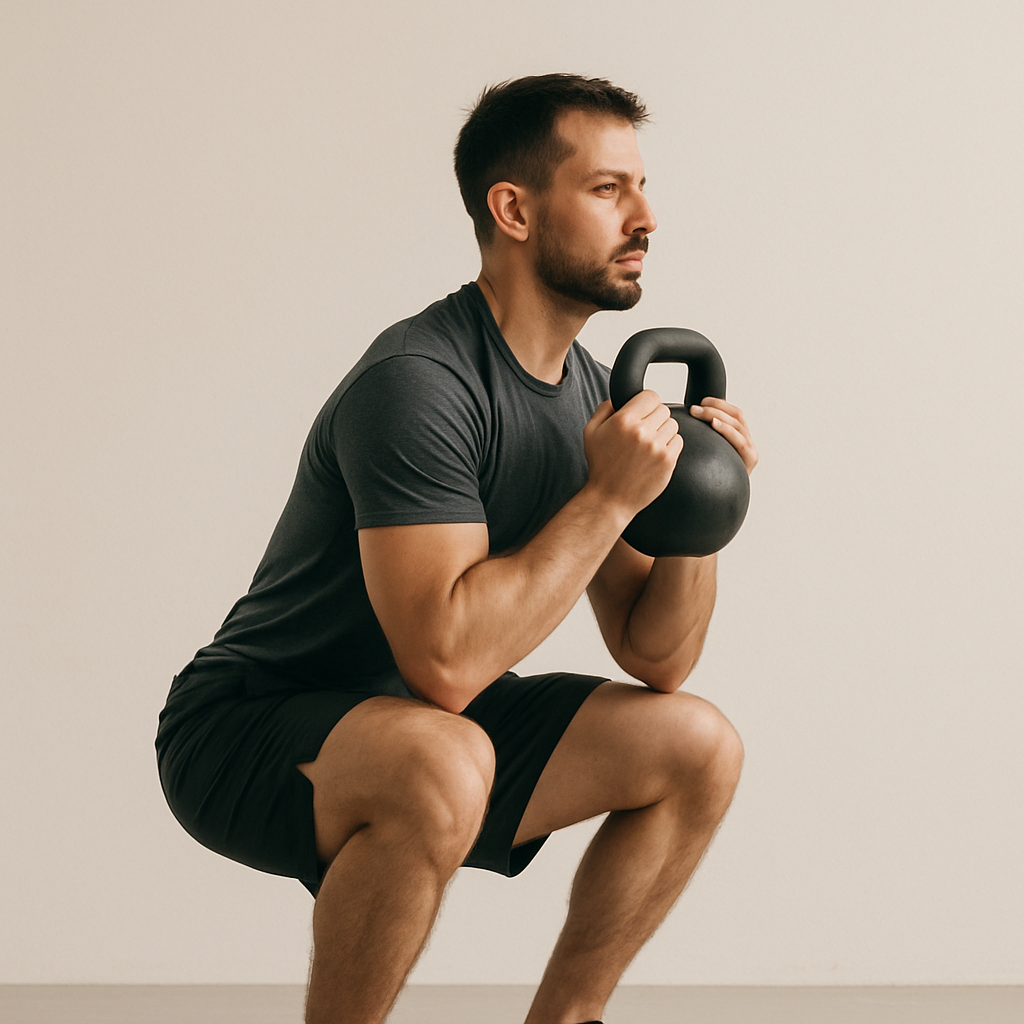
Strength Optimization refers to the strategic enhancement of muscle strength through targeted training methods, nutrition, and lifestyle adjustments. It encompasses a variety of practices aimed at maximizing physical strength and overall performance. This concept is particularly relevant for athletes, fitness enthusiasts, and those looking to improve their daily functional strength.
At its core, Strength Optimization emphasizes not only the amount of weight one can lift but also the efficiency and effectiveness of the training regimen. It integrates various training modalities, including resistance training, plyometrics, and functional movements, to create a balanced approach that caters to individual goals and physical capabilities.
Mechanism / How It Works
The mechanism of Strength Optimization is rooted in the principles of muscular adaptation. When muscles are subjected to resistance, they undergo micro-tears that, upon repair, lead to increased muscle mass and strength. This process is enhanced through progressive overload, where the intensity of the exercises is gradually increased over time.
Additionally, neural adaptations play a crucial role in strength optimization. Improved communication between the brain and muscles allows for more effective recruitment of muscle fibers, leading to enhanced strength performance. Factors such as adequate nutrition, rest, and recovery are also vital, as they provide the body with the necessary resources to repair and grow stronger.
Evidence Summary
The current body of evidence regarding Strength Optimization is a mix of preliminary findings and clinical studies. Numerous studies have shown that resistance training significantly improves muscle strength and overall physical performance. For example, a meta-analysis published in the Journal of Strength and Conditioning Research indicated that progressive resistance training leads to substantial gains in strength across various populations.
However, conflicting evidence exists regarding the optimal training frequency and intensity for different demographics. While some studies suggest that higher frequencies yield better results, others indicate that adequate recovery is just as crucial. Thus, while there is a solid foundation of evidence supporting strength training, the specifics of optimization strategies remain an evolving area of research.
Practical Application
To effectively integrate Strength Optimization into daily routines, individuals should consider the following protocols:
- Structured Training Program: Develop a personalized training program that includes progressive overload, compound movements, and appropriate periodization.
- Nutritional Support: Ensure adequate protein intake, as well as vitamins and minerals that support muscle health, such as Vitamin D and calcium.
- Recovery Strategies: Incorporate rest days and active recovery sessions to allow muscles to repair and grow.
Common pitfalls include neglecting to track progress, failing to adjust training variables, and overlooking the importance of nutrition and recovery. To avoid these issues, regular assessments of strength gains and adjustments to training plans are essential.
Relevant Biomarkers & Tracking
Tracking progress in Strength Optimization can be facilitated by monitoring specific biomarkers and performance metrics. Relevant markers include:
- Muscle Mass: Changes in muscle mass can be measured through body composition analysis.
- Strength Levels: Regularly testing maximum lifts (e.g., squats, deadlifts, bench press) can provide insights into strength gains.
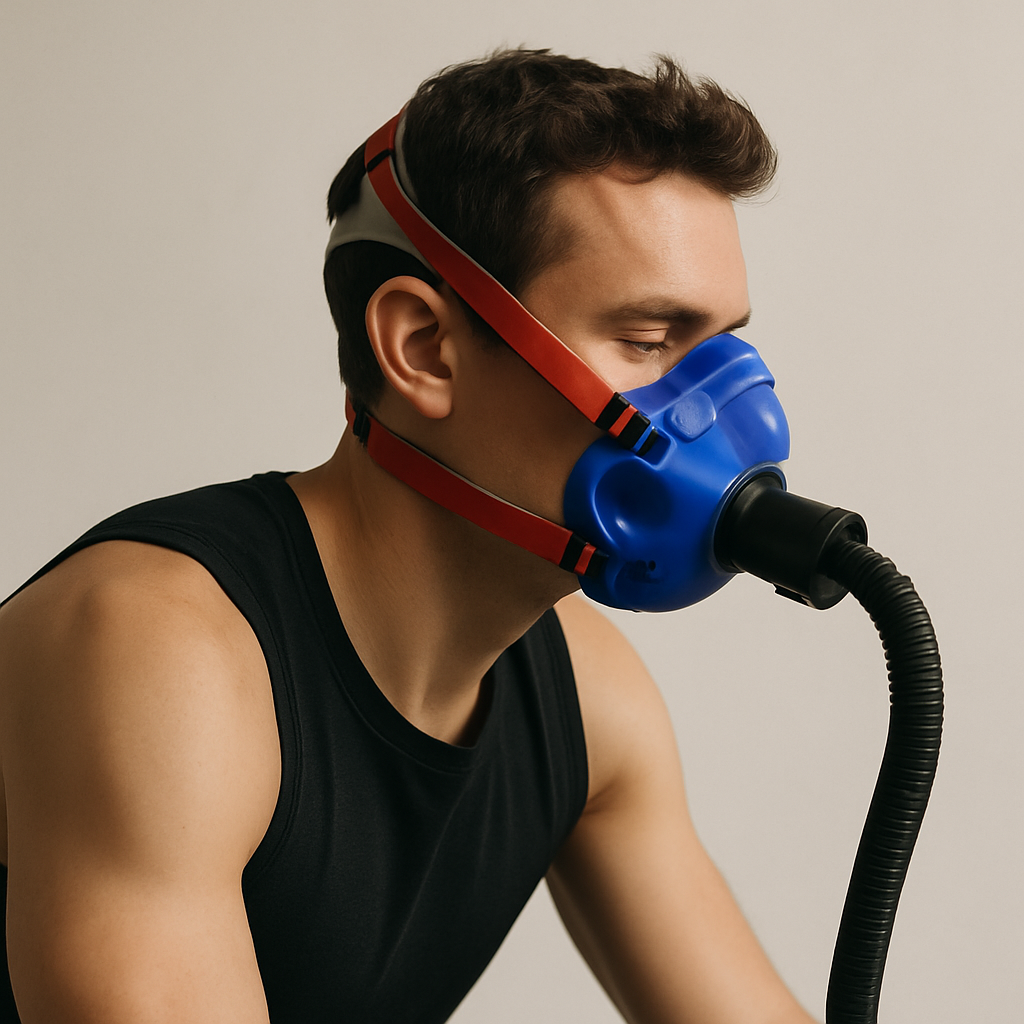
- Recovery Metrics: Factors such as heart rate variability (HRV) and perceived exertion can help assess recovery and readiness for training.
Body Systems Supported
Strength Optimization primarily supports the muscular and skeletal systems but also has broader implications for overall health. Key systems include:
- Muscular System: Enhanced muscle strength and endurance.
- Skeletal System: Increased bone density and structural integrity.
- Nervous System: Improved neuromuscular coordination and efficiency.
Common Goals
Individuals pursuing Strength Optimization typically have varied goals, which may include:
- Increased muscle strength and hypertrophy.
- Improved athletic performance and functional capacity.
- Enhanced metabolic health and weight management.
- Injury prevention and rehabilitation.
Safety, Contraindications & Edge Cases
While Strength Optimization can be beneficial for many, it is important to consider safety and contraindications. Individuals with pre-existing medical conditions, such as cardiovascular issues or musculoskeletal disorders, should consult healthcare professionals before starting a new strength training regimen. Additionally, those new to resistance training should begin with lighter weights and focus on form to prevent injury.
Pairs Well With
Strength Optimization can be effectively paired with various ancient and natural wellness practices, including:
- Yoga: Enhances flexibility and aids in recovery.
- Nutrition from Whole Foods: Supports overall health and muscle recovery.
- Mindfulness Practices: Reduces stress and enhances focus during training.
FAQs (5)
- What is the best way to start a strength training program? Begin with a structured program focusing on compound exercises and gradually increase the weight.
- How often should I train for optimal strength gains? Aim for 2-4 times per week, allowing for adequate recovery between sessions.
- What role does nutrition play in strength optimization? Proper nutrition, especially protein intake, is crucial for muscle repair and growth.
- Can I optimize strength without a gym? Yes, bodyweight exercises and resistance bands can also effectively build strength.
- How do I know if I'm overtraining? Signs include persistent fatigue, decreased performance, and increased injury risk.
Frequently asked
What is the best way to start a strength training program?
Begin with a structured program focusing on compound exercises and gradually increase the weight.
How often should I train for optimal strength gains?
Aim for 2-4 times per week, allowing for adequate recovery between sessions.
What role does nutrition play in strength optimization?
Proper nutrition, especially protein intake, is crucial for muscle repair and growth.
Can I optimize strength without a gym?
Yes, bodyweight exercises and resistance bands can also effectively build strength.
How do I know if I'm overtraining?
Signs include persistent fatigue, decreased performance, and increased injury risk.