Recovery Planning
Dive into Recovery Planning as a critical component of Fitness Optimization, offering insights into its mechanisms, applications, and tracking methods.

Explore Recovery Planning within Fitness Optimization to enhance your wellness journey. Understand its mechanisms, practical applications, and how to monitor progress effectively.
What It Is
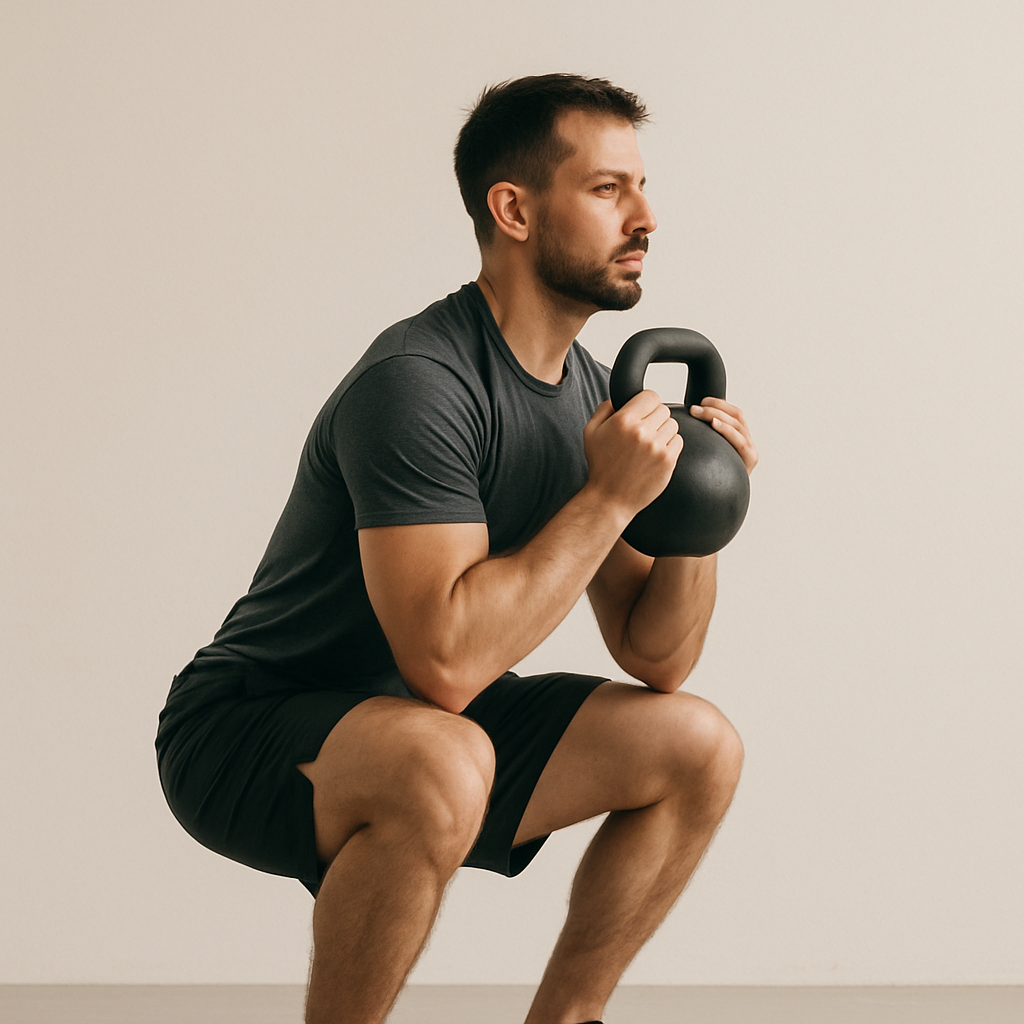
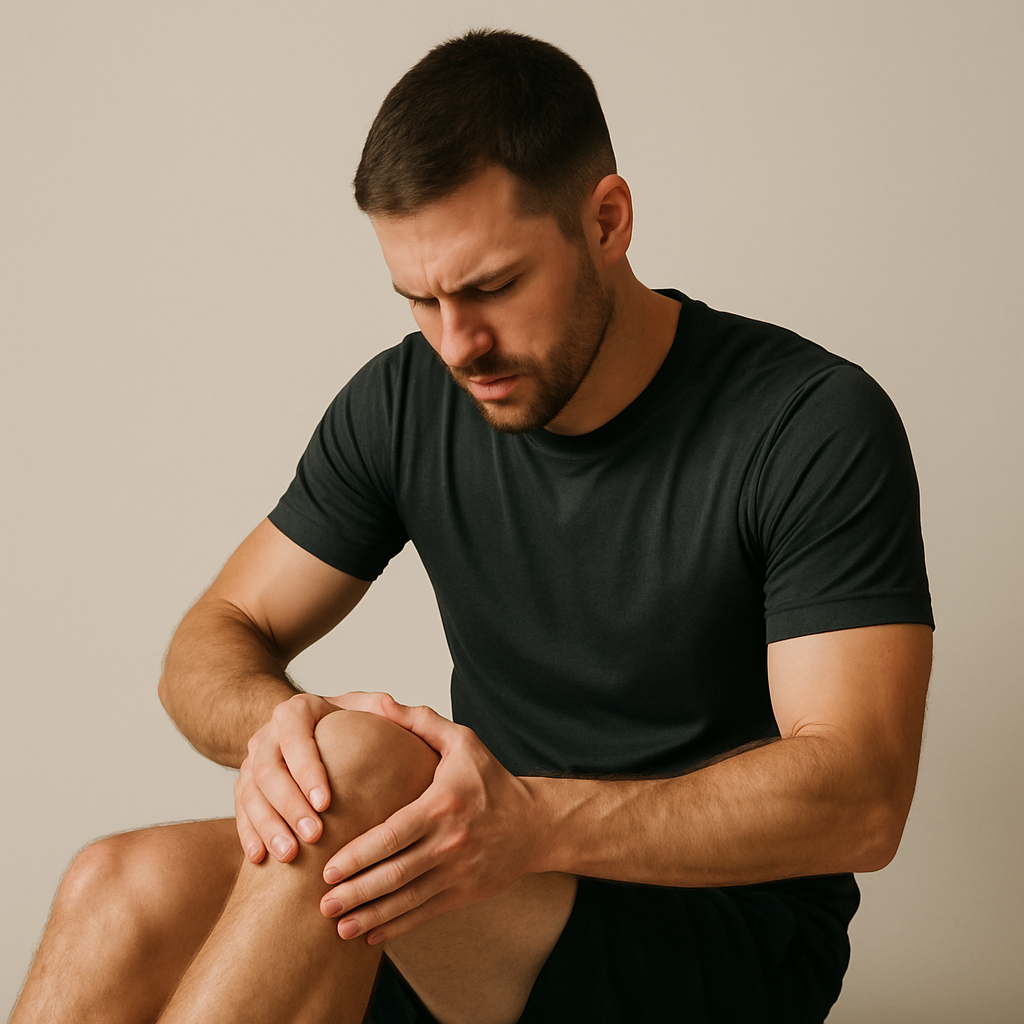
Recovery planning is a structured approach that focuses on the strategies and practices designed to help individuals effectively recuperate from physical exertion, injury, or fatigue. It encompasses a range of activities, including rest, nutrition, hydration, and various recovery techniques aimed at restoring physical and mental well-being. The primary goal of recovery planning is to optimize performance by ensuring that the body can may support and adapt to the stress of exercise.
In the context of fitness optimization, recovery planning is not simply about taking time off from physical activity; it is about implementing a proactive strategy that incorporates both passive and active recovery methods. This holistic approach recognizes the importance of recovery as an integral part of any fitness regimen, allowing individuals to achieve sustainable progress and prevent overtraining or burnout.
Mechanism / How It Works
Recovery planning operates on several physiological and psychological principles. When we engage in physical activity, our muscles endure micro-tears, and our energy stores are depleted. Recovery allows the body to repair these tissues and replenish energy reserves, primarily through processes such as muscle protein synthesis and glycogen restoration.
Moreover, the central nervous system plays a significant role in recovery. Proper recovery techniques can enhance the body's ability to adapt to training stimuli, improve neural efficiency, and reduce fatigue. Techniques such as active recovery, stretching, and mindfulness practices can stimulate blood flow, alleviate muscle soreness, and promote mental clarity.
Evidence Summary
Research on recovery planning has produced a variety of findings, some of which are promising while others remain inconclusive. Preliminary studies suggest that active recovery strategies, such as low-intensity exercise post-workout, can accelerate recovery rates and reduce muscle soreness. However, the effectiveness of specific recovery modalities, such as cryotherapy or compression garments, has shown conflicting results in clinical settings.
Current evidence underscores the importance of individualized recovery strategies, as factors such as age, fitness level, and the type of exercise performed can significantly influence recovery outcomes. More research is needed to fully understand the optimal recovery protocols for different populations and exercise contexts.
Practical Application
Implementing a recovery plan involves several practical steps that can be easily integrated into daily routines. Here are some common protocols:
- Rest Days: Schedule regular rest days in your training program to allow for complete recovery.
- Active Recovery: Incorporate low-intensity activities, such as walking or yoga, on off days to promote circulation.
- Nutrition: Focus on post-workout nutrition that includes a balance of carbohydrates and protein to support muscle repair.
- Hydration: Maintain adequate hydration levels to facilitate nutrient transport and metabolic processes.
- Sleep: Prioritize quality sleep, aiming for 7-9 hours per night, as it is crucial for recovery.
Common pitfalls in recovery planning include neglecting nutrition, underestimating the importance of sleep, and failing to listen to the body’s signals. It is essential to personalize recovery strategies based on individual needs and responses.
Relevant Biomarkers & Tracking
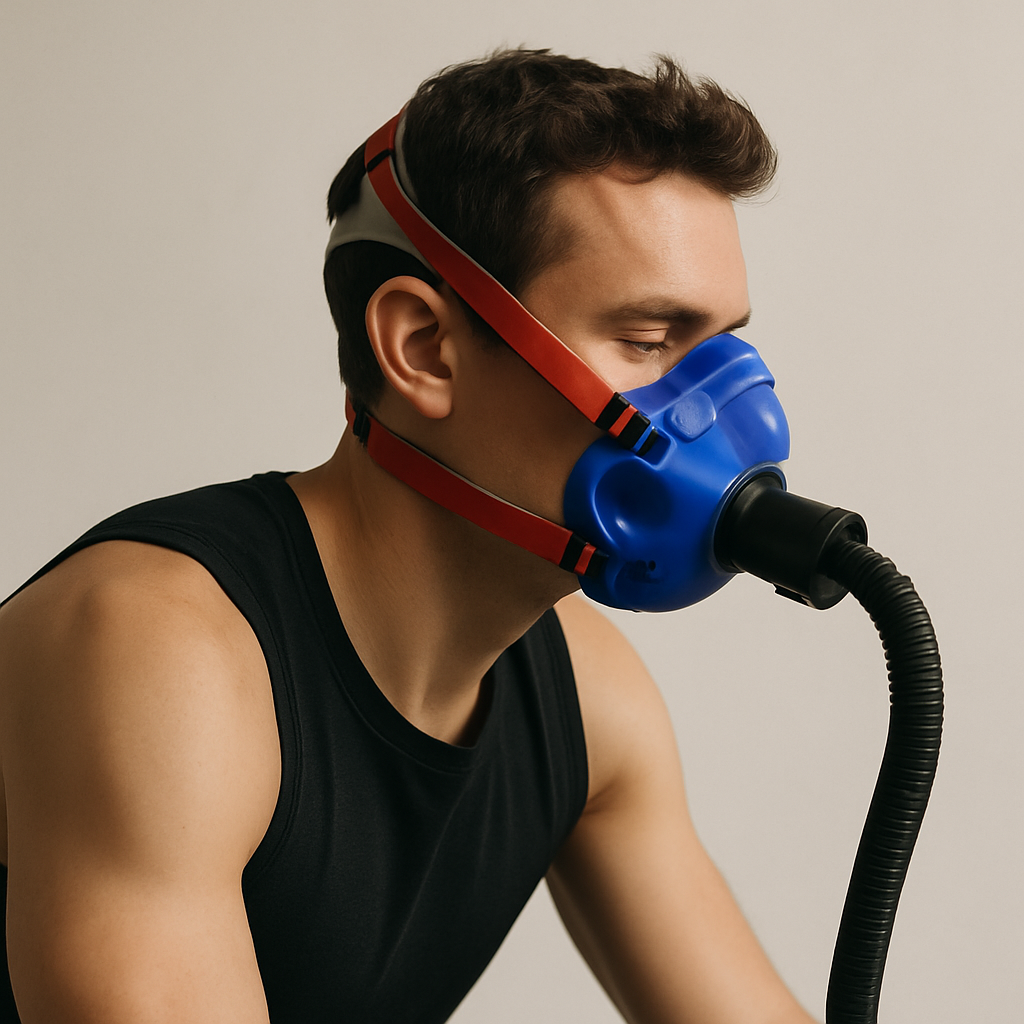
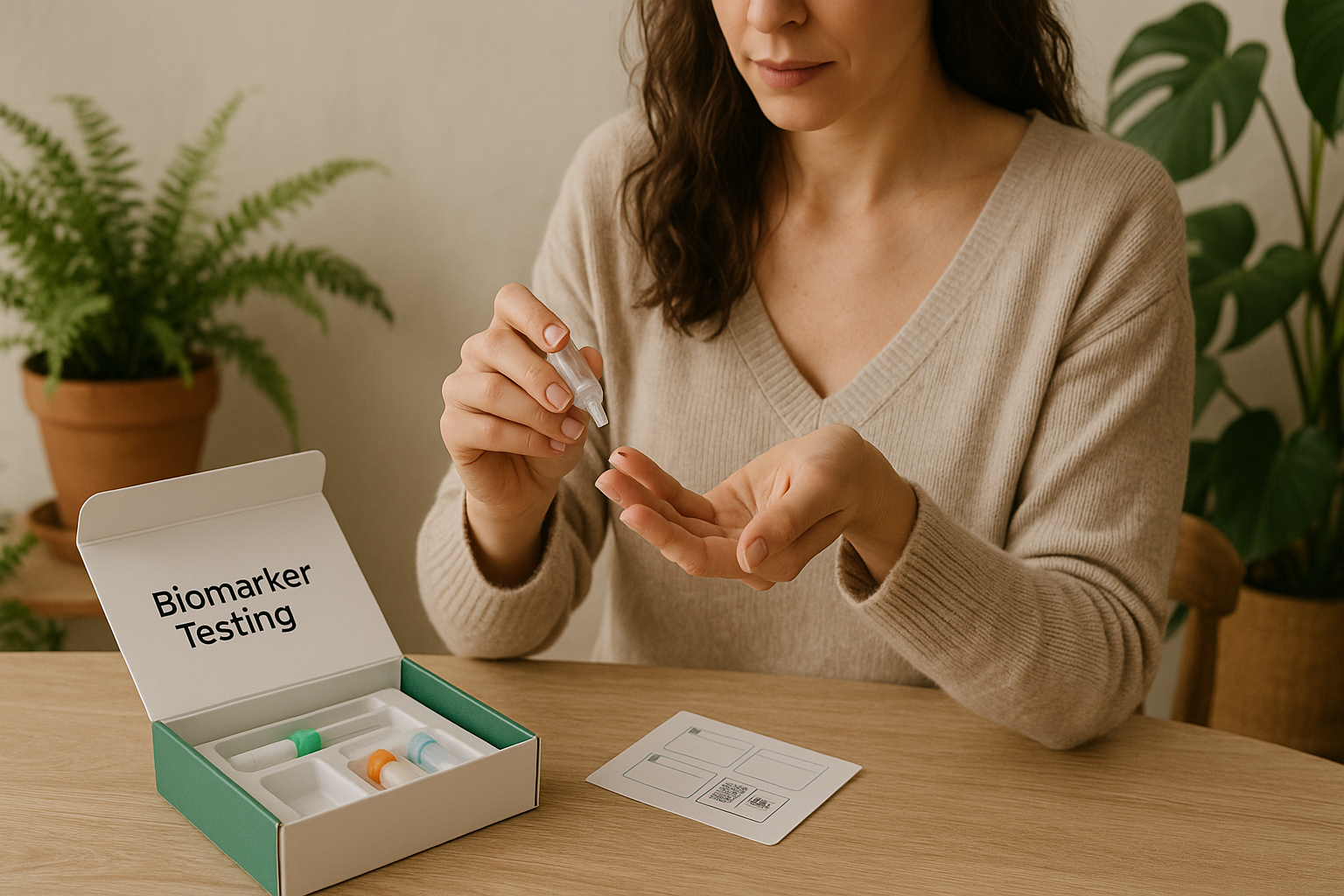
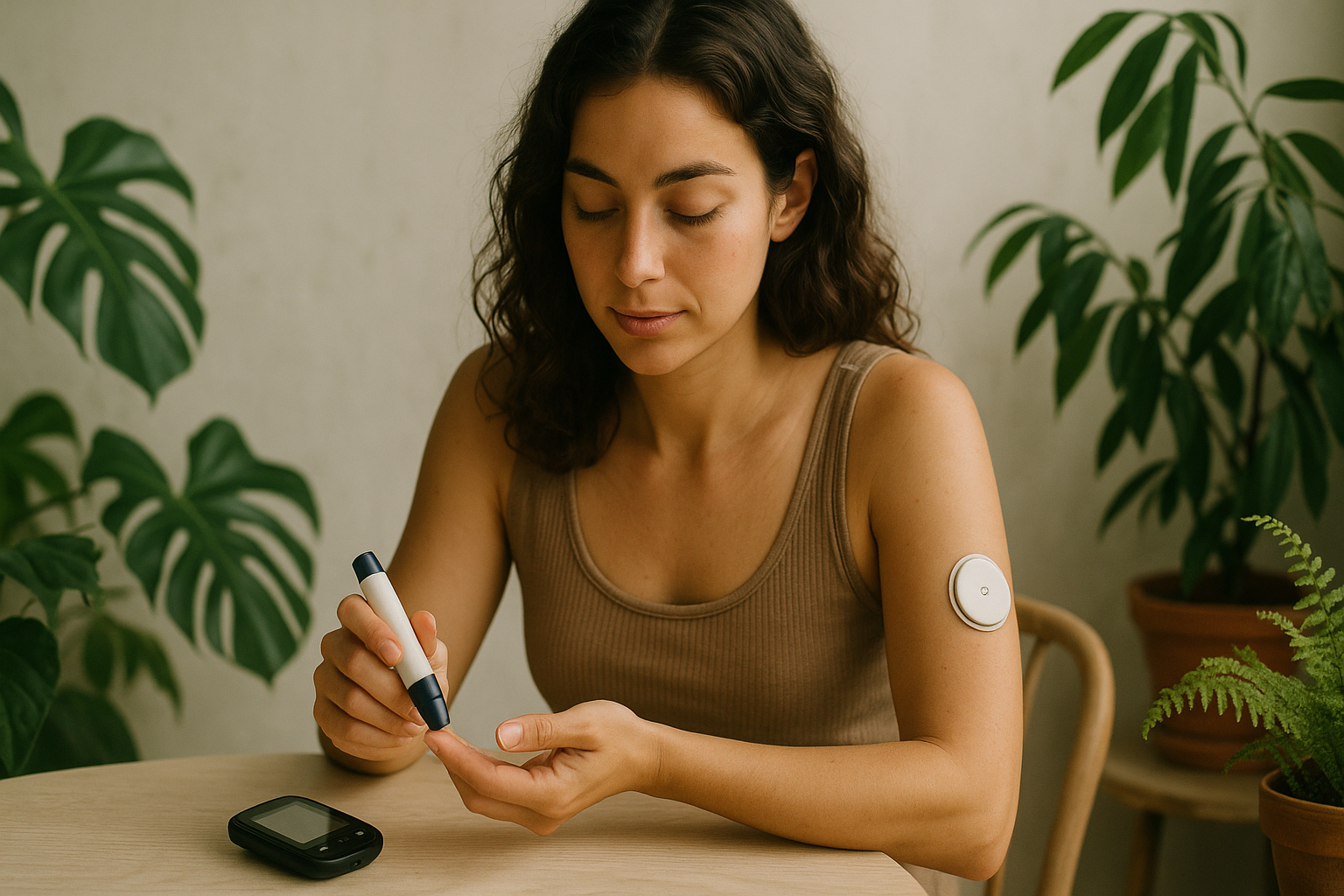
Tracking recovery can be enhanced by monitoring specific biomarkers and indicators. Useful metrics may include:
- Heart Rate Variability (HRV): A higher HRV is often associated with better recovery and lower stress levels.
- Resting Heart Rate: An elevated resting heart rate may indicate inadequate recovery or fatigue.
- Sleep Quality: Utilizing sleep tracking devices can provide insights into sleep patterns and disturbances.
- Muscle soreness levels: Self-reporting soreness on a scale can help gauge recovery progress.
- Performance metrics: Tracking workout performance can highlight improvements or declines related to recovery.
Body Systems Supported
Recovery planning supports several key body systems, including:
- Musculoskeletal System: Recovery techniques aid in muscle repair and joint health.
- Nervous System: Recovery helps restore neural function and reduce fatigue.
- Endocrine System: Adequate recovery can help balance hormones related to stress and metabolism.
- Cardiovascular System: Improved circulation during recovery enhances oxygen and nutrient delivery.
Common Goals
The primary goals of recovery planning include:
- Maximizing physical performance and endurance.
- Reducing the risk of injury and overtraining.
- Enhancing mental clarity and emotional well-being.
- Supporting long-term fitness sustainability.
Safety, Contraindications & Edge Cases
While recovery planning is beneficial for most individuals, some cases warrant caution. For those with specific medical conditions, such as cardiovascular issues or chronic fatigue syndrome, it is essential to consult with a healthcare professional before implementing new recovery protocols. Additionally, individuals recovering from severe injuries should follow a tailored recovery plan designed by a qualified therapist or coach to avoid exacerbating their condition.
Pairs Well With
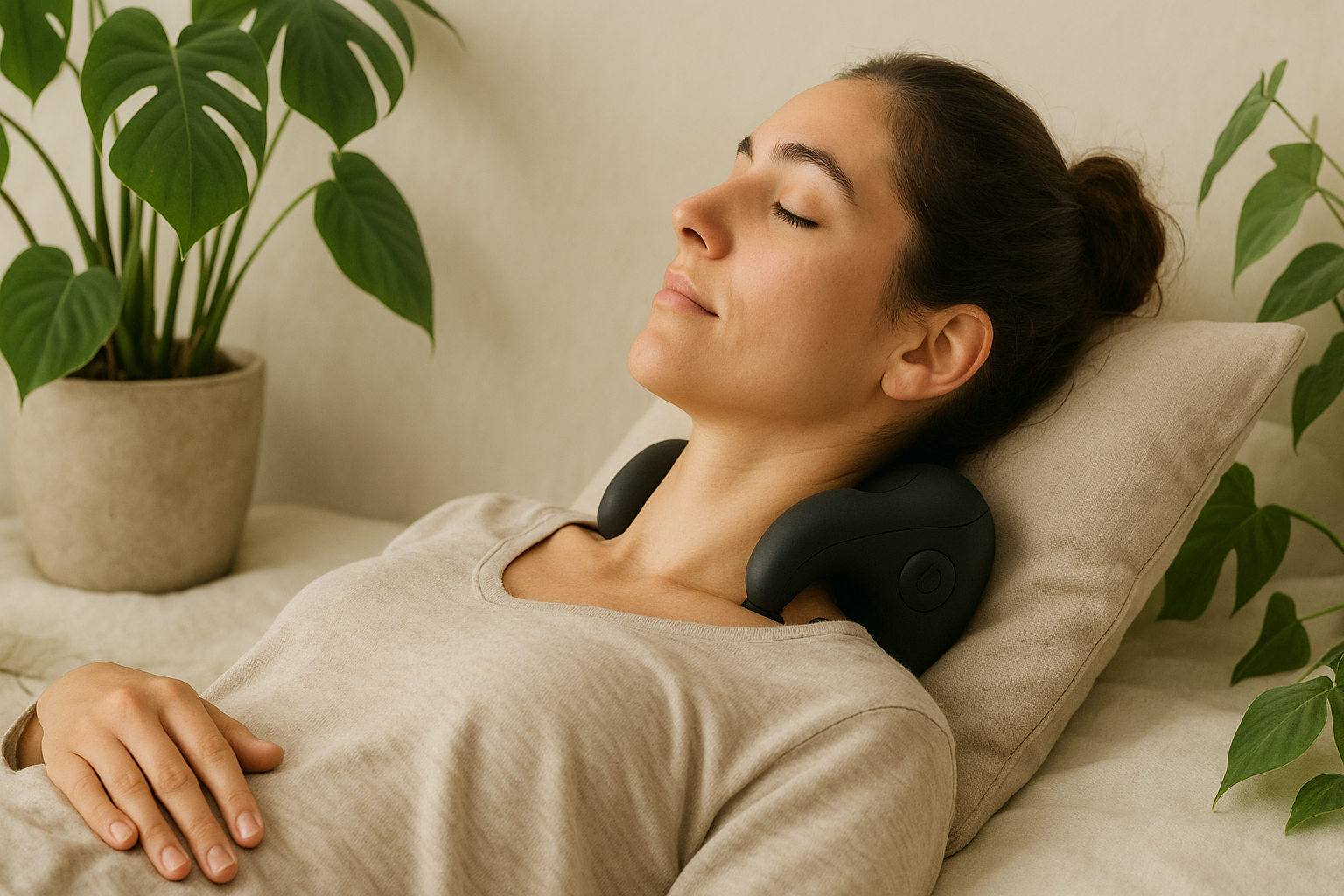
Recovery planning can be complemented by various ancient or natural practices that enhance overall well-being. Some effective pairings include:
- Yoga: Promotes flexibility, reduces stress, and aids in mental recovery.
- Meditation: Enhances mental focus and reduces anxiety, supporting psychological recovery.
- Aromatherapy: Certain essential oils can promote relaxation and stress relief.
- Nutrition from Whole Foods: Incorporating nutrient-dense foods supports recovery at a cellular level.
FAQs (5)
- What is the best recovery method after a workout? The best recovery method can vary, but a combination of hydration, nutrition, and light active recovery is generally effective.
- How long should recovery take? Recovery time depends on the intensity of the workout and individual factors, but typically ranges from 24 to 72 hours.
- Is it okay to work out while sore? Light exercise can be beneficial; however, intense workouts should be avoided until soreness subsides.
- Can sleep improve recovery? Yes, adequate sleep is crucial for physical and mental recovery, as it supports various biological processes.
- Are there any supplements that aid recovery? Some supplements, such as protein powders or omega-3 fatty acids, may support recovery, but it is best to consult a healthcare professional before use.
Frequently asked
What is the best recovery method after a workout?
The best recovery method can vary, but a combination of hydration, nutrition, and light active recovery is generally effective.
How long should recovery take?
Recovery time depends on the intensity of the workout and individual factors, but typically ranges from 24 to 72 hours.
Is it okay to work out while sore?
Light exercise can be beneficial; however, intense workouts should be avoided until soreness subsides.
Can sleep improve recovery?
Yes, adequate sleep is crucial for physical and mental recovery, as it supports various biological processes.
Are there any supplements that aid recovery?
Some supplements, such as protein powders or omega-3 fatty acids, may support recovery, but it is best to consult a healthcare professional before use.